
Best Trade School & Training Programs - Leading Certification Courses in Ann Arbor for 2026

Co-Founder and Chief Data Scientist
Choosing the right trade school in Ann Arbor can shape your future in meaningful ways. Our article introduces a helpful trade school programs ranking created by the Research.com team of data scientists to guide you toward quality options.
This ranking is designed to simplify your decision-making process, so you can focus on what matters most: building valuable skills for a rewarding career. Earning a trade school diploma or certification opens doors to opportunities and personal growth.
Explore these trusted programs and take a confident step toward your goals.
Key benefits of finishing trade school programs trade school in Ann Arbor
- Expected salary: Trade school graduates in Ann Arbor can earn competitive salaries, with starting pay ranging from $45,000 to $70,000 annually for electricians, HVAC technicians, automotive technicians, and welders; healthcare roles like licensed practical nurses start around $50,000-$60,000, while dental hygienists often earn $65,000 or more.
- Popular career paths: Many graduates pursue skilled trades such as electrician, HVAC, automotive technician, welding, and healthcare-related fields like nursing and dental hygiene, all of which have strong local demand and offer steady employment opportunities.
- Benefits of online trade school: Earning a trade diploma or certification online offers flexibility and convenience, allowing students to balance work and study effectively while gaining hands-on skills recognized by local employers in Ann Arbor's active job market.
- Best Trade School & Training Programs - Leading Certification Courses in Ann Arbor for 2026
- What can I expect from trade school programs trade schools in Ann Arbor?
- Where can I work after finishing trade school programs trade schools in Ann Arbor?
What can I expect from trade school programs trade schools in Ann Arbor?
The average cost of a trade school program in Ann Arbor typically fits within a range that feels manageable for many students, especially when you consider the strong return on investment. Graduates from Washtenaw Community College often mention paying tuition that's comparable to in-state community colleges-usually a few thousand dollars per semester. Many find this reasonable given the hands-on training they get in welding, HVAC/R, or health science programs.
Some students who attend nearby tech schools, like Universal Technical Institute in Canton, share how the accelerated tracks-such as the 10-month Welding Specialist program-make it easier to budget both time and money. While exact costs depend on the chosen program and length, affordable financing options and scholarships can often help ease the burden.
What sets these programs apart is not only the price but also the practical experience they pack in. Graduates often recall working directly with industry-grade tools and finishing with certifications that open doors swiftly, making every dollar spent feel worthwhile.
Where can I work after finishing trade school programs trade schools in Ann Arbor?
After finishing a trade school program in Ann Arbor, you can jump right into jobs where your hands-on skills truly shine. Graduates from popular local schools often find themselves working as HVAC technicians keeping homes and businesses comfortable, welding in busy manufacturing plants, or maintaining machinery in bustling industrial facilities. Many tell stories of starting as apprentices and quickly moving up because companies locally are always on the lookout for skilled workers.
For example, one graduate landed a position as a property maintenance technician at a well-known Ann Arbor hospital, while another started repairing aircraft engines at a regional airport. Employers include construction firms, service companies, and even tech-focused automation centers, reflecting the city's mix of industrial and advanced tech opportunities.
It's encouraging to know that entry-level wages here range from $18 to $57 an hour, depending on your trade and experience. Plus, the career services at these trade schools make it easy to connect with local job openings, helping you turn your training into a rewarding career quickly.
After finishing a trade school program in Ann Arbor, graduates typically see a solid jump in earnings. On average, they make about $65,694 per year or $31.58 an hour, which is noticeably higher than the statewide average for Michigan. Imagine finishing your HVAC or electrical training at a popular Ann Arbor trade school and stepping straight into a job that pays you well above the Michigan average-many grads find this to be their reality.
Entry-level workers, like construction laborers fresh out of school, start around $18.97 an hour. But it doesn't stop there-those gaining experience and specialized skills, maybe in plumbing or automotive tech, can earn up to $36.13 an hour. Many graduates share how overtime and certifications helped boost their pay even more.
If you picture how a graduate from a local trade school moves into a steady job with this kind of pay, it's easy to see why trade programs in Ann Arbor are popular for fast-tracking a rewarding career without the long wait of a four-year degree.
- Trade school programs in Ann Arbor cover fields like welding, aviation, energy, robotics, HVACR, and industrial maintenance.
- Admission usually requires a high school diploma or GED, with some programs needing basic tests or interviews.
- Program lengths vary from under one year for HVACR and welding to up to two years for robotics, aviation, and energy technology.
- Tuition and fees typically range from $18,000 to $30,000, with financial aid and scholarships often available.
- Entry-level salaries for graduates start around $40,000 to $50,000, with potential earnings rising to $60,000 to $80,000 over time.
- Graduates commonly work with manufacturing, energy, construction, and automation employers, supported by local job placement partnerships.
If you're wondering how long it takes to finish a trade school program in Ann Arbor, it really depends on what you want to study and how you attend. Many certificate programs, like welding or HVACR, wrap up in about 7 months to a year. Graduates often talk about how exciting it was to jump into hands-on skills quickly, especially at places near Ann Arbor where programs like Industrial Maintenance take just seven months to complete.
For those who opt for pre-apprenticeship tracks, such as the ironworker program at Washtenaw Community College, finishing in under a year is common when studying full-time. These programs give a great balance of classroom learning and practical experience without feeling overwhelming.
More comprehensive associate degrees usually take around two years. Graduates appreciate how these programs combine trade skills with general education, opening doors to more advanced jobs.
Apprenticeship programs can take longer-sometimes up to five years-but students enjoy earning while learning and gaining real-world experience alongside classroom hours. Many local schools even offer evening or weekend classes, making it easier for those who work or have other commitments.
The main difference between online and on-campus trade school programs in Ann Arbor comes down to hands-on experience and schedule flexibility. Graduates from Washtenaw Community College's on-campus programs often talk about how valuable it was to work directly with welding torches or automotive engines in real labs. Getting immediate feedback from instructors and collaborating with classmates face-to-face made the learning feel real and boosted their confidence for actual jobs.
On the flip side, students who chose online or hybrid programs appreciated the freedom to study at their own pace, especially those balancing work or family. Kirtland Community College's online offerings let learners dive into lessons from anywhere, which really helped folks who needed that extra flexibility. But many noted that the in-person lab days were essential to master key skills, blending convenience with hands-on practice.
Either way, whether you crave that fully on-site experience or need a more adaptable schedule, Ann Arbor's trade schools offer options that meet real needs and help launch careers.
When considering the average trade school cost in Ann Arbor, most students find themselves paying between $17,000 and $22,000 for the entire program. This covers tuition, fees, books, equipment, and sometimes housing. Graduates from popular fields, like automotive technology or welding, often share how managing these costs felt doable thanks to flexible payment options local schools offer. Tuition alone usually ranges from $14,000 to $22,000, which aligns closely with the average tuition and fees reported for Michigan trade schools, sitting roughly between $18,902 and $19,379 for the 2024-2025 academic year.
Many students appreciate that additional expenses like books and supplies only add about $500 to $1,000 yearly, while tools or equipment can run between $500 and $5,000 depending on the trade. Some graduates remember budgeting carefully for these items, especially in skilled trades needing specialized gear. Living costs in Ann Arbor vary too-some found ways to save by living with family or roommates, keeping accommodation expenses between $1,200 and $1,800 annually. For anyone interested in a hands-on career, understanding the Ann Arbor trade school tuition and fees is vital.
Trade schools here also differ by field: a medical assisting program might cost as little as $2,000 or up to $20,000, reflecting diverse program lengths and content. Prospective students weigh these options carefully when choosing a trade career that fits their budget and goals. Many schools support these choices with financial aid and payment plans, helping turn dreams into careers without overwhelming debt.

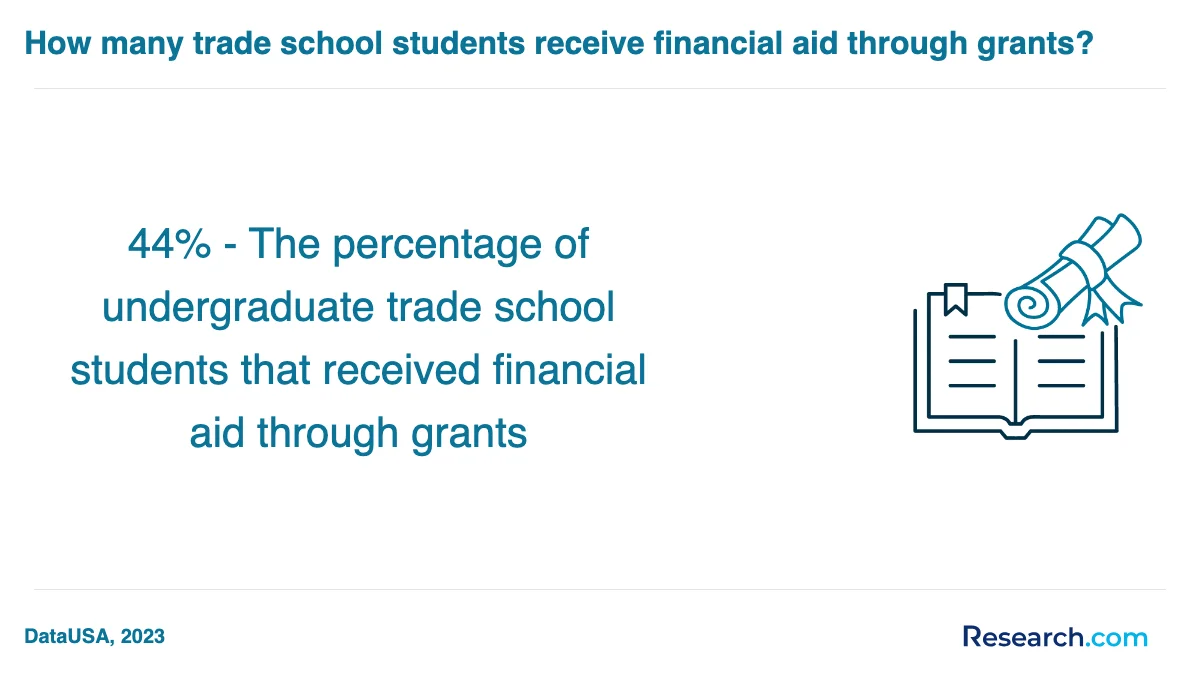
If you're looking into trade schools in Ann Arbor, you'll be glad to know financial aid options are pretty solid here. Most students start by filling out the Free Application for Federal Student Aid (FAFSA). That's your ticket to federal grants, low-interest loans, and work-study programs that can really help ease the burden of tuition.
Many grads from local schools say scholarships made a huge difference. For example, the Ann Arbor Area Community Foundation handed out over $450,000 in 2024 alone to students just like you. These scholarships often reward things like good grades, financial need, or even community efforts-so there's a good chance you'll find one that fits.
Trade schools and nearby colleges like Concordia University Ann Arbor also offer their own institutional grants and scholarships. In fact, nearly all traditional undergrads there get some type of aid, which means trade students often get similar support if they show promise or financial need.
Plus, if you need loans, there are federal and private options with flexible repayment plans that graduates appreciate. And don't forget work-study positions, which let you earn money while learning-students say it's a real lifesaver when juggling costs.
If you're thinking about enrolling in a trade school program in Ann Arbor, the basics are pretty straightforward. Most programs expect you to have a high school diploma or GED. This is the key that opens the door, not just for entry but also for qualifying for federal financial aid, which many grads appreciate when managing tuition costs.
Graduates often mention how proving your age and residency matters, especially if you're aiming for in-district tuition rates at public trade schools. Age requirements can vary-you might find that some programs prefer younger students, but many schools happily accept adult learners of all ages.
Standardized tests like the SAT usually aren't required, which is a relief for many students. Instead, some programs use their own placement tests focused on reading or math to help you start at the right level.
- Some fields, like healthcare or automotive tech, may ask for extra stuff-a background check, immunizations, or prerequisite courses.
- Applications are typically submitted online or in person, and you might attend an interview or orientation to get started.
For many graduates, navigating these steps was made easier thanks to enrollment support available at popular trade schools across Ann Arbor. That hands-on help often turns a nerve-wracking process into an exciting first step toward a new career.
If you're thinking about trade schools in Ann Arbor, expect a hands-on mix of classes designed to get you career-ready fast. Graduates from local programs often mention how they loved balancing theory with real tool use, making learning feel super practical and relevant.
Typical courses include:
- Industrial Maintenance: Advanced electrical theory, industrial heating and cooling, steam and gas turbines - imagine working on real machines just like on the job.
- Robotics and Automation: Electrical design, troubleshooting, hydraulics, pneumatics, and industrial robotics - perfect for tech lovers who want both certificates and associate degrees.
- Welding: From safety standards to various welding techniques, students enjoy working with modern equipment used in manufacturing and construction.
- HVACR Technician Training: Cooling and heating systems, refrigeration, and climate control get covered in about 10 months, fast-tracking entry into the workforce.
- Wind Power Technician: Focus on wind turbine maintenance and safety, ideal if you want to contribute to renewable energy efforts.
These courses are routinely updated thanks to input from local industries, so what you learn in Ann Arbor's trade schools will keep you sharp and ready for real-world jobs.
If you're looking into trade school programs in Ann Arbor, you'll find plenty of exciting specializations that match local job demands perfectly. Graduates often talk about hands-on experiences in skilled trades like welding, HVACR, and industrial maintenance-these programs gear you up quickly for real-world roles in construction and manufacturing.
Robotics and automation is another cool area. Many students enjoy diving into robotics programming and troubleshooting automation equipment, preparing for jobs in advanced manufacturing right here in the Ann Arbor area.
Energy-focused programs, especially for wind power technicians, are growing too, reflecting Michigan's push for renewable energy. Plus, aviation maintenance courses, such as Airframe & Powerplant Technician training, provide a direct route to aircraft industry jobs.
Healthcare enthusiasts can choose from medical assisting, dental assisting, or medical coding, with many appreciating the fast-track paths that lead to steady employment. Other popular programs cover cosmetology, childcare, and construction technology, offering flexibility and certification options that fit different lifestyles.
For those exploring electrical lineworker roles, you might want to check out the cheapest electrical lineworker training program online, which some Ann Arbor students find a smart, affordable option to boost their skills.
Choosing the best trade school programs in Ann Arbor means focusing on what fits your hands-on learning style and future career. Many graduates from local schools like Pioneer and Huron High Schools say the real edge comes from programs that combine classroom lessons with internships or shop experience. Imagine working on real automotive engines or culinary projects while still in school-that practical training makes job hunting way smoother.
To really nail how to compare trade schools in Ann Arbor, look beyond just reputations. Check if they're state-approved and accredited, which guarantees your skills meet industry standards. Also, explore student outcomes like graduation rates and job placement to get a feel for how successful past learners have been. Graduates often share that career counselors in these programs give them personalized advice that helped them map out a clear path.
Don't forget cost and financial aid-tuition can vary, and some programs offer scholarships or support. You can even find info on the cheapest online trade schools programs for electricians that suit budgets while providing solid training.

Trade school careers in Ann Arbor open up a bunch of exciting opportunities that graduates from local programs often enjoy. Many students from popular trade schools around Ann Arbor find themselves working in hands-on roles like welding, HVACR, and robotics automation right after graduation. These career paths feel rewarding because you're applying real skills that businesses in the area are actively looking for.
Vocational program job opportunities Ann Arbor graduates tap into include roles across several thriving industries. Some typical paths include:
- Advanced manufacturing roles such as machine operators and maintenance techs.
- Construction and energy jobs including electricians, HVACR technicians, and wind power specialists.
- Aviation maintenance as airframe and powerplant mechanics.
- Healthcare technology with positions like medical equipment repair specialists.
- IT and automation-centric roles involving robotics and industrial controls.
Graduates often share how their training at local schools, coupled with strong employer demand, helped them land rewarding jobs quickly. Plus, with programs offering paid apprenticeships and college credits, the pathway feels both practical and motivating. If you're exploring options, you might even want to check out cheap online appliance repair courses as a flexible way to boost your skills.
Job opportunities for trade school graduates in Ann Arbor are thriving right now, making it an exciting time to dive into skilled trades. Graduates from local programs, including those in neighboring Canton, often share how quickly they land roles in welding, HVACR, and industrial maintenance - fields that keep the city's economy moving. Many mention that the hands-on training and connections with local employers made all the difference when starting out.
Here's what makes Ann Arbor's skilled trades employment outlook so promising:
- Over 850 trade positions open as of August 2025, from heavy equipment mechanics to millwrights.
- State initiatives aiming to add 5,000 new infrastructure workers by 2030 focused on clean energy and road construction.
- Fast-track programs available through community colleges, making career changes or upskilling flexible and accessible.
For those curious about the best programs supporting this momentum, checking out top construction trade programs can really put you on the right path.
Best Trade School & Training Programs - Leading Certification Courses in Ann Arbor for 2026
# 1 position
Washtenaw Community College - Dental Assisting/Assistant.
certificate or diplomaWashtenaw Community College offers a Hybrid Dental Assisting/Assistant program designed to prepare students for patient care, dental radiography, and office administrative tasks under dentist supervision. The curriculum covers medical record-keeping, scheduling, equipment maintenance, sterilization, and chairside assisting. Annual in-state tuition is $2,736. Graduates earn a median income of $37,428 one year after completion. The program is accredited by the Higher Learning Commission.
# 2 position
Washtenaw Community College - Business Administration and Management, General.
associateWashtenaw Community College offers a fully online Business Administration and Management, General program designed to prepare students to plan, organize, direct, and control organizational functions. The curriculum covers management theory, human resources, accounting, purchasing, logistics, marketing, and decision-making. The annual in-state tuition is $2,736. Graduates have a median earning of $41,152 one year after completion. The program is accredited by the Higher Learning Commission.
# 3 position
Washtenaw Community College - Office Management and Supervision.
associateWashtenaw Community College offers a fully online Office Management and Supervision program designed to prepare students for managing business office operations and personnel. The curriculum covers employee supervision, labor relations, budgeting, scheduling, office systems, records management, and public relations. The program is accredited by the Higher Learning Commission. Annual in-state tuition is $2,736, and median earnings one year after completion are $41,152.
# 4 position
Washtenaw Community College - Physical Therapy Assistant.
associateWashtenaw Community College offers a Physical Therapy Assistant program in a hybrid format with some distance-education options. The program prepares students to implement treatment care plans, conduct interventions, and use equipment under a physical therapist's supervision. Coursework includes anatomy, physiology, biomechanics, neuroscience, and professional ethics. The annual in-state tuition is $2,736. Graduates have median earnings of $39,704 one year after completion. The program is accredited by the Higher Learning Commission.
# 5 position
Washtenaw Community College - Automobile/Automotive Mechanics Technology/Technician.
associateWashtenaw Community College offers a hybrid Automobile/Automotive Mechanics Technology/Technician program designed to prepare students to repair, service, and maintain various automobile systems. The curriculum covers brake systems, electrical systems, engine performance and repair, suspension and steering, transmissions, and heating and air conditioning. The program is accredited by the Higher Learning Commission. Annual in-state tuition is $2,736, with median earnings one year after completion of $37,457.
# 6 position
Washtenaw Community College - Automobile/Automotive Mechanics Technology/Technician.
certificate or diplomaWashtenaw Community College offers a hybrid program in Automobile/Automotive Mechanics Technology/Technician, designed to train students in repairing, servicing, and maintaining various automobile systems. The curriculum covers brake systems, electrical systems, engine performance and repair, suspension and steering, transmissions, and heating and air conditioning. The program is accredited by the Higher Learning Commission. Annual in-state tuition is $2,736, and median earnings one year after completion are $37,457.
# 7 position
Washtenaw Community College - Computer and Information Sciences, General.
associateWashtenaw Community College offers a hybrid program in Computer and Information Sciences, General, focusing on computing, computer science, and information science systems. The annual in-state tuition is $2,736. Graduates earn a median salary of $33,457.70 one year after completing the program. The program is accredited by the Higher Learning Commission and is distinct from specific computer science or information science degrees.
# 8 position
Washtenaw Community College - Information Technology.
associateWashtenaw Community College offers a Hybrid Information Technology program focusing on designing technological information systems to support business and research data needs. The curriculum covers computer hardware and software, algorithms, databases, telecommunications, application testing, and human interface design. The annual in-state tuition is $2,736. Graduates have a median earning of $33,457 one year after completion. The program is accredited by the Higher Learning Commission.
# 9 position
Washtenaw Community College - Computer Systems Networking and Telecommunications.
associateWashtenaw Community College offers a Computer Systems Networking and Telecommunications program with a hybrid format, allowing some distance education. The program trains students in designing, implementing, and managing linked computer systems and networks, covering operating systems, networking theory, security, and troubleshooting. Annual in-state tuition is $2,736. Graduates earn a median of $33,457.70 one year after completion. The program is accredited by the Higher Learning Commission.
# 10 position
Washtenaw Community College - Computer and Information Systems Security/Auditing/Information Assurance.
associateWashtenaw Community College offers a hybrid Computer and Information Systems Security/Auditing/Information Assurance program preparing students to assess security needs, recommend safeguards, and manage security system implementation and auditing. The curriculum covers computer architecture, programming, networking, cryptography, risk assessment, and investigation techniques. The program's annual in-state tuition is $2,736 and it is accredited by the Higher Learning Commission.
Frequently Asked Questions about trade school programs
Preparing for the job market after completing trade school in Ann Arbor involves several important steps. Graduates should begin by developing a strong professional resume that highlights their hands-on skills and certifications obtained during their program. Networking is also crucial; local job fairs and Ann Arbor's business community, including manufacturing and healthcare sectors, offer valuable connections.
Internships and apprenticeships, often available through trade schools, provide practical experience that many employers seek. According to the Michigan Bureau of Labor Market Information, Ann Arbor's trade-related employment sectors are projected to grow 5% over the next decade, increasing opportunities for skilled workers. Additionally, seeking career counseling services offered by trade schools can help graduates identify job openings and prepare for interviews effectively.
Employers in Ann Arbor highly value practical skills and strong work ethics from trade school graduates. According to the Michigan Department of Labor, technical proficiency in areas like HVAC, welding, and electrical work is critical, reflecting the region's industrial and manufacturing needs.
Soft skills such as communication, problem-solving, and teamwork are also crucial. A 2023 survey by the Ann Arbor Chamber of Commerce found that 78% of local employers prioritized these interpersonal abilities alongside hands-on experience.
Additionally, adaptability and the ability to learn new technologies quickly are increasingly important in the evolving job market.
Finding internships in Ann Arbor that align with your trade school program involves leveraging local resources and connections. Many trade schools maintain partnerships with businesses in industries like automotive, healthcare, and skilled trades, which can help secure relevant internships.
Local organizations such as the Ann Arbor Chamber of Commerce and the Michigan Workforce Development Agency offer listings and guidance for internship opportunities. According to the Michigan Department of Labor, Ann Arbor has a growing demand for skilled trade professionals, increasing available positions annually.
Additionally, exploring job boards dedicated to Michigan or Ann Arbor specifically can yield updated internship openings. Networking through trade school career centers and attending regional job fairs in Ann Arbor also improves your chances of finding suitable internships.
In Ann Arbor, a trade school diploma significantly enhances career mobility and advancement opportunities. According to data from the U.S. Bureau of Labor Statistics, occupations requiring vocational training often see faster job placement rates compared to traditional four-year degrees. Trade programs in Ann Arbor, such as those in automotive technology or healthcare support, equip students with specialized skills employers actively seek.
The Michigan Department of Labor reports that graduates from local trade schools experience an average wage increase of 15-25% within two years of obtaining their diploma. These credentials also allow workers to advance into supervisory roles without extensive additional education.
Moreover, trade certifications align closely with Ann Arbor's key industries, including manufacturing and healthcare, supporting sustained career growth. Practical training and employer partnerships frequently lead to internships and job offers, which further improve upward mobility in this competitive job market.
For students attending trade schools in Ann Arbor, part-time job opportunities that complement their education are often found in industries linked to their training. Common roles include automotive technician assistant, construction laborer, and HVAC apprentice, which provide hands-on experience alongside theoretical learning.
The Ann Arbor area's strong presence of manufacturing and skilled trades supports these roles. According to the U.S. Bureau of Labor Statistics, the region has seen a steady increase in employment for occupations like electricians and mechanics, with many companies offering part-time or internship positions for students.
Additionally, healthcare-related programs can benefit from part-time work as nursing aides or medical assistants in local clinics and hospitals, helping students apply their skills in real settings while earning income.
Yes, there are excellent degree programs available near Ann Arbor, MI, including those at the University of Michigan, which is renowned for its strong academic offerings and research opportunities. You can find a variety of undergraduate and graduate programs in fields such as engineering, business, and the sciences, all of which are well-regarded in their respective disciplines. If you are considering programs "near me," Research.com can be a helpful resource for evaluating and comparing the rankings and reputations of such universities and their degree offerings.
- Best Trade School & Training Programs - Leading Certification Courses in Adrian for 2026
- Best Trade School & Training Programs - Leading Certification Courses in Angola for 2026
- Best Trade School & Training Programs - Leading Certification Courses in Akron for 2026
- Best Trade School & Training Programs - Leading Certification Courses in Florence for 2026
- Best Trade School & Training Programs - Leading Certification Courses in Hamburg for 2026
- Prepare to Enter the Trades (Start: Your Experience) https://www.wccnet.edu/start-now/advance-career/trades.php
- Empowering Local Youth for Career Success in Southeast Michigan https://annarborusa.org/news/empowering-local-youth-for-career-success-in-southeast-michigan/
- Career & Technical Education - Ann Arbor Public Schools https://www.a2schools.org/teaching-learning/teaching-learning-by-department/career-technical-education
- Students in Washtenaw County got hands-on experience in this building trades program https://www.mlive.com/news/ann-arbor/2024/06/students-in-washtenaw-county-got-hands-on-experience-in-this-building-trades-program.html
- Ypsi program helps youth and adults build skills and confidence for careers in the trades – Concentrate https://www.secondwavemedia.com/concentrate/features/ypsi-program-helps-youth-and-adults-build-skills-confidence-for-careers-in-the-trades.aspx
- Skilled Trades(WCC Programs) https://catalog.wccnet.edu/current/academic-pathways/skilled-trades.php
- Career Technical Education - Washtenaw ISD https://www.washtenawisd.org/career-technical-education/
- SKILLED TRADES - Washtenaw Contractors Association https://www.wcaonline.org/skilled-trades/
- Career Training Programs https://www.michigan.gov/mistudentaid/programs/michigan-achievement-scholarship/career-training/programs


