Best Certificate Programs - Leading Certification Courses in Frederick for 2026

Co-Founder and Chief Data Scientist
Choosing the right certificate program can shape your future in Frederick’s thriving trade industries. This article introduces the best certificate programs in Frederick for 2026, designed to guide you through your options with confidence.
The ranking featured here was carefully created by the Research.com team of data scientists, helping you identify certificate programs that deliver real value and opportunities.
Whether you want to gain new skills, boost your career, or start fresh, this guide makes your journey easier and more rewarding. Explore your path to success today.
Key benefits of getting trade school certificate in Frederick
Choosing to earn a trade school certificate in Frederick can open doors to well-paying jobs. Graduates in fields like industrial mechanics, plumbing, and HVAC can expect hourly wages between $24 and $27, translating to salaries around $51,000 to $57,000 annually.
- Popular career paths include healthcare support, skilled trades, and logistics, offering diverse opportunities for certificate holders.
- Many graduates from Frederick's trade schools find strong local demand and stable employment prospects in industries like manufacturing and information technology.
- Online trade school certification provides flexible scheduling and allows students to balance work and study, making education more accessible and convenient.
- Best Certificate Programs - Leading Certification Courses in Frederick for 2026
- What can I expect from trade school certification programs in Frederick?
- Where can I work with trade school certification in Frederick?
What can I expect from trade school certification programs in Frederick?
The average cost for a trade school certification program in Frederick varies but is generally affordable compared to traditional college degrees. Many students find programs at Frederick Community College (FCC) particularly accessible, with typical tuition ranging from a few hundred to a couple of thousand dollars per certificate. Graduates from popular certifications like HVAC Foundations or Welding often share how local scholarships and fee waivers significantly eased their financial burden, making these pathways feel attainable.
One graduate mentioned how dual enrollment options allowed them to start their certification while still in high school with no tuition cost, which was a huge relief. Others pursuing healthcare certifications, like Certified Nursing Assistant, appreciate that scholarships like the Workforce Development Sequence helped cover books and materials.
Because these are non-credit programs, federal aid is not an option, but the strong network of local financial supports and flexible payment structures ensures many students can focus more on mastering skills than on worrying about price tags. Trade schools in Frederick truly emphasize readiness and affordability together, which keeps motivation high.
Where can I work with trade school certification in Frederick?
After completing a trade school certification program in Frederick, you'll find many opportunities waiting for you. Graduates often land jobs in construction, skilled trades, and technical services, which are among the top industries here. Many alumni from popular local programs in HVAC, plumbing, electrical, and carpentry quickly find roles with regional contractors or public agencies.
For example, graduates working as HVAC technicians at companies like WG/Welch Mechanical Contractors often start near $30 per hour, earning benefits while developing their skills. Others become apprentice plumbers or electricians, roles that pay well and offer hands-on learning environments. Students who embraced the apprenticeship model at Frederick Community College shared that earning while learning made the transition to full-time work much smoother.
Beyond trades, certified workers also thrive in industrial manufacturing, property management, and civil engineering firms throughout Frederick and the Washington/Baltimore metro area. Whether you're maintaining buildings or working on highway projects, local demand is strong, and many job boards list hundreds of openings regularly.
After finishing a trade school certification program in Frederick, graduates typically start with an annual salary around $37,800, which equates to about $18 per hour. Many recent graduates from well-known trade schools in Frederick have shared how their starting pay felt like a real step up compared to other entry-level jobs.
With a bit of experience, you can expect your earnings to rise to approximately $47,959 per year or $23 per hour. For instance, a concrete carpenter graduate in Frederick now earns around $53,721 annually, which reflects the solid demand for skilled professionals locally.
Even trades like drywall installation and advanced technical roles have promising wages in Frederick, with salaries surpassing $50,000. Apprenticeship programs here often advertise total compensation packages in the $75,000 to $100,000 range, which include benefits that make the opportunity even more attractive.
Many Frederick graduates express excitement about the financial independence they gained so soon after completing their certifications, fueled by hands-on training and local employer connections.
- Jasmine: Pursuing the HVAC certification in Frederick transformed my life. The hands-on training and supportive instructors made learning enjoyable, while job placement assistance helped me secure a position at a local company quickly. I feel confident and ready to build a stable career in this essential trade.
- Marcus: Getting my Welding certification here was challenging but rewarding. The practical skills I gained allowed me to work on meaningful projects right after graduation. Studying in Frederick gave me community connections and a solid path toward a well-paying, respected trade career.
- Sophie: The Medical Billing program exceeded my expectations. What stood out was the flexible class schedule and personalized attention, which helped me balance life and studies. Now employed at a Frederick clinic, I'm proud to have launched my new career thanks to this trade school.
- Trade and vocational programs in Frederick include fields such as HVAC, electrical technology, welding, healthcare, business, and IT.
- High school students in Frederick County can attend classes for free through dual enrollment, with scholarships available for fees and books.
- Admission may require a high school diploma or GED, and some programs have additional prerequisites or need program manager approval.
- Tuition for certificate programs at Frederick Community College ranges from $2,000 to $5,000 for in-county students, with higher fees for out-of-county and out-of-state students.
- Average starting wages for trades like electrician and plumber are $24.68 to $26.26 per hour, while experienced construction managers earn around $41.50 per hour.
Completing a trade school certification program in Frederick typically takes about one year or less for most short-term certificates at Frederick Community College. Graduates from programs like culinary arts or welding often share how quickly they transitioned into jobs, energized by the hands-on learning that fits into just a few semesters. This accelerated pace is perfect if you want to jumpstart your career without long delays.
If you choose an apprenticeship, expect a longer commitment-anywhere from one to four years. Apprentices combine paid work with classroom study, gaining real-world experience that builds confidence and skills over time. For example, those in emergency management or accounting technician apprenticeships appreciate the balance of earning while learning, which feels rewarding and practical.
The flexibility of scheduling options-day, evening, weekends, and online-means you can tailor your studies to fit around life's demands. Many Building Trades Technology certificates, like HVAC or electrical programs, can be completed in about a year full-time, though part-time students might take a bit longer. This adaptability helps students stay motivated and complete their certifications efficiently.
The main difference between online and on-campus trade school certification programs in Frederick is how you engage with your studies. Online programs offer unbeatable flexibility, allowing you to complete coursework around your busy schedule-whether you're juggling a job or family commitments. Many graduates from Frederick trade schools appreciate being able to watch lectures and submit assignments whenever it fits their day, especially in fields like business administration or information technology where remote learning works well.
On the other hand, if you're pursuing hands-on trades such as HVAC, welding, or dental assisting, on-campus programs provide invaluable in-person experiences. Graduates often mention how working directly with tools and machines at Frederick Community College's labs gave them confidence and real-world skills they couldn't get online. Plus, the immediate access to instructors and classmates helps build a supportive learning community.
Remember, some certifications require in-person attendance for safety or licensing reasons, so choosing the right format depends on your field and personal learning style.
The average cost of trade school certification in Frederick is surprisingly affordable compared to traditional college pathways. At Frederick Community College (FCC), many short-term career training programs cost around $2,600, which is a fraction of what students might expect to pay for full degree programs. Graduates from FCC often share how this lower tuition made it easier to focus on hands-on learning without stressing over debts, especially in popular fields like medical coding and welding.
When considering Frederick MD trade school tuition and fees, it's important to recognize that the annual tuition for certificate programs here can be significantly less than the Maryland state averages. While public trade schools elsewhere in Maryland might charge between $7,000 and $11,000 per year, FCC's shorter certification tracks tend to be more budget-friendly, enabling many students to enter the workforce sooner. Some students pursuing network engineering found that the balance between cost and practical skills made their educational investment feel genuinely worthwhile.
Beyond tuition, budget for supplies and materials, which usually add $500 to $1,000 annually. However, many local trade schools-including FCC-offer financial aid, state grants, and scholarships that soften these extra costs. It helps students stay motivated and confident throughout their training, knowing support is available. For those curious about career prospects, learning what trades will be in demand in the future can help guide program choices and investment.

Students at trade schools in Frederick have a variety of financial aid options that make earning a certification more manageable. Federal aid, like the Pell Grant, can provide up to $7,395 annually, helping cover tuition and materials. Many graduates from places like The Temple: A Paul Mitchell Partner School share how completing the FAFSA early opened doors to these grants and other support.
For those who need loans, Federal Direct Loans offer up to $9,500 for independent freshmen, with higher amounts for continuing students. These loans require enrollment of at least half-time and completing some extra steps, but many find them a helpful bridge while studying.
Maryland state aid programs, including the Rawlings Guaranteed Access Grant and the Jack F. Tolbert Memorial Student Grant, specifically support trade students in Frederick. These grants reduce financial stress, letting students focus on hands-on training.
Local scholarships from the Community Foundation of Frederick County also ease costs for tuition and books. Many Frederick trade school graduates appreciate how combining federal, state, and local aid transformed their educational journey, making certification truly attainable.
Enrolling in a trade school certification program in Frederick is more accessible than many expect. Most students at Frederick Community College, a leading provider here, start without needing any college degree or prior credits. For example, graduates in HVAC or welding appreciate that they only needed to finish a non-credit Workforce Training Certificate program to gain hands-on skills quickly.
Typical prerequisites include:
- Holding a high school diploma or GED, which covers most programs like electrical or healthcare support
- Meeting age requirements for state-licensed fields-such as being 18 or older for real estate or home inspection certifications
- Completing required courses in a competency-based format, often with flexible evening or weekend classes ideal for working adults
While course substitutions aren't allowed, students can sometimes transfer up to 25% of their certificate hours from previous accredited learning, which many adult learners have found helpful in accelerating their paths.
Graduates often share how these clear, practical prerequisites removed barriers, letting them focus on skill-building and career advancement without unnecessary academic hurdles.
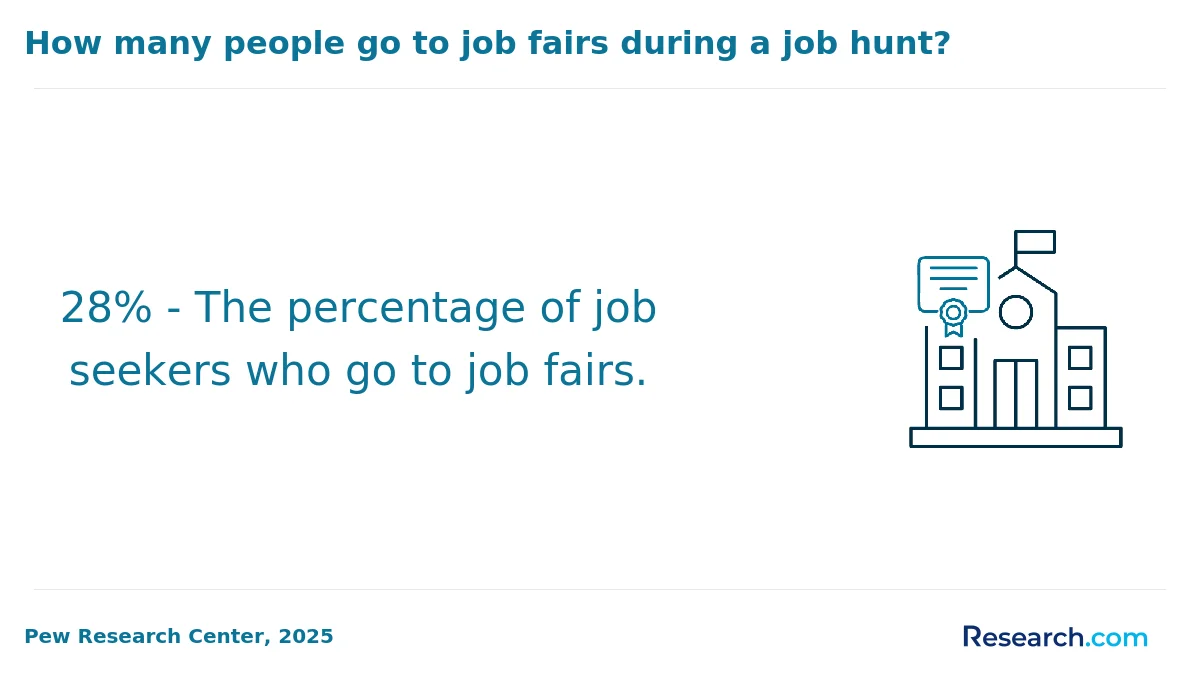
At Frederick Community College trade certification courses focus on hands-on skills essential for immediate employment. Graduates often highlight how the certificate programs offered in Frederick Maryland trade schools provide clear pathways through practical subjects that prepare them well for the workforce. In electrical certifications, students learn foundational circuitry, tool usage, and safety protocols before moving on to advanced wiring and troubleshooting techniques. HVAC courses cover refrigeration, diagnostics, and energy efficiency, giving students real-world skills to maintain and install heating and cooling systems.
Those interested in welding benefit from specializations like GMAW and SMAW, combining theory with extensive hands-on practice. Healthcare certificates such as Certified Nursing Assistant and Phlebotomy Technician include anatomy, care procedures, and medical terminology, forming a solid base for healthcare jobs. Industrial maintenance programs offer training in machinery repair and safety, essential for manufacturing roles.
Many Frederick Community College trade certification courses are rigorously updated to meet industry standards. Graduates often share that completing these focused programs builds both confidence and competence in competitive job markets.
For those exploring additional skill-building options, consider these cheapest online appliance repair courses to expand your expertise.
When choosing the best trade school programs in Frederick, focus on programs that align with your intended career and offer hands-on experience. Many graduates from Frederick Community College highlight how the practical training in fields like HVAC and electrical work helped them confidently step into the workforce. Look for certifications that local employers respect and programs that include apprenticeships or paid work experience, as these often lead to higher job placement.
Consider the Frederick Maryland trade certification cost carefully. Ask about scholarships and financial aid options available at local schools to ease the expense. Some programs even allow dual enrollment or credit transfers, which can save time and money. A graduate's positive experience with flexible schedule options meant balancing family life while gaining valuable skills.
For creative trades, exploring the culinary or hospitality routes may be rewarding. A former student recommended looking into programs offering blend of online and hands-on classes; even a baking and pastry arts class online can expand opportunities.
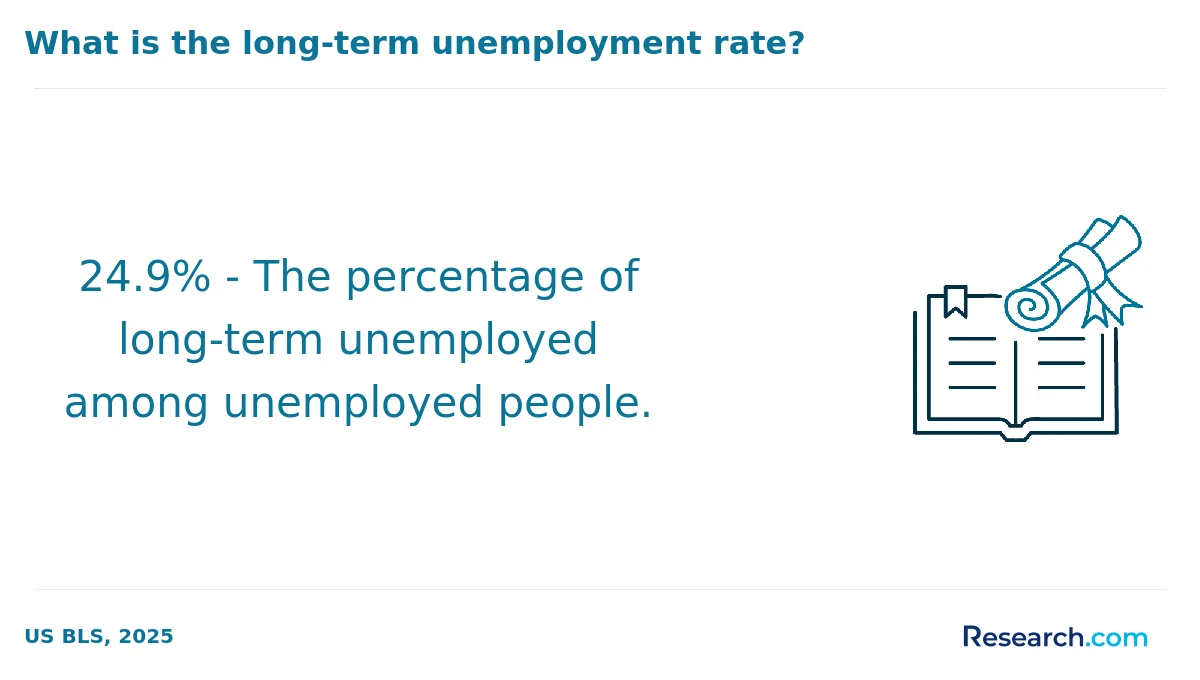
Graduates of trade school certification programs in Frederick find a wealth of trade school career opportunities in Frederick that open doors to rewarding and stable professions without a traditional college degree. Many succeed in construction and skilled trades jobs Frederick MD, entering fields like electrical work, HVAC, and welding, which are in high demand locally. For instance, several graduates from Frederick Community College's Workforce Training Programs describe how their hands-on experience swiftly led to job offers on construction sites and industrial projects.
Healthcare is another vibrant sector for trade school grads here. Certified Nursing Assistants and Medical Billing specialists frequently secure roles in Frederick's health facilities, often finding these positions provide both job security and satisfaction. Other career paths include logistics, warehouse coordination, and culinary arts, where graduates thrive in managing supply chains or working in busy kitchens.
High school students can even start through dual enrollment programs, getting a head start on these skills. If you want to compare program options, it's worth checking out best online construction trade programs that complement local opportunities.
The job market for trade school certification program graduates in Frederick is notably strong, especially for those completing programs at well-regarded institutions like Frederick Community College. Graduates often find opportunities in high-demand fields such as construction, healthcare, and HVAC, where employers prioritize practical skills and current certifications. Many students share how quickly they secured roles after apprenticeship experiences combined with hands-on training.
Employment opportunities for vocational certificate holders Frederick-wide reflect a variety of roles with competitive pay and benefits. For example:
- HVAC technician positions offering steady salaries and health benefits
- Medical laboratory scientist roles with career advancement prospects
- Public safety officer jobs that blend community service with job security
Local workforce initiatives like SKILL UP Frederick tailor courses directly to employer needs, boosting job placement rates. Plus, those exploring further options can discover the cheapest construction training programs online for affordable certificate completion at a flexible pace.
Best Certificate Programs - Leading Certification Courses in Frederick for 2026
# 1 position
Frederick Community College - Baking and Pastry Arts/Baker/Pastry Chef.
certificate or diplomaFrederick Community College offers a hybrid program in Baking and Pastry Arts/Baker/Pastry Chef, preparing students for careers as professional bakers and pastry specialists in commercial settings. The curriculum includes bread and pastry making, handling, decorating, baking industry operations, and product marketing. The annual in-state tuition is $3,772. The program is accredited by the Middle States Commission on Higher Education.
# 2 position
Frederick Community College - Physical Fitness Technician.
certificate or diplomaFrederick Community College offers a Physical Fitness Technician program with a hybrid format, including some distance-education options. The program prepares students for roles in health and fitness clubs, wellness centers, and corporate fitness programs through instruction in anatomy, exercise science, personal training, nutrition, and customer service. The annual in-state tuition is $3,772. The program is accredited by the Middle States Commission on Higher Education.
# 3 position
Frederick Community College - Dental Assisting/Assistant.
certificate or diplomaFrederick Community College offers a hybrid Dental Assisting/Assistant program designed to prepare students for patient care, dental radiographs, and office administrative tasks under supervision. The curriculum includes medical record-keeping, equipment maintenance, chairside assisting, and supervised practice. Annual in-state tuition is $3,772. The program is accredited by the Middle States Commission on Higher Education, providing both distance education and hands-on training opportunities.
# 4 position
Frederick Community College - Medical Administrative/Executive Assistant and Medical Secretary.
certificate or diplomaFrederick Community College offers a hybrid Medical Administrative/Executive Assistant and Medical Secretary program designed to prepare students for support roles in healthcare settings. The curriculum covers medical and business communications, medical terminology, healthcare operations, public relations, software applications, and professional ethics. Annual in-state tuition is $3,772. The program is accredited by the Middle States Commission on Higher Education.
Frequently Asked Questions about trade school certificates
After completing trade school certification programs in Frederick, preparing for the job market involves several practical steps. First, graduates should update their resumes to highlight relevant skills and certifications, which significantly increase employability in local industries like construction, healthcare, and manufacturing. The Maryland Department of Labor reports that certified trade professionals in Frederick see a 15% higher job placement rate compared to non-certified workers. Networking is crucial; attending job fairs and connecting with local employers can lead to valuable opportunities. Additionally, using Frederick County Workforce Services can provide job listings and career counseling tailored to trade graduates. Continuing education and obtaining additional certifications may also enhance job prospects.
Employers in Frederick value trade school certification graduates who demonstrate strong technical skills relevant to their field. According to local workforce reports, skills such as equipment operation, electrical systems knowledge, and HVAC maintenance are highly sought after. Additionally, employers emphasize the importance of safety awareness and adherence to industry standards.
Soft skills are equally important. Communication, problem-solving, and teamwork often rank among the top qualities desired by Frederick employers. The Maryland Department of Labor highlights that 65% of local trade employers prioritize candidates with strong interpersonal abilities.
Practical experience combined with certifications ensures graduates are job-ready and competitive in Frederick's job market.
Finding internships in Frederick relevant to your trade school certification program involves several key steps. Start by contacting the career services office of your school, as many trade programs maintain relationships with local businesses offering internship opportunities. According to the Maryland Department of Labor, Frederick County hosts numerous small to medium-sized enterprises in trades like construction, automotive repair, and healthcare, sectors commonly aligned with certification programs.
Another effective approach is to register with local workforce agencies, such as the Frederick County Workforce Services, which regularly posts internship and apprenticeship openings tailored to skilled trades. Networking events and job fairs in Frederick provide direct access to employers actively seeking interns.
You can also explore online job boards focused on the region, including the Frederick Local Job Network. These platforms often list internships matching trade certifications, helping students gain hands-on experience essential for career advancement.
Trade school certification programs in Frederick significantly enhance career mobility and advancement opportunities. Earning a certification demonstrates specialized skills that are highly valued by local employers in industries such as manufacturing, healthcare, and construction. According to the Maryland Department of Labor, individuals with trade certifications in Frederick see employment rates around 85%, compared to 70% for those without such credentials.
Moreover, trade certifications often lead to higher wages. The Economic Policy Institute reports that certified trade workers in the region can earn 15-30% more annually than uncertified workers. These credentials can also serve as stepping stones to supervisory roles or further education, boosting long-term career prospects.
For many in Frederick, trade school certifications offer a practical, time-efficient path to stable and growing jobs, supporting upward economic mobility within the local workforce.
In Frederick, part-time job opportunities that complement trade school certification programs are often found in industries related to the certifications pursued. For example, students in HVAC, automotive technology, or electrical trade programs can seek part-time roles as technician assistants or maintenance helpers. These positions provide hands-on experience that reinforces classroom learning.
Retail and warehouse jobs are also common for students in programs like logistics or supply chain management, with companies such as Amazon and local distributors frequently hiring part-time workers. According to the Bureau of Labor Statistics, about 15% of Frederick's workforce engages in part-time employment, offering flexibility for students balancing work and studies.
Healthcare-related certifications can be supplemented by part-time caregiver or medical assistant roles in Frederick's expanding medical facilities.
There are several degree programs available near Frederick, MD, offered by reputable universities and colleges that can cater to various academic interests and career goals. Frederick itself is home to institutions such as Hood College and nearby, students can find additional programs at universities in larger areas like Maryland and Washington D.C. To identify the best degree programs near me, prospective students can use resources like Research.com that evaluate educational institutions based on rigorous academic criteria.
- Best Trade School & Training Programs - Leading Certification Courses in Hamburg for 2026
- Best Trade School & Training Programs - Leading Certification Courses in Akron for 2026
- Best Trade School & Training Programs - Leading Certification Courses in Adrian for 2026
- Best Trade School & Training Programs - Leading Certification Courses in Florence for 2026
- Research - Our Methodology https://research.com/our-methodology
- How to Gain Vocational Trade Skills through Internships and Volunteering | Volunteer Forever https://www.volunteerforever.com/article_post/how-to-gain-vocational-trade-skills-through-internships-and-volunteering/
- Why Choose Trade Schools? Discover the Pros of Vocational Education in 2025 | OshaEducationCenter.com https://www.oshaeducationcenter.com/pros-and-cons-of-trade-schools/
- Hot Job Trends: The Benefits of Attending Trade School | JobTrain https://www.jobtrainworks.org/hot-job-trends-benefits-of-attending-trade-school/
- Frederick Community College Home - Frederick Community College https://www.frederick.edu/
- Frederick, MD. Trade Schools | Top Trade School https://toptrade.school/find/maryland/frederick/
- Work and Internships | study.gov.pl https://study.gov.pl/work-and-internships
- Workforce Training Certificates https://frederick.augusoft.net/info/landing/workforce-training-certificates
- Electrical (CEWD) - Frederick Community College https://frederick.edu/programs-tlss/technology,-trades,-engineering,-and-math/electrical.aspx
- Careers You Can Pursue After Trade School | NSHSS | National Society of High School Scholars https://www.nshss.org/resources/blog/blog-posts/careers-you-can-pursue-after-trade-school/