
Best Certificate Programs - Leading Certification Courses in Carolina for 2026

Co-Founder and Chief Data Scientist
Choosing the right trade school certificate program in Carolina can feel overwhelming, but this article is here to help. We've gathered a carefully crafted ranking developed by the Research.com team of data scientists to guide you toward the best options available in 2026.
Whether you’re looking to boost your skills, start a new career, or increase your earning potential, this guide highlights programs that deliver real value. Exploring these options can open new doors and bring confidence on your educational journey.
Take this step with us and discover which certificate programs are worth your time and effort.
Key benefits of getting trade school certificate in Carolina
- Expected salary: Trade school graduates in Carolina can earn between $35,000 and $80,000 annually, with electricians starting around $35,000 to $45,000 and experienced aircraft mechanics making up to $100,000.
- Popular career paths: Many graduates pursue trades like electrician, HVAC technician, plumber, or automotive technician, all of which offer strong job demand and steady income in Carolina.
- Online certification benefits: Completing a trade school certificate online offers flexibility and convenience, helping busy students balance work and study, just like many successful online trade school graduates in Carolina have experienced.
- Best Certificate Programs - Leading Certification Courses in Carolina for 2026
- What can I expect from trade school certification programs in Carolina?
- Where can I work with trade school certification in Carolina?
What can I expect from trade school certification programs in Carolina?
The average cost of a trade school certification program in Carolina can vary widely depending on the field and length of study, but many students find programs ranging from a few hundred to several thousand dollars. For example, graduates from Midlands Technical College's CNC machining certificates, which take as little as 8 weeks, often mention feeling surprised at how affordable their investment was compared to traditional college tuition.
Students pursuing healthcare certifications frequently highlight the added value of hands-on clinical experience, coupled with state-approved licensing preparation, which adds a layer of reassurance even if their total cost edges higher. Many programs qualify for federal aid or state scholarships, easing financial pressures and allowing learners to focus on mastering their skills.
Aspiring automotive technicians or commercial drivers share stories of day or evening classes that flex to their busy schedules, making the cost worthwhile when paired with strong career support and real-world apprenticeships that often lead directly to paid positions in Carolina's local industries.
Where can I work with trade school certification in Carolina?
After finishing a trade school certification program in Carolina, your career possibilities open wide across both North and South Carolina. Imagine stepping out from Pitt Community College, where 95% of truck driving grads proudly drive commercial rigs, straight into a rewarding job. Graduates discover roles as HVAC technicians, electricians, plumbers, welders, or carpenters-skills locals crave every day.
Hands-on training sets you apart, with programs in Beaufort County blending classroom lessons and real-world apprenticeships. Graduates often find themselves working alongside seasoned professionals in apartment maintenance, boat building, or even EMT services. Local businesses, from small workshops to large manufacturers, eagerly hire certified individuals who can hit the ground running.
Whether you're drawn to healthcare support, IT, or skilled construction trades, trade school certification in Carolina equips you with up-to-date skills that employers actively seek. Picture working as a maintenance technician or building engineer in bustling South Carolina communities, where thousands of open positions await eager candidates like you.
Graduates from trade school certification programs in Carolina often find themselves earning well above what they initially imagined. Many leaving popular schools report stepping into jobs with average salaries around $61,255 per year-that's about $29.45 per hour in places like Durham. Imagine starting your career as an HVAC technician or electrician, knowing your paycheck easily covers rent, bills, and even weekend adventures.
Some grads share how their incomes quickly climbed past $74,000 annually once they gained a bit of experience and extra certifications. Others, especially welders or automotive service techs, started near $21 to $30 per hour but were thrilled when opportunities for overtime and advancement bumped that wage beyond $40 an hour.
Trade schools across Carolina emphasize real, hands-on skills that local employers value-graduates often find joy in earning respect along with their paychecks. Whether repairing machinery or installing HVAC systems, these roles bring both pride and financial independence faster than many traditional college paths.
- Jasmine: Studying Electrical Technology at Carolina Tech was a game changer. The hands-on training helped me gain real confidence, and within months I landed a job as an electrician in Charlotte. The supportive instructors and career services made all the difference in achieving my dreams.
- Marcus: Enrolling in the HVAC certification program in Greenville was the best decision I made. The practical lessons prepared me for on-the-job challenges, and now I'm proud to work as an HVAC technician helping families stay comfortable year-round. The school's reputation truly opened doors for me.
- Leah: The Welding Certification program near Raleigh was intense but incredibly rewarding. The skills I acquired allowed me to start working in construction right away. I appreciated the small class sizes and personalized attention, which boosted my confidence and helped me secure a job quickly after graduation.
- Admission usually requires a high school diploma, GED, or recognized equivalent, and some programs accept state-authorized equivalency exams or homeschooling completion.
- Certain programs, like electrical linework or HVAC training, need a valid North Carolina driver's license, background checks, drug screening, and sometimes physical fitness.
- Most trade schools have rolling admissions with multiple start dates and may require placement tests but rarely need SAT or ACT scores.
- Tuition for public technical colleges typically ranges from $2,000 to $6,000, often with the same rates for in-state and out-of-state students.
- Median annual salaries for skilled trades in North Carolina range from $45,000 to $60,000 soon after graduation, with higher earnings for experienced workers.
Imagine starting a trade school certification in Carolina and seeing the finish line just weeks away. Many graduates from Central Piedmont Community College rave about completing accelerated programs in as little as 9 to 16 weeks, especially in hands-on fields like electrical line work. Their 12-week courses blend focused classroom time with real-world skills, molding confident professionals ready to dive into their careers.
Others who chose Pitt Community College experience flexible schedules, with courses stretching from 48 to 64 hours-perfect for balancing work and study. Evening and weekend classes offer a convenient pace, letting students feel accomplished without overwhelming their daily lives.
For those eager to jumpstart quickly, Caldwell Community College's summer pre-apprenticeship is a thrilling mix of 96 classroom hours plus up to 192 hours of on-the-job training, making early August a milestone moment of achievement.
Whether it's a brief 16-hour license renewal or a 4-month certificate, Carolina's trade schools spark excitement by delivering swift, practical paths to new careers.
Imagine juggling work and family while earning your trade certification-online programs at Central Carolina Technical College or Wake Tech turn this into reality. Graduates often share how the flexibility of logging in whenever it fits their schedule helped them stay motivated and in control. However, mastering time management is key, as the lack of a physical classroom means you're steering your own learning ship from a computer with high-speed internet and sometimes a webcam.
On the flip side, on-campus programs bring a hands-on experience you can't beat. Picture welding students clanging metal sparks in labs or automotive repair learners working directly on engines. Graduates recall how real-time interaction with instructors at Carolina's campuses deepened their understanding and built confidence. For many health-related trades, the tactile, face-to-face practice is indispensable and simply can't be replaced by clicks and screens.
Hybrid programs mix both worlds, offering online theory paired with in-person labs-perfect for those craving balance between flexibility and hands-on skill.
Imagine stepping into a vibrant trade school in Carolina, where the average cost of trade school in North Carolina ranges from $12,000 to $18,000 for a complete certification program. Graduates often share how attending community colleges made their dreams affordable, with tuition around $76 per credit hour for in-state students, totaling roughly $3,000 to $10,000 annually. Many recall the relief of completing associate degree programs costing between $4,000 and $6,000, making technical skills within reach without sky-high debt.
Others recall the more intensive programs at private trade schools, where tuition can stretch from $15,000 to $30,000 a year, especially for fields like automotive technology that can climb as high as $51,800 when including advanced tracks linked with industry brands. Specialty courses, like six-month plumbing programs, excite learners by balancing cost - around $10,000 - with fast, hands-on experience, perfectly aligning with tight budgets and swift career goals. This blend of affordability and focus makes North Carolina trade school tuition and fees feel both pragmatic and empowering.
Practical students also navigate additional expenses such as books, materials, and housing, often budgeting $500 to $1,000 for materials, plus $300 to $1,000 monthly for accommodation. Many find financial aid options a crucial lifeline, easing the journey toward certification. For those exploring cutting-edge fields, there's even opportunity in programs like the cheapest online solar technician course, combining innovation with accessible tuition. Carolina's trade school scene offers students an exciting spectrum of choices that fit diverse ambitions and wallets alike.
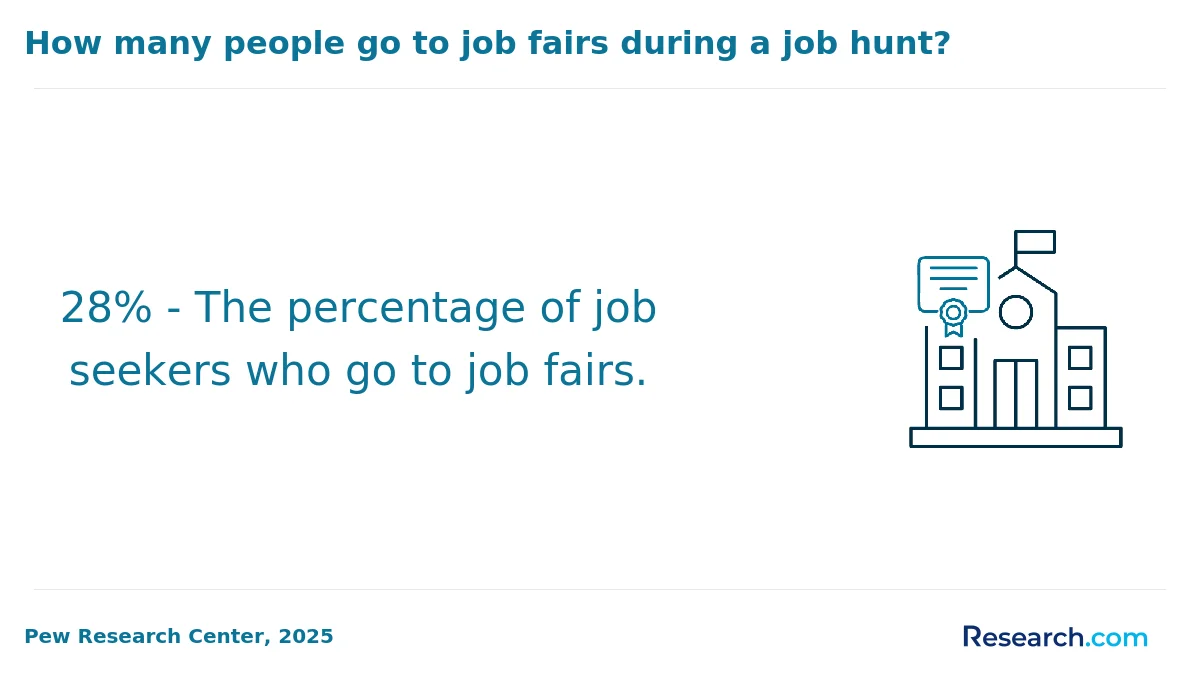
Imagine enrolling at Miller-Motte College and unlocking a treasure trove of financial aid designed just for you. Many graduates talk about how submitting the FAFSA opened doors to federal Pell Grants and loans that made tuition manageable. State pride shines through the Next NC Scholarship, too-easy to get for North Carolina residents, awarding up to $3,000 yearly with no extra paperwork. It's like a welcome gift for those ready to jump into trade careers!
Military families find incredible support here. Veterans and their spouses often access GI Bill® benefits, which cover tuition in full at schools like Miller-Motte and even specialized programs like RightTek HVAC Training that waive fees entirely. One graduate shared how this helped them start a rewarding career without debt weighing them down.
Beyond scholarships, modular payment plans and child care grants at places like Fayetteville Technical Community College help students juggle education and family life effortlessly, transforming dreams into achievable milestones.
Ready to dive into a trade school certification program in Carolina? First off, most programs want you to have a high school diploma, GED, or a state-approved equivalency exam under your belt. Imagine a graduate from Central Piedmont Community College proudly showing their high school diploma, thrilled that it opened doors to skilled trades training.
Age matters too-many programs require you to be at least 18, especially for hands-on, safety-sensitive trades like electrical linework. Picture an eager student passing physical exams and drug screenings, stepping confidently into an electrical lineman program with a valid North Carolina driver's license in hand.
Some certifications, like those in Health Sciences or technical education, might ask for more:
- An associate's or bachelor's degree
- Relevant industry licenses or certifications
- Two years' education plus two years' work experience
Plus, expect to take placement tests that check your readiness-no SAT or ACT needed! You'll submit transcripts, application fees, and maybe a resume or personal statement. For aspiring educators, fingerprinting and background checks are part of the package. All these steps ensure you're ready and set to embark on your exciting career journey in Carolina's trade schools.

Trade school certificate courses in Carolina ignite passion for hands-on skills that open doors instantly. Graduates from popular programs dive into fields like automotive technology, welding, and HVAC, gaining real-world expertise that feels thrilling. Imagine mastering automotive basics by working on engines and preparing for state certification exams at renowned schools like Cape Fear Community College, where students thrive in service and repair shops.
The skilled trades program curriculum in Carolina also features dynamic welding classes, teaching MIG, Stick, and TIG techniques through a mix of classroom lessons and lab practice, energizing students for manufacturing careers. Truck driver training programs equip learners with commercial driving licenses, focusing on road safety and regulations, often culminating in widely recognized certifications.
Other standout courses include building construction fundamentals and marine technology, where students can even pursue a captain's license. Electrical lineworker training completes the spectrum with focused 12-week courses. For those seeking the easiest trade to learn that pays well, these programs in Carolina deliver skills and confidence alike.
To find the best trade school certification program in Carolina, start by picturing your future career and choosing a program that fits. Many graduates from Central Piedmont Community College rave about its hands-on approach to electrical and HVAC training, which helped them land jobs quickly. When you explore options like A-B Tech, you can easily compare trade school costs in Carolina and spot programs with credentials valued by local employers, such as EPA 608 Certification or OSHA 10 safety training.
Scheduling flexibility is a big win too-imagine juggling evening classes while working full-time. Many schools offer accelerated paths that turn your ambitions into results fast. And don't overlook extra support like financial aid or career counseling, which graduates say made all the difference for their confidence and success.
Curious to explore beyond traditional programs? Check out affordable beauty schools with online cosmetology programs, which bring hands-on skills right to your home with flexible schedules and budget-friendly tuition.
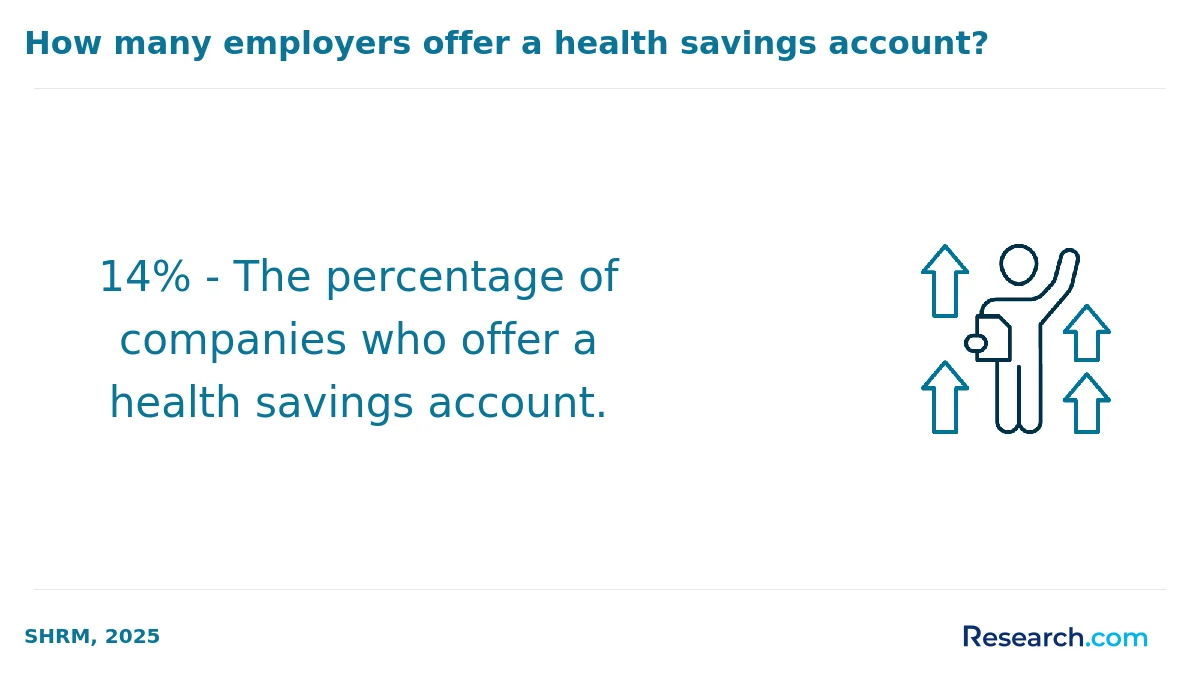
Trade school career opportunities in North Carolina open doors to exciting paths that reflect the state's vibrant economy. Graduates from popular programs-whether at community colleges or specialized institutes-step confidently into roles that match local demand and their passions. Imagine a graduate certified in healthcare working as a skilled medical assistant in bustling Charlotte, or another mastering cybersecurity techniques to support Raleigh-Durham's booming tech scene.
Skilled trades jobs for Carolina graduates provide direct routes into hands-on professions that power industries across the state. From HVAC technicians cooling homes during blistering summers to CDL truck drivers navigating long-haul routes, many find fulfilling careers created by North Carolina's manufacturing and transport sectors. Consider students who thrive after completing a low cost electrical lineworker training program online, enabling doorways to well-paying, dependable work.
- Healthcare roles like surgical technologist and pharmacy technician
- Technology jobs in IT support and CNC programming
- Skilled trades including electricians, machinists, and automotive technicians
- Business and financial services positions in office administration
- Cosmetology careers for estheticians and massage therapists
- Childcare specialists supporting early education centers
This array of opportunities shows why trade school certification is a thrilling adventure for many Carolina learners-opening real-world doors to steady jobs and community impact.
The job outlook for trade school graduates in North Carolina is bustling with promise. Graduates from popular programs around the Research Triangle and Charlotte frequently share inspiring stories of quick job placements in fields like healthcare, skilled trades, and IT. Imagine a graduate completing a nursing assistant certification, then landing a role at a growing hospital system within weeks, thanks to strong partnerships between trade schools and employers. These connections are real game-changers, fueling steady employment and confidence among new professionals.
Carolina trade certification employment trends 2026 reveal similar excitement in South Carolina, where technical colleges are accessible within a 30-minute drive for almost everyone. Graduates in welding, HVAC, and automotive technology rave about paid apprenticeships linked directly with businesses such as Boeing and facilities in Charleston's booming tech scene. This hands-on learning propels them into careers with salaries and growth waiting just beyond the classroom.
- Health sciences, nuclear technology, and manufacturing fields are on the rise with employer-backed programs
- Scholarships like SC WINS and state support through SC Works enhance affordability and access
- Practical skills paired with industry certifications lead to stability and upward mobility
For those curious about options, exploring the best construction trade program online offers flexible pathways that many local students find invaluable.
Best Certificate Programs - Leading Certification Courses in Carolina for 2026
# 1 position
Dewey University-Carolina - Medical Administrative/Executive Assistant and Medical Secretary.
certificate or diplomaDewey University-Carolina offers a hybrid Medical Administrative/Executive Assistant and Medical Secretary program designed to prepare students for roles supporting physicians, nurses, and healthcare administrators. Coursework covers medical terminology, business communications, healthcare operations, software applications, and professional ethics. The program is accredited by the Accrediting Bureau of Health Education Schools. Annual in-state tuition is $7,630, and median earnings one year after completion are $16,262.
# 2 position
Universidad Ana G. Mendez-Carolina Campus - Medical Administrative/Executive Assistant and Medical Secretary.
certificate or diplomaUniversidad Ana G. Mendez-Carolina Campus offers a hybrid Medical Administrative/Executive Assistant and Medical Secretary program. It trains students in medical and business communications, medical terminology, healthcare operations, software applications, and professional ethics. The program prepares graduates to assist physicians, nurses, and healthcare administrators. Annual in-state tuition is $6,920. Median earnings one year after completion are $16,736. The program is accredited by the Middle States Commission on Higher Education.
# 3 position
Universidad Ana G. Mendez-Carolina Campus - Nursing Assistant/Aide and Patient Care Assistant/Aide.
certificate or diplomaThe Nursing Assistant/Aide and Patient Care Assistant/Aide program at Universidad Ana G. Mendez-Carolina Campus offers a hybrid format with some distance education options. It prepares students to perform routine nursing-related services under the supervision of registered or licensed practical nurses. The program’s annual in-state tuition is $6,920. Graduates earn a median income of $5,010 one year after completion. The program is accredited by the Middle States Commission on Higher Education.
Frequently Asked Questions about trade school certificates
After completing trade school certification programs in Carolina, preparing for the job market involves strategic steps to enhance employability. Start by obtaining industry-recognized certifications relevant to your skill set, as these are highly valued by employers in the state's manufacturing and healthcare sectors. According to the North Carolina Department of Commerce, over 70% of certified graduates find employment within six months of completing their programs.
Networking is crucial; attend local job fairs and connect with trade associations. Additionally, utilize Carolina's workforce development centers, which offer resume workshops and job placement support tailored for trade professionals.
Employers in Carolina highly value both technical and soft skills in graduates of trade school certification programs. According to recent data from the National Skills Coalition, proficiency in skilled trades such as HVAC, electrical work, and plumbing ranks among the most sought-after technical competencies.
Additionally, workplace readiness skills like punctuality, teamwork, and communication are frequently emphasized. A 2023 survey by the South Carolina Department of Commerce revealed that over 70% of employers prioritize reliability and problem-solving abilities in trade program graduates.
Digital literacy is also growing in importance due to increasing technology integration in trades. Understanding industry-standard tools and adherence to safety protocols remain critical as well.
Finding internships relevant to trade school certification programs in Carolina involves leveraging multiple local resources. Start by consulting your school's career services department, which often partners with businesses to offer internships tailored to specific trades. According to the Carolina Department of Commerce, industries like construction, automotive technology, and healthcare consistently offer internship opportunities aligned with certification skills.
Additionally, job portals such as NCWorks in North Carolina list hundreds of internships annually. Networking with local trade unions and chambers of commerce can also uncover openings not publicly advertised. Using these targeted methods increases your chances of securing a valuable internship related to your certification field.
Trade school certification programs in Carolina significantly enhance career mobility by equipping students with industry-specific skills recognized by employers statewide. According to the National Center for Education Statistics, certified trade workers in Carolina often experience faster job placement compared to those without formal credentials. These programs focus on practical training in fields like healthcare, automotive technology, and skilled trades, which are in high demand.
Certification also supports upward career advancement. Many employers in Carolina prefer or require certifications for promotions, leading to higher wages and leadership opportunities. The Carolina Department of Commerce reports that certified workers see average salary increases of 15-20% as they advance.
Part-time jobs in Carolina that align well with trade school certification programs often provide practical experience to complement classroom learning. Roles such as apprenticeships in construction, automotive repair, or electrical work are common. According to the Carolina Department of Labor, nearly 35% of students enrolled in trade programs find part-time technical positions within local businesses.
Retail and customer service roles in hardware stores or auto parts suppliers also offer valuable exposure to industry tools and materials. Additionally, part-time assistant positions in healthcare facilities benefit students pursuing certifications in fields like medical assisting or phlebotomy.
These jobs not only enhance hands-on skills but contribute to building professional networks essential for future employment.
To find the best degree program near me in Carolina, PR, you can start by researching various academic institutions in the area, such as universities and colleges offering programs that align with your interests and career goals. It's helpful to look into reviews, academic rankings, and specific program offerings on platforms such as Research.com to get insights into the quality and reputation of the programs. Additionally, reaching out to local educational institutions near Carolina, PR directly to inquire about their degree programs and campus resources can help you make an informed decision.
- Home https://www.yorktech.edu/index.html
- Research - Our Methodology https://research.com/our-methodology
- Trade or Career Schools https://ncdoj.gov/protecting-consumers/money-making-schemes/trade-or-career-schools/
- Vocational and Trade - Coastal Carolina Community College https://coastalcarolina.edu/academics/con-ed/trades/
- Durham Technical Community College https://www.durhamtech.edu/
- Nces https://nces.ed.gov/
- Trade School Careers https://auto.edu/blog/trade-school-careers
- 1/30/25 - Hands-On Learning vs. Traditional Education: Why the Trades Offer the Best of Both Worlds - Gould Construction Institute https://www.gwgci.org/hands-on-learning-vs-traditional-education-trades/
- Career and Technical Education | NC DPI https://www.dpi.nc.gov/districts-schools/classroom-resources/career-and-technical-education
- Hands-On Real-World Experience https://cravencc.edu/hands-real-world-experience




