Best Associate Degree Programs - Leading Certification Courses in Raleigh for 2026

Co-Founder and Chief Data Scientist
Choosing the right associate degree program can shape your future and open doors to rewarding careers. If you’re in Raleigh and considering this important step, you’re in the right place.
This article presents an associate degree programs ranking created by the Research.com team of data scientists. It’s designed to help you make an informed choice by highlighting the best trade school programs available in the area.
Discovering the right path can bring confidence and excitement as you build skills that matter. Exploring these options is a valuable investment in yourself and your future success.
Key benefits of associate degrees in Raleigh
- Associate degree graduates in Raleigh can earn competitive salaries, such as $47,345 for Accounting Associates, $72,780 for Occupational Therapy Assistants, and up to $129,130 for commercial pilots, showing strong earning potential in various fields.
- Popular career paths include criminal justice, healthcare, engineering technology, and business administration, reflecting diverse opportunities that align well with Raleigh's job market and student interests.
- Online associate degrees offer flexibility and convenience, allowing graduates to balance work and study, often finishing faster while accessing quality education from respected Raleigh schools.
- Best Associate Degree Programs - Leading Certification Courses in Raleigh for 2026
- What can I expect from associate degree programs in Raleigh?
- Where can I work after finishing associate degree programs in Raleigh?
What can I expect from associate degree programs in Raleigh?
The average cost of an associate degree program in Raleigh varies, but students at community colleges like Wake Technical Community College often benefit from affordable tuition rates. In-state students typically pay significantly less, making it easier to manage expenses while earning the required 60 to 61 semester hours. Graduates recall balancing studies with work or family thanks to flexible options-about 70% of associate degrees at Wake Tech in 2023 were completed online, reducing commuting costs and allowing students to learn at their own pace.
Many find value in the practical focus of these programs alongside strong support services such as tutoring and advising, which ease the path to graduation without incurring extra fees. Some graduates highlight savings by transferring credits seamlessly to four-year universities under agreements like the Comprehensive Articulation Agreement. Overall, Raleigh's community colleges offer cost-effective routes to qualifications that open doors to careers or further education without overwhelming financial burden.
Where can I work after finishing associate degree programs in Raleigh?
After finishing an associate degree program in Raleigh, many graduates find work quickly in healthcare positions like Registered Nurse (RN), Occupational Therapy Assistant (COTA), or Medical Technologist II, thanks to the city's strong hospital presence such as WakeMed Health & Hospitals. These roles offer rewarding, stable careers where graduates often feel proud to contribute to their community's health.
Other graduates from Raleigh's popular associate degree schools pursue technology and business roles, including Technology Systems Administrator, Cyber Threat Intelligence Analyst, or Administrative Assistant. Local government and private companies value practical skills from these programs, with state agencies regularly hiring for administrative and accounting jobs, helping grads feel confident about steady employment.
Graduates also experience success in fields like medical office support, customer service, proctoring, quality assurance, and education administration, often discovering flexible, entry-level opportunities nearby. Trade programs related to forestry and environmental science open doors to specialized technician roles that match the city's growing green initiatives. Many alumni share how their Raleigh education led directly to meaningful jobs they enjoy.
Graduates with an associate degree in Raleigh typically earn about $40,173 annually, or roughly $19.31 per hour, reflecting a strong local job market. For example, many students from Wake Technical Community College find themselves starting at around $28,200 but quickly progress to salaries near $47,000 as they gain experience.
Those who pursued specialized programs, like accounting or information technology at Central Carolina Community College, often report salaries closer to $47,345-$72,570 per year. An accounting associate might confidently expect about $23 per hour, while graduates in IT roles enjoy some of the highest pay rates among associate degree holders.
Entry-level roles such as logistics associate or patient support specialist generally pay between $24 and $35 per hour, giving many recent graduates the financial flexibility to build a stable career locally.
These earnings highlight that completing an associate degree in Raleigh opens doors to rewarding jobs, balancing solid income and career growth in a community that supports practical education and skill development.
"Earning my Associate Degree in Electrical Technology at Raleigh Trade School was a game-changer. The hands-on training prepared me so well that I quickly landed a job as an electrician with a local firm. I love how practical my education was - it truly set me up for success!" - Jasmine
"Studying Health Information Technology gave me both confidence and skills. The small classes and supportive instructors made learning enjoyable. After graduation, I secured a position as a medical records specialist at a Raleigh hospital. Choosing a trade school was the smartest choice I made for my career." - Eric
"The Associate Degree in Graphic Design from a Raleigh technical college opened doors I hadn't imagined. It was inspiring to learn creative software hands-on and build a strong portfolio. Now, working at a creative agency downtown, I feel proud knowing a trade school gave me this amazing start." - Melissa
- Admission usually requires a high school diploma or equivalent, with programs needing 60 to 61 semester hours to graduate.
- Nursing programs may need additional prerequisites like biology and algebra, plus placement tests for math and English.
- In-state tuition at North Carolina community colleges averages $2,500 to $2,700 per year, totaling about $5,000 to $6,000 for a two-year associate degree.
- Many schools offer in-person and fully online associate degree options, providing flexibility for working adults.
- Entry-level salaries for graduates range from $35,000 to $50,000 annually, with registered nurses earning around $60,000 or more.
- Students can transfer credits to UNC System schools and some private colleges, often entering as juniors if requirements are met.
Completing an associate degree program in Raleigh usually takes about two years of full-time study. For instance, graduates from popular schools like Wake Technical Community College typically follow a schedule of 15 credits per semester across four semesters to meet the standard requirement of 60 to 61 credit hours. Many find this timeline manageable and rewarding as it fits well with a traditional college experience.
However, the length can vary based on personal situations. Some students balance work or family commitments and choose part-time enrollment, extending their studies to three or even four years. Others benefit from Raleigh's growing number of online and hybrid programs, allowing them to set their own pace. For those with prior college credits, flexible transfer policies at these institutions can shorten completion time significantly, sometimes accepting up to 44 previously earned credits.
Trade schools in Raleigh also offer associate degrees generally designed for completion within two years, with accelerated options available to fast-track progress. Graduates often appreciate these practical approaches, which blend classroom learning with real-world experience and provide multiple pathways to success.
Online and on-campus associate degree programs in Raleigh mainly differ in how courses are delivered and the flexibility they offer. Graduates from local community colleges often share how online programs allowed them to balance work, family, and studies through asynchronous courses, accessing lectures and assignments anytime. This flexibility is a game-changer for those with busy schedules, enabling them to advance their education without sacrificing personal commitments.
In contrast, on-campus students experience structured class times and direct interaction with instructors and peers. This suits those who thrive on routine and enjoy engaging in person, using campus resources like labs and libraries available at popular Raleigh institutions. For example, some graduates mention feeling more motivated and supported by face-to-face feedback and group work during their on-campus studies.
Both formats maintain the same accreditation and curriculum standards, so employers in Raleigh recognize online and on-campus degrees equally. However, students in hands-on fields sometimes attend occasional in-person sessions to complete practical requirements when studying online.
The average cost of an associate degree program in Raleigh depends largely on the type of school you choose. For example, nonprofit colleges in Raleigh often charge around $10,448 per year in tuition and fees, which can feel like a big commitment to many students. Graduates from these schools often mention the value of scholarships and financial aid, which help make these costs more manageable. Many appreciate the supportive campus environment and the feeling that their investment led to quality education and stronger career opportunities.
Public institutions in Raleigh, especially community colleges, typically offer more affordable tuition. At most local community colleges, in-state students pay about $76 per credit hour, meaning an associate degree requiring roughly 60 credit hours averages around $4,560 in tuition costs. This lower cost is a huge relief for students balancing school with jobs or families, who often share how much more they can focus on learning without financial stress. Out-of-state students, however, face higher rates, around $268 per credit hour, which can add up quickly.
Many Raleigh students successfully navigate these costs by taking advantage of North Carolina's NextNC scholarship, which can cover tuition for eligible residents attending in-state community colleges. Completing the FAFSA is also crucial to unlocking aid options. Those exploring career pathways after an associate degree sometimes look into certifications that pay the most to further increase their earning potential quickly.
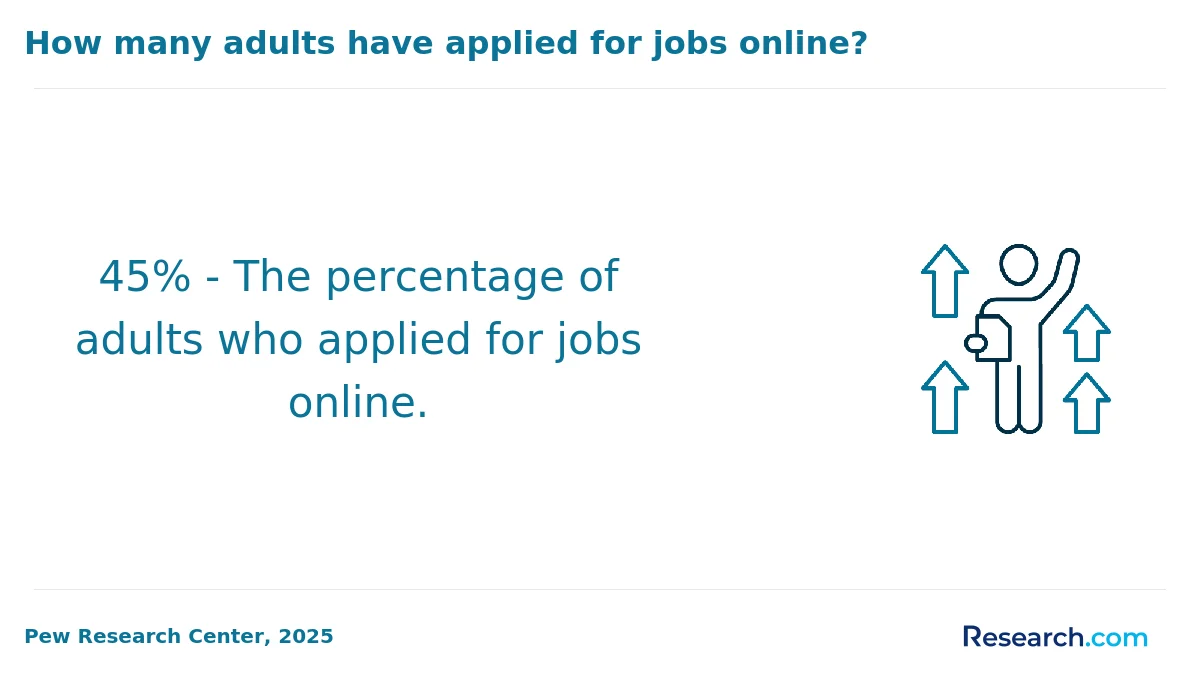
Students pursuing associate degrees in Raleigh often find financial aid that makes college more manageable and less stressful. Many rely on the Federal Student Aid program, especially grants like the Pell Grant, which for 2025-2026 offers up to $7,395 without needing repayment. Completing the FAFSA is essential; several graduates from Wake Technical Community College recall how this straightforward step opened doors to funding they didn't expect.
North Carolina residents benefit from the Forgivable Education Loans for Service (FELS) program, providing up to $7,000 yearly for students committed to working in high-need local jobs after graduation. Raleigh students meeting the GPA and enrollment requirements have found this aid a real lifeline, turning academic achievements directly into career opportunities.
Locally, colleges like Wake Tech award merit-based and need-based scholarships through their foundations. Many students report how these scholarships helped ease the financial burden of the average $10,448 yearly tuition, allowing them to focus more on studies and less on money worries.
To enroll in an associate degree program in Raleigh, meeting key prerequisites is essential. Most community colleges expect applicants to have a high school diploma or GED, with a minimum weighted GPA of 2.5 for Fall 2025 and Spring 2026 entrants. Graduates from Raleigh institutions often recall how maintaining at least a 2.5 GPA opened doors to their programs smoothly.
Applicants with a GPA between 2.5 and 2.8 usually need to submit ACT (minimum score 17) or SAT (minimum 930) scores. This helps colleges assess academic readiness, as experienced by many Wake Tech nursing students who benefited from early test prep to exceed these scores.
For high-demand fields like nursing at colleges such as GTCC, prerequisites extend beyond academics:
- Completion of general admission and mandatory online info sessions
- Proof of college readiness in English and math via placement tests or recent coursework
- Proficiency in biology with a grade "C" or better, gained through recent biology classes
- Current Nurse Aide I certification and a passing score on the ATI TEAS exam (minimum composite 66 in 2024 or later)
Other programs expect completed courses with passing grades in English, math, and science within certain timeframes. For example, Wake Tech nursing students often appreciate how their strong foundation in biology and math, maintained within 5 and 10 years respectively, prepared them well.
Applicants aged 21 or older, or those with 24+ transferable college credits, sometimes qualify for exemptions, making pathways more flexible for returning students who balance work and study while pursuing their goals in Raleigh's vibrant college environment.
Associate degree course list Raleigh students encounter typically blends general education, major-specific classes, and electives, offering a comprehensive learning experience. Graduates from popular Raleigh schools often describe their schedules packed with essential courses like English composition, mathematics, natural sciences, social sciences, and humanities. These common classes in Raleigh associate programs build strong foundational skills critical for both career readiness and smooth transfer to four-year institutions.
Major-specific courses align closely with students' career goals. For example, those in business-focused programs study accounting, management, and economics, while information technology students dive into programming and database management. Health science students gain practical knowledge in anatomy and clinical skills, often sharing how these classes prepared them to excel in real-world settings.
Electives add an exciting personal touch, allowing students to explore interests such as foreign languages or arts. One graduate noted how flexible electives at Wake Technical Community College enabled them to pursue unique technical skills alongside core coursework.
Many Raleigh associate degree programs include a significant online component, offering students the flexibility to balance studies with life commitments. This wide accessibility is key for those targeting certified jobs that pay well, blending practical skills with academic knowledge.
When selecting the best associate degree programs in Raleigh, start by verifying the accreditation of local colleges like Wake Technical Community College. Graduates often praise the transferability of credits, which makes pursuing a bachelor's degree smoother. Comparing associate degree tuition costs Raleigh is crucial, as fees can differ widely. For example, Wake Tech students experience a net price near $8,493, while Durham Technical Community College offers a more affordable option at around $4,181. Many students find this difference impactful when budgeting their education.
Visit community colleges to explore program offerings that align with your career goals-fields like healthcare and business are popular among recent grads who share positive stories about flexible scheduling and supportive advisors. These features help balance studies with personal responsibilities. Lastly, research financial aid opportunities, scholarships, and government grants. Considering options like the low cost doctoral programs can also inspire longer-term educational planning.

Associate degree graduates in Raleigh find diverse career paths with strong local demand, especially in healthcare, technology, and business sectors. For example, many graduates from Wake Technical Community College transition quickly into roles such as Registered Nurse (RN), Technology Systems Administrator, or Administrative Assistant, enabling them to enter well-paying, stable jobs aligned with Raleigh's economic growth.
Popular jobs reflect Raleigh associate degree career opportunities and include:
- Healthcare roles like Occupational Therapy Assistant and Medical Office Ancillary Support Supervisor
- Technical positions such as Systems Administrator and IT Support Staff
- Business-related jobs including Administrative Assistant and Customer Service Representative
- Liberal arts pathways like Academic Advising Office Assistant and Test Proctor
Graduates often share that targeted programs at local colleges offer real-world skills that employers seek, providing quick routes to financial independence. For those exploring options, Raleigh's environment encourages taking one of the quick degrees with high pay, maximizing early career earnings with an associate degree's flexibility.
The job market for associate degree graduates in Raleigh is thriving, with over 2,700 job openings that match the skills earned through these programs. Graduates from popular local schools often find rewarding careers in fields like healthcare, IT, and administrative support, benefiting from Raleigh's expanding economy and diverse industries. Many report quick hiring, thanks to employers valuing their practical training and readiness for on-the-job challenges.
Examples of roles with strong demand include:
- Registered Nurse positions, offering median wages around $81,860 annually
- Occupational Therapy Assistants earning about $70,940
- Technical support and lab assistant roles related to Raleigh's research sector
Positive feedback from graduates highlights not only competitive salaries but also clear pathways for career advancement, especially in healthcare and technology. Exploring options from local colleges gives prospective students a head start, and for those interested in advancing, Raleigh supports further education through flexible programs and offers resources like an affordable bachelor degree online.
Best Associate Degree Programs - Leading Certification Courses in Raleigh for 2026
# 1 position
Wake Technical Community College - Diagnostic Medical Sonography/Sonographer and Ultrasound Technician.
associateWake Technical Community College offers a hybrid program in Diagnostic Medical Sonography/Sonographer and Ultrasound Technician, preparing students to perform medical ultrasound techniques under physician supervision. The curriculum covers patient care, sonographic data collection and processing, equipment operation, and professional ethics. Annual in-state tuition is $2,336. Graduates have a median earning of $51,707 one year after completion. The program is accredited by the Southern Association of Colleges and Schools Commission on Colleges.
# 2 position
Wake Technical Community College - Information Technology.
associateWake Technical Community College offers a hybrid Information Technology program focusing on designing technological systems to support business and research data needs. The curriculum covers computer hardware and software, algorithms, databases, telecommunications, user tactics, application testing, and human interface design. Annual in-state tuition is $2,336. The program is accredited by the Southern Association of Colleges and Schools Commission on Colleges. Median earnings one year after completion reach $48,280.
# 3 position
Wake Technical Community College - Accounting.
associateWake Technical Community College offers a hybrid Accounting program designed to prepare students for professional practice in accounting and related business functions. The curriculum covers accounting principles, financial and managerial accounting, auditing, tax accounting, and business information systems. The program is accredited by the Southern Association of Colleges and Schools Commission on Colleges. Annual in-state tuition is $2,336, and median earnings one year after completion reach $44,616.
# 4 position
Wake Technical Community College - Computer Systems Networking and Telecommunications.
associateWake Technical Community College offers a fully online program in Computer Systems Networking and Telecommunications, focusing on the design, implementation, and management of computer networks and related software. The curriculum covers operating systems, networking theory, security, and troubleshooting. The program’s annual in-state tuition is $2,336. Graduates earn a median salary of $41,596 one year after completion. It is accredited by the Southern Association of Colleges and Schools Commission on Colleges.
# 5 position
Wake Technical Community College - Computer and Information Systems Security/Auditing/Information Assurance.
associateWake Technical Community College offers a hybrid program in Computer and Information Systems Security/Auditing/Information Assurance. The curriculum covers computer architecture, programming, networking, cryptography, security auditing, risk assessment, and legal regulations. The annual in-state tuition is $2,336. Graduates have a median earning of $41,135 one year after completion. The program is accredited by the Southern Association of Colleges and Schools Commission on Colleges.
# 6 position
Wake Technical Community College - Heating, Air Conditioning, Ventilation and Refrigeration Maintenance Technology/Technician.
associateWake Technical Community College offers a hybrid Heating, Air Conditioning, Ventilation and Refrigeration Maintenance Technology/Technician program. It prepares students to repair, install, service, and maintain HVAC and refrigeration systems using diagnostic techniques and testing equipment. The program covers mechanics, electricity, and electronics principles related to these systems. Annual in-state tuition is $2,336. The program is accredited by the Southern Association of Colleges and Schools Commission on Colleges.
# 7 position
Wake Technical Community College - Business Administration and Management, General.
associateWake Technical Community College offers a Business Administration and Management, General program that prepares students to plan, organize, direct, and control business functions. The curriculum covers management theory, human resources, accounting, purchasing, logistics, marketing, and decision-making. The program is accredited by the Southern Association of Colleges and Schools Commission on Colleges. Annual in-state tuition is $2,336, and median earnings one year after completion are $37,124.
# 8 position
Wake Technical Community College - Office Management and Supervision.
associateWake Technical Community College offers a program in Office Management and Supervision that prepares students to manage business office operations and personnel. The curriculum includes employee supervision, labor relations, budgeting, scheduling, office systems, records management, and business data evaluation. The annual in-state tuition is $2,336. Graduates have a median earning of $37,124 one year after completion. The program is accredited by the Southern Association of Colleges and Schools Commission on Colleges.
# 9 position
Wake Technical Community College - Interior Design.
associateWake Technical Community College offers a hybrid Interior Design program that prepares students to plan, design, and furnish residential and commercial spaces. The curriculum covers computer applications, drafting, lighting, acoustics, color coordination, furniture, textiles, structural design, and building codes. Annual in-state tuition is $2,336. Graduates earn a median salary of $32,153 one year after completion. The program is accredited by the Southern Association of Colleges and Schools Commission on Colleges.
# 10 position
Wake Technical Community College - Automobile/Automotive Mechanics Technology/Technician.
associateWake Technical Community College offers a Hybrid Automobile/Automotive Mechanics Technology/Technician program that prepares students to repair, service, and maintain various automobile systems, including brakes, electrical, engines, transmissions, and HVAC. The annual in-state tuition is $2,336. Graduates earn a median salary of $31,152.50 one year after completion. The program is accredited by the Southern Association of Colleges and Schools Commission on Colleges.
Frequently Asked Questions about associate degree programs
Preparing for the job market after completing an associate degree in Raleigh involves strategic steps to enhance employability. Graduates should begin by developing a strong resume that highlights relevant skills and completed coursework. Networking is essential; connecting with local employers and attending Raleigh job fairs increases opportunities. According to the North Carolina Department of Commerce, sectors like healthcare, information technology, and manufacturing actively seek associate degree holders.
Internships or part-time roles during study provide practical experience, boosting job readiness. Utilizing Raleigh Community College career services can offer valuable job placement assistance and interview preparation. Continuous skill development through certifications also improves marketability in the evolving job landscape.
Employers in Raleigh highly value a mix of technical and soft skills in associate degree graduates. According to the North Carolina Department of Commerce, critical thinking and problem-solving abilities rank among the top skills sought for entry-level technical positions. Communication skills, both written and verbal, are also emphasized, as they enable effective teamwork and client interaction.
Job candidates with proficiency in digital literacy, including basic software like Microsoft Office and industry-specific tools, stand out. Additionally, adaptability and a strong work ethic remain pivotal, especially given the fast-growing industries in the Raleigh area such as healthcare and information technology.
Data from the National Association of Colleges and Employers (NACE) supports these findings, highlighting that nearly 85% of employers prioritize teamwork and professionalism in recent graduates, traits essential for success in Raleigh's competitive job market.
Finding internships in Raleigh relevant to your associate degree program involves several practical steps. Begin by utilizing your college's career services, which often maintain partnerships with local businesses and offer internship listings tailored to specific fields.
Raleigh's growing job market, particularly in healthcare, technology, and business sectors, provides numerous internship opportunities. According to the Raleigh Chamber of Commerce, over 30% of local internships are in these areas, aligning well with many associate degree programs.
Additionally, explore online platforms such as Handshake and Internships.com, which list Raleigh-specific positions for students. Networking at local events and joining Raleigh-based professional organizations can also increase your chances of securing an internship.
Engaging directly with employers in industries related to your studies through informational interviews may reveal unadvertised internships. Consistent preparation of your resume and interview skills is crucial to stand out in this competitive market.
An associate degree in Raleigh can significantly enhance career mobility and advancement opportunities. According to the U.S. Bureau of Labor Statistics, jobs requiring an associate degree typically offer a median annual wage about 20% higher than those needing only a high school diploma. In Raleigh, a region with a growing tech and healthcare sector, this degree opens doors to positions such as nursing, information technology, and business administration.
Local employers often recognize the value of community college credentials, which can lead to quicker promotions and expanded job responsibilities. The North Carolina Community College System reports that over 60% of graduates find employment in their field within six months, reflecting strong career relevance.
Additionally, associate degrees serve as a stepping stone toward bachelor's programs, supporting long-term career growth. This flexibility is crucial in Raleigh's dynamic job market, where continued education correlates with upward mobility.
Raleigh offers a variety of part-time job opportunities that align well with associate degree studies. For example, students pursuing healthcare-related associate degrees can find positions as medical assistants or pharmacy technicians. According to the U.S. Bureau of Labor Statistics, Raleigh's healthcare sector has grown steadily, increasing demand for such roles.
Information technology students can benefit from entry-level IT support or help desk jobs, which are common in Raleigh's expanding tech market. The city's unemployment rate, around 3.5% as of early 2024, supports a healthy job market for part-time roles.
Retail, customer service, and administrative assistant positions also provide valuable work experience while accommodating academic schedules.
To choose the best degree program near me in Raleigh, NC, consider several factors such as the university's reputation, the specific programs they offer, and the opportunities for research or internships in your field of interest. Research.com can be a valuable resource for comparing programs and determining which universities have strong departments in your area of study. Additionally, visiting universities near Raleigh, NC, and speaking with faculty or current students can provide deeper insights into the academic environment and resources available.
- Task Associate in Raleigh, North Carolina | Ulta Beauty, Inc. https://careers.ulta.com/careers/jobs/341296
- Online vs Traditional Degrees: Similarities and Differences https://www.aiu.edu/blog/online-vs-traditional-degrees/
- Javian McMillan: Challenge Yourself, Find Community - College of Agriculture and Life Sciences https://cals.ncsu.edu/news/javian-mcmillan-challenge-yourself-find-community/
- Applying to C-STEP - Undergraduate Admissions https://admissions.unc.edu/apply/types-of-applications/c-step/
- Understanding Requirements and Careers after an Associate Degree https://leapscholar.com/blog/requirements-and-careers-after-an-associate-degree/
- The Impact of Increased Job Openings on Community Colleges | NC Commerce https://www.commerce.nc.gov/blog/2022/07/28/impact-increased-job-openings-community-colleges
- Community College Collaboration (C3) https://c3.ncsu.edu/
- Raleigh job market remains the #1 city for college grads | New Home Inc. https://newhomeinc.com/blog/raleigh-job-market-remains-the-1-city-for-college-grads/
- Research - Most Affordable Online Doctorate Programs https://research.com/degrees/most-affordable-online-doctorate-programs
- Tuition | ECPI University https://www.ecpi.edu/tuition