
Most Affordable Nursing Assistant Schools & Training - Budget-Friendly Nursing Assistant Trade Programs in Alabama for 2026

Co-Founder and Chief Data Scientist
Choosing the right nursing assistant trade school in Alabama can feel overwhelming, but this article is here to help. It features a carefully crafted ranking of nursing assistant aide and patient care assistant programs, developed by the Research.com team of data scientists. This ranking highlights programs worth considering, making it easier for you to find the best fit for your goals.
Getting a diploma or certification in this field opens doors to rewarding careers helping others. Reading this guide will empower you to make an informed decision and take confident steps toward a fulfilling future.
Key benefits of finishing nursing assistant aide and patient care assistant trade school in Alabama
- Graduates can expect to earn between $13 and $21 per hour in Alabama, with many starting around $15 to $18 per hour, offering a solid income soon after completing the program.
- Career paths include working as nursing assistant aides, patient care assistants, or certified nursing assistants in hospitals, nursing homes, and home care, providing rewarding opportunities to help others.
- Completing the program online offers flexibility and convenience, allowing students to balance studies with life commitments while gaining skills that employers value just as much as traditional degrees.
What can I expect from nursing assistant aide and patient care assistant trade schools in Alabama?
When you enroll in a nursing assistant aide or patient care assistant program in Alabama, expect a hands-on learning experience combined with classroom instruction tailored to state and federal standards. Many graduates from schools like Calhoun Community College and Central Alabama Community College share how their 75-hour training, including supervised clinical rotations in long-term care facilities, helped them gain real confidence in assisting patients with daily needs such as bathing, feeding, and mobility.
Courses typically last between 10 days and 11 weeks, with some schools offering intensive options that let you finish quickly but still gain essential skills. Graduates often describe the satisfaction of applying what they learn immediately during clinical work, which prepares them to take the Alabama Nurse Aide Certification Exam-a crucial step toward employment.
Students also appreciate programs that offer extra certifications, like CPR or phlebotomy, broadening their job prospects. Many find the supportive environment and clear path to jobs in hospitals, nursing homes, and private homes encouraging, especially knowing the high demand for certified aides across Alabama.
Where can I work after finishing nursing assistant aide and patient care assistant trade schools in Alabama?
After finishing a nursing assistant aide or patient care assistant trade school program in Alabama, many graduates find rewarding jobs as Certified Nursing Assistants (CNAs) across the state. Popular trade schools like those in Birmingham and Mobile often share stories of alumni quickly landing positions in hospitals, where they assist nurses with patient care in fast-paced environments. Others find fulfilling roles in nursing homes or long-term care facilities, providing daily support to elderly residents and building meaningful connections.
Graduates often describe the satisfaction of working in assisted living communities, helping residents with personal care and daily routines. Some enjoy the flexibility of home health care agencies, visiting patients in their homes and offering personalized support. Rehabilitation centers also offer opportunities for those who want to assist patients recovering from surgery or injury.
Many graduates appreciate the variety of shifts available-day, evening, night, and weekends-making it easier to balance work with life commitments. Job openings in Alabama frequently include benefits like health insurance and bonuses, which helps new CNAs feel valued as they start their careers.
How much can I make after finishing nursing assistant aide and patient care assistant trade schools in Alabama?
After finishing a nursing assistant aide or patient care assistant trade school program in Alabama, graduates typically earn between $15.04 and $18.19 per hour. Many find their first jobs paying around $14 to $18 per hour, especially those coming from well-regarded trade schools in the state. One graduate shared how starting at a senior living center near Birmingham offered an hourly wage close to $16, which felt rewarding for their new skills.
Wages can vary depending on location and employer. For example, nursing assistants working in rehabilitation centers often see pay closer to $21.50 per hour, while others in smaller clinics might start near $14.50. Experience and overtime can boost earnings, with some CNAs reporting an extra $4,500 annually from overtime shifts. This helps graduates feel more confident and valued as they grow in their careers.
Though Alabama ranks 50th nationally for CNA salaries, many graduates find satisfaction in steady work and the chance to advance. With dedication, it's possible to increase pay and gain new opportunities in healthcare settings across the state.
Most Affordable Nursing Assistant Schools & Training - Budget-Friendly Nursing Assistant Trade Programs in Alabama for 2026
# 1 position
George C Wallace State Community College-Selma - Nursing Assistant/Aide and Patient Care Assistant/Aide.
certificate or diplomaThe Nursing Assistant/Aide and Patient Care Assistant/Aide program at George C Wallace State Community College-Selma prepares students to perform routine nursing-related services in hospitals or long-term care facilities under supervision. This hybrid program offers some distance education options. The annual in-state tuition is $4,680. Graduates have a median earning of $41,533 one year after completion. The program is accredited by the Southern Association of Colleges and Schools Commission on Colleges.
# 2 position
J. F. Drake State Community and Technical College - Nursing Assistant/Aide and Patient Care Assistant/Aide.
certificate or diplomaThe Nursing Assistant/Aide and Patient Care Assistant/Aide program at J. F. Drake State Community and Technical College offers a hybrid format with some distance-education options. It prepares students to provide routine nursing-related care to patients in hospitals or long-term care facilities under supervision. The program’s annual in-state tuition is $5,130. It is accredited by the Southern Association of Colleges and Schools Commission on Colleges.
# 3 position
Lawson State Community College - Nursing Assistant/Aide and Patient Care Assistant/Aide.
certificate or diplomaLawson State Community College offers a hybrid Nursing Assistant/Aide and Patient Care Assistant/Aide program designed to prepare students for performing routine nursing-related services under supervision. The program includes some distance-education options and is accredited by the Southern Association of Colleges and Schools Commission on Colleges. Annual in-state tuition is $4,980, providing an affordable pathway for those seeking certification in healthcare support roles.
# 4 position
Bishop State Community College - Nursing Assistant/Aide and Patient Care Assistant/Aide.
certificate or diplomaBishop State Community College offers a hybrid Nursing Assistant/Aide and Patient Care Assistant/Aide program that prepares students to perform routine nursing-related services under supervision. The program is accredited by the Southern Association of Colleges and Schools Commission on Colleges. Annual in-state tuition is $5,280, providing an accessible option for students seeking training in hospital or long-term care settings with some distance-education components.
# 5 position
Shelton State Community College - Nursing Assistant/Aide and Patient Care Assistant/Aide.
certificate or diplomaThe Nursing Assistant/Aide and Patient Care Assistant/Aide program at Shelton State Community College offers a hybrid format with some distance-education options. It prepares students to perform routine nursing-related services under supervision in hospitals or long-term care facilities. The program is accredited by the Southern Association of Colleges and Schools Commission on Colleges. Annual in-state tuition is $5,067, and median earnings one year after completion are $31,713.50.
# 6 position
Snead State Community College - Nursing Assistant/Aide and Patient Care Assistant/Aide.
certificate or diplomaSnead State Community College offers a Nursing Assistant/Aide and Patient Care Assistant/Aide program with a hybrid format, including some distance education options. The program prepares students to perform routine nursing-related services under the supervision of a registered or licensed practical nurse. Annual in-state tuition is $5,472. The program is accredited by the Southern Association of Colleges and Schools Commission on Colleges.
Key Findings
- Candidates must be at least 18 years old and have a high school diploma or GED to enroll in most programs.
- Training requires a state-approved program with at least 75 hours, including 16 hours of classroom instruction and 16 hours of clinical practice.
- Students must pass the National Nurse Aide Assessment Program (NNAAP) with a minimum score of 70% and can retake the exam up to three times.
- Tuition for community college programs typically ranges from $600 to $1,200, excluding textbooks and uniforms.
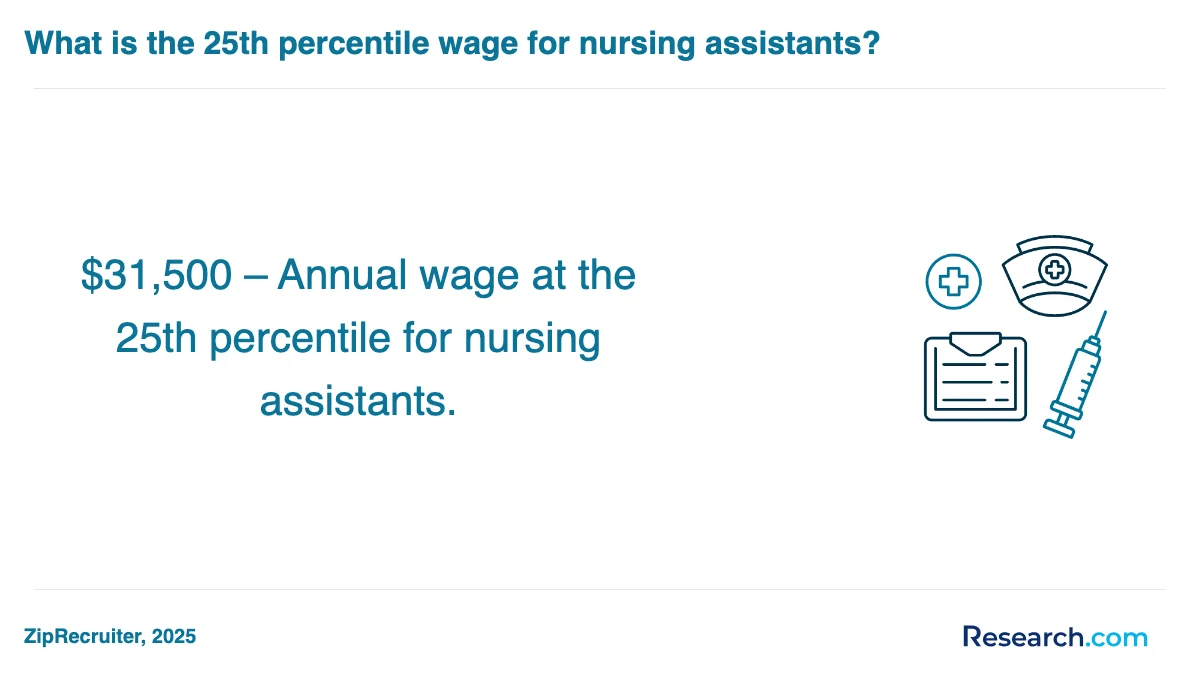
- Entry-level salaries for certified nursing assistants in Alabama range from $25,000 to $30,000 annually, with experienced CNAs earning up to $35,000 or more.
How long does it take to complete nursing assistant aide and patient care assistant trade schools in Alabama?
Completing a nursing assistant aide or patient care assistant program at a trade school in Alabama typically takes about 6 to 12 weeks. Many graduates from well-known Alabama trade schools share how this short timeframe allowed them to quickly enter the workforce and start building their careers without long delays.
For example, one graduate recalls balancing family responsibilities while attending classes just a few evenings a week, finishing the program feeling confident and prepared. The hands-on training offered by these programs means students aren't just learning theory - they're practicing real skills in clinical settings early on, which makes the learning process feel meaningful and motivating.
Another common experience is the encouragement from instructors who understand the urgency of starting a healthcare career promptly. Students often describe the pace as intensive but manageable, helping them stay focused and engaged. This practical, streamlined approach is especially valuable for those in Alabama looking to make a career change or gain new skills quickly.
What's the difference between online and on-campus nursing assistant aide and patient care assistant trade school programs?
The main difference between online and on-campus nursing assistant aide and patient care assistant programs in Alabama is how you complete your coursework and clinical training. Online programs let you study theory from home, which is great if you're juggling work or family. For example, graduates from Calhoun Community College's hybrid program often mention how the flexibility of online classes helped them stay on track without sacrificing their daily responsibilities. Still, you'll need to complete hands-on clinical hours-usually 20 to 45-at a local healthcare facility to gain real-world experience.
On-campus programs, like Calhoun's seven-week CNA course, require you to attend classes and labs in person. Many students appreciate the face-to-face interaction with instructors and classmates, feeling more supported and confident as they practice skills together. This structured environment is ideal if you thrive with direct guidance and immediate feedback.
Both paths prepare you for Alabama's nurse aide exam and registry, but your choice depends on your learning style and schedule. Either way, hands-on clinical training remains a must for success and certification.
What is the average cost of nursing assistant aide and patient care assistant trade schools in Alabama?
The average cost of nursing assistant programs in Alabama typically ranges between $600 and $2,100, depending on the trade school and program details. Many graduates from popular schools find these tuition fees reasonable given the comprehensive training they receive. For example, a recent graduate from Trenholm State Community College shared how their $800 program, which included textbooks and 75 hours of instruction over 4 to 6 weeks, felt like an excellent investment for launching a healthcare career.
Another common experience comes from those who attended Wallace Community College, where the 25-day CNA program costs $875 and covers both theory and practical skills. These graduates often express confidence entering the job market, appreciating the hands-on experience paired with classroom learning. The tuition fees for patient care assistant courses in Alabama at institutions like J.F. Drake State Community and Technical College, costing around $1,030 including uniforms and certification exam fees, show a bit more robust preparation which students value.
Some students opt for more affordable options such as the $600 program at Taite Healthcare Training in Prichard, which includes tuition and book rental. These options make the path to certification accessible without sacrificing essential training quality. Bear in mind, additional costs like background checks or medical screenings can occur. Staying informed about fees and program specifics will help you manage your investment wisely as you pursue your career.
Understanding these costs and choosing the right program aligns well with the goal to excel in healthcare. If you are curious about what are the best paying medical assistant jobs after completing your program, it's helpful to research career paths that maximize your education.

What financial aid is available for nursing assistant aide and patient care assistant trade schools in Alabama?
Students pursuing nursing assistant aide and patient care assistant programs in Alabama often find financial aid that makes their education more affordable and less stressful. Many rely on the Workforce Innovation and Opportunity Act (WIOA), which can cover full tuition and sometimes additional costs like books and certification fees. For example, graduates from Southern Union State Community College have shared how WIOA funding allowed them to focus on learning without worrying about tuition bills.
Others benefit from targeted scholarships such as those from the ELM Foundation in Huntsville, which helps students at Calhoun Community College cover course fees and exam costs. This kind of support can feel like a lifeline when balancing family and work responsibilities.
Federal aid is another key resource. Completing the FAFSA can unlock Pell Grants, Direct Loans, or Federal Work-Study at schools like Central Alabama Community College, easing the financial burden even for trade programs.
Additionally, institutional scholarships, private awards, and senior tuition waivers offer valuable help, while accommodations ensure students with disabilities have access to necessary support. These combined options have empowered many Alabama students to achieve their healthcare career goals with confidence.
What are the prerequisites for enrolling in nursing assistant aide and patient care assistant trade schools in Alabama?
To enroll in a nursing assistant aide or patient care assistant trade school program in Alabama, you'll typically need to meet a few straightforward prerequisites that set you up for success. Most trade schools in Alabama, including those with strong reputations in healthcare training, expect applicants to have:
- A high school diploma or GED - this is the foundation for all your healthcare training and ensures you're ready for the coursework.
- Proof of age - usually you must be at least 18 years old, which aligns with clinical site requirements.
- A background check and drug screening - since you'll be working closely with patients, schools want to ensure a safe environment.
- Immunizations and health screenings - these protect you and those you care for during clinical experiences.
Graduates from well-known Alabama trade schools often share how these prerequisites helped them prepare mentally and physically for the hands-on patient care ahead. For instance, completing immunizations before clinicals made their transition into real healthcare settings smoother and less stressful. Knowing that the background check was clear gave them confidence to focus on learning rather than worrying about administrative hurdles.
These requirements might seem basic, but they are vital stepping stones. They ensure that when you start your program, you can fully immerse yourself in learning to support patients with empathy and professionalism from day one.
What are the typical courses in nursing assistant aide and patient care assistant trade schools in Alabama?
In Alabama's nursing assistant aide and patient care assistant trade school programs, students dive into courses that build practical skills and confidence for real-world caregiving. Many graduates from community colleges like Calhoun and Gadsden State recall starting with foundational lessons in basic nursing skills and patient care procedures. These cover everyday tasks such as bathing, grooming, feeding, assisting with mobility, and taking vital signs-essential for supporting patients with dignity and compassion.
Typical coursework also includes:
- Communication techniques that help students connect warmly with patients and healthcare teams
- Infection control methods that protect both caregivers and those in their care
- Patient safety protocols ensuring a secure environment
Students often experience hands-on clinical rotations, like the 20-hour long-term care placement at Calhoun Community College, which transform classroom theory into meaningful practice under supervision. Some programs, such as those at Gadsden State, offer extra certifications in CPR, phlebotomy, and medical terminology, broadening career opportunities and boosting student confidence.
What are the available specializations in nursing assistant aide and patient care assistant trade schools in Alabama?
In Alabama nursing assistant program specializations, students commonly engage with focused training in essential healthcare skills such as infection control, body mechanics, and communication. For instance, graduates from the Certified Nursing Assistant program at the University of West Alabama appreciate the balance of 55 classroom hours and 20 clinical hours in settings like nursing homes, where they practice elderly care and abuse prevention firsthand. This touches on real-world challenges that prepare them to confidently assist patients.
Patient care assistant training options in Alabama often emphasize practical skills through accelerated formats. Graduates from Rehab Select's Nursing Assistant Academy highlight their experience mastering specialized care such as perineal and catheter skills within a 10-day intensive course, supported by professional mentorship. Similarly, Easterseals Central Alabama offers a five-week program combining nutrition, safety, and personal care, with many students feeling empowered as they secure healthcare jobs even before graduation.
These varied specializations help students gain a well-rounded competency, making them ready to thrive in diverse environments from hospitals to home health agencies. To decide how the roles fit your career goals, it's useful to explore cna vs lpn career paths, helping you understand how nursing assistant aide and patient care assistant roles differ and align with your ambitions.
How do you choose the best nursing assistant aide and patient care assistant trade school program in Alabama?
Choosing the best nursing assistant programs in Alabama starts with ensuring the trade school is state-approved by the Alabama Department of Public Health. Graduates from approved programs often share how this gave them confidence, knowing their training met strict federal and state standards and fully prepared them for the CNA certification exam. Schools like Calhoun Community College stand out because they exceed the minimum 75 hours of combined classroom and clinical training, helping students gain practical skills in real healthcare settings.
When figuring out how to choose a patient care assistant school in Alabama, consider program flexibility and exam preparation. Many graduates appreciate schools offering evening or accelerated courses that fit busy lives. For example, some students found it invaluable that Saad Healthcare Technical College serves as a regional test center, allowing them to take the NNAAP exam close to where they trained, reducing stress.
Cost and support services also matter. Successful students often mention how schools that include supplies or provide job placement help made their journey smoother. For those curious about career prospects, exploring the highest paying medical job options after certification can motivate your choice.
What career paths are available for nursing assistant aide and patient care assistant trade school graduates in Alabama?
Graduates of nursing assistant aide and patient care assistant trade school programs in Alabama find a variety of fulfilling career paths open to them. Many begin as Certified Nursing Assistants (CNAs), working in hospitals, nursing homes, and long-term care facilities where hands-on patient support is essential. For example, former students from some of Alabama's well-regarded trade schools describe the rewarding experience of assisting elderly patients with daily activities, an opportunity that solidifies both their skills and confidence.
The career opportunities for nursing assistant graduates in Alabama extend beyond these settings. Rehabilitation centers, mental health facilities, and private home care also employ these professionals, offering a broad scope of patient care roles. Many alumni have shared that entering patient care assistant jobs in Alabama through trade schools was a smart move, as these positions often provide steady employment with growth potential.
With experience, some graduates leverage their foundation to pursue further education, advancing to Licensed Practical Nurse (LPN) or Registered Nurse (RN) roles. These pathways are supported by local programs offering bridge courses designed specifically for CNAs. Those looking to expand their impact also explore specialized roles such as patient care technicians or administrative positions.
- Hospitals
- Nursing homes
- Long-term care facilities
- Rehabilitation and mental health centers
- Private home care
- Further education to LPN, RN, and other specialties
For students eager to understand the specific nursing assistant education requirements and make informed choices, Alabama's trade schools offer practical, career-focused training that connects directly to local healthcare needs.
What is the job market for nursing assistant aide and patient care assistant trade school graduates in Alabama?
The job market for nursing assistant aide and patient care assistant trade school graduates in Alabama is very promising. Graduates from popular trade schools around the state often find themselves quickly hired in hospitals, nursing homes, and home health care settings due to the strong demand fueled by Alabama's aging population. Many students share how, shortly after finishing their certification, they received multiple offers and opportunities for flexible schedules or sign-on bonuses. This demand is evident in the nearly 300 nursing assistant job openings in Alabama 2026, reflecting a competitive yet rewarding landscape for new entrants.
Employment trends for patient care assistants in Alabama also show robust growth. State data project a 5.5% increase in CNA positions, with some sources estimating up to 35% growth over the next decade. Graduates report feeling supported with programs designed to prepare them not only for immediate work but also for career advancement. These rising opportunities demonstrate why understanding the difference between roles-such as a certified nursing assistant vs medical assistant-can help students make informed decisions.
Many nursing assistant graduates describe their experience as a stepping stone to a secure and flexible career. The Alabama Workforce Investment Advisory confirms healthcare support roles are among the fastest growing, which means graduates can expect continued job stability. Key benefits reported by grads include:
- Access to tuition assistance from employers
- Flexible work hours accommodating personal needs
- Sign-on bonuses and retention incentives
Frequently Asked Questions about nursing assistant aide and patient care assistant
After completing a nursing assistant aide or patient care assistant trade school in Alabama, preparing for the job market involves several key steps. First, graduates should obtain certification through the Alabama Nurse Aide Registry by passing the National Nurse Aide Assessment Program (NNAAP) exam. This certification is mandatory for employment in most healthcare settings across Alabama. Next, building a professional resume that highlights clinical experience gained during training can improve job prospects.
Networking is also crucial; connecting with local healthcare facilities, such as hospitals and nursing homes, can lead to job opportunities. According to the Alabama Department of Labor, the demand for nursing assistants is projected to grow by 12% through 2030, indicating a favorable job outlook. Additionally, seeking continuing education or specialty certifications may increase employability and earning potential.
Employers in Alabama highly value practical skills and personal qualities in nursing assistant aide and patient care assistant graduates. Key skills include strong communication, which ensures clear interaction with patients and healthcare teams. According to the Alabama Board of Nursing, proficiency in basic patient care tasks such as vital signs monitoring, hygiene assistance, and mobility support is essential.
Attention to detail and the ability to follow healthcare protocols help maintain patient safety and compliance with state regulations. Empathy and patience are also critical, as these roles involve working closely with vulnerable populations.
Additionally, knowledge of infection control and emergency response procedures aligns with industry standards, improving job readiness and employability.
Finding internships in Alabama for nursing assistant aide and patient care assistant programs involves several practical steps. Begin by contacting your trade school's career services or internship coordinator, as many Alabama programs have established partnerships with local healthcare facilities. These connections often provide direct access to internship opportunities that meet state certification requirements.
Additionally, explore hospitals, nursing homes, and assisted living centers in Alabama, especially in larger cities like Birmingham and Montgomery, which frequently offer clinical placements for students. According to the Alabama Department of Public Health, healthcare facilities in the state employ thousands of nursing assistants annually, creating steady demand for interns.
Online job boards specific to healthcare internships, such as those hosted by Alabama's Department of Labor, can also be valuable. Networking through professional organizations like the Alabama Nursing Association may further increase internship prospects. Remember, securing an internship is essential for hands-on experience and often a licensing prerequisite in Alabama.
Obtaining a nursing assistant aide or patient care assistant diploma from a trade school in Alabama can significantly enhance career mobility. These diplomas meet state certification requirements, enabling graduates to work in various healthcare settings, including hospitals, nursing homes, and clinics.
According to the Alabama Board of Nursing, certified nursing assistants (CNAs) with formal training have higher employment rates and better job stability. Additionally, the Alabama Department of Labor projects a 12% growth in healthcare support occupations through 2030, indicating increased demand.
Trade school diplomas also serve as stepping stones for advancing into roles like licensed practical nurse (LPN) or registered nurse (RN), often requiring less time and expense than traditional college pathways.
In Alabama, part-time job opportunities that complement nursing assistant aide and patient care assistant trade school education include positions such as home health aide, medical receptionist, and caregiver roles in assisted living facilities. These jobs help students apply practical skills learned in their programs while gaining valuable work experience.
The Alabama Department of Labor reports that healthcare support roles are growing steadily, with nursing assistants earning a median hourly wage of around $13.50. Part-time roles in hospitals and long-term care centers offer flexible hours, ideal for students balancing work and study.
Additionally, volunteering or working in outpatient clinics can enhance patient interaction skills, a crucial aspect of nursing assistant training.
To choose the most affordable Nursing Assistant Aide and Patient Care Assistant degree program near Alabama, consider researching local community colleges and vocational schools, which often offer more budget-friendly tuition rates. Utilize resources like Research.com to compare program accreditation, curriculum quality, and hands-on training opportunities available near me. Additionally, inquire about financial aid options and scholarships at institutions located near Alabama to aid in managing the costs effectively.
Related Nursing Assistant Aide And Patient Care Assistant Rankings for Nearby States
- Most Affordable Nursing Assistant Schools & Training - Budget-Friendly Nursing Assistant Trade Programs in Mississippi for 2026
- Most Affordable Nursing Assistant Schools & Training - Budget-Friendly Nursing Assistant Trade Programs in Tennessee for 2026
- Most Affordable Nursing Assistant Schools & Training - Budget-Friendly Nursing Assistant Trade Programs in Georgia for 2026
- Most Affordable Nursing Assistant Schools & Training - Budget-Friendly Nursing Assistant Trade Programs in Florida for 2026
- Most Affordable Nursing Assistant Schools & Training - Budget-Friendly Nursing Assistant Trade Programs in Louisiana for 2026
- Most Affordable Nursing Assistant Schools & Training - Budget-Friendly Nursing Assistant Trade Programs in Arkansas for 2026
- Most Affordable Nursing Assistant Schools & Training - Budget-Friendly Nursing Assistant Trade Programs in Kentucky for 2026
- Most Affordable Nursing Assistant Schools & Training - Budget-Friendly Nursing Assistant Trade Programs in South Carolina for 2026
- Most Affordable Nursing Assistant Schools & Training - Budget-Friendly Nursing Assistant Trade Programs in Missouri for 2026
- Most Affordable Nursing Assistant Schools & Training - Budget-Friendly Nursing Assistant Trade Programs in Texas for 2026
Top Trending Rankings
References
- CNA Classes & Programs in Alabama https://www.registerednursing.org/certified-nursing-assistant/programs/alabama/
- Certified Nursing Assistant | Calhoun Community College https://calhoun.edu/programs-training/career-training/healthcare-training/certified-nursing-assistant/
- Certified Nursing Assistant Program in Mobile Alabama | Saad https://saadhealthcare.com/certified-nursing-assistant-program/
- Nursing Assistant - Programs - Southern Union State Community College https://www.suscc.edu/programs/nursing-assistant
- Certified Nursing Assistant Program | University of West Alabama https://www.uwa.edu/university-departments/division-of-outreach-services/certified-nursing-assistant-program/
- Certified Nursing Assistant Prep - Jefferson State Community College https://www.jeffersonstate.edu/certified-nursing-assistant-prep/
- Certified Patient Care Technician | Healthcare Training in Alabama https://www.careerhealthservicesacademyllc.com/healthcare-training-programs/patient-care-technician
- Nursing Assistant | Bevill State Community College https://www.bscc.edu/programs/workforce-solutions/nursing-assistant
- Chattahoochee Valley Community College | Serving the Chattahoochee Valley Area https://www.cv.edu/programs/health-sciences/certified-nursing-assistant/
- SM School of Opportunity - CNA Training, Nursing Assistant https://smschoolofopportunity.com/


