
Most Affordable Nursing Assistant Schools & Training - Budget-Friendly Nursing Assistant Trade Programs for 2026

Co-Founder and Chief Data Scientist
Choosing the right nursing assistant trade school is a big step toward a rewarding healthcare career. This article introduces a detailed ranking of nursing assistant aide and patient care assistant trade school programs, developed by the Research.com team of data scientists. It’s designed to help you find affordable and high-quality options that fit your goals.
By exploring these programs, you’ll gain valuable insights to make an informed decision. Earning a diploma or certification in this field opens doors to meaningful work and personal growth. Let this guide support your journey toward a fulfilling future in healthcare.
Key benefits of finishing nursing assistant aide and patient care assistant trade school in the USA
- Graduates can expect competitive salaries, with average hourly pay around $20.47 and annual earnings near $39,530, offering a strong start in healthcare without needing a lengthy degree.
- Career paths include working in hospitals, dental offices, government schools, or long-term care facilities, providing diverse opportunities to grow and find a role that fits your passion.
- Completing the program online offers flexibility and convenience, allowing students to balance life and work while gaining hands-on skills quickly, often leading to faster job placement compared to traditional degrees.
What can I expect from nursing assistant aide and patient care assistant trade schools in the USA?
Enroll in a nursing assistant aide or patient care assistant program in the USA, and you'll dive into an intense but rewarding journey that combines classroom learning, hands-on labs, and real-world clinical experience. Imagine yourself at a place like Pima Medical Institute, where in just six weeks you could master essential skills like bathing, feeding, and safely transferring patients, all while learning how to communicate with kindness and respect.
Graduates often recall the thrill of their first clinical practicum, working alongside patients in hospitals or nursing homes, applying what they learned under the watchful eye of experienced instructors. The programs are designed to fit busy lives, with options for in-person, online, or hybrid classes, so you can find what suits your schedule best.
Expect to prepare for background checks and immunizations before stepping into clinical rotations. After completion, you'll be ready to take the state certification exam that opens doors to a career as a Certified Nursing Assistant. Many graduates celebrate the affordable tuition and the confident, job-ready skills they gain from these focused, fast-paced programs.
Where can I work after finishing nursing assistant aide and patient care assistant trade schools in the USA?
Graduates of nursing assistant aide and patient care assistant trade school programs in the USA often find themselves stepping into vibrant healthcare environments where their skills truly shine. Many begin their careers in nursing and residential care facilities, such as nursing homes or assisted living centers, where they provide heartfelt support to residents needing daily care. Imagine the rewarding sense of accomplishment as you help an elderly person with their morning routine-this hands-on experience is a common story among graduates from popular trade schools across the country.
Hospitals also eagerly welcome these graduates, where the pace quickens and teamwork becomes essential. Working alongside registered nurses and licensed practical nurses, you might monitor vital signs or assist patients with mobility, gaining practical skills that boost both confidence and compassion. Those who trained at well-known trade schools often share how this fast-paced setting sharpened their emotional stamina and professional growth.
Other exciting opportunities include rehabilitation centers, home healthcare agencies, and outpatient clinics. Picture visiting a client's home, providing care that helps them maintain independence-many graduates treasure this deeply personal connection. With over 1.4 million nursing assistants employed nationwide and steady job growth projected, the variety of shifts and settings means flexibility to match your lifestyle, whether full-time, part-time, or per diem.
How much can I make after finishing nursing assistant aide and patient care assistant trade schools in the USA?
After finishing a nursing assistant aide or patient care assistant trade school program in the USA, many graduates are excited to see their hard work translate into solid pay. On average, new grads can expect to earn between $15 and $17 per hour, which adds up to about $31,000 to $35,000 annually. Imagine stepping into your first job at a bustling hospital or a caring nursing home, where your skills are valued and your paycheck reflects your dedication.
With a couple of years under your belt, wages often climb to $18-$20 per hour, or roughly $37,000 to $41,000 a year. Graduates from popular trade schools across the USA often share how their raises feel like rewards for growing confidence and experience. Those hitting five or more years can earn $21 to $24 per hour, reaching up to $50,000 annually, sometimes even more depending on location.
For example, working in states like Washington or in specialized settings such as dental offices and junior colleges can boost salaries past $48,000. Graduates often describe a thrilling sense of achievement watching their paychecks grow as they make a real difference in patients' lives.
Most Affordable Nursing Assistant Schools & Training - Budget-Friendly Nursing Assistant Trade Programs for 2026
# 1 position
Wiregrass Georgia Technical College - Nursing Assistant/Aide and Patient Care Assistant/Aide.
certificate or diplomaThe Nursing Assistant/Aide and Patient Care Assistant/Aide program at Wiregrass Georgia Technical College offers hybrid learning options. It prepares students to perform routine nursing-related services under the supervision of registered or licensed practical nurses in hospitals or long-term care facilities. The program’s annual in-state tuition is $3,212. Graduates have median earnings of $37,112 one year after completion. The program is accredited by the Southern Association of Colleges and Schools Commission on Colleges.
# 2 position
Alvin Community College - Nursing Assistant/Aide and Patient Care Assistant/Aide.
certificate or diplomaAlvin Community College offers a hybrid Nursing Assistant/Aide and Patient Care Assistant/Aide program preparing students to perform routine nursing-related services under supervision. The program's annual in-state tuition is $1,834. Graduates have a median earning of $64,976 one year after completion. The program is accredited by the Southern Association of Colleges and Schools Commission on Colleges.
# 3 position
Georgia Northwestern Technical College - Nursing Assistant/Aide and Patient Care Assistant/Aide.
certificate or diplomaThe Nursing Assistant/Aide and Patient Care Assistant/Aide program at Georgia Northwestern Technical College offers a hybrid format with some distance education options. This program trains individuals to provide routine nursing-related services under the supervision of licensed nurses in hospitals or long-term care. Annual in-state tuition is $3,132. Graduates have median earnings of $44,957 one year after completion. The program is accredited by the Southern Association of Colleges and Schools Commission on Colleges.
# 4 position
Savannah Technical College - Nursing Assistant/Aide and Patient Care Assistant/Aide.
certificate or diplomaThe Nursing Assistant/Aide and Patient Care Assistant/Aide program at Savannah Technical College offers a hybrid format, including some distance education. It prepares students to perform routine nursing-related services under nurse supervision in hospitals or long-term care facilities. The annual in-state tuition is $3,072. Graduates have a median earning of $43,592 one year after completing the program. The program is accredited by the Southern Association of Colleges and Schools Commission on Colleges.
# 5 position
Oconee Fall Line Technical College - Nursing Assistant/Aide and Patient Care Assistant/Aide.
certificate or diplomaThe Nursing Assistant/Aide and Patient Care Assistant/Aide program at Oconee Fall Line Technical College prepares students to perform routine nursing-related services under the supervision of registered or licensed practical nurses. This hybrid program offers some distance-education options. Annual in-state tuition is $3,201. Graduates have median earnings of $32,031 one year after completion. The program is accredited by the Southern Association of Colleges and Schools Commission on Colleges.
# 6 position
Hutchinson Community College - Nursing Assistant/Aide and Patient Care Assistant/Aide.
certificate or diplomaThe Nursing Assistant/Aide and Patient Care Assistant/Aide program at Hutchinson Community College offers a hybrid format with some distance education options. It prepares students to perform routine nursing-related services under supervision in hospitals or long-term care facilities. The program is accredited by the Higher Learning Commission. Annual in-state tuition is $3,420, and median earnings one year after completion are $45,344.
# 7 position
Meridian Community College - Nursing Assistant/Aide and Patient Care Assistant/Aide.
certificate or diplomaMeridian Community College offers a hybrid Nursing Assistant/Aide and Patient Care Assistant/Aide program preparing students to perform routine nursing-related services under supervision in hospitals or long-term care facilities. The program’s annual in-state tuition costs $3,932. Graduates earn a median income of $34,111 one year after completion. The program is accredited by the Southern Association of Colleges and Schools Commission on Colleges.
# 8 position
Danville Area Community College - Nursing Assistant/Aide and Patient Care Assistant/Aide.
certificate or diplomaDanville Area Community College offers a hybrid Nursing Assistant/Aide and Patient Care Assistant/Aide program that prepares students to perform routine nursing-related services under supervision. The program's annual in-state tuition is $5,300. Graduates earn a median salary of $26,484 one year after completion. This program is accredited by the Higher Learning Commission, providing a credible pathway for students pursuing healthcare support roles in hospitals or long-term care facilities.
# 9 position
Central New Mexico Community College - Nursing Assistant/Aide and Patient Care Assistant/Aide.
certificate or diplomaCentral New Mexico Community College offers a hybrid Nursing Assistant/Aide and Patient Care Assistant/Aide program that prepares students to perform routine nursing-related tasks under supervision. The program is accredited by the Higher Learning Commission. Annual in-state tuition is $1,934. Graduates have median earnings of $30,137 one year after completion.
# 10 position
College of Southern Idaho - Nursing Assistant/Aide and Patient Care Assistant/Aide.
certificate or diplomaThe Nursing Assistant/Aide and Patient Care Assistant/Aide program at the College of Southern Idaho offers a hybrid format with some distance-education options. It prepares students to perform routine nursing-related services to patients under the supervision of registered or licensed practical nurses in hospitals or long-term care facilities. The program’s annual in-state tuition is $3,360. Graduates earn a median salary of $41,598 one year after completion. It is accredited by the Northwest Commission on Colleges and Universities.
Key Findings
- Entry requires only a high school diploma or GED, with no prior healthcare experience needed.
- Programs typically last between 4 to 12 weeks, with some full-time courses around six weeks.
- Certification is required and involves passing a state competency exam, including written and practical tests.
- Training hours usually range from 75 to 140, including hands-on clinical experience.
- Most programs cost under $1,000, making them an affordable option for entering healthcare.
- Starting salaries average about $35,760 per year, with experienced workers earning up to $42,000.
How long does it take to complete nursing assistant aide and patient care assistant trade schools in the USA?
Completing a nursing assistant aide or patient care assistant program at a trade school in the USA typically takes about 4 to 12 weeks. Many graduates recall how quickly their training flew by, balancing hands-on practice with classroom instruction. For example, students at well-known trade schools often dive into real-world clinical settings within just a few weeks, gaining confidence as they assist patients and learn vital care techniques.
Imagine starting your day at a bustling healthcare facility after just a month of focused training-this rapid pace helps many feel empowered early on. Trade schools popular for these programs emphasize practical skills, allowing students to quickly transition from learning to working in hospitals or nursing homes. The condensed timeframe suits those eager to start their careers without a long wait, making the journey both exciting and attainable.
Such programs usually combine around 75 to 150 hours of instruction, mixing theory with hands-on experience. Graduates often share how the immersive environment made their time feel intense but rewarding, fueling a genuine passion for patient care. This swift completion time is ideal for those ready to jump into the healthcare field and make a difference fast.
What's the difference between online and on-campus nursing assistant aide and patient care assistant trade school programs?
Imagine juggling work and family while diving into nursing assistant aide studies-online programs at popular U.S. trade schools make this possible by delivering lectures, anatomy lessons, and infection control modules right to your screen. Graduates often share how the flexibility to study anytime helped them stay motivated without sacrificing personal commitments. Yet, the adventure isn't all virtual; every student must complete hands-on clinical hours in real healthcare settings, ensuring those vital patient care skills are mastered face-to-face.
On the flip side, on-campus programs at well-known trade schools immerse students in lively classrooms and skill labs, where they practice with simulated patients and medical equipment. Many graduates recall the energetic buzz of group discussions and the confidence gained from direct instructor feedback. Clinical rotations, arranged by the school, smoothly bridge classroom knowledge with real-world care, perfect for those who thrive in structured environments.
Both paths share similar timelines-often 8 to 16 weeks-and lead to the same certification, but the choice boils down to whether you prefer the freedom of online study or the hands-on camaraderie of campus life.
What is the average cost of nursing assistant aide and patient care assistant trade schools in the USA?
Navigating the average cost of nursing assistant programs in the United States reveals a fascinating range, typically between $1,200 and $3,000 in tuition fees for patient care assistant trade schools in the U.S. Many graduates from bustling urban trade schools describe their experience as a wise investment despite the upfront costs. These programs often last just a few months, accelerating the journey into a fulfilling healthcare role.
Beyond tuition, students regularly share stories about managing additional expenses like textbooks, uniforms, and examination fees, which can add several hundred dollars. One graduate fondly recalls budgeting carefully to cover these essentials while staying motivated by the bright future ahead in patient care.
Trade schools popular across the nation vary in price depending on reputation and location, with metropolitan areas generally charging higher tuition. Many prospective students find inspiration through peers who have successfully leveraged federal financial aid and scholarships, making education more accessible and affordable. Exploring scholarships is not only smart but essential in this journey.
For those seeking budget-friendly options, there are numerous resources, including the most affordable online certified nursing assistant programs, which open doors to flexible study without compromising quality. This path allows ambitious students to balance life commitments and schooling with enthusiasm and practical savings in mind.
What financial aid is available for nursing assistant aide and patient care assistant trade schools in the USA?
Imagine starting your journey as a nursing assistant aide or patient care assistant with financial worries eased by a variety of aid options. In the USA, many students find federal aid like Pell Grants and federal loans through completing the FAFSA, which can help cover tuition and fees at schools like Tennessee College of Applied Technology. Graduates often recall how this support made the $1,058 tuition at TCAT Memphis feel manageable, even with extra costs for textbooks and supplies.
State grants and scholarships add more relief, especially in places facing healthcare worker shortages. Some students in Colorado benefit from Medicaid waivers that support family caregivers pursuing certification. Many trade schools also offer scholarships, payment plans, and employer tuition assistance, making programs at institutions like Florida State College at Jacksonville accessible and affordable.
Plus, some students share how local nursing homes or healthcare employers cover training costs or reimburse expenses in exchange for a work commitment, turning education into a guaranteed job opportunity. This blend of aid options invites hopeful learners to step confidently into a rewarding healthcare career.
What are the prerequisites for enrolling in nursing assistant aide and patient care assistant trade schools in the USA?
Getting started in a nursing assistant aide or patient care assistant trade school in the USA often feels like stepping into a world full of promise and hands-on learning. Most programs expect you to meet some straightforward but important prerequisites before you dive in. For example, many trade schools, like those popular across states such as California and Texas, require a high school diploma or GED. This foundational step ensures you're ready for the mix of classroom learning and clinical practice ahead.
Graduates often recall the excitement of submitting their immunization records and passing a simple background check-both common prerequisites that protect patients and keep the learning environment safe. Some programs also ask for a basic health screening or CPR certification to make sure you're prepared for real-world care situations.
Here's a quick look at typical prerequisites:
- High school diploma or GED
- Proof of immunizations
- Background check clearance
- Basic health screening
- CPR certification (sometimes required prior to clinicals)
These steps might seem like hurdles, but many students find them empowering, marking the first milestones in their rewarding journey of becoming a trusted caregiver. Imagine walking into a bustling trade school classroom, knowing you've already passed each checkpoint that brings you closer to making a difference in patients' lives.
What are the typical courses in nursing assistant aide and patient care assistant trade schools in the USA?
In nursing assistant aide and patient care assistant trade school programs across the USA, students dive into courses that build both skill and confidence for real-world caregiving. Graduates often recall how hands-on classes like basic health care skills-monitoring pulse, blood pressure, and temperature-felt empowering, transforming textbook knowledge into lifesaving actions.
Core courses typically include:
- Basic health care assisting covering vital signs and patient hygiene
- Infection control to keep both patients and caregivers safe
- Body structure and function alongside basic anatomy and physiology for understanding the human body
- Special care procedures, such as dementia patient care, which prepare students for sensitive, long-term care roles
- Home health aide and homemaker services, expanding skills beyond institutional settings
Many graduates from popular trade schools like Meridian Community College share how communication training was eye-opening, teaching them to connect with patients and families with compassion and respect. Clinical experiences in hospitals and nursing homes bring these lessons to life, turning nervous first-timers into confident caregivers ready to make a difference every day.
What are the available specializations in nursing assistant aide and patient care assistant trade schools in the USA?
Exploring specializations in nursing assistant programs USA reveals paths that cater to a variety of healthcare roles. Graduates from the Stroudsburg Institute of Health and Allied Services rave about the Certified Nursing Assistant (CNA) program, which focuses on essential patient care skills, infection control, and professionalism to confidently pass state certification exams. Meanwhile, those drawn to hands-on clinical tasks find a perfect fit in the Patient Care Technician (PCT) programs, like the one at the Academy of Allied Health, where students complete 156 hours mastering phlebotomy, EKG monitoring, and more, preparing them for diverse healthcare settings.
For those eager to deepen their expertise, programs often offer specialized training such as dementia care. For example, students at the South Texas Training Center enhance their ability to care compassionately for patients with cognitive impairments through focused seminars. These patient care assistant program specializations USA help graduates enter healthcare with confidence and specialized skills that truly make a difference every day.
Curious to learn more about what roles these programs can open? Discover insightful details on what are the best medical careers to find your perfect fit in the healthcare world.
How do you choose the best nursing assistant aide and patient care assistant trade school program in the USA?
Choosing the best nursing assistant aide and patient care assistant trade school program in the USA means diving into accreditation and hands-on learning. Graduates from popular colleges often share how programs with state approval opened doors to certification exams and real clinical settings, transforming classroom lessons into confident patient care. Many students cherish the balance flexible schedules offer, especially at schools known for affordable patient care assistant schools in the USA, allowing them to work or manage family commitments simultaneously.
Curriculum depth matters too-successful alumni highlight courses covering infection control, anatomy, and safety procedures as key to acing exams and thriving on the job. Location plays a huge role; choosing schools near home or close to work reduces commute stress and makes attending classes more manageable. For those curious about career prospects, exploring the highest paying jobs in medical field reveals exciting motivation to push through the challenge. Ultimately, prioritizing programs with strong reputations and proven success rates ensures you join the best nursing assistant programs in the USA.
What career paths are available for nursing assistant aide and patient care assistant trade school graduates in the USA?
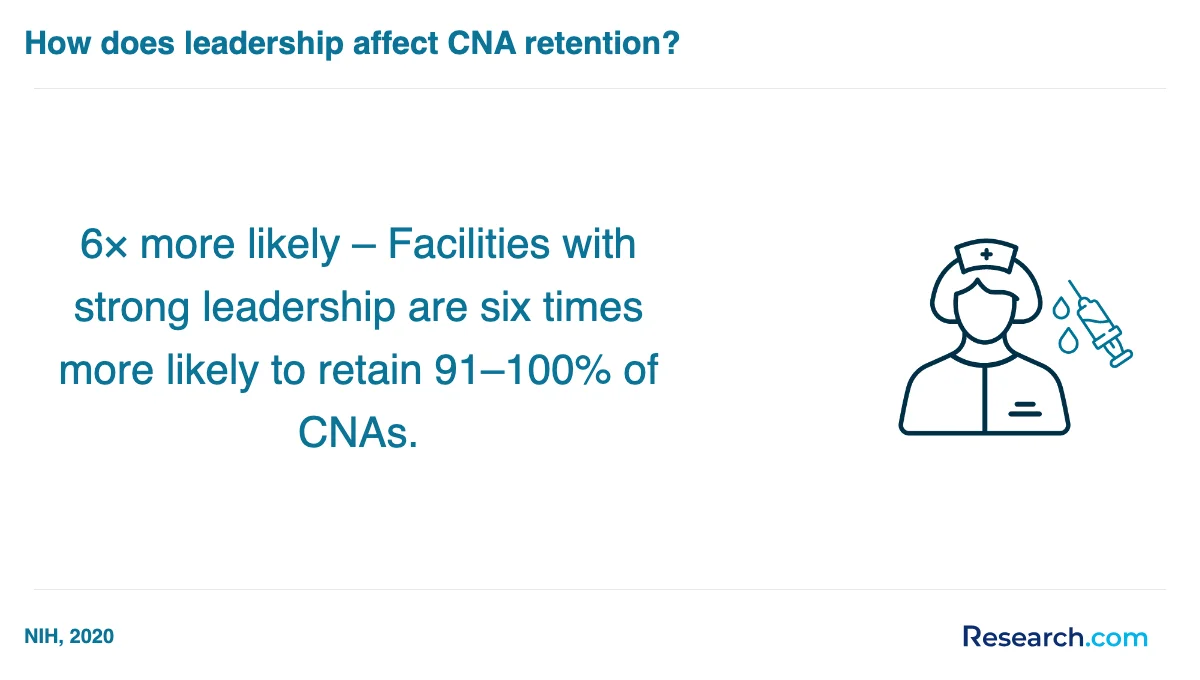
Graduates of nursing assistant aide and patient care assistant trade school programs in the USA often step into dynamic roles like Certified Nursing Assistants (CNAs), providing compassionate care in hospitals, nursing homes, and private residences. Many find this an exciting starting point to explore career advancement for nursing assistants in the USA, venturing into positions such as Licensed Practical Nurses (LPNs) or Registered Nurses (RNs), often supported by flexible bridge programs offered by popular trade schools.
Some graduates share how they smoothly balanced work and schooling, gaining credentials as Certified Medication Aides or Cardiographic Technicians, which opened doors to specialized healthcare paths. Others embrace roles as orderlies or patient care technicians, becoming invaluable team members by assisting nurses and reporting patient needs.
Job opportunities for patient care assistants in American healthcare also include administrative and educational tracks, such as healthcare management or nurse educators, inspiring many to combine hands-on experience with leadership.
For those wondering how to get my cna online, many trade schools provide tailored programs to launch a rewarding healthcare career with stability and growth.
What is the job market for nursing assistant aide and patient care assistant trade school graduates in the USA?
The job market for nursing assistant aide and patient care assistant trade school graduates in the USA is buzzing with opportunity. Graduates from popular trade schools often share stories of quickly landing positions in bustling nursing homes or local hospitals, proving that the nursing assistant job outlook in the USA is bright. With about 216,200 job openings each year fueled by an aging population and rising chronic illness rates, demand remains strong and steady.
Many graduates find satisfaction working where they can make a real difference, such as residential care facilities and nursing homes, which employ roughly 34% of certified nursing assistants. These environments foster rewarding experiences, where everyday tasks transform into moments of connection and care.
Here's why so many graduates feel optimistic:
- High demand in regions with staffing shortages
- Training aligned with state-approved education programs
- Competitive median wages, with even higher pay in specialized settings
For those wondering how to step into this field confidently, programs at established trade schools offer hands-on training and prepare students to become a nursing assistant through competency exams that employers require. It's a dependable path with real potential to grow within healthcare careers.
The certified nursing assistant demand United States-wide shows no signs of fading, making it a smart and stable choice for those passionate about caregiving and eager to join an essential workforce.
Frequently Asked Questions about nursing assistant aide and patient care assistant
After completing a nursing assistant aide or patient care assistant trade school in the USA, preparing for the job market involves several key steps. First, obtaining certification is crucial. Most states require passing the National Nurse Aide Assessment Program (NNAAP) exam to become a Certified Nursing Assistant (CNA). This credential enhances employability and is often mandatory for long-term care facilities.
Next, building a strong resume that highlights clinical skills and hands-on training is important. Networking with local healthcare providers and attending job fairs can improve job prospects. According to the Bureau of Labor Statistics, demand for CNAs is projected to grow 11% from 2022 to 2032, reflecting strong job opportunities.
Continuing education and seeking specialized training, such as in geriatrics or rehabilitation, can also increase marketability. Many graduates benefit from joining professional organizations like the National Network of Career Nursing Assistants for support and resources.
Employers in the USA highly value nursing assistant aide and patient care assistant graduates who demonstrate strong clinical and interpersonal skills. Key abilities include patient hygiene assistance, vital signs monitoring, and basic medical knowledge. According to the U.S. Bureau of Labor Statistics, effective communication and empathy are essential for ensuring patient comfort and safety. Additionally, employers seek candidates proficient in infection control and emergency response protocols, reflecting the growing importance of safety standards in healthcare settings. Time management and teamwork are also critical, as these roles often require collaboration with nurses and other healthcare professionals to provide efficient patient care.
Finding internships relevant to nursing assistant aide and patient care assistant trade school programs in the USA involves several strategic steps. Start by contacting your trade school's career services, as many have established partnerships with local hospitals, nursing homes, and clinics. These institutions often offer internship placements aligned with your coursework.
The U.S. Bureau of Labor Statistics notes that hands-on experience is crucial for certification and employment. Additionally, platforms like Indeed and LinkedIn can list healthcare internships, but prioritize those specifying CNA or patient care roles.
Networking through professional groups such as the National Network of Career Nursing Assistants can also provide leads. Finally, state health departments sometimes sponsor internship programs to address workforce shortages in caregiving fields.
A diploma from a nursing assistant aide or patient care assistant trade school in the USA significantly enhances career mobility. According to the U.S. Bureau of Labor Statistics (BLS), certified nursing assistants (CNAs) with formal education experience faster job placement and access to higher-paying roles compared to those without credentials.
Trade school programs typically take a few months to complete, allowing students to enter the workforce quickly. This credential serves as a stepping stone for further advancement, such as becoming a licensed practical nurse (LPN) or registered nurse (RN), often leading to increased earnings.
Furthermore, healthcare employers increasingly prefer candidates with recognized diplomas, improving job stability and promotion opportunities. The National Network of Career Nursing Assistants reports that nearly 80% of CNAs with formal training secure employment within six months post-graduation.
Part-time job opportunities that complement nursing assistant aide and patient care assistant trade school education in the USA often include roles such as home health aide, medical receptionist, and pharmacy technician. These positions provide practical experience in healthcare settings, enhancing skills gained in school. According to the U.S. Bureau of Labor Statistics, home health aide jobs are projected to grow 13% from 2022 to 2032, reflecting strong demand. Working part-time in these roles allows students to apply their knowledge of patient care, improve communication skills, and build professional networks while continuing their education.
Top Trending Rankings
References
- Nursing Assistants and Orderlies : Occupational Outlook Handbook: : U.S. Bureau of Labor Statistics https://www.bls.gov/ooh/healthcare/nursing-assistants.htm
- Certified Nursing Assistant (CNA) Jobs | IntelyCare https://www.intelycare.com/jobs/cna
- Patient Care Technicians and Nursing Assistants Careers | University of Iowa Health Care https://uihc.org/patient-care-technicians-and-nursing-assistants-careers
- Nursing Assistants | Occupation | My Career NJ https://mycareer.nj.gov/occupation/31-1131
- CNA (Certified Nursing Assistant)/ Nursing Assistant Careers https://careers.pennmedicine.org/search/cna-certified-nursing-assistant-nursing-assistant/jobs/in
- Nursing Assistant Jobs | Avera https://www.avera.org/careers/nursing-assistant-jobs/
- Nurse Aide Assistant Career | How to Become a Nurse Aide Assistant https://explorehealthcareers.org/careers/allied-health-professions/nurses-aide-assistant/
- How to Become a CNA | Salary & Certification https://nurse.org/resources/certified-nursing-assistant-cna/
- Career Paths for Nursing Assistants | FVI School of Nursing https://fvi.edu/nursing-assistants/career-paths-for-nursing-assistants/
- Health Careers (Nursing Assistant Academy) - Wayne-Finger Lakes BOCES https://www.wflboces.org/wayne-technical-and-career-center/programs-and-pathways/health-careers-nursing-assistant-academy


