Best Interior Design Training Programs & Schools - Top Interior Design Schools in New Jersey for 2026

Co-Founder and Chief Data Scientist
Choosing the right interior design trade school in New Jersey can shape your creative career and open exciting opportunities. This article introduces the best programs for 2026, carefully ranked by the Research.com team of data scientists to guide your decision-making with reliable insights.
Whether you’re looking for a diploma or certification, the right education can boost your skills and confidence. Exploring these top schools helps you find a program that matches your goals and passion for design.
Start your journey toward a fulfilling interior design career today with informed choices and inspiration.
Key benefits of finishing interior designer trade school in New Jersey
- Graduates of interior designer trade schools in New Jersey can expect an average starting salary of about $58,002 per year, with many earning between $46,002 and $63,602, offering a strong financial foundation early in their careers.
- Career paths for graduates often include roles like interior designer, interior architect, or senior designer, with opportunities to earn up to 55% more than the average as they gain experience and advance.
- Completing a trade school program online provides flexibility and convenience, allowing students to balance learning with personal commitments, as shown by many successful online graduates from popular New Jersey programs.
- Best Interior Design Training Programs & Schools - Top Interior Design Schools in New Jersey for 2026
- What can I expect from interior designer trade schools in New Jersey?
- Where can I work after finishing interior designer trade schools in New Jersey?
What can I expect from interior designer trade schools in New Jersey?
At an interior designer trade school program in New Jersey, expect a hands-on, immersive journey that blends creativity with technical expertise. Graduates from Bergen Community College often describe starting with foundational courses in design principles, drafting, and color theory, which quickly build confidence to tackle more complex challenges like lighting design and business practices. Studio classes foster collaboration, much like the environment at NJIT, where students share dedicated workspaces and develop real-world skills alongside peers from architecture and industrial design fields.
One memorable experience for many is completing a final design project, such as conceptualizing a family room, which industry professionals review-turning classroom learning into a portfolio-worthy achievement. Flexibility is another plus; programs offer both in-person and online options, accommodating those balancing work or family. Plus, students often benefit from exam vouchers and professional memberships through schools like NJCU, easing the path toward certifications like the NCIDQ. The journey is challenging but rewarding, preparing you to confidently enter the dynamic interior design industry in New Jersey.
Where can I work after finishing interior designer trade schools in New Jersey?
Graduates from interior designer trade schools in New Jersey often find themselves stepping into vibrant roles across the state's dynamic design landscape. Many start as interior designers or junior consultants in well-established firms, directly collaborating with clients to transform visions into tangible spaces. Imagine working alongside seasoned professionals in Newark or Jersey City, crafting designs for urban apartments or bustling commercial spots-this hands-on experience is a common path for trade school alumni.
Others thrive in furniture retailers like La-Z-Boy or Bassett Furniture, where design skills blend with customer interaction, allowing graduates to guide clients in creating personalized living environments. The excitement of turning a client's dream into reality while earning commissions adds a rewarding dimension to these roles.
For students from popular New Jersey trade schools, specialized careers also beckon-as kitchen and bath designers or interior architecture assistants-roles that demand precision and collaboration with contractors. Freelancing or joining custom home builders offers flexibility and creative freedom, often involving in-home consultations or showroom projects that make each day uniquely fulfilling.
After completing a trade school program in interior design in New Jersey, graduates often find themselves stepping into a field with promising financial potential. Many entry-level designers start with an average salary of around $58,002 annually, which is encouraging for those fresh out of schools like the New Jersey School of Interior Design or similar programs. Graduates frequently share how this starting pay helped them confidently cover living expenses while building their portfolios.
With experience, salaries can grow significantly. It's common to see designers earning between $57,220 and $77,443 annually within a few years, especially when working in bustling New Jersey markets like Newark or Jersey City. One graduate described using their early earnings to invest in specialized training, which later boosted their income even more.
Hourly wages also offer flexibility: entry-level designers earn about $30 per hour, making part-time or freelance work practical options during or after the program. The real excitement comes from knowing that with dedication and a few years of experience, salaries can climb above $90,000, reflecting the rewarding career path that starts right after trade school.
- Most interior design trade school programs in New Jersey require a high school diploma or equivalent and focus on creative and technical skills for entry-level jobs.
- Programs like those at Bergen Community College and Berkeley College are accredited by the Council for Interior Design Accreditation (CIDA), allowing graduates to take the NCIDQ exam.
- Program lengths vary from 1-2 years for certificates, 2 years for associate degrees, and 4 years for bachelor's degrees.
- Tuition costs range from $4,000 to $10,000 for certificates and associate degrees at community colleges, while bachelor's degrees at private schools can exceed $25,000 per year.
- Over 90% of graduates from accredited programs find employment or continue their studies within six months, with median salaries around $62,000 annually in New Jersey.
Completing an interior designer trade school program in New Jersey typically takes about 12 to 18 months, depending on the school and the intensity of the curriculum. Many graduates from popular New Jersey trade schools find this timeframe ideal for balancing hands-on learning with real-world practice, allowing them to build confidence quickly.
One graduate recalled how immersive coursework at a well-known New Jersey trade school helped them transform their creative ideas into tangible designs within a year. The fast-paced nature of these programs means students dive into projects early, often collaborating on mock client briefs that simulate professional experiences.
For those juggling work or family commitments, part-time options extend the timeline but maintain the same depth of instruction, making it possible to earn credentials without sacrificing other responsibilities. This flexibility contributes to the excitement and motivation many students feel, knowing they're steadily progressing toward a rewarding career in interior design.
Ultimately, New Jersey's trade schools provide a practical, engaging path that fits diverse lifestyles while preparing students to enter the design field with valuable skills in just over a year.
The core difference between online and on-campus interior designer trade school programs in New Jersey lies in how and where you engage with your craft. Graduates from NJIT's Hillier College or Bergen Community College often recall the energy of working side-by-side with peers in bustling studios, surrounded by CAD labs, material libraries, and hands-on projects that bring design concepts to life. This immersive environment fuels creativity and immediate feedback, making the learning process deeply tangible and social.
Conversely, online students appreciate the freedom to study at their own pace, balancing coursework alongside jobs or family commitments. They access lectures and assignments digitally, which removes the stress of commuting and rigid schedules. However, some graduates mention the challenge of replicating tactile experiences-like handling fabrics or physical models-through a screen, which can affect skill development in nuanced ways.
Both paths prepare you for certification such as the Residential Interior Design Qualification Certification (RIDQC), but the on-campus route tends to offer richer hands-on training, a crucial factor for many aspiring designers in New Jersey.
For prospective students weighing the average cost interior design trade school New Jersey offers, it's clear that expenses vary widely depending on the institution. Many graduates from Raritan Valley Community College recall the manageable tuition, roughly $13,344 over two years before financial aid, which significantly reduced their final expense to around $6,917. This affordability helped them pursue their passion without overwhelming debt. On the other hand, students at Brookdale Community College experienced slightly higher tuition fees-$17,608 before aid-but appreciated the quality education that propelled their careers forward.
Four-year programs at New Jersey Institute of Technology (NJIT) and Kean University come with steeper tuition fees, close to $78,824 and $74,416 respectively before financial aid. Graduates often share how scholarships and grants lowered these to almost half, making high-quality design education accessible. These investment stories often resonate deeply with those considering interior designer program tuition fees New Jersey, as balancing cost and education quality is always top of mind.
Students across these schools emphasize that tuition is just one part of the financial picture. Yearly materials and design supplies, ranging from $1,000 to $3,000, add to total costs but are worthwhile for honing practical skills. Many undergraduates find encouragement by exploring interior design career paths early on, motivating them to invest smartly in their education. The process of careful research and financial planning is vital to align dreams with budgets in the journey toward becoming a successful interior designer.

Students pursuing interior designer trade school programs in New Jersey often find federal financial aid to be a vital resource. By submitting the FAFSA, they unlock access to Pell Grants, federal loans, and work-study opportunities that ease the financial burden. Graduates from Berkeley College share how aid reduced their annual costs to around $14,923, making their design dreams more attainable. At Brookdale Community College, financial aid helps students pay closer to $9,351 yearly, showing tangible relief in real terms.
State-specific programs like New Jersey's Tuition Aid Grant (TAG) further support residents, especially those attending accredited community and trade colleges. Many students benefit from the Educational Opportunity Fund (EOF), which provides an extra layer of assistance for those facing financial hardships.
Trade schools also offer institutional scholarships and grants that reward merit or need, often making aid feel personalized and encouraging. For example, Brookdale's commitment to easy financial help reassures many students worried about costs.
Certification seekers at Bergen Community College enjoy reduced exam fees and free professional memberships, cutting down expenses and boosting career readiness.
Enrolling in an interior designer trade school program in New Jersey often requires meeting specific prerequisites that ensure students are prepared and passionate about this creative path. Many graduates from popular New Jersey trade schools recall the excitement and slight nervousness when submitting their applications, knowing they had to demonstrate certain foundational skills.
Typically, these prerequisites include:
- A high school diploma or equivalent, which confirms basic academic readiness.
- Strong portfolios showcasing any prior design or artistic work, reflecting creativity and attention to detail.
- Basic computer skills, especially familiarity with design software like AutoCAD or SketchUp, which are often emphasized in New Jersey programs.
- Letters of recommendation or personal statements that express genuine enthusiasm for interior design.
One graduate shared how preparing a portfolio helped uncover hidden talents, turning initial doubts into confidence. Another emphasized how demonstrating a willingness to learn new digital tools opened doors at a well-known New Jersey trade school. These prerequisites aren't just hurdles-they're the first steps toward a rewarding career that blends artistic vision with practical skills.

Interior designer trade school programs in New Jersey focus on a blend of creative and practical courses that prepare students for real-world success. Graduates often recall how foundational classes like Principles of Interior Design made complex concepts like spatial planning and design elements feel accessible and inspiring.
Students quickly dive into essential topics such as:
- Materials, finishes, and sources - learning to select textiles, wall coverings, and furniture that transform residential or commercial spaces.
- Technical drawing and CAD - mastering visual communication through drafting and digital design tools.
- Color theory and lighting - crafting moods that bring interiors to life.
- History of design - drawing inspiration from past movements to shape unique styles.
- Business procedures - gaining skills in project management, client communication, and ethics to thrive professionally.
Many students from popular New Jersey trade schools appreciate how these courses not only build confidence in design but also prepare them for certifications like the Residential Interior Design Qualification Certification (RIDQC), a key career milestone.
Imagine working on a portfolio after mastering drafting software or discussing color palettes that influence mood-these practical experiences make the journey exciting and deeply rewarding for aspiring interior designers here.
Interior design specializations in New Jersey trade schools often reflect the vibrant and multifaceted nature of the design industry, preparing students for distinct career paths. Graduates from Bergen Community College find themselves well-equipped in residential interior design, mastering home layouts, lighting, and furnishings with certifications like the Residential Interior Design Qualification Certification enhancing their credibility. Meanwhile, other students embrace the energetic world of commercial interior design at institutions such as NJIT and Sussex County Community College, where learning extends to building systems, contract documents, and business practices tailored for office, retail, and hospitality spaces.
Those drawn to technology discover invaluable skills in CAD and digital design at County College of Morris, becoming proficient in BIM and design rendering-abilities crucial for modern projects in both residential and commercial sectors. Across New Jersey interior designer program concentrations, electives like lighting design, color theory, and sustainable materials invite students to deepen their expertise, turning classroom concepts into tangible, real-world success stories.
Students appreciate that many programs maintain Council for Interior Design Accreditation (CIDA) approval, ensuring that their specialization meets professional standards and opens pathways to national certification exams such as the NCIDQ. For hopeful designers wondering about career prospects, understanding these focused tracks is as vital as exploring college majors that make the most money, providing a clear vision for a rewarding future in interior design.
Choosing the best interior design schools in New Jersey means looking beyond just the course catalog. Graduates from NJIT often highlight the advantage of CIDA-accredited programs that emphasize both creativity and practical skills, offering immersive experiences in cutting-edge studios and fabrication labs. At Kean University, students find themselves inspired by a curriculum focused on sustainable design and universal accessibility, which resonates deeply in today's environmentally conscious market.
When weighing interior design programs in New Jersey, imagine attending classes taught by seasoned professionals who can share real-world challenges and success stories, as Michael Graves College does. The strong alumni networks and internship opportunities those schools offer transform classroom learning into tangible career steps, making job placement feel not just possible but promising.
For those embarking on careers in arts and design, exploring programs that combine robust theoretical foundations with hands-on internships creates a bridge from education to employment, ensuring each graduate feels prepared and confident about their future prospects.
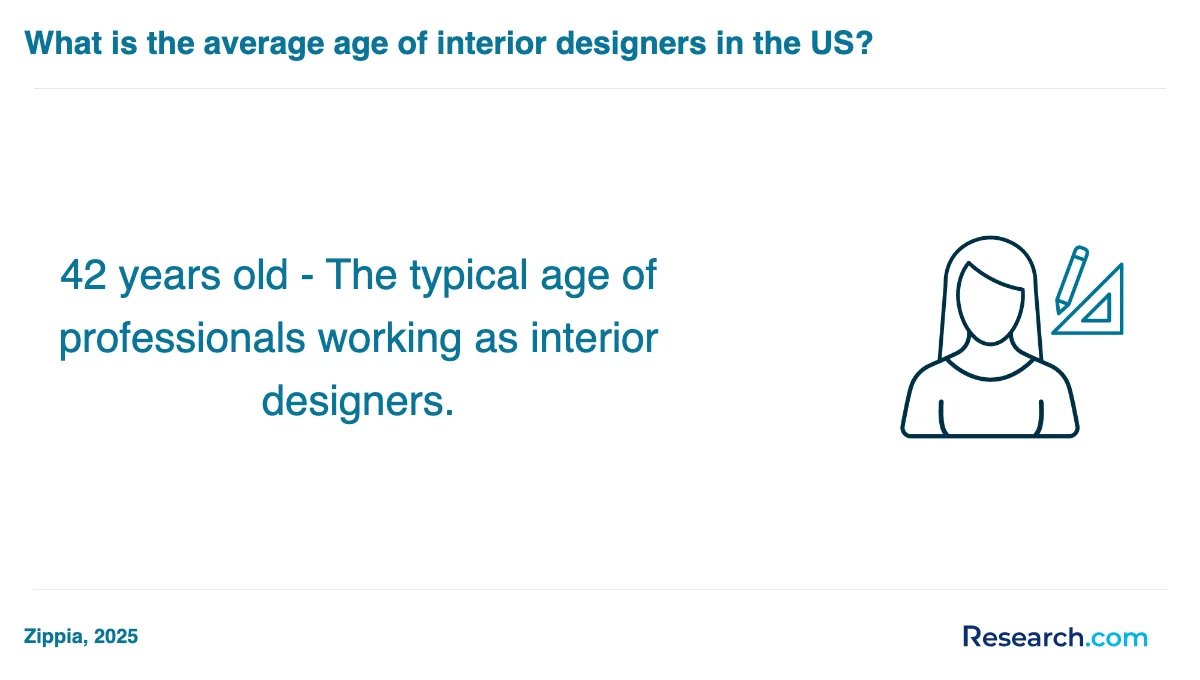
Graduates of interior designer trade school programs in New Jersey step into a rich landscape of career opportunities for interior designers in New Jersey. Many find fulfilling roles as residential or commercial interior designers, shaping everything from private homes to dynamic office environments. Others specialize as space planners or healthcare designers, applying their skills to create efficient, welcoming spaces in medical and corporate settings.
The variety of paths available can inspire you to imagine your future vividly. Graduates from popular trade schools in the state often share stories of becoming:
- Kitchen and bath designers taking on hot residential trends
- Design consultants collaborating directly with clients and contractors
- Project managers leading complex, creative projects
- Experts in sustainable design, meeting the growing demand for green solutions
Many New Jersey programs offer hands-on internships that frequently turn into job offers, with Kean University reporting a 67% job placement rate soon after graduation. These real-world experiences give graduates confidence and connections to thrive.
Those seeking to deepen their expertise can explore certification or jump into related fields like furniture design. For students curious about expanding their skills quickly, exploring accelerated online architecture programs may also provide valuable pathways.
As the demand for interior design jobs in New Jersey grows, your education here places you at the forefront of an exciting, evolving industry filled with opportunity.
The interior designer job outlook New Jersey is promising for trade school graduates who bring practical skills and creativity to the table. Graduates from well-known New Jersey trade schools often find entry-level roles in residential remodeling, space planning, and retail design, where hands-on training and proficiency in design software like AutoCAD or SketchUp prove invaluable. Many graduates share experiences of securing positions as design consultants or project managers quickly, thanks to their portfolio work done during schooling.
Key factors shaping their success include:
- Strong understanding of local building codes and safety standards
- Experience with real-world projects provided by the school's partnerships
- Networking within metropolitan areas such as New York City and Philadelphia
Regarding interior designer salary trends New Jersey reflects the national median annual wage of $63,490 as of May 2024, making it a financially viable career path for trade school students. The market's 4% growth projection from 2023 to 2033 adds confidence in long-term prospects. Many graduates also embrace freelance and flexible schedules that align with their lifestyle and evolving consumer demands.
For those seeking to deepen expertise or diversify skills, exploring an accredited online architecture degree can complement the practical foundation gained at New Jersey trade schools and open more career doors.
Best Interior Design Training Programs & Schools - Top Interior Design Schools in New Jersey for 2026
# 1 position
Brookdale Community College - Interior Design.
associateBrookdale Community College offers a hybrid Interior Design program that prepares students to professionally plan and design residential and commercial spaces. The curriculum covers computer applications, drafting, lighting, acoustics, furniture, textiles, and design history. Accredited by the Middle States Commission on Higher Education, the program’s annual in-state tuition is $5,921. Graduates earn a median salary of $21,224 one year after completion.
# 2 position
Raritan Valley Community College - Interior Design.
associateRaritan Valley Community College offers a hybrid Interior Design program that prepares students to professionally plan, design, and furnish residential and commercial spaces. The curriculum includes computer applications, drafting, lighting, acoustics, color coordination, furniture, textiles, structural design, and building codes. Annual in-state tuition is $5,520. The program is accredited by the Middle States Commission on Higher Education, providing a comprehensive foundation in applied visual arts.
# 3 position
Berkeley College-Woodland Park - Interior Design.
associateBerkeley College-Woodland Park offers an Interior Design program that trains students to apply artistic principles in planning and furnishing residential and commercial spaces. The curriculum covers computer applications, drafting, lighting, acoustics, color coordination, textiles, furniture, and basic structural design. The program also includes building codes and inspection regulations and historical design styles. Annual in-state tuition is $28,600. The program is accredited by the Middle States Commission on Higher Education.
# 4 position
Brookdale Community College - Interior Design.
certificate or diplomaBrookdale Community College offers a hybrid Interior Design program that prepares students to professionally plan, design, equip, and furnish residential and commercial spaces. The curriculum covers computer applications, drafting, lighting, acoustics, color coordination, furniture, textiles, and basic structural design. The program includes instruction on building codes and design history. Annual in-state tuition is $5,921, and graduates earn a median of $21,224 one year after completion. It is accredited by the Middle States Commission on Higher Education.
# 5 position
Raritan Valley Community College - Interior Design.
certificate or diplomaRaritan Valley Community College offers a Hybrid Interior Design program focusing on professional planning, designing, and furnishing of interior spaces. The curriculum includes computer applications, drafting, lighting, acoustics, color coordination, furniture, textiles, and structural design. It also covers building codes, inspection regulations, and applications for various commercial and residential environments. The program’s annual in-state tuition is $5,520 and it is accredited by the Middle States Commission on Higher Education.
Frequently Asked Questions about interior designer
After completing an interior designer trade school in New Jersey, preparing for the job market involves several key steps. First, graduates should build a strong portfolio showcasing their best projects, as employers prioritize practical skills and creativity. Networking is also essential; joining local organizations like the New Jersey chapter of the American Society of Interior Designers (ASID) can provide valuable industry contacts.
Internships or apprenticeships offer hands-on experience and can lead to permanent positions. According to the U.S. Bureau of Labor Statistics, interior design jobs in New Jersey are expected to grow by 4% from 2022 to 2032. Finally, consider obtaining professional certifications to enhance credibility and meet state licensing requirements.
Employers in New Jersey seek interior designer trade school graduates with strong technical and creative skills. Proficiency in computer-aided design (CAD) software, such as AutoCAD and SketchUp, is essential for creating precise floor plans and 3D models. According to the U.S. Bureau of Labor Statistics, technical skills combined with creativity improve job prospects in the state's competitive market.
Communication skills are also highly valued, as designers regularly collaborate with clients, contractors, and suppliers. Understanding local building codes and regulations in New Jersey ensures compliance and smooth project execution. Time management and problem-solving abilities help graduates meet deadlines and adapt to client needs effectively.
Finding internships in New Jersey relevant to interior designer trade school programs requires a strategic approach. Start by contacting your school's career services, as many trade schools maintain partnerships with local design firms. According to the New Jersey Department of Labor, design-related internships in the state have grown by 8% since 2020, reflecting increased opportunities.
Networking is crucial; join professional organizations like the American Society of Interior Designers (ASID) New Jersey chapter. They often list internship openings and host events where students can connect with employers.
Additionally, check local job boards such as NJ.com and industry-specific sites for listings. Applying early and tailoring your portfolio to New Jersey's market needs can improve your chances significantly.
Obtaining a diploma from an interior designer trade school in New Jersey significantly enhances career mobility and advancement opportunities within the state's competitive design industry. According to the New Jersey Department of Labor, professionals with formal training in interior design report a 15% higher employment rate than those without credentials. A trade school diploma demonstrates practical skills and technical knowledge, which employers highly value when hiring or promoting candidates.
Graduates often qualify for entry-level positions more quickly and can pursue certifications like the NCIDQ exam, which is essential for career progression. Furthermore, New Jersey's strong design market, centered in urban hubs like Newark and Jersey City, offers numerous opportunities for diploma holders to climb the professional ladder.
Trade school programs also provide networking connections and internship placements, further supporting graduates' career growth. While a diploma does not replace a bachelor's degree, it offers a faster, cost-effective path to gain relevant skills and enter the workforce with a competitive edge.
Part-time job opportunities in New Jersey that complement interior designer trade school education often involve roles in retail, design firms, and home improvement stores. Positions such as sales associate at specialty furniture shops or lighting stores provide practical knowledge of materials and customer preferences. Internships or assistant roles at local interior design studios offer hands-on experience with drafting and client communication.
Additionally, New Jersey's strong housing market supports opportunities in real estate staging, which helps students apply design principles in real settings. According to the U.S. Bureau of Labor Statistics, New Jersey employed over 2,000 interior designers in 2023, indicating a healthy job market for students seeking relevant experience.
Yes, there are several reputable interior design degree programs available near New Jersey. Prospective students can find programs at universities with strong faculties and comprehensive curricula, offering both undergraduate and graduate degrees. Using Research.com can be helpful in identifying the best options tailored to specific needs and preferences, allowing individuals to explore possibilities near me or specifically near New Jersey.
- Best Interior Design Training Programs & Schools - Top Interior Design Schools in Pennsylvania for 2026
- Best Interior Design Training Programs & Schools - Top Interior Design Schools in New York for 2026
- Best Interior Design Training Programs & Schools - Top Interior Design Schools in Maryland for 2026
- Best Interior Design Training Programs & Schools - Top Interior Design Schools in Virginia for 2026
- Best Interior Design Training Programs & Schools - Top Interior Design Schools in Ohio for 2026
- Best Interior Design Training Programs & Schools - Top Interior Design Schools in North Carolina for 2026
- Best Interior Design Training Programs & Schools - Top Interior Design Schools in Indiana for 2026
- Best Interior Design Training Programs & Schools - Top Interior Design Schools in Georgia for 2026
- Best Interior Design Training Programs & Schools - Top Interior Design Schools in Michigan for 2026
- Best Interior Design Training Programs & Schools - Top Interior Design Schools in Florida for 2026
- Interior Design | Bergen Community College https://bergen.edu/ce/courses-programs/interior-design/
- Online Certified Residential Interior Designer from New Jersey City University https://careertraining.njcu.edu/training-programs/residential-interior-designer-course-online/
- Bachelor of Arts in Interior Design | Hillier College of Architecture and Design https://design.njit.edu/bachelor-arts-interior-design
- Interior Design Examination and Evaluation Committee https://www.njconsumeraffairs.gov/int/Pages/FAQ.aspx
- Interior Design | Kean University https://www.kean.edu/academics/programs/interior-design
- Interior Design https://www.fitnyc.edu/academics/academic-divisions/art-and-design/interior-design/index.php
- Interior Design Programs | Berkeley College https://berkeleycollege.edu/academics/undergraduate-degrees/interior-design/index.html
- Interior Design with Technology Certification | Training | My Career NJ https://mycareer.nj.gov/training/42033
- Program: Interior Architecture and Design, Associate of Science - Raritan Valley Community College - Modern Campus Catalog™ https://catalog.raritanval.edu/preview_program.php
- 8 Ways to Find an Interior Design Internship for Design Students https://www.behindthedesignco.com/blog/8-ways-to-find-an-interior-design-internship