
Best Information Technology Associate Degree Programs & Schools - Top IT Schools in Twin Falls for 2026

Co-Founder and Chief Data Scientist
Exploring the right path for your education can feel overwhelming, especially when choosing an Information Technology associate degree program in Twin Falls. This article presents a carefully crafted ranking by the Research.com team of data scientists, designed to help you navigate your options with confidence.
By reading this guide, you’ll discover which programs stand out based on objective data, making your decision easier. Earning an associate degree in Information Technology opens doors to exciting career opportunities, skill development, and a rewarding future. Let’s find the perfect program to start your journey toward success.
Key benefits of information technology associate degrees in Twin Falls
- Graduates with an information technology associate degree in Twin Falls can expect salaries ranging from about $45,000 to $75,000 annually, with entry-level IT specialists earning around $74,539 per year.
- Career paths include roles like IT Technician or Information Technology Specialist, with opportunities to advance to supervisory positions such as Applications Programming Supervisor, offering rewarding growth.
- Online associate degree programs provide flexibility, allowing students to balance work and study easily while gaining skills that prepare them for well-paying IT roles locally in Twin Falls.
- Best Information Technology Associate Degree Programs & Schools - Top IT Schools in Twin Falls for 2026
- What can I expect from information technology associate degrees in Twin Falls?
- Where can I work after finishing information technology associate degree in Twin Falls?
What can I expect from information technology associate degrees in Twin Falls?
Enrolling in an information technology associate degree program in Twin Falls means committing to a hands-on, practical learning experience that mirrors real-world tech environments. Graduates often share how their days felt structured like a full-time job, with classes from 8:00 a.m. to 3:00 p.m., Monday through Friday, allowing them to deeply immerse in troubleshooting computers and setting up network systems. The College of Southern Idaho, a popular choice locally, provides smaller class sizes-sometimes admitting just 24 students-which creates a close-knit atmosphere where individual attention is common.
Students can also expect focused preparation for industry certifications such as those from CompTIA and Cisco, making their skills immediately marketable. Many graduates recall the confidence boost from directly applying what they learned to real certification exams, which opened doors to diverse job opportunities in companies, government offices, and educational institutions throughout the region. Knowing the employment rate near 99% further reassures students that their efforts will likely lead to rewarding careers in Twin Falls' expanding tech sector.
Where can I work after finishing information technology associate degree in Twin Falls?
Graduates of information technology associate degree programs in Twin Falls often find themselves stepping confidently into entry-level roles like IT Support Specialist, Help Desk Technician, or Technical Support Specialist. Many students from the College of Southern Idaho have shared how their hands-on experience with real-world tech problems prepared them to assist local employers such as True West Beef and Fishers Technology. These positions involve daily tasks like troubleshooting software glitches, maintaining network equipment, and providing valuable support to users-work that feels rewarding as it keeps businesses running smoothly.
The Twin Falls tech job market offers a vibrant array of opportunities beyond private companies, including public sector roles within schools, hospitals, and government offices. Graduates describe the positive energy of working on campus tech teams, where they contribute directly to education by supporting faculty and students.
Many also envision career growth, seeing the associate degree as a stepping stone toward certifications and advanced roles like network administrator, motivated by entry-level salaries ranging from $35,000 to $50,000. The thriving IT scene in Twin Falls invites graduates to build meaningful careers right at home.
Graduates from information technology associate degree programs in Twin Falls often find themselves pleasantly surprised by the earning potential awaiting them. For example, a recent graduate from the College of Southern Idaho shared excitement over starting a role as an Information Technology Specialist with a salary around $74,539 annually, which breaks down to about $36 per hour. This kind of outcome reflects the real opportunities accessible within the local job market.
Entry-level roles like IT technicians typically start lower, at around $27.04 per hour, but many graduates note that this is just a stepping stone. Some have taken positions in government offices, earning roughly $19.53 per hour, which still offers valuable experience for career growth. With time, skills, and certifications, moving into roles like Associate IT Consultant can push earnings above $36 per hour, reaching annual salaries near $76,000.
Many alumni reflect on how their education at Twin Falls campuses empowered them to negotiate better wages and confidently enter the workforce, seeing a steady climb as they gain expertise. These tangible financial outcomes help affirm that investing in an IT associate degree locally is a wise, rewarding choice.
- Mark: Earning my IT associate degree at College of Southern Idaho was a game-changer. The hands-on labs and supportive instructors made complex topics clear and manageable. I felt prepared to enter the workforce confidently with strong practical skills and a solid foundation in technology.
- Jessica: Studying at the University of Idaho's Twin Falls Center exceeded my expectations. The small class sizes created a close-knit environment, encouraging collaboration and personalized learning. This experience not only boosted my technical knowledge but also my confidence in problem-solving real-world IT challenges.
- Alex: The Great Basin College Twin Falls campus offered an incredible blend of flexibility and quality education. Balancing work and studies was easier than I expected thanks to their accommodating schedule. Graduating with my associate degree feels like a major achievement and a step towards a bright career in IT.
- Admission typically requires a minimum 2.0 GPA and passing math scores like SAT Math 360 or ACT Math 14.
- Associate degrees in IT usually take two years of full-time study, including technical courses and certifications such as A+, Network+, and Security+.
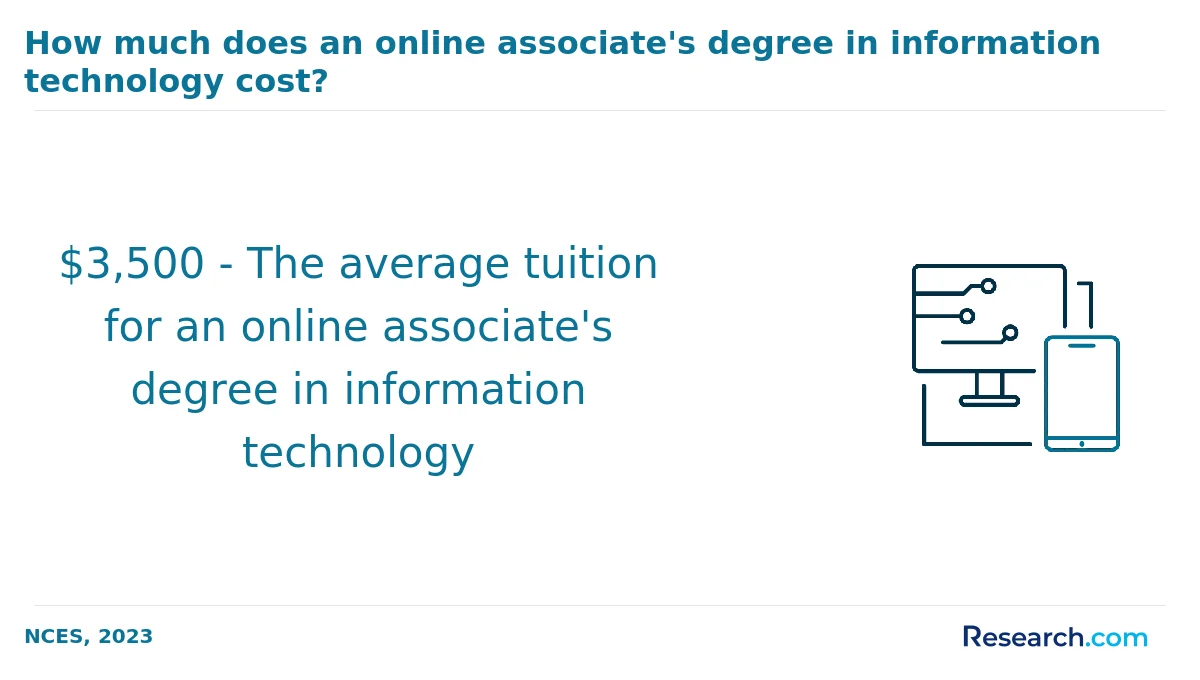
- In-state tuition averages about $3,360 per year, with extra costs for books, labs, and exam fees.
- Employment rates for graduates can reach as high as 99%, with starting salaries ranging from $50,420 to $81,840.
- Local job opportunities include roles in system support, network technician positions, and IT assistant jobs across various industries.
Completing an information technology associate degree program in Twin Falls generally takes about two years for full-time students. Graduates from Idaho State University and similar local schools often describe their experience as a steady journey of four semesters that blends day-to-day classroom learning with practical, hands-on projects. This structure, requiring between 60 and 63 credits, allows students to build solid skills while balancing life outside of school.
Many students appreciate the regular Monday-to-Friday schedule, which helps create a reliable routine and deepens their immersion in IT concepts. Others find comfort in the program's predictability-knowing that, with full-time dedication, they can confidently expect to finish in around 24 months.
For those juggling work or family, part-time attendance may extend that timeline, but the two-year full-time path remains the most common and realistic plan. This timeframe mirrors national standards and reflects the technical depth that makes these programs both challenging and rewarding in Twin Falls.
Online and on-campus information technology associate degree programs in Twin Falls differ mainly in how courses are delivered and how students experience their studies. Graduates from local schools often reflect on the flexibility online learning offers-imagine attending lectures from home or a favorite coffee shop while managing a part-time job or family commitments. This asynchronous style means you can set your own pace, which many find empowering when balancing life and education.
On the other hand, on-campus students at popular Twin Falls institutions emphasize the energy of in-person classes where collaboration happens naturally. They value the immediacy of asking questions, joining study groups, and accessing campus resources like computer labs and tech support. This atmosphere builds motivation and stronger social connections, which some students find vital to their success.
Cost also factors in: online programs often reduce expenses related to commuting and housing. Ultimately, choosing between the two modes depends on whether you thrive in self-driven environments or prefer structured, face-to-face interaction.
The average cost of information technology associate degree in Twin Falls usually ranges between $10,000 and $20,000 for the full two-year program, with tuition and fees varying notably between institutions. Graduates from Idaho State University often recall that their total expenses, including tuition, mandatory fees, and textbooks, approached $20,167.99, highlighting the importance of budgeting beyond just tuition. Meanwhile, those who attended the College of Southern Idaho found a more affordable path, paying around $10,626 if they qualified as mid-level household income students. This reflects the real-world scenario where students weigh program reputation against long-term financial commitment.
The Twin Falls information technology associate degree tuition and fees typically depend on residency status and credit hours. Public institutions like the College of Southern Idaho charge $140 per credit for in-district students, plus a county fee that caps at $500 per semester. For a standard 60-credit associate degree, tuition can reach approximately $11,400, excluding other costs such as fees and books. Graduates often appreciate this transparency, which allows them to plan effectively and seek scholarships or work-study options to ease the financial burden.
Beyond tuition, additional expenses like certification exams, background checks, and insurance contribute to overall costs. Many students find value in thorough planning and utilize resources available on campus to manage these necessary expenditures. For those considering advancing further, exploring a most popular information technology mba can be an exciting next step.

Students pursuing an information technology associate degree in Twin Falls typically find relief through various financial aid programs tailored to their needs. Many graduates from colleges like the College of Southern Idaho recall how federal financial aid made a significant difference. By completing the FAFSA, they accessed grants, loans, and work-study opportunities that directly supported their course requirements, easing the stress of tuition payments.
State aid also plays a vital role, especially through programs such as the Idaho Opportunity Scholarship, which rewards academic achievement and helps bridge financial gaps. Information technology students at Idaho State University describe how institutional scholarships and need-based grants provided a vital cushion during challenging semesters.
Unexpected hardships are met with empathy; special appeal processes allow students experiencing job loss or medical emergencies to receive additional support, ensuring they can continue their studies uninterrupted. Campus financial aid centers offer personalized counseling and tools like the Net Price Calculator, empowering students and families to navigate costs wisely and confidently.
Enrolling in an information technology associate degree program in Twin Falls typically starts with having a high school diploma or GED equivalent. Graduates recall how presenting official transcripts was a straightforward step that confirmed their readiness to begin.
Most programs at institutions like Idaho State University and the College of Southern Idaho require a minimum 2.0 GPA, reflecting a C average or better. This standard reassures students that steady academic effort opens doors in tech fields.
Additionally, demonstrating basic math proficiency is common. For example, meeting benchmark scores like a 360 on SAT Math or a 14 on ACT Math ensures students can confidently handle technical coursework. Many describe feeling empowered once they cleared this hurdle, ready for more challenging material.
Students with prior technical education often benefit from credit for their career and technical education (CTE) courses, saving both time and tuition. This pathway is highly valued among local students eager to jumpstart their careers.
- A high school diploma or GED equivalent
- A minimum 2.0 GPA for academic readiness
- Proof of math proficiency via standardized tests
- Optional technical competency credits from prior CTE courses
While no prior IT work experience is usually needed, familiarity with computers and technology makes the transition smoother. Graduates often recall how this comfort gave them confidence walking into their first classes.
Information technology associate degree programs in Twin Falls, especially at the College of Southern Idaho, offer a well-rounded mix of courses that prepare students for the real demands of IT careers. Graduates often reflect on how foundational courses like Computer Essentials helped them confidently understand hardware and software basics before tackling more complex topics.
Typical coursework includes:
- Operating Systems: Hands-on training with Windows, Linux, and sometimes macOS allows students to become comfortable installing and maintaining these platforms.
- Networking Fundamentals: Practical labs involving configuring routers and switches give students skills directly aligned with recognized certifications like Cisco CCNA.
- Network Security: Courses teach crucial protection strategies, from firewalls to encryption, helping students understand how to safeguard systems from threats.
- Server and Linux Administration: Students learn to manage servers and Linux environments, often through partnerships with Linux Professional Institute programs.
- Technical Support and Troubleshooting: Real-world scenarios emphasize customer service and problem-solving, skills that graduates cite as essential for their first jobs.
- Internships: Many students gain practical experience through supervised internships, bridging classroom learning with workplace expectations.
Alongside IT skills, general education courses in math and communication build well-rounded professionals ready to succeed in dynamic work environments in Twin Falls.
Information technology specializations Twin Falls students typically encounter focus on practical, career-ready skills that match industry demands. Graduates from well-regarded programs such as those at Idaho State University often highlight the network administration and support track. In this path, students gain hands-on experience configuring networks and troubleshooting, readying them for roles like network administrator or IT support specialist through exposure to tools from Cisco and CompTIA.
Another compelling direction is the cybersecurity associate degree Twin Falls offers, where learners dive into protecting systems, managing cyber risks, and implementing firewalls. Many find this specialization both challenging and rewarding, bolstered by preparation for certifications such as CompTIA Security+ that employers highly value.
Students frequently appreciate the real-world applicability of these tracks, often expressing how cloud computing and server management courses open doors in managing remote, cloud-based environments. Others prefer the generalist track, which builds a versatile IT foundation.
For those eager to explore further options, a wide range of offerings exists including industry certification pathways. Discover more by exploring the top online information technology course thoughtfully designed to complement local programs and career goals.
Choosing the best Twin Falls information technology programs 2026 involves assessing accreditation and curriculum relevance. Graduates from Idaho State University recall feeling confident entering the workforce because their program offered hands-on training in networking, operating systems, and cybersecurity-skills highly valued by employers locally. When touring campuses in Twin Falls, prospective students often appreciate programs that prepare them for certifications like CompTIA A+ or Cisco's CCNA, which can make job hunting less daunting.
Another wise step is to compare Twin Falls IT associate degree costs carefully. Public colleges nearby typically offer lower tuition, but do not overlook associated fees and certification expenses. Students who balanced work and study found that flexible scheduling-offered mainly through part-time day classes-helped them stay engaged and motivated without overwhelming their personal lives.
Many find it useful to explore resources like what is the easiest tech degree program for insights on program difficulty and focus areas, helping them identify a path that fits their strengths and ambitions.

Graduates with an information technology associate degree in Twin Falls find a rich variety of career paths tailored to local demands. They often begin as Help Desk Support Specialists or IT Support Technicians, roles that merge technical troubleshooting with real human interaction. Many graduates from institutions like the College of Southern Idaho share how hands-on training helped them quickly adapt to these positions, securing jobs with employers such as True West Beef and Fishers Technology. These roles represent key IT support career opportunities Twin Falls, offering satisfying work in a growing field with wages ranging notably between $50,420 and $81,840 annually.
Other graduates venture into network-centric roles as Computer Network Technicians or Network Support Specialists. In these positions, they manage and safeguard digital infrastructure, drawing on skills sharpened through studies focused on systems management and cybersecurity. Local demand ensures steady employment in business and government sectors, with many appreciating the challenge and variety this work entails. Success stories often mention certifications like CompTIA and Cisco gained alongside associate degrees, further enhancing career prospects.
Hands-on graduates also engage in technical sales, digital support, or event technology, especially at firms leveraging advanced IT solutions. With many Twin Falls students embracing dynamic training programs, the region fosters vibrant information technology jobs in Twin Falls that reflect the evolving tech landscape. For those exploring flexible learning options, programs in the region offer pathways to technology degrees online, blending convenience with local employment advantages.
Graduates with an information technology associate degree in Twin Falls find a welcoming job market, where local employers value practical skills honed through hands-on training at institutions like the College of Southern Idaho. Many have secured positions as IT Support Specialists or Technical Support Specialists with businesses such as Fishers Technology and True West Beef, reflecting a steady demand for entry-level IT roles.
These opportunities offer more than just employment; they present a path toward growth in fields like network administration and cybersecurity. Successful graduates often highlight the satisfaction of solving real-world tech problems and the encouragement from local employers to develop further certifications.
For those exploring information technology degree jobs, Twin Falls offers a landscape enriched by both community connections and expanding remote work options, making the job search dynamic yet approachable.
Understanding the IT associate degree salary Twin Falls trends helps students set realistic expectations, with entry-level roles typically paying between $40,000 and $72,000 annually, depending on the exact position and experience gained.
- Employers often prioritize candidates from local programs equipped with practical skills.
- Graduates report positive experiences transitioning into IT roles within education and private sectors.
- Low barriers to entry encourage confidence among recent graduates eager to contribute.
The team behind the "Best Information Technology Associate Degree Programs in Twin Falls for 2026" ranking understands that choosing the right educational path is a significant investment in your future. Our Research.com experts have meticulously compiled this ranking to ensure quality, credibility, and accuracy, providing you with reliable guidance. We leveraged multiple authoritative data sources, including IPEDS database, Peterson's database, College Scorecard database, and the National Center for Education Statistics. By consulting these resources, we provide trustworthy information so you can make informed decisions about your education. For more details on our approach, visit our methodology page.
Best Information Technology Associate Degree Programs & Schools - Top IT Schools in Twin Falls for 2026
# 1 position
College of Southern Idaho - Computer and Information Sciences, General.
associateThe College of Southern Idaho offers a hybrid program in Computer and Information Sciences, General, focusing on computing, computer science, and information science systems. The program is accredited by the Northwest Commission on Colleges and Universities. Annual in-state tuition is $3,360. This program is designed as a general curriculum without specialization in specific computer science or information science fields, providing flexibility with some distance-education options available.
# 2 position
College of Southern Idaho - Computer Systems Networking and Telecommunications.
associateThe Computer Systems Networking and Telecommunications program at College of Southern Idaho offers a hybrid format with some distance-education options. It prepares students to design, implement, and manage interconnected computer systems and software to enhance productivity. Instruction covers operating systems, networking theory, network management, security, and troubleshooting. The program is accredited by the Northwest Commission on Colleges and Universities. Annual in-state tuition is $3,360.
Frequently Asked Questions about information technology associate degree programs
After earning an information technology associate degree in Twin Falls, preparing for the job market involves several practical steps. Graduates should focus on building technical skills beyond coursework, such as mastering programming languages, networking, and cybersecurity tools relevant to regional employers. Local labor market data from the Idaho Department of Labor shows a steady demand for IT support specialists and network administrators, with average salaries ranging from $40,000 to $55,000.
Networking is also crucial-joining professional groups and attending local tech events can connect job seekers to opportunities in Twin Falls and nearby cities. Additionally, obtaining industry certifications like CompTIA A+ or Cisco's CCNA can significantly improve employability.
Internships or part-time roles during study provide valuable real-world experience, increasing chances of full-time employment after graduation. Tailoring resumes and developing interview skills specifically for IT roles is recommended. Finally, online job portals and Twin Falls community college career services are useful resources for job listings and guidance.
Employers in Twin Falls prioritize a range of technical and soft skills when hiring information technology associate degree graduates. Key technical skills include proficiency in networking, cybersecurity, and database management. According to the Idaho Department of Labor, knowledge of cloud computing and scripting languages like Python is increasingly valuable in the local job market.
Additionally, employers seek graduates who demonstrate problem-solving abilities and effective communication. Collaboration skills are crucial, especially as many IT roles require teamwork across departments. Practical experience through internships or hands-on projects is highly favored.
Strong foundational knowledge in hardware and software troubleshooting remains essential for entry-level IT positions in Twin Falls.
Finding internships in Twin Falls related to an information technology associate degree program involves multiple strategies. Start by contacting local colleges such as the College of Southern Idaho, which often partners with tech companies to offer internship opportunities for IT students. Networking through campus career centers and faculty advisors is crucial, as they have connections with area businesses.
Explore local businesses in sectors like healthcare, agriculture technology, and manufacturing, which increasingly rely on IT specialists. Websites such as Handshake and Indeed frequently list internships in Twin Falls, including those tailored to technology roles.
The Idaho Department of Labor reports a steady rise in IT job growth locally, indicating increasing internship availability.
An associate degree in information technology (IT) in Twin Falls can significantly enhance career mobility and advancement opportunities. Locally, many employers in sectors like healthcare, manufacturing, and small business value graduates with practical IT skills, often requiring at least an associate degree for entry-level technician roles. According to Idaho Department of Labor data from 2023, IT occupations in the Twin Falls metropolitan area are projected to grow by 8% over the next decade, supported by expanding digital infrastructure.
Holding an associate degree increases eligibility for certifications and specialized roles, helping professionals move up to network administrators or cybersecurity positions. Community colleges in Twin Falls frequently partner with local businesses, providing tailored training that aligns with regional job market needs, further boosting graduates' prospects.
Students pursuing an information technology associate degree in Twin Falls can benefit from several part-time job opportunities that enhance their learning and resumes. Common roles include IT support technician, help desk assistant, and computer lab assistant. These positions allow students to apply technical skills such as troubleshooting, network management, and customer service in real-world settings.
Twin Falls's growing tech sector and local businesses often seek part-time IT workers, supporting about 450 tech-related jobs as of 2023 (Bureau of Labor Statistics). Additionally, internships with regional government or healthcare providers offer practical experience aligned with academic studies. These roles can improve employability upon graduation.
When selecting the best Information Technology degree program near Twin Falls, ID, consider factors such as program accreditation, curriculum relevance, faculty expertise, facilities, and internship opportunities. Programs and universities near me offer various specializations and learning formats, including online and part-time options, which can provide flexibility based on personal and professional needs. Research resources like Research.com can be helpful to compare local colleges' rankings, degree offerings, and graduate success rates.
- Associate Degree in Information Technology https://www.rmit.edu.au/study-with-us/levels-of-study/undergraduate-study/associate-degrees/associate-degree-in-information-technology-ad006
- A.A.S. Information Technology Systems | Idaho State University Academic Catalog https://coursecat.isu.edu/undergraduate/technology/informationtechnologysystems/aas-information-technology-systems/
- Information Technology Associates Degree | GMC https://www.gmc.edu/degree-programs/information-technology/
- Nces https://nces.ed.gov/
- Guide to Associate Degrees in IT | ComputerScience.org https://www.computerscience.org/degrees/associate/information-technology/
- Information Technology Associate Degree | Academics | Monroe Community College https://www.monroecc.edu/academics/majors-programs/stem/information-technology-associate-degree/
- Online Information Technology Associate's Degree https://www.national.edu/degreecert/information-technology-aas/
- Computer and Information Technology Occupations : Occupational Outlook Handbook: : U.S. Bureau of Labor Statistics https://www.bls.gov/ooh/computer-and-information-technology/
- Computer Information Tech https://www.nic.edu/programs/computer-information-technology/
- Exploring Career Paths in Information Technology | AIU https://www.aiuniv.edu/degrees/information-technology/articles/exploring-careers-in-information-technology


