
Most Affordable HVAC Technician Schools & Training - Budget-Friendly HVAC Trade Programs in Ann Arbor for 2026

Co-Founder and Chief Data Scientist
Choosing the right HVAC technician trade school in Ann Arbor can feel overwhelming, but this article is here to help. We present a carefully crafted ranking of HVAC technician trade school programs developed by the Research.com team of data scientists. This ranking offers clear insights to guide your decision-making.
Whether you’re starting a new career or upgrading your skills, earning a diploma or certification in HVAC opens many doors. Reading this article will give you confidence and clarity about which programs truly stand out in 2026.
Take the first step toward a rewarding future in a growing field.
Key benefits of finishing HVAC technician trade school in Ann Arbor
- Graduates in Ann Arbor can expect competitive salaries, with average hourly wages around $32 and opportunities for overtime that can significantly boost annual earnings beyond $65,000.
- Career paths for HVAC graduates include residential service, commercial installation, and specialized maintenance roles, offering diverse opportunities to grow and specialize in a rewarding field.
- Completing an HVAC trade school online offers flexibility, allowing students to balance work and study while gaining practical skills, making it an efficient alternative to traditional degrees for many.
- Most Affordable HVAC Technician Schools & Training - Budget-Friendly HVAC Trade Programs in Ann Arbor for 2026
- What can I expect from HVAC technician trade schools in Ann Arbor?
- Where can I work after finishing HVAC technician trade schools in Ann Arbor?
What can I expect from HVAC technician trade schools in Ann Arbor?
Enrolling in an HVAC technician trade school program in Ann Arbor means engaging in a well-rounded mix of classroom learning and hands-on practice designed to build job-ready skills. Graduates from institutions like Washtenaw Community College often describe the experience as both challenging and rewarding, appreciating the balance between theory-such as HVAC system design and safety protocols-and practical labs where they repair actual equipment.
Students can expect small class sizes and personalized instruction, which helps clarify complex topics like gas furnace troubleshooting or refrigeration systems. This close support fosters confidence, especially when preparing for essential certifications like NATE and EPA Section 608, which many alumni say were critical steps toward employment.
Programs typically range from six months to two years, allowing flexibility for full- or part-time attendance. Many find the structured schedule and access to modern facilities create an encouraging environment that mirrors real-world HVAC work settings in Michigan.
Financial aid is often available, making these programs accessible. By graduation, most feel prepared not just to pass licensing requirements but to start meaningful careers in heating, ventilation, air conditioning, and refrigeration.
Where can I work after finishing HVAC technician trade schools in Ann Arbor?
After finishing an HVAC technician trade school program in Ann Arbor, graduates find diverse job opportunities that reflect the region's steady demand for skilled professionals. Many start as HVAC technicians or installers with local service companies, construction firms, or property management businesses. For example, graduates from popular schools often share how they quickly secured positions with companies like Allied Building Service or Aire Serv, working hands-on with heating and cooling systems in both homes and commercial buildings.
Others pursue roles as apprentice technicians or sheet metal installers, gaining valuable on-the-job experience while earning a salary. One common success story involves a graduate hired by Lennox International as an HVAC Apprentice Technician, earning between $45,000 and $62,000 annually. These roles often provide a clear path to career advancement.
Beyond the private sector, graduates also find employment in public institutions, such as school facilities management or hospital maintenance teams. Some even become adjunct faculty in energy technology programs, sharing their field experience with new students while earning competitive hourly wages. This variety makes HVAC careers in Ann Arbor both practical and rewarding.
After finishing an HVAC technician trade school program in Ann Arbor, graduates often find themselves earning competitive wages that can support a comfortable lifestyle. For example, many graduates from well-known local trade schools report starting hourly rates around $29 to $34, which aligns with data from Indeed and ZipRecruiter showing averages in that range. One graduate shared that within months of completing their program, they were earning about $34 per hour, which quickly helped cover living expenses and build savings.
Entry-level pay can vary, with some employers like McKinley offering closer to $22.66 per hour. While that may seem modest, this is often just the starting point. Graduates describe gaining hands-on experience and certifications as key to moving into higher-paying roles.
Many HVAC technicians in Ann Arbor also benefit from overtime and on-call work, which can add thousands annually, sometimes around $6,750 more. These opportunities are common and greatly appreciated by recent grads eager to boost their income.
Overall, trade school graduates in Ann Arbor report a positive outlook, finding that their new skills quickly translate into real earnings, especially when combined with certifications and practical experience.
- Programs in Ann Arbor include certificate options lasting around six months and associate degrees up to two years.
- Tuition ranges from $3,000 to $7,000 for certificates and $6,000 to $12,000 for associate degrees, with extra costs for books and exams.
- Hands-on training with real HVAC equipment is common, and classes often offer daytime and evening schedules.
- Entry requires a high school diploma or GED, with some variation in prerequisites depending on the school.
- Starting salaries for HVAC technicians in Ann Arbor range from $38,000 to $45,000, with experienced workers earning up to $65,000 or more.
- Michigan mandates HVAC workers be licensed, either as Mechanical Contractors or under supervision of licensed professionals.
Completing a HVAC technician trade school program in Ann Arbor typically takes between six months to one year, depending on the school and the intensity of the program. Graduates from popular local trade schools often share how the condensed schedule allowed them to quickly enter the workforce, balancing hands-on training with classroom learning in a way that felt both challenging and rewarding.
For many students, the appeal lies in the streamlined timeline. One graduate described attending classes full-time for just under a year, gaining practical skills on real HVAC systems, which made the experience feel immediately relevant and engaging. Another mentioned how the program's structure was flexible enough to accommodate part-time schedules, useful for those working while studying.
In Ann Arbor, schools emphasize real-world scenarios, like troubleshooting residential heating systems or installing commercial air conditioning units, making it easier for students to visualize their future careers. This focused approach helps learners stay motivated and confident that their investment of time will yield solid job prospects shortly after graduation.
The main difference between online and on-campus HVAC technician programs in Ann Arbor lies in access to hands-on training. Graduates from Washtenaw Community College's on-campus HVAC program often describe the value of real-world lab experiences, where they handle tools, practice repairs, and troubleshoot systems under direct instructor supervision. This in-person setting creates a supportive environment that boosts confidence and skill development, something difficult to replicate online.
Fully online HVAC programs are scarce in Ann Arbor because core technical skills require physical practice with equipment. While some theoretical courses may be available online, the essential hands-on labs must be completed on campus. Students appreciate the immediate feedback and peer collaboration during these sessions, which helps them prepare for real job challenges.
Those who choose on-campus training benefit from advanced labs and networking opportunities with local employers, fostering both practical skills and professional connections. This blend of instruction and experience is often cited as a key factor in graduates' readiness and enthusiasm for entering the HVAC workforce.
The average cost HVAC technician trade school Ann Arbor students face depends largely on the type of program and school chosen. For example, a certificate program at Washtenaw Community College, a well-regarded local institution, typically costs around $3,570 per year for in-state students, although exact tuition fees for HVAC programs aren't always publicly detailed. Graduates from these programs often share that the affordable tuition combined with hands-on training makes entry into the HVAC workforce feel attainable and motivating.
More extensive training, like associate degree programs in HVAC technology offered throughout Michigan, usually extends to two years and can run between $15,000 and $35,000 total. Those who pursued these longer programs mention the balance of deeper technical knowledge against higher tuition fees and how it prepared them well for complex job requirements. These HVAC technician program tuition fees Ann Arbor Michigan must be considered along with additional expenses like books, supplies, and living costs, which can add between $5,500 and $11,000 annually.
Many aspiring HVAC professionals find it necessary to explore financial aid options such as scholarships and grants. For instance, scholarships offered by industry groups provide meaningful support, helping ease the financial burden. Students also benefit from online resources emphasizing affordable pathways. For those comparing traditional trade schools and looking for flexible study options, reviewing vocational trade online programs can be a valuable step in planning a budget-friendly education.

Students pursuing HVAC technician training in Ann Arbor commonly access financial aid through the Free Application for Federal Student Aid (FAFSA), which opens doors to federal grants like the Pell Grant, federal loans, and some state grants. Graduates from Washtenaw Community College, a popular choice locally, often share how these grants significantly reduce their costs-some low-income students report paying as little as $266 annually after aid.
Beyond federal assistance, many trade schools and community colleges in Ann Arbor offer institutional scholarships and tuition help, often guided by dedicated financial aid staff. These resources can feel like a lifeline for students balancing work and study, making the path to certification less stressful and more attainable.
Veterans and those entering through workforce development programs also find targeted aid, enhancing access to HVAC training. However, students advise budgeting for books and tools, essential investments that often remain valuable long after graduation. Reaching out directly to school financial aid offices has proven key to uncovering these layered opportunities.
Enrolling in an HVAC technician trade school program in Ann Arbor typically requires meeting a few key prerequisites that ensure students are ready for the technical and hands-on nature of the training. Most programs expect applicants to have completed high school or possess a GED certificate, as foundational knowledge in math and science is crucial. Graduates from popular Ann Arbor trade schools often recall how their basic algebra skills helped them quickly grasp concepts like electrical circuits and fluid dynamics.
Other common prerequisites include:
- Proof of physical fitness, since HVAC work demands stamina and the ability to handle equipment in various environments.
- Basic computer literacy, to navigate digital manuals and diagnostic software used in modern HVAC systems.
- Some schools may require a valid driver's license due to off-site training or internships.
Applicants benefit from having a proactive mindset, as graduates often share that their eagerness to learn and hands-on approach made adapting to the rigorous curriculum smoother. Trade schools in Ann Arbor emphasize real-world readiness, so prerequisites are designed to set students up for success in dynamic HVAC careers.
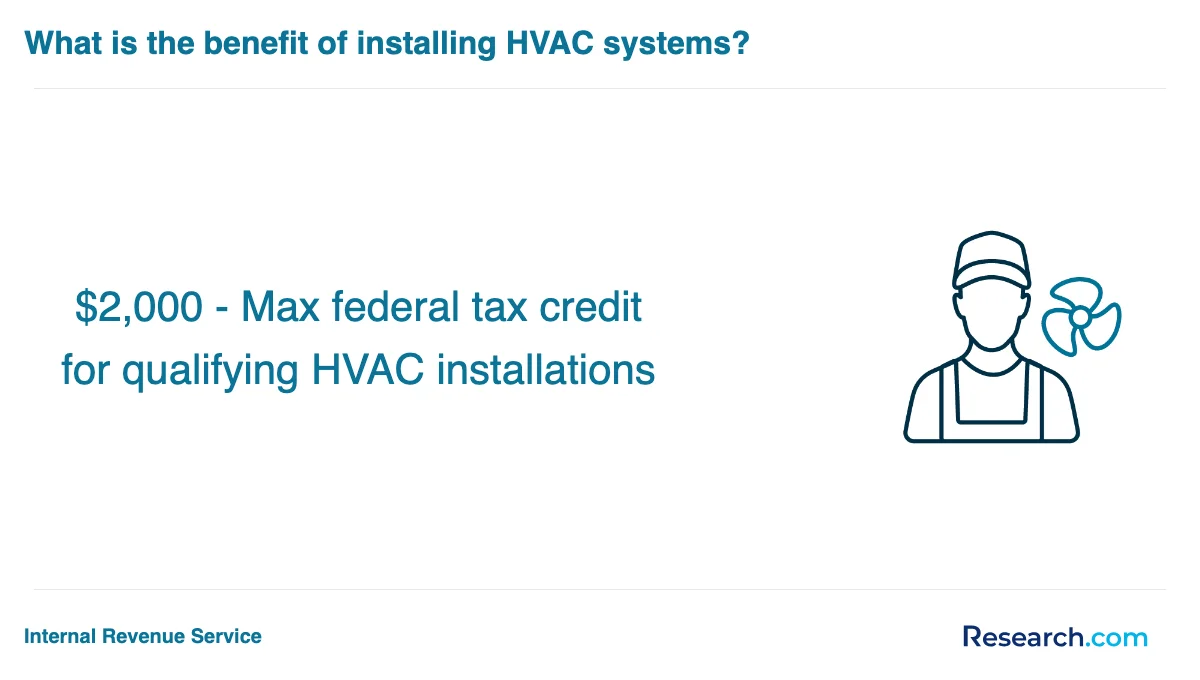
Students enrolled in HVAC technician trade school programs in Ann Arbor, such as those at Washtenaw Community College, typically engage in courses that blend theory with hands-on practice, preparing them for real-world challenges. Graduates often recall their first exposure to Introduction to HVAC/R, where they grasp system basics and key terminology, setting a solid foundation.
Core courses include:
- Gas Furnace Troubleshooting and Repair: Students learn to identify and fix common gas heating issues, an essential skill for many homeowners in Michigan's cold winters.
- Heat Pump Troubleshooting and Repair: This course focuses on electric heating solutions, offering insight into energy-efficient alternatives.
- Air Conditioning Troubleshooting and Repair: Covers diagnostics and refrigerant handling, vital for summer comfort in Ann Arbor.
- Refrigeration Troubleshooting and Repair: Prepares technicians to work with commercial and residential refrigeration units, a niche many find rewarding.
Safety is emphasized throughout, with dedicated training on handling hazardous materials and electrical components responsibly. Many students appreciate how this focus builds their confidence and readiness for on-the-job demands.
Additional courses like HVAC/R System Design and Energy Management and Energy Auditing equip students to design efficient systems and address sustainability-skills increasingly valued by employers.
Graduates often highlight how the practical curriculum at Ann Arbor's trade schools directly translates into employable skills, making the learning experience both engaging and rewarding.
HVAC technician specializations Ann Arbor programs cover a wide range of essential skills tailored to the demands of the industry. Graduates from local trade schools like Washtenaw Community College often emphasize comprehensive training in schematics interpretation, electrical circuits, air handling, hydronics, and refrigeration troubleshooting. They share how mastering these skills helps them confidently handle real-world HVAC challenges.
Similarly, students from Dorsey College focus on practical workplace skills alongside fundamentals such as electricity, home and commercial heating systems, and eco-friendly practices like weatherization. These specializations prepare students not only to repair systems but also to contribute to sustainable solutions.
MIAT College of Technology's program highlights include hands-on learning with sheet metal ductwork, mechanical and electronic controls, and detailed load calculations. Alumni express how this in-depth approach boosts their readiness for varied HVAC roles.
Typical specializations found in Ann Arbor HVAC training programs include:
- Schematics and tool application
- Heating and ventilation system installation
- Electrical circuit components and troubleshooting
- Refrigeration and air conditioning maintenance
- Environmental sustainability and system design
For prospective students seeking low cost hvac certification online, understanding these specializations clarifies the focus areas crucial for success in the HVAC field locally and beyond.
Choosing the best HVAC technician trade school program in Ann Arbor starts with evaluating affordable HVAC technician programs in Ann Arbor that have solid accreditation and a curriculum emphasizing hands-on training. Graduates from local colleges often highlight how practical experience with actual HVAC systems helped them confidently transition into the workforce. Many share that knowledgeable instructors with real industry background made theory tangible and easier to grasp in everyday work settings.
When reviewing programs, consider those offering job placement assistance and flexible schedules, especially if balancing personal commitments. The best HVAC training schools in Ann Arbor Michigan also provide extensive career support that graduates describe as reassuring during their job search. Investigate the program length so it aligns with how long to become a hvac technician for your goals and timeline.
Lastly, assess the reputation of the school by connecting with alumni or reading reviews. Graduates often mention the pride and motivation gained from attending well-regarded schools that enhanced their resumes and opened doors professionally. These factors combined create a foundation for a successful HVAC career.
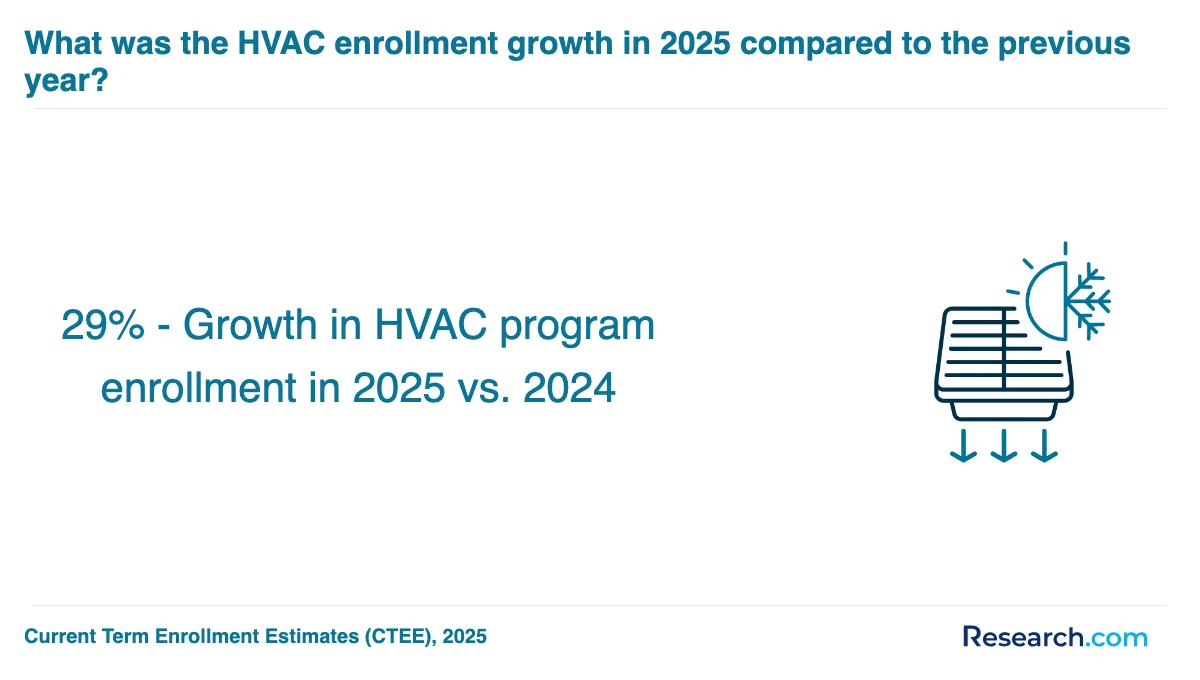
Graduates of HVAC technician trade school programs in Ann Arbor discover a broad spectrum of HVAC technician jobs in Ann Arbor, spanning residential, commercial, and industrial sectors. Early career paths often involve roles as HVAC Technicians or Installers, handling essential tasks like mounting units and wiring systems in settings ranging from private homes to hospitals. Popular local trade schools provide hands-on training that helps these graduates confidently enter the workforce, often recalling the satisfaction of successfully completing real-world installations during their programs.
With experience, these graduates explore HVAC installer career opportunities Ann Arbor offers through specialized positions such as HVAC Service Technicians, Sheet Metal Installers, and Maintenance Technicians. These roles demand advanced troubleshooting or fabrication skills, appealing to those who enjoy problem solving or crafting ductwork. Graduates currently employed describe a rewarding environment where their expertise visibly improves comfort and safety for clients.
Some graduates progress further into supervisory positions like Lead Installer or Project Manager, while others transition to sales or advisory roles. For those aiming to expand their horizons, becoming an independent contractor or starting a small HVAC business is a viable path supported by Ann Arbor's robust demand. Many students researching their options often compare local choices before selecting a program; to explore options beyond traditional classrooms, check out the best online trade school programs for flexibility and additional credentials.
The HVAC technician job market in Ann Arbor is notably strong for graduates of local trade schools. Many recent graduates report multiple job offers soon after completing their programs at popular schools, demonstrating high demand. This demand reflects over 120 active job openings for HVAC technicians in Ann Arbor, spanning commercial and residential sectors, including companies like Walmart and regional service providers.
Several factors contribute to this positive scenario:
- More than 370 entry-level HVAC positions are posted regularly, ensuring ample opportunity for new grads.
- Starting wages frequently hit around $30 per hour, which is above the national median.
- There is upward mobility as employers provide training and advancement within the field.
Graduates often describe feeling confident and optimistic when entering the workforce, thanks to competitive pay and steady job stability in Michigan's climate-driven HVAC needs. Those exploring career paths in HVAC should consider that the local compensation and opportunities outpace many regions, offering a rewarding early career.
For students evaluating HVAC technician salary trends Ann Arbor supports, it's worth researching high paying jobs trade school options to maximize both earning potential and job placement success.
Most Affordable HVAC Technician Schools & Training - Budget-Friendly HVAC Trade Programs in Ann Arbor for 2026
# 1 position
Washtenaw Community College - Heating, Air Conditioning, Ventilation and Refrigeration Maintenance Technology/Technician.
associateWashtenaw Community College offers a hybrid program in Heating, Air Conditioning, Ventilation, and Refrigeration Maintenance Technology/Technician. This program prepares students to repair, install, service, and maintain HVAC and refrigeration systems, focusing on diagnostic techniques and the use of testing equipment. Instruction covers mechanics, electricity, and electronics principles related to these systems. The annual in-state tuition is $2,736. The program is accredited by the Higher Learning Commission.
# 2 position
Washtenaw Community College - Heating, Air Conditioning, Ventilation and Refrigeration Maintenance Technology/Technician.
certificate or diplomaWashtenaw Community College offers a hybrid program in Heating, Air Conditioning, Ventilation and Refrigeration Maintenance Technology/Technician. The curriculum prepares students with technical skills to repair, install, service, and maintain heating, air conditioning, and refrigeration systems. Instruction covers diagnostic techniques, testing equipment, and principles of mechanics, electricity, and electronics. Annual in-state tuition is $2,736. The program is accredited by the Higher Learning Commission.
Frequently Asked Questions about HVAC technician
After completing an HVAC technician trade school in Ann Arbor, preparing for the job market involves several key steps. First, obtaining EPA Section 608 certification is essential, as it is federally required to handle refrigerants safely. Many trade schools help students prepare for this exam. Next, gaining hands-on experience through internships or apprenticeships can improve employability. According to the U.S. Bureau of Labor Statistics, HVAC jobs in Michigan are projected to grow 8% by 2030, reflecting steady demand.
Networking with local employers and joining professional organizations, such as the Refrigeration Service Engineers Society, can open job opportunities. Additionally, staying updated on the latest HVAC technologies and continuing education enhances career prospects in Ann Arbor's competitive market.
Employers in Ann Arbor seek HVAC technician graduates with a strong foundation in both technical and soft skills. Proficiency in system installation, maintenance, and repair is essential, especially with modern energy-efficient technologies. According to the U.S. Bureau of Labor Statistics, practical knowledge of HVAC controls and refrigeration systems is highly valued nationwide, including Michigan.
Additionally, employers emphasize troubleshooting abilities and familiarity with safety regulations. Communication skills are important, as technicians often interact with customers and team members. Local job postings in Ann Arbor commonly highlight the need for EPA certification and hands-on experience with diagnostic tools.
Staying updated on emerging HVAC technologies, such as smart thermostats and green HVAC solutions, also gives graduates an advantage in this competitive market.
Finding internships in Ann Arbor relevant to HVAC technician trade school programs involves several practical steps. Start by contacting local trade schools directly, as many have partnerships with businesses offering internships. The Michigan Department of Labor and Economic Opportunity provides resources and listings for HVAC apprenticeship and internship openings in the area.
Networking is crucial; attending local trade association meetings, such as those organized by the Air Conditioning Contractors of America (ACCA) Michigan chapter, can connect students with employers. Additionally, job platforms like Michigan Talent Connect often list HVAC internships specific to Ann Arbor and surrounding counties.
Community colleges like Washtenaw Community College, which offers HVAC programs, frequently assist students in securing internships through their career services departments. According to recent data, HVAC internships in Ann Arbor typically last 3 to 6 months and may offer stipends or hourly wages reflecting entry-level technician rates.
Obtaining a diploma from a HVAC technician trade school in Ann Arbor significantly enhances career mobility and advancement opportunities. Employers in the region often prefer candidates with formal training, as diplomas demonstrate practical skills and industry knowledge. According to the U.S. Bureau of Labor Statistics, HVAC technicians with postsecondary credentials have a 12% higher employment rate than those without.
In Ann Arbor, the local demand for HVAC services is growing due to both residential and commercial developments. Graduates with diplomas can access better-paying jobs and more specialized roles, such as system design or energy management. Additionally, certified technicians are more likely to qualify for promotions and leadership positions within companies.
Trade schools in Ann Arbor often include hands-on training and internships, which further improve job readiness and networking. The Michigan Department of Labor reports that within two years of graduation, 75% of HVAC diploma holders find employment in their field, supporting enhanced social mobility in the area.
Students enrolled in HVAC technician trade schools in Ann Arbor can benefit from several part-time job opportunities that offer practical experience alongside their studies. Entry-level positions such as HVAC helper or assistant technician are common, allowing students to work under licensed professionals while applying classroom knowledge.
Local companies often seek part-time workers for maintenance roles in residential and commercial buildings. These jobs help students develop troubleshooting skills and understand real-world HVAC systems. According to the U.S. Bureau of Labor Statistics, Michigan's HVAC sector is expected to grow by 8% through 2032, indicating steady demand for trained technicians.
Other complementary roles include working in supply stores specializing in HVAC equipment, where students can learn about the tools and parts essential to the trade.
Yes, there are affordable HVAC Technician degree programs available both near you and near Ann Arbor, MI. Many community colleges and technical schools offer these programs, which often provide flexible schedules and financial aid options to help reduce costs. Research.com could be a useful resource to help identify reputable programs that fit your needs.
- HVAC Career Map https://hvaccareermap.org/
- Looking for a Great Job with Only Some College Required? Become an HVAC Technician. https://intellitec.edu/looking-for-a-great-job-with-only-some-college-required-become-an-hvac-technician/
- Check Out These Nine Types of HVAC Jobs | HVAC Career Services https://eticampus.edu/career-services/not-sure-where-an-hvac-certificate-can-take-you-check-out-these-nine-types-of-hvac-jobs/
- HVAC On the Job Training vs. Trade School - HVACR Career Connect NY https://hvacrcareerconnectny.com/hvac-on-the-job-training-vs-trade-school/
- 37 Careers You Can Pursue Via Trade Schools https://www.best-trade-schools.net/careers/
- Top Alternatives to HVAC School | Goodwin University https://www.goodwin.edu/enews/hvac-school-alternatives/
- HVAC Trade School | Edvisors https://www.edvisors.com/plan-for-college/careers/hvac-trade-school/
- HVAC Technician Education & Training Requirements + Costs | Faraday https://faradaycareers.com/careers/hvac-technician-education
- Northwestern Technological Institute - HVAC School https://northwesterntech.edu/
- HVAC Training Schools in Michigan - HVAC Certifications & Degrees https://www.hvacclasses.org/schools/michigan


