
Best HVAC Technician Training Programs & Trade Schools - Top HVAC Tech Schools in Twin Falls for 2026

Co-Founder and Chief Data Scientist
Choosing the right HVAC technician trade school in Twin Falls can shape your future career. This article introduces a carefully crafted ranking of HVAC technician trade school programs, developed by the Research.com team of data scientists. It’s designed to help you make an informed decision about which programs truly stand out.
Whether you’re seeking a diploma or certification, completing a quality HVAC program opens doors to stable, rewarding job opportunities. Reading this guide will give you confidence as you plan your next steps toward a successful trade career.
Key benefits of finishing HVAC technician trade school in Twin Falls
- Graduates can expect competitive salaries, with average hourly wages around $26 to $30 and annual earnings near $54,000 to $62,000, plus overtime opportunities that boost income.
- Career paths include becoming HVAC technicians, supervisors, or specialized experts, offering growth and stability for those who finish local trade programs.
- Completing HVAC training online provides flexibility and convenience, allowing students to balance work and study while gaining the skills needed to succeed in Twin Falls' strong job market.
- Best HVAC Technician Training Programs & Trade Schools - Top HVAC Tech Schools in Twin Falls for 2026
- What can I expect from HVAC technician trade schools in Twin Falls?
- Where can I work after finishing HVAC technician trade schools in Twin Falls?
What can I expect from HVAC technician trade schools in Twin Falls?
Enrolling in an HVAC technician trade school program in Twin Falls means diving into a hands-on education that balances theory with real-world practice. Graduates from programs like those at the College of Southern Idaho often describe the experience as intense but rewarding, where classroom lessons on refrigeration cycles and electrical systems quickly turn into troubleshooting tasks during lab sessions.
Expect to develop practical skills through extensive workshop time, learning how to install and maintain both residential and commercial HVAC systems. Many students appreciate the blend of technical knowledge with physical work-lifting equipment, navigating tight spaces, and mastering climate control technologies.
Apprenticeships or on-the-job training are common, allowing students to earn while they learn and prepare for Idaho's journeyman certification, which demands significant supervised work experience. This structure helps students feel confident stepping into entry-level roles, knowing they have real skills and experience. Overall, the journey is challenging but fulfilling, laying a strong foundation for a career in a high-demand field.
Where can I work after finishing HVAC technician trade schools in Twin Falls?
After finishing an HVAC technician trade school program in Twin Falls, many graduates find themselves stepping confidently into a local workforce eager for skilled technicians. Common paths include roles as HVAC service technicians, installers, refrigeration technicians, or apprentices with residential and commercial employers. Graduates often share how hands-on training from popular Twin Falls trade schools prepared them to tackle real-world challenges, like diagnosing HVAC system issues or installing new units in both homes and bustling business environments.
Entry-level positions such as HVAC Install Helper or Apprentice provide a welcoming start, offering on-the-job training paired with wages and benefits. Many graduates recall the satisfaction of earning while learning, gaining experience that quickly leads to technician roles paying $24 to $34 per hour. Employers here often value those who complete local trade programs, frequently offering bonuses and medical benefits, making the career both stable and rewarding.
The demand in Twin Falls is steady, with opportunities in HVAC service companies, mechanical contractors, and refrigeration specialists. Graduates reflect positively on how their training opened doors to full-time jobs supporting the community's growing need for effective climate control solutions.
After finishing an HVAC technician trade school program in Twin Falls, many graduates find themselves stepping into a career with promising pay. Entry-level technicians from popular local trade schools often start earning around $24 to $26 per hour. This hourly wage reflects a solid foundation and offers room for growth, especially when considering overtime opportunities that can add thousands annually.
One recent graduate shared how starting as an installer at about $24.39 per hour quickly evolved into a more specialized role, pushing their pay closer to $30 per hour within a year. These figures align with the average annual salaries seen in Twin Falls, where HVAC residential service technicians earn nearly $58,000 annually, and specialists can make over $62,000.
Many graduates appreciate how their trade school experience prepared them for real-world challenges, making it easier to gain certifications and hands-on skills that employers value. As a result, they often move toward higher-paying roles more confidently, seeing their earnings climb above $68,000 with experience and advanced credentials.
This pathway shows that completing an HVAC program in Twin Falls isn't just about earning a certificate-it's about opening doors to a rewarding career with steady financial growth and job satisfaction.
- The College of Southern Idaho in Twin Falls offers an Associate of Applied Science degree and technical certificates in Air Conditioning, Refrigeration, and Heating.
- Programs take between six months for certificates and up to two years for associate degrees to complete.
- Tuition costs range from $140 to $285 per credit, with total associate degree costs between $8,400 and $19,950, excluding books and fees.
- Admission requires a high school diploma or GED, and training emphasizes mechanical skills, customer service, and basic math.
- Entry-level HVAC technicians in Idaho typically earn $37,000 to $49,000 annually, with experienced technicians making over $60,000.
- The program is accredited by HVAC Excellence and prepares students for Idaho licensing and journeyman certification through apprenticeships.
Completing an HVAC technician trade school program in Twin Falls typically takes about six months to one year, depending on the intensity and format of the course. Many students from well-known local trade schools find that an accelerated schedule allows them to dive into hands-on training quickly, which makes the learning experience both exciting and rewarding.
Graduates often share how the compact timeframe felt challenging yet manageable, giving them the confidence to enter the workforce sooner than expected. For instance, those attending programs with evening or weekend classes appreciated the flexibility to balance work and study, making progress without sacrificing other responsibilities. This blend of practical and theoretical lessons in a focused period helps students feel prepared for real-world HVAC challenges in Twin Falls' climate.
Walking into the trade school workshop on the first day, many recall feeling eager but nervous, only to finish the program with a strong sense of accomplishment and readiness. This concise yet thorough training period is ideal for those seeking a swift career change or advancement in the HVAC field.
The key difference between online and on-campus HVAC technician trade school programs in Twin Falls lies in how students engage with the material and develop practical skills. Graduates from on-campus programs at the College of Southern Idaho often recall the value of hands-on labs and real equipment, where they practiced repairing and installing HVAC systems under the watchful eye of experienced instructors. This face-to-face interaction fostered confidence and immediate problem-solving skills, making the learning process feel tangible and rewarding.
In contrast, those who pursued online HVAC courses appreciated the flexibility to study theory and codes at their own pace, fitting classes around work or family life. However, many noted that the lack of frequent supervised hands-on training made mastering some technical skills more challenging. Some online students found relief in occasional in-person lab sessions or local partnerships, though these were less immersive than on-campus experiences.
For Twin Falls students, choosing between these paths often reflects personal needs-whether they seek the structured support and direct practice of an on-campus program or the adaptable schedule of online learning.
The average cost HVAC technician program Twin Falls students consider is often shaped by local institutions like the College of Southern Idaho. Many graduates recall that the tuition fees, around $140 per credit hour for in-district students, translate to about $8,400 for the full 60-credit Associate of Applied Science degree in Air Conditioning-Refrigeration and Heating. This investment feels manageable to those balancing tight budgets and the need for quality training, especially with financial aid options making a real difference.
HVAC trade school tuition fees Twin Falls reflect different residency categories: out-of-district students often pay closer to $190 per credit hour, while out-of-state tuition may reach $285, totaling approximately $17,100. Graduates emphasize planning for additional costs like books and supplies, which, although relatively minor, add up. One often hears from former students that connecting with the college's financial aid office truly helps unlock scholarships and grants, easing the path toward certification.
Apprenticeship routes, such as those offered at North Idaho College, also draw attention. These require commitment to 144 hours of classroom instruction and extensive on-the-job training yearly, with an annual registration fee of $1,850 covering instruction and materials. The practical experience gained is invaluable, and many students applaud the financial assistance available for those who qualify.
For those seeking flexible options, exploring the cheapest online hvac training can complement local programs. This blend of face-to-face and online studies often suits individuals eager to start their HVAC careers in Twin Falls efficiently and affordably.
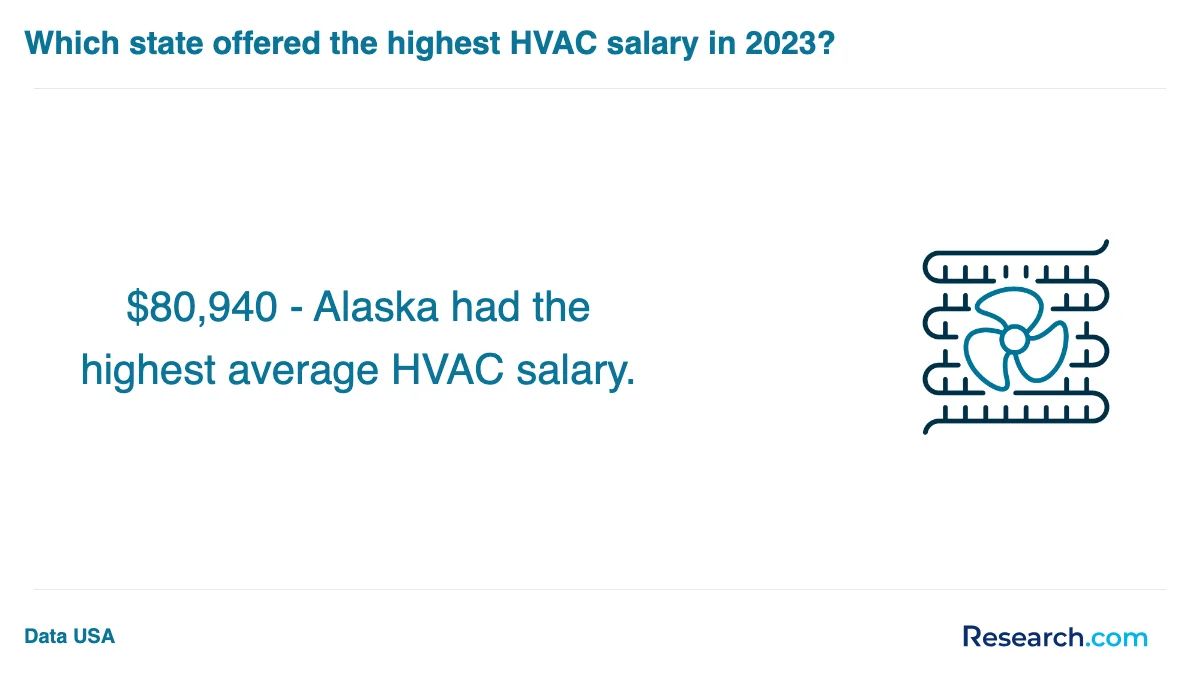
Many HVAC technician students in Twin Falls find federal financial aid to be a crucial support during their studies. After completing the FAFSA, they often receive Pell Grants or Direct Loans that help cover tuition and living expenses, easing the financial burden significantly. Graduates from prominent local trade schools frequently share how these federal programs made their education accessible without overwhelming debt.
Institutional aid and scholarships offered by Twin Falls HVAC schools also play a vital role. Some students recall how need-based grants or merit scholarships helped them manage costs, while flexible payment plans provided relief when finances got tight. Reaching out to the financial aid office often uncovers personalized assistance tailored to individual circumstances.
Beyond school-based aid, national scholarships like the EGIA Foundation's HVAC HERO program offer generous awards that many Twin Falls students have successfully earned, motivating them to excel academically and remain committed to their HVAC careers.
Apprenticeships in Idaho further enhance affordability by combining paid on-the-job training with classroom learning, allowing students to gain experience and income simultaneously-an option praised by several recent graduates for its practical and financial benefits.
Enrolling in an HVAC technician trade school program in Twin Falls usually requires a few clear prerequisites that set the stage for success. Graduates often recall how meeting these baseline requirements made their journey smoother and more rewarding.
Typical prerequisites include:
- A high school diploma or GED, essential to ensure foundational knowledge in math and science.
- Basic proficiency in reading and comprehension, critical for understanding technical manuals and safety protocols.
- Some programs may ask for a background in algebra or geometry, which helps when dealing with measurements and system calculations.
- Physical ability to handle hands-on tasks, since HVAC work involves lifting equipment and working in varied environments.
For example, graduates from reputable Twin Falls trade schools often mention how having these prerequisites gave them confidence walking into labs and fieldwork. They felt prepared to tackle real-world challenges, like troubleshooting complex HVAC systems or installing units in tight spaces. These entry requirements are not just hurdles but stepping stones that ensure students thrive in both classroom instruction and practical experiences.
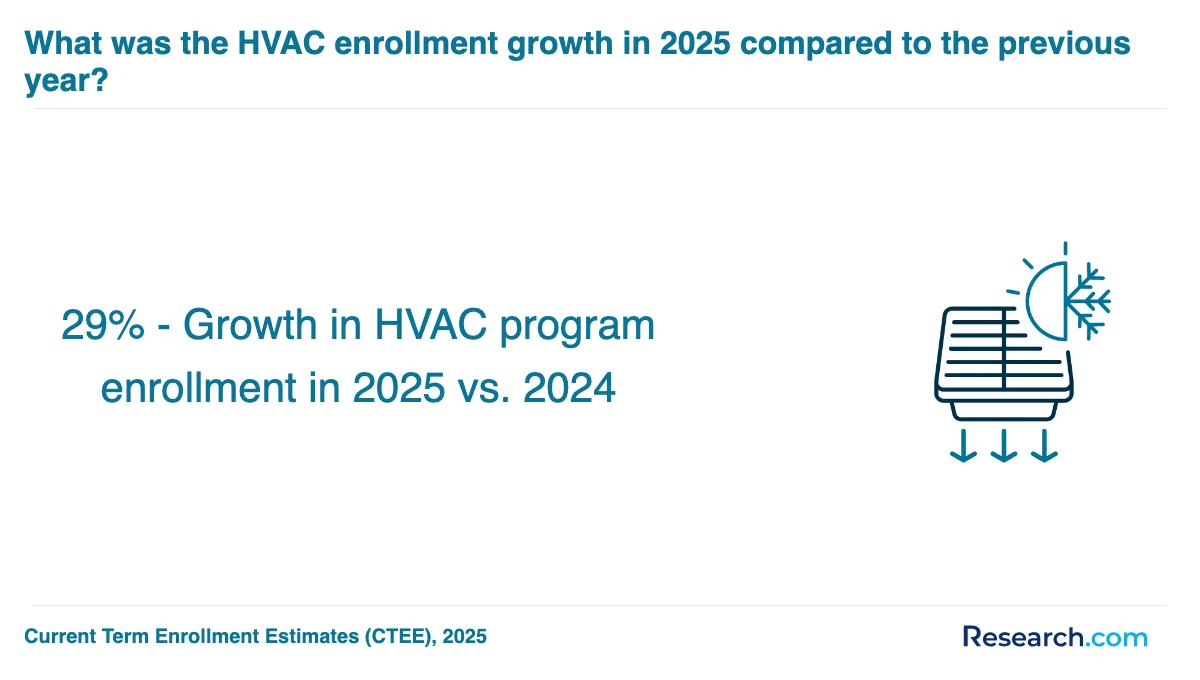
HVAC technician trade school programs in Twin Falls offer a well-rounded curriculum that balances theory with hands-on practice, preparing students for real challenges in the field. Graduates from popular schools like the College of Southern Idaho often describe their experience as both demanding and rewarding because the courses cover essential skills that they use daily on the job.
Typical courses include:
- Basic electricity for HVAC systems, ensuring safe handling of electrical components
- Safety protocols vital for workplace and equipment safety
- Introduction to refrigeration technology, explaining the science behind cooling and heating
- Heating systems such as gas heating, heat pumps, and furnaces
- Air conditioning fundamentals and climate control systems
- Commercial and residential refrigeration applications
- Troubleshooting ventilation and ductwork systems
- Energy efficiency practices for sustainable HVAC solutions
Students also develop diagnostic skills and learn computer concepts critical for modern HVAC equipment. Many recount how practical labs, guided by experienced instructors, helped them confidently install and repair systems. Training in customer service and job-seeking skills rounds out the program, reflecting the real-world importance of communication with clients and employers.
Preparation for EPA Section 608 Certification is another key component, covering refrigerant handling and environmental regulations. This comprehensive coursework sets students on a clear path toward Idaho journeyman certification, combining classroom knowledge with hands-on apprenticeship or job experience. Graduates often highlight how this blend of study and practice made them feel ready and capable from day one on the job.
HVAC technician specializations in Twin Falls commonly include hands-on training in air conditioning, refrigeration, and heating systems, as seen in programs at the College of Southern Idaho. Graduates often reflect on the balance between theory and practical skills they gained, tackling real-world problems like installing and maintaining furnaces or refrigeration units. Popular HVAC training programs in Twin Falls emphasize skills for servicing both residential and commercial systems, which prepares students for diverse work environments.
Students frequently highlight specialized tracks such as:
- Installation and repair of HVAC units
- Maintenance of refrigeration and air conditioning systems
- Appliance troubleshooting, including stoves and heating equipment
- Preparation for journeyman licensing through apprenticeships
Many appreciate the integration of classroom instruction with on-the-job apprenticeship opportunities at local trade schools, blending knowledge with earning potential. For those wondering what are the best trade schools online to supplement their learning or compare programs, resources like what are the best trade schools online offer valuable insights to enhance their education journey.
Choosing the best HVAC technician trade school program in Twin Falls begins with verifying program accreditation, a key factor graduates often praise for ensuring quality education. For instance, students attending the College of Southern Idaho find comfort knowing their Air Conditioning and Heating programs meet industry standards, which helps boost confidence when entering the job market. Many graduates emphasize the importance of hands-on training offered through labs or apprenticeships, like the four-year program at CSI Workforce Development & Training, which blends classroom instruction with paid work experience to prepare for Idaho's journeyman exam.
When comparing HVAC program costs Twin Falls, consider not only tuition but also the value of licensing preparation and career support services. Successful alumni often mention how job placement assistance and resume workshops helped them transition smoothly into the workforce. For those curious about how long does it take to become a hvac technician, certificate programs at Twin Falls schools typically last six to nine months, while associate degrees provide broader knowledge over two years, suiting different career ambitions.

Graduates of HVAC technician trade school programs in Twin Falls often find themselves entering a vibrant job market teeming with opportunity. Many begin as HVAC Service Technicians, handling maintenance and repair of home systems like furnaces and heat pumps, earning between $24 and $34 per hour alongside benefits such as health insurance and paid vacation. Others prefer the hands-on challenge of becoming HVAC Installers, starting as Install Helpers or Apprentices, where they gain experience installing residential and commercial systems with on-the-job training and company support.
Specialization is also a rewarding path, with roles such as Refrigeration Technician or HVAC/R Technician providing focused expertise in commercial cooling systems that often lead to advanced career opportunities. Graduates from popular local trade schools frequently share stories of steady growth and personal satisfaction, highlighting the community pride in contributing to Twin Falls' infrastructure.
For those exploring HVAC technician jobs in Twin Falls Idaho, the path is clearly laid out with diverse options. Employers encourage continuous learning and advancement, supporting technicians who wish to climb the HVAC contractor career path Twin Falls offers.
Many students also weigh the benefits of starting their careers at a trade school versus pursuing more traditional education routes, with detailed comparisons available at trade vs college.
The HVAC technician job market in Twin Falls reveals strong and welcoming prospects for graduates of local trade schools. Many graduates share how programs at popular Twin Falls institutions provide hands-on training that aligns closely with employer needs, making entry into roles like installers and service technicians both attainable and rewarding. Practical experience gained during studies directly supports success in securing positions, often outpacing competition.
Employment opportunities mirror the range of skills taught, offering diverse entry points including:
- Apprentice and helper roles for those newly entering the field
- Fully qualified technician positions for graduates with certifications such as EPA
- Specialized refrigeration or system installer jobs for advanced trainees
Regarding HVAC technician salaries Twin Falls Idaho offers attractive compensation, with starting wages typically between $24 and $34 per hour. Graduates frequently remark on the competitive hiring bonuses and benefits packages that local employers provide, such as 401(k) matching and comprehensive insurance. This competitive pay encourages many to pursue low cost online maintenance technician training options, supplementing their skills and enhancing employability.
Best HVAC Technician Training Programs & Trade Schools - Top HVAC Tech Schools in Twin Falls for 2026
# 1 position
College of Southern Idaho - Heating, Air Conditioning, Ventilation and Refrigeration Maintenance Technology/Technician.
associateThe Heating, Air Conditioning, Ventilation and Refrigeration Maintenance Technology/Technician program at College of Southern Idaho prepares students to repair, install, service, and maintain HVAC and refrigeration systems. It includes training in diagnostic techniques, testing equipment, and mechanical, electrical, and electronic principles related to these systems. This hybrid program offers an in-state tuition of $3,360 annually and is accredited by the Northwest Commission on Colleges and Universities.
# 2 position
College of Southern Idaho - Heating, Air Conditioning, Ventilation and Refrigeration Maintenance Technology/Technician.
certificate or diplomaThe College of Southern Idaho offers a hybrid program in Heating, Air Conditioning, Ventilation and Refrigeration Maintenance Technology/Technician. This program teaches technical skills to repair, install, service, and maintain HVAC and refrigeration systems. Instruction covers diagnostic techniques, use of testing equipment, and principles of mechanics, electricity, and electronics. The program’s annual in-state tuition is $3,360 and it is accredited by the Northwest Commission on Colleges and Universities.
Frequently Asked Questions about HVAC technician
After completing HVAC technician trade school in Twin Falls, preparing for the job market involves several key steps. First, obtaining EPA Section 608 certification is crucial, as it is federally required for handling refrigerants. Many local employers prioritize this credential.
Next, gaining hands-on experience through internships or apprenticeships offered by Twin Falls contractors can improve job prospects. Networking with industry professionals via local trade associations like the Idaho Chapter of HVAC Excellence also helps.
According to the U.S. Bureau of Labor Statistics, HVAC jobs in Idaho are projected to grow 10% from 2022 to 2032, indicating strong demand. Building a resume that highlights both technical skills and certifications will be essential when applying for positions in Twin Falls and surrounding areas.
Employers in Twin Falls seeking HVAC technician trade school graduates prioritize both technical and soft skills. Proficiency in installing, maintaining, and repairing heating, ventilation, and air conditioning systems is essential. According to the U.S. Bureau of Labor Statistics, hands-on experience with electrical systems and refrigeration technology is highly valued. Additionally, knowledge of EPA regulations regarding refrigerants is often required due to environmental compliance standards.
Strong problem-solving abilities and attention to detail help technicians diagnose complex system issues efficiently. Communication skills are also important, as technicians frequently interact with customers and team members. Local employers report that graduates who complete accredited programs tend to have better job readiness and higher starting wages.
Finding internships in Twin Falls relevant to HVAC technician trade school programs involves several practical steps. Start by contacting local trade schools directly, as many maintain partnerships with area employers to place students. The Idaho Division of Professional-Technical Education also provides resources and listings of apprenticeship and internship opportunities statewide.
Networking with local HVAC companies and service providers is key. Businesses often offer internships or apprenticeships to students who demonstrate initiative. Platforms like IdahoWorks, the state's employment service, list openings specific to HVAC roles in Twin Falls.
Additionally, Twin Falls' Chamber of Commerce and workforce development boards can connect students with local employers seeking interns. According to the U.S. Bureau of Labor Statistics, internships boost job prospects by 15% in technical fields like HVAC.
Obtaining a HVAC technician trade school diploma in Twin Falls significantly enhances career mobility and advancement opportunities. According to the U.S. Bureau of Labor Statistics, skilled HVAC technicians with formal training typically earn 15-20% more than those without credentials. In Twin Falls, where the construction and maintenance sectors are growing steadily, employers prefer candidates with accredited diplomas due to verified technical skills.
Trade school programs provide hands-on experience and industry certifications that improve job prospects locally. Graduates often advance faster into supervisory roles or specialized fields like refrigeration or energy management. Additionally, completion of such programs can be a prerequisite for state licensing, further enabling professional growth.
Part-time job opportunities in Twin Falls can effectively complement HVAC technician trade school education by providing practical experience. Students often find roles as HVAC helpers or apprentices, assisting licensed technicians with installation and maintenance tasks. These positions enable learners to apply classroom knowledge in real-world settings.
The U.S. Bureau of Labor Statistics reports that the Twin Falls area has a steady demand for HVAC workers, with an expected growth rate of 6% through 2030, indicating ample job availability. Additionally, positions in general maintenance or facility management can help students develop relevant skills.
Local contractors and service companies frequently seek part-time support, which can also lead to networking opportunities and potential full-time employment after graduation.
Yes, there are HVAC Technician degree programs available near Twin Falls, ID, which can provide the necessary education and hands-on training for this field. You can find programs and universities near me that offer a curriculum focused on heating, ventilation, air conditioning, and refrigeration. Research.com is a helpful resource for finding and comparing these programs to choose the one that best suits your needs.
- HVAC | Workforce | CSI https://workforce.csi.edu/apprenticeships/hvac/default.aspx
- HVAC Technician (Will Train) Twin Falls | Right Now Heating, Air Conditioning & Plumbing https://rightnowheatcool.com/careers/hvac-tech-will-train-twin/
- HVAC School in Idaho | Training for HVAC Jobs in ID https://www.hvacschool.org/idaho/
- HVAC Apprenticeship at CWI: Let's Get Started https://cwi.edu/program/hvac-apprenticeship
- HVAC Schools in Idaho - Get Local Training https://hvacprograms.net/id/
- Career and Technical Education | College of Southern Idaho https://www.csi.edu/career-technical-education/default.aspx
- Top HVAC Technician Schools in Idaho | Learn How to Become https://toptradeschools.com/near-you/hvac/idaho/
- HVAC Schools, HVAC Technician Training Certification and Licensing in Idaho https://hvactechnician.careers/hvac-school/idaho/
- 20 Top HVAC Associate Degree Programs - AAS https://www.hvacclasses.org/blog/top-hvac-associate-degree-programs
- HVAC Trade Schools in Twin Falls, ID - Get Training! https://hvaccareernow.com/hvac-training/twin-falls-id


