
Best HVAC Technician Training Programs & Trade Schools - Top HVAC Tech Schools in Kansas City for 2026

Co-Founder and Chief Data Scientist
Choosing the right HVAC technician trade school in Kansas City can set the foundation for a rewarding career. This article introduces a carefully crafted HVAC technician trade school programs ranking created by the Research.com team of data scientists to help you find the best options available.
By exploring this guide, you’ll gain valuable insights into programs that offer quality education and hands-on experience. Earning a diploma or certification in HVAC opens doors to stable jobs and growth opportunities. Take the first step toward a promising future in a skilled trade you can be proud of.
Key benefits of finishing HVAC technician trade school in Kansas City
- Graduates of HVAC technician trade schools in Kansas City can expect an average starting salary around $19.00 per hour, with opportunities to earn up to $28.90 per hour or more as experience grows.
- Career paths include roles like HVAC service technician, installer, or maintenance specialist, offering steady work and growth, as shown by successful graduates from popular local trade schools.
- Completing a trade school online provides flexibility and faster completion times, helping graduates enter the workforce sooner while balancing other commitments, according to online program alumni in Kansas City.
What can I expect from HVAC technician trade schools in Kansas City?
Students enrolling in HVAC technician trade school programs in Kansas City can expect a hands-on, practical education that prepares them for immediate work in the HVACR field. Graduates often describe a balanced mix of classroom learning and real-world labs where they install and repair heating and cooling systems under professional supervision. Schools like Pinnacle Career Institute offer flexible schedules and combine online theory with intensive on-campus bootcamps, helping students fit training around their busy lives.
Expect to master electrical fundamentals, diagnostic techniques, and safety protocols, including EPA 608 Refrigerant Certification, which is essential for handling refrigerants. Many programs also emphasize soft skills like customer service, which graduates find valuable during internships or entry-level jobs.
Students appreciate the supportive environment created by instructors with extensive industry experience, who guide them through teamwork and individual projects. Financial aid options are often available, making this a realistic pathway for many. Overall, Kansas City HVAC programs equip students with the confidence and credentials to start solid careers.
Where can I work after finishing HVAC technician trade schools in Kansas City?
After finishing an HVAC technician trade school program in Kansas City, graduates often find immediate opportunities in entry-level roles such as HVAC technician, installer, or maintenance technician. Many local employers, including heating and cooling contractors and mechanical service companies, actively seek skilled workers, making job hunting encouraging for recent graduates from popular trade schools in the area.
Graduates frequently share how their hands-on training prepared them to confidently install and maintain HVAC systems in both residential homes and commercial buildings. For example, one graduate described feeling proud when called to troubleshoot a complex system at a large apartment complex shortly after completing the program, highlighting the real-world readiness the school fosters.
Beyond initial roles, career paths can quickly expand. Experienced technicians often advance to senior technician, team lead, or system designer positions. Some graduates find rewarding work specializing in commercial kitchen equipment service or building engineering for office complexes, benefiting from additional certifications supported by employers. The steady demand in Kansas City's HVAC market ensures graduates rarely struggle to find work that matches their skills and ambitions.
How much can I make after finishing HVAC technician trade schools in Kansas City?
After finishing an HVAC technician trade school program in Kansas City, graduates commonly start earning between $38,000 and $48,000 per year. Many find this rewarding, especially when they recall their first few months on the job installing and servicing systems under the guidance of experienced technicians. One recent graduate shared how their entry-level salary of around $38,400 allowed them to comfortably support themselves while gaining valuable hands-on experience.
As skills and certifications grow, so does the paycheck. Technicians with two to four years of experience often see their annual wages rise to about $48,000. Those who have committed more than a decade to the field in Kansas City frequently exceed $70,000 annually, enjoying the financial stability that comes with expertise.
Hourly wages reported by trade school alumni vary from roughly $17 to $32, reflecting different employers and specializations. Early-career technicians earn about $19 per hour, climbing steadily with experience. Graduates appreciate how the practical training offered in Kansas City's top trade schools prepares them to step directly into well-paying roles.
Best HVAC Technician Training Programs & Trade Schools - Top HVAC Tech Schools in Kansas City for 2026
# 1 position
Metropolitan Community College-Kansas City - Heating, Air Conditioning, Ventilation and Refrigeration Maintenance Technology/Technician.
associateThe Heating, Air Conditioning, Ventilation and Refrigeration Maintenance Technology/Technician program at Metropolitan Community College-Kansas City offers a hybrid format with some distance education options. It trains students to repair, install, service, and maintain HVAC and refrigeration systems, emphasizing diagnostic techniques and electrical principles. The annual in-state tuition is $3,630. Graduates earn a median salary of $44,715 one year after completing the program. The program is accredited by the Higher Learning Commission.
# 2 position
Metropolitan Community College-Kansas City - Heating, Air Conditioning, Ventilation and Refrigeration Maintenance Technology/Technician.
certificate or diplomaThe Heating, Air Conditioning, Ventilation and Refrigeration Maintenance Technology/Technician program at Metropolitan Community College-Kansas City prepares students to repair, install, service, and maintain HVAC and refrigeration systems. It includes training in diagnostic techniques, testing equipment use, and principles of mechanics, electricity, and electronics. The program is offered in a hybrid format. Annual in-state tuition is $3,630. Median earnings one year after completion are $44,715. It is accredited by the Higher Learning Commission.
# 3 position
Pinnacle Career Institute - Heating, Air Conditioning, Ventilation and Refrigeration Maintenance Technology/Technician.
certificate or diplomaPinnacle Career Institute offers a hybrid program in Heating, Air Conditioning, Ventilation and Refrigeration Maintenance Technology/Technician. This program trains students to repair, install, service, and maintain heating, air conditioning, and refrigeration systems. Instruction covers diagnostic techniques, testing equipment, and principles of mechanics, electricity, and electronics related to these systems. The program is accredited by the Accrediting Commission of Career Schools and Colleges. Median earnings one year after completion are $34,508.
Key Findings
- Programs combine classroom learning with hands-on training in HVAC and refrigeration systems, typically requiring a high school diploma or equivalent.
- Program lengths range from short online courses of about 120 hours costing as little as $10 per month to one- or two-year in-person or hybrid programs.
- Accreditation from PAHRA is common, and graduates can earn certifications like the EPA Section 608 Refrigerant Management license and OSHA safety credentials.
- Job placement rates for graduates are around 70%, with graduation rates near 80% for focused programs in Kansas City.
- Salaries start lower for new technicians but grow with experience and certifications, reflecting steady local demand for skilled HVAC workers.
How long does it take to complete HVAC technician trade schools in Kansas City?
Completing an HVAC technician trade school program in Kansas City typically takes between six months and one year. Many local trade schools offer accelerated programs that fit well for students eager to enter the workforce quickly. Graduates often share how the hands-on training and focused curriculum helped them gain confidence in real-world HVAC systems within a short time frame.
For example, students at well-known Kansas City trade schools experience a mix of classroom instruction and practical labs, which keeps the learning engaging and immediately applicable. One graduate mentioned feeling prepared to troubleshoot and repair heating and cooling units after just nine months, thanks to the program's clear structure and supportive instructors.
This timeframe allows students to balance studies with part-time work or family responsibilities, making the goal of becoming a certified HVAC technician achievable without a long wait. Overall, Kansas City trade schools provide efficient paths to start a rewarding HVAC career swiftly and with practical skills.
What's the difference between online and on-campus HVAC technician trade school programs?
The main difference between online and on-campus HVAC technician programs in Kansas City lies in how and where you learn. Online students, such as those enrolled at Pinnacle Career Institute, complete most coursework remotely, fitting studies around work or family life. They access video lectures and assignments at their own pace, but still attend a hands-on 10-day boot camp in Kansas City to practice real skills like installing furnaces and testing AC circuits. Graduates often appreciate this flexible setup that balances convenience with essential in-person training.
On-campus programs at schools like Johnson County Community College or KCKCC offer daily, in-person classes and labs where students work directly with equipment. This immersive environment allows immediate feedback from instructors and teamwork on real projects, making the learning experience feel dynamic and supportive. Many students enjoy the strong connections to local employers and internships these programs provide, helping them feel confident and prepared to enter the HVAC workforce in Kansas City.
What is the average cost of HVAC technician trade schools in Kansas City?
The average cost HVAC technician program Kansas City students typically encounter varies depending on the type of institution they choose. Community colleges and technical schools such as Metropolitan Community College offer reasonably priced programs around $6,845 per year. Graduates from these programs often share how the blend of general education and hands-on HVAC training provided a strong foundation without overwhelming debt. This affordability makes such programs a practical option for many local students aiming to enter the field.
For those considering HVAC technician trade school tuition Kansas City options at private institutions, costs may be significantly higher. Schools like Pinnacle Career Institute provide specialized training, although exact tuition figures are not publicly accessible. Many graduates from private programs report the value of smaller class sizes and updated equipment, contributing to a more tailored learning experience despite the increased price.
Online programs add another layer of flexibility and affordability in Kansas City. For example, an online HVAC/R Certified Technician course from Kansas City Kansas Community College costs approximately $3,185. Students appreciate the opportunity to balance work and study while engaging in realistic service call simulations to prepare for certifications.
Beyond tuition, students should plan for books, supplies, and certification fees, often costing between $500 and $1,000 plus $75 to $300 in licensing expenses. Financial aid and scholarships can ease this investment. Many aspiring technicians find motivation in knowing that completing a program leads to a solid median salary, supporting their decision to train locally. If you wonder how long does it take to become a hvac technician, most programs last around 1-2 years depending on the path chosen, aligning well with career goals in Kansas City.
What financial aid is available for HVAC technician trade schools in Kansas City?
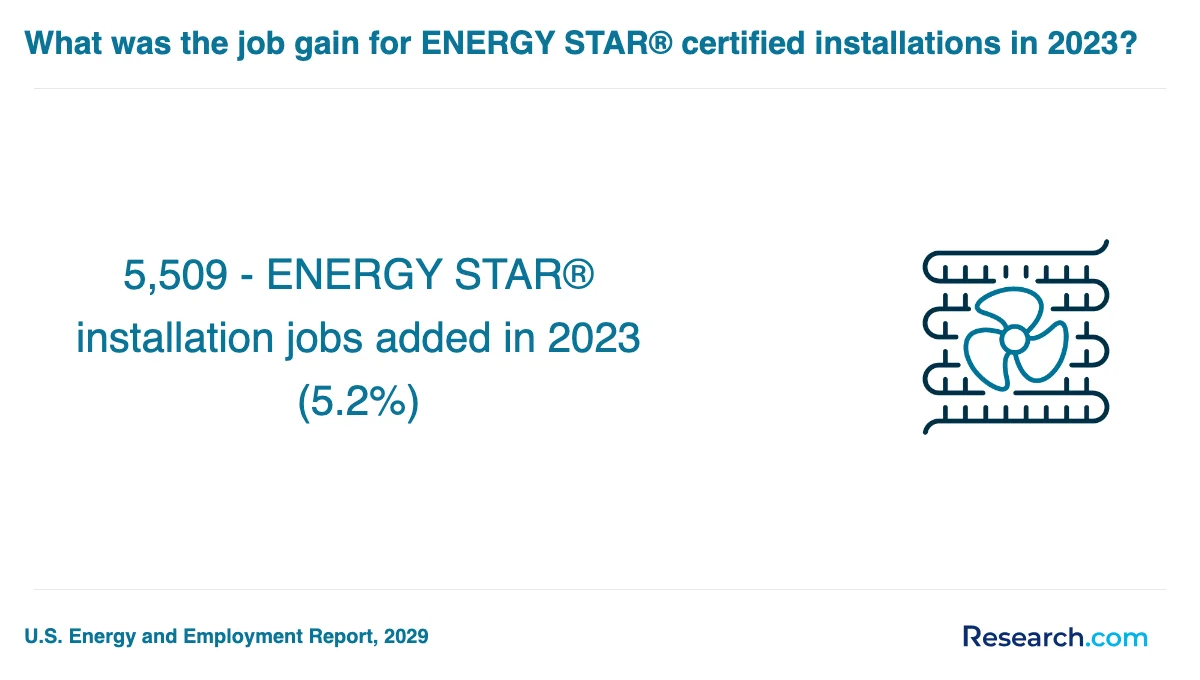
Students pursuing HVAC technician training in Kansas City have access to several financial aid options that make education more affordable. Graduates from schools like Kansas City Kansas Community College (KCKCC) and Pinnacle Career Institute often share how Pell Grants, which do not require repayment, played a key role in easing their financial burden. These federal grants, with a maximum award of $7,395 in 2025, are available to those who demonstrate financial need and complete the FAFSA application.
Many HVAC programs also offer institutional scholarships based on merit or specific criteria, such as supporting underrepresented groups in trades. For students facing challenges with tuition payments, flexible payment plans and private loans provide additional support.
Workforce development funding through the Workforce Innovation and Opportunity Act (WIOA) is another valuable resource, especially for those unemployed or seeking new skills. By leveraging these aid options, students can confidently pursue HVAC certifications without overwhelming debt.
What are the prerequisites for enrolling in HVAC technician trade schools in Kansas City?
To enroll in an HVAC technician trade school program in Kansas City, you typically need a high school diploma or GED. Many programs emphasize basic math and reading skills, as these are crucial for understanding technical manuals and performing calculations on the job.
Applicants often must meet these prerequisites:
- Proof of high school completion or equivalent
- Passing a basic aptitude test covering math and reading
- Some schools may require a background check or drug screening
- Physical ability to handle manual tasks and lift equipment
Graduates from popular Kansas City trade schools recall that being comfortable with hands-on work and having a problem-solving mindset made the learning experience more rewarding. For example, one graduate shared how initial struggles with electrical concepts turned into confidence after focused tutoring offered by their school.
Trade schools often offer preparatory courses or resources to help students meet these prerequisites, ensuring no one feels left behind. This supportive environment helps students feel encouraged and ready to tackle the practical demands of HVAC training.
What are the typical courses in HVAC technician trade schools in Kansas City?
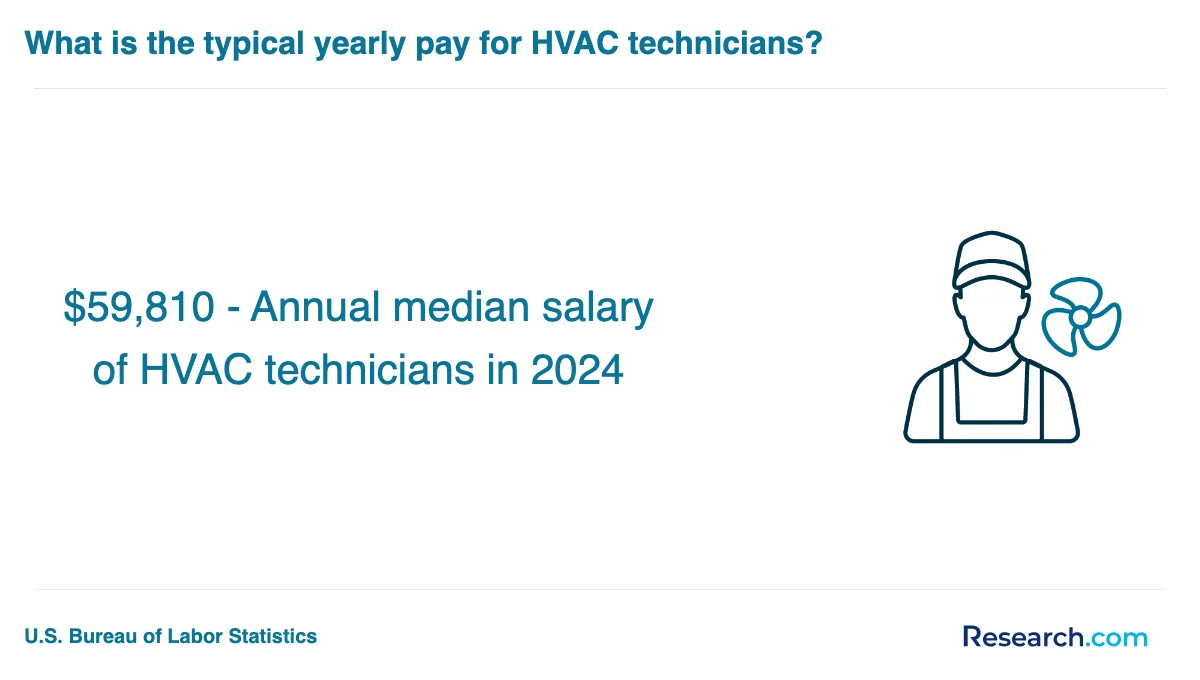
Kansas City HVAC technician trade school programs typically include a mix of foundational and hands-on courses designed to build confidence and job readiness from day one. Graduates often recall starting with essential classes like Introduction to HVAC, which covers key concepts such as system terminology, safety protocols, and industry standards. This strong base makes it easier to grasp more complex topics later.
Students quickly move into practical training with courses like:
- Electrical and heating fundamentals-teaching how to troubleshoot and maintain HVAC electrical components
- Plumbing basics and industrial safety, including OSHA compliance to ensure workplace safety
- Piping, brazing, and soldering for installation skills
- Refrigeration theory and air conditioning systems for system repair and maintenance
Many students appreciate the use of virtual simulations and lab work at popular schools like Johnson County Community College, where they gain hands-on experience with real-world HVAC equipment. This approach, paired with EPA 608 certification preparation, leaves students feeling ready and excited to enter the workforce.
What are the available specializations in HVAC technician trade schools in Kansas City?
HVAC technician specializations in Kansas City typically include installation, maintenance, and repair of heating, ventilation, and air conditioning systems. Graduates from popular local trade schools often highlight how hands-on training in these core areas boosts their confidence when servicing real-world equipment. Many programs also extend to niche fields like wind turbine technology and tower technician roles, reflecting the evolving demands in the energy and climate control sectors.
In Kansas City HVAC training program specializations, students can expect comprehensive courses preparing them for certifications and licensure, which are essential for advancing their careers. Graduates often praise the practical focus of their programs, which balances classroom theory with real equipment use, making the transition into the workforce smoother. For those considering options, understanding these specializations can help align their education with career goals.
Examples of skills developed include system diagnostics, energy efficiency improvements, and safety protocols for HVAC installations. Many students report feeling well-prepared and motivated after completing these focused programs at local institutions like Pinnacle Career Institute.
For detailed insights and comparisons on available options, explore what are the best trade schools online to find programs that fit your aspirations and lifestyle.
How do you choose the best HVAC technician trade school program in Kansas City?
Choosing the best HVAC technician trade schools Kansas City involves focusing on accredited programs that blend theory with practical experience. Graduates from popular schools like Pinnacle Career Institute often praise hands-on training with real HVAC systems, which boosts confidence during job searches. Flexible scheduling and program length matter too; for instance, Pinnacle's accelerated courses offer a fast track without compromising quality.
Look for programs emphasizing certification preparation, such as Kansas City Kansas Community College's HVAC/R Certified Technician course, which equips students for EPA or NATE exams, vital for career advancement. Those attending Metropolitan Community College highlight how its connections with local HVAC employers increase internship and job placement opportunities, facilitating a smooth transition into the workforce.
Financial considerations also play a big role. Many students recommend exploring scholarships and payment options to avoid financial stress. For students balancing work and study, researching the most affordable online hvac training programs can be a smart move, combining cost-efficiency with quality education.
What career paths are available for HVAC technician trade school graduates in Kansas City?
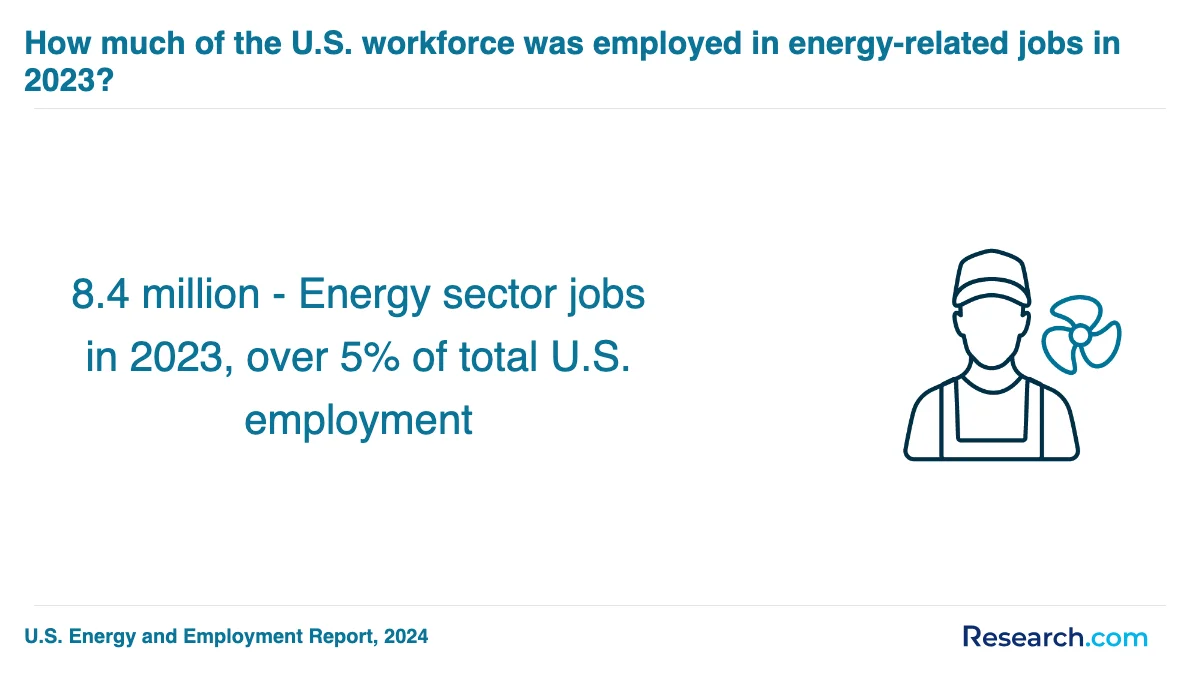
Graduates of HVAC technician trade school programs in Kansas City enjoy a range of rewarding career paths that match local industry demand. Many find abundant HVAC technician job opportunities in Kansas City, stepping into hands-on roles such as HVAC installer, service technician, or mechanic, where they install and maintain HVAC and refrigeration systems in homes and businesses. Popular trade schools prepare students through practical experience, enabling graduates to confidently tackle tasks like repairing commercial refrigeration units or handling intricate automation controls.
For those seeking growth, positions like service manager or project foreman offer career advancement overseeing teams and managing projects. These HVAC installer and service manager careers Kansas City graduates pursue often come with strong local employer support, including benefits like 401(k) matching and medical insurance, giving a real sense of job stability. Many graduates also share excitement about pathways into sales roles or further education, facilitated by credits transferable toward bachelor's degrees. Exploring whether a trade school better than college works for you is an important step in shaping your HVAC career.
What is the job market for HVAC technician trade school graduates in Kansas City?
The job market for HVAC technician trade school graduates in Kansas City is highly promising. Graduates from popular local trade schools quickly find opportunities due to the strong demand for HVAC service technicians in the area's busy construction and renovation sectors. For example, many graduates report landing roles with steady hourly wages starting around $19, rising rapidly with experience. The average pay for technicians in Kansas City is competitive, with numbers ranging from $25.77 for those with moderate experience up to $32.16 per hour for the top professionals.
Several factors make this a rewarding path:
- Year-round demand driven by Kansas City's variable climate, ensuring steady work.
- Opportunities in installation, maintenance, and repair for residential and commercial clients.
- Potential to earn annual salaries between $40,000 and $100,000, with specialized roles reaching $135,000.
Many graduates emphasize the advantage of completing formal training and EPA certification, which employers highly value. Those interested in flexible learning can also explore cheap maintenance technician training online options tailored to build skills efficiently.
Overall, the Kansas City HVAC technician job outlook is strong, with increasing opportunities and clear career growth for those entering the field through accredited trade schools.
Frequently Asked Questions about HVAC technician
Preparing for the job market after completing an HVAC technician trade school in Kansas City involves several key steps. First, obtaining industry certifications such as EPA Section 608 is essential, as employers prioritize certified technicians. According to the U.S. Bureau of Labor Statistics, HVAC employment in Missouri is projected to grow 8% through 2031, indicating strong demand.
Networking is also crucial; joining local trade associations like the Mechanical Contractors Association of Kansas City can help graduates connect with employers. Additionally, completing internships or apprenticeships during training provides practical experience valued by hiring managers.
Finally, creating a professional resume highlighting skills and certifications improves job prospects in this competitive market.
Employers in Kansas City prioritize several key skills when hiring HVAC technician trade school graduates. Technical proficiency with heating, ventilation, and air conditioning systems is essential, especially knowledge of modern, energy-efficient technologies. According to the U.S. Bureau of Labor Statistics, practical skills in electrical systems and refrigeration are also highly valued.
Strong problem-solving abilities and troubleshooting are crucial for diagnosing system failures effectively. Communication skills matter too, as technicians often explain issues and solutions to customers. Work ethic and reliability rank high among employer expectations in Kansas City's competitive HVAC job market, supported by local workforce surveys.
Familiarity with safety standards and local codes ensures compliance and job quality. Additionally, many employers seek graduates with EPA certification due to federal regulations on refrigerants.
Finding internships relevant to HVAC technician trade school programs in Kansas City involves several practical steps. Start by contacting local trade schools directly, as many maintain partnerships with HVAC companies and can connect students to internship opportunities. The Missouri Department of Higher Education & Workforce Development also offers resources on apprenticeships and internships in skilled trades.
Networking through industry associations like the Air Conditioning Contractors of America (ACCA) Kansas City chapter can provide access to employer listings. Additionally, online job platforms like Missouri Job Center often post HVAC internship openings. According to the U.S. Bureau of Labor Statistics, internships and apprenticeships improve job placement rates by up to 20% for HVAC students.
Visiting local HVAC service providers and requesting informational interviews can uncover unadvertised internships. Finally, ensure your resume highlights relevant coursework and certifications to enhance your candidacy for internships in this competitive market.
Obtaining a HVAC technician trade school diploma in Kansas City significantly enhances career mobility and advancement opportunities. According to the U.S. Bureau of Labor Statistics, HVAC technicians with formal training and certification tend to earn higher wages and have better job security. Trade schools provide hands-on experience and industry-recognized credentials, which local employers highly value.
In Kansas City, where the HVAC industry is growing steadily due to regional construction and maintenance demands, diploma holders often access a wider range of job openings. This includes roles in residential, commercial, and industrial sectors. Additionally, graduates can pursue specialized certifications, such as EPA Section 608, further improving their advancement prospects.
Data from the Missouri Department of Higher Education shows that graduates from HVAC programs in the region typically see a 15-20% increase in starting salaries compared to those without formal training. This diploma also enables technicians to qualify for supervisory roles or start their own businesses, fostering long-term career growth within the Kansas City metro area.
Students enrolled in HVAC technician trade schools in Kansas City can benefit from several part-time job opportunities that align with their studies. Entry-level roles such as HVAC helper or maintenance assistant provide practical experience while reinforcing classroom knowledge. These positions often involve assisting licensed technicians with installations, repairs, and routine maintenance.
Additionally, retail positions at home improvement stores like Lowe's or Home Depot allow students to gain product knowledge relevant to HVAC systems. According to the U.S. Bureau of Labor Statistics, Kansas City's HVAC employment is expected to grow by 6% from 2022 to 2032, highlighting the demand for skilled workers in the region.
Internships with local HVAC companies also offer valuable hands-on training and networking opportunities. Balancing these jobs with studies can enhance skills and improve employability upon graduation.
Choosing the best HVAC Technician degree program near me involves considering factors such as accreditation, curriculum, hands-on training opportunities, and success rates in student job placement. When seeking options near Kansas City, MO, it is beneficial to explore programs offered by local community colleges or technical schools that have strong ties with industry employers. Research.com can be a helpful resource to compare educational institutions and programs to ensure they meet the necessary standards and align with your career goals.
Related HVAC Technician Rankings for Nearby Cities
Top Trending Rankings
References
- HVAC Career Path: What to Expect After Training https://www.genesiscareer.edu/hvac-career-path-after-training/
- Navigating the Career Path of an HVAC Technician | CBT Technology Institute https://www.cbt.edu/blog/navigating-the-career-path-of-an-hvac-technician/
- How to Prepare for an HVAC Career | Air Conditioning & Heating Classes https://www.thetrainingcenterofairconditioningandheating.com/hvac-technician/how-to-prepare-for-an-hvac-career/
- 10 Essential Tips for Starting Your HVAC Career - RightTek HVAC https://righttekhvac.com/2024/08/30/10-essential-tips-for-starting-your-hvac-career/
- What to expect after HVAC trade school? What is a real Technician? #realtech #technician #HVAC https://www.youtube.com/watch
- 4 Tips to Prepare for an HVAC Career Path in Michigan https://www.dorsey.edu/blog/hvac-career-path-mi/
- HVAC Technician Training Online and in Kansas City - PCI https://www.pcitraining.edu/programs/hvac-technician
- HVAC Training Center | HVAC & EPA Certification in Kansas City & Wichita https://www.hvactrainingcenter.org/
- Heating, Ventilation and Air Conditioning (HVAC) Program https://mcckc.edu/programs/hvac/index.aspx
- Online HVAC/R Technician (Voucher Included) from Kansas City Kansas Community College https://careertraining.kckcc.edu/training-programs/hvacr-technician/


