
Best EKG Technician Training Programs & Trade Schools - Top EKG Tech Schools in Georgia for 2026

Co-Founder and Chief Data Scientist
Exploring a career as an EKG technician in Georgia can open doors to meaningful and stable job opportunities. This article introduces the best EKG technician trade schools in Georgia for 2026, helping you find the right program to start your journey.
The ranking presented here is crafted by the Research.com team of data scientists to guide you toward quality programs worth considering. With the right training, earning a diploma or certification can boost your confidence and career prospects.
Reading this article will equip you with valuable insights to make an informed choice tailored to your goals.
Key benefits of finishing EKG technician trade school in Georgia
- Graduates of EKG technician trade schools in Georgia can expect starting salaries around $20 to $30 per hour, with annual earnings typically between $42,000 and $55,000, offering a solid financial foundation.
- Career paths include working in hospitals, private clinics, or specialized cardiac centers, as shown by graduates from well-known Georgia trade schools who quickly find rewarding healthcare roles.
- Completing an EKG technician program online provides flexibility and convenience, allowing students to balance studies with life, similar to online graduates from popular Georgia schools who appreciate this adaptable learning style.
What can I expect from EKG technician trade schools in Georgia?
Students enrolling in EKG technician trade school programs in Georgia can expect an intensive, hands-on learning experience that typically lasts between 3 to 7 weeks. Graduates from popular schools often describe a schedule filled with multiple weekly classes where they practice essential skills like 12-lead EKG lead placement and operating EKG machines. These programs focus on real-world application, with clinical labs simulating hospital environments to build confidence before entering the workforce.
The coursework covers heart anatomy, electrical conduction, medical terminology, and patient care ethics, providing a strong foundation for understanding cardiac health. Students learn to identify arrhythmias and perform stress tests, Holter monitoring, and telemetry-all through practical exercises designed to make complex concepts accessible and engaging.
Students at well-known Georgia trade schools also share that ongoing assessments such as quizzes and final skills exams keep them motivated and on track. Many find the requirement to attend at least 80% of classes and maintain good grades pushes them to stay committed. The programs often include CPR training, helping students feel fully prepared for certification and real clinical settings.
Where can I work after finishing EKG technician trade schools in Georgia?
After completing an EKG technician trade school program in Georgia, graduates often find rewarding job opportunities in hospitals, which remain the largest employers of EKG professionals. Many graduates from popular trade schools in Atlanta and surrounding areas share how working in well-known hospital networks like Emory Healthcare or Northside Hospital gave them hands-on experience with advanced cardiac equipment and a supportive team environment.
Others secure positions in outpatient clinics or diagnostic labs such as Quest Diagnostics, where they enjoy regular hours and close collaboration with healthcare teams. Graduates frequently mention the satisfaction of providing crucial cardiac monitoring for patients outside hospital settings.
Specialty cardiology practices, urgent care centers, rehabilitation facilities, and long-term care centers also offer diverse roles that suit different lifestyle needs. With over 170 open positions statewide, including in cities like Macon, graduates feel encouraged by the flexible full-time and part-time options available after finishing their trade programs in Georgia.
How much can I make after finishing EKG technician trade schools in Georgia?
After finishing an EKG technician trade school program in Georgia, graduates typically earn around $42,400 per year, with hourly wages ranging from about $20 to $30. Many graduates from popular Georgia trade schools share that starting salaries often fall near the lower end of this range, especially if they are new to healthcare. However, these earnings quickly improve as experience grows.
For example, graduates working in Atlanta often see hourly pay around $22.12, while those in Savannah may start with an annual salary near $40,800. These differences reflect local demand and cost of living but still offer solid income for entry-level technicians. Many find it encouraging that Georgia's average hourly wage of $29.99 exceeds the national average, making it a promising market for newcomers.
Graduates who pursue additional certifications or specialize as Holter Monitor or Electrocardiography Technicians often report higher pay, showing a clear path to financial growth after trade school.
Best EKG Technician Training Programs & Trade Schools - Top EKG Tech Schools in Georgia for 2026
# 1 position
Southern Crescent Technical College - Electrocardiograph Technology/Technician.
certificate or diplomaSouthern Crescent Technical College offers a hybrid Electrocardiograph Technology/Technician program designed to train students to administer EKG and ECG diagnostic tests under medical supervision. The curriculum covers anatomy, physiology, cardiovascular systems, medical terminology, and patient care, along with equipment operation and cardiac rhythm interpretation. The program’s annual in-state tuition is $3,126, with graduates earning a median salary of $42,632 one year after completion. It is accredited by the Southern Association of Colleges and Schools Commission on Colleges.
# 2 position
Central Georgia Technical College - Electrocardiograph Technology/Technician.
certificate or diplomaCentral Georgia Technical College offers a hybrid Electrocardiograph Technology/Technician program preparing students to administer EKG and ECG diagnostic exams under medical supervision. The curriculum covers anatomy, physiology, cardiovascular system, medical terminology, medications, patient care, equipment operation, cardiac rhythm interpretation, record management, and ethics. Annual in-state tuition is $3,180. Graduates earn a median of $40,965 one year after completion. The program is accredited by the Southern Association of Colleges and Schools Commission on Colleges.
# 3 position
Albany Technical College - Electrocardiograph Technology/Technician.
certificate or diplomaAlbany Technical College offers a hybrid Electrocardiograph Technology/Technician program preparing students to administer EKG and ECG diagnostic tests under medical supervision. The curriculum covers anatomy, physiology, cardiovascular systems, medical terminology, medications, patient care, equipment use, cardiac rhythm interpretation, and professional standards. Annual in-state tuition is $3,196. Graduates earn a median income of $27,732 one year after completion. The program is accredited by the Southern Association of Colleges and Schools Commission on Colleges.
Key Findings
- Applicants must have a high school diploma or GED and be at least 18 years old to enroll in Georgia EKG technician programs.
- Program lengths typically range from six to eight weeks, combining classroom lessons with hands-on lab practice and sometimes clinical externships.
- Tuition costs vary between $1,099 and $1,500, with some programs including exam fees and materials in the price.
- Graduates can take the National Healthcareer Association Certified EKG Technician exam to earn a recognized certification.
- Starting salaries for EKG technicians in Georgia range from $32,000 to $39,000 annually, with experienced technicians earning over $45,000.
How long does it take to complete EKG technician trade schools in Georgia?
Completing an EKG technician trade school program in Georgia typically takes about 3 to 6 months, depending on the school and whether you choose full-time or part-time study. Many graduates from well-known trade schools in Georgia share how the accelerated pace allowed them to quickly gain the skills needed for entry-level positions. For example, students often balance hands-on labs with classroom instruction, which helps them feel confident performing EKG procedures in real healthcare settings by the end of the course.
Trade schools in Georgia, such as those popular in Atlanta and Augusta, often offer flexible schedules to accommodate working adults, making it easier to finish the program without overwhelming personal commitments. Graduates frequently mention the satisfaction of completing their certification swiftly, opening doors to job opportunities much sooner than they expected. This practical timeline fits well for those eager to start a healthcare career without spending years in school.
What's the difference between online and on-campus EKG technician trade school programs?
The main difference between online and on-campus EKG technician trade school programs in Georgia is how hands-on training is delivered. On-campus programs, like those at the University of North Georgia and the Georgia School of Phlebotomy, immerse students in live lectures, skills labs, and direct patient practice. Graduates often recall the confidence gained from practicing lead placement and EKG machine operation under instructor supervision, which made them feel truly prepared for real clinical settings.
Online programs offer more flexibility, allowing students to complete theoretical coursework from home. However, because EKG work demands hands-on skills, these programs usually require students to complete local clinical hours or externships. Graduates appreciate this balance, as it lets them fit studies around busy schedules while still gaining crucial practical experience.
Both formats prepare students for certification exams, but on-campus study often feels more immersive, while online study suits those needing adaptable timing without sacrificing essential hands-on learning.
What is the average cost of EKG technician trade schools in Georgia?
The average cost of a EKG technician trade school program in Georgia typically falls between $1,200 and $1,800. Graduates from Kennesaw State University's seven-week hybrid program report paying around $1,399, which covers the core course but excludes additional expenses like exam fees and textbooks. Similarly, graduates from Life Solutions for Health's six-week program describe investing $1,745, including textbooks and clinical supplies, with an extra $500 fee for a blended learning option. At Georgia School of Phlebotomy, the total cost comes to about $1,190 after including tuition and additional fees.
When considering the average cost of an EKG technician trade school program in Georgia, it's essential to account for various expenses, including tuition, fees, books, supplies, and living costs. Some graduates mention that these costs can add up quickly, especially when including certification exam fees and learning materials.
Tuition fees for EKG technician programs in Georgia typically range from $500 to $4,000, depending on the institution and program length. These ranges give prospective students flexibility to find a program that fits their budget and learning style. Many students find peace of mind knowing some schools offer payment plans or financial aid options to help manage tuition payments.
Books and supplies may cost between $100 and $500, depending on the program's requirements. Several students at Georgia-based trade schools have praised programs that include these materials in the tuition, citing it as an excellent value.
Living expenses, including housing and meals, can vary significantly based on location and personal circumstances. The average living cost for Georgia trade schools is approximately $21,274 for the 2024-2025 academic year, an important factor for students budgeting beyond tuition alone.
For those exploring online options, a strong selection of programs and alternatives is also available. To compare and evaluate more programs, consider checking comprehensive resources such as online healthcare certification listings.
What financial aid is available for EKG technician trade schools in Georgia?
Students enrolling in EKG technician trade schools in Georgia often access state and federal grants by completing the FAFSA, which many find reassuring since these grants don't require repayment. Graduates from popular programs like those at Atlanta Career Institute share how these grants helped reduce upfront costs, making the training feel more achievable.
Workforce Innovation and Opportunity Act (WIOA) funding is another helpful option, especially for those who are unemployed or underemployed. Several Georgia schools partner with local workforce offices to guide students through this process, giving them a real sense of support during career transitions.
Flexible payment plans are common at schools such as Atlanta Career Institute, where students pay a deposit plus weekly installments. This approach eases financial pressure, allowing students to focus on learning rather than worrying about large one-time payments.
Military spouses often benefit from MyCAA funding, while veterans and their families may use VA education benefits, both of which have made completing EKG training more accessible for many.
Private loans are available but require careful consideration; graduates advise reviewing terms thoroughly to avoid surprises. Scholarships through school foundations or local groups also provide opportunities, though they can be competitive.
What are the prerequisites for enrolling in EKG technician trade schools in Georgia?
To enroll in an EKG technician trade school program in Georgia, you typically need a high school diploma or GED. This basic educational requirement ensures you have the foundational skills necessary for the coursework. Many trade schools in Georgia, such as those in Atlanta and Savannah, also require potential students to pass a background check and provide proof of immunizations, reflecting the healthcare environment you'll be working in.
Graduates often share how these prerequisites helped them feel prepared and confident stepping into clinical settings early on.
Additional common prerequisites include:
- Basic CPR certification, which some schools help you obtain during the first weeks of the program
- Minimum age requirement, usually 18 years or older
- Completion of a health screening or physical exam
- Proof of residency or citizenship, depending on the institution's policies
For example, students attending trade schools in Georgia's metropolitan areas describe how meeting these requirements was straightforward and gave them peace of mind, allowing them to focus fully on learning EKG technology and patient care skills.
What are the typical courses in EKG technician trade schools in Georgia?
EKG technician trade school programs in Georgia typically include a mix of essential courses designed to prepare students for real-world healthcare roles. Graduates often recall how courses on anatomy and physiology of the heart gave them a clear understanding of cardiac structure and function, which made interpreting EKG tracings much more intuitive.
Students study:
- Cardiac anatomy and physiology to grasp the electrical conduction system of the heart
- Medical terminology and ethics, including patient privacy laws like HIPAA
- Hands-on EKG administration, covering 12-lead EKG placement and rhythm strip interpretation
- Practical skills such as calculating heart rates and identifying artifacts on EKGs
- Additional training on 3-lead and 5-lead EKGs, Holter monitors, and stress testing in some programs
At popular trade schools, students appreciate the mix of lectures and skills labs-some programs offer up to 70 hours of combined study, while others include externships totaling nearly 200 clock hours. This hands-on approach helps students gain confidence before certification exams and future clinical work.
What are the available specializations in EKG technician trade schools in Georgia?
EKG technician specializations in Georgia trade schools typically cover core cardiac monitoring training alongside practical skills. Graduates from programs like those at Kennesaw State University gain knowledge in cardiac anatomy, electrophysiology, lead placement, and rhythm interpretation, which prepares them to confidently perform routine EKG tests. Other students from the Georgia School of Phlebotomy appreciate training that dives deeper into 12-lead EKG administration, Holter and telemetry monitoring, and patient care, ensuring they handle complex cardiac diagnostics with professionalism.
Hands-on experience is emphasized, especially at schools such as Health Tech of Georgia, where students focus on recognizing EKG waveforms, calculating heart rates, and identifying atrial and ventricular dysrhythmias. Practical skills also extend to understanding cardiovascular medications often seen in clinical settings.
These programs provide a solid foundation so graduates feel ready to step into healthcare roles. For those exploring options, affordable online phlebotomy technician certificate programs can complement their cardiac monitoring training in Georgia, broadening career pathways.
How do you choose the best EKG technician trade school program in Georgia?
Choosing from the best EKG technician programs in Georgia starts with verifying accreditation and certification preparation, as this ensures you receive quality training recognized by employers. Graduates from Kennesaw State University mention how the comprehensive curriculum and hands-on labs gave them confidence in real clinical settings. Flexibility also matters-programs like the one at Winder CNA Training accommodate busy lifestyles with evening and weekend classes, helping many balance work and study effectively.
Consider tuition costs and financial aid options to avoid surprises; Atlanta Career Institute's payment plans and veteran discounts have helped numerous students manage expenses. Additionally, look for programs with experienced faculty and strong student support services, such as career counseling, to boost your job readiness after graduation. Facilities equipped with up-to-date technology, like those found in several top-rated EKG technician schools in Georgia, enable practical learning that reflects workplace realities. For those unsure about the medical path, exploring the easiest medical degree options can also be insightful when selecting the right program.
What career paths are available for EKG technician trade school graduates in Georgia?
Graduates of EKG technician trade school programs in Georgia quickly find diverse job opportunities across the state's healthcare sector. Common entry-level roles include positions in hospitals, outpatient care centers, and physicians' offices in urban hubs like Atlanta and Macon, as well as rural communities. Many graduates share that hands-on clinical training from popular Georgia trade schools gave them confidence to perform duties such as administering EKG tests and preparing patients efficiently.
Career advancement for EKG technicians in Georgia often involves moving into supervisory roles or specializing as cardiovascular technologists or cardiac monitoring technicians. Gaining certification through programs aligned with the National Healthcareer Association enhances employability and access to these growth paths. Experienced technicians report increased job satisfaction and responsibility as they oversee cardiac diagnostic teams and mentor new staff.
Success stories from Georgia graduates reveal partnerships with organizations offering job placement help, boosting employment rates. For those curious about long-term earnings, exploring what is the highest paid medical profession can provide motivation for continued education and skill development.
What is the job market for EKG technician trade school graduates in Georgia?
The EKG technician job outlook in Georgia remains very promising, with growth fueled by the state's aging population and increased demand for cardiac care. Graduates from popular trade schools in Georgia consistently share positive feedback about finding ample job opportunities shortly after certification. Many find roles in metropolitan hubs like Atlanta, where positions are concentrated and salaries often exceed state averages. For example, outpatient care centers frequently offer salaries surpassing $100,000, which is attractive compared to hospitals.
Several graduates describe their first jobs as rewarding, with plenty of room to grow in settings such as hospitals, physicians' offices, and diagnostic labs. The diversity of workplaces helps new technicians explore different specialties while earning competitive wages.
Considering wages, the average EKG technician salary in Georgia hovers around $69,940 annually, but actual pay varies by location and facility type. Those interested in affordable training options can explore cheap patient care technician certification online, which some Georgia residents utilize to complement their in-person schooling.
Frequently Asked Questions about EKG technician
After completing an EKG technician trade school in Georgia, preparing for the job market involves several key steps. First, obtaining certification through organizations like the National Healthcareer Association (NHA) or Cardiovascular Credentialing International (CCI) can greatly enhance employability. Georgia employers often prefer certified technicians, as noted by the Georgia Department of Labor.
Next, building a professional resume that highlights clinical experience gained during training is essential. Networking with local healthcare facilities and attending job fairs can provide valuable connections. Additionally, staying informed about state-specific licensing requirements and continuing education opportunities helps maintain a competitive edge in Georgia's healthcare job market.
Employers in Georgia seek EKG technician graduates with strong technical skills. Proficiency in operating electrocardiogram machines and accurately recording heart activity is essential. According to the Georgia Department of Labor, attention to detail and the ability to interpret basic EKG results are highly valued.
Effective communication skills are also important. Technicians must explain procedures clearly and comfort patients during tests. Additionally, knowledge of medical terminology and electronic health records improves job prospects.
Time management and reliability rank among top soft skills employers want. Many healthcare facilities in Georgia report that punctuality and the ability to work independently contribute significantly to successful employment.
Finding internships in Georgia that align with an EKG technician trade school program involves strategic research and networking. Start by contacting the career services offices of your chosen trade school, as many maintain partnerships with local hospitals and clinics offering clinical placements.
Hospitals such as Emory Healthcare and Piedmont Healthcare frequently provide internship opportunities for students in cardiovascular technology fields. Additionally, the Georgia Department of Labor's website lists healthcare internships and can be a valuable resource.
Professional organizations like the American Society of EKG Technicians also publish internship listings and guidance. Early application is crucial since slots are limited and competitive. Internships typically last between 4 to 12 weeks, providing hands-on experience required for certification exams.
Obtaining a diploma from an EKG technician trade school in Georgia significantly enhances career mobility and advancement opportunities. The diploma certifies foundational skills required to operate electrocardiogram equipment, a credential increasingly sought by healthcare employers across the state. According to the Georgia Department of Labor, the demand for cardiovascular technicians, including EKG techs, is projected to grow by 12% through 2030, reflecting a positive job outlook.
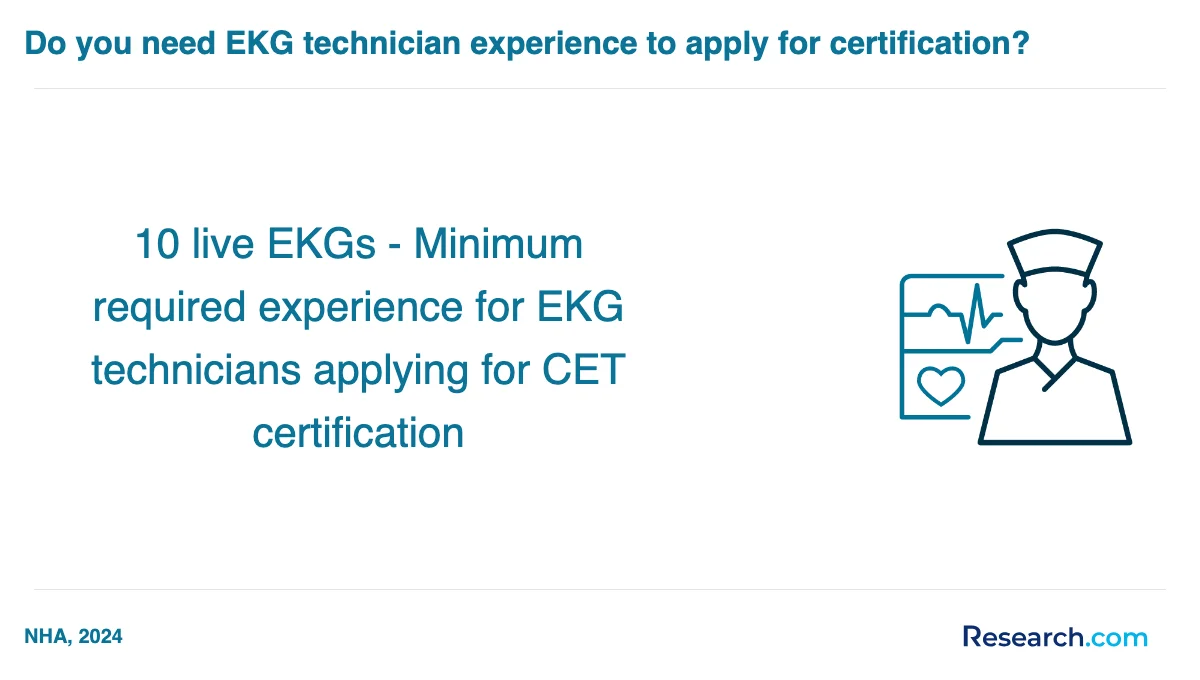
Graduates with a diploma can access entry-level positions in hospitals, clinics, and diagnostic labs, often qualifying for higher starting salaries compared to those without formal training. Additionally, holding a diploma supports eligibility for certification exams such as the Certified EKG Technician (CET), which further boosts employability and career progression.
Trade school diplomas also facilitate upward mobility by enabling technicians to pursue advanced certifications or associate degrees in cardiovascular technology, broadening professional roles and increasing earning potential. This structured pathway is especially valuable in Georgia's competitive healthcare market, where formal credentials validate expertise and commitment.
Students in Georgia pursuing EKG technician trade school programs can benefit from part-time jobs that provide relevant clinical experience. Positions such as medical assistants, patient care technicians, or phlebotomy aides often complement EKG training by offering hands-on exposure to patient monitoring and healthcare environments. According to the Georgia Department of Labor, healthcare support roles are expected to grow by 15% through 2030, highlighting ample opportunities. Working in outpatient clinics or hospitals can enhance practical skills while maintaining flexible hours for schooling. These roles also help build professional networks, which are valuable for future job placements as certified EKG technicians.
To find the best EKG Technician degree program near me in Georgia, consider exploring options at local community colleges, vocational schools, and technical institutes that offer specialized healthcare programs. Research.com is a helpful resource to compare the rankings and reviews of these educational institutions. Additionally, you may want to visit nearby campuses near Georgia to learn more about their curriculum, hands-on training opportunities, and job placement services for graduates.
Related EKG Technician Rankings for Nearby States
- Best EKG Technician Training Programs & Trade Schools - Top EKG Tech Schools in Florida for 2026
- Best EKG Technician Training Programs & Trade Schools - Top EKG Tech Schools in Louisiana for 2026
- Best EKG Technician Training Programs & Trade Schools - Top EKG Tech Schools in Illinois for 2026
- Best EKG Technician Training Programs & Trade Schools - Top EKG Tech Schools in Texas for 2026
- Best EKG Technician Training Programs & Trade Schools - Top EKG Tech Schools in Michigan for 2026
- Best EKG Technician Training Programs & Trade Schools - Top EKG Tech Schools in New York for 2026
- Best EKG Technician Training Programs & Trade Schools - Top EKG Tech Schools in Massachusetts for 2026
- Best EKG Technician Training Programs & Trade Schools - Top EKG Tech Schools in California for 2026
Top Trending Rankings
References
- Career Spotlight: Certified EKG Technician - Excelsior University https://www.excelsior.edu/article/career-spotlight-certified-ekg-technician/
- What are My Career Options after an EKG Technician Bootcamp? | Health Tech Academy https://www.healthtechacademy.org/ekg-technician/career-options-after-ekg-bootcamp
- How to Become an EKG Technician | CHCP Career Guide https://www.chcp.edu/blog/how-to-become-an-ekg-technician/
- Top 10 EKG Technician Certification Programs | 2025 https://nurse.org/healthcare/ekg-technician-programs/
- Program - EKG Technician - AdventHealth University https://workforce.ahu.edu/ekg-technician-program/
- How to Become an EKG Technician: Step-by-Step Guide https://www.carerev.com/blog/how-to-become-an-ekg-technician
- EKG Certification | Earn your CET to become an EKG tech https://www.nhanow.com/certification/nha-certifications/certified-ekg-technician-(cet)
- How to Become an EKG Technician – Salary & Requirements for 2025 | Research.com https://research.com/careers/how-to-become-an-ekg-technician
- EKG Technician Training – BMCC https://www.bmcc.cuny.edu/ce/online-courses/ekg-technician-training/
- EKG Technician https://www.mccneb.edu/community-business/workforce-education/programs-and-certifications/health-career-training/ekg-technician


