
Best EKG Technician Training Programs & Trade Schools - Top EKG Tech Schools in Texas for 2026

Co-Founder and Chief Data Scientist
Choosing the right EKG technician trade school in Texas can shape your future career in healthcare. This article introduces a carefully crafted EKG technician trade school programs ranking, developed by the Research.com team of data scientists, to guide you toward the best educational options available.
Whether you’re starting fresh or seeking a new path, earning a diploma or certification as an EKG technician opens doors to rewarding job opportunities. Reading this article will help you make an informed decision with confidence, setting you on a path to success in a growing field.
Key benefits of finishing EKG technician trade school in Texas
- Graduates of EKG technician trade schools in Texas can expect an average hourly wage around $22 to $26, translating to an annual salary near $50,000 to $55,600, offering a solid income for entry-level healthcare roles.
- Career paths include working as EKG technicians in hospitals, clinics, or specialized cardiac care centers, with many graduates from Texas trade schools quickly finding rewarding jobs that build valuable experience.
- Completing an EKG technician program online provides flexibility and convenience, allowing students to balance studies with personal commitments while gaining the same skills and certification as traditional programs, as many online graduates report smooth transitions into the workforce.
What can I expect from EKG technician trade schools in Texas?
Jumping into an EKG technician trade school program in Texas means diving into a lively mix of classroom theory and hands-on practice. Graduates from popular Texas schools often recall the thrill of mastering electrode placement and performing 12-lead EKGs during simulation labs, which truly bring the heart's rhythm to life. Expect to spend between 50 and 108 hours learning everything from heart anatomy and medical ethics to operating EKG machines with confidence.
Many students share how clinical rotations at local hospitals or clinics became eye-opening moments, turning textbook knowledge into real-world skills by working alongside healthcare professionals and patients. The excitement of preparing for national certification exams like the CET from the NHA adds a motivating challenge that feels achievable with the right guidance.
Texas programs also require proof of immunizations and CPR certification, which some see as a reassuring step toward professional readiness. Tuition typically ranges from $1,299 to $1,706, a worthwhile investment for those eager to join a growing field where annual salaries in Houston can reach up to $45,500. Flexibility is another plus-many schools offer online or hybrid options to fit busy lifestyles.
Where can I work after finishing EKG technician trade schools in Texas?
After finishing an EKG technician trade school program in Texas, graduates often find themselves stepping into dynamic healthcare roles that make a real difference. Imagine working at bustling hospitals like Texas Health Resources in Denton or HCA Houston Healthcare Mainland, where you're right at the heart of cardiac care, performing vital electrocardiograms and supporting life-saving procedures.
Many graduates from popular Texas trade schools share how exciting it feels to start in outpatient clinics or diagnostic labs, assisting doctors by interpreting heart data that guides treatment. Others have discovered rewarding careers in government healthcare facilities such as VA Medical Centers, enjoying competitive pay and benefits while contributing to the wellbeing of veterans.
Some adventurous alumni take on specialized roles as telemetry or Holter monitor technicians, analyzing cardiac data remotely-a perfect fit for those who like tech and flexibility. Whether in private cardiology offices or urban heart centers in Houston or Dallas, the opportunities are vast and growing, with hundreds of job openings across Texas eager for skilled EKG technicians.
How much can I make after finishing EKG technician trade schools in Texas?
After completing an EKG technician trade school program in Texas, many graduates find themselves pleasantly surprised by their earning potential. On average, new EKG techs earn between $22.27 and $26.73 per hour, translating to an annual salary ranging from about $46,325 to $49,458. Imagine stepping out of a popular Texas trade school-whether in Houston, Dallas, or San Antonio-and landing a role where your skills are valued with this solid starting pay.
Graduates often share how exciting it feels to see their first paycheck, especially knowing it reflects specialized training they completed in months, not years. Working in bustling urban hospitals or clinics, these technicians report salaries near the top of the range, while smaller towns might offer a more modest start.
Some roles like Electrocardiogram Technician EKG Technician tend to pay toward the higher end, while related titles might come in a bit lower. Still, the path from trade school to a paycheck in the mid-$40,000s is a thrilling leap for many eager Texans.
Best EKG Technician Training Programs & Trade Schools - Top EKG Tech Schools in Texas for 2026
# 1 position
Trinity Valley Community College - Electrocardiograph Technology/Technician.
certificate or diplomaTrinity Valley Community College offers a hybrid Electrocardiograph Technology/Technician program designed to prepare students to administer EKG and ECG diagnostic tests under supervision. The curriculum covers anatomy, cardiovascular systems, medical terminology, patient care, equipment operation, and cardiac rhythm interpretation. The program’s annual in-state tuition is $2,640. It is accredited by the Southern Association of Colleges and Schools Commission on Colleges.
# 2 position
Weatherford College - Electrocardiograph Technology/Technician.
certificate or diplomaWeatherford College offers a hybrid Electrocardiograph Technology/Technician program that prepares students to administer EKG and ECG diagnostic exams and report results under physician and nurse supervision. The curriculum covers anatomy, physiology, cardiovascular systems, medical terminology, patient care, equipment operation, cardiac rhythm interpretation, and professional ethics. Annual in-state tuition is $4,560. The program is accredited by the Southern Association of Colleges and Schools Commission on Colleges.
Key Findings
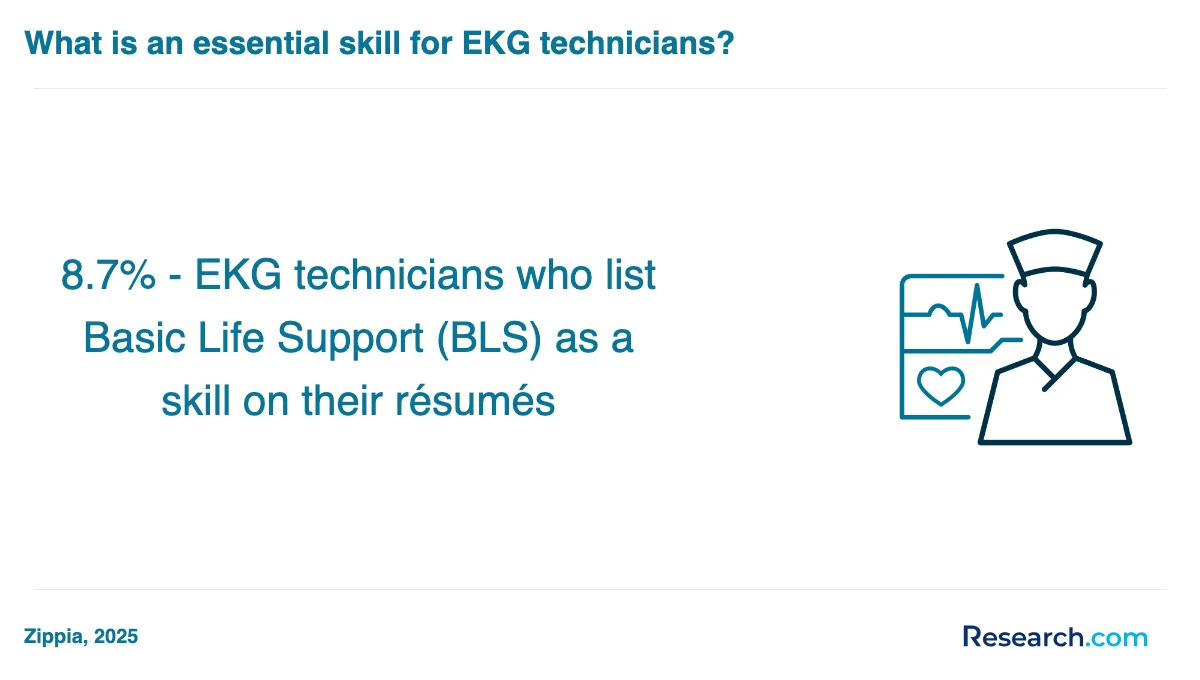
- Applicants must be at least 18 years old and have a high school diploma or GED, along with a valid photo ID, immunization proof, background check, drug screening, and CPR certification.
- Programs include hands-on training with EKG equipment, lead placement, stress testing, and Holter monitoring, plus coursework in heart anatomy, medical terminology, and legal patient care aspects.
- Average program costs range from $759 at Central Texas College to $1,706 at Houston Community College, excluding books and exam fees, with financial aid options available.
- Graduates can take the Certified EKG Technician (CET) national exam, which is generally required for employment in Texas.
- Entry-level salaries range from $34,900 to $45,500 annually in metro areas like Houston, with hourly rates from $10.75 to $38.30, and job demand is expected to grow over 14% through 2026.
How long does it take to complete EKG technician trade schools in Texas?
Completing an EKG technician trade school program in Texas is often a swift and rewarding journey, typically taking anywhere from 8 to 12 weeks. Many graduates from popular Texas trade schools share how their lives transformed quickly-imagine starting your classes one month and confidently performing EKGs in a clinical setting just a few weeks later! The hands-on training at schools in Houston or Dallas immerses you in real-world scenarios early on, letting you practice on actual equipment and interact with patients under expert supervision.
One graduate recalled the excitement of mastering heart rhythm monitoring so rapidly, which fueled their passion to enter the healthcare field without delay. These programs blend classroom instruction with practical labs, making the learning experience both dynamic and manageable, even if you're balancing other commitments. For those eager to jumpstart a healthcare career in Texas, the compact timeframe of EKG technician training offers a clear, adventurous path filled with momentum and tangible skills.
What's the difference between online and on-campus EKG technician trade school programs?
Imagine studying EKG technician skills on your couch in Texas, sipping coffee, and setting your own pace-that's the charm of online programs like Texarkana College's. Graduates rave about the freedom to access interactive modules anytime, fitting study around busy lives. These programs often wrap up between 6 weeks and 6 months, with digital textbooks and video lessons making learning feel modern and flexible. Plus, arranging a local externship means you still get that essential hands-on experience without commuting.
On the flip side, picture stepping into a lively classroom at Central Texas College in Killeen, surrounded by buzzing machines and engaged peers. Here, students dive into 108 hours of direct practice with real EKG equipment, guided by instructors who provide instant feedback. The structured schedule helps build confidence with routine face-to-face interaction, perfect for those who thrive in a hands-on environment.
Both paths lead to the same national certifications, but the choice boils down to your lifestyle and how you want to experience learning in Texas's thriving healthcare scene.
What is the average cost of EKG technician trade schools in Texas?
Curious about the average cost of EKG technician trade school programs in Texas? The tuition fees for EKG technician schools in Texas vary widely depending on program length and school type, but many aspiring technicians find a sweet spot between affordable and intensive training. For instance, graduates from Houston Community College rave about their 60-hour accelerated course costing $1,706, which emphasizes hands-on skills essential for real-world patient care. On the other hand, those attending Central Texas College enroll in a longer 108-hour program with a lower tuition price of $649, though extra expenses for textbooks and materials apply.
Ambitious students at Amarillo College enjoy a comprehensive 114-hour blend of classroom and clinical work for about $1,274, including all necessary fees like background checks and scrubs. Meanwhile, flexible learners often choose Rosewood Career Institute's $600 program with convenient payment plans, making the dream of certification more accessible. Imagine finishing your training feeling prepared and supported after investing a few hundred to nearly two thousand dollars across these diverse Texas trade school options.
If speed is your goal, Texas Health Professions offers an online Telemetry Monitor Technician course in four weeks costing just $310-perfect for those pressed for time but eager to jump into the heart-pounding world of cardiovascular care. With such variety, Texas students find trade schools fit for every budget and schedule. Recent grads highlight how these programs not only align with their financial plans but also launch them into one of the highest paid medical field specialties, making the investment in tuition fees for EKG technician schools in Texas feel entirely worthwhile.
What financial aid is available for EKG technician trade schools in Texas?
Diving into EKG technician training in Texas opens up a world of financial aid possibilities beyond the usual federal grants. Graduates from Houston Community College often share how the Texas Public Educational Grant (TPEG) made a real difference, offering need-based support that helped cover tuition without the stress of overwhelming debt. Imagine stepping into class knowing Workforce Solutions could chip in because you qualify through your job or training path-many students at Houston and similar schools have experienced this relief firsthand.
At Central Texas College, some learners found private student loans through partnerships with Sallie Mae to be a flexible option, especially when traditional aid wasn't available. These loans require credit checks, but they help bridge the gap for eager students ready to advance their careers.
Military spouses pursuing EKG certification also tap into the MyCAA program, which can provide up to $4,000 in aid-an empowering boost for those balancing family and ambition.
Meanwhile, scholarships and grants at Weatherford College and Amarillo College have brightened the journeys of many, awarded on a first-come basis to those demonstrating financial need. These options transform dreams into achievable goals in Texas' vibrant trade school community.
What are the prerequisites for enrolling in EKG technician trade schools in Texas?
If you're eyeing an EKG technician trade school program in Texas, getting ready means meeting some straightforward but important prerequisites. Most popular Texas trade schools, like those in Houston or Dallas, expect you to have a high school diploma or GED. This step ensures you're set to grasp the technical and medical knowledge ahead.
Graduates often recall how having basic healthcare experience, even volunteering at a clinic, made the intense learning curve feel more exciting than intimidating. Some schools even prefer or require a background in CPR certification, which adds confidence to your practical skills.
Here are the common prerequisites you'll encounter:
- High school diploma or GED completion
- Basic understanding of anatomy and physiology
- CPR certification (sometimes mandatory)
- Passing a background check and drug screening
Imagine yourself stepping into a classroom at a Texas trade school, where your peers share the same eagerness, and you already have the foundational skills that make labs and hands-on practice thrilling rather than daunting. This preparation unlocks the door to mastering EKG technology with confidence and enthusiasm.
What are the typical courses in EKG technician trade schools in Texas?
In Texas, EKG technician trade school programs dive right into the heart of the matter-literally! Graduates often share how courses like anatomy and physiology of the heart instantly transform their understanding of what's happening inside the chest. Imagine learning why those tiny electrical signals create the patterns you see on an EKG monitor-it's like unlocking a secret code.
Students at popular Texas trade schools quickly get hands-on with:
- Mastering medical terminology to confidently communicate in fast-paced clinical environments.
- Operating EKG machines and perfecting electrode placement during practical labs, often practicing on classmates or simulated patients.
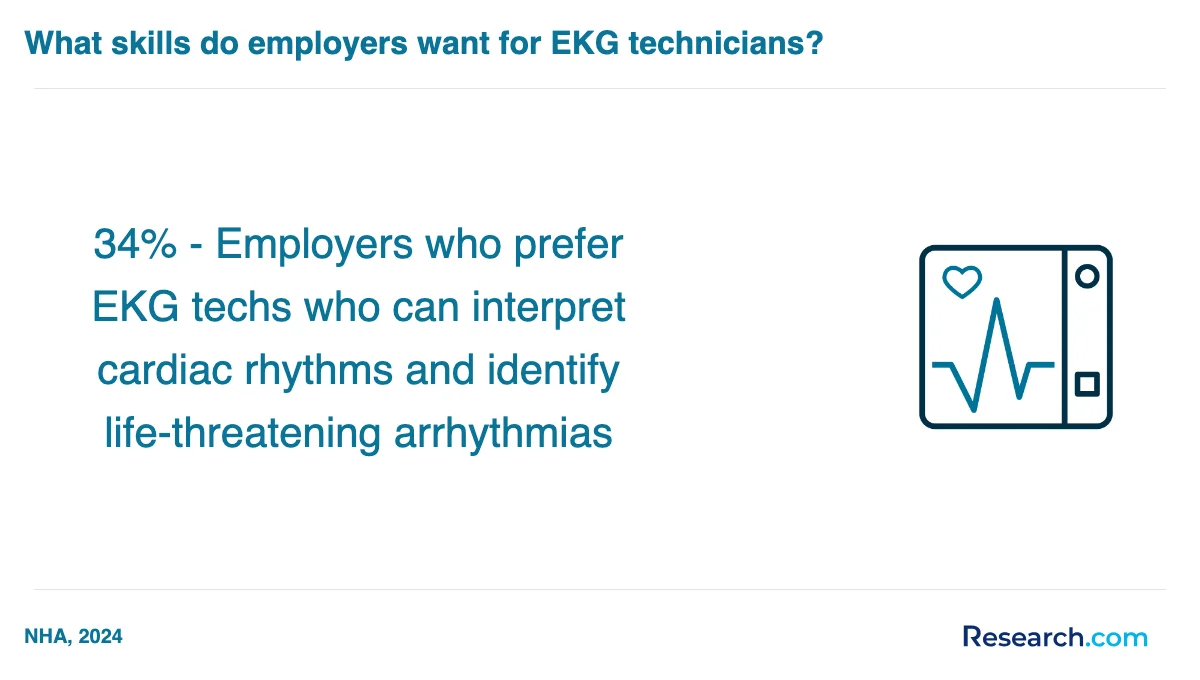
- Recognizing and interpreting heart rhythms, from normal beats to dangerous arrhythmias, a skill that graduates describe as thrilling and empowering.
- Understanding medical ethics and legal patient care, ensuring professionalism and trust in every patient interaction.
- Completing clinical externships, like the 48-hour hands-on training at Central Texas College, where classroom theory meets real-world patient care.
This mix of theory, practice, and real-life experience prepares students to confidently tackle national certification exams and step into healthcare roles ready to make a difference.
What are the available specializations in EKG technician trade schools in Texas?
In Texas, EKG technician specialization programs in Texas dive deep beyond basic skills, offering hands-on training and real-world scenarios that graduates rave about. For instance, students at Central Texas College get comfortable operating EKG machines, mastering lead placement, and interpreting 12-lead EKGs-skills that boost confidence when entering clinical environments.
Meanwhile, programs like the University of Texas at El Paso focus on combining technical knowledge with detailed studies in medical terminology and cardiovascular anatomy. Graduates often praise the externship opportunities that let them experience fast-paced cardiology departments firsthand, igniting their passion for cardiovascular care.
Typical specializations include:
- EKG machine operation and maintenance
- Lead placement techniques for accurate readings
- Interpretation of cardiac rhythms and abnormalities
- Preparation for certification exams like the CET
These programs reflect advanced EKG technician training in Texas, designed to prepare students for both certification and career success.
Curious about expanding your healthcare skills? Many students interested in cardiovascular diagnostics also explore related career paths and can learn more about how to be dialysis technician opportunities to broaden their expertise and future options.
How do you choose the best EKG technician trade school program in Texas?
Diving into the best EKG technician programs in Texas means targeting schools with solid accreditation and hands-on training. Graduates from top-rated EKG technician schools in Texas often share how programs like North Central Texas College's 64-hour lecture and lab combo prepared them confidently for certification exams. Imagine walking into your first clinical session knowing you've mastered the electrocardiography fundamentals and patient care.
Flexibility matters, too-many students rave about the convenience of online or hybrid models that fit around life's busy pace, much like those from Health Tech Academy. Tuition costs vary widely, but schools such as Texas State Technical College include vouchers that ease the financial load, making the investment feel worthwhile.
A crucial step graduates often emphasize is checking job placement support and career services; these can be your bridge from training to a rewarding healthcare role. Texas offers diverse opportunities, and for increased career potential, consider factors like local job markets and salary trends, including where you might find the highest surgical tech salary by state.

What career paths are available for EKG technician trade school graduates in Texas?
Graduates from EKG technician trade schools in Texas often step into exciting roles that directly impact patient care and heart health. Many find themselves as EKG Technicians working in bustling hospitals or specialized diagnostic clinics, performing crucial electrocardiogram tests that shape cardiac diagnoses. Others dive into the world of telemetry as Cardiac Monitor Technicians, where they vigilantly track patients' heart rhythms in intensive care units or remote monitoring centers. These roles truly reflect the expanding career opportunities for EKG technicians in Texas.
Some graduates seize paths toward becoming Cardiovascular Technicians, Cath Lab Technologists, or Vascular Technologists-positions that demand extra skills but reward with diverse experiences. Students from well-known Texas trade schools share stories of hands-on learning that prepared them for this dynamic job market filled with Texas healthcare jobs for EKG technician graduates.
Many ambitious graduates view their certification as a launchpad, transitioning toward supervisory roles or branching into nursing and advanced cardiovascular specialties. For those wondering what is the easiest degree to get in the medical field, EKG technician programs in Texas open doors both in bedside care and beyond.
What is the job market for EKG technician trade school graduates in Texas?
The demand for EKG technicians in Texas is booming, creating a vibrant job market for trade school graduates. Popular Texas trade schools have graduates sharing exciting stories about landing positions in Houston's bustling heart centers and Dallas outpatient clinics. With over 300 job openings statewide, including roles like Cath Lab Technologist and Cardiovascular Technician, the opportunities are truly within reach for graduates ready to jump in.
Many find that certification boosts their chances to work with prominent hospitals that value certified skills. Entry-level wages range from $16 to $27 per hour, with annual salaries climbing as high as $50,000 in major urban areas. Benefits such as health insurance and tuition reimbursement are common, adding stability to this adventurous career path.
The EKG technician job outlook in Texas reflects a thrilling 17% growth rate projected through 2031, one of the fastest in healthcare. Graduates often enjoy varied work environments-from physician offices specializing in cardiology to high-tech hospital cath labs-making every day unique and engaging.
For those considering trade school, exploring the most affordable patient care technician certification online options can be a smart first step to entering this expanding field with confidence.
Frequently Asked Questions about EKG technician
After completing an EKG technician trade school in Texas, preparation for the job market involves several key steps. First, obtaining certification is crucial; organizations like the National Healthcareer Association (NHA) offer the Certified EKG Technician (CET) credential, which enhances job prospects. According to the Texas Workforce Commission, the demand for cardiovascular technologists and technicians is expected to grow by 11% through 2030, indicating strong job opportunities.
Networking with local healthcare providers and attending job fairs can help graduates connect with employers. Additionally, developing a professional resume highlighting clinical experience gained during training increases employability. Staying updated on new EKG technologies and continuing education is also recommended to remain competitive in the field.
Employers in Texas seek EKG technician graduates who demonstrate strong technical skills, including proficiency in operating electrocardiogram equipment and accurately recording heart activity. According to the Texas Workforce Commission, attention to detail is critical, as errors in EKG readings can affect patient diagnosis and treatment. Communication skills also rank highly, since technicians must explain procedures clearly to patients and collaborate effectively with healthcare teams.
Knowledge of medical terminology and basic anatomy, especially related to the cardiovascular system, is essential. Additionally, employers prefer candidates with certification from recognized bodies like the National Healthcareer Association, reflecting a commitment to professional standards and continuing education.
Finding internships for EKG technician programs in Texas involves several strategic steps. First, students should consult their trade school's career services, as many schools have established partnerships with local hospitals and clinics. The Texas Workforce Commission reports that healthcare facilities in metropolitan areas like Houston and Dallas often offer clinical internships for EKG students.
Networking is also crucial. Joining professional organizations such as the Texas Society of Cardiovascular Technologists can provide leads on internship opportunities. Additionally, checking job boards specific to healthcare internships, such as those listed on the Texas Department of State Health Services website, can be beneficial.
Lastly, students are encouraged to reach out directly to cardiology departments in hospitals or diagnostic centers to inquire about openings. Early application and demonstrating certification progress can improve chances of placement.
Obtaining a diploma from a Texas EKG technician trade school significantly enhances career mobility within the healthcare sector. This credential is recognized statewide, allowing graduates to qualify for entry-level positions in hospitals, clinics, and diagnostic labs. According to the Texas Workforce Commission, employment for cardiovascular technologists and technicians, including EKG techs, is projected to grow by 15% from 2022 to 2032, indicating strong job demand.
A diploma provides foundational skills and certification eligibility, which can lead to higher wages and more advanced roles. Certified EKG technicians in Texas report average annual salaries around $45,000, with potential increases when combined with experience or additional certifications.
Furthermore, many employers prefer candidates with formal training, as it demonstrates competency and commitment. This credential also facilitates upward mobility into supervisory or specialized technician roles, supporting long-term career development in Texas's growing healthcare industry.
In Texas, part-time job opportunities that complement EKG technician trade school education often include roles such as medical assistant, patient care technician, and phlebotomy technician. These positions provide hands-on experience with patient interaction and basic clinical skills, which are valuable when learning EKG procedures.
The Texas Workforce Commission reports steady growth in healthcare support jobs, with about 10% projected increase in technician roles by 2028. Working in hospitals, outpatient clinics, or physician offices offers practical exposure to medical environments and equipment.
Additionally, some students find opportunities as EKG technician interns or aides, which can enhance their knowledge and improve employability after certification.
To find the best EKG Technician degree program near me in Texas, you can begin by researching local community colleges and technical schools offering relevant healthcare and medical technology programs. Additionally, reach out to nearby universities and vocational institutions, as they often have dedicated programs for EKG technicians. Consider accessing resources like Research.com to compare program reputations and outcomes for colleges near Texas.
Related EKG Technician Rankings for Nearby States
- Best EKG Technician Training Programs & Trade Schools - Top EKG Tech Schools in Louisiana for 2026
- Best EKG Technician Training Programs & Trade Schools - Top EKG Tech Schools in Georgia for 2026
- Best EKG Technician Training Programs & Trade Schools - Top EKG Tech Schools in Florida for 2026
- Best EKG Technician Training Programs & Trade Schools - Top EKG Tech Schools in Illinois for 2026
- Best EKG Technician Training Programs & Trade Schools - Top EKG Tech Schools in Michigan for 2026
- Best EKG Technician Training Programs & Trade Schools - Top EKG Tech Schools in New York for 2026
- Best EKG Technician Training Programs & Trade Schools - Top EKG Tech Schools in Massachusetts for 2026
- Best EKG Technician Training Programs & Trade Schools - Top EKG Tech Schools in California for 2026
Top Trending Rankings
References
- How to Become an EKG technician | Salary & Requirements https://nurse.org/healthcare/EKG-technician/
- EKG Technician vs. Medical Assistant https://www.fhcaorlando.com/blog/ekg-technician-vs-medical-assistant
- Online EKG Technician Program | CALRegional https://calregional.com/program-category/ekg-technician-program/
- Become a Certified EKG Technician: Comprehensive Career & Salary Guide | CareerStep https://www.careerstep.com/blog/career-advice/how-to-become-an-ekg-tech/
- EKG Technician Training – BMCC https://www.bmcc.cuny.edu/ce/online-courses/ekg-technician-training/
- Online EKG Technician Certification Program (Self-Paced) https://www.uscareerinstitute.edu/online-ekg-technician-school
- EKG Technician | Triton College https://www.triton.edu/ekg/
- Online EKG Technician Certification Training Program - MedCerts https://medcerts.com/programs/healthcare/cet-ekg-technician
- EKG Technician Certification Classes Online & In Person - Phlebotomy Career Training https://phlebotomycareertraining.com/ekg-technician-classes/
- EKG Technician — TCC https://www.tccd.edu/academics/courses-and-programs/programs-a-z/non-credit/ekg-technician/


