
Best CNC Machinist Training Programs & Trade Schools - Top CNC Schools in Arizona for 2026

Co-Founder and Chief Data Scientist
Choosing the right CNC machinist trade school in Arizona can shape your future career in manufacturing and precision engineering. This article introduces a carefully crafted ranking of CNC machinist trade school programs created by the Research.com team of data scientists to help you make an informed decision.
By exploring these top programs, you’ll discover valuable options that fit your goals and budget. Earning a diploma or certification in CNC machining opens doors to rewarding job opportunities and skill development.
Start your journey with confidence and clarity by learning more here.
Key benefits of finishing CNC machinist trade school in Arizona
- Graduates of CNC machinist trade schools in Arizona can expect starting wages around $19.57 to $27.43 per hour, with opportunities to earn up to $38 per hour in top positions, offering a strong financial foundation.
- A graduate from a popular Arizona trade school can pursue diverse career paths, including entry-level machinist roles, specialized CNC programming, or supervisory positions, supporting steady growth and skill advancement.
- Completing a CNC machinist trade school online provides flexibility and convenience, enabling students to balance work and study while receiving hands-on training, as shown by successful online graduates from recognized Arizona programs.
- Best CNC Machinist Training Programs & Trade Schools - Top CNC Schools in Arizona for 2026
- What can I expect from CNC machinist trade schools in Arizona?
- Where can I work after finishing CNC machinist trade schools in Arizona?
What can I expect from CNC machinist trade schools in Arizona?
Students enrolled in CNC machinist trade school programs in Arizona can expect a hands-on learning experience that combines classroom theory with practical machine operation. Graduates from popular institutions like Gateway Community College often share how early exposure to both manual and CNC machines, including mills and lathes, helped build their confidence in real workshop settings.
Expect to develop skills in blueprint reading and precision measurement, essential for producing accurate parts in fast-paced manufacturing environments. Many students appreciate the focus on safety protocols and industry standards, which prepares them for immediate employment.
Coursework typically includes process planning, quality control, and machine setup, often totaling around 600 clock hours. Evening classes are available at several Arizona schools, making it easier for working adults to balance education and life.
Certification aligned with National Institute for Metalworking Skills (NIMS) standards is a key benefit, with many graduates reporting improved job prospects in industries like aerospace and automotive manufacturing right after completion.
Where can I work after finishing CNC machinist trade schools in Arizona?
After completing a CNC machinist trade school program in Arizona, graduates commonly find jobs as CNC machinists, operators, or programmers. Many start their careers in vibrant manufacturing hubs like Phoenix, Mesa, Chandler, and Tempe, where companies such as Northrop Grumman and FM Industries actively hire skilled machinists. Graduates from well-known Arizona trade schools often share how hands-on training helped them confidently operate CNC mills and lathes on day one, making them valuable to employers.
These roles typically involve setting up machines and programming precise parts for industries like aerospace, defense, and electronics. Entry-level wages usually range from $20 to $35 per hour, with opportunities to earn more by advancing to lead machinist or programmer positions. Many find satisfaction in the steady demand and possibility of overtime, benefits, and career growth. Working directly with high-tech equipment and contributing to critical manufacturing projects gives graduates a strong sense of achievement and job security in Arizona's growing manufacturing sector.
After completing a CNC machinist trade school program in Arizona, graduates typically start with an average hourly wage around $23.48 in Phoenix, which is about $48,800 annually for full-time work. Many students from well-known Arizona trade schools share how this starting pay helped them quickly gain financial independence while building their skills on the job.
Most entry-level machinists earn between $19.57 and $26.73 per hour, reflecting the range you can expect as you begin. With experience, wages can rise to $32.94 hourly, especially for those who sharpen their skills or take on advanced roles. For example, some graduates who advanced to programmer or lead machinist positions have seen salaries climb significantly.
In cities like Tucson, CNC machinists with programming responsibilities report even higher average annual salaries, around $61,423. This shows how additional training or specialization from your trade school can open doors to better pay and career growth.
Overall, Arizona's active job market for CNC machinists means recent graduates often find rewarding positions quickly, turning their trade school investment into a stable and well-paying career.
- A high school diploma or GED is required for admission, and courses in algebra, trigonometry, and blueprint reading can help but are not mandatory.
- Program lengths typically range from less than a year, requiring 16 to 18 credit hours, with training on CNC operation, setup, programming, and OSHA safety standards.
- In-state costs for basic machining certificate programs can be around $760, with financial aid available for eligible students at community colleges.
- Entry-level CNC machinists in Arizona earn between $38,000 and $45,000 annually, with experienced workers and supervisors making over $60,000 per year.
- Training programs follow industry standards like those from the National Institute for Metalworking Skills (NIMS) to ensure relevant skills for the job market.
Completing a CNC machinist trade school program in Arizona typically takes between 6 months and 1 year, depending on the depth of the curriculum and whether you attend full-time or part-time. Many graduates from popular Arizona trade schools share that the hands-on approach and focused training allow them to gain practical skills quickly, making the time investment feel both efficient and rewarding.
For example, students often describe completing their program within a year, balancing classroom instruction with real-world machine operation. This blend helps build confidence early on, as they can immediately apply lessons to actual CNC equipment. Trade schools in Arizona emphasize flexible schedules, so whether you're eager to finish fast or need to pace yourself due to work commitments, there's usually an option that fits your lifestyle.
Graduates frequently mention that finishing within this timeframe opens doors to job opportunities in manufacturing and precision machining, fueling excitement about starting a new career without prolonged waiting periods.
The key difference between online and on-campus CNC machinist trade school programs in Arizona is hands-on training. Graduates from on-campus programs like West-MEC or Maricopa Community Colleges often share how invaluable it was to work directly with CNC machines, blueprints, and measurement tools in real machine shops. This practical experience, scheduled in evenings or weekdays, helped them build confidence and skills that translate immediately to the workplace.
In contrast, online programs focus on theory, using virtual labs and simulations to teach foundational concepts. While this offers flexibility for students balancing work or living far from campuses, many graduates mention needing to complete in-person externships or workshops to gain essential hands-on skills. This makes online programs less ideal for those wanting to quickly enter Arizona's manufacturing workforce as proficient CNC operators.
On-campus training also fosters teamwork and networking, creating a supportive environment that many students find motivating and encouraging. For hands-on skills and direct industry preparation, Arizona's on-campus options remain the preferred choice.
The average cost of a CNC machinist trade school program in Arizona typically ranges from around $2,245 for online courses up to over $9,000 for comprehensive in-person training. For example, graduates from West-MEC in Glendale highlight the value of their Precision Manufacturing program, which costs $9,075 plus additional fees for books and materials. This hands-on experience, scheduled in the evenings, offers a balanced approach for those working or managing other responsibilities.
Students at Arizona Western College see a more affordable pathway, with their Basic Machining Training Program priced between $400 and $460 in tuition, totaling roughly $760 to $820 when including fees and books. Many graduates appreciate the shorter 5-week course length, which helps them enter the workforce quickly with applicable skills. Meanwhile, Maricopa Community Colleges provide a Certificate of Completion in CNC Machining I, averaging about $9,317, where learners often balance school with part-time jobs and enjoy the flexibility of full- or part-time enrollment.
Books and supplies, which often add up to nearly $1,994, represent a significant part of the total expenses. Living expenses in Arizona can run around $19,124 annually, so planning for these costs is vital. Trade schools like RSI include fees for labs, insurance, and technology, which can impact a student's budget significantly.
For many, seeking financial aid or considering the cheapest associate degree online options can ease the financial burden. Understanding tuition and fees along with all other costs will help prospective students make informed choices and feel confident investing in their future as CNC machinists in Arizona.
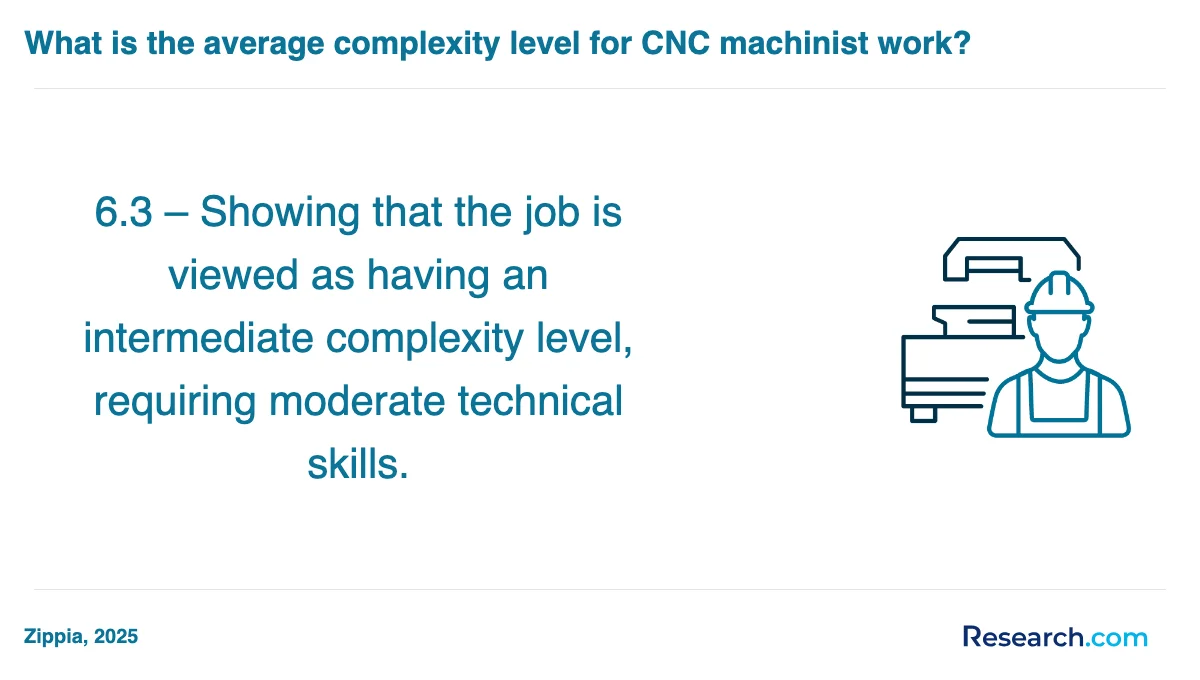
Students pursuing CNC machinist programs in Arizona often rely on federal financial aid to manage tuition costs. For example, many graduates from West-MEC's Precision Manufacturing Technician program share how completing the FAFSA opened doors to Pell Grants and subsidized loans, making their education affordable without overwhelming debt. Similarly, those attending Yavapai College's CNC Machining Certificate program benefit from FAFSA eligibility, easing the financial burden through federal grants and work-study options.
State and local funding also plays a crucial role. Arizona residents can access support through the Workforce Innovation and Opportunity Act (WIOA), which covers tuition for approved programs like Yavapai College's CNC certificate. Veterans appreciate that programs such as West-MEC's Precision Manufacturing accept GI Bill benefits, providing additional financial relief.
Many trade schools offer scholarships and flexible payment plans, which help students balance expenses. Graduates often mention how these options made it possible to focus on hands-on training without constant financial stress.
For non-credit or online courses, federal aid is limited, but alternative funding sources like workforce boards or school financing can help cover costs.
To enroll in a CNC machinist trade school program in Arizona, most schools expect applicants to meet a few straightforward prerequisites that prepare them for hands-on technical training. Typically, a high school diploma or GED is required, ensuring students have basic math and reading skills. Graduates often share that having a strong grasp of algebra and blueprint reading made the learning curve much smoother when they started.
Some Arizona trade schools also recommend or require:
- Basic computer skills, since CNC machines are computer-operated
- Mechanical aptitude or prior experience with tools, which boosts confidence in practical labs
- Passing a placement test or interview to assess readiness
For example, graduates from well-known Arizona trade schools recall how meeting these prerequisites helped them quickly adapt to classes focused on programming and machine setup. They felt prepared to tackle real-world machining challenges, turning their initial excitement into rewarding skills that employers value.
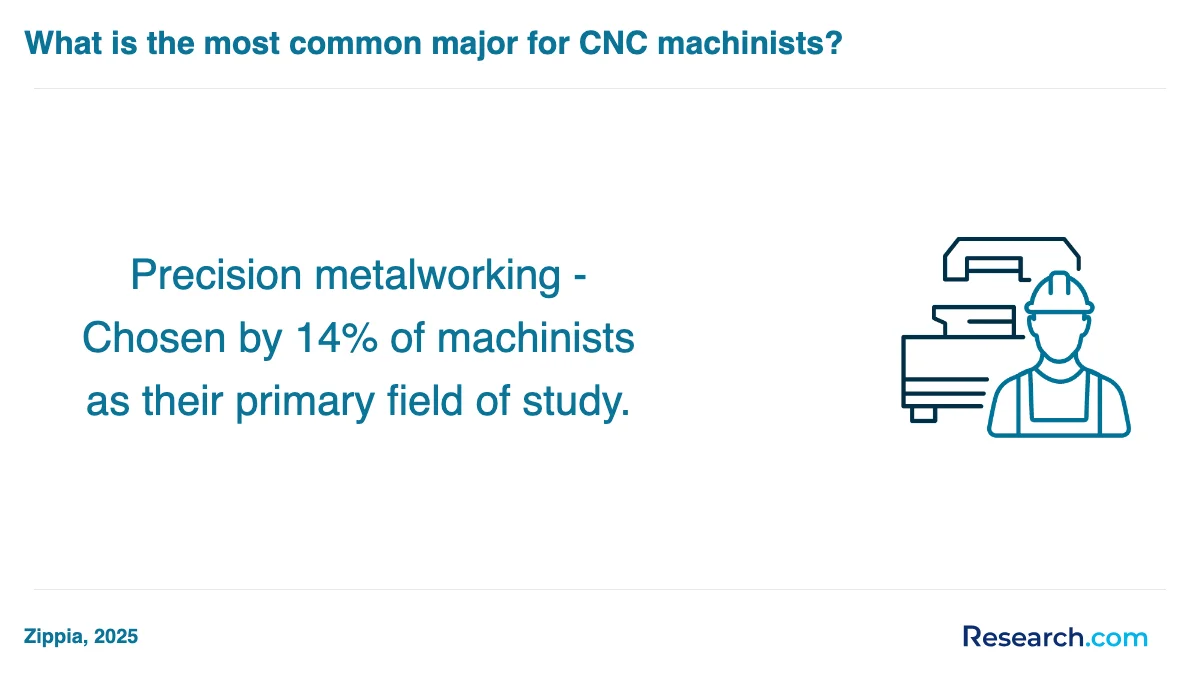
CNC machinist trade school programs in Arizona typically include a blend of hands-on and theoretical courses designed to prepare students for real-world manufacturing roles. Graduates from schools like Maricopa Community Colleges and West-MEC often highlight how foundational classes in machining fundamentals helped them confidently operate both manual and CNC machines, such as milling machines and lathes.
Key courses usually cover:
- Machining fundamentals focusing on machine setup and safety protocols, including OSHA 10-hour training to ensure workplace readiness
- CNC programming and operation where students learn blueprint reading, precision measurement, and step-by-step CNC machining
- Use of CAD (Computer-Aided Design) and CAM (Computer-Aided Manufacturing) software to transition from digital designs to physical parts
- Quality control techniques emphasizing defect detection, inspection methods, and manufacturing math
- Communication and teamwork skills vital for collaborative manufacturing environments
Arizona students often describe how these courses build practical skills that translate directly to high-demand jobs in aerospace and automotive industries, making the training both rewarding and career-focused.
CNC machinist training programs in Arizona typically include specializations that prepare students for hands-on roles in manufacturing settings. Graduates from West-MEC's Precision Manufacturing program, for example, come out confident in operating both manual and CNC machines, mastering blueprint reading, and using CAD/CAM software-skills essential for real-world machinist and quality control roles. Common specialization areas include:
- Manual and CNC machine operation for practical, day-to-day machining tasks
- Blueprint reading and technical documentation ensuring accurate project execution
- CAD/CAM software application to design and program machining work
- Precision measurement and quality control to meet industry standards
- Safety standards and best practices to maintain a secure work environment
Students at Arizona Western College benefit from training aligned with NIMS standards, while Maricopa Community Colleges focus on entry-level competency building through hands-on safety and inspection techniques. One graduate described feeling prepared to confidently handle complex machining projects immediately after completing their CNC machinist certification programs in Arizona. For those seeking flexible options, online courses like Coconino Community College's provide comprehensive coverage of CNC processes that fit busy schedules, making it easier to advance careers.
For a helpful list of cheap cnc machinist training courses online, consider exploring this cheap cnc machinist training courses online resource.
Choosing from the best CNC machinist programs in Arizona means prioritizing hands-on experience and accreditation. Graduates from schools like Grand Canyon University praise the strong emphasis on machine setup and operation, guided by expert instructors who bring real-world insights into the classroom. Smaller class sizes and up-to-date equipment prepare students to confidently handle CNC machinery upon graduation.
Look closely at top CNC machinist training schools in Arizona that offer flexible scheduling and shorter program lengths. Many students balancing work and study appreciate programs such as the one-semester certificate at Grand Canyon University, which fits into busy lives without sacrificing depth of learning.
Beyond training, financial aid can transform your educational journey. For example, Skill Up Arizona provides scholarships and apprenticeships, giving students both monetary support and valuable industry connections that ease entry into manufacturing careers. Additionally, exploring options like an affordable online certificate in woodworking can supplement your skillset and expand job prospects.

Graduates of CNC machinist trade school programs in Arizona find diverse career paths across industries such as aerospace, automotive, and medical device manufacturing. Entry-level roles often include CNC Machine Operator, Manual Machinist, and Quality Control Inspector, providing hands-on experience in fast-paced settings. Many graduates from popular Arizona trade schools report satisfaction working in metropolitan areas like Phoenix and Mesa, where over 270 CNC machinist positions are actively available.
With experience, career advancement frequently leads to positions like CNC Programmer, responsible for creating and optimizing machining codes, or Machine Maintenance Technician, ensuring equipment runs smoothly. Graduates pursuing CNC programmer jobs in Phoenix Arizona benefit from local demand and can leverage skills earned during training. Specialized roles in sectors such as rail transportation and electric power generation also offer promising opportunities.
Many students enhance their employability by obtaining NIMS certification during their studies. This additional credential can open doors to supervisory roles and training positions within companies. For those exploring educational options, consider the fastest online associate degrees that lead to high paying jobs, which complement hands-on skill development in trade schools.
The CNC machinist job market in Arizona is robust, with over 270 open positions as of mid-2025. Graduates from popular trade schools in Phoenix and Tucson often find opportunities with top employers like FM Industries and Northrop Grumman, who frequently offer sign-on bonuses. Many graduates share positive experiences transitioning quickly into roles such as CNC programmer or lathe operator, thanks to hands-on training that aligns with real manufacturing demands.
Salary prospects are encouraging, reflecting the competitive CNC machinist salary Arizona 2026 trends. For example, entry-level wages often start around $42,000 annually, while experienced machinists earn up to $69,000. Pay rates in metro areas can range from $20 to $35 hourly, with overtime, offering clear pathways for income growth as skills develop.
Trade school graduates appreciate the practical focus on operating advanced machinery and blueprint reading. The hands-on training prepares them to troubleshoot and maintain equipment across industries such as aerospace and automotive, where automation is expanding. Those looking for easy courses for good paying jobs will find CNC machinist programs in Arizona both accessible and rewarding.
Best CNC Machinist Training Programs & Trade Schools - Top CNC Schools in Arizona for 2026
# 1 position
Pima Community College - Computer Numerically Controlled (CNC) Machinist Technology/CNC Machinist.
certificate or diplomaPima Community College offers a hybrid Computer Numerically Controlled (CNC) Machinist Technology program that trains students to operate CNC machine tools, including lathes and mills. The curriculum covers CNC terminology, setup, programming, operations, troubleshooting, blueprint reading, machining, technical mathematics, computer literacy, CAD/CAM systems, safety practices, and relevant regulations. The program is accredited by the Higher Learning Commission. Annual in-state tuition is $2,370.
# 2 position
Yavapai College - Computer Numerically Controlled (CNC) Machinist Technology/CNC Machinist.
certificate or diplomaThe Computer Numerically Controlled (CNC) Machinist Technology program at Yavapai College prepares students to operate CNC machine tools, including lathes and mills, for machining tasks like cutting and drilling. The hybrid program includes training in CNC programming, setup, blueprint reading, CAD/CAM systems, and safety practices. Annual in-state tuition is $2,838. The program is accredited by the Higher Learning Commission.
Frequently Asked Questions about CNC machinist
After completing a CNC machinist trade school in Arizona, preparing for the job market involves several key steps. First, graduates should obtain industry-recognized certifications, such as those from the National Institute for Metalworking Skills (NIMS), which improve employability in Arizona's manufacturing sector. Networking is also vital; attending local job fairs and connecting with companies like Honeywell and Boeing, which have facilities in the state, can open job opportunities.
Internships or apprenticeships during or after training provide practical experience highly valued by employers. Additionally, staying updated on CNC technology trends and software is important, as Arizona's manufacturing industry increasingly integrates automation and advanced machinery.
According to the U.S. Bureau of Labor Statistics, Arizona's employment of machinists is projected to grow by 4% from 2022 to 2032, supporting steady demand for skilled professionals. Utilizing state workforce resources and career counseling services offered by trade schools can further enhance job placement chances.
Employers in Arizona seek CNC machinist graduates with strong technical skills, including proficiency in computer-aided manufacturing (CAM) software and the ability to read detailed blueprints accurately. According to the Arizona Office of Economic Opportunity, precision and attention to detail are critical due to the state's growing aerospace and manufacturing sectors.
Practical experience with CNC machines, such as mills and lathes, is highly valued. Familiarity with programming languages like G-code and M-code also enhances job prospects. Additionally, problem-solving skills and the ability to maintain machinery are important, as employers expect graduates to work independently and efficiently.
Soft skills such as teamwork, communication, and adherence to safety standards are essential. These complement technical competencies and improve workplace performance. The Arizona Department of Labor reports that employers prioritize candidates who can adapt to evolving technology and production demands.
Finding internships in Arizona related to CNC machinist trade school programs involves a combination of research and networking. Start by contacting the career services offices of trade schools and community colleges, as they often have partnerships with local manufacturers. According to the Arizona Commerce Authority, manufacturing is a key industry in the state, supporting hundreds of machining jobs annually.
Utilize online job platforms like Arizona@Work and Indeed, filtering for CNC machining internships. Local companies such as Honeywell Aerospace and Raytheon often offer internship opportunities, particularly in the Phoenix and Tucson areas. Additionally, joining professional organizations like the National Tooling and Machining Association can provide valuable connections to industry employers.
Obtaining a CNC machinist trade school diploma in Arizona significantly enhances career mobility and advancement opportunities. According to the Arizona Office of Economic Opportunity, CNC machinists are among the fastest-growing skilled trades, with a projected 10% job growth through 2030. A diploma provides practical skills in programming, operating, and maintaining CNC machinery, which employers value highly, often leading to higher starting wages and quicker promotions.
Graduates typically qualify for roles such as CNC operator, programmer, or setup technician, each offering pathways to supervisory or specialized technical positions. Industry certifications earned alongside the diploma further improve employability.
In Arizona's manufacturing hubs, diploma holders often experience wage increases averaging 15-20% compared to uncertified workers, according to the U.S. Bureau of Labor Statistics. This credential thus acts as a clear marker of expertise and commitment, facilitating social mobility and long-term career growth within the state's industrial sector.
Students enrolled in CNC machinist trade schools in Arizona can benefit from several part-time job opportunities that enhance their education. Positions such as machine operators, tool setters, and production assistants offer practical experience working with manufacturing equipment. These roles help develop skills in reading blueprints, operating CNC machines, and quality control.
According to the Arizona Office of Economic Opportunity, manufacturing jobs in the state are expected to grow by 4% between 2022 and 2032, providing ample opportunities for hands-on work.
Additionally, internships or apprenticeships with local machine shops or manufacturing companies provide valuable exposure to industry standards and workplace safety.
Such roles typically offer flexible hours compatible with schooling, allowing students to apply their technical knowledge while earning income.
To choose the best CNC Machinist degree program near you in Arizona, start by researching local community colleges and technical schools that offer specialized training in CNC machining. Consider factors like curriculum quality, hands-on training opportunities, and the availability of up-to-date equipment to ensure the program aligns with your career goals. For additional guidance, consult resources like Research.com to compare CNC Machinist programs and find one that fits your needs near Arizona.
- Best CNC Machinist Training Programs & Trade Schools - Top CNC Schools in Nevada for 2026
- Best CNC Machinist Training Programs & Trade Schools - Top CNC Schools in Utah for 2026
- Best CNC Machinist Training Programs & Trade Schools - Top CNC Schools in Colorado for 2026
- Best CNC Machinist Training Programs & Trade Schools - Top CNC Schools in Texas for 2026
- Best CNC Machinist Training Programs & Trade Schools - Top CNC Schools in Oklahoma for 2026
- Best CNC Machinist Training Programs & Trade Schools - Top CNC Schools in Idaho for 2026
- Best CNC Machinist Training Programs & Trade Schools - Top CNC Schools in Montana for 2026
- Best CNC Machinist Training Programs & Trade Schools - Top CNC Schools in Iowa for 2026
- Best CNC Machinist Training Programs & Trade Schools - Top CNC Schools in Minnesota for 2026
- Best CNC Machinist Training Programs & Trade Schools - Top CNC Schools in Wisconsin for 2026
- Best CNC Machinist Programs in Arizona | Learn How to Become https://toptradeschools.com/near-you/cnc-machinist/arizona/
- CNC Machining I | Maricopa Community Colleges https://www.maricopa.edu/degrees-certificates/applied-technology/cnc-machining-i-5100-ccl
- Computer Numerical Controlled (CNC) Machining Certificate Training Program - AZ Job Connection https://www.azjobconnection.gov/etp/public/institution_programs/21751
- Online CNC Machinist from Central Arizona College https://careertraining.centralaz.edu/training-programs/cnc-machinist/
- Coconino Community College - CNC Machinist https://www.coconino.edu/community-course/cnc-machinist
- Certificate of Completion in CNC Machining II | Programs & Degrees | Mesa Community College https://www.mesacc.edu/programs/map/cnc-machining-ii-ccl
- Access denied | Arizona Western College https://www.azwestern.edu/workforce-ed/az-quest-grant-programs/basic-machining-level-1-training
- Computer Numerical Control (CNC) Operator | Pima Community College, Tucson, Arizona https://www.pima.edu/academics-programs/degrees-certificates/industry-manuf-construction/machine-tool-tech/computer-numerical-control-op-cert/index.html
- 39 cnc machinist Jobs in Arizona | Randstad USA https://www.randstadusa.com/jobs/q-cnc-machinist/arizona/
- Cnc Machinist Jobs in Arizona | iHireManufacturing https://www.ihiremanufacturing.com/t-cnc-machinist-s-arizona-jobs.html


