
Best Automotive Technician Training Programs & Trade Schools - Top Automotive Technician Schools in Berlin for 2026

Co-Founder and Chief Data Scientist
Choosing the right automotive technician trade school in Berlin can shape your future career in the automotive industry. This article introduces a carefully crafted automotive technician trade school programs ranking developed by the Research.com team of data scientists to guide you toward the best options available.
By exploring these schools, you’ll discover programs that offer valuable skills and certifications, opening doors to rewarding job opportunities. Whether you’re starting fresh or advancing your expertise, this guide is designed to help you make an informed, confident decision for 2026 and beyond.
Key benefits of finishing automotive technician trade school in Berlin
- Graduates from automotive technician trade schools in Berlin can expect an average annual salary of around 16,800 EUR, with opportunities to earn more through specialization or experience.
- Career paths include roles as automotive technicians, vehicle diagnosticians, or electric vehicle specialists, offering diverse options for growth and job satisfaction.
- Completing the program online provides flexibility and faster entry into the workforce, as many online graduates report balancing study with work and gaining practical skills efficiently.
- Best Automotive Technician Training Programs & Trade Schools - Top Automotive Technician Schools in Berlin for 2026
- What can I expect from automotive technician trade schools in Berlin?
- Where can I work after finishing automotive technician trade schools in Berlin?
What can I expect from automotive technician trade schools in Berlin?
Students in automotive technician trade school programs in Berlin can expect a well-rounded education combining technical theory and hands-on training over about three years, typically structured in six semesters. Graduates from schools like the Berlin School of Applied Sciences (HTW) describe engaging deeply with subjects such as automotive safety, vehicle drives, electronics, and driving dynamics, which build a solid foundation in vehicle engineering.
Practical workshops complement classroom learning, allowing students to work directly on modern vehicle systems. Many appreciate the opportunity to participate in dual degree options or practical phases with international partners like the Chinese-German University of Applied Sciences in Shanghai, enhancing real-world experience and global career prospects.
Flexible study modes, including full-time and part-time options, accommodate diverse lifestyles. Students benefit from Berlin's central locations with easy public transport access and a welcoming environment for international learners. The absence of tuition fees at most public universities adds to the positive experience, enabling focus on skill development and industry connections within Germany's robust automotive sector.
Where can I work after finishing automotive technician trade schools in Berlin?
Graduates of automotive technician trade schools in Berlin often secure positions as car mechanics, service technicians, or tire technicians in both independent repair shops and large service centers. Many find rewarding roles at companies like Autohero, part of the AUTO1 Group, where they apply skills in mechanical repairs, diagnostics, and maintenance daily. These jobs provide hands-on experience with real vehicles, fostering confidence and technical growth.
Specialization opportunities include tire installation, brake repairs, and electrical system diagnostics, allowing graduates to tailor their careers to their interests. For example, tire technicians handle mounting, balancing, and safety inspections, often engaging directly with customers, which helps build strong communication skills.
Trade school graduates also benefit from connections to digital automotive platforms and large production centers around Berlin, which value practical training and usually require at least a year of experience. Many have reported excitement transitioning into roles supporting automotive innovation and business development, proving the versatility of their education.
Fluency in German or English and a valid driver's license are common requirements, but entry-level roles remain accessible, making trade schools in Berlin a solid pathway for starting an automotive career in a vibrant job market.
After finishing an automotive technician trade school program in Berlin, graduates typically earn around €30,521 per year, reflecting both their training and local job market demand. Those focusing on automotive electrical systems may see salaries near €22,420 annually, with entry-level roles starting at about €12,760 and experienced electricians earning up to €33,980. Popular trade schools in Berlin often highlight success stories of recent graduates quickly securing positions at dealerships or independent garages, where their skills are highly valued.
Many graduates share the excitement of landing their first jobs, knowing their hands-on experience from school gave them a competitive edge. While Berlin salaries for mechanics are generally lower than the national average of around €40,000, steady demand in the city's automotive sector offers reliable career growth. Factors like employer type, level of experience, and certifications significantly impact earnings, with advanced training opening doors to higher pay and specialized roles.
- Admission requires at least a secondary school certificate and involves both classroom learning and practical work at partner companies in Berlin.
- The typical program duration is three years, with some variation based on prior qualifications.
- Students earn a monthly training allowance between €800 and €1,100 during the apprenticeship.
- Tuition fees are usually low or free at public vocational schools, while private providers may charge lower fees than in the U.S.
- Starting salaries for new automotive technicians range from €2,200 to €2,800 monthly, with experienced technicians earning up to €4,000.
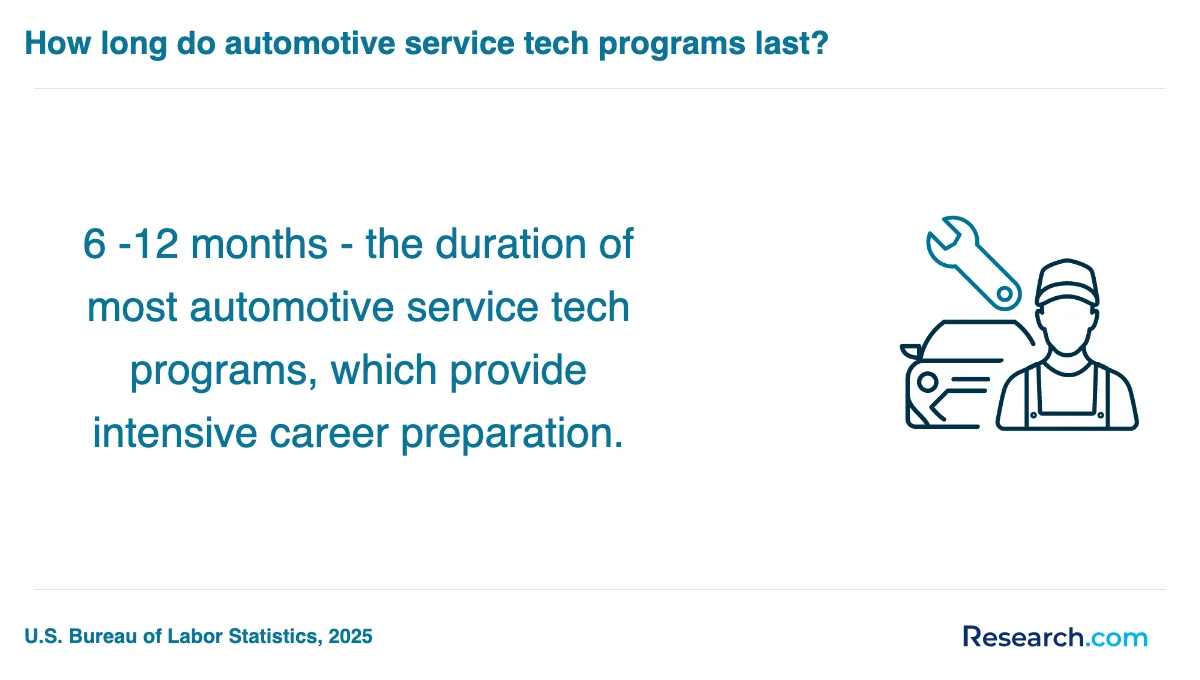
Completing an automotive technician trade school program in Berlin typically takes between 12 to 24 months, depending on the school and curriculum intensity. Many popular trade schools in Berlin offer flexible schedules, allowing students to accelerate their studies or extend them to balance work and personal commitments. Graduates often share that the 18-month programs strike the right balance, providing enough time to master both theoretical knowledge and hands-on skills without feeling rushed.
For example, students attending well-regarded Berlin trade schools report feeling motivated by the practical workshops that simulate real-world automotive repair scenarios. These immersive experiences help them gain confidence quickly, which is crucial when they enter the workforce.
Trade schools in Berlin emphasize applied learning, so students often describe their time in the program as engaging and rewarding rather than overwhelming. This approach helps maintain a positive mindset throughout the program's duration, enhancing overall satisfaction with the completion time.
The primary difference between online and on-campus automotive technician trade school programs in Berlin lies in the delivery of hands-on training. Graduates from on-campus programs, such as those offered at White Mountains Community College, emphasize the value of working directly with vehicles and diagnostic tools in a well-equipped lab. This immediate, tactile experience builds confidence and skill in ways digital platforms cannot replicate.
In Berlin, apprenticeship programs like Extra Care Auto Repair integrate paid, on-the-job training with classroom instruction, allowing students to learn alongside seasoned technicians. Graduates often highlight how this mentorship and real-world practice accelerated their understanding of complex mechanical systems and electronic diagnostics.
Online programs provide flexibility, allowing students to study theory at their own pace. However, most require practical lab sessions or internships at local facilities. Graduates appreciate this balance but note that the inability to fully replicate hands-on work online means in-person components remain essential for mastering automotive repair.
The average cost automotive technician trade school Berlin programs typically ranges between 5,000 and 25,000 US dollars. These tuition fees depend heavily on the program's length, depth, and the institution's reputation. Popular trade schools in Berlin offer comprehensive curricula that blend hands-on workshops with theoretical lessons, making the tuition fees a worthwhile investment for many graduates. These students often report feeling well-prepared and confident entering the workforce, underscoring the value they place on their education despite the upfront costs.
While considering automotive technician program tuition fees Berlin, it's important to factor in additional expenses such as toolkits, textbooks, and exam fees. Graduates commonly mention spending an extra 1,000 to 3,000 US dollars on these necessary materials. Furthermore, Berlin's dual education system allows students to balance classroom instruction with apprenticeships in local companies, which provides modest monthly earnings between 800 and 1,100 euros during their three-year training period, helping to offset living and education expenses.
Trade schools in Berlin are also mindful of students' financial concerns by offering numerous scholarships and state-funded support programs. Many graduates emphasize how such financial assistance eased their path to gaining skills in automotive technology. For those assessing if pursuing this career path is viable, exploring these opportunities is crucial.
For US students debating is it better to go to college or trade school, understanding the cost dynamics and student experiences at Berlin's trade schools provides valuable insight into making an informed choice.
Automotive technician students in Berlin often start by submitting the Free Application for Federal Student Aid (FAFSA), unlocking eligibility for federal loans, work-study, and grants. Graduates from popular Berlin trade schools report that Federal Pell Grants are especially valuable, providing up to $7,395 annually to help cover tuition and living costs. This non-repayable aid significantly eases financial stress during training.
Many Berlin schools also connect students with scholarships like the Ford Auto Tech Scholarship, which awards $5,000 for tuition, tools, and transportation. Graduates recall how this support made purchasing essential equipment manageable, allowing them to focus fully on their hands-on education.
Local partnerships add another layer of aid. For example, the apprenticeship program at Extra Care Auto Repair offers paid on-the-job training alongside tuition assistance, enabling students to earn income while gaining practical skills. This dual approach reduces debt and builds confidence.
Finally, graduates emphasize the importance of exploring private scholarships and industry grants, which are frequently updated on trade association websites, helping students find tailored funding opportunities aligned with their career goals.
To enroll in an automotive technician trade school program in Berlin, candidates typically need to meet several key prerequisites that ensure readiness for the hands-on and technical nature of the training.
Most Berlin-based schools require:
- A completed secondary education certificate, such as the German Hauptschulabschluss or an equivalent international diploma.
- Basic proficiency in German, since many courses are instructed in the local language, although some schools offer bilingual options.
- Strong foundational skills in mathematics and physics, which are essential for understanding vehicle mechanics and electronics.
- A genuine passion for automotive technology, often demonstrated through a motivational letter or prior experience with vehicle maintenance or internships.
Graduates from popular Berlin trade schools report that early exposure to practical workshops and internships helped them feel confident and excited about their studies. One graduate shared how entering with a clear interest in engines made the learning curve feel rewarding rather than overwhelming. These programs emphasize both theory and practice, so being prepared for hands-on work from day one is crucial.
Automotive technician trade school programs in Berlin typically include comprehensive coursework that equips students with both practical and theoretical skills needed in the field. Graduates from popular local programs like Extra Care Auto Repair emphasize the value of hands-on learning combined with formal classes through the Community College System of New Hampshire.
Core courses often cover:
- Function and structure of motor vehicles
- Accident repair techniques and vehicle damage assessment
- Bodywork repairs including dent removal and accessory installation
- Maintenance, testing, and adjustment of mechanical and electronic vehicle systems
Students appreciate how these courses simulate real-world scenarios, such as diagnosing complex engine issues or coordinating workflow for repairs. The curriculum also integrates essential skills in electronics, mechanics, metalworking, and safety procedures, reflecting the evolving demands of automotive technology.
Many graduates highlight how mastering these areas boosted their confidence in technical problem-solving and customer service-crucial for thriving in Berlin's competitive automotive industry.
Automotive technician trade schools in Berlin offer a range of specializations tailored to equip students with targeted skills. At the Oberstufenzentrum (OSZ) Kraftfahrzeugtechnik Berlin, graduates frequently highlight the depth of options that allow them to focus their training according to career goals. Typical program tracks include:
- Automotive Mechatronics Engineer with subfields such as commercial vehicle technology, passenger car technology, system and high-voltage technology, bodywork technology, and motorcycle technology.
- Two-Wheel Mechatronics Engineer focusing on motorcycles and bicycles, an area rich in hands-on opportunities for students passionate about two-wheelers.
- Bicycle Mechanic programs aimed at emerging bike maintenance and repair needs in urban Berlin.
Graduates often describe their experience as highly practical, with early foundational training followed by specialization as they progress. For example, students in the automotive mechatronics specialization find the combination of theoretical classes and workshop work especially motivating. This structure helps them build confidence in real-world diagnostics and repair, preparing them for careers in Berlin's competitive automotive sector.
Additionally, Berlin-based vocational training with companies like Mercedes-Benz complements these programs by offering real industry exposure, especially in system and high-voltage technology roles. US students studying here benefit from diverse pathways and a robust support system.
If you are considering extending your expertise through an automotive mechanic course online, Berlin's trade schools provide a solid foundation combined with dynamic specialization opportunities ideal for launching your career.
When selecting among the Beste Automobiltechniker-Handwerkschulen in Berlin, prioritize accreditation to ensure the program meets recognized industry standards. Graduates from well-established Berlin colleges often praise hands-on training opportunities, which provide practical experience with modern diagnostic tools and vehicle systems, boosting confidence for real-world automotive challenges.
Consider how the curriculum aligns with your career goals. Some trade schools offer specialized tracks in areas like electric vehicle repair or advanced diagnostics, reflecting the evolving automotive industry in Berlin. Alumni frequently highlight the value of experienced faculty who bring industry insights, making the learning process engaging and relevant.
Location is also key-Berlin's urban setting offers accessibility and vibrant career placement services, as many students report successful employment connections through internships and job fairs. Cost is a significant factor; explore options such as cheap online online diesel mechanic training programs for supplemental education that can reduce expenses.
Ultimately, your choice hinges on the Auswahl des besten Automobiltechniker-Programms in Berlin that merges practical training, expert mentorship, and accessible support services to set a solid foundation for your future.

Graduates of automotive technician trade school programs in Berlin often find a variety of rewarding automotive technician jobs in Berlin. Entry-level roles typically include car mechanic, service technician, and diagnostics technician positions. For example, many graduates from popular Berlin trade schools share how hands-on training prepared them to confidently perform repairs, replace brake components, and carry out routine maintenance in real workshop settings. This practical background makes it easier to secure jobs with companies like AUTO1 Group, which value both mechanical skills and familiarity with vehicle electronics.
Career advancement pathways often lead to specialized roles such as diagnostics technician or mechatronics technician. Graduates describe how their experience with advanced diagnostic tools-taught in their programs-enabled them to excel at troubleshooting complex electromechanical systems, a crucial skill in Berlin's evolving automotive industry. Those with additional training can also explore careers as car appraisers or supervisors.
Trade school alumni highlight the advantage of the city's English-speaking job market and the demand for candidates with driving licenses and relevant experience. Many also transition into related fields like parts procurement or digital design engineering for automotive systems, facilitated by connections through coursework like the automotive degree.
Berlin's automotive mechanic career paths Berlin offer dynamic opportunities that blend traditional repair work with cutting-edge technology, motivating graduates to envision long-term, versatile careers in the sector.
The job market for automotive technician trade school graduates in Berlin shows strong promise due to steady demand and competitive salaries. Graduates often report entering positions with average annual salaries around 16,800 EUR, reflecting Berlin's healthy automotive service sector. This salary situates Berlin favorably within Germany, trailing slightly behind Hamburg's leading figure.
The city's broad network of dealerships, repair shops, and public transit maintenance facilities creates diverse automotive technician job opportunities in Berlin, rewarding skilled graduates with:
- Opportunities to work on modern vehicles, including electric and hybrid models
- Access to advanced diagnostic equipment, enhancing practical experience
- Support of labor unions advocating better wages and conditions
Graduates from top trade schools in Berlin frequently share positive experiences, citing clear paths for advancement through specialized training. Many leverage industry connections forged during training to secure positions with competitive pay and growth potential. In fact, exploring additional educational options through trade schools online can further boost skill sets and employability.
Berlin automotive technician salary and demand reflect the city's economic vitality and tech evolution, making it an attractive location for those aiming to build lasting careers in this field.
Best Automotive Technician Training Programs & Trade Schools - Top Automotive Technician Schools in Berlin for 2026
# 1 position
White Mountains Community College - Automobile/Automotive Mechanics Technology/Technician.
associateWhite Mountains Community College offers a hybrid program in Automobile/Automotive Mechanics Technology/Technician. The curriculum covers brake systems, electrical systems, engine performance and repair, suspension and steering, transmissions, drive trains, and heating and air conditioning systems. The annual in-state tuition is $7,050. The program is accredited by the New England Commission on Higher Education, providing students with technical skills for automotive repair and maintenance.
# 2 position
White Mountains Community College - Automobile/Automotive Mechanics Technology/Technician.
certificate or diplomaWhite Mountains Community College offers a hybrid program in Automobile/Automotive Mechanics Technology/Technician, preparing students to repair, service, and maintain various automobile systems. The curriculum covers brake systems, electrical systems, engine performance and repair, suspension and steering, transmissions, and heating and air conditioning. Annual in-state tuition is $7,050. The program is accredited by the New England Commission on Higher Education.
Frequently Asked Questions about automotive technician
After completing an automotive technician trade school in Berlin, preparing for the job market involves several key steps. Graduates should focus on building practical experience through internships or apprenticeships, which are highly valued by employers in the automotive industry. According to the German Federal Employment Agency, nearly 75% of automotive technicians find employment within six months of graduation when they have relevant hands-on experience.
Additionally, obtaining certifications like the ASE (Automotive Service Excellence) can enhance job prospects, especially for those aiming to work with American or international car manufacturers. Networking through job fairs and industry events in Berlin also helps graduates connect with potential employers.
Polishing soft skills such as communication and problem-solving further increases employability, as many automotive service roles require customer interaction. Staying updated with the latest automotive technologies, including electric and hybrid vehicles, is crucial due to the evolving nature of the industry.
Employers in Berlin seeking automotive technician trade school graduates prioritize a mix of technical expertise and practical skills. According to the latest data from the German Federal Employment Agency, proficiency in electronic diagnostics and computer-based vehicle systems is essential, as modern vehicles increasingly rely on complex software.
Hands-on experience with engine repair, brake systems, and transmission maintenance remains a core requirement. Additionally, strong problem-solving abilities and attention to detail are highly valued to ensure accurate troubleshooting and repairs.
Effective communication skills are also important, as technicians often explain issues and solutions to customers. Familiarity with safety regulations and environmental standards in Germany is crucial for compliance and workplace safety.
Finding internships in Berlin related to automotive technician trade school programs involves a strategic approach. Start by contacting local vocational schools and trade institutions, as many have partnerships with Berlin-based automotive companies. The Berlin Chamber of Industry and Commerce (IHK Berlin) offers resources and listings for apprenticeship and internship opportunities in the automotive sector.
Online job portals like StepStone and Indeed often feature internships for automotive technicians in Berlin. Networking at industry events or trade fairs, such as the International Motor Show (IAA), can also connect you with potential employers.
Statistics from IHK Berlin indicate that over 60% of automotive technician apprenticeships in Berlin lead to internships, reflecting strong industry ties.
In Berlin, obtaining a diploma from an automotive technician trade school significantly enhances career mobility and advancement opportunities. According to the German Federal Employment Agency, graduates with formal vocational qualifications in automotive technology see a 20% higher employment rate compared to those without such credentials. This diploma validates practical skills sought by employers in Berlin's competitive automotive sector, facilitating entry into specialized roles.
Additionally, trade school graduates often experience faster wage growth. Data from the Berlin Chamber of Commerce indicates that certified automotive technicians earn on average 15% more after five years compared to peers without formal training. The diploma also opens pathways to supervisory or technical specialist positions within dealerships and repair shops.
Overall, this credential acts as a key stepping stone for professional development and upward mobility in Berlin's automotive industry.
Part-time job opportunities in Berlin that complement automotive technician trade school education often include roles such as automotive service assistant, parts clerk, or tire technician. These positions provide practical experience with vehicle maintenance and repair processes, reinforcing classroom knowledge. According to the German Federal Employment Agency, the automotive sector in Berlin continues to grow, with a 3% increase in demand for skilled technicians in 2023.
Many students find employment at local garages or dealerships, where they assist certified technicians and learn hands-on skills. Additionally, jobs in automotive retail stores help students understand parts inventory and customer service. Such roles typically offer flexible hours to accommodate class schedules and pay between €10 and €15 per hour, based on recent labor market reports.
To choose the best Automotive Technician degree program near you in Berlin, NH, consider factors such as curriculum comprehensiveness, faculty expertise, and available facilities. Programs and universities are known to be available that focus on both theoretical knowledge and hands-on training, offering diverse paths for specialization. Researching resources such as Research.com can provide detailed insights into automotive programs near Berlin, NH, helping you make an informed decision.
- OSZ Kraftfahrzeugtechnik Berlin https://www.oszkfz.de/en
- Volkswagen https://www.volkswagen-karriere.de/en/entry-opportunities/pupils/training.html
- Motor vehicle service mechanic https://www.dqr.de/dqr/shareddocs/qualifikationen-neu/en/Motor-vehicle-service-mechanic.html
- Vocational Training https://www.porsche-leipzig.com/en/jobs-career/your-way-to-porsche/vocational-training
- Automotive Engineering in Germany: 2025 Short Courses Guide | ShortCoursesportal https://www.shortcoursesportal.com/study-options/268615930/automotive-engineering-germany.html
- Automotive Mechanic Trade School | Sheridan Technical College https://www.sheridantechnicalcollege.edu/automotive-technology/
- Automotive Technician | Clover Park Technical College https://www.cptc.edu/programs/auto-tech
- Automotive Technology Program https://gwinnetttech.edu/automotive/
- Find an Auto Mechanic School | Training & Industry Details https://www.trade-schools.net/trades/automotive-mechanic
- Online Auto Mechanic School | Penn Foster https://www.pennfoster.edu/programs/automotive/auto-repair-career-diploma


