2027 Most Valuable Supply Chain Management Degree Programs Ranking in Texas

Co-Founder and Chief Data Scientist
Choosing the right supply chain management degree program can shape your future career in Texas. To help you navigate your options, this article features the 2027 Most Valuable Supply Chain Management Degree Programs Ranking in Texas, developed by the Research.com team of data scientists.
By exploring this ranking, you'll gain valuable insights into programs that offer strong returns on your educational investment. Whether you're starting fresh or considering a new path, a degree in supply chain management opens doors to rewarding opportunities.
Reading this guide will empower you to make an informed decision that aligns with your goals and aspirations.
Key benefits of getting supply chain management degree in Texas
- Salary: Graduates in Texas can expect strong earnings, with roles like Logistics Analyst and Supply Chain Planner offering mean annual wages around $84,640 and hourly wages near $40.69, highlighting excellent earning potential.
- Career paths: Supply chain management degrees open doors to diverse positions such as Procurement Specialist, Inventory Control Specialist, and Transportation Analyst, providing a dynamic and rewarding career journey.
- Online degree benefits: Earning a supply chain management degree online in Texas offers flexibility and convenience, allowing students to balance work and study effectively, as demonstrated by graduates from popular Texas universities embracing this modern learning approach.
- 2027 Most Valuable Supply Chain Management Degree Programs Ranking in Texas
- What can I expect from supply chain management degree in Texas?
- Where can I work with supply chain management degree in Texas?
What can I expect from supply chain management degree in Texas?
The average cost of pursuing a supply chain management degree in Texas varies quite a bit depending on the institution, but students often find it to be a worthwhile investment given the state's booming logistics sector. At popular universities and colleges known for these programs, tuition for a bachelor's degree typically ranges between $10,000 and $30,000 per year for in-state students. Graduates from these programs often recall the sense of excitement balancing studies with internships at Houston's ports or Dallas manufacturing hubs, where classroom lessons on demand forecasting and transportation management came alive.
Many emphasize that, beyond tuition, the value of hands-on experiences and networking opportunities with local industries in Texas helps justify the cost. These real-world connections often lead to strong job placements with starting salaries between $55,000 and $70,000, easing concerns about upfront expenses. Flexible certifications and specialized tracks available at Texas schools also add layers of affordability by letting students tailor costs to their ambitions.
Where can I work with supply chain management degree in Texas?
Graduates from supply chain management programs at Texas A&M or the University of Texas often find themselves diving into dynamic roles across the Lone Star State's bustling industries. Imagine stepping into a Houston-based aerospace firm, collaborating on inventory strategies that keep rockets ready for launch or fine-tuning supply lines at Texas Instruments' Dallas facilities, where your decisions help power the tech that shapes our world.
Many alumni share how retail giants like Walmart or Amazon in Texas provided the perfect playground to master logistics, coordinating the seamless flow of goods from warehouses to doorsteps. These opportunities fuel a sense of achievement, turning classroom theories into real-world problem-solving adventures.
Others venture into the vast energy sector, where companies like ExxonMobil challenge them to innovate procurement processes amidst the rugged oil fields. Meanwhile, the sprawling Texas Medical Center invites supply chain leaders to ensure critical medical supplies arrive just in time, saving lives and making an impact every day.
Studying supply chain management in Texas is not just about earning a degree-it's about exploring a landscape rich with possibilities where you can reinvent industries and chart your own exciting career path.
Graduates from supply chain management programs at Texas institutions like Texas A&M and UT Dallas often find themselves stepping into roles that offer exciting financial opportunities right away. For instance, becoming a logistics analyst typically brings a mean annual wage around $84,640, while supply chain planners earn similarly, about $84,640 a year. This strong starting point lets recent grads feel confident as they dive into the dynamic Texas logistics landscape.
Those who embark on procurement specialist careers might expect a mean wage near $47,940 annually, a solid foundation to build on while navigating industries from oil to tech in Houston or Austin. Inventory control specialists earn about $42,730, a role where attention to detail can translate into rewarding career growth within Texas' bustling supply networks.
One can imagine a recent Texas graduate excitedly accepting a transportation analyst position offering around $46,690 a year, ready to transform raw data into smooth operations across major Texas hubs. These figures reflect the adventurous spirit of supply chain graduates who see their degrees as passports to thriving, well-paying careers.
- Texas universities offer bachelor's and master's degrees in supply chain management, often within business or engineering schools.
- In-state tuition for bachelor's degrees at public universities ranges from $10,000 to $15,000 per year, while private schools may charge over $30,000 annually.
- Graduate programs cost between $15,000 and $40,000 in total, depending on the school's prestige and program length.
- Entry-level supply chain management salaries average around $60,000 per year, with mid-career salaries ranging from $85,000 to $110,000 annually.
- The job outlook is positive, with growth driven by e-commerce and energy sectors, offering roles like analysts, managers, and coordinators.
- Many programs provide internships, partnerships with businesses, and flexible learning options such as online or evening classes.
Imagine diving into a Bachelor's degree in supply chain management at a vibrant Texas university, such as the University of Texas at Austin or Texas A&M, where most graduates find themselves immersed for about four full years. This journey feels like navigating a detailed map-each semester revealing new logistics challenges and operations puzzles. Some adventurous students opt for accelerated paths, finishing in as little as three years, eager to jumpstart their careers in bustling Texas logistics hubs.
For those craving deeper mastery, the Master's degree adventure typically spans 1 to 2 years. Many graduates recall balancing their studies with work through flexible, part-time graduate programs offered at institutions around Houston or Dallas. These programs craft leaders who thrive in managing complex supply chains across Texas' sprawling ports and transport networks.
The surge of online and hybrid learning formats also echoes the dynamic Texas landscape, allowing many to mix study with life's unpredictability. Students often feel empowered, knowing their degree timeline can flex while still keeping them on track to meet Texas's growing industry demands.
Texas universities not only provide rigorous academic programs in Supply Chain Management but also foster a vibrant student life that enhances personal and professional growth. Prospective students can look forward to an array of extracurricular activities-from industry-specific clubs and professional networking events to student-led initiatives and career fairs-that enrich the overall educational journey. Campuses in Texas often serve as hubs for innovation and collaboration, offering state-of-the-art facilities, mentorship programs, and co-curricular experiences that prepare graduates for real-world challenges. Students benefit from supportive community environments where peer connections and faculty guidance play a crucial role in academic and personal development. Many institutions also host workshops, guest lectures, and interactive sessions with industry experts, helping students build the soft skills necessary for effective leadership and teamwork. For those eager to balance quality education with value, discovering an affordable supply chain management school in texas can be an excellent starting point that combines academic excellence with a rich campus culture. Moreover, engaging in campus life not only bolsters resumes but also creates long-lasting networks that can lead to internship opportunities, collaborative projects, and career advancements post-graduation. Overall, the holistic experience offered by these programs ensures that students are well-equipped to navigate both professional and personal challenges in their careers.
Choosing between an online or on-campus supply chain management degree in Texas sparks an exciting adventure in itself. Imagine walking the busy halls of Texas A&M or the University of Texas at Austin, where graduates recall hands-on internships with local industry giants-a true gateway into Texas's booming logistics scene. The energy of face-to-face networking events and access to on-campus labs often makes these traditional programs feel like an immersive journey.
On the flip side, online programs bring a different kind of freedom. Graduates cherish the flexibility to study from home or anywhere in Texas, juggling work and family while progressing at their own pace. Many found this path cost-saving, with lower tuition and fewer campus fees, making the dream of a supply chain degree more accessible.
Both paths meet rigorous accreditation standards, giving you a credential respected across industries. Whether it's the vibrancy of campus life or the convenience of online learning, Texas offers rich options tailored for your unique story and ambitions.
Exploring the average cost supply chain management degree Texas reveals a lively spectrum of tuition fees shaped by institution type and residency status. For many students at popular public universities such as Texas A&M or the University of Texas, the median in-state total tuition is about $13,154, which provides quite an accessible entry point for ambitious locals. Graduates often share how this affordability paired with strong programs fueled their excitement to dive into the complexities of logistics and operations management without overwhelming debt.
Out-of-state students, however, may face a median total cost around $52,304, doubling the financial commitment but gaining access to Texas's renowned educational offerings in supply chain management. Graduates from these programs frequently emphasize the transformative experiences that justified the investment, from hands-on projects with leading supply firms to networking events opened up by prestigious campuses.
For those seeking alternatives, many Texas community colleges offer shorter, budget-friendly paths, and it's easy to see why cost-conscious learners explore these routes to quickly build practical skills. Whether choosing a four-year degree or an associate program, understanding the typical Texas supply chain management degree tuition fees helps set realistic expectations and encourages students to embark on their educational journeys with enthusiasm.
And if your curiosity extends beyond traditional supply chain studies, you might want to check out online business management bachelor's programs that often complement supply chain expertise and fit diverse learning styles and schedules.

When diving into a supply chain management degree in Texas, financial aid can feel like discovering hidden treasures. Graduates from Texas A&M and the University of Texas at Austin often share how filling out the FAFSA opened doors to vital federal aid-grants, loans, and work-study-that made their academic journey smoother. Imagine receiving a Pell Grant of up to $7,395 a year, significantly easing the burden of tuition at these top schools.
Beyond federal aid, Texas offers its own gems like the Texas Grant, which supports local students attending public universities. Many alumni recall the excitement of earning merit-based scholarships recognizing their leadership and passion for supply chain fields, turning hard work into real dollars for tuition.
- Industry scholarships and partnerships, such as those from the Council of Supply Chain Management Professionals Texas Roundtable, provide valuable financial boosts and internship opportunities.
- Federal student loans with fixed interest rates and income-driven repayment plans often serve as the safest borrowing path.
- Work-study jobs tied to Texas's bustling logistics sector let students earn while gaining hands-on experience.
Diving into supply chain management degrees in Texas means gearing up with a few key prerequisites that open the door to exciting opportunities. Imagine a student at a popular public university in Texas, feeling the thrill of meeting the minimum GPA of around 2.5 to 3.0, knowing this achievement brings them closer to a program that blends quantitative skills with real-world logistics challenges.
Many undergraduates recall the moment they completed the Texas Success Initiative, proving their strength in reading, writing, and math-essential tools for mastering supply chain puzzles. Some also embraced foundational courses like statistics or accounting, which helped make sense of complex data and planning scenarios they encounter at colleges famous for their business programs.
For those venturing into graduate studies, having a bachelor's degree-often in business or engineering-feels like carrying a trusted compass. Experiences submitting GMAT or GRE scores, or leveraging industry work experience, shape a path that graduates describe as both challenging and deeply rewarding in Texas's vibrant economic landscape.
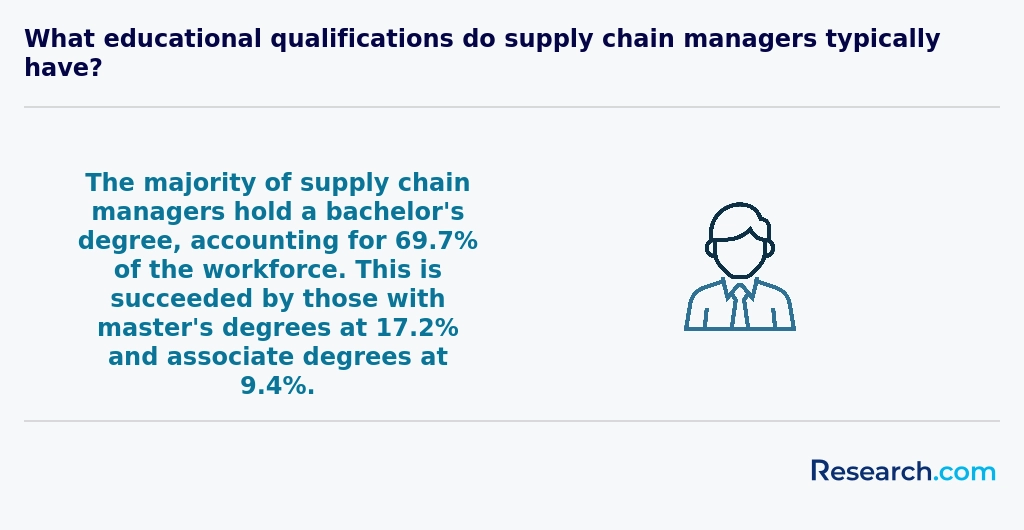
Imagine diving into courses that unravel the mysteries behind how products move from factory floors to your doorstep-this is exactly what supply chain management degrees in Texas offer. At universities with strong programs, graduates describe their adventures through core courses like Introduction to Supply Chain Management, where they first grasp the exciting flow of goods and services. Next comes Operations Management, unlocking the secrets of efficiency in bustling production lines found in Texas's manufacturing hubs.
Courses in Logistics and Transportation are like a treasure map showing how Texas ports and highways keep America's commerce moving, making learning feel instantly relevant. Procurement and Supplier Management teach students the art of negotiating and building relationships-skills grads recall using during internships with local energy companies. Inventory Management and Supply Chain Analytics bring data to life, turning numbers into smart decisions, while Project Management equips students to lead complex tasks confidently.
Studying these courses in Texas isn't just academic; it's a hands-on journey through industries that power the Lone Star State and beyond, making education feel like a real-world expedition.

Diving into supply chain management specializations Texas universities offer reveals a dynamic world of choices tailored for adventure-driven learners. Imagine mastering Logistics and Transportation Management while engaging with Houston's bustling port operations, or sharpening skills in Procurement and Purchasing by collaborating with Dallas-based manufacturers. Graduates from institutions like Texas A&M describe the thrill of navigating supplier negotiations, a vital edge in the Lone Star State's thriving industries.
Some students find excitement in Operations and Production Management, optimizing processes amid Austin's rapidly expanding tech and manufacturing sectors. Meanwhile, those drawn to data-driven journeys dive into Supply Chain Analytics, transforming raw numbers into strategic decisions to power Texas businesses forward. The Global Supply Chain Management route offers eye-opening perspectives on cross-border trade, a nod to Texas' extensive ties with Mexico and Latin America.
For students balancing work and study, exploring options like part-time MBA programs California helps connect broader business insights with local supply chain expertise, enriching their Texas degree focus areas.
When choosing the best supply chain management degree in Texas, diving into the details of each program's curriculum is an exciting starting point. Graduates from Texas A&M University often share how courses blending logistics, operations, and emerging tech like AI felt like stepping into the future of supply chains. Meanwhile, students from the University of Texas at Austin highlight how hands-on internships with local energy and manufacturing giants brought theory to life, making their learning deeply practical and engaging.
Don't overlook the vibe and size of the school; some adventurous students thrive in bustling Dallas or Houston campuses where supply chain hubs abound, while others value smaller programs that offer close-knit mentorship. Considering cost can also unlock new possibilities-explore options for an affordable supply chain management degrees in Texas, weighing tuition against internships and salary potential. For example, this affordable supply chain management school in texas can serve as a great resource.
Graduates with a supply chain management degree in Texas step into a thrilling world of career possibilities that stretch far and wide. From becoming a savvy logistics coordinator orchestrating the flow of goods through bustling Houston ports to managing procurement for booming tech companies in Austin, the options are as diverse as the state itself. Many find themselves advancing to strategic roles like operations manager or supply chain director, shaping entire networks and driving innovations. Stories from graduates of top Texas universities reveal hands-on experiences with major players like Amazon and Southwest Airlines, turning classroom theory into real-world adventure.
Those exploring supply chain management career opportunities in Texas appreciate how this field blends analytics, strategy, and leadership amidst a backdrop of dynamic industries. It's a playground for curious minds eager to optimize complex systems. Texans aiming high often tap into an energetic job market fueled by the state's vast transportation infrastructure and growing demand for experts who can streamline supply chains effectively.
For those considering Texas supply chain degree job prospects, it's exciting to know that the state's educational programs are closely connected with industry leaders, unlocking internships and networking gateways. Pursuing this path means joining a community on the cutting edge of commerce and innovation, where every day brings new challenges and rewards.
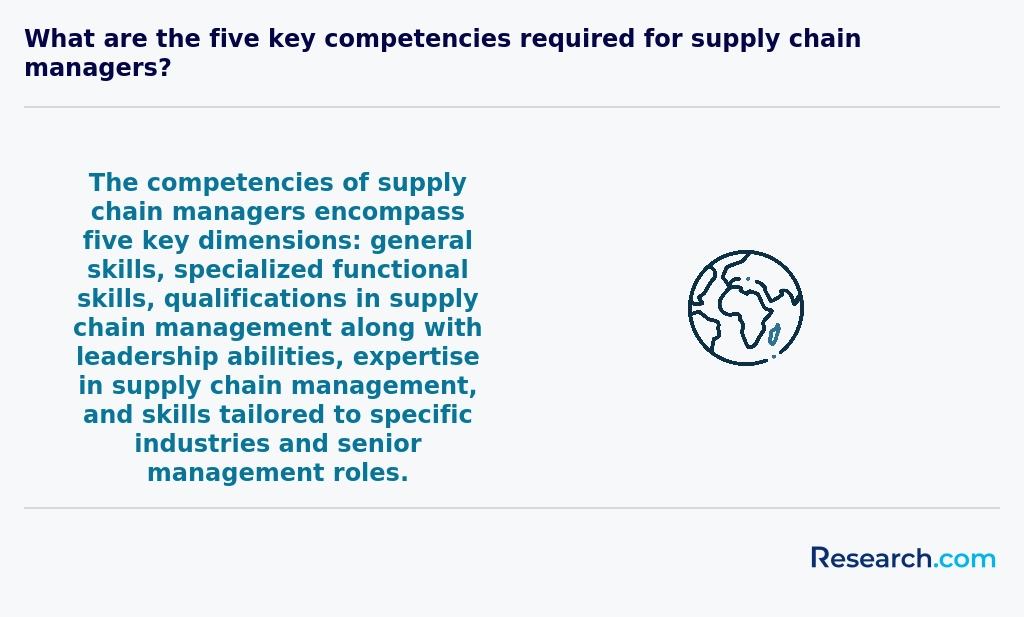
The job market for supply chain management degree graduates in Texas is vibrant and dynamic, fueled by the state's strategic position as a logistics powerhouse. Those who have graduated from well-known programs at Texas universities often share stories of landing roles swiftly within major companies that power the Dallas-Fort Worth and Houston metropolitan areas. These graduates find themselves navigating bustling ports and intricate manufacturing lines, directly contributing to thriving industries. Exploring Texas supply chain management career opportunities means stepping into a field that actively values skills in data analytics and software like SAP, often honed during hands-on university projects.
Texas's job outlook for supply chain management graduates is especially exciting for students because tuition costs at its public universities generally stay between $10,000 and $25,000 annually, making it an attractive investment. This affordability pairs well with the state's strong growth in logistics jobs and competitive salaries, encouraging many eager students to dive deep into the field. To see details on related educational paths, you might explore anchors part-time Ph.D. in economics.
Supply chain management job outlook Texas reflects a future where graduates can confidently build careers amid expanding industries. Graduates from popular institutions across Texas often speak about the thrill of engaging with real-world challenges right after finishing their degrees. This hands-on experience, combined with certifications like Certified Supply Chain Professional (CSCP), opens doors across the state's sprawling network of supply chains.
2027 Most Valuable Supply Chain Management Degree Programs Ranking in Texas
Investing in your education is a significant decision that can shape your future, and the Research.com team understands the importance of making informed choices. To assist prospective students, we have meticulously crafted the "2027 Most Valuable Supply Chain Management Degree Programs Ranking in Texas." Our commitment to quality, credibility, and accuracy is reflected in the extensive research and analysis conducted to compile this ranking.
We utilized the following reputable data sources to ensure a comprehensive evaluation of supply chain management programs:
By exploring this ranking, readers will gain valuable insights into the most valuable supply chain management degree programs in Texas, empowering them to make well-informed decisions about their education and career paths. For more details on how this ranking was created, please visit our Research.com methodology page.
# 1 position
Texas A&M University-College Station
Bachelor of Business Administration in Supply Chain Management


Frequently Asked Questions About supply chain management
Supply chain management degree students in Texas can maximize their learning by combining classroom theory with real-world experience. Texas hosts many global logistics hubs, such as Houston and Dallas, offering internships and cooperative education opportunities that provide practical skills.
Engaging with industry events and networking through organizations like the Council of Supply Chain Management Professionals (CSCMP) Texas Roundtable helps students stay current with trends and build professional connections. Additionally, students should consider certifications, such as APICS's Certified Supply Chain Professional (CSCP), to enhance their resumes.
Utilizing resources at Texas universities, including research centers focused on logistics, also supports deeper understanding and career readiness.
Emerging niches in supply chain management are rapidly transforming the field, especially in Texas, a key hub for logistics and trade. One important area is sustainable supply chain management, where companies focus on reducing environmental impact. According to the Texas A&M Transportation Institute, this niche has grown as businesses adapt to stricter regulations and customer demand for eco-friendly practices.
Another fast-growing specialty is digital supply chain analytics. Texas universities increasingly offer courses on using big data and artificial intelligence to optimize operations. The demand for professionals skilled in advanced analytics is expected to grow by over 20% through 2030, according to projections from the U.S. Bureau of Labor Statistics.
Additionally, e-commerce logistics is gaining prominence. Texas's large population and strategic ports make this sector crucial, creating opportunities for supply chain experts who can manage rapid delivery and inventory challenges.
After completing a supply chain management degree in Texas, preparing for the job market involves several key steps. First, gaining practical experience through internships is crucial, as Texas hosts many logistics hubs, especially in Houston and Dallas, offering abundant internship opportunities. According to the Texas Workforce Commission, employment in logistics and supply chain roles is expected to grow 8% by 2030, highlighting strong demand.
Networking is also vital; joining professional organizations such as the Council of Supply Chain Management Professionals (CSCMP) Texas Roundtable can open doors. Additionally, pursuing certifications like the APICS Certified Supply Chain Professional (CSCP) can improve job prospects significantly.
Finally, developing skills in data analytics and technology tools like ERP systems aligns with employer needs in Texas's competitive market.
Employers in Texas highly value supply chain management graduates who demonstrate strong analytical and problem-solving skills. According to the Texas Workforce Commission, the ability to analyze data and optimize logistics is critical in this sector, especially given Texas's role as a major transportation and distribution hub.
Communication and teamwork are also essential. Graduates must effectively collaborate across departments and with external partners to manage complex supply chains. Additionally, proficiency in technology and software systems such as ERP tools is frequently requested by Texas employers.
Finally, knowledge of compliance regulations and risk management is important due to the state's significant involvement in international trade and manufacturing industries.
Finding internships in Texas related to supply chain management involves targeting companies with strong logistics and manufacturing operations. Texas hosts major corporations like Dell, Toyota, and Sysco, known for offering internships that provide hands-on supply chain experience. Use university career centers, which often partner with regional businesses to connect students with internship opportunities. Networking through professional associations such as the Council of Supply Chain Management Professionals (CSCMP) Texas Roundtable can also uncover hidden opportunities.
Online job platforms like Handshake and LinkedIn list numerous internships specific to Texas cities, including Houston and Dallas. According to the Texas Workforce Commission, supply chain jobs in Texas are projected to grow by 11% from 2022 to 2032, increasing internship availability. Early application and tailored resumes emphasizing relevant coursework improve prospects for securing these positions.
A supply chain management degree significantly enhances career mobility and advancement prospects in Texas, a state with a booming logistics and manufacturing sector. Graduates often find themselves qualified for a broad range of roles, from procurement to operations management, benefiting from Texas's extensive transportation networks and major ports.
According to the Texas Workforce Commission, employment in supply chain-related occupations is projected to grow by 7% through 2028, outpacing national averages. This trend creates strong demand for skilled professionals with formal education in supply chain management.
Individuals with this degree earn higher salaries on average, with median wages around $75,000 annually in Texas, as reported by the U.S. Bureau of Labor Statistics. Employers value graduates' ability to optimize processes, reduce costs, and manage complex supply chains, thus facilitating faster promotions and geographic flexibility within the state's diverse industries.
Studying supply chain management in Texas equips students with skills that bridge multiple disciplines such as logistics, finance, information technology, and operations. Texas universities design these programs to include coursework in business analytics, procurement strategies, and transportation management, enhancing students' ability to work across different industrial sectors.
Given Texas's role as a national logistics hub, with over $400 billion in goods moved annually through its ports and highways (Texas Department of Transportation), students gain practical insights relevant to diverse industries. This exposure strengthens their capability to adapt in roles requiring knowledge of both supply chains and complementary areas like marketing or data science.
Additionally, many Texas institutions collaborate with local industries, offering internships that foster real-world problem solving. This interdisciplinary approach prepares graduates to manage supply chains holistically - combining technical proficiency with strategic decision-making.
Choosing between a thesis and a non-thesis supply chain management degree in Texas depends on your career goals and learning preferences. A thesis option typically suits students interested in research or pursuing a PhD later. It involves conducting original research and writing a detailed paper, which can develop strong analytical skills.
In contrast, the non-thesis track usually focuses on coursework and practical application, which may appeal to working professionals aiming for industry roles. Texas' booming logistics sector, especially in Houston and Dallas, values practical experience.
According to the Texas Higher Education Coordinating Board, programs in Texas often offer both formats, letting students tailor their study.
Students in Texas seeking to study supply chain management abroad have various options through exchange programs and partnerships offered by Texas universities. Many institutions, such as Texas A&M University and the University of Texas, provide study abroad opportunities in countries with strong supply chain hubs, like Germany and Singapore. These programs often last a semester, combining classroom learning with industry exposure.
Such international experience enhances understanding of global logistics, a critical skill given Texas's role as a major logistics center, with the Port of Houston being the busiest in the U.S. by foreign tonnage (U.S. Army Corps of Engineers, 2023). Additionally, students may participate in short-term faculty-led programs or internships overseas to gain practical knowledge.
Part-time job opportunities in Texas that complement supply chain management degrees often focus on roles providing practical experience in logistics, inventory control, and procurement. Positions such as warehouse associate, inventory analyst, or purchasing assistant allow students to apply classroom concepts directly to industry operations. Texas, home to major logistics hubs like Dallas and Houston, offers access to companies involved in transportation, oil and gas, and retail supply chains. According to the Texas Workforce Commission, demand for supply chain and logistics roles is expected to grow by over 10% through 2030, highlighting valuable opportunities for hands-on learning alongside academic studies.
Internships and cooperative education programs with logistics firms and distribution centers are also notable, often available part-time to accommodate student schedules. These roles enhance skills in data analysis, supply chain software, and vendor management. Gaining experience in Texas's thriving industrial sectors not only strengthens resumes but also increases employability after graduation.
Supply chain management students in Texas benefit from strong networking opportunities through university-sponsored events and industry partnerships. Many Texas universities host career fairs and supply chain conferences that attract top logistics and manufacturing firms. For example, the Council of Supply Chain Management Professionals (CSCMP) Dallas Roundtable frequently collaborates with local schools to offer student workshops and networking sessions.
Additionally, Texas plays a central role in U.S. trade and transportation, with over 65,000 supply chain jobs in the state as of 2023, according to the Texas Workforce Commission. This creates abundant local internship and mentorship opportunities for students.
Students can also join professional organizations like APICS (now part of the Association for Supply Chain Management), which have active chapters in Texas providing access to industry experts and career resources.
Alumni networks play a significant role in supporting supply chain management degree students in Texas. Graduates from Texas institutions often stay connected through organized groups that provide mentorship, job leads, and industry insights. According to the Council of Supply Chain Management Professionals (CSCMP), Texas is home to over 27,000 supply chain professionals, making local networking particularly valuable.
These networks offer students access to internships and job opportunities with major Texas-based companies like Amazon, Dell, and ExxonMobil. Alumni can share firsthand experiences about navigating the supply chain field within the Texas market, helping students tailor their education and career plans.
Moreover, alumni events and workshops foster professional growth by introducing students to emerging technologies and trends specific to the region's logistics and transportation sectors.
Customizing a supply chain management degree program in Texas allows students to align their education with specific career goals. Many Texas universities offer elective courses in areas like logistics, procurement, and operations management, which can help tailor expertise.
Internships and cooperative education opportunities with Texas-based companies, such as those in Houston's energy sector or Dallas's retail distribution hubs, provide valuable hands-on experience. Additionally, certifications in demand, like APICS CPIM or CSCMP, can often be integrated into the curriculum to boost employability.
Texas Workforce Commission data highlights that logistics and supply chain jobs are growing by over 10% annually, reinforcing the value of a focused degree plan.
Supply chain management students in Texas often encounter challenges related to the complexity of integrating technology with traditional logistics. As Texas is a hub for industries like oil, manufacturing, and e-commerce, students must grasp diverse supply chain models and software tools. According to the Texas Higher Education Coordinating Board, balancing rigorous coursework with internships or co-op placements is another common issue.
Additionally, students face competitive job markets especially in major Texas cities like Houston and Dallas, requiring strong networking skills. Supply chain disruptions caused by global events further complicate learning practical solutions, increasing the demand for adaptability and critical thinking skills.
With a supply chain management degree from Texas, graduates can pursue several respected professional certifications to enhance their career prospects. One of the most recognized is the Certified Supply Chain Professional (CSCP) offered by APICS, which covers end-to-end supply chain operations and management.
Another valuable certification is the Certified in Production and Inventory Management (CPIM), also by APICS, focusing on inventory control and operational efficiency. The Certified Professional in Supply Management (CPSM) from the Institute for Supply Management is ideal for those interested in procurement and sourcing.
Texas professionals benefit from a strong regional network due to the state's large manufacturing and logistics sectors. According to the Texas Workforce Commission, demand for supply chain experts grew nearly 7% from 2019 to 2023, highlighting the value of these certifications in the state's job market.
To write a winning application for a supply chain management program in Texas, start by clearly demonstrating your interest and knowledge of the field. Highlight any relevant experience, including internships or jobs in logistics, procurement, or operations. Texas houses major ports and distribution centers, so emphasize understanding of regional supply chain dynamics, referencing sources like the Texas Department of Transportation.
Strong academic records, especially in math, business, or engineering, improve your chances. Personal statements should align your career goals with program strengths, such as connections to Texas companies like Dell and Amazon.
Letters of recommendation from professionals familiar with your skills also strengthen your application.
Supply chain management (SCM) careers offer a global outlook, especially as Texas serves as a major hub in U.S. logistics and trade. Graduates with SCM degrees in Texas can expect opportunities aligned with international commerce due to the state's proximity to Mexico and extensive port systems, like those in Houston, which is the largest port complex in the U.S. According to the Texas Workforce Commission, roles in logistics and supply chain sectors are projected to grow by over 11% through 2030, reflecting strong demand both locally and globally.
The interconnected nature of global supply chains means professionals must understand diverse markets, regulatory environments, and technology trends worldwide. Many Texas universities incorporate global case studies and export-import regulations into their SCM curricula, preparing students for careers that require navigating complex international supply chains. Supply chain positions often involve collaboration with partners from Asia, Latin America, and Europe, emphasizing the importance of cross-cultural communication skills.
As global trade policies evolve, supply chain professionals trained in Texas can leverage their education to manage risks and optimize operations across borders. This global perspective enhances career resilience and growth in industries such as energy, manufacturing, and retail that are prominent in Texas's economy.
Gaining practical experience during a supply chain management degree in Texas is essential for enhancing your career prospects. Many universities offer internship programs that connect students with major Texas companies in logistics, manufacturing, and retail sectors. For example, firms in Houston and Dallas provide internships that allow students to apply classroom theory to real-world challenges.
Additionally, cooperative education (co-op) programs combine study with paid work experience. Texas A&M and the University of Texas system are well-known for facilitating these opportunities, often resulting in higher job placement rates.
Students may also join student organizations like the Texas Supply Chain Management Association, which promotes networking and skill development through industry events.
Choosing the right concentration within a supply chain management degree in Texas involves considering your career goals and the state's industry demands. Texas is a hub for manufacturing, logistics, and energy sectors, which influences the focus areas offered by universities. Concentrations like logistics, procurement, or operations management align well with local job markets. According to the Texas Workforce Commission, demand for supply chain professionals in logistics is projected to grow by 9% through 2030.
Exploring faculty expertise and internship opportunities within Texas industries can also guide your decision. Look for programs with strong connections to Gulf Coast ports, Houston, and Dallas logistics networks. This hands-on experience is crucial for career prospects.
See What Experts Have To Say About Studying Supply Chain Management
Read our interview with Supply Chain Management experts


Sampath Rajagopalan
Supply Chain Management Expert
Chair Emeritus in Distribution Management
USC Marshall

Tathagata Dasgupta
Supply Chain Management Expert
Adjunct Professor of Data Sciences and Operations
USC Marshall

- Career in Supply Chain Management & Logistics: What to study? https://www.study.eu/article/career-in-supply-chain-management-logistics-what-to-study
- What Can You Do with a Supply Chain Management Degree? | Tiffin University https://www.tiffin.edu/news/what-can-you-do-with-a-supply-chain-management-degree/
- What Can You do with a Supply Chain Management Degree? https://www.global-business-school.org/content-type/blog/what-can-do-supply-chain-management-degree/
- Traditional Supply Chain vs. Digital Supply Chain https://www.zengrc.com/blog/traditional-supply-chain-vs-digital-supply-chain/
- Advance Your Career in Logistics and Supply Chain Management | CCU Online https://www.ccu.edu/blogs/cags/category/business/advance-your-career-in-logistics-and-supply-chain-management/
- Alumni Network - Global SCLM https://global-sclm.com/index.php/alumni-network/
- Emerging current trends in supply chain management 2025 https://www.bertling.com/news-pool/blog/trends-in-supply-chain-management/
- How to Break into Supply Chain Management https://teach.com/online-ed/business-degrees/online-masters-supply-chain-management/how-to-become-supply-chain-manager/
- How to Become a Supply Chain Manager: Degree & Steps Required https://www.bschools.org/faq/how-to-become-a-supply-chain-manager
- Supply chain certification programs https://www.scmr.com/article/supply-chain-certification-programs