2027 Fastest Online Master's in Speech Pathology Degree Programs Ranking in the Midwest

Co-Founder and Chief Data Scientist

Reviewed by Rhea Paul, PhD
SLP Education & Research Expert
Are you ready to advance your career with a master's in speech pathology but need flexibility that fits your busy Midwest lifestyle? This article introduces the 2027 Fastest Online Master's in Speech Pathology Degree Programs Ranking in the Midwest, created by the Research.com team of data scientists.
Our ranking helps you find programs that balance speed and quality, so you can make an informed decision. Earning a speech pathology degree opens doors to rewarding opportunities helping others communicate and connect.
Explore which programs could be the perfect match for your goals and schedule. Your journey toward a meaningful career starts here.
Key benefits of getting online speech pathology degree in the Midwest
- Graduates with a speech pathology degree in the Midwest can earn strong salaries, such as $92,630 annually for Speech-Language Pathologists and Pediatric Speech-Language Pathologists, offering financial stability in rewarding careers.
- A degree opens doors to diverse roles like Speech-Language Pathology Supervisor or Professor, with many alumni from Midwestern universities successfully entering these fulfilling professions.
- Online speech pathology degrees provide flexibility for busy students, allowing them to balance work and study while accessing quality education from respected Midwestern schools.
- 2027 Fastest Online Master's in Speech Pathology Degree Programs Ranking in the Midwest
- What can I expect from online speech pathology degree in the Midwest?
- Where can I work with online speech pathology degree in the Midwest?
What can I expect from online speech pathology degree in the Midwest?
The average cost of an online speech pathology degree in the Midwest typically ranges from $15,000 to $35,000 for the entire program. Graduates from universities like the University of Illinois or Michigan State often mention how choosing a public school with in-state tuition rates helped them save significantly without sacrificing quality. For example, a recent graduate from Ohio State's online program appreciated the balance of affordable tuition with strong clinical placement support.
Many students find the pricing competitive compared to traditional on-campus options, especially when factoring in savings on commuting and housing. Some programs also offer flexible payment plans or part-time schedules, making it easier to manage costs while working. Accelerated paths can reduce overall tuition by shortening the time enrolled.
When budgeting, also consider clinical practicum expenses, which are generally arranged near your home, minimizing travel costs. Overall, the Midwest offers practical, cost-effective options for online speech pathology degrees that align well with the demands of working professionals juggling family and career.
Where can I work with online speech pathology degree in the Midwest?
Graduates from online speech pathology programs at Midwest institutions like the University of Illinois or Ohio State University typically find diverse employment opportunities across healthcare, education, and community services. Many start in hospitals or rehabilitation centers, working hands-on with stroke survivors or patients recovering from brain injuries. One graduate shared how her role at a Michigan outpatient clinic allowed her to see immediate improvements in patients' communication skills, inspiring her daily.
Public and private schools across Illinois and Ohio frequently hire speech pathologists, especially those with state certification obtained through accredited online programs. This path appeals to graduates passionate about supporting children with speech and language challenges, often within familiar community settings.
Early intervention programs in states like Indiana and Wisconsin also attract graduates eager to work with young children facing developmental delays. These roles blend clinical skills with community outreach, offering a meaningful career focus.
Private practice and telepractice are increasingly popular among Midwest SLPs, allowing professionals to reach rural clients digitally. Graduates express satisfaction in expanding access to therapy for underserved areas, balancing flexible schedules with impactful work.
Graduates holding an online speech pathology degree from institutions like the University of Michigan or the University of Illinois report starting salaries around $60,000 to $65,000 in the Midwest. This aligns with regional data showing entry-level speech-language pathologists typically earning in this range, especially in school settings or community clinics.
With experience and additional certifications, such as the CCC-SLP, salaries rise significantly. Many mid-career professionals employed in hospitals or rehabilitation centers in Ohio or Illinois earn between $85,000 and $90,000 annually. This fits well with the U.S. Bureau of Labor Statistics data, where the average wage for speech-language pathologists is about $92,630 per year, reflecting both hourly and annual compensation.
Those moving into supervisory roles or specialized pediatric speech pathology maintain similar earnings around $92,630, demonstrating stable salary expectations. Graduates aiming for academic careers or research roles near Midwest universities may see wages climb higher, with research scientists earning an average of $112,380 annually-a motivating prospect for those interested in advancing their expertise.
- Online speech pathology master's degrees in the Midwest typically cost between $25,000 and $45,000, with public universities generally offering lower tuition.
- Programs cover anatomy, communication sciences, clinical methods, and often use hybrid or fully online formats to support working students and those in rural areas.
- Graduates can expect starting salaries ranging from $60,000 to $65,000, with experienced speech-language pathologists earning between $75,000 and $85,000 annually.
- The job market is projected to grow by about 21% nationwide from 2021 to 2031, with strong demand in Illinois, Ohio, and Michigan due to demographic trends.
- Licensing requires a master's degree, Clinical Fellowship Year completion, and passing the Speech-Language Pathology Praxis exam, with programs assisting in local clinical placements where needed.
Completing an online speech pathology degree in the Midwest typically takes about two to three years, depending on whether you study full-time or part-time. Most programs, like those at well-known universities in Illinois and Ohio, require between 60 and 75 credit hours. Graduates often share that pursuing full-time accelerated options helped them finish closer to two years, especially when they had relevant undergraduate experience.
Part-time study stretches this timeline to three years or more, ideal if you're balancing work or family commitments. Many Midwestern schools offer flexible online schedules and asynchronous classes, which students appreciate for making clinical practicum hours manageable alongside coursework. These practical hours-often 400 or more-are essential to meet American Speech-Language-Hearing Association requirements and can influence program length.
If you choose programs designed with clinical integration during summer sessions or intensive semesters, you can reduce your total completion time. Midwest students highlight that careful planning around clinical placements and using accelerated pathways can make finishing the degree feel both achievable and motivating.
Choosing between online and on-campus speech pathology degrees in the Midwest often comes down to your lifestyle and learning preferences. Online programs at universities like the University of Illinois or Michigan State appeal to working adults or those far from campus because they offer flexible schedules and remote lectures. Graduates frequently mention how balancing family, jobs, and studies becomes easier without a daily commute. However, you'll still need to complete in-person clinical hours locally, which can mean arranging placements in nearby clinics in Illinois or Ohio.
On-campus programs at places such as the University of Iowa provide direct faculty access and hands-on learning experiences. Students often share how the immediate feedback in university clinics and face-to-face discussions helped deepen their skills quickly. Still, this route involves relocating or long commutes, which add to costs.
Both options require the essential 400+ clinical hours for licensure by ASHA, but your choice shapes how you manage time, finances, and practical work in a Midwestern setting.
Choosing an online Speech Pathology program in the Midwest means verifying that your degree meets national accreditation and state licensure standards. Most employers and clinical supervisors require graduation from a program accredited by the American Speech-Language-Hearing Association’s Council on Academic Accreditation (ASHA CAA). Accreditation ensures your curriculum covers essential competencies-from anatomy and physiology of speech to evidence-based intervention strategies-and qualifies you for the Certificate of Clinical Competence in Speech-Language Pathology (CCC-SLP). Key accreditation and licensure considerations: • ASHA CAA Accreditation: Confirm each school’s listing on ASHA’s online directory to guarantee compliance with clinical practicum hour requirements and faculty qualifications. • State Licensure Requirements: Licensing boards in Illinois, Michigan, Ohio, and other Midwest states may have unique application processes or additional jurisprudence exams. Early research into your target state’s board of speech-language pathology helps avoid delays after graduation. • Clinical Clock Hours: Accredited programs typically require 400 supervised clinical hours, including direct client contact and telepractice. Ensure online formats provide local practicum placements or mentorship agreements with regional clinics. • CCC-SLP Eligibility: Completion of an ASHA-accredited master’s, 36 weeks of fellowship, and successful passage of the Praxis exam are prerequisites. Verify the program’s support for test preparation and post-graduate mentorship. For insights on ROI, long-term career growth, and salary expectations tied to accredited training, explore Is a Master’s Degree in Speech-Language Pathology Worth It? Salary and Career Paths.
The average cost of an online speech pathology degree in the Midwest varies but typically centers around $30,000 for in-state students attending public universities. These schools, including well-known institutions in Illinois and Ohio, often charge between $500 and $800 per credit hour. Since most programs require about 60 credit hours, graduates recall budgeting between $29,000 and $30,000 for tuition, making it a manageable investment for many. This figure aligns with the average cost of online speech pathology degree Midwest students generally consider when planning their finances.
Out-of-state students can expect higher tuition, sometimes increasing total costs by up to 50%, pushing expenses to nearly $45,000 or more. Private universities in the Midwest tend to charge even more, with total program costs sometimes exceeding $60,000. Graduates have noted that these private programs sometimes offer flexible scheduling or specialized courses that fit working professionals' busy lives. It's wise to consider each university's additional expenses as well-textbooks, clinical practicum fees, and technology requirements can add $2,000 to $5,000 in extra costs.
Many students reduce their financial burden by applying for scholarships or assistantships available through Midwestern universities. Speaking from experience, those who secure these aids find their net costs significantly lowered, making the investment in their futures more accessible. Students should also explore ways to meet online physical education degree requirements or other prerequisites that may arise during their studies to avoid unexpected expenses in their journey toward certification.
Choosing an accredited online master’s program and understanding certification steps are vital for a credible career in speech pathology.
- Accredited Programs: Confirm the program is approved by the ASHA Council on Academic Accreditation (CAA), a prerequisite for state licensure and the Certificate of Clinical Competence (CCC-SLP).
- Clinical Fellowship: After graduation, complete a supervised Clinical Fellowship Year (CFY) to refine hands-on skills under a licensed mentor.
- Praxis Examination: Register for and pass the Praxis® Speech-Language Pathology exam, required by most states for licensure.
- State Licensure: Apply for licensure in your target state-requirements vary, so check your state board’s deadlines, fees, and paperwork.
- Continuing Education: Maintain your CCC-SLP and state license through annual CEUs, ensuring compliance with evolving clinical standards.
For insights on program accreditation and cost comparisons, explore speech pathology programs in texas.
Students pursuing online speech pathology degrees in the Midwest can tap into several practical financial aid routes. First, completing the FAFSA is essential to access federal loans like Direct Unsubsidized and Grad PLUS Loans, which many graduates report helped manage tuition costs at universities such as the University of Illinois or Michigan State University. While federal grants are rarer at the graduate level, scholarships from programs like the National Health Service Corps have provided meaningful relief to students committed to serving underserved communities.
State-based scholarships in Illinois and Michigan specifically support speech pathology students, though eligibility often requires residency and future employment within the state-a factor graduates found motivating when planning their careers. Institutional aid, including scholarships and teaching assistantships, offers real savings; those studying at Midwestern online programs frequently benefit from reduced tuition in exchange for department work, easing financial pressure.
Employers in healthcare and education also frequently contribute to tuition costs, adding a layer of support that many recent graduates appreciated. Plus, tax credits like the Lifetime Learning Credit can further lower expenses, making the pursuit of an online speech pathology degree in the Midwest both achievable and rewarding.
Ensuring your online Speech Pathology master’s program is accredited by the Council on Academic Accreditation (CAA) of the American Speech-Language-Hearing Association (ASHA) is the first critical step toward a successful career. Accredited programs meet rigorous standards in curriculum design, clinical practicum, and faculty qualifications, guaranteeing that graduates are eligible to pursue the Certificate of Clinical Competence in Speech-Language Pathology (CCC-SLP). State licensure requirements vary, so it’s essential to verify that your chosen program’s coursework aligns with your home state’s educational and clinical hour mandates. Many Midwestern universities offer built-in support for ASHA certification applications and state licensure paperwork, including supervised clinical experiences and mentorship from licensed speech-language pathologists. For budget-minded students, you may also want to explore our Inexpensive Speech Pathology Degree Programs Ranking in the Northeast to find accredited, cost-effective pathways that satisfy both accreditation and licensure prerequisites.
To enroll in an online speech pathology degree in the Midwest, you'll first need a bachelor's degree from an accredited school, ideally with courses in communication sciences, linguistics, or psychology. Graduates from well-known Midwest universities often highlight how their foundational knowledge in these areas made transitioning into graduate coursework smoother and less stressful.
Most programs require a minimum GPA around 3.0, but competitive schools may expect more. Transcripts must be officially submitted, and while some used to require GRE scores, many now waive this to make the path easier for working adults balancing family and jobs.
Prerequisite classes like Introduction to Communication Disorders, Anatomy and Physiology of Speech and Hearing, Phonetics, and Linguistics or Language Development are commonly expected. If you're missing any, you might be asked to complete leveling courses, sometimes before starting the program, which successful students find helpful for catching up without feeling overwhelmed.
Hands-on clinical experience is highly valued. Midwest online programs often look for documented volunteer work or internships in speech therapy settings, which build confidence and real-world skills even before graduation. Past students say gaining this experience early lets them feel ready to meet the region's increasing demand for speech pathologists.
Finally, be prepared to submit letters of recommendation, a personal statement, and occasionally participate in an interview-these help universities understand your motivation and communication strengths, which are vital in this field.

For many students enrolling in an online Speech Pathology program, the journey of professional growth doesn’t end with speech therapy alone. Expanding your skill set can open doors to complementary fields such as audiology, where a similar passion for improving communication meets innovative clinical practices. By developing core competencies in diagnostics, patient assessment, and rehabilitation strategies during your master’s program, you lay a strong foundation that is easily transferable to related domains. Many professionals have successfully leveraged their speech pathology training to branch into audiology by pursuing additional certifications or specialized training. For example, if you’re curious about furthering your career and discovering new opportunities, you might be wondering how can i become an audiologist. This exploration not only diversifies your expertise but also increases your adaptability in a dynamic job market, ensuring that you remain competitive amidst evolving industry needs. Exploring allied health fields encourages a mindset of lifelong learning and interdisciplinary collaboration. It’s an invitation to broaden your network, engage with emerging technologies, and contribute to a holistic approach to patient care-ultimately enhancing your versatility and career satisfaction.
Midwestern online speech pathology programs typically include courses that build a strong foundation in both theory and hands-on skills. Graduates often recall diving into subjects like Anatomy and Physiology of the Speech and Hearing Mechanism, which helped them understand the biological systems behind speech-critical when assessing patients. Core classes also cover Communication Disorders, giving students insight into the range of speech, language, and hearing impairments they'll encounter in clinics or schools across the Midwest.
Courses on Speech and Language Development and Neuropathology prepare students to identify how disorders manifest across different ages, something graduates found invaluable when working with rural or aging populations common in Illinois or Ohio. Assessment and Diagnostic Procedures courses equip students with practical evaluation techniques they frequently use during internships in hospitals or community centers. Finally, classes in Speech-Language Intervention and Research Methods ensure graduates feel confident applying evidence-based therapies and analyzing new studies, making their training at universities like those popular in Michigan both comprehensive and applicable.
Online speech pathology specializations Midwest programs commonly offer practical focus areas like Child and Pediatric Speech Therapy, Adult and Geriatric Speech Therapy, and Augmentative and Alternative Communication (AAC). Graduates from the University of Wisconsin highlight how specializing in pediatric speech therapy helped them confidently support children with developmental delays, while those from the University of Iowa found the adult care specialization invaluable for working with stroke recovery patients.
Other key specializations include Voice and Swallowing Disorders, teaching students methods to manage vocal health and dysphagia, and Fluency and Stuttering, where therapists learn to build communication confidence in clients. These targeted areas appeal to students wanting to address regional health needs in places like Chicago and Minneapolis, fostering rewarding careers amid steady job growth.
For pragmatic planners balancing education and life, many Midwestern online programs offer flexible curricula allowing easy customization. Students often combine their studies with continuing work, similar to those exploring full-time online physical education programs, maximizing their time and resources.
Choosing the right specialization within Midwest speech pathology master's degree options not only aligns with personal career goals but also enhances employability in a competitive healthcare landscape.
Start by verifying CAA accreditation, which graduates from well-known Midwest universities praise for smoothing their path to licensure and practical work. Programs with local clinical placements, such as those in Indiana or Ohio, help online students gain hands-on experience without uprooting their lives-graduates often describe this as a key factor in feeling confident and prepared.
Consider program flexibility: look for asynchronous courses combined with occasional live sessions. This balances your schedule, especially if you work full-time, echoing the experience of many students in Missouri who successfully juggle jobs and studies. Affordability matters too; Midwest schools often offer competitive tuition rates, making an affordable speech pathology master's Midwest a realistic goal without overwhelming debt.
Finally, investigate faculty expertise and program outcomes, including preparation for the Praxis Examination. Graduates appreciate programs that support not only academic success but also licensure readiness. For additional guidance on managing certification, see Louisiana teacher certification renewal.
Graduates with online speech pathology degrees in the Midwest often find rewarding careers in healthcare settings like hospitals and rehabilitation centers. Here, they assist patients recovering communication skills after strokes or injuries, with salaries typically ranging from $70,000 to $85,000. Universities such as the University of Iowa and Marquette University have graduates who successfully transitioned into these roles, praising the practical training gained through their online programs.
Public school systems also offer strong career paths for Midwest speech pathology job opportunities. Many states require licensed pathologists to support students with speech and language disorders. Graduates frequently report stable employment with solid benefits, earning between $50,000 and $75,000 annually. Those interested in education fields might explore West Virginia alternative teacher certification for additional credentials.
Private practice and teletherapy are rapidly expanding areas, especially benefiting rural Midwest communities. Graduates from online programs at institutions like the University of Nebraska emphasize the flexibility and growing client base in this field. Additionally, some alumni pursue research or administrative roles, contributing to innovative treatments and advocacy work that enrich the profession.
Graduates seeking online speech pathology jobs Midwest find a robust and growing market, especially in states with aging populations like Missouri and Illinois. Many alumni from popular Midwest institutions mention how their programs prepared them well for roles in public schools and healthcare settings, where demand continues to rise. The key is ensuring your degree is accredited by the American Speech-Language-Hearing Association (ASHA), which significantly boosts job prospects across the region.
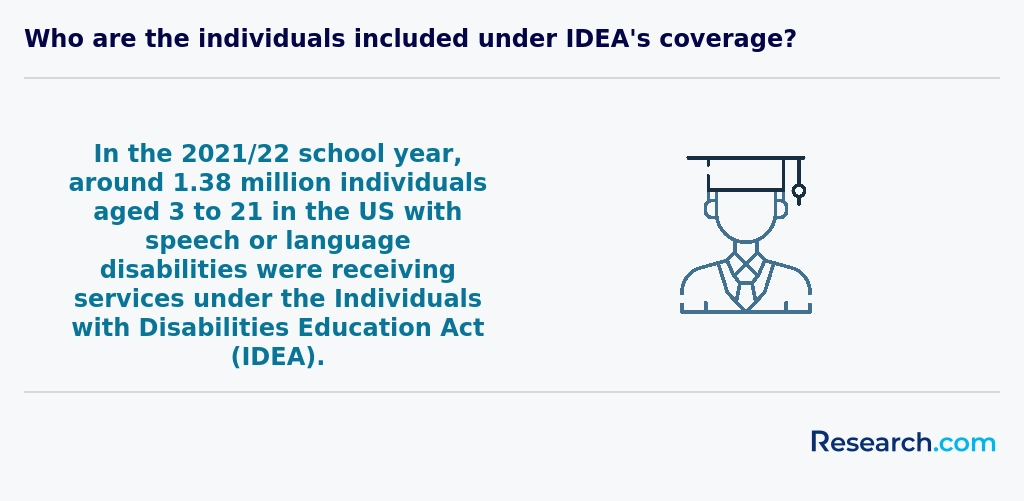
Many students balance work and study by choosing online programs offered by universities such as those in Ohio or Minnesota, which blend theoretical knowledge with hands-on clinical experiences. This flexibility helps graduates confidently enter the workforce, often securing competitive positions in school districts complying with federal mandates like the Individuals with Disabilities Education Act (IDEA).
To maximize career outcomes, it's critical to understand state licensure requirements and certification processes. If you're wondering how can i become an audiologist or speech pathologist, start by selecting an accredited program and seek internships early. These steps position you to thrive in Midwest speech pathology career opportunities that offer both rewarding work and steady salaries typically ranging from $70,000 to $80,000.
2027 Fastest Online Master's in Speech Pathology Degree Programs Ranking in the Midwest
Investing in your education is a significant decision that can shape your future, and the Research.com team understands the importance of making informed choices. To assist prospective students in the Midwest, we have meticulously crafted the "2027 Fastest Online Master's in Speech Pathology Degree Programs Ranking in the Midwest." Our commitment to quality, credibility, and accuracy is reflected in the extensive research and analysis conducted to compile this ranking.
We utilized the following reputable data sources to ensure a comprehensive evaluation of speech pathology programs:
By exploring this ranking, readers will gain valuable insights into the fastest online master's programs in speech pathology across the Midwest, empowering them to make well-informed decisions about their educational paths. For more details on our methodology, please visit our Research.com methodology page.


Frequently Asked Questions About speech pathology
Online speech pathology degree students in the Midwest can maximize their learning experience by actively engaging with their coursework and clinical practice. The American Speech-Language-Hearing Association (ASHA) requires 400 supervised clinical hours for certification, so seeking local placement opportunities is crucial. Utilizing university resources such as virtual labs, study groups, and faculty office hours enhances comprehension of complex topics.
Midwestern states like Illinois and Ohio have a growing demand for speech pathologists, with job growth projections exceeding 20% through 2030 according to the U.S. Bureau of Labor Statistics. Students should network with regional professionals to gain insights and job leads.
Balancing online study with hands-on experience and professional connections provides the best foundation for success in this field.
The field of speech pathology is rapidly evolving, with emerging niches offering new opportunities for professionals. One significant area gaining attention is telepractice, which expands access to therapy across rural Midwest regions where services may be limited. According to the American Speech-Language-Hearing Association (ASHA), telepractice usage has grown by over 50% in the past five years.
Another growing niche involves working with aging populations, particularly addressing communication challenges related to dementia and stroke recovery. The Midwest's aging demographic fuels demand for specialized care.
Additionally, speech pathologists are increasingly involved in swallowing disorders (dysphagia) treatment, an area linked to both medical and rehabilitative care.
These evolving specialties offer online degree students focused career pathways reflecting regional healthcare needs.
After completing an online speech pathology degree in the Midwest, preparing for the job market involves several critical steps. First, obtaining state licensure is essential; each Midwestern state, including Illinois and Ohio, requires passing the Praxis exam in Speech-Language Pathology and completing a Clinical Fellowship Year (CFY) to practice legally.
Networking within local professional organizations such as the American Speech-Language-Hearing Association (ASHA) can increase job opportunities and provide mentorship support. According to the Bureau of Labor Statistics, the demand for speech-language pathologists in the Midwest is projected to grow by 18% through 2031, indicating a strong local job market.
Additionally, gaining experience through internships or clinical rotations integrated within online programs can build practical skills. Keeping up with the latest research and continuing education courses also enhances employability and career advancement potential.
Employers in the Midwest seeking speech pathology degree graduates prioritize a blend of technical and interpersonal skills. Graduates must demonstrate strong knowledge of communication disorders, backed by clinical experience typically gained through supervised practicums. According to the American Speech-Language-Hearing Association, practical skills in assessment and therapy across diverse populations are essential.
In addition, employers emphasize effective communication and cultural competence because the Midwest's population includes both urban and rural communities with varied needs. Problem-solving abilities and adaptability to new technologies in telepractice are increasingly valued, as remote services expand.
According to the Bureau of Labor Statistics, the regional demand for speech pathologists is projected to grow 15% through 2031, underscoring the need for graduates equipped with both clinical expertise and strong interpersonal skills.
Finding internships in the Midwest for speech pathology students involves a combination of university resources, professional organizations, and local healthcare providers. Many accredited programs require clinical hours, often arranged through partnerships with hospitals, schools, and rehabilitation centers in states like Illinois, Ohio, and Minnesota.
The American Speech-Language-Hearing Association (ASHA) provides a directory of certified clinical fellowship sites in the Midwest. Students should also contact state speech pathology associations, such as the Illinois Speech-Language-Hearing Association, for regional opportunities.
Networking through faculty and local clinics can increase chances of placement. Early outreach and maintaining clear communication with potential sites is crucial to securing a quality internship.
Obtaining an online speech pathology degree in the Midwest significantly enhances career mobility and advancement opportunities. The region hosts numerous healthcare facilities and school districts actively seeking certified speech-language pathologists (SLPs). According to the U.S. Bureau of Labor Statistics, employment of SLPs in the Midwest is projected to grow by about 13% from 2022 to 2032, faster than the national average.
Graduates with an online degree accredited by the Council on Academic Accreditation (CAA) can pursue licensure in multiple states, facilitating relocation or job changes across the Midwest. Many programs also incorporate flexible practicum placements, allowing students to build local professional networks that aid in career progression.
Furthermore, advanced degrees increase eligibility for supervisory roles and specialized positions in settings like hospitals, schools, and rehabilitation centers, often leading to higher salaries and leadership opportunities. Data from the American Speech-Language-Hearing Association (ASHA) highlights that master's degree holders in the Midwest earn a median annual wage approximately 10-15% higher than those with only bachelor's credentials.
Studying for a speech pathology degree in the Midwest offers strong preparation for interdisciplinary roles by emphasizing collaboration with related health and education fields. Midwest programs typically integrate courses in audiology, psychology, and special education, reflecting regional healthcare demands. This multidisciplinary approach equips students to work alongside professionals such as occupational therapists, educators, and social workers.
The U.S. Bureau of Labor Statistics highlights the Midwest's growing need for speech-language pathologists in schools and healthcare, increasing chances to engage in interdisciplinary teams. Additionally, accreditations like those from the Council on Academic Accreditation ensure curricula meet national standards while addressing local service environments.
Choosing between a thesis and a non-thesis speech pathology degree program in the Midwest depends largely on your career goals and time commitment. Thesis programs emphasize research, requiring students to conduct original studies and write a formal thesis. These are ideal for those considering doctoral studies or research-focused roles.
Non-thesis programs focus more on clinical practice and coursework. They often take less time to complete and are suited for students aiming to enter the workforce quickly as licensed speech-language pathologists. According to recent data from the American Speech-Language-Hearing Association, over 60% of Midwestern programs offer both options.
Cost and program flexibility also vary, so comparing specific schools is important before deciding.
Midwestern students seeking to study speech pathology abroad face limited direct options due to the specialized nature of the field and the requirement for accreditation by the American Speech-Language-Hearing Association (ASHA). Most accredited programs reside within the United States, making international online speech pathology degrees rare and often not recognized for U.S. certification.
Some students consider exchange programs or partnerships between Midwestern universities and foreign institutions to gain international experience while earning credits applicable to their degree.
The Council on Academic Accreditation (CAA) ensures program quality, so checking if a foreign institution meets these standards is critical for career licensure in the U.S.
According to the Bureau of Labor Statistics (2023), the Midwest employs approximately 18% of the nation's speech-language pathologists, reflecting strong regional demand and reinforcing the appeal of accredited local or online options.
Ultimately, students may find more reliable paths by enrolling in online programs offered by accredited Midwestern universities rather than pursuing fully foreign online degrees in this field.
Part-time job opportunities that complement speech pathology degree education in the Midwest include roles such as speech therapy aides, behavioral health technicians, and communication assistants. These positions provide hands-on experience with clients, an essential component of clinical skill development. According to the American Speech-Language-Hearing Association, gaining practical experience improves graduate employability and readiness.
Many healthcare facilities, schools, and private therapy centers across states like Illinois, Ohio, and Minnesota actively hire part-time aides to support licensed speech-language pathologists. Additionally, virtual tutoring and telepractice assistant roles have grown, reflecting the increasing acceptance of online service delivery.
These part-time jobs offer flexible schedules, making them ideal for students enrolled in online master's programs.
Online speech pathology students in the Midwest benefit from diverse networking opportunities despite their remote status. Midwestern universities often connect students with regional clinical sites, enabling practical experience and professional connections. Organizations such as the American Speech-Language-Hearing Association (ASHA) host local chapters and events that online students can join to expand their networks.
Many programs encourage participation in virtual workshops and conferences, which are especially valuable given the geographic distances in the Midwest. According to ASHA, Midwestern states report consistent growth in speech pathology job openings, increasing demand for well-networked graduates.
Alumni networks and professional social media groups also provide avenues for mentorship and job leads within the region's healthcare and educational sectors.
Alumni networks provide valuable support for online speech pathology degree students in the Midwest. These networks offer mentorship opportunities, connecting current students with graduates who understand local job markets and licensing requirements across Midwestern states. According to the American Speech-Language-Hearing Association, nearly 60% of speech pathologists in the Midwest find positions through professional connections, highlighting the practical benefits of strong alumni ties.
Additionally, alumni networks facilitate access to job postings and internships specific to regional healthcare systems and schools. They promote continued professional development and collaboration, which is essential in a field influenced by evolving standards and technologies.
Customizing your online speech pathology degree in the Midwest begins with selecting a program offering flexible coursework. Many accredited universities provide elective courses tailored to areas such as pediatric, geriatric, or bilingual speech therapy, allowing you to align studies with your career goals.
Fieldwork placements are another key customizable element. Midwest programs often collaborate with local clinics and schools, enabling you to choose practical experiences that match your professional interests.
Additionally, some programs offer specialization tracks or dual-degree options, like combining speech pathology with audiology or education. According to the American Speech-Language-Hearing Association (ASHA), about 30% of Midwest programs emphasize clinical specialization, enhancing job readiness.
Online speech pathology students in the Midwest often face unique challenges related to clinical placement availability. The region has fewer approved practicum sites compared to coastal states, making it harder for students to complete required hands-on hours. According to the American Speech-Language-Hearing Association (ASHA), Midwest programs report a 15% higher demand for clinical placements than the national average.
Technical issues also pose obstacles. Students sometimes struggle with limited internet access in rural areas, which affects participation in synchronous classes and telepractice training.
Additionally, navigating state licensure requirements across multiple Midwestern states can be complex and time-consuming for online students planning to practice locally.
With an online speech pathology degree, graduates in the Midwest can pursue the Certificate of Clinical Competence in Speech-Language Pathology (CCC-SLP), awarded by the American Speech-Language-Hearing Association (ASHA). This certification is widely recognized and often required for clinical practice. Earning the CCC-SLP demonstrates professional competence and opens opportunities in schools, healthcare, and private practice.
The state licensure is another key credential. Each Midwestern state has specific licensure requirements, generally including a master's degree, supervised clinical hours, and passing the Praxis exam in speech-language pathology. For example, Illinois and Ohio require licensure for public school work, aligning with ASHA standards.
Additionally, the Medicaid Provider Number is crucial if you plan to provide services reimbursed by Medicaid within the Midwest. Maintaining certification and licensure requires ongoing education, ensuring speech pathologists stay current with best practices.
Writing a strong application for an online speech pathology program in the Midwest requires clear focus and preparation. Start by researching accredited programs, as accreditation by the Council on Academic Accreditation (CAA) is essential for licensure.
Highlight your academic achievements, especially in communication sciences, biology, or related fields. The average GPA for admitted students in competitive programs often exceeds 3.5, so provide official transcripts that reflect your strengths.
Prepare a compelling personal statement explaining your motivation to pursue speech pathology and how an online program fits your career goals in the Midwest healthcare market.
Additionally, secure strong letters of recommendation from professors or professionals familiar with your skills and commitment.
Many Midwestern programs require GRE scores or specific prerequisites, so check these early. According to the American Speech-Language-Hearing Association (ASHA), demand for speech pathologists in the Midwest is growing by 12% through 2030, underscoring the value of a well-crafted application in this competitive field.
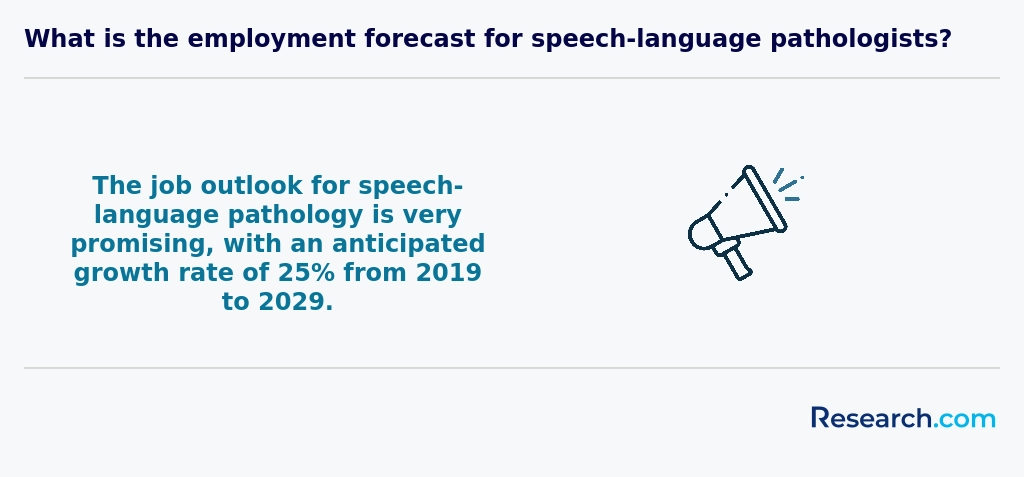
Speech pathology is recognized globally as a vital healthcare profession focused on communication disorders. In the United States, including the Midwest, the demand for speech-language pathologists (SLPs) is projected to grow 21% between 2021 and 2031, much faster than the average for all occupations, according to the U.S. Bureau of Labor Statistics (BLS). This growth reflects a worldwide emphasis on early intervention and support for speech and language development.
The American Speech-Language-Hearing Association (ASHA) sets rigorous education and certification standards, which are respected internationally and often align with global practices. Midwestern online speech pathology programs prepare students to meet these standards while offering flexible access to clinical training.
Internationally, many countries value U.S.-trained SLPs due to the comprehensive curriculum and clinical competence emphasized in American degrees. For Midwest students considering online programs, this means their qualifications can support careers not only across the U.S. but also in international contexts where communication disorders are increasingly prioritized.
Gaining practical experience while studying for an online speech pathology degree in the Midwest typically involves clinical placements or internships arranged through your program. Accredited programs, especially those accredited by the Council on Academic Accreditation in Audiology and Speech-Language Pathology (CAA), require supervised clinical hours to prepare students for certification.
Many Midwest universities partner with local hospitals, schools, and rehabilitation centers to help students fulfill their clinical practicum. These placements often occur near the student's home, reducing travel burdens.
According to the American Speech-Language-Hearing Association (ASHA), students must complete at least 400 clinical clock hours, including 375 supervised face-to-face hours, to qualify for the Certificate of Clinical Competence. In the Midwest, institutions regularly support these requirements through accessible local partnerships, enabling online learners to gain hands-on experience despite studying remotely.
Choosing the right concentration within an online speech pathology degree in the Midwest requires understanding your career goals and regional job market demands. Common specializations include pediatric speech therapy, adult rehabilitation, and augmentative communication. According to the Bureau of Labor Statistics, the demand for speech-language pathologists in the Midwest is projected to grow by 13% from 2022 to 2032, with pediatric and geriatric services showing significant needs.
Investigate programs accredited by the American Speech-Language-Hearing Association (ASHA) to ensure quality training. Consider concentrations offered by schools like the University of Illinois or Michigan State University, known for their strong clinical practicum options.
Reflect on settings you wish to work in, such as schools, hospitals, or private clinics, as this influences the best concentration for your online degree.
See What Experts Have To Say About Studying Speech Pathology
Read our interview with Speech Pathology experts

- Speech Pathology Internships Guide https://speechpathologymastersprograms.com/speech-pathology-careers/speech-pathology-internships-guide/
- Landing Your First Speech Pathology Job After Graduation: A https://www.healthcarelink.com.au/article/landing-your-first-speech-pathology-job-after-graduation-a-practical-guide-for-new-speechies/2087
- Speech Pathology Graduate Programs | ASHA Comparison Tool https://www.speechpathologygraduateprograms.org/speech-pathology-graduate-programs-comparison-tool/
- SLP Salary: How Much Do SLPs Make? - Online Speech Pathology Programs https://onlinespeechpathologyprograms.org/slp-salary-how-much-do-slps-make/
- Finding your niche in private practice - Dysphagia Cafe https://dysphagiacafe.com/finding-your-niche-in-private-practice/
- How to Become a Speech-Language Pathologist - Graduate Programs for Educators https://www.graduateprogram.org/blog/how-to-become-a-speech-language-pathologist/
- Best Online Master’s in Speech Pathology (SLP) Programs for 2025 https://www.onlinemastersdegrees.org/best-programs/speech-language-pathology-slp/
- Speech-Language Pathologist Salary Guide https://slponline.ithaca.edu/blog/speech-language-pathologist-salary-guide
- Master of Science (MS) in Speech-Language Pathology https://www.rushu.rush.edu/college-health-sciences/academic-programs/master-science-speech-language-pathology
- Master of Science in Speech-Language Pathology, Downers Grove Campus https://www.midwestern.edu/academics/degrees-programs/college-health-sciences/master-science-speech-language-pathology-program/master-science-speech-language-pathology-downers-grove-campus