
2027 Fastest Online Master's in Public Health Degree Programs Ranking in Baltimore, MD

Co-Founder and Chief Data Scientist
Choosing the right online Master's in Public Health program in Baltimore can feel overwhelming. To make this easier, the 2027 Fastest Online Master's in Public Health Degree Programs Ranking in Baltimore, MD was created by the Research.com team of data scientists. This ranking helps you identify the most efficient and respected programs available locally.
By reading this article, you'll gain valuable insights to guide your decision. Earning a public health degree opens doors to meaningful careers that make a real difference in communities. Let this guide support your journey toward a rewarding future.
Key benefits of getting online public health degree in Baltimore
- Graduates with a public health degree in Baltimore can expect strong salaries, such as $134,440 annually for roles like Public Health Program Manager or Healthcare Administrator, and $90,430 for Epidemiologists, offering financial stability and rewarding career options.
- Career paths for public health graduates include managing health programs, analyzing disease trends as epidemiologists, or improving health systems, with Baltimore's universities providing strong local connections and job opportunities.
- Online public health degrees in Baltimore offer flexibility, allowing students to balance work and study, while gaining the same skills and knowledge as traditional programs, often leading to quicker career advancement and satisfaction.
- 2027 Fastest Online Master's in Public Health Degree Programs Ranking in Baltimore, MD
- What can I expect from online public health degree in Baltimore?
- Where can I work with online public health degree in Baltimore?
What can I expect from online public health degree in Baltimore?
The average cost of an online public health degree in Baltimore varies, reflecting the diversity of institutions and program structures available. Graduates from local universities like the University of Maryland and Johns Hopkins often share that while tuition can be a significant investment, many found value in flexible payment plans and scholarships geared toward working professionals. For example, some students balancing jobs and family noted that the ability to study remotely eased financial pressure by reducing commuting and housing expenses.
Costs typically range between $20,000 and $50,000 for a full Master of Public Health program, though some hybrid programs charge differently depending on in-person requirements. One graduate recalled managing expenses by applying for need-based aid specifically offered to Baltimore residents. Others pointed out that public health programs tailored to urban health issues in Baltimore felt worth the cost, given the strong local network and career support connecting them to city health departments and nonprofit organizations.
Ultimately, prospective students benefit from closely comparing programs and exploring financial aid options to balance affordability with quality education attuned to Baltimore's unique public health landscape.
Where can I work with online public health degree in Baltimore?
Graduates with an online public health degree in Baltimore often find rewarding roles in local government agencies like the Baltimore City Health Department. Many have shared how working there deepened their connection to the community by tackling real issues such as infectious diseases and health disparities. These experiences highlight the meaningful impact a public health career can have in an urban environment.
Healthcare institutions including Johns Hopkins Bloomberg School of Public Health alumni frequently find employment at major hospitals like Johns Hopkins Hospital or Sinai Hospital. They describe opportunities in epidemiology, health education, and policy development as both challenging and fulfilling, blending clinical insights with community health needs.
Nonprofit organizations also attract public health graduates who are passionate about causes like HIV/AIDS prevention and maternal health. Graduates from Baltimore universities often cite their nonprofit roles as impactful, offering chances to influence policy and advocate for underserved populations.
Others engage with academic research projects or health tech companies, where their skills in data analysis and health informatics come alive. These paths demonstrate the diversity of career options Baltimore's vibrant public health scene offers, though outcomes can vary depending on individual goals and institutional connections.
Graduates with an online public health degree in Baltimore often find salaries reflecting their chosen roles and local market dynamics. For example, those stepping into roles such as Public Health Program Manager or Healthcare Administrator typically see mean annual wages near $134,440, according to the U.S. Bureau of Labor Statistics (BLS). Meanwhile, Epidemiologists earn a mean salary around $90,430 annually, illustrating a strong earning potential in specialized fields.
At institutions like the University of Maryland or Johns Hopkins Bloomberg School of Public Health, graduates have reported feeling optimistic about these figures, appreciating that their online studies in Baltimore position them well within the region's health sector. Entry-level roles such as Health Informatics Specialist offer mean annual wages close to $70,260, providing a solid financial footing for recent graduates.
It's important to note that while these numbers highlight promising opportunities, individual salaries vary depending on experience, certifications, and specific employers-ranging from nonprofit organizations to state health departments. Baltimore's growing investment in public health means many graduates enjoy both competitive pay and meaningful career impact.
- Online Master of Public Health (MPH) programs in Baltimore offer flexible coursework designed for working professionals and adult learners.
- Tuition costs for these programs range from $25,000 to $40,000, varying by institution and credit requirements.
- Entry-level public health graduates in Baltimore earn between $50,000 and $60,000 annually, with potential to reach $75,000 to $90,000 as they gain experience.
- The local job market is growing, with demand for public health analysts, epidemiologists, and community health workers expected to increase by about 15% over the next decade.
- Many programs include internships or practicum opportunities with local health organizations, enhancing job readiness.
- Obtaining certifications like Certified in Public Health (CPH) can improve employment prospects in Baltimore's competitive market.
Completing an online public health degree in Baltimore varies widely depending on the program format and personal circumstances. Graduates from institutions like the University of Maryland often share that a full-time Master of Public Health (MPH) typically takes about 18 to 24 months, with some accelerated options allowing completion in as little as 12 to 15 months. Such compressed timelines demand a committed, intensive schedule but bring rewarding outcomes swiftly.
Alternatively, many working professionals opt for part-time enrollment, stretching their studies over three or more years to balance work and life commitments. For bachelor's degrees, the usual timeline is around four years full-time, though flexibility to extend to five or six years suits those managing family or jobs.
Students frequently appreciate asynchronous courses and the ability to integrate capstone projects on their own schedules, making the process feel manageable rather than overwhelming. This approach reflects the realities of Baltimore's busy professional landscape and supports a positive, steady progression toward degree completion.
- Johns Hopkins University: Accelerated Online MPH program completed in as little as 12–15 months, featuring synchronous seminars and field practicums.
- University of Maryland, Baltimore: Online MPH with a 14-month track, blending real-world case studies and virtual lab sessions.
- Towson University: Fully online MPH designed for completion in 16 months, emphasizing community health projects in Baltimore neighborhoods.
- Morgan State University: 18-month Online MPH program focused on health equity and research methods, with flexible evening cohorts.
- University of Maryland Global Campus: Streamlined Online MPH pathway finishing in 12 months, offering both asynchronous coursework and live workshops.
Learners seeking cost-effective credentialing can also explore our guide to cheapest medical coding certification online.
Online and on-campus public health degrees in Baltimore differ notably in delivery and experience. Graduates of online programs often appreciate the flexibility to balance studies with work or family, accessing lectures and assignments anytime. This suits those managing complex schedules who still want to engage with public health education. However, these students sometimes mention the challenge of staying motivated without regular face-to-face interaction.
In contrast, on-campus students at institutions like Johns Hopkins Bloomberg School of Public Health benefit from immersive, hands-on learning. They frequently recall the value of direct access to faculty, peers, and local public health initiatives, such as participating in Baltimore-based health clinics or research projects. These opportunities can enhance networking and real-time collaboration.
Cost-wise, both formats in Baltimore can be competitive. Online degrees may reduce expenses related to commuting and campus facilities, but some on-campus programs, such as those at the University of Maryland, Baltimore, offer similar pricing and strong support services. Practical training access often favors on-campus students due to easier connections with local agencies, although some online programs integrate internships within Baltimore's public health infrastructure.
Most online MPH programs in Baltimore follow a structured application cycle with key milestones to help you stay on track.
- Research accredited programs and identify specializations that match your career goals.
- Confirm prerequisites: bachelor’s degree, minimum GPA (often 3.0), and any prerequisite courses.
- Prepare materials: official transcripts, current résumé, and a compelling personal statement.
- Secure 2–3 letters of recommendation from professors or supervisors familiar with your work.
- Complete any required tests (e.g., GRE) and pay application fees.
- Submit your application by priority deadlines (usually December–February) or regular deadlines (March–May).
Fall start dates are most common; verify each school’s exact timeline to maximize financial aid opportunities. Prospective students exploring allied health pathways might also consider a low-cost medical coding and billing online program to broaden their expertise.
The average cost of an online public health degree in Baltimore centers around $29,130, reflecting tuition and associated fees for many degree seekers. Graduates from well-known public institutions such as those in the University of Maryland system frequently report managing expenses near this figure, especially for a Master of Public Health (MPH) program. These programs typically require 42 to 48 credits, and in-state students often find tuition rates more affordable compared to private universities, which command higher costs per credit hour. For many students, these costs are balanced by the quality and flexibility of an online setup that allows them to continue working while studying.
One notable aspect for prospective students considering the total cost of MPH degree Baltimore MD is that private institutions can sometimes exceed $40,000 due to higher tuition per credit. Yet, many graduates highlight how financial aid options, including federal loans, scholarships, and employer tuition assistance, make pursuing their degree feasible. This financial possibility is especially significant considering Baltimore's growing public health job market, which encourages institutions to offer competitive and accessible pricing.
Students often describe feeling optimistic about their educational investment, especially when programs include minimal technology fees or occasional campus visits, making attendance manageable. For students balancing family and career, the affordability and online format contribute to a rewarding learning experience. Those interested in related health professions might also explore nurse practitioner degrees tennessee faculty profiles as an alternative or complementary path.

Applying to an online Master’s in Public Health program in Baltimore, MD, requires careful planning and attention to detail. To increase your chances of acceptance, begin by gathering all necessary materials early: official transcripts, updated resume, academic writing sample, and two to three letters of recommendation from professors or public health supervisors. Many programs also request a personal statement-use this opportunity to showcase your passion for community health initiatives in Baltimore and highlight relevant professional or volunteer experiences.
Most accredited programs, including those recognized by CEPH, set application deadlines in the late fall or early spring for fall enrollment. Be sure to verify each school’s exact deadline and submit your materials at least four weeks in advance. If a GRE score is required, aim to complete the test by early fall to allow time for score reporting. Some universities waive GRE requirements for applicants with a strong undergraduate GPA (typically 3.0 or higher) or significant work experience in health-related fields.
Technical readiness is crucial for online learning success. Confirm that your computer meets minimum specifications for video conferencing, and familiarize yourself with common Learning Management Systems (LMS) such as Canvas or Blackboard. Reach out to admissions advisors to schedule a virtual campus tour or Q&A session; this not only demonstrates your genuine interest but also helps you understand support services like academic advising and career counseling.
When crafting your personal statement and résumé, weave in data-driven outcomes-perhaps referencing local projects you’ve led or research you’ve conducted. Highlight any fieldwork or internship achievements, and consider discussing how you plan to explore “how long does it take to become a public health administrator” as part of your professional trajectory.
Finally, after submitting your application, follow up with a polite email to the admissions office to confirm receipt and inquire about next steps. Demonstrating proactive communication can set you apart in a competitive applicant pool and ensure a smooth transition into your chosen online MPH program in Baltimore.
Students pursuing an online public health degree in Baltimore often rely on a mix of federal, state, and local financial aid, each with distinct benefits and limitations. Many graduates from universities like Johns Hopkins and the University of Maryland value the accessibility of federal aid such as the FAFSA, which opens doors to grants like the Pell Grant and loans including the Federal Direct Unsubsidized Loan and Grad PLUS Loan. However, these options require careful consideration of repayment responsibilities, especially for those balancing work and study.
State-specific programs through the Maryland Higher Education Commission provide added support for residents, offering scholarships tailored to Baltimore's learners enrolled in Maryland-based institutions. For some, the Delegate Scholarship substantially eased their financial burden, enabling more focus on coursework rather than costs.
Employer tuition assistance is another common lifeline, especially in Baltimore's thriving healthcare sector. Graduates employed by major systems have found tuition reimbursement invaluable, transforming the challenge of financing education into an achievable goal without incurring overwhelming debt.
Local scholarships from public health nonprofits and national bodies like the American Public Health Association complement these options, motivating students committed to community health. Military benefits further widen accessibility for veterans in Baltimore, who often navigate online programs using GI Bill support.
Navigating the application process for an online Master’s in Public Health program in Baltimore, MD can be both exciting and a bit overwhelming. Prospective students should begin by researching each program’s admission requirements and application deadlines, ensuring that all necessary documents-such as transcripts, recommendation letters, and personal statements-are prepared well in advance. Crafting a compelling personal statement that highlights your passion for public health, practical experience, and future aspirations is key to setting yourself apart from the competition. Additionally, consider leveraging webinars, virtual tours, and one-on-one sessions with admissions advisors to get a clearer picture of each program’s culture and offerings. For example, many applicants find it useful to review detailed comparative rankings to help guide their decisions. We recommend checking out the fastest online public health schools in maryland to learn which programs have proven track records of student success and innovative curriculum design. Remember, early preparation is essential-not only does it give you sufficient time to gather a robust application, but it also allows you to plan for financial aid and scholarship opportunities that can help fund your studies. Finally, stay proactive by reaching out to current students or alumni who can share insights into the day-to-day online learning experience and provide tips for a successful application journey.
Applicants aiming to enroll in online public health degree programs in Baltimore typically need a completed bachelor's degree from a regionally accredited institution, such as those accepted by the University of Maryland, Baltimore. Many graduates recall the reassurance of meeting a minimum GPA around 3.0, though some programs show flexibility if compensated by significant public health experience. This reflects a balanced requirement, acknowledging both academic performance and practical readiness.
Official transcripts are a must, but what often stands out in applicant stories is how relevant work or volunteer roles in community health bolster their applications, especially in a city grappling with health disparities. Letters of recommendation and personal statements encourage applicants to convey their motivation vividly, something graduates frequently highlight as a fulfilling step in expressing their public health passion.
While GRE scores are less emphasized now, some Baltimore institutions still recommend them. Additionally, preparatory coursework in biology or statistics may be required, particularly for those without a health-related background, ensuring all students share a baseline knowledge vital for tackling Baltimore's unique public health challenges.
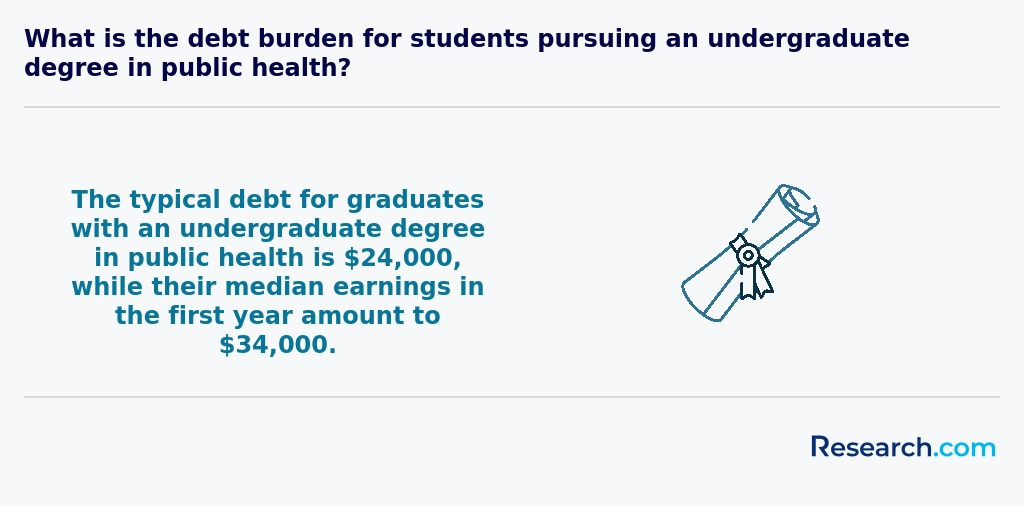
When budget constraints are a priority, it’s wise to compare tuition rates and value across nearby regions. Baltimore students seeking cost-effective options can benefit from exploring not only local offerings but also neighboring District of Columbia universities. For instance, the Affordable Public Health Degree Programs Ranking in District of Columbia highlights several accredited online MPH programs with lower per-credit costs and strong post-graduation outcomes. By reviewing regional tuition differences, you’ll gain insights into: • Average per-credit expenses and total program costs • Financial aid packages, including state-specific grants and scholarships • Return on investment through graduation rates and employment statistics • Accreditation status (e.g., CEPH) to ensure program quality Comparing these metrics helps you identify programs that balance affordability with academic rigor. Additionally, many DC institutions offer residency discounts or partnerships for Maryland residents, potentially reducing your overall debt burden. Before committing, request tuition breakdowns, verify fee structures for technology or practicum components, and confirm eligibility for in-state tuition waivers. This strategic approach empowers you to select an online Master’s in Public Health program that aligns with both your financial plan and career ambitions.
Online public health degree programs in Baltimore commonly include courses such as Introduction to Epidemiology, Biostatistics for Public Health, Environmental Health Sciences, Health Policy and Management, Social and Behavioral Sciences, Public Health Ethics, Health Promotion and Community Health, and Research Methods in Public Health. Graduates from Baltimore institutions often recall how epidemiology classes brought disease patterns to life by analyzing real situations faced in the city's neighborhoods, making the coursework feel both relevant and urgent.
For example, students from popular local colleges appreciated how Health Promotion courses equipped them to design effective community programs addressing Baltimore's unique health disparities. Some graduates shared how learning Health Policy and Management helped them understand the complexities behind regulations affecting city health initiatives, adding meaning to the theoretical knowledge.
While these core courses provide a solid foundation, it's worth considering that the broad curriculum may not fully capture every local nuance. Still, practical projects and community partnerships offered by Baltimore programs help bridge this gap, allowing students to apply theory to real urban health challenges with palpable positive impact.
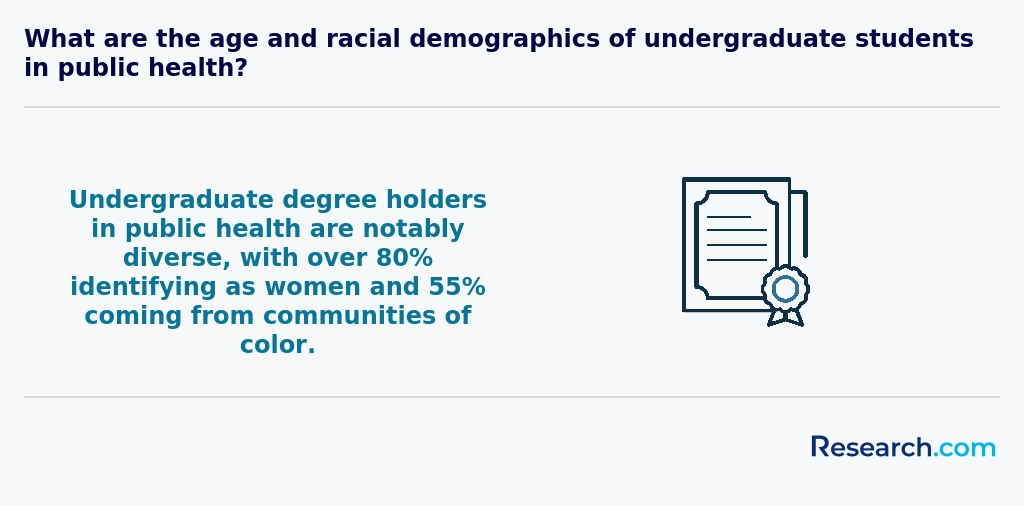
Online public health degree specializations Baltimore students frequently encounter include Epidemiology, which delves into disease patterns and outbreak control strategies, and Health Policy and Management, focusing on designing and evaluating healthcare policies. Environmental Health is also notable, particularly relevant given Baltimore's industrial background and urban challenges. Graduates from local programs emphasize how Community Health Education enables them to promote healthy behaviors effectively within diverse city populations. Global Health tracks prepare students to tackle international health issues that resonate beyond Baltimore's borders.
Many students find value in tailoring their curriculum through electives such as biostatistics or infectious diseases, often supported by institutions influenced by the Johns Hopkins Bloomberg School of Public Health. While these specializations address real-world health demands, it's important to consider how these programs balance theoretical knowledge with applied skills. Baltimore's public health master's programs Baltimore MD foster positive student experiences by integrating community-focused learning, which many find motivating as they witness their education impact local neighborhoods firsthand. For those weighing investment returns, exploring high-paying nursing professions may provide insightful career comparisons.
Choosing the best online public health degree in Baltimore involves balancing factors such as accreditation, curriculum relevance, and flexibility. Graduates from local institutions often emphasize the value of programs accredited by the Council on Education for Public Health, as these ensure recognized quality and smooth paths to certification. However, some students have found that less traditional programs with strong ties to Baltimore's community health challenges offer unique, practical exposure that traditional courses might lack.
Cost considerations are equally important; affordable MPH degrees Baltimore MD typically offer financial aid options that can lighten the burden of tuition fees. Students juggling work and family appreciate programs with asynchronous coursework and adaptable schedules, which Baltimore's online programs often provide. It's also wise to investigate graduation rates and career support services, since strong connections to the Baltimore City Health Department and local organizations enhance internship and job opportunities.
Examining specific course offerings helps you align studies with personal goals in fields like epidemiology or health policy. For additional insights on relevant fields, consider reviewing this list of top college majors.

Graduates with an online public health degree in Baltimore find diverse career paths shaped by the city's healthcare landscape and institutions like the Johns Hopkins Bloomberg School of Public Health. Many pursue community health education, turning awareness campaigns into tangible improvements in local neighborhoods. Others find fulfillment in epidemiology, especially given Baltimore's ongoing public health challenges where analyzing disease patterns feels impactful and urgent. Some graduates engage in health policy and management, navigating Maryland's complex healthcare systems to enhance service delivery and policy efficacy. Experiences shared by graduates highlight that working in Baltimore's environmental health sector often brings meaningful encounters addressing urban pollution and occupational safety. For those skilled in data, roles in biostatistics support critical evidence-based strategies across agencies. The reality for those exploring Baltimore public health job prospects is nuanced-while opportunities abound, competition and funding can influence career trajectories. Some graduates also consider paths in healthcare informatics or emergency preparedness, where the city's rich health networks provide a solid foundation. Such pathways reflect the dynamic nature of an online public health career opportunities in Baltimore. Notably, those interested in intersecting fields might explore the city's healthcare job market further, as seen with growing roles linked to the radiology job outlook.
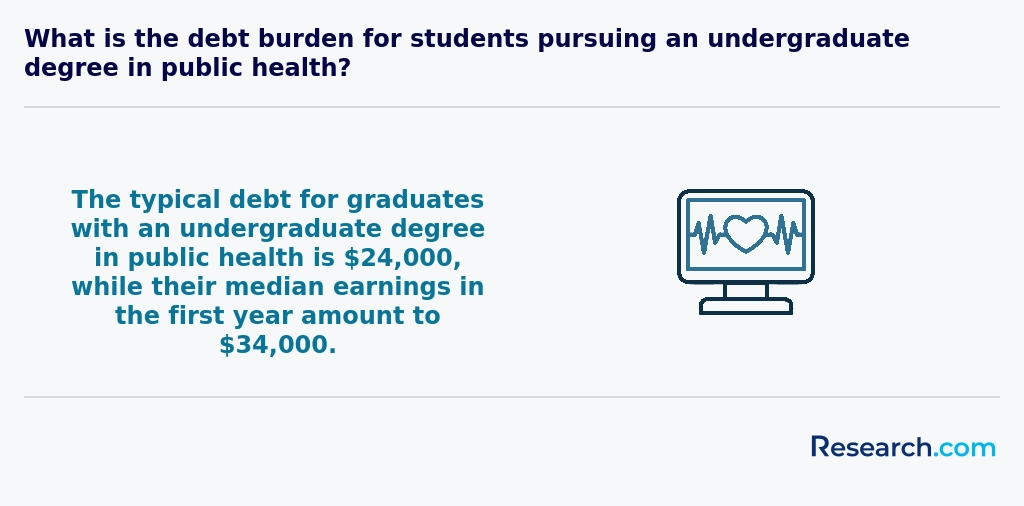
The job market for online public health graduates in Baltimore reflects a dynamic and growing landscape, shaped by the city's complex health challenges and diverse population. Graduates from programs linked to well-known institutions like Johns Hopkins Bloomberg School of Public Health often find rewarding roles in key local employers such as the Baltimore City Health Department and MedStar Health. These positions range from epidemiologists to emergency preparedness coordinators, with many requiring or favoring candidates holding a master's degree. This demand is supported by statewide growth in health education specialists and community health workers, indicating a strong career outlook for those entering the field.
Students pursuing online public health careers Baltimore MD frequently report positive experiences balancing work and study, appreciating the flexibility while gaining skills relevant to Baltimore's evolving public health needs. Cost remains a consideration, yet local programs tend to be competitively priced. For those exploring options outside traditional paths, several students have complimented part-time lpn programs Delaware as viable alternatives to supplement their healthcare knowledge and increase job prospects.
2027 Fastest Online Master's in Public Health Degree Programs Ranking in Baltimore, MD
Investing in your education is a significant decision that can shape your future, and the Research.com team understands the importance of making informed choices. To assist prospective students in Baltimore, MD, we have meticulously crafted the "2027 Fastest Online Master's in Public Health Degree Programs Ranking in Baltimore, MD." Our commitment to quality, credibility, and accuracy is reflected in the extensive research and analysis conducted to compile this ranking.
We utilized the following reputable data sources to ensure a comprehensive evaluation of public health degree programs:
By exploring this ranking, readers will gain valuable insights into the fastest online master's programs in public health available in Baltimore, helping them make informed decisions about their educational paths. For more details on our methodology, please visit our Research.com methodology page.

# 2 position
University of Maryland, Baltimore
Master of Health Science

Frequently Asked Questions About public health
Online public health degree students in Baltimore can enhance their learning by actively engaging with local health departments, such as the Baltimore City Health Department, which offers valuable data and community resources. Integrating this real-world information into coursework helps bridge theory and practice, fostering a deeper understanding of public health challenges specific to Baltimore.
Students should also participate in virtual seminars and networking events hosted by Maryland universities, expanding professional connections. Utilizing digital libraries and research databases from local institutions ensures access to up-to-date public health studies and statistics.
Time management and consistent communication with instructors are crucial to stay on track in an online format, especially when balancing work and study.
The field of public health is expanding to include several emerging niches that reflect current societal needs. One important area is health informatics, which uses data and technology to improve healthcare outcomes. This is especially relevant in Baltimore, where digital health initiatives are growing rapidly.
Another rising niche is environmental health sciences, focusing on how pollution and climate change impact urban populations. Baltimore's history with industrial pollution makes this a critical focus for local public health efforts.
Additionally, mental health epidemiology is gaining attention, addressing the increasing demand for mental health services in Maryland and nationwide. These specialties offer new career opportunities for students pursuing online public health degrees.
After completing an online public health degree in Baltimore, graduates should focus on building practical experience. Internships or fellowships with local organizations like the Baltimore City Health Department can provide valuable exposure. Networking is also crucial; joining groups such as the Maryland Public Health Association helps connect with professionals.
Developing strong skills in data analysis and epidemiology is important, as Baltimore has faced public health challenges including high rates of chronic diseases and infectious outbreaks, according to the Baltimore City Health Department's latest reports.
Seeking certification such as the Certified in Public Health (CPH) can improve job prospects by validating expertise.
Employers in Baltimore seek specific skills from public health graduates that address local health challenges and improve community outcomes. Strong analytical abilities are essential, as graduates must interpret data on issues like Baltimore's high rates of asthma and opioid use, according to the Maryland Department of Health.
Communication skills are also critical for conveying public health messages effectively to diverse populations. Graduates should be able to collaborate across agencies, given Baltimore's network of healthcare providers and nonprofits.
Additionally, knowledge of epidemiology and health policy prepares graduates to help design and implement interventions targeting urban health disparities prevalent in Baltimore neighborhoods.
Finding internships in Baltimore relevant to a public health degree involves leveraging local resources and institutions. Baltimore hosts several public health organizations like the Baltimore City Health Department and Johns Hopkins Bloomberg School of Public Health, which regularly offer internship opportunities. Students should also explore programs through Maryland's Department of Health and local nonprofits addressing community health issues. Networking events and university career centers often list internships secured through partnerships with local agencies. According to the Maryland Higher Education Commission, internships are increasingly tied to degree programs, providing practical experience crucial for public health careers in the Baltimore region.
Obtaining an online public health degree in Baltimore can significantly enhance career mobility and advancement within the region's growing health sector. Baltimore's public health workforce expanded by approximately 8% from 2019 to 2023, according to the Maryland Department of Health. This growth creates increased demand for professionals with advanced education.
An online degree offers flexible learning while providing essential skills in epidemiology, health policy, and management. Employers in Baltimore value accredited degrees that prepare graduates for roles in local health departments, hospitals, and nonprofit organizations.
Additionally, having a master's in public health can lead to higher earning potential and leadership positions, as reported by the Bureau of Labor Statistics for healthcare practitioners nationwide.
Studying for a public health degree in Baltimore provides strong preparation for interdisciplinary roles through its blend of comprehensive coursework and local public health experiences. Baltimore's public health programs often emphasize collaboration across fields such as epidemiology, policy, social work, and environmental health, reflecting the real-world complexity of health challenges.
Baltimore faces significant health disparities, including high rates of asthma and infectious diseases, which encourages students to engage with diverse data sources and community partners. According to the Baltimore City Health Department, this environment fosters skills in data analysis, program development, and cross-sector communication.
Many online programs include practicum opportunities with Baltimore hospitals and agencies, facilitating practical interdisciplinary teamwork. This approach equips graduates to work effectively in varied roles, from health communication to policy advising.
Choosing between a thesis and a non-thesis online public health degree in Baltimore depends on your career goals and learning preferences. A thesis program typically requires deep research and writing, ideal for students considering doctoral studies or research-intensive roles. Non-thesis programs focus more on practical skills and may include internships or capstone projects, which suit those seeking immediate entry into public health practice.
The Johns Hopkins Bloomberg School of Public Health suggests around 30% of MPH candidates opt for thesis tracks, emphasizing research. According to the Maryland Department of Health, Baltimore's growing public health job market values both analytical and practical skills.
Consider your schedule too-thesis programs may take longer due to research demands.
Students in Baltimore interested in studying public health abroad through online programs have several options within the U.S. higher education system. Many accredited universities offer fully online Master of Public Health (MPH) degrees with global health concentrations, allowing students to gain international perspectives while remaining in Baltimore.
Institutions like the Johns Hopkins Bloomberg School of Public Health provide online courses that include global health modules, reflecting Baltimore's strong public health infrastructure. According to the Maryland Department of Health, Baltimore's diverse population benefits from professionals trained with international health knowledge.
Additionally, students can enroll in programs offering virtual study abroad experiences or international practicum components, combining remote learning with global public health exposure. These options suit those seeking flexibility without relocating.
In Baltimore, part-time job opportunities that complement an online public health degree are diverse and practical. Many students work as community health workers, assisting with outreach and education in underserved neighborhoods. According to the Maryland Department of Health, Baltimore's ongoing public health initiatives create demand for such roles.
Other common positions include research assistants at institutions like Johns Hopkins University, where public health studies frequently require data collection support. Additionally, roles in nonprofit organizations focused on substance abuse and mental health can provide relevant experience.
These jobs enhance skills in communication, data analysis, and program implementation-key competencies for public health careers.
Online public health students in Baltimore benefit from a variety of networking opportunities despite studying remotely. Many universities partner with local health departments and organizations like the Baltimore City Health Department, enabling students to engage in community projects and internships. These connections help students build professional relationships essential for career growth.
Baltimore's public health sector employs over 3,000 workers, fostering a strong professional network accessible through alumni groups and local chapters of national public health associations such as SOPHE and APHA. Virtual meetups, seminars, and conferences also allow online students to connect with experts and peers across Maryland.
Alumni networks provide valuable advantages for online public health degree students in Baltimore by fostering professional connections within the local health sector. Graduates often gain access to mentorship opportunities with experienced public health practitioners in Maryland's largest metropolitan area. Such networks can facilitate job placements, internships, and collaborative projects, which are crucial in a competitive job market.
Baltimore's public health workforce faces challenges including chronic disease management and health disparities, making informed connections essential. According to the Baltimore City Health Department, partnerships and community engagement remain key strategies, and alumni networks enable students to engage in these efforts early.
These networks also offer continuing education information and awareness of local public health initiatives, helping students stay current with regional health trends and regulatory changes.
Customizing an online public health degree in Baltimore allows students to align their education with specific career goals. Many programs offer concentration options such as epidemiology, health policy, or community health, enabling students to specialize according to their interests. Baltimore's public health challenges, including high rates of chronic diseases and health disparities, provide relevant case studies and practicum opportunities tailored to local needs, enhancing practical learning.
Additionally, students can often select electives that improve skills in data analysis, program management, or health communication. Collaborations with Baltimore's health departments, hospitals, and research centers may also be available to support professional networking and real-world experience. These flexible elements help graduates prepare for diverse roles in public health careers.
Online public health students in Baltimore often encounter several challenges. One key issue is balancing coursework with work and family obligations, as many students are working professionals or caregivers. According to the Baltimore City Health Department, the city's public health demands are complex, increasing the pressure on students to gain practical skills quickly.
Technology access can also be a barrier. Not all students have reliable internet or updated devices, affecting their ability to participate in virtual classes smoothly. Additionally, limited in-person networking opportunities may hinder building connections crucial for career advancement in public health sectors.
Students may face difficulty securing local internships that meet program requirements, since Baltimore's competitive public health job market can limit available placements. These factors contribute to increased stress and adjustment challenges during the online learning journey.
With an online public health degree, professionals in Baltimore can pursue several key certifications to advance their careers. One of the most recognized is the Certified in Public Health (CPH) credential, offered by the National Board of Public Health Examiners. It demonstrates a strong knowledge base across public health disciplines.
Another valuable certification is the Certified Health Education Specialist (CHES), which focuses on promoting community health and wellness. For those interested in epidemiology or data analysis, the Certificate in Epidemiology and Public Health Informatics is also notable.
Baltimore's public health workforce benefits from these credentials, as they align with the needs identified by Maryland's Department of Health reports, which emphasize evidence-based practice and community health improvement.
To write a winning application for an online public health program in Baltimore, start by clearly demonstrating your passion for improving local community health. Mention Baltimore's public health challenges, such as its high rates of asthma and heart disease, as highlighted by the Maryland Department of Health. Show understanding of relevant issues and how the degree will help you address them.
Next, emphasize your academic preparedness, including any related coursework, work experience, or volunteer service in health sectors. Strong letters of recommendation from professionals familiar with your dedication can bolster your application.
Lastly, carefully follow the program's application guidelines and write a concise, engaging personal statement that aligns your goals with Baltimore's public health needs.
Public health careers today are viewed through an increasingly global lens, emphasizing the interconnectedness of health challenges. Professionals trained in public health in the US, including Baltimore, often engage in international health initiatives addressing diseases like COVID-19, malaria, and tuberculosis. According to the Association of Schools and Programs of Public Health (ASPPH), global experience is a valued asset for graduates, enhancing job opportunities.
Baltimore's public health workforce also reflects global health priorities, as the city partners with organizations like Johns Hopkins Bloomberg School of Public Health-a world leader in health research internationally.
Global health perspectives encourage skills in epidemiology, policy development, and cultural competence, preparing graduates for diverse roles both domestically and abroad.
Gaining practical experience while studying for an online public health degree in Baltimore is crucial for building skills and enhancing employability. Many programs encourage internships or fieldwork, often coordinated remotely with local health organizations. Baltimore's strong public health presence includes institutions like the Baltimore City Health Department, which offers internship opportunities in areas such as disease prevention and community health education.
Students can also participate in virtual practicums, allowing direct engagement with public health projects while completing coursework online. Additionally, Baltimore's diverse population provides a unique setting for applied research and community-based learning, often supported by partnerships between universities and local agencies.
According to the Maryland Department of Health, Baltimore faces persistent challenges in chronic diseases and infectious diseases, creating demand for skilled public health professionals. This environment offers rich, real-world experiences complementary to academic study.
Choosing the right concentration within an online public health degree in Baltimore requires understanding local health priorities and your career goals. Baltimore faces challenges such as high rates of chronic diseases and substance abuse, so concentrations like Epidemiology, Community Health, and Health Policy are particularly relevant. According to the Baltimore City Health Department, focusing on these areas can position you to address pressing public health concerns effectively.
Consider your interests in research, policy, or direct community engagement. Online programs often offer flexible tracks, allowing you to tailor coursework to suit roles in hospitals, government, or nonprofits.
Review program curricula and job placement rates to ensure alignment with Baltimore's workforce needs.
- Internships for MPH Students https://www.publichealthdegrees.org/careers/internships/
- Financing Your Degree https://aspph.org/student-journey/financing-your-degree/
- Young WFPHA Initiative – Empowering Young Public Health Professionals https://www.wfpha.org/young-wfpha/
- 2025 Most Affordable Online MPH Programs https://www.onlineu.com/most-affordable-colleges/public-health-masters-degrees
- Careers - MPH Online https://www.mphonline.org/careers/
- Best Online MPH Programs in Maryland | 2026 Guide – PublicAdministrationPolicy.org https://publicadministrationpolicy.org/public-health/maryland/
- Effective Networking Strategies for Public Health Professionals | PH SPOT https://phspot.org/effective-networking-strategies-for-public-health-professionals/
- Public Health: A Global Perspective https://www.routledge.com/Public-Health-A-Global-Perspective/Singh/p/book/9781032644226
- 5 Internships for a Master’s in Public Health Student - Healthcare Administration Degree Programs https://www.healthcare-administration-degree.net/lists/5-internships-for-a-masters-in-public-health-student/
- Master of Science (M.S.) Major in Public Health Education and Promotion (Non-thesis Option) https://mycatalog.txstate.edu/graduate/education/health-human-performance/public-healthed-promo-nonthesis-ms/











