2027 Most Affordable Online Doctorate in Human Services Degree Programs Ranking in the South

Co-Founder and Chief Data Scientist
Choosing the right online doctorate program in human services can feel overwhelming, especially when balancing cost and quality. That's why this article presents the 2027 Most Affordable Online Doctorate in Human Services Degree Programs Ranking in the South, created by the Research.com team of data scientists to guide you through the best options available.
By exploring this ranking, you'll gain valuable insights that make your decision easier and more confident. Earning your degree opens doors to meaningful careers, empowering you to make a real difference in your community and beyond.
Key benefits of getting online human services degree in the South
- Human services degree graduates in the South can find rewarding careers with average hourly wages around $16 to $22, offering financial stability and opportunities to grow in fields like social work and counseling.
- Graduates from Southern universities often enter diverse career paths, such as community outreach, case management, and mental health services, making a positive difference in people's lives every day.
- Completing a human services degree online from a respected Southern university offers flexibility and convenience, allowing students to balance work, family, and studies while gaining the same quality education as traditional programs.
- 2027 Most Affordable Online Doctorate in Human Services Degree Programs Ranking in the South
- What can I expect from online human services degree in the South?
- Where can I work with online human services degree in the South?
What can I expect from online human services degree in the South?
Many students pursuing an online human services degree in the South find that affordability reshapes their educational ambitions. Unlike pricier private universities elsewhere, Southern public institutions often provide tuition rates that ease financial strain while maintaining strong academic standards. Graduates from popular Southern schools share how this balance allowed them to focus on community-based learning and real-world application without the anxiety of overwhelming debt.
For example, at well-known Southern universities, the average tuition for an entirely online human services degree typically ranges lower than national averages, often between $6,000 and $12,000 per year. This accessibility lets students immerse themselves in coursework addressing local social issues-from rural poverty to healthcare access-without relocating or taking on substantial loans. One graduate described the relief of combining affordable tuition with flexible online schedules, enabling them to work part-time while gaining skills to impact Southern communities directly.
Choosing a Southern online program often means choosing education that values your unique regional experience and financial realities, making an impactful career more achievable than many believe.
Where can I work with online human services degree in the South?
Graduates with an online human services degree from well-known Southern schools often find themselves at the heart of community impact, working where real change happens. Imagine someone who earned their degree through a popular Texas university now managing outreach programs in Houston, directly aiding families facing homelessness. This is far from a typical 9-to-5 desk job-it challenges you to become a trusted advocate in urgent human crises.
In Florida or Georgia, many graduates step into roles as case managers or mental health counselors, supporting individuals battling addiction or navigating the complexities of mental health. These careers are not just jobs; they create meaningful connections and offer hope, a powerful motivator echoed by numerous alumni of respected Southern colleges who report a deep sense of fulfillment.
Working for state agencies such as departments of family and protective services, or nonprofits in Atlanta and Charlotte, graduates leverage their degrees to protect vulnerable populations. This work is emotionally charged but rewarding, reflecting a genuine commitment to social justice cultivated by their education.
Even within academic advising or healthcare settings in the South, human services graduates find opportunities to influence lives daily, blending compassion with professional skills. Their regional salary realities-median wages between $30,000 and $40,000-mask a more profound return: the satisfaction of transforming communities, one person at a time.
Graduates with an online human services degree in the South often find that starting salaries hover around $30,000 to $35,000 annually, particularly in entry-level roles such as case managers or social service assistants. Many from respected programs at universities like the University of South Carolina or Florida State University share how initial pay felt modest but motivating, as it reflected a meaningful start in community-focused careers.
With practical experience and certifications earned through continued learning, graduates typically see their salaries climb to between $40,000 and $55,000. This growth is especially visible in urban centers like Dallas or Miami, where demand drives compensation upward and adds a layer of financial optimism for graduates balancing work and study.
For those advancing to managerial positions, such as social and community service managers, median earnings in the South can reach $60,000 to $75,000. Alumni from programs at institutions like Texas A&M often note the leap in responsibility and intellectual challenge that these higher roles bring, along with the increased reward, reflecting the value of a master's or doctoral degree.
These figures encourage a reconsideration of the traditional narrative that human services careers offer limited financial prospects. Instead, they highlight a dynamic path where passion, education, and sector choice combine to elevate earnings and impact.
- Tuition for online human services bachelor's degrees in the South typically ranges from $7,000 to $15,000 per year.
- States like Texas, Florida, and Georgia have a projected job growth of 10% to 15% for social and human service assistants over the next decade.
- Starting salaries for graduates range from $30,000 to $35,000 annually, with potential increases to $45,000-$60,000 as experience grows.
- Many programs require practicum or internships arranged locally to provide hands-on career experience.
- Accreditation by the Council for Standards in Human Service Education (CSHSE) is important for program quality and employer recognition.
- Flexible scheduling and asynchronous coursework are commonly offered to support working adults and those with family commitments.
Completing an online human services degree in the South involves more than just clocking time-it's about balancing life's demands with educational goals. Many graduates from universities in Texas or Florida share how full-time study typically spans three to four years for a bachelor's degree, but the reality often bends to individual circumstance. Consider a student juggling family commitments and a job in Georgia who stretches their timeline to five or six years part-time, turning challenges into opportunities for steady progress.
Graduate degrees echo this flexibility; master's programs commonly take two to three years but can flex longer when paced around work and life. Doctoral candidates at Southern institutions experience even broader timelines, three to six years, shaped by research complexities that shape their professional growth beyond coursework.
Accelerated options are real too-some schools offer intensive summer terms allowing ambitious students to speed up completion, a path that many find rewarding as they see tangible progress on their way to advancing a career in human services.
Choosing between online and on-campus human services degrees in the South challenges traditional assumptions about education quality and experience. Graduates from well-known Southern institutions often reflect on how online programs-offered by universities like the University of Alabama or Florida State-granted them the freedom to juggle work, family, and studies without being bound by rigid schedules. Imagine a working parent in Atlanta, accessing lectures late at night after long days, feeling empowered by that flexibility and reduced commute costs.
Conversely, graduates from campuses such as the University of North Carolina cherish the immediate connections formed through face-to-face group projects and on-site counseling workshops that sharpen interpersonal skills crucial to human services careers. These environments foster a palpable energy that virtual platforms can struggle to replicate.
Still, both modes require hands-on fieldwork-often arranged locally-ensuring students engage with real community needs. Thus, the real distinction lies less in academic rigor and more in how students experience and integrate their learning within the richly varied Southern life landscape.
The average cost of an online human services degree in the South typically centers around $29,155, making it a notably affordable option compared to other regions. Many graduates from popular universities and colleges in the Southern US recall feeling a mix of relief and pride when managing this cost, especially given the quality of education delivered through flexible online formats. The affordability often encourages students juggling work and family responsibilities to pursue their goals without the heavy burden of excessive debt.
Public institutions in the South tend to offer particularly competitive rates, supporting students with in-state tuition advantages and sometimes additional financial aid. For those weighing the expenses, this creates a more accessible pathway for earning their degree without sacrificing quality. When considering affordable online human services degree programs southern US, students often highlight how this balance allows them to focus on coursework rather than financial stress.
In addition to tuition, students must consider fees for technology and course materials, but many find these costs manageable. As one graduate put it, the real value comes from the ability to train for fulfilling career paths in human services. For those curious about future opportunities, exploring human services jobs with a masters degree can offer reassurance that the investment pays off in meaningful ways.
Unexpectedly, pursuing an online human services degree in the South challenges conventional ideas about affordability in higher education. The environment encourages careful financial planning paired with a rewarding educational experience, nurturing a sense of accomplishment that lasts long after graduation.
Many Southern students pursuing an online human services degree find financial aid to be more attainable than they initially imagined. Graduates from well-known institutions like the University of Georgia or Texas State University often share how the Free Application for Federal Student Aid (FAFSA) unlocked access to Pell Grants, which, covering up to $7,395 annually, lifted significant financial weight off their shoulders. This federal assistance isn't just an abstract benefit; it translates into tangible opportunities, such as reduced reliance on high-interest loans.
Beyond federal aid, state programs such as the Texas Tuition Equalization Grant provide vital support, especially for those enrolled in private, nonprofit schools offering online options. Graduates frequently recall these grants making the difference between dropping out and finishing strong.
The reality is, institutional scholarships and employer partnerships also play a crucial role. Many Southern schools recognize the value of human services professionals and offer scholarships or tuition reimbursement to working adults balancing family, careers, and education.
Veterans benefit tremendously too, often using GI Bill advantages to cover full tuition and fees, turning military service into a pathway for success in human services.
Enrolling in an online human services degree in the South often starts with more than just a high school diploma or GED. Graduates from well-known Southern universities recall how their programs demanded official transcripts highlighting relevant coursework like introductory psychology or sociology. This isn't merely bureaucracy-it's a way to ensure students arrive prepared for the rigors of human services education. For many bachelor's applicants, the absence of SAT or ACT requirements at Southern institutions opens doors that once felt closed.
Graduate programs, however, expect a deeper academic foundation, typically a bachelor's degree in a related field, alongside GRE scores or letters of recommendation. One master's graduate shared that crafting a personal statement was transformative, allowing them to articulate a genuine passion for helping communities.
Beyond academics, you'll need reliable internet and a compatible device to engage fully; some courses demand synchronous participation, reflecting real-world casework collaboration. Importantly, Southern programs increasingly value prior volunteer or work experience, acknowledging that lived exposure fuels empathy and practical knowledge-key in human services practice.
Students enrolled in online human services degrees in the South often describe the foundational courses as eye-opening, especially the introduction to human services. This course pushes learners to see beyond stereotypes, teaching ethical decision-making and cultural competence-skills vital in diverse southern communities. Graduates from schools like the University of South Alabama find this grounding reshapes how they approach helping families and individuals.
Case management courses, a staple in these programs, challenge students to think critically about resource coordination. Imagine navigating the intricate social support systems in Mississippi or Alabama, where many depend on public assistance yet face barriers unique to the region. Graduates recall how this course prepared them to design practical solutions rather than just theory.
Courses on counseling techniques and behavioral health resonate strongly, given the South's higher substance abuse rates. Learners appreciate real-world focus on crisis intervention-skills they witness eagerly needed in Texas or Georgia communities.
Electives addressing family dynamics or aging are especially valued by those at Appalachian State University, where the aging population is a lived reality. These courses don't just teach concepts; they cultivate a heartfelt commitment to change.
Online human services degree specializations in the South often reflect the unique social fabric and needs of the region, pushing beyond the typical counseling or social work trajectories. Graduates from popular Southern colleges frequently share how their focus on Mental Health Counseling or Substance Abuse Counseling was deeply influenced by the growing challenges faced by their local communities, lending a powerful sense of purpose and connection to their studies.
Beyond these traditional paths, specializations like Gerontology resonate strongly here-especially where an aging population is increasingly visible, such as in Florida or Georgia. Students find themselves inspired by real-world challenges, like designing community support programs that directly improve the lives of elderly neighbors. This focused, localized approach transforms theory into tangible impact, encouraging deeper reflection on the role of human services within diverse demographics.
Fields such as Child and Family Services or Community Development further enrich this diverse landscape. Many who pursue an affordable Southern states human services doctorate concentrations experience how tailored practicum opportunities offer invaluable, hands-on involvement with at-risk youth or community initiatives. For those balancing careers and education, these programs reveal a practical route to professional fulfillment.
To explore your options, consider how an affordable human services degree online from a Southern university can align your passion with the region's critical needs, reinforcing the transformative potential of specialized human services education.
Choosing the best online human services degree in the South goes beyond surface-level factors like price or location; it requires a nuanced look at accreditation, program flexibility, and real-world applicability. Graduates from colleges popular in the South often say that the sense of community and academic rigor tied to regional accreditations like SACSCOC made all the difference in their confidence and career readiness. One graduate from a well-known Southern university recalled how a flexible, asynchronous format allowed them to balance demanding work hours while still excelling in their coursework.
Affordability is frequently touted, but the reality is more complex. Many find that comparing tuition alone doesn't reveal true costs-fees, technology needs, and state residency status shape the financial picture deeply. This is why considering affordable accredited human services doctorate South programs that offer flat-rate tuition regardless of residency can ease this burden. These choices create a difference in student satisfaction and success.
Specializations serve as a compass in this broad field. For example, a graduate focusing on clinical case management found that programs integrating local agency partnerships provided invaluable hands-on experience. This practical insight often leads to better job placement. Those interested in a nuanced approach to choosing a program should explore options and outcomes thoroughly; resources like the best online masters in human services guide offer valuable direction.
Graduates from universities renowned for their online human services degree in the South, such as those in Texas and Georgia, often find themselves at the forefront of transforming communities. These programs do more than teach theory; they equip students with hands-on skills to become case management specialists, substance abuse counselors, or mental health technicians. Imagine a graduate who, after completing their degree from a prominent Southern college, leads community outreach initiatives to tackle opioid addiction in rural areas, demonstrating both empathy and practical impact.
The landscape of career opportunities with human services doctorate Southern US is equally diverse, including roles in nonprofit leadership and policy advocacy. Graduates often express deep satisfaction in helping families navigate complex social systems, highlighting the meaningful connections formed through their work. These experiences challenge the conventional view that human services careers are limited or low-impact, revealing instead a dynamic field essential to societal well-being.
For those considering their future, understanding the range of options is crucial. Exploring this further through a detailed career with a social service degree can illuminate pathways that lead not just to jobs but to fulfilling, lasting change in Southern communities.
The job market for graduates with online human services degrees in the South is uniquely shaped by a region grappling with widespread social challenges. Many graduates from well-known Southern institutions find themselves stepping into roles where their work directly impacts communities struggling with poverty, substance abuse, and mental health issues. These graduates often describe a sense of fulfillment and urgency, as they see firsthand how their education translates into meaningful support for vulnerable populations. This dynamic demand underscores why human services job opportunities in the South remain robust compared to other regions.
Students pursuing online degrees appreciate the flexibility these programs offer, enabling them to balance work, family, and study while preparing for careers in healthcare organizations or government agencies. Experience from popular colleges in states like Texas and Florida shows that the regional emphasis on affordable education aligns well with workforce needs. For those exploring careers with a human services degree, certification opportunities available throughout the South further enhance employability and career growth.
Recent graduates often reflect on the significant career momentum gained by entering a field poised for expansion. The correlation between online human services career growth Southern states continues to attract students eager to make a tangible difference while building stable and advancing career pathways.
2027 Most Affordable Online Doctorate in Human Services Degree Programs Ranking in the South
Investing in your education is a significant decision that can shape your future, and the Research.com team understands the importance of making informed choices. To assist prospective students in the South, we have meticulously crafted the "2027 Most Affordable Online Doctorate in Human Services Degree Programs Ranking in the South." Our commitment to quality, credibility, and accuracy is reflected in the extensive research and analysis conducted to compile this ranking.
We utilized the following reputable data sources to ensure a comprehensive evaluation of human services programs:
By exploring this ranking, readers will gain valuable insights into the most affordable and credible online doctorate programs in human services, enabling them to make well-informed decisions about their educational paths. For more details on our methodology, please visit our Research.com methodology page.


Frequently Asked Questions About human services
Students pursuing online human services degrees in the South can maximize their learning by actively engaging with faculty through virtual office hours and discussion boards. Research shows that personalized interaction improves understanding and retention of course material. Additionally, connecting with local human services agencies for internships or volunteer opportunities helps apply theory to practice and builds professional networks.
According to the Council for Standards in Human Service Education, Southern states like Texas and Georgia have increasing demand for skilled human services professionals, so gaining regional experience is valuable. Utilizing university-provided digital resources such as libraries and counseling can also enhance academic success in a flexible online environment.
The human services field is expanding into several emerging niches that align with evolving societal needs. In the Southern United States, there is growing demand for professionals specialized in telehealth and virtual counseling, driven by increased rural populations and limited local access to care. According to the Bureau of Labor Statistics, jobs in mental health and substance abuse counseling are projected to grow by over 20% through 2030, with much of that demand centered in southern states.
Another rising niche is trauma-informed care, especially in communities affected by natural disasters common in the South, such as hurricanes and floods. Human services providers with expertise in disaster response and resilience training are increasingly valued.
Lastly, gerontology services are expanding as the Southern population ages rapidly. Programs focusing on elder care coordination and support services are becoming vital, supported by regional demographic trends reported by the U.S. Census Bureau.
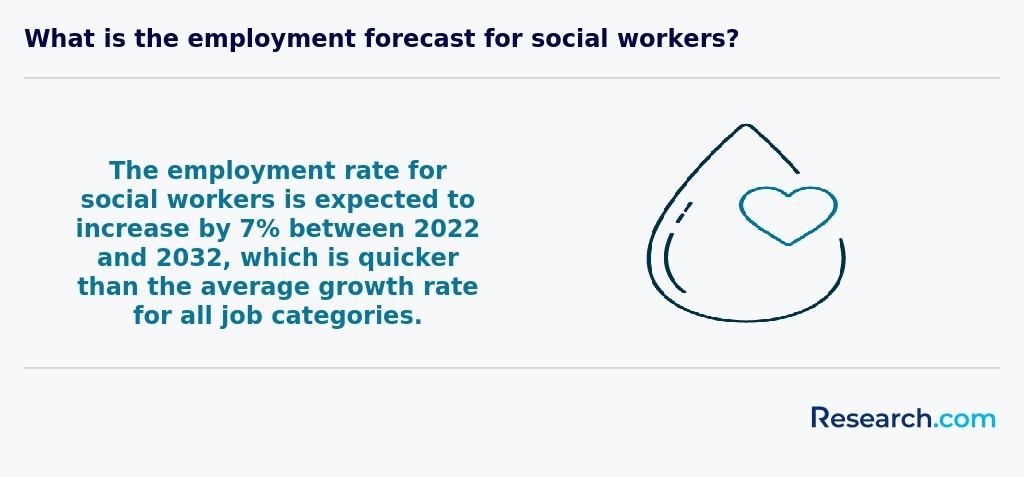
Preparing for the job market after earning an online human services degree in the South requires targeted strategies. Networking within local agencies is essential, as many Southern states rely heavily on community-based programs. According to the U.S. Bureau of Labor Statistics, jobs for human service specialists in the South are projected to grow 13% from 2022 to 2032.
Internships or practicum experiences strengthen practical skills and expand professional contacts. Graduates should also pursue state-specific certifications or licenses, which vary but often include credentials such as Certified Human Services Professional (CHSP).
Staying informed about regional issues like rural poverty and healthcare access improves employability. Utilizing resources from Southern-focused career centers or professional organizations benefits job seekers significantly.
Employers in the South highly value human services degree graduates who demonstrate strong communication and interpersonal skills. These abilities are essential for effectively assisting diverse populations, including vulnerable groups and individuals facing social challenges. According to the National Association of Social Workers, professionals in this region should also possess critical thinking and problem-solving skills to adapt to complex cases.
Another key skill is cultural competence, reflecting the South's diverse demographics. Employers look for graduates who can navigate cultural differences with sensitivity and respect. Additionally, proficiency in case management and knowledge of local social service systems are frequently requested by Southern employers.
Finding internships in the South for human services degrees involves several strategic steps. Start by exploring local agencies such as community health centers, social service departments, and nonprofit organizations that often partner with universities for internship placements. The Southern Regional Education Board reports that states like Georgia, North Carolina, and Florida have increasing demand for human services professionals, which can translate to internship opportunities.
Contact your online program's career services for tailored internship listings. Networking through online platforms like LinkedIn or joining regional associations, such as the Southern Human Services Association, can also connect you with potential internships.
Additionally, consider state government internship programs, as these often provide practical experience and sometimes stipends for human services students.
Obtaining an online human services degree in the South can significantly enhance career mobility and advancement opportunities. The region's growing demand for qualified social service professionals, driven by demographic changes and increased funding for community programs, creates a favorable job market. According to the U.S. Bureau of Labor Statistics, employment of human service workers in Southern states is projected to grow about 10% from 2022 to 2032, faster than the national average.
Online degrees offer flexibility for working adults, enabling them to gain credentials without relocating. Many employers in the South value accredited online programs from regional institutions, which meet local licensing requirements for social work and counseling roles.
Graduates with these degrees often advance to supervisory or management positions, earning higher salaries and broader responsibilities. Data from the Southern Association of Colleges and Schools highlights that online learning leads to comparable career outcomes as traditional on-campus programs, particularly in helping professionals balance work, study, and family commitments.
Studying for a human services degree online in the South equips students to work effectively across multiple disciplines. Southern programs often emphasize collaboration with social work, psychology, healthcare, and education fields. This interdisciplinary approach reflects workforce demands in states like Texas and Georgia, where agencies increasingly value professionals who can navigate complex social and health systems.
According to the National Association of Social Workers, South-based human services degrees integrate practicum experiences that expose students to varied community settings. This prepares graduates for roles involving case management, counseling, and policy advocacy. Additionally, regional programs tailor curricula to address local demographic challenges, such as rural healthcare access and poverty.
By combining theory with applied knowledge, these degrees foster critical thinking and adaptable skills, key to interdisciplinary human services careers.
Choosing between a thesis and a non-thesis human services degree program in the South depends on your career goals and learning preferences. Thesis programs focus on research and require writing a detailed dissertation, which prepares students for academic or research careers. Non-thesis programs emphasize practical skills through coursework and internships, suiting students interested in immediate professional work.
In Southern states, many online programs offer both options, reflecting diverse student needs. According to the Southern Council on Collegiate Education, over 60% of human services graduates in the South pursue careers outside academia, making non-thesis paths popular.
Cost and time commitment also differ; thesis degrees often take longer to complete. Evaluate how each aligns with your professional aspirations before deciding.
Students in the South interested in studying human services abroad have several options through partnerships between Southern universities and international institutions. Many Southern schools offer study abroad programs, internships, or exchange opportunities relevant to human services, facilitating global perspectives while earning credits.
Distance education and hybrid models also allow students to engage with global human services content without leaving the US. According to the Southern Regional Education Board, about 30% of Southern universities provide some form of international component in their human services or social work programs.
Additionally, programs accredited by the Council for Standards in Human Service Education (CSHSE) often emphasize culturally competent practice, preparing students for work in diverse global contexts even if physical study abroad is limited.
Part-time job opportunities in the South that complement a human services degree often involve roles in community support, social services, and healthcare settings. Positions such as case aides, mental health technicians, and youth counselors allow students to gain practical experience while studying. According to the U.S. Bureau of Labor Statistics (BLS), social and human service assistants in Southern states earn a median hourly wage of around $15. Many nonprofit organizations and government agencies in the South actively seek part-time staff to support vulnerable populations, including children, the elderly, and those with disabilities.
Online human services students in the South have access to a range of networking opportunities tailored to their field. Many Southern universities offering online programs organize virtual career fairs and professional webinars, connecting students with regional employers and alumni. According to the Southern Association of Colleges and Schools Commission on Colleges (SACSCOC), nearly 60% of accredited institutions in the South promote such events for online learners.
Professional organizations such as the National Organization for Human Services (NOHS) also host regional chapters and online communities specific to Southern states. These groups offer mentorship, volunteer opportunities, and conferences.
Additionally, partnerships between universities and local health agencies or nonprofits often provide internship placements, fostering hands-on networking crucial for career building in human services.
Alumni networks play a crucial role in supporting online human services degree students in the South by fostering connections across a diverse professional community. These networks offer mentorship opportunities that help students navigate career paths in social work, counseling, and nonprofit management.
In southeastern states, where the demand for qualified human services professionals is growing by about 7% annually according to the Bureau of Labor Statistics, such connections are invaluable. Alumni can provide access to local job markets often less advertised online.
Furthermore, alumni events and online forums facilitate knowledge sharing and professional development, which can be especially beneficial for remote learners seeking to build practical skills and stay updated on regional trends.
Customizing an online human services degree program in the South typically involves selecting specific concentrations or elective courses that align with your career goals. Many Southern universities offer tracks focused on areas like addiction counseling, gerontology, social justice, or mental health.
To tailor your education, consider schools accredited by the Council for Standards in Human Service Education (CSHSE), which ensures quality and relevance to industry needs. Coursework flexibility allows you to gain skills pertinent to roles in community organizations, healthcare, or social work supervision.
Additionally, some programs offer internships or practicum placements within Southern communities, enabling hands-on experience. According to the Bureau of Labor Statistics, regional demand for human services workers is projected to grow by 12% through 2030, highlighting the value of specialized skills in this area.
Reviewing program curricula and speaking with academic advisors can help you align your online studies with career advancement opportunities in the Southern human services job market.
Online human services students in the South often face distinct challenges related to connectivity and access to resources. Many rural areas in Southern states report limited broadband availability, which can hinder smooth participation in live lectures and resource downloads. According to the Federal Communications Commission (FCC), approximately 22% of rural Southern households lack reliable internet access, affecting their online learning experience.
Additionally, balancing work, family, and study commitments is common among students pursuing human services degrees, especially those who are already employed in caregiving roles. Time management becomes critical due to the demanding nature of both jobs and coursework.
Another challenge is limited local networking opportunities. Human services education benefits from community engagement, yet online students in isolated areas may struggle to connect with local agencies for practicum placements. This can delay graduation and practical experience accumulation.
With an online human services degree, professionals in the South can pursue several respected certifications that enhance career opportunities. Common certifications include the Certified Human Services Professional (CHSP) offered by the National Organization for Human Services, which validates core competencies in the field.
Another option is the Certified Case Manager (CCM), useful for those working in healthcare or social services. Additionally, some graduates seek credentials like the Licensed Clinical Social Worker (LCSW) or the Certified Alcohol and Drug Counselor (CADC), depending on state-specific requirements.
The Southern Regional Education Board highlights that such certifications often boost employability and earning potential in this growing sector.
To write a winning application for an online human services program in the South, start by clearly demonstrating your commitment to community service and helping others. Highlight any volunteer work or professional experience relevant to human services. Southern universities often value practical experience alongside academic achievements.
Strong letters of recommendation from supervisors or professors who can attest to your skills and dedication are essential. Additionally, tailor your personal statement to reflect your understanding of regional human service challenges, such as rural access or poverty issues common in the South.
Ensure all transcripts and documents are submitted on time and follow each program's specific application requirements. According to the Council for Accreditation of Counseling and Related Educational Programs (CACREP), emphasizing cultural competence in your application can improve your chances significantly.
The field of human services holds a unique position globally, reflecting diverse cultural and social needs. In the United States, and particularly in Southern states, human services professionals focus on improving community well-being, addressing challenges like poverty, addiction, and mental health. According to the Bureau of Labor Statistics, employment in social and human service occupations in the South is expected to grow by about 15% from 2021 to 2031, faster than the national average.
Globally, human services emphasize collaboration between sectors to support vulnerable populations. U.S.-based programs often incorporate international perspectives to prepare students for complex social issues in increasingly diverse communities. This trend is evident in many Southern online degree programs, which integrate global case studies and culturally competent approaches.
Students pursuing an online human services degree in the South can gain practical experience through supervised field placements, which many programs require. These internships typically involve working in local nonprofits, healthcare facilities, or government agencies that address community needs.
Additionally, students benefit from partnerships between Southern universities and regional organizations, allowing hands-on work while maintaining a flexible online schedule. According to the Southern Association of Colleges and Schools, about 75% of accredited programs in this region incorporate practicum components.
Volunteering and part-time employment related to social services also provide valuable real-world exposure alongside academic coursework.
Choosing the right concentration within an online human services degree program in the South begins with evaluating your career goals. The southern United States has diverse human services needs, including mental health, substance abuse, and community development. According to the U.S. Bureau of Labor Statistics, social service employment in the South is projected to grow by 7% from 2022 to 2032, highlighting demand for specialized skills.
Consider concentrations that align with regional demands, like healthcare case management or social justice advocacy. Research program curricula to ensure they offer practical skills and internships relevant to southern communities.
Financial aid availability, licensing requirements, and program accreditation also influence your choice. The Southern Association of Colleges and Schools Commission on Colleges (SACSCOC) accredits many programs, ensuring quality education.
- How to Overcome the Top Challenges Social Workers Face https://www.pacificoaks.edu/voices/social-work/social-work-challenges/
- 25 Best Online Human Services Degree Programs - Social Work Degree Center https://www.socialworkdegreecenter.com/best-online-human-services-bachelors/
- Home https://www.husson.edu/online/blog/2025/10/benefits-of-alumni-networks
- What do you learn in a bachelor's in human services? | edX https://www.edx.org/resources/what-do-you-learn-in-a-bachelors-in-human-services
- How To Navigate Human Services Challenges in 2026 https://nctinc.com/blog/how-to-navigate-human-services-challenges-in-2026/
- Best undergraduate courses in Human Services to study abroad - Edvoy https://edvoy.com/courses/undergraduate-human-services/
- HS-BCP Credential https://www.nationalhumanservices.org/hs-bcp-credential/
- 2025 Most Affordable Online Human Services Degrees https://www.onlineu.com/most-affordable-colleges/human-services-degrees
- 4 Human Services Careers https://www.albany.edu/education/communications/human-services-careers
- How to Maximize the Impact of Alumni Networks https://www.careeros.com/resources/how-to-maximize-the-impact-of-alumni-networks