2027 Fastest Online Bachelor's in Human Services Degree Programs Ranking in Virginia

Co-Founder and Chief Data Scientist
Are you a Virginia resident considering advancing your career with a human services degree? This article introduces the 2027 Fastest Online Bachelor's in Human Services Degree Programs Ranking in Virginia, developed by the Research.com team of data scientists. It is designed to help you find the most efficient and reputable programs available online.
Choosing the right degree can be overwhelming, but this ranking simplifies your decision-making with trustworthy data. Pursuing a human services degree opens doors to rewarding careers focused on helping others and making a positive impact in your community.
Key benefits of getting online human services degree in Virginia
- Human services graduates in Virginia often find rewarding roles with average salaries around $45,000 to $50,000 per year, reflecting the growing demand for compassionate professionals.
- Career paths include social work, case management, and community outreach, examples drawn from graduates of Virginia Commonwealth University showcase diverse opportunities.
- Online degrees from schools like Old Dominion University offer flexible schedules and the ability to balance work and study, making education more accessible and convenient.
- 2027 Fastest Online Bachelor's in Human Services Degree Programs Ranking in Virginia
- What can I expect from online human services degree in Virginia?
- Where can I work with online human services degree in Virginia?
What can I expect from online human services degree in Virginia?
Diving into an online human services degree in Virginia often means navigating costs that can feel both manageable and rewarding. On average, these programs hover around $10,000 to $20,000 in tuition for in-state students, especially at popular institutions like George Mason University or Radford University. Graduates recall feeling a mix of excitement and relief when discovering that many schools offer scholarships, tuition assistance grants, or credit for prior learning, which can significantly lighten the financial load.
Imagine pursuing your degree while knowing that practical internships and field experiences-key components at these Virginia colleges-add invaluable real-world skills without extra tuition fees. For many, the possibility of paying in-state rates or accessing dedicated financial aid sparks a sense of opportunity, making the dream of entering a fulfilling helping profession more accessible.
These financial realities shape the hopeful journeys of students balancing work, family, and study, creating stories of perseverance and success throughout Virginia's vibrant human services education landscape.
Where can I work with online human services degree in Virginia?
Graduates with an online human services degree from popular Virginia schools like George Mason University or Virginia Commonwealth University often discover exciting career paths across government, nonprofits, and healthcare. Imagine working in a bustling Virginia Department of Social Services office, helping families navigate child welfare or public assistance-many alumni describe this as a rewarding way to make a real impact on their communities.
Others find themselves energized at nonprofit agencies, tackling challenges like homelessness or substance abuse. These roles as case managers or outreach specialists offer a hands-on approach to improving lives, something graduates from local colleges frequently praise for its personal fulfillment.
Healthcare employers such as Sentara or VCU Health eagerly welcome human services grads to coordinate patient care or provide community health education. Students report feeling proud knowing their efforts support diverse populations in meaningful ways.
Beyond these, some graduates thrive in schools offering counseling or in correctional facilities aiding offender reintegration. The variety in Virginia's human services scene lets you explore paths that resonate with your passion, turning your degree into a doorway for impactful adventures.
Graduates with an online human services degree in Virginia often discover that starting salaries hover around $30,000 to $35,000, especially in entry-level roles like case management or support worker positions. Imagine a recent graduate from a well-known program at James Madison University navigating Richmond's vibrant social services sector, earning a solid entry wage while gaining hands-on experience.
As experience builds, wages tend to rise noticeably. For instance, graduates stepping into senior social service coordinator or program manager roles in Northern Virginia can see annual earnings between $45,000 and $55,000. This increase reflects not just added responsibility, but also the higher cost of living and the density of nonprofit and government agencies in these urban hubs.
Specializations, such as substance abuse counseling or mental health support, open pathways to higher incomes, sometimes topping $60,000. Those who pursued their online degrees through programs at community colleges across Virginia report feeling empowered to pursue these advanced roles, especially when paired with sought-after certifications.
- Online human services bachelor's programs in Virginia cost between $8,000 and $15,000 per year for in-state students.
- Employment for social and community service managers in Virginia is projected to grow about 7% over the next decade.
- Starting salaries for graduates typically range from $38,000 to $45,000 annually, with mid-career earnings between $50,000 and $60,000.
- Programs often include courses in counseling, case management, and community advocacy, plus virtual internships or practicum options.
- Accreditation is important to ensure degrees meet standards required for employment and licensure in some human services fields.
- Online degrees offer flexibility for working adults and remote learners supported by Virginia's strong digital infrastructure.
Others dive into accelerated pathways, fueled by transfer credits from community colleges or previous studies, completing their degrees in as little as two to three years. Imagine progressing swiftly through familiar material, freeing up time for enriching internships or practicum experiences essential for licensure in Virginia's dynamic social service field.
Graduates often share excitement about these customizable timelines, reflecting personal growth and resilience as they navigate academic and real-world challenges. This adaptable pace, common at institutions such as Old Dominion University, opens doors for working professionals eager to make a meaningful impact in human services without sacrificing their current lifestyle.
Imagine stepping onto the lively campus of George Mason University, chatting with classmates after a thought-provoking human services lecture. This on-campus vibe offers spontaneous connections, face-to-face mentorship, and immediate feedback-elements many Virginia students treasure. In contrast, a student enrolled in an online program from Old Dominion University experiences a different kind of freedom. They log in from home after work, fitting coursework amid family duties. The flexibility feels like a personal gift, allowing learners to explore human services concepts at their own rhythm without the commute.
Beyond schedules, cost nuances emerge. Online students often save on housing and transport, which can be a relief when managing budgets in Virginia. Yet, both paths embrace hands-on internships, with online learners partnering with local community agencies to gain real-world experience essential for licensure.
While online programs craft virtual networking events to spark camaraderie, campus life pulses with in-person energy. Graduates from Virginia Commonwealth University often reflect on bustling campus career fairs shaping their careers, a vibe tough to replicate online-but both options open doors to meaningful, fulfilling human services journeys.
The average cost of an online human services degree in Virginia hovers around $52,680, a figure that reflects both the value of quality education and the unique opportunities the state offers. Graduates from popular institutions like Old Dominion University and Virginia Commonwealth University often share inspiring stories of balancing studies with life's challenges while benefiting from in-state tuition rates, which are generally much friendlier on the wallet compared to private colleges. These schools charge roughly $300 to $400 per credit hour for in-state learners, creating a more accessible path without compromising on educational depth.
Understanding tuition and fees for human services degree Virginia involves more than just looking at credit costs. Many students experience additional fees for technology support and resources, which enhance their online learning adventure and immerse them fully despite the distance. Imagine a graduate navigating evening classes from home, never feeling isolated thanks to these digital tools that keep the experience vibrant and connected.
Luckily, Virginia residents often benefit from reduced rates that bring down the financial leap remarkably. Plus, scholarships, financial aid, and employer tuition assistance frequently tip the scales, making the degree more affordable than one might expect. For those eager to dive deeper, exploring accelerated human services degrees online can offer even faster routes to success without losing sight of quality.
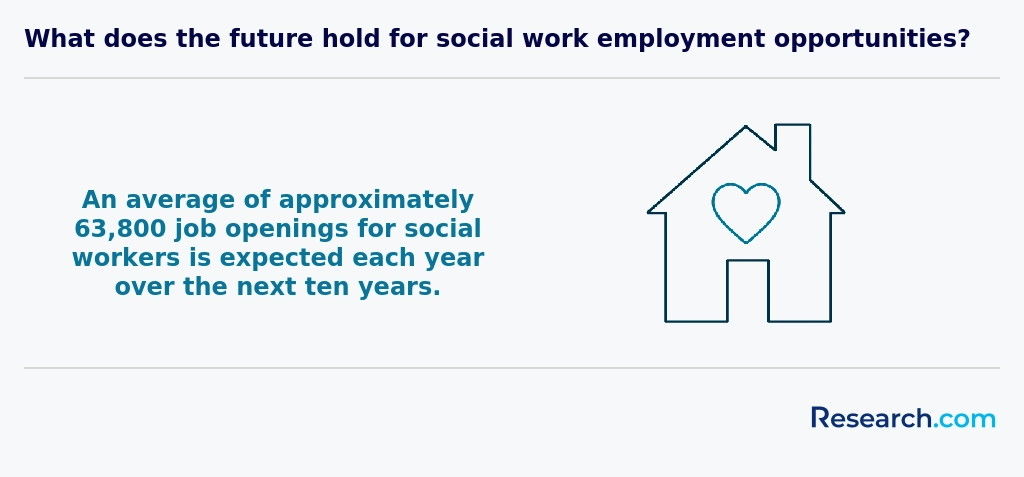
Imagine starting your journey at a school like Virginia Commonwealth University, where unlocking financial aid feels like discovering a hidden treasure. Many online human services students here dive straight into the FAFSA, opening doors to federal Pell Grants that can cover up to $7,395 annually-funds that feel like a friendly boost rather than a loan shadowing your future. This kind of support lifts the weight of tuition, making dreams feel within reach.
At private institutions in Virginia, graduates often recall receiving the Virginia Tuition Assistance Grant (TAG), easing the cost and letting them focus on their studies instead of bills. Meanwhile, public university students benefit from state-supported programs such as the Virginia Commonwealth Award or the College Scholarship Assistance Program, which act like guiding lights on their educational path.
Beyond these, institutional merit scholarships for online learners spark excitement, rewarding hard work and dedication. Some graduates find unexpected allies in professional organizations like the National Organization for Human Services, applying for scholarships that celebrate their passion. And don't forget employer tuition assistance-many who balance work and study have found this a game-changer in their human services adventure.
Imagine the ease felt by students at public universities in Virginia, where standardized tests like the SAT or ACT are often less critical thanks to test-optional policies post-2020. Instead, personal statements become a canvas, letting applicants narrate their passion for human services and the meaningful impact they envision for their communities.
- Letters of recommendation might come into play but often remain optional for adult learners embracing online studies.
- Background checks sometimes ensure readiness to work with vulnerable populations, a necessary step for those aspiring to social service roles.
- Residency in Virginia can sweeten the journey with lower in-state tuition, making studying at local universities more accessible.
Many graduates also highlight how prior volunteer or work experience in social services deeply enriched their classroom insights, turning theory into lived adventure. Whether choosing a public university or a private college in Virginia, these prerequisites are portals to starting a vibrant path in human services.
Diving into an online human services degree in Virginia, students quickly discover a vibrant curriculum full of practical and engaging courses. Graduates from well-known Virginia colleges share how foundational classes, like social welfare policies and ethical considerations, instantly sparked their passion by connecting textbook theories to real-world social challenges.
As they venture further, specialized courses such as Case Management and Assessment bring alive the experience of assessing client needs, similar to scenarios they might face in local community centers. Counseling Techniques courses are praised for empowering students with communication skills that graduates vividly remember using during virtual internships with Virginia non-profits.
Topics like Substance Abuse and Mental Health and Crisis Intervention introduce eye-opening moments, preparing learners to confidently handle emergencies and sensitive situations within diverse populations. Many enjoy the teamwork and leadership growth cultivated in Group Dynamics classes, reflecting real-life support groups encountered in their practicum placements.
Virginia's human services programs truly embrace hands-on learning, blending research methods and evaluation techniques that help students grasp how programs improve community wellbeing, often inspiring a deep sense of purpose and readiness for their future careers.
Online human services degree specializations in Virginia open doors to exciting career paths. Graduates from popular universities in the state often share how choosing tracks like Mental Health Counseling or Substance Abuse Counseling transformed their ability to support individuals during life's toughest moments. Imagine working with families in Child and Family Services, guiding children toward safer, happier homes, or diving into Gerontology to improve the quality of life for Virginia's aging population.
Many students explore Virginia human services online program concentrations such as Community Development and Advocacy, where they learn to energize communities and promote social justice. These specializations are not just academic pursuits-they're real tools for change. Students appreciate how online programs from colleges across Virginia let them balance studies with personal experiences, feeling empowered and ready to make an impact.
For those curious about options, the path to a human services degree online in Virginia includes a variety of targeted areas that spark passion and practical skill-building in a growing field.
Choosing the best online human services degree in Virginia starts with exploring programs that balance accreditation and real-world experience. Graduates from well-known Virginia institutions often share how internships shaped their understanding, placing them in community centers or social service agencies across the state. Imagine diving into case management scenarios that prepare you for Virginia's social services workforce, which employs thousands annually. Affordable human services bachelor programs Virginia offers can be a hidden gem for students seeking quality without breaking the bank, keeping total costs within a feasible range while providing access to essential technology and resources.
Flexibility is key, especially if you juggle work or family life. Many learners appreciate asynchronous courses that let them study late at night after a long day. Others thrive with occasional synchronous sessions that spark live discussions, making the experience feel vibrant and connected. To feel truly prepared, consider programs known for strong career support and check out resources on human services masters degree jobs, which reveal exciting pathways post-graduation.
Graduates with an online human services degree in Virginia find themselves stepping into a world bursting with meaningful career opportunities. Whether coordinating resources as a case manager or energizing community programs as an outreach coordinator, these roles blend purpose and impact. Many who studied at popular Virginia universities recall their excitement when first working alongside nonprofits to support families navigating complex social challenges, proving how dynamic and hands-on these careers can be.
The realm of online human services degree jobs Virginia offers also includes positions like mental health technicians or substance abuse counselor assistants, where empathy and quick thinking are essential. Graduates often share stories of feeling rewarded when helping individuals regain stability, especially in settings supported by the Virginia Department of Behavioral Health and Developmental Services.
For those navigating career opportunities for human services graduates Virginia, the vibrant mix of child services, elder care, and developmental disability support opens countless paths. Many appreciate how earning an affordable human services online degree created a foundation for both compassion and steady career growth.
The landscape for online human services jobs in Virginia is ripe with possibilities as demand grows across diverse communities. Graduates from popular Virginia colleges often find themselves stepping into roles within local social service departments or nonprofit organizations, where they support individuals facing mental health challenges or economic hardships. Imagine the rewarding experience of working in a mental health facility in Richmond or coordinating outreach programs in rural areas-these scenarios are becoming increasingly common for those holding an online human services degree.
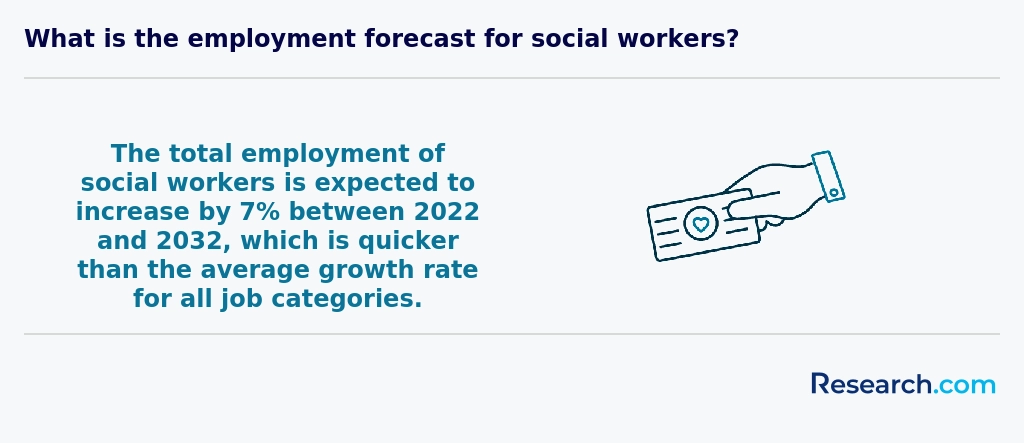
The Virginia job outlook human services degree reveals a steady growth of about 9% over the next decade, matching national trends. Many graduates share stories of balancing family commitments while advancing their careers through flexible online programs. Public universities offering these degrees provide affordable tuition, often between $8,000 and $12,000 annually, making it accessible for working adults eager to make a tangible impact.
Those curious about career paths can explore opportunities in program administration or case management, fields that welcome motivated professionals ready to engage with communities. For students eager to take the next step, a human services masters degree online offers a gateway to enriching and evolving roles across Virginia's social assistance landscape.
2027 Fastest Online Bachelor's in Human Services Degree Programs Ranking in Virginia
Investing in your education is a significant decision that can shape your future, and the Research.com team recognizes the importance of providing trustworthy guidance. To support prospective students in Virginia, we have carefully developed the "2027 Fastest Online Bachelor's in Human Services Degree Programs Ranking." Our dedication to quality, credibility, and accuracy is demonstrated by the thorough research and analysis undertaken to create this ranking.
We utilized the following reputable data sources to ensure a comprehensive evaluation of human services programs:
By reviewing this ranking, readers will gain valuable insights into the fastest online bachelor's degree options in human services available in Virginia, helping them make informed decisions about advancing their education efficiently. For more details on our methodology, please visit our Research.com methodology page.


# 3 position
Mary Baldwin University
Bachelor of Social Work

Frequently Asked Questions About human services
Students pursuing online human services degrees in Virginia can maximize their learning by engaging actively with course materials and instructors. Consistent participation in discussion forums enhances understanding and helps build professional networks. Utilizing Virginia's extensive state resources, such as the Department of Social Services and local nonprofit organizations, provides practical insights and internship opportunities.
Virginia ranks among states with growing demand for human services professionals, expecting a 10% job increase by 2030, according to the Bureau of Labor Statistics. Students should also leverage virtual tutoring services and attend webinars offered by accredited Virginia institutions to deepen their knowledge.
Time management is crucial; setting a structured study schedule helps maintain balance between coursework and personal responsibilities in an online format.
The human services field is evolving rapidly, with several emerging niches gaining prominence. In Virginia, areas like gerontology and behavioral health are expanding due to the aging population and increased awareness of mental health issues. According to the Virginia Department of Behavioral Health and Developmental Services, demand for qualified professionals in substance abuse counseling and crisis intervention has grown steadily.
Another growing niche is digital case management, where technology supports remote client services, making online degrees especially relevant. Trauma-informed care is also becoming a key focus, addressing the complex needs of populations affected by violence and poverty. These specializations offer promising career paths for students pursuing online human services degrees in Virginia.
After earning an online human services degree in Virginia, preparing for the job market requires focused steps. Begin by pursuing internships or practicum experiences, which are often part of degree programs and offer valuable hands-on training. Networking is essential; connect with local human services agencies such as the Virginia Department of Social Services to discover job openings and gain professional references.
Additionally, obtaining certifications like Certified Human Services Professional (CHSP) can enhance your resume. According to the U.S. Bureau of Labor Statistics, employment for social and human service assistants in Virginia is projected to grow by over 13% through 2031, reflecting strong demand. Staying informed about state licensing requirements and continuing education will also improve job prospects in this evolving field.
Employers in Virginia highly value specific skills in graduates with online human services degrees. According to the Virginia Department of Social Services, effective communication and empathy rank among the top competencies needed to support diverse populations.
Critical thinking and problem-solving skills are also essential, enabling graduates to develop and implement client-centered care plans. Additionally, knowledge of local social policies and resources is important for navigating Virginia's public assistance systems.
Leadership and teamwork abilities help graduates succeed in multidisciplinary environments, while technological proficiency is increasingly required for managing client data and virtual service delivery.
These skills align with the requirements of over 15,000 human services jobs projected in Virginia by 2028 (Virginia Employment Commission).
Finding internships in Virginia related to a human services degree begins with exploring local agencies and non-profits that serve diverse populations. The Virginia Department of Social Services and community organizations often offer structured internship programs for students pursuing human services careers. Many universities also maintain partnerships providing students with practical experience opportunities in fields like mental health, social work, and substance abuse counseling.
Utilizing resources such as Handshake, the statewide career platform, can connect students to openings across Virginia. Additionally, the National Association of Social Workers - Virginia Chapter publishes internship listings specific to social services roles in the region.
Networking through local professional groups and attending regional conferences can further increase access to internships. According to the Virginia Employment Commission, about 20% of human services roles are expected to grow by 2030, highlighting the value of hands-on experience for career advancement in the state.
Obtaining an online human services degree in Virginia can significantly enhance career mobility and advancement opportunities. Virginia's growing demand for social and community service managers, projected to increase by 12% from 2022 to 2032 according to the U.S. Bureau of Labor Statistics, creates favorable conditions for degree holders. An accredited online program equips students with essential skills in counseling, case management, and community outreach, which are highly valued by employers across public and private sectors.
Additionally, many Virginia employers prefer candidates with a bachelor's degree for supervisory roles. Online degrees also offer flexible scheduling for working professionals, enabling continued career progression without sacrificing income.
Graduates often qualify for roles in diverse settings, such as healthcare, social services, and nonprofit organizations, where leadership and specialized knowledge boost promotion potential. This educational path is aligned with Virginia's emphasis on workforce development in human services.
Studying for a human services degree online in Virginia equips students with skills to work across multiple fields such as social work, psychology, and public health. Virginia's programs emphasize collaboration, critical thinking, and cultural competence, which are essential for interdisciplinary roles. According to the Virginia Department of Social Services, professionals often interact with healthcare providers, educators, and law enforcement, requiring a broad knowledge base.
Courses typically cover topics like ethics, case management, and community resources, preparing students to coordinate services efficiently. This interdisciplinary approach addresses complex social issues affecting diverse Virginia populations, increasing employability in varied settings. Online programs also offer flexibility for working adults to gain these valuable skills.
When choosing between a thesis and a non-thesis human services degree program in Virginia, consider your career goals. Thesis programs focus on research, suitable for students planning graduate study or roles requiring strong analytical skills. Non-thesis tracks often emphasize practical skills and internships, ideal for immediate entry into social services or case management jobs.
Virginia's institutions may differ in length and credit requirements between these options. For example, thesis options often require an additional research project. According to the Virginia Department of Education, about 65% of human services graduates enter the workforce directly, favoring non-thesis routes.
Evaluate your professional plans and learning preferences carefully before deciding.
Students based in Virginia who want to study human services abroad have several pathways through online degree programs. Many accredited Virginia institutions offer partnerships or study abroad options embedded in their human services curricula, allowing learners to gain international perspectives while completing courses remotely. The Council for Standards in Human Service Education (CSHSE) accredits many programs, ensuring quality across borders. Virginia's higher education system supports global learning experiences, often through virtual exchanges or integrated fieldwork abroad.
According to the Virginia Community College System, nearly 15% of their human services students explore international modules as part of their degree experience. While fully remote degrees are most common, some programs encourage short-term residencies in partner countries, balancing flexibility with hands-on cultural exposure.
Part-time job opportunities in Virginia that complement a human services degree often involve direct client interaction and community support roles. Positions such as case aide, peer support specialist, and residential counselor provide practical experience aligned with human services principles. According to the Virginia Employment Commission, social and human service assistants in the state earn a median hourly wage of around $16, making part-time roles viable options for students.
Many local nonprofits and health agencies in Virginia offer flexible part-time roles focused on mental health, substance abuse, and family support services. These jobs enhance skills in communication, crisis intervention, and resource coordination.
Additionally, roles like administrative support in social service organizations can provide valuable exposure to program management and client record keeping.
Online human services students in Virginia benefit from a variety of networking opportunities despite their remote learning format. Many accredited Virginia institutions offer virtual events, webinars, and discussion forums tailored to online learners. These platforms connect students with faculty, alumni, and local human services professionals, fostering valuable relationships.
The Virginia Department of Social Services and organizations like the Virginia Human Services Network also provide online access to conferences and workshops. Participation in these events can help students build connections essential for internships and employment.
Additionally, statewide human services associations often include student memberships, creating further networking channels and mentorship possibilities.
Alumni networks provide significant advantages for online human services degree students in Virginia. These networks connect current students with graduates working in various social work, counseling, and community service roles across the state. According to the Virginia Department of Social Services, employment in human services roles is expected to grow by 8% through 2030, highlighting the importance of professional connections.
Alumni often share job opportunities, internships, and volunteer positions, helping students gain practical experience. Networking events and online platforms enhance mentorship possibilities, crucial for career development. For online students, these connections offer a sense of community and local insight despite physical distance.
In Virginia, online human services degree programs often offer customizable coursework to align with your specific career goals. Many schools allow students to select electives or concentrations such as substance abuse, mental health, or social work. This flexibility helps tailor your education to roles in community agencies, healthcare, or nonprofit organizations.
Some programs may also include internship opportunities or capstone projects, letting you gain practical experience in your chosen field. According to the Virginia Department of Social Services, the demand for qualified human services professionals is expected to grow by 8% through 2030, emphasizing the value of relevant, focused training.
Exploring individual colleges' curricula and accreditation status is important to ensure your degree supports your professional development and certification needs.
Online human services students in Virginia often face challenges related to balancing coursework with personal and professional responsibilities. Many learners juggle full-time jobs or family care, which makes time management essential but difficult. Additionally, limited in-person interaction can affect networking opportunities and practical skill development crucial for social work and counseling roles.
Technology access and digital literacy also present obstacles, especially for students in rural areas of Virginia where internet connectivity is inconsistent. According to the Virginia Department of Education, approximately 14% of households in some rural counties lack broadband access.
Lastly, securing required field placements or internships within Virginia's regulated human services sector can be competitive and complex, delaying graduation and certification.
Graduates with an online human services degree in Virginia can pursue several professional certifications to advance their careers. One common option is the Certified Human Services Professional (CHSP) credential, which demonstrates competence in delivering quality services. The National Organization for Human Services administers this certification recognized nationwide.
Another valuable certification is the Certified Alcohol and Drug Counselor (CADC), useful for those focusing on substance abuse counseling. Virginia also offers state-specific credentials like the Human Services Worker certification, which can enhance job prospects locally. According to the Virginia Department of Behavioral Health, certified professionals typically see better employment outcomes.
Additionally, professionals may consider certifications in related areas such as case management or mental health support, depending on their career goals and coursework completed during their degree program.
Writing a winning application for an online human services degree in Virginia requires clarity, focus, and relevance. Start by thoroughly researching each program's requirements and mission, as Virginia schools often emphasize community engagement and ethical practices in human services.
Highlight your experience in helping professions or volunteer work, demonstrating commitment to social welfare. Virginia's Department of Social Services notes a growing need for qualified human services professionals, making practical experience valuable.
Craft a compelling personal statement that explains your motivation, career goals, and how the degree aligns with Virginia's public service landscape.
Strong letters of recommendation from supervisors or mentors familiar with your interpersonal skills can enhance credibility.
Lastly, ensure all transcripts and test scores are accurate and submitted on time, as Virginia institutions maintain strict deadlines.
Human services careers are increasingly viewed through a global lens, emphasizing cultural competence and diverse community needs. Professionals in Virginia preparing through online human services degrees gain skills relevant to both local and international contexts. Globally, the demand for human services workers grows as societies face complex challenges such as migration, aging populations, and mental health issues.
In the U.S., and specifically in Virginia, the Bureau of Labor Statistics projects a 12% growth in social and human services jobs from 2022 to 2032, reflecting this global trend. This growth is partly driven by funding increases for public health and social assistance programs.
Furthermore, Virginia's diverse population encourages human services professionals to adopt inclusive practices. Online programs often integrate global perspectives, preparing students for work in multicultural environments. The Council for Standards in Human Service Education (CSHSE) supports curricula that reflect these worldwide considerations.
Gaining practical experience while studying for an online human services degree in Virginia is key to building a strong professional foundation. Many programs require students to complete supervised fieldwork or internships, often arranged in partnership with local agencies. Virginia's Department of Behavioral Health and Developmental Services supports numerous community organizations where students can gain hands-on experience.
Students often work in settings such as social service agencies, nonprofits, or healthcare facilities. These placements help develop skills in client assessment, case management, and crisis intervention. According to the Council for Standards in Human Service Education, field experience hours typically range from 100 to 300, depending on the program.
Additionally, some Virginia schools offer virtual simulations to supplement real-world experience, enhancing problem-solving and decision-making abilities relevant to human services careers.
Choosing the right concentration within an online human services degree in Virginia starts with understanding your career goals. Human services offers areas like addiction counseling, social work, and community outreach, each addressing different populations and skills.
Research Virginia's job market to identify in-demand specializations. For example, the Virginia Employment Commission reports steady growth in mental health and substance abuse counselor roles, which may guide your choice.
Accredited programs often provide detailed descriptions of concentration outcomes and related licensure requirements. Check if your preferred concentration aligns with Virginia's certification rules to ensure eligibility after graduation.
Consider personal interests and volunteer experiences that resonate with specific populations or challenges-you'll likely excel in areas that motivate you.
- 2027 Fastest Online Bachelor's in Human Services Degree Programs Ranking in Kentucky
- 2027 Fastest Online Bachelor's in Human Services Degree Programs Ranking in Pennsylvania
- 2027 Fastest Online Bachelor's in Human Services Degree Programs Ranking in Ohio
- 2027 Fastest Online Bachelor's in Human Services Degree Programs Ranking in New York
- 2027 Fastest Online Bachelor's in Human Services Degree Programs Ranking in Florida
- 2027 Fastest Online Bachelor's in Human Services Degree Programs Ranking in Missouri
- 2027 Fastest Online Bachelor's in Human Services Degree Programs Ranking in Iowa
- 2027 Fastest Online Bachelor's in Human Services Degree Programs Ranking in California
- Health and Human Services: Campus & Online Degrees and Careers https://www.publichealthonline.org/human-services/online-degree-programs/
- Making friends at university: How to build a social network https://www.srh-university.de/en/insights/tips-and-tricks-for-your-studies/making-friends-at-university-how-to-build-a-social-network/
- What can you do with a bachelor's in human services? | edX https://www.edx.org/resources/what-can-you-do-with-a-bachelors-in-human-services
- Human Services – Public Service & Safety – Virginia Western Community College https://www.virginiawestern.edu/academics/public-service/human-services/
- Best undergraduate courses in Human Services to study abroad - Edvoy https://edvoy.com/courses/undergraduate-human-services/
- Key Trends for Social Work and Human Services in 2026 https://nctinc.com/blog/key-trends-for-social-work-and-human-services-in-2026/
- Human Services, A.A.S. https://www.wvncc.edu/career-pathways-and-programs/human-services-a.a.s./503
- 6 Trends in Human Services That Will Change the Face of the Field | ANCOR https://www.ancor.org/connections/6-trends-human-services-will-change-face-field/
- Human Services | New River Community College https://www.nr.edu/hms/
- Human Service Week - List of ideas for topics for student groups https://www.human-service-week.org/past-human-service-weeks/human-service-week-2024/list-of-ideas-for-topics-for-student-groups