2027 Fastest Online Bachelor's in Human Services Degree Programs Ranking in Missouri

Co-Founder and Chief Data Scientist
If you're considering pursuing a human services degree in Missouri, finding the right online program can make all the difference. This article introduces the 2027 Fastest Online Bachelor's in Human Services Degree Programs Ranking in Missouri, created by the Research.com team of data scientists. It's designed to help you confidently navigate your options and choose a program that fits your goals.
By exploring this ranking, you'll discover programs that combine quality education with flexibility, helping you move forward in a rewarding career dedicated to making a positive impact.
Key benefits of getting online human services degree in Missouri
- Human services graduates in Missouri can expect competitive salaries around $35,000 to $45,000 annually, with some roles like social workers earning a median wage of approximately $50,000 nationwide, reflecting promising earning potential.
- Career options include social work, counseling, and community advocacy, as exemplified by graduates from the University of Missouri who successfully enter diverse roles supporting individuals and families.
- Completing a human services degree online at Missouri State University offers flexibility and convenience, allowing students to balance work and study, which enhances learning without sacrificing personal responsibilities.
- 2027 Fastest Online Bachelor's in Human Services Degree Programs Ranking in Missouri
- What can I expect from online human services degree in Missouri?
- Where can I work with online human services degree in Missouri?
What can I expect from online human services degree in Missouri?
The average cost of an online human services degree in Missouri is quite approachable, especially when compared to national averages. Many public universities such as Missouri State University and the University of Central Missouri offer competitive in-state tuition rates that make earning your degree affordable. Graduates often share how this affordability allowed them to focus on studying without the heavy burden of debt, making their educational journey less stressful and more rewarding.
Beyond just the sticker price, these programs provide flexibility that suits working adults balancing family and jobs. One graduate described managing a full-time job while completing asynchronous coursework, appreciating how the cost-effectiveness and schedule adaptability combined to make completing their degree feasible. This balance is crucial for those looking to grow in roles like case management or community outreach without sacrificing income.
Investing in an online human services degree in Missouri means gaining valuable knowledge at a price that respects your financial limits, opening doors to a meaningful career helping others.
Where can I work with online human services degree in Missouri?
Graduates from Missouri's online human services programs-such as those offered by the University of Missouri and Missouri State University-find rewarding roles across diverse sectors right here in the state. Many begin their careers in government agencies like the Missouri Department of Social Services, where they support families, children, and vulnerable adults. One graduate shared how their work as a child welfare case manager gave them daily purpose, knowing they were directly impacting lives for the better.
Nonprofits, including community action agencies, also eagerly hire human services professionals to coordinate support programs and provide counseling. Imagine working alongside caring teams at organizations like Volunteers of America, helping clients rebuild hope. Healthcare settings offer dynamic opportunities too-graduates often become patient advocates or mental health coordinators, bridging the gap between medical care and social support.
From universities addressing student well-being to businesses launching employee assistance programs, Missouri's human services degree holders enjoy meaningful careers that blend compassion with practical impact. Your online education here opens pathways to these fulfilling roles, empowering you to serve your community with heart and skill.
Graduates from online human services programs in Missouri often find their first roles as social and human service assistants, earning around $38,000 annually. While this may feel modest, many students from institutions like the University of Missouri or Missouri State University share how this entry point provides a strong foundation for growth.
With experience, earnings improve significantly. Those advancing to case manager or program coordinator positions often see salaries stretching between $45,000 and $55,000, particularly in urban hubs such as St. Louis or Kansas City where demand is high. Graduates focusing on mental health or child and family services report feeling motivated by their impact, noticing that their salaries tend to be at the higher end of this range.
Missouri's emphasis on certifications and licensure encourages students to pursue credentials that open doors to even greater pay. Licensed social workers and counselors in the state can earn upwards of $60,000, reflecting the value of specialized skills and dedication to their profession.
Ultimately, these opportunities prove that an online human services degree in Missouri can be a rewarding start to a career full of growth-and graduates often express pride knowing they are helping communities while steadily increasing their earning potential.
- Annual tuition for online human services degrees in Missouri ranges from $6,000 to $12,000 for in-state students, with private schools generally charging more.
- Entry-level salaries typically fall between $30,000 and $35,000 per year, while mid-career professionals can earn $45,000 to $55,000 annually.
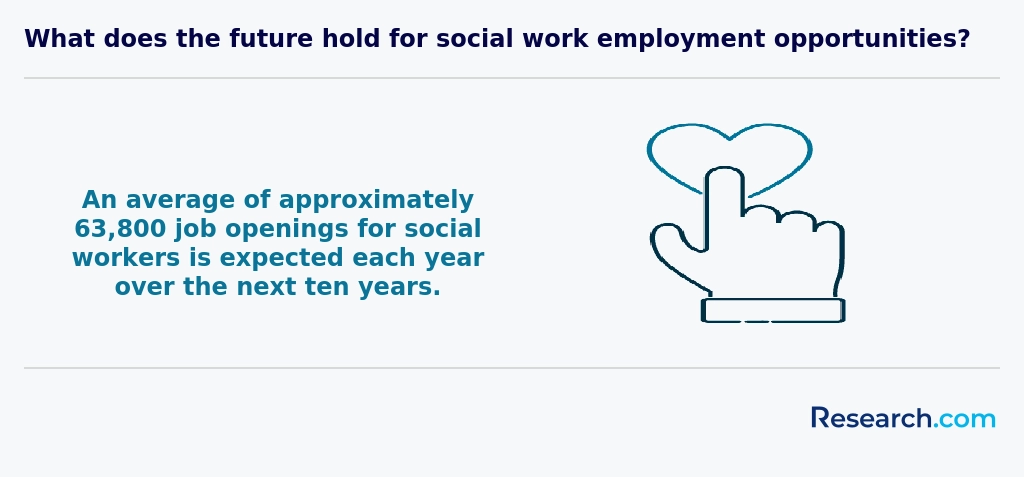
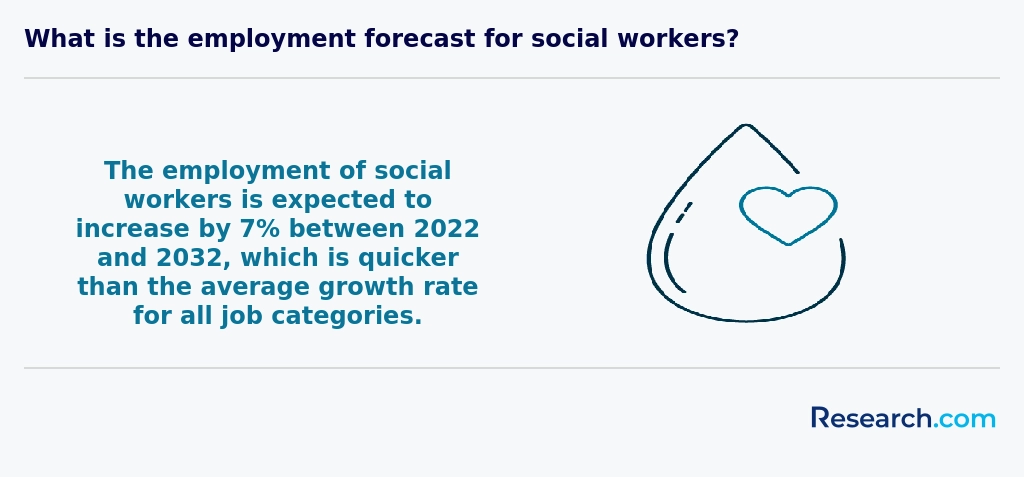
- Human services jobs in Missouri are expected to grow by about 7% over the next 10 years, matching national trends.
- Many programs include coursework aligned with licensing requirements, such as Certified Human Services Professional (CHSP) certification.
- Flexible scheduling is common to help students balance education with work or family responsibilities.
- Accreditation from groups like the Council for Standards in Human Service Education (CSHSE) indicates program quality and employer recognition.
Completing an online human services degree in Missouri usually takes about four years for full-time students, especially at well-known institutions like the University of Missouri or Missouri State University. Graduates often share how balancing coursework with life responsibilities initially felt challenging but rewarding, especially when taking advantage of accelerated courses during summer sessions to shorten their timeline to around three years.
For those starting with an associate degree, which typically takes two years full-time, many found their flexible online programs at community colleges like St. Louis Community College helpful for fitting studies around jobs or family. These students appreciated how credit transfers enabled them to progress smoothly into bachelor's programs.
Many online learners discover that part-time enrollment or receiving credit for prior experience-common in Missouri programs-can extend or reduce study time. Staying motivated by visualizing the impact of a human services career, combined with knowing that pacing your course load wisely affects your completion speed, makes this journey both manageable and inspiring.
Accredited programs in Missouri hold both regional and specialized recognition to ensure quality, credits transferability, and eligibility for professional credentials.
- Regional accreditation by the Higher Learning Commission (HLC) ensures credits transfer across institutions.
- Specialized accreditation from the Council for Standards in Human Service Education (CSHSE) verifies curriculum meets industry benchmarks.
- Eligibility to sit for the Certified Human Services Professional (CHSP) exam upon graduation.
- Alignment with Missouri state requirements supports licensure or certification pathways.
Consider advanced certification options in applied behavior analysis through our bcba online masters programs.
Choosing between online and on-campus human services degrees in Missouri comes down to your lifestyle and learning preferences. Graduates from the University of Missouri who took the traditional route often talk about the energizing connections made through face-to-face classes-building strong communication skills and forming networks that support their careers. These on-campus experiences provide structured schedules and immediate access to resources like career counseling, which many find reassuring.
Meanwhile, graduates from Missouri State University who pursued online degrees highlight the freedom to study asynchronously, balancing coursework with jobs or family life. For those in rural areas, online programs open doors otherwise closed by distance. Imagine logging into a class at midnight after a busy day but still advancing toward your human services career.
Both paths require hands-on internships, crucial for developing practical skills in community support. Understanding these differences helps you choose a program that not only fits your situation but fuels your passion to make a difference in Missouri communities.
Choosing a program with the right accreditation and clear certification pathways ensures your degree leads to recognized credentials and career growth.
- Regional Accreditation: Look for institutions accredited by bodies like the Higher Learning Commission (HLC) to guarantee transferability and employer recognition.
- Specialized Accreditation: Programs approved by the Council for Standards in Human Service Education (CSHSE) or similar organizations affirm curriculum rigor and field relevance.
- Certified Human Services Professional (CHSP): After graduation, pursue CHSP through the National Organization for Human Services to validate your expertise.
- State Credentials: Verify Missouri-specific requirements-such as background checks or health clearances-for roles in social services or counseling.
- Advanced Specializations: For those focused on behavior analysis, explore affordable pathways in behavior study via bcba online masters programs.
By prioritizing accredited programs and mapping out certification steps early, you’ll streamline licensure and enhance your professional credibility.
The average cost of an online human services degree in Missouri typically aligns with in-state tuition rates, making it an affordable choice for many students. Most in-state students pursuing an online human services bachelor's degree at institutions like Missouri State University or the University of Central Missouri can expect a median total cost around $34,800. Graduates often share that managing these expenses while balancing work and family life feels achievable, especially compared to pricier out-of-state or private options.
For those seeking affordable online human services bachelor's Missouri programs, public universities tend to offer the best value, with tuition roughly between $250 and $350 per credit hour. This comes to an estimated overall cost of $30,000 to $42,000 for a full degree. Many graduates describe their experience as rewarding, noting how lower tuition allowed them to focus on learning and gaining practical skills without an overwhelming financial burden.
Private schools, while sometimes costing $400 to $600 per credit hour, may offer scholarships and financial aid that ease the investment. Additional fees like technology or administrative costs vary but typically add a few hundred dollars each semester.
Military members, veterans, and their families can often access tuition assistance, further enhancing affordability. If you want to explore advanced opportunities beyond your bachelor's degree, consider investigating online masters programs in human services that can build on your educational foundation and career path.
When selecting an online human services program in Missouri, confirm regional accreditation by the Higher Learning Commission (HLC) and programmatic approval from the Council for Standards in Human Service Education (CSHSE). Accredited programs ensure quality education, credit transferability, and eligibility for federal aid.
Meeting Missouri credentialing and certification expectations often involves:
- Earning your bachelor’s degree from an HLC-accredited institution with CSHSE recognition.
- Passing the Certified Human Services Professional (CHSP) exam through the National Organization for Human Services.
- Completing any required background checks and supervised practicum hours mandated by the Missouri Department of Mental Health.
For specialized roles in behavior analysis, consider advanced credentials via bcba online masters programs.
Many students pursuing an online human services degree in Missouri find relief through federal financial aid, which includes Pell Grants and low-interest student loans. Graduates from schools like the University of Missouri or Webster University often share how completing the FAFSA unlocked essential funding that made their education affordable without overwhelming debt.
State programs such as the Access Missouri Financial Assistance Program provide need-based grants to both public and private college students, giving a much-needed boost to those balancing work and studies. Bright Flight Scholarships reward academic excellence on ACT or SAT exams, helping top performers at institutions like Missouri State University reduce their tuition costs.
Institutions themselves also offer scholarships targeting human services students, especially those returning to school or from underrepresented communities. Work-study jobs through these schools create opportunities to earn while gaining valuable field experience, often highlighted by graduates who appreciate applying classroom learning directly in community service.
Private scholarships from organizations like the National Organization for Human Services add another layer of support, encouraging students to pursue their passion with less financial worry. Exploring all these options early can transform your educational journey into a hopeful, manageable path toward a rewarding human services career.
Completing your online human services bachelor’s degree in Missouri faster demands strategic use of transfer, scheduling, and credit options.
- Leverage transfer credits from community colleges or prior coursework.
- Enroll in summer and winter session courses to shorten the calendar.
- Choose competency-based courses to earn credit for demonstrated skills.
- Plan a full-time course load (12–15 credits) each term with advisor approval.
- Apply for employer or military tuition assistance to offset costs of extra courses.
After finishing your bachelor’s, many graduates pursue advanced credentials-explore our bcba online masters programs to further accelerate your career impact.
To enroll in an online human services degree program in Missouri, you'll first need a high school diploma or GED, as this is the foundation for all your college work. Graduates from well-known schools like the University of Missouri or Missouri State University often mention how submitting official transcripts and meeting a minimum GPA around 2.5 helped them get accepted. Some programs still ask for SAT or ACT scores, but many Missouri schools embrace test-optional policies, especially for online students, making the path a bit smoother for you.
Writing a personal statement can really set you apart-it's your chance to share your passion for helping others, much like many successful alumni who highlighted their volunteer experiences in community centers. Letters of recommendation often strengthen your application by showing schools how committed you are, usually from those who've seen your dedication firsthand.
Remember, reliable internet and basic tech skills aren't just nice to have; they're essential for thriving in online courses offered by Missouri's top institutions. With these prerequisites met, you're well prepared to embark on a rewarding journey in human services.
After graduation, professional credentials validate your expertise and unlock advanced roles. Consider these key steps:
- Certified Human Services Professional (CHSP): requires a bachelor’s degree, 1,500 hours of supervised practice, and passing the CHSP exam through the National Board for Certified Helping Professionals.
- Missouri State Registration: register with the Department of Health and Senior Services and complete fingerprint-based background checks for roles serving vulnerable populations.
- Advanced Behavioral Credentials: specialize further by pursuing Board Certified Behavior Analyst credentials via bcba online masters programs.
When you enroll in an online human services degree program in Missouri, expect to engage with courses that truly prepare you for the rewarding work of helping others. Graduates from well-regarded programs at universities like the University of Missouri or Missouri State University often share how courses such as Introduction to Human Services gave them clarity on their future roles, while Psychology and Human Behavior helped them understand clients' perspectives deeply.
In courses like Social Welfare Policy, students explore local laws and community resources unique to Missouri, which proved invaluable for graduates working directly with state programs. Practical skills are sharpened in Case Management and Counseling Techniques, where learners role-play real client situations, gaining confidence to make impactful decisions.
Embracing Cultural Competency enriches your ability to serve Missouri's diverse populations with empathy and respect. Plus, classes covering Ethics in Human Services ensure you're prepared to navigate sensitive situations professionally.
Such coursework, paired with hands-on local internships, transforms students into compassionate professionals ready to make a meaningful difference in Missouri communities.
When pursuing an online human services degree in Missouri, students can choose from a variety of focused specializations designed to meet both personal passions and regional needs. Many graduates from popular institutions in Missouri find themselves drawn to addiction and recovery counseling, a specialization that addresses the state's pressing substance abuse challenges. These students often feel empowered knowing they can make a difference in communities heavily affected by opioid and methamphetamine use.
Another vital area is mental health services, where learners develop skills in counseling and advocacy to support the nearly one in five adults facing mental illness in Missouri. Students focusing here frequently share inspiring stories of helping individuals reclaim their lives through effective case management and compassion.
Specializations in child and family services are also common among Missouri's online human services specializations Missouri offerings, preparing graduates for roles in child welfare and family support. Others embrace fields like gerontology or community outreach, knowing their work will serve the aging population or nonprofit sectors statewide.
Exploring these paths can help clarify what jobs can you get with a social services degree and guide you toward a fulfilling career aligned with Missouri's unique social landscape.
Choosing the best online human services degree in Missouri means focusing first on accredited programs like those approved by the Council for Standards in Human Service Education (CSHSE) or the Higher Learning Commission. Graduates from popular schools in Missouri often share how accreditation gave their degrees credibility with local employers and confidence stepping into their careers. Many programs at state universities balance quality education with flexibility, ideal for students juggling work and family.
Considering affordable human services programs Missouri offers, some graduates highlight how tuition costs influenced their choices, especially since public institutions tend to offer competitive rates around $7,000 to $12,000 per year. They often recommend exploring scholarships and employer tuition reimbursement to ease financial burdens and stay motivated.
Look for programs that blend theory with practical skills, such as internships and courses covering counseling, case management, and social welfare policy. Missouri's unique community needs strongly shape curriculum, producing graduates ready for roles in mental health or substance abuse treatment. For those curious about career options, see what jobs can you get with a human services degree to align goals with programs.
Graduates of an online human services degree in Missouri find themselves stepping into roles that make a real difference in their communities. Many start as social and human service assistants, helping individuals access essential resources like food, healthcare, and housing-a rewarding entry point that builds valuable experience. Alumni from popular programs at Missouri State University or the University of Central Missouri often share how their education empowered them for jobs in case management, social work support, and community outreach. These graduates emphasize the meaningful impact they have made, fostering hope and providing stability for vulnerable populations.
Missouri's increasing investment in mental health and addiction recovery means there are growing opportunities in counseling and rehabilitation services, especially with the state's support for hands-on, supervised licensure paths. For those curious about career opportunities with online human services degree Missouri graduates can access, roles in government agencies and nonprofits are common next steps. If you're wondering what jobs can you get with a master's in human services, this field's diversity offers a path to personal fulfillment and professional growth.
The job market for online human services degree jobs Missouri is encouraging, with steady growth expected in social and human service roles. Graduates from popular institutions like the University of Missouri and Missouri State University often find rewarding opportunities as case managers or community outreach coordinators. They share how their training helped them adapt quickly to real-world challenges, such as supporting individuals facing mental health or economic struggles.
Employment for social and human service assistants is expected to grow by about 10% through 2032, slightly faster than the national average. This demand is fueled by organizations throughout Missouri, especially in rural areas, where qualified professionals are critically needed. Graduates appreciate how flexible online programs allow them to balance studying with work and life, making career transitions smoother.
Those curious about getting started can explore the shortest online human services degree programs, which offer practical skills and accessible pathways. With salaries averaging $35,000 to $45,000 depending on experience, the outlook for human services job outlook Missouri remains strong and hopeful.
2027 Fastest Online Bachelor's in Human Services Degree Programs Ranking in Missouri
Investing in your education is a significant decision that can shape your future, and the Research.com team understands the importance of making informed choices. To assist prospective students in Missouri, we have meticulously crafted the "2027 Fastest Online Bachelor's in Human Services Degree Programs Ranking in Missouri." Our commitment to quality, credibility, and accuracy is reflected in the extensive research and analysis conducted to compile this ranking.
We utilized the following reputable data sources to ensure a comprehensive evaluation of Human Services degree programs:
By exploring this ranking, readers will gain valuable insights into the fastest online programs available in Missouri, enabling them to make well-informed decisions tailored to their educational and career goals. For more details on our methodology, please visit our Research.com methodology page.



Frequently Asked Questions About human services
Online human services degree students in Missouri can enhance their learning by actively engaging with coursework and virtual discussions. Missouri ranks among the top states for social service employment, reflecting strong regional demand, so students should seek internships or practicum opportunities with local agencies. The Missouri Department of Social Services offers resources and sometimes partnerships with educational institutions that can provide relevant field experience.
Utilizing campus resources, even remotely, such as academic advising and career services, helps students stay on track and prepare for certification exams like the Human Services-Board Certified Practitioner (HS-BCP). Additionally, connecting with Missouri-based professional organizations, like the Missouri Chapter of the National Organization for Human Services, offers networking and knowledge sharing that enriches online study.
The human services field in Missouri is expanding into several emerging niches driven by societal needs and technological advances. One growing area is telehealth and remote counseling, which has gained traction due to Missouri's rural communities needing improved access to mental health services. According to Missouri Department of Mental Health data, tele-support programs increased by 35% between 2020 and 2023.
Another niche involves services for aging populations. Missouri's senior demographic is expected to grow 22% by 2030, boosting demand for specialists in elder care coordination and advocacy.
Additionally, there is rising interest in trauma-informed care and crisis intervention, especially related to opioid addiction and domestic violence challenges in the state. These niches offer promising pathways for students pursuing online human services degrees in Missouri.
Preparing for the job market after earning an online human services degree in Missouri involves several practical steps. Graduates should pursue internships or practicum experiences during their studies to gain hands-on skills matching Missouri's workforce needs, especially in social assistance, which employs over 40,000 workers statewide (Missouri Economic Research and Information Center, 2023).
Networking is vital; joining state professional groups such as the Missouri Chapter of the National Organization for Human Services can open doors to job opportunities. Additionally, obtaining certifications like the Certified Human Services Professional (CHSP) can improve job prospects and demonstrate commitment to the field.
Finally, staying informed about local labor market trends through resources like the U.S. Bureau of Labor Statistics helps graduates target growing sectors, such as mental health and community outreach services.
Employers in Missouri consistently prioritize strong communication skills in human services degree graduates. The ability to effectively listen and convey information is essential for supporting diverse populations, including vulnerable groups. Critical thinking and problem-solving are also highly valued, as professionals must assess client needs and develop tailored intervention plans.
Missouri's workforce data highlights empathy and cultural competence as top traits, reflecting the state's diverse communities. According to the Missouri Economic Research and Information Center, adaptability is increasingly important due to evolving social service demands. Organizational skills further help graduates manage caseloads efficiently within nonprofit and government agencies.
Finding internships in Missouri relevant to a human services degree involves exploring various regional agencies and organizations. Many state and local government offices, nonprofit groups, and healthcare facilities offer internship opportunities geared toward social work, community support, and counseling roles. Students should use Missouri's Department of Social Services website and local United Way chapters to discover openings.
Universities offering online human services programs often have partnerships with Missouri agencies, providing a pathway for internships. Platforms like Handshake and the National Human Services Assembly also list relevant internships nationally, including Missouri.
Networking with professional groups such as the Missouri chapter of the National Association of Social Workers can further aid students searching for placements. Employers value practical experience, which is essential for licensure in many human services roles, making internships a critical step for Missouri students.
An online human services degree significantly enhances career mobility and advancement opportunities in Missouri. Graduates gain foundational knowledge and practical skills essential for roles in social work, community outreach, and mental health support. According to the Missouri Economic Research and Information Center (MERIC), employment in human services-related fields is projected to grow by 9% from 2022 to 2032, faster than the average for all occupations.
Completing an accredited online degree also meets educational requirements for many state certifications, increasing eligibility for supervisory and specialized positions. Additionally, flexible online programs allow working professionals in Missouri to upskill without interrupting their careers, promoting upward mobility in agencies across the state.
Studying for an online human services degree in Missouri equips students with skills applicable across various fields such as social work, counseling, and public health. Programs emphasize practical knowledge in case management, ethics, and community resources, preparing graduates for collaboration with professionals from healthcare, education, and criminal justice sectors.
Missouri's human services curricula often integrate interdisciplinary coursework, reflecting the state's diverse social challenges. According to the Missouri Department of Social Services, demand for professionals capable of working in multifaceted roles is rising, with a 9% projected job growth through 2030.
This training fosters adaptability and broad understanding needed to address complex client needs in team settings.
When choosing between a thesis and a non-thesis online human services degree program in Missouri, consider your career goals first. Thesis programs involve completing original research, ideal for students aiming for advanced education or research roles.
Non-thesis options typically focus on practical skills and applied knowledge, suitable for those pursuing direct service careers or administrative positions in Missouri's human services sector.
The Missouri Economic Research and Information Center reports steady growth in social service jobs, highlighting demand for professionals with applied skills.
Graduate students often choose thesis tracks to develop critical thinking and research competencies valued in university or policy roles.
Cost, time commitment, and faculty availability also influence the decision.
Students based in Missouri seeking to study human services abroad often face limited direct options due to accreditation and licensing requirements. Most Missouri institutions offering online human services degrees emphasize domestic programs to ensure alignment with state licensure standards. However, some universities provide study abroad opportunities or international internships integrated within their online curricula, enabling exposure to global human services practices.
Missouri higher education regulations, guided by the Missouri Department of Higher Education and Workforce Development, encourage students to verify that any foreign coursework meets state credentialing standards. Additionally, organizations such as the Council for Standards in Human Service Education (CSHSE) support institutions in maintaining consistent program quality.
International study options generally require careful planning and approval to ensure credits transfer appropriately. Students interested should consult academic advisors to explore partnerships with foreign universities recognized for human services education.
Part-time job opportunities in Missouri that complement an online human services degree typically include roles in social services, healthcare, and nonprofit organizations. Positions such as case aide, community outreach worker, or peer support specialist provide practical experience while allowing flexibility for students balancing coursework. According to the Missouri Department of Mental Health, demand for human services professionals is steadily growing, with over 12% projected job growth in related fields from 2020 to 2030.
Many students find opportunities in local agencies like child welfare services or senior care centers. These roles help develop essential skills such as client interaction, crisis management, and resource coordination, directly supporting academic learning.
Online human services students in Missouri have a variety of networking opportunities despite studying remotely. Many universities encourage virtual engagement through online forums, group projects, and mentorship programs connecting students with experienced professionals.
Missouri hosts several organizations, such as the Missouri Alliance for Human Services and the National Organization for Human Services-Missouri chapter, which offer webinars, conferences, and local events accessible to students. These platforms help students build valuable connections and stay updated on industry trends.
Additionally, regional job fairs and internships facilitated through Missouri's community agencies provide practical experience and networking advantages. According to Missouri's Department of Social Services, internships significantly boost employment rates in human services, making these connections essential for career growth.
Alumni networks offer significant benefits to students pursuing online human services degrees in Missouri. These networks provide access to experienced professionals working in various human services fields across the state.
Connecting with alumni can help students find mentorship opportunities, which are crucial for career development and understanding local industry standards. According to the Missouri Department of Social Services, more than 20,000 people work in human services statewide, highlighting a competitive but growing job market where connections matter.
Additionally, alumni networks often share job openings and internship opportunities tailored to Missouri's community needs. This localized support helps students transition smoothly from education to employment within the state.
Overall, engaging with alumni enhances both learning and career success for online students in Missouri's human services programs.
Customizing an online human services degree in Missouri allows students to align their education with specific career goals. Many Missouri institutions offer elective courses or specialization tracks such as addiction counseling, gerontology, or social work practices. Selecting these options tailors the program toward particular fields within human services.
Practical experience through internships or field placements in Missouri agencies can enhance real-world skills. Missouri's workforce data shows strong demand for professionals in mental health and social assistance sectors, supporting focused specialization.
Additionally, students may integrate certification preparation, such as Missouri's Licensed Specialist Clinical Social Worker (LSCSW) exams, into their curricula for career advancement.
Online human services students in Missouri commonly face challenges with balancing coursework and personal responsibilities. Many students work while studying, making time management difficult. According to the National Center for Education Statistics (NCES), adult learners often juggle jobs and family commitments, which can affect their academic progress.
Access to reliable internet is another barrier, especially in rural areas of Missouri where broadband coverage is limited. The Missouri Broadband Now report found that nearly 14% of rural residents lack adequate internet access, impacting the online learning experience.
Additionally, students may struggle with limited direct interaction with faculty and peers, which can affect motivation and understanding of complex human services topics.
With an online human services degree in Missouri, graduates can pursue several professional certifications to enhance their careers. One common certification is the Certified Human Services Professional (CHSP), which validates knowledge and skills in human services. Another popular option is the Certified Case Manager (CCM), useful for those managing client care.
Missouri also recognizes the Licensed Social Worker (LSW) credential, which may require additional coursework or supervised experience beyond a bachelor's degree. According to the Missouri Division of Professional Registration, these certifications improve job prospects and often lead to higher salaries in social service fields.
Obtaining credentials demonstrates commitment and expertise, helping graduates stand out in this competitive sector.
Writing a winning application for an online human services program in Missouri begins with demonstrating a clear understanding of the field's goals. Admissions committees value applicants who show commitment to helping vulnerable populations. Missouri's Department of Social Services highlights the growing demand for qualified professionals, so emphasizing relevant volunteer or work experience can strengthen your application.
Prepare a focused personal statement that explains why you chose human services and how you plan to impact Missouri communities. Missouri colleges often require official transcripts that show solid academic performance, especially in related courses like psychology or sociology. Including strong recommendation letters from supervisors or educators familiar with your dedication can also boost your chance of acceptance.
Lastly, verify all application materials meet specific school deadlines to avoid delays. Missouri's workforce data shows an expected 10% growth in human service careers through 2030, making timely enrollment crucial.
The human services field has gained global recognition for its critical role in addressing social issues. In the United States, including Missouri, careers in human services focus on improving well-being through support, advocacy, and community resources. Globally, similar values underpin human services, but approaches differ based on cultural and economic contexts. For Missouri students pursuing online degrees, understanding these perspectives broadens awareness of diverse client needs. According to the Bureau of Labor Statistics, Missouri employs over 10,000 social and human service assistants, reflecting steady demand. This growing need aligns with global trends emphasizing mental health and social equity. Educational programs prepare students to work effectively across varied populations and challenges.
Students pursuing an online human services degree in Missouri can gain practical experience through local internships, volunteer work, and field placements. Many Missouri colleges and universities require or recommend field practicum hours, which are often completed at community organizations, social service agencies, or government programs.
Missouri's Department of Social Services offers numerous internship opportunities, providing exposure to case management, counseling, and program development. Additionally, nonprofits such as United Way or local health departments regularly collaborate with academic programs to support student involvement.
Practical experience helps develop essential skills and enhances employability by aligning academic knowledge with real-world application in Missouri's human services sector.
Choosing the right concentration within an online human services degree program in Missouri depends on your career goals and interests. Human services fields often include specializations like addiction counseling, social work, or gerontology. Missouri's Department of Social Services reports a growing need for professionals in mental health and substance abuse treatment, making these concentrations valuable.
Examine local job market trends and licensing requirements. Some concentrations may require specific certifications, such as Licensed Clinical Social Worker (LCSW) credentials, regulated by Missouri's Division of Professional Registration.
Review program curricula carefully to ensure courses align with your interests and desired career path. Consider also internship or practicum opportunities that offer practical experience within Missouri communities.
- 2027 Fastest Online Bachelor's in Human Services Degree Programs Ranking in Iowa
- 2027 Fastest Online Bachelor's in Human Services Degree Programs Ranking in Kentucky
- 2027 Fastest Online Bachelor's in Human Services Degree Programs Ranking in Ohio
- 2027 Fastest Online Bachelor's in Human Services Degree Programs Ranking in Florida
- 2027 Fastest Online Bachelor's in Human Services Degree Programs Ranking in Virginia
- 2027 Fastest Online Bachelor's in Human Services Degree Programs Ranking in Pennsylvania
- 2027 Fastest Online Bachelor's in Human Services Degree Programs Ranking in New York
- 2027 Fastest Online Bachelor's in Human Services Degree Programs Ranking in California
- Career Path: Human Services - Love Columbia https://lovecolumbia.org/career-path-human-services
- Humanity in Action: Understanding Human Services Degrees https://www.ucumberlands.edu/blog/humanity-in-action-understanding-human-services-degrees
- What can you do with a bachelor's in human services? | edX https://www.edx.org/resources/what-can-you-do-with-a-bachelors-in-human-services
- Become a Social Worker in Missouri https://socialworklicensemap.com/social-work-licensure/become-a-social-worker-in-missouri/
- 2025 Most Affordable Online Human Services Degrees https://www.onlineu.com/most-affordable-colleges/human-services-degrees
- Is a thesis always mandatory in a master's degree program? - EFMU: The Euler-Franeker Memorial University and Institute https://euler.euclid.int/is-a-thesis-always-mandatory-in-masters-degree-program/
- How to Maximize the Impact of Alumni Networks https://www.careeros.com/resources/how-to-maximize-the-impact-of-alumni-networks
- Human Services Careers | PublicHealthOnline.org https://www.publichealthonline.org/human-services/
- How To Solve the Key Challenges Faced by Community Social Workers https://www.casebook.net/blog/how-to-solve-the-key-challenges-faced-by-community-social-workers/
- Finding Networking Opportunities as a Student | National Society of High School Scholars https://www.nshss.org/resources/blog/blog-posts/how-to-find-networking-opportunities-as-a-student/