2027 Most Affordable Online Master's in Educational Technology Degree Programs Ranking in Missouri

Co-Founder and Chief Data Scientist
Choosing the right online master's program in educational technology can feel overwhelming, especially when budgets matter. This article presents the 2027 Most Affordable Online Master's in Educational Technology Degree Programs Ranking in Missouri, developed by the Research.com team of data scientists. It aims to help Missouri students make informed decisions by showcasing cost-effective, quality programs worth considering.
By exploring these options, you can confidently pursue a degree that advances your career without compromising your finances. Earning a degree in educational technology opens doors to innovative teaching opportunities and professional growth, making it a smart and rewarding choice.
Key benefits of getting online educational technology degree in Missouri
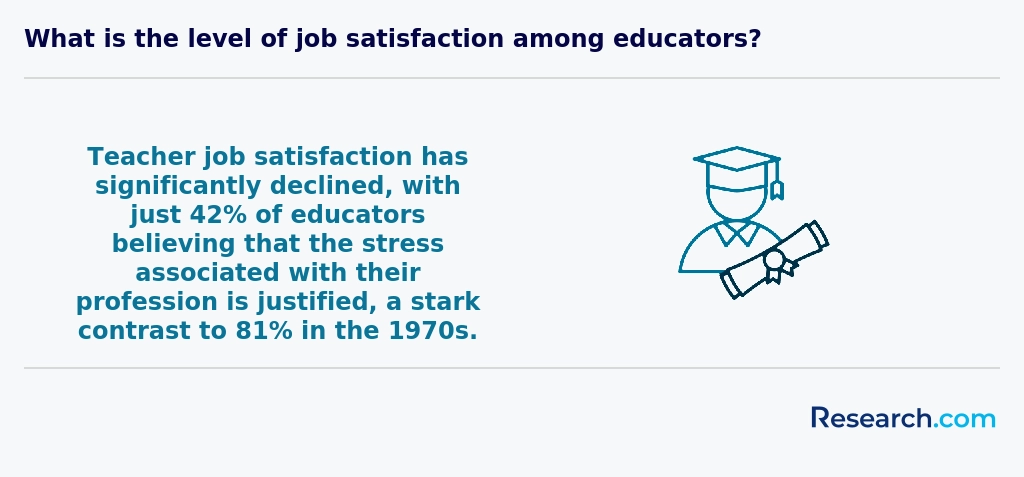
- Graduates with educational technology degrees often find rewarding careers, with U.S. median salaries for related roles like instructional coordinators ranging around $67,000 annually, offering solid financial stability.
- Career paths include instructional design, educational consulting, and technology integration specialist positions, as shown by successful graduates from Missouri State University who thrive in diverse educational settings.
- Completing the degree online provides flexibility to balance work and life, as experienced by graduates from the University of Missouri's online program, making education accessible without sacrificing quality.
- Key benefits of getting online educational technology degree in Missouri
- What can I expect from online educational technology degree in Missouri?
- Where can I work with online educational technology degree in Missouri?
- How much can I make with online educational technology degree in Missouri?
- 2027 Most Affordable Online Master's in Educational Technology Degree Programs Ranking in Missouri
- Key Findings
- How long does it take to complete online educational technology degree in Missouri?
- What's the difference between online and on-campus educational technology degree?
- What is the average cost of online educational technology degree in Missouri?
- What financial aid is available to online educational technology degree students in Missouri?
- What are the prerequisites for enrolling in online educational technology degree program in Missouri?
- What courses are typically in online educational technology degree programs in Missouri?
- What types of specializations are available in online educational technology degree programs in Missouri?
- How do you choose the best online educational technology degree in Missouri?
- What career paths are available for online educational technology degree students in Missouri?
- What is the job market for online educational technology degree in Missouri?
- Related Educational Technology Rankings for Nearby States
- Top Trending Educational Technology Rankings
What can I expect from online educational technology degree in Missouri?
The average cost of an online educational technology master's degree in Missouri varies but typically falls between $8,000 and $15,000 per year for in-state students. Public institutions like the University of Missouri and Missouri State University offer competitive in-state tuition rates, often significantly lower than out-of-state fees, making the programs financially accessible. Graduates frequently highlight how these cost structures allowed them to balance work and study without excessive financial strain.
Many Missouri public universities also provide state-sponsored scholarships and federal financial aid, further reducing expenses. For example, a graduate from Missouri State University reflected on benefiting from an in-state tuition discount combined with a state scholarship, which made the practical, project-based learning experience highly affordable.
Such affordability encourages enrollment in programs designed to equip students with skills in instructional design, digital curriculum development, and emerging technologies. This approach contributes to a positive and achievable pathway for educators aiming to enhance their careers with minimal financial burden while studying at respected local institutions.
Where can I work with online educational technology degree in Missouri?
Graduates with an online educational technology degree in Missouri find promising careers across multiple sectors. Many begin in K-12 public schools, supporting districts that have embraced digital tools-over 90% expanded their use since 2020. For instance, graduates from the University of Missouri often develop tech-integrated curricula, helping teachers and students engage with innovative learning platforms daily.
Higher education presents another pathway. Missouri State University alumni frequently become instructional designers or technology coordinators, enhancing online course quality and faculty training. These roles contribute directly to expanding online education, meeting growing institutional needs.
State agencies also demand expertise; some graduates manage e-learning projects within Missouri's Department of Higher Education and Workforce Development, shaping workforce training programs that impact public services statewide.
Privately, graduates join EdTech firms developing apps or corporate training teams creating digital employee development programs. With a median wage near $67,000 and a 7% job growth projection for instructional coordinators in Missouri, the career outlook is both stable and encouraging.
How much can I make with online educational technology degree in Missouri?
Graduates with an online educational technology degree in Missouri typically earn salaries ranging from about $50,000 to $80,000 annually, depending on experience and job role. For example, educational technology coordinators in larger Missouri school districts often begin near $50,000 but advance to $80,000 or more as they take on leadership roles or obtain advanced certifications.
Those working in higher education settings-such as graduates employed by the University of Missouri or Missouri State University-generally see median salaries between $55,000 and $75,000. Positions like instructional designers and educational technologists benefit from Missouri's growing focus on remote learning technologies, which can translate to increased job security and competitive pay.
Graduates often share positive experiences about how degree programs from these universities provided not only solid technical skills but also practical knowledge about digital content development and learning management systems. This combination helps them secure fulfilling roles that contribute directly to modernizing education, making their work both rewarding and financially viable in Missouri's evolving job market.
2027 Most Affordable Online Master's in Educational Technology Degree Programs Ranking in Missouri
How do we rank schools?
Investing in your education is a significant decision, and the Research.com team recognizes the importance of providing trustworthy and accurate information to support prospective students. To assist individuals interested in pursuing an online Master's in Educational Technology in Missouri, we have carefully developed the "2027 Most Affordable Online Master's in Educational Technology Degree Programs Ranking in Missouri." Our dedication to quality, credibility, and precision is demonstrated through rigorous analysis and research. We relied on the following reputable data sources to create a comprehensive and reliable ranking:
By consulting this ranking, readers will gain insightful guidance about affordable and quality online programs that best fit their educational goals in Missouri. For a deeper understanding of how this ranking was compiled, please visit our Research.com methodology page.


Key Findings
- Tuition for online master's degrees in educational technology in Missouri ranges from $12,000 to $22,000, varying by school and residency status.
- Starting salaries for graduates typically range between $50,000 and $60,000 annually, with experienced professionals earning over $80,000.
- Employment for educational technologists and instructional coordinators in Missouri is expected to grow 8% to 12% over the next ten years.
- Many online programs in Missouri follow DESE standards and offer internships with local school districts to support certification and career networking.
- Online programs offer flexible scheduling, helping students balance studies with work or family commitments.
How long does it take to complete online educational technology degree in Missouri?
The time to complete an online educational technology degree in Missouri typically ranges from 1.5 to 3 years, depending on enrollment status and program structure. At well-known institutions offering these degrees, such as the University of Missouri or Missouri State University, full-time graduate students commonly finish in about two years by completing 30 to 36 credit hours. Graduates often share positive experiences balancing coursework with work and family, appreciating flexible scheduling that supports their pace.
Part-time students, including working professionals, may extend their studies to three years or more. Many programs offer accelerated courses during summer sessions, enabling motivated students to advance more quickly. Others include practicum or capstone projects, which some students report as valuable hands-on experiences that naturally require extra time.
Based on Missouri Department of Higher Education data, the median completion time aligns with national averages, reflecting a typical two-year trajectory for full-time learners. This timing allows many graduates to progress steadily while managing other commitments without feeling overwhelmed.
What's the difference between online and on-campus educational technology degree?
Online and on-campus educational technology degrees in Missouri differ primarily in delivery format and student experience. Online programs, such as those offered by the University of Missouri system, provide flexible, asynchronous coursework that allows students to manage their studies around work and family commitments. Graduates often highlight the convenience of studying at their own pace without commuting, which reduces expenses related to housing and transportation.
In contrast, on-campus programs provide direct interaction with faculty and peers through face-to-face lectures and hands-on labs. Students at institutions like Missouri State University report valuing the immersive environment and immediate access to campus resources, which foster deeper engagement and networking opportunities essential for careers evolving rapidly in educational technology.
Cost differences can also influence decisions; Missouri data shows tuition for online programs generally matches or is lower than in-person options, with master's degrees ranging from $15,000 to $25,000. Both formats maintain alignment in curriculum and accreditation, though online learners must be self-disciplined in managing digital platforms, while on-campus students benefit from structured schedules and technical support.
What is the average cost of online educational technology degree in Missouri?
The average cost of an online educational technology degree in Missouri is notably accessible, with median total tuition at around $13,590. For in-state students, costs typically fall near $12,507, while out-of-state learners may expect to pay closer to $24,948. These figures position Missouri as a competitive option compared to other states, especially within public university systems such as the University of Missouri and Missouri State University. Graduates often express satisfaction, noting that the investment aligns well with the quality and flexibility of the programs.
For students pursuing an affordable online master's educational technology Missouri options commonly feature tuition charges per credit hour in the range of $250 to $450. Programs usually require between 30 to 36 credit hours, so understanding credit pricing and program length is vital for financial planning. A graduate shared that attending a Missouri public university made balancing career advancement and education more manageable due to the lower tuition rates.
Additional expenses such as technology fees and course materials add a few hundred dollars but remain reasonable. Many students benefit from scholarships and grants, which significantly reduce the out-of-pocket costs. Prospective learners exploring the cheapest online educational technology masters may find valuable information on financial aid and cost comparisons by visiting cheapest online educational technology masters.

What financial aid is available to online educational technology degree students in Missouri?
Online educational technology students in Missouri often access a robust mix of financial aid options that significantly reduce costs. Federal aid through the FAFSA unlocks Pell Grants and Federal Direct Loans, providing graduates with manageable ways to finance degrees. Although Pell Grants have limited availability for graduate students, Direct Loans remain a popular route due to favorable repayment terms.
State programs like the Access Missouri Financial Assistance Program support eligible students with grants based on financial need, a critical resource for those balancing work and study. Many graduates report leveraging institutional scholarships and assistantships at schools like the University of Missouri or Missouri State University. These opportunities can waive tuition and offer stipends, transforming the pursuit of an educational technology degree into a financially feasible goal.
Additionally, tuition reimbursement through employers in education or technology sectors eases financial pressure, reflecting real experiences of local graduates who balanced full-time jobs with online studies. Private scholarships from associations such as ISTE also provide competitive, valuable funding avenues for Missouri students.
What are the prerequisites for enrolling in online educational technology degree program in Missouri?
Applicants seeking enrollment in online educational technology programs in Missouri are generally required to hold a bachelor's degree from an accredited institution, often in education, technology, or a related discipline. For example, graduates from popular institutions like the University of Missouri report that this foundation is crucial to successfully engaging with advanced coursework.
Most programs expect a minimum undergraduate GPA around 3.0, ensuring that candidates demonstrate sufficient academic preparedness. While standardized test scores such as the GRE have been requested traditionally, several Missouri colleges have adopted test-optional policies, reducing barriers for hopeful students.
Letters of recommendation and personal statements serve as key components in the application process. These materials provide insight into candidates' professional dedication and passion for educational technology. Graduates commonly reflect on how crafting thoughtful personal statements helped them articulate their career-focused motivations clearly.
Additionally, individuals currently working as educators must often submit proof of licensure or relevant experience. This requirement aligns with state standards upheld by the Missouri Department of Elementary and Secondary Education and enhances the practical relevance of the coursework.
Technical readiness is also essential: reliable internet, a capable computer, and familiarity with LMS platforms such as Blackboard or Canvas allow students to fully participate in courses. Many online learners in Missouri feel empowered by gaining fluency in these tools, which bolsters their confidence and enriches their professional skills.
What courses are typically in online educational technology degree programs in Missouri?
Online educational technology degree programs in Missouri frequently include courses such as Instructional Design and Development, enabling students to create engaging digital content for diverse learners. Graduates from the University of Missouri report feeling confident applying these skills in real classroom scenarios, where designing interactive lessons is essential. Learning Theories and Educational Psychology courses help students understand how motivation and cognition impact learning outcomes, a vital insight for educators in fast-evolving digital environments.
Many Missouri State University alumni highlight the value of hands-on experience gained in Educational Technology Tools and Applications classes, where they work with learning management systems and collaboration platforms commonly used in schools. Assessment and Evaluation Strategies courses equip students to develop effective methods for measuring student progress, a frequent challenge encountered by education professionals adapting to technology-enhanced instruction. Research Methods in Education provides foundational skills that graduates appreciate for contributing to evidence-based decision-making.
Leadership and Project Management classes prepare learners to spearhead digital initiatives within educational settings, a capability praised by graduates who have assumed tech lead roles in schools and training centers across Missouri.
What types of specializations are available in online educational technology degree programs in Missouri?
Online educational technology specializations Missouri programs frequently include focused tracks such as Instructional Design and Technology, which trains students to develop engaging online curricula and digital learning experiences. Graduates from universities like the University of Missouri report feeling confident applying these skills in real-world instructional design roles.
Another prevalent specialization is Educational Administration and Leadership with a technology emphasis. This pathway prepares learners to manage school technology initiatives, blending leadership with technical know-how, appealing to professionals aiming for educational managerial positions in Missouri districts.
Digital Learning and Online Teaching specialization supports educators transitioning to virtual or blended classrooms, emphasizing effective online pedagogy and digital communication. Alumni from popular Missouri colleges describe this focus as instrumental in improving their online teaching skills.
Other specialized options such as Technological Innovation and Change or Data Analytics in Education attract students keen on managing emerging educational technologies or leveraging data to inform decisions. Tuition for these degrees at Missouri public institutions tends to be affordable, making them accessible for many.
Those interested in fastest masters instructional design online options will find Missouri's programs offer competitive and practical pathways aligned with career goals in educational technology.
How do you choose the best online educational technology degree in Missouri?
To choose the best online educational technology degree in Missouri, start by verifying the accreditation of universities like the University of Missouri or Missouri State University, which are known for reputable programs. Accreditation guarantees that your degree will be recognized by employers and credible institutions.
Affordability is key, especially as the average in-state graduate tuition for public universities in Missouri is around $11,000 per year. However, many affordable online educational technology master's Missouri options have lower fees due to reduced campus costs, helping graduates manage expenses effectively while maintaining quality education.
Graduates often emphasize the importance of a curriculum focused on instructional design, digital learning tools, and education data analytics, preparing them for diverse roles in schools and corporate environments. Flexibility, including asynchronous classes and strong student support, enhances the experience for those balancing work and family commitments.
Potential students should also check graduation and job placement rates, scholarships, and networking opportunities within Missouri's education technology community. For a thorough overview of affordable and innovative programs, consider exploring resources like online bachelor's of education options as part of your research.
What career paths are available for online educational technology degree students in Missouri?
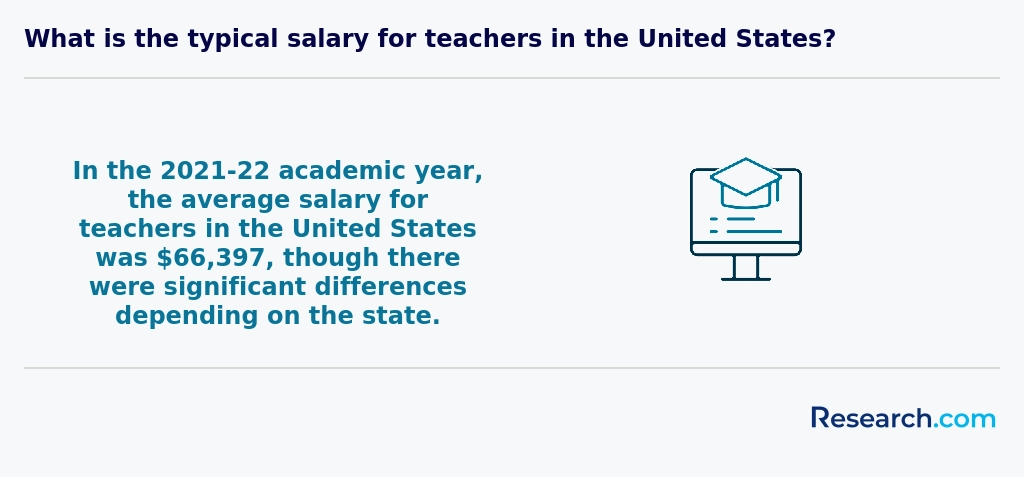
Graduates with an online educational technology degree in Missouri have access to diverse career paths reflecting the state's educational priorities. Instructional Coordinators develop curricula and train teachers in technology use, earning a median salary near $66,000 annually according to BLS data. Educational Technology Specialists are in demand within Missouri school districts to support distance learning, a need amplified by state digital literacy initiatives. Corporate Trainers apply educational technology skills for workforce development in various industries, while Learning Designers craft digital content for institutions and growing e-learning companies.
Many graduates from the University of Missouri and other regional public universities report positive outcomes, highlighting how programs tailored for working professionals enhance their ability to integrate technology effectively in educational settings. These roles illustrate promising opportunities linked to online educational technology careers Missouri institutions prepare students for, demonstrating steady job growth supported by the Missouri Economic Research and Information Center.
For those seeking less intensive study options, an easy online education degree may also complement skills in this expanding field.
What is the job market for online educational technology degree in Missouri?
The job market for online educational technology degree graduates in Missouri is steadily growing, driven by expanding use of digital learning tools in both K-12 and higher education institutions. Missouri employs over 1,200 instructional coordinators, many of whom specialize in educational technology, with median annual salaries around $67,500, slightly above the national median. Graduates from universities like the University of Missouri often find rewarding roles supporting faculty and staff as they integrate new educational technologies into curricula.
Many graduates report positive career development experiences in districts such as St. Louis Public Schools, where investment in blended and remote learning creates continuous demand for skilled professionals. This demand aligns with state initiatives promoting technology integration, improving both job availability and satisfaction.
Those exploring affordable online educational technology degrees Missouri can consider public universities offering competitive tuition rates. To identify cost-effective options, prospective students might explore the cheapest online masters in teaching degree pathways, which can ease financial barriers and enhance career prospects.
Frequently Asked Questions About educational technology
Students pursuing online educational technology degrees in Missouri can maximize their learning by actively engaging with course materials and participating in virtual discussions. Research from the Missouri Department of Higher Education indicates that students who communicate regularly with professors and peers tend to perform better academically.
Leveraging Missouri's strong network of digital libraries and online educational resources, such as those available through institutions like the University of Missouri System, can significantly broaden students' knowledge base. Time management is crucial, as Missouri students often balance studies with work or family commitments.
Additionally, joining local or state educational technology organizations, like the Missouri Society for Technology in Education (MoSTE), helps students connect with professionals and stay updated on industry trends.
The field of educational technology is rapidly evolving, with several emerging niches gaining prominence. One significant area is the development of adaptive learning systems, which use artificial intelligence to personalize educational content for students. This approach can improve learner engagement and outcomes, a focus highlighted in recent Missouri Department of Higher Education reports.
Another growing niche is the integration of virtual and augmented reality (VR/AR) in classrooms. Missouri universities are beginning to explore these technologies to create immersive learning experiences.
Additionally, data analytics and learning management system optimization remain critical as educators seek to better track and support student progress in digital environments.
After earning an online educational technology degree in Missouri, graduates should focus on building a strong professional network. Joining state-specific groups like the Missouri Society for Technology in Education (MSTE) can connect you with local educators and potential employers.
Gaining relevant experience through internships or volunteer roles in Missouri school districts increases job prospects. According to the Missouri Department of Elementary and Secondary Education, demand for educational technology specialists is rising as schools expand digital learning.
Obtaining certifications such as Google Certified Educator or Apple Teacher can also enhance your resume. Employers in Missouri value practical skills that improve classroom technology integration.
Continuing professional development and attending regional conferences keep you updated on trends and tools in education technology.
Employers hiring graduates with educational technology degrees in Missouri prioritize several key skills. Technical proficiency, including familiarity with learning management systems like Blackboard and Canvas, remains essential. Missouri's education institutions increasingly use digital tools, making technology integration skills vital.
Strong instructional design abilities are highly valued, enabling graduates to create effective, engaging online and blended learning experiences. Communication skills also rank high, as educators must collaborate with diverse stakeholders.
Data analysis expertise, particularly in assessing student performance and improving learning outcomes, is increasingly demanded. According to the Missouri Department of Higher Education, these combined skills improve job placement rates for graduates in the state's growing educational technology sector.
Finding internships in Missouri related to an educational technology degree involves several strategic steps. Start by exploring university career centers, especially those tied to online programs, as they often list internship opportunities aligned with educational technology.
Additionally, leverage local educational organizations such as the Missouri Association for Educational Technology (MAET), which connects students with internships in schools and EdTech companies. According to the Missouri Department of Higher Education, about 40% of educational technology graduates participate in internships before completing their degrees, highlighting their importance.
Lastly, consider networking through platforms like LinkedIn to connect with regional EdTech professionals and increase internship prospects in Missouri's growing education technology sector.
Obtaining an online educational technology degree in Missouri can significantly enhance career mobility and advancement. As schools and organizations increasingly adopt digital tools, professionals with expertise in educational technology are in high demand. According to the Missouri Department of Elementary and Secondary Education, districts are prioritizing technology integration, creating opportunities for specialists.
Graduates with this degree often qualify for roles such as instructional coordinators, technology trainers, or e-learning designers, which offer higher salaries compared to entry-level teaching. The U.S. Bureau of Labor Statistics reports a projected 10% growth rate for instructional coordinators through 2031, with Missouri reflecting similar trends.
Furthermore, many Missouri school districts require or prefer teacher leaders to possess technology credentials, making this degree a valuable asset for promotions. Online programs also provide flexibility for working professionals, facilitating continuous career development without relocation.
Studying for an educational technology degree in Missouri equips students with skills across multiple fields, including instructional design, information technology, and curriculum development. Missouri's programs emphasize collaboration between education and technology sectors to prepare graduates for diverse roles in schools, corporations, and government agencies. According to the Missouri Department of Higher Education, graduates often work in interdisciplinary teams to create learning solutions that combine pedagogy with digital tools. Coursework typically includes data analytics, multimedia production, and project management, offering a broad foundation. This interdisciplinary focus aligns with growing employer demand for professionals who can navigate both educational theory and technological applications.
Choosing between a thesis and a non-thesis educational technology degree in Missouri depends on your career goals and learning preferences. Thesis options generally require original research, appealing to students aiming for doctoral studies or research-focused roles. Non-thesis tracks typically emphasize practical skills and coursework, suited for professionals seeking immediate application in educational technology fields.
Schools like the University of Missouri and Missouri State University offer both formats online, reflecting broader U.S. trends toward flexible graduate education options. According to NCES data, 60% of Missouri master's students in education choose non-thesis paths, valuing shorter completion times and applied learning.
Consider faculty availability, program structure, and your long-term plans when deciding. Programs with a thesis may demand more time and mentorship, while non-thesis programs often feature project-based assessments.
Students based in Missouri interested in studying educational technology abroad have limited direct options, as most U.S. institutions focus on online or domestic programs. However, many Missouri universities with online educational technology degrees collaborate with international partners, allowing students to access global perspectives through virtual exchanges and study-abroad opportunities. For example, the University of Missouri system offers resources enabling students to engage in international research and project work remotely.
While fully online degrees typically do not require travel, students may consider short-term study abroad programs or internships facilitated by Missouri schools to gain international experience in educational technology.
According to the Missouri Department of Higher Education, roughly 15% of master's students participate in study abroad or international components, often integrated with their online courses.
In Missouri, part-time job opportunities that complement educational technology degrees include roles such as instructional design assistants, e-learning support specialists, and technology integration aides. These positions allow students to apply theoretical knowledge in real-world educational settings while developing practical skills.
Many Missouri school districts hire part-time technology coordinators to help with digital classroom tools and training. For example, the Missouri Department of Elementary and Secondary Education reports increasing demand for staff who support online and blended learning environments.
University tutoring centers and local libraries also offer part-time jobs that strengthen skills in educational software and digital content management.
Online educational technology students in Missouri benefit from a range of networking opportunities tailored to enrich their academic and professional growth. Many Missouri universities offering online programs facilitate virtual meetups, discussion boards, and collaborative projects that help students connect despite physical distances. Additionally, organizations like the Missouri Educational Technology Association (METEA) provide events, webinars, and conferences that foster community among educators and technology professionals statewide.
Students can also access regional chapters of national groups such as the International Society for Technology in Education (ISTE), enabling connections beyond Missouri. According to METEA, active participation in these networks improves career prospects and skill development in educational technology fields.
Alumni networks offer significant benefits to students pursuing online educational technology degrees in Missouri. These connections provide access to a community of professionals who share insights about local job markets and industry trends. According to the Missouri Department of Higher Education, nearly 70% of graduates find employment through networking opportunities within their alumni groups. For online students, this network helps bridge the distance by fostering mentorships, internships, and collaborations.
Such networks also facilitate career advancement by sharing job openings specific to educational technology roles in Missouri schools and districts. Additionally, alumni events and online forums promote continuous learning and professional development.
Customizing an online educational technology degree program in Missouri allows students to align their studies with specific career goals. Many Missouri institutions offer flexible curricula where you can select electives focusing on instructional design, e-learning development, or technology integration in classrooms. Some programs also provide opportunities for certificates or endorsements in areas like K-12 technology leadership.
Students can tailor projects and research to address real-world challenges in Missouri's diverse educational settings. According to the Missouri Department of Elementary and Secondary Education, schools increasingly seek professionals skilled in digital tools and personalized learning.
Advisors and faculty typically help students identify courses that build desired expertise, supporting specialization within the degree framework.
Online educational technology students in Missouri often face challenges related to balancing their studies with work and family responsibilities. Many are working professionals, and managing time effectively becomes a key hurdle. According to a 2023 report by the Missouri Department of Higher Education & Workforce Development, over 60% of online graduate students juggle employment alongside their coursework.
Technical issues also persist, as reliable internet access can vary, especially in rural areas of Missouri. This impacts the ability to participate fully in synchronous online classes or access multimedia learning tools.
Additionally, some students report difficulty in forming connections with peers and instructors, which can affect motivation and engagement. Missouri colleges are exploring ways to improve virtual interaction to address this concern.
With an online educational technology degree in Missouri, you can pursue several professional certifications to enhance your career prospects. Popular certifications include the Certified Educational Technology Leader (CETL) credential offered by the Consortium for School Networking (CoSN). This certification verifies skills in educational technology leadership and is widely recognized in K-12 and higher education sectors.
Missouri educators may also pursue the Missouri Educator Gateway Assessments (MEGA) to earn certification as technology specialists within schools. Additionally, certifications such as Google for Education's Certified Educator Levels 1 and 2 can complement a degree by demonstrating proficiency in using technology for instructional purposes.
Data from the Missouri Department of Elementary and Secondary Education confirms growing demand for certified technology educators, reflecting the state's investment in digital learning innovations.
To write a winning application for an online educational technology program in Missouri, start by clearly articulating your career goals. Highlight how the program aligns with your professional development and passion for technology integration in education. Emphasize any relevant experience with digital tools or teaching technologies, as Missouri institutions often seek candidates familiar with practical applications.
Include a strong statement of purpose that explains your motivation and readiness for rigorous graduate study. Missouri schools may look for applicants with solid academic records, so be sure to provide transcripts reflecting your aptitude. Additionally, requesting recommendations from professionals aware of your skills can strengthen your application.
Finally, carefully follow each program's specific application guidelines, as requirements can differ across universities in Missouri. For up-to-date statistics on enrollment and program offerings, the Missouri Department of Higher Education provides valuable resources to ensure your application fits state standards.
Educational technology careers are gaining importance worldwide, with the U.S. leading advancements in this field. In Missouri, earning an online degree in educational technology offers access to innovative teaching methods and digital learning tools aimed at improving education quality. According to the U.S. Bureau of Labor Statistics, roles in instructional coordination, closely linked to educational technology, are expected to grow by 6% nationally from 2021 to 2031.
Globally, demand for educational technology professionals is rising as schools and organizations adopt blended and remote learning models. Missouri's universities provide programs aligned with these trends, preparing students for careers that impact both local and international education systems. Students should consider how their skills will transfer across diverse educational environments.
Gaining practical experience while pursuing an online educational technology degree in Missouri is essential for career readiness. Many Missouri universities incorporate internships or practicum placements as degree requirements, allowing students to work directly with K-12 schools or higher education institutions.
Students can also engage in project-based learning by developing digital teaching materials or integrating technology in real classroom settings under faculty supervision. According to the Missouri Department of Higher Education, partnerships between universities and local school districts provide valuable field experience opportunities.
Furthermore, professional organizations like the Missouri Educational Technology Association offer workshops and networking to build hands-on skills while studying.
Choosing the right concentration within an online educational technology degree program in Missouri starts with understanding your career goals. Concentrations vary, typically focusing on instructional design, educational leadership, or technology integration. Each prepares students for different roles, from curriculum development to school administration.
Missouri's Department of Elementary and Secondary Education supports growing demand for educational technology professionals, with a 10% job growth projected through 2030. This underscores the importance of selecting a concentration aligned with regional needs.
Research program curricula carefully. Look for options offering practical skills, such as learning management system expertise or multimedia design. Verify faculty experience and online support services.
Finally, consider your background and interests. Aligning coursework with your strengths can improve job placement and satisfaction after graduation.
Related Educational Technology Rankings for Nearby States
- 2027 Most Affordable Online Master's in Educational Technology Degree Programs Ranking in Kansas
- 2027 Most Affordable Online Master's in Educational Technology Degree Programs Ranking in Kentucky
- 2027 Most Affordable Online Master's in Educational Technology Degree Programs Ranking in Georgia
- 2027 Most Affordable Online Master's in Educational Technology Degree Programs Ranking in Texas
- 2027 Most Affordable Online Master's in Educational Technology Degree Programs Ranking in South Carolina
- 2027 Most Affordable Online Master's in Educational Technology Degree Programs Ranking in Pennsylvania
Top Trending Educational Technology Rankings
References
- Best Online MEd Programs in Missouri (MO) https://www.onlinemastersdegrees.org/best-programs/education/missouri/
- Remote Educational Technology Jobs https://www.virtualvocations.com/q-remote-educational-technology-jobs.html
- How Educational Technologies Impact Student Success ... https://www.everylearnereverywhere.org/blog/how-educational-technologies-impact-student-success-and-equitable-learning-experiences/
- Master of Science in Educational Technology https://www.ucmo.edu/academics/programs/masters-degrees/coe/educational-technology-and-library-science/educational-tech/educational-technology-ms/
- What Can You Do with a Master's in Instructional ... https://www.umgc.edu/blog/what-can-you-do-with-a-masters-in-instructional-technology
- 6,932+ Edtech Jobs | Edtech.com https://www.edtech.com/
- Students' experiences of educational technology use to ... https://journal.alt.ac.uk/index.php/rlt/article/view/3193/3163
- Online Masters In Educational Technology Programs https://educationaltechnology.net/online-masters-educational-technology-programs/
- Educational Technology Specialists jobs in Missouri ... https://www.ihireschooladministrators.com/t-educational-technology-specialists-s-missouri-remote-jobs.html
- Online Colleges in Missouri https://www.oedb.org/missouri/