2027 Best Online Master's in Educational Technology Degree Programs Ranking in Pennsylvania

Co-Founder and Chief Data Scientist
Choosing the right online master's program in educational technology can be challenging, especially for students in Pennsylvania. This article offers the 2027 Best Online Master's in Educational Technology Degree Programs Ranking in Pennsylvania, carefully created by the Research.com team of data scientists to guide you toward informed decisions.
With this ranking, you'll discover programs that align with your goals, making it easier to advance your career and impact education positively. Earning a degree in educational technology can open doors to exciting opportunities and personal growth.
Key benefits of getting online educational technology degree in Pennsylvania
- Educational technology graduates in Pennsylvania often pursue careers like instructional coordinators, where the national mean annual wage is approximately $66,000, offering a rewarding financial future.
- Graduates from Pennsylvania institutions like Penn State enjoy diverse career options including instructional design, e-learning development, and educational consulting, making the degree versatile and valuable.
- Obtaining an educational technology degree online from schools such as Drexel University provides flexibility and convenience, allowing students to balance work and study effectively while gaining the same respected qualification.
- Key benefits of getting online educational technology degree in Pennsylvania
- What can I expect from online educational technology degree in Pennsylvania?
- Where can I work with online educational technology degree in Pennsylvania?
- How much can I make with online educational technology degree in Pennsylvania?
- 2027 Best Online Master's in Educational Technology Degree Programs Ranking in Pennsylvania
- Key Findings
- How long does it take to complete online educational technology degree in Pennsylvania?
- What's the difference between online and on-campus educational technology degree?
- What is the average cost of online educational technology degree in Pennsylvania?
- What financial aid is available to online educational technology degree students in Pennsylvania?
- What are the prerequisites for enrolling in online educational technology degree program in Pennsylvania?
- What courses are typically in online educational technology degree programs in Pennsylvania?
- What types of specializations are available in online educational technology degree programs in Pennsylvania?
- How do you choose the best online educational technology degree in Pennsylvania?
- What career paths are available for online educational technology degree students in Pennsylvania?
- What is the job market for online educational technology degree in Pennsylvania?
- Related Educational Technology Rankings for Nearby States
- Top Trending Educational Technology Rankings
What can I expect from online educational technology degree in Pennsylvania?
The average cost of pursuing an online educational technology degree in Pennsylvania typically ranges between $500 and $1,200 per credit hour for in-state residents. Many graduates from prominent institutions like Penn State or Temple University recall balancing their budgets carefully while appreciating the value of flexible tuition rates combined with financial aid opportunities. Public universities often provide state grants or scholarships especially targeted at education professionals, which can make this investment more manageable.
One graduate shared how the tuition aligned with their long-term career growth, seeing the expense as an investment in skills that opened doors to instructional coordinator roles within local school districts. The ability to study part-time while working allowed them to spread out costs, reducing financial stress and enhancing their learning experience.
These programs blend affordability with quality, ensuring students receive accredited training without overwhelming debt. For those passionate about advancing educational technology in Pennsylvania, the cost reflects a wise investment in both personal and professional development.
Where can I work with online educational technology degree in Pennsylvania?
Graduates with an online educational technology degree in Pennsylvania often find themselves stepping into vital roles within K-12 schools as instructional coordinators or technology integration specialists. Imagine working alongside teachers in districts serving over 1.7 million students, helping them confidently adopt new digital tools-a path frequently taken by those who studied at institutions like Penn State or Temple. These experiences foster a deep sense of purpose and impact.
Others move into higher education, supporting faculty at universities such as the University of Pennsylvania by designing engaging e-learning programs. These graduates describe the rewarding challenge of blending pedagogy with technology, especially as online and hybrid courses flourish.
Educational technologists also thrive in corporate and healthcare settings throughout Pennsylvania, where creating effective digital training programs becomes both a creative and practical pursuit. Graduates often speak of the satisfaction in helping employees grow their skills through innovative platforms.
Nonprofits and government agencies offer yet another avenue, providing opportunities to build community-focused learning initiatives that reach diverse populations, making the field feel truly meaningful and connected to broader social goals.
How much can I make with online educational technology degree in Pennsylvania?
Graduates from online educational technology programs in Pennsylvania often find rewarding salary opportunities that reflect both their skills and the regional job market. For example, instructional coordinators in the state earn a median annual wage of about $69,000, a figure that many recent graduates from institutions like Penn State or Temple University have shared experiencing as they step into professional roles. Entry-level positions can start around $45,000, offering a solid foundation for those beginning their careers.
Urban centers such as Philadelphia and Pittsburgh often provide higher wages, sometimes up to 15% more, which pleasantly surprised several alumni who relocated for work. In real-world terms, this means a technology specialist or instructional designer could earn salaries creeping towards $85,000 with experience and relevant certifications.
Many graduates emphasize how earning credentials like the Certified Professional in Learning and Performance (CPLP) alongside their degree noticeably boosted their earning potential and confidence in securing desirable roles across educational institutions and corporate training sectors in Pennsylvania.
2027 Best Online Master's in Educational Technology Degree Programs Ranking in Pennsylvania
How do we rank schools?
Investing in your education is a significant decision that requires careful consideration, and the Research.com team is fully aware of the impact this choice can have on your future. To support aspiring students in Pennsylvania, we have meticulously developed the "2027 Best Online Master's in Educational Technology Degree Programs Ranking in Pennsylvania." Our dedication to quality, credibility, and accuracy is demonstrated through rigorous research and thorough analysis.
We utilized the following reputable data sources to ensure a comprehensive evaluation of programs:
By reviewing this ranking, readers will gain valuable insights into the top online master's programs in Educational Technology in Pennsylvania, helping them make informed and confident decisions about their educational journey. For further information about our ranking process, please visit our Research.com methodology page.
# 1 position
Indiana University of Pennsylvania
Master of Education Training & Instructional Technology


# 4 position
PennWest California
Master of Advanced Study in Education (Concentration in Educational Technology and Online Teaching)

Key Findings
- The cost of a master's degree in educational technology in Pennsylvania ranges from $15,000 to $30,000, with public universities offering lower tuition for in-state students.
- Entry-level salaries for graduates typically range from $50,000 to $60,000 annually, increasing to $70,000-$85,000 with experience.
- Employment growth for educational technology roles in Pennsylvania is projected at about 8% over the next decade, faster than average for all occupations.
- Many Pennsylvania online programs are accredited by the Council for the Accreditation of Educator Preparation (CAEP), often including practicum or fieldwork components.
- There is a strong network of educational technology companies in Pennsylvania offering internship and job placement opportunities for graduates.
How long does it take to complete online educational technology degree in Pennsylvania?
Completing an online educational technology degree in Pennsylvania generally takes between one and two years, depending on how fully a student commits to their coursework. Graduates from Pennsylvania State University and Temple University often share how enrolling full-time allowed them to finish in about 12 to 18 months, immersing themselves fully in a curriculum blending instructional design and technology integration.
Part-time students juggling work or family commitments typically take up to two years or more, appreciating how online flexibility lets them study at their own pace. Many find this balance rewarding, as it preserves personal responsibilities without sacrificing progress toward their goals.
Including practicum or internship components can extend the timeline, but graduates emphasize how these hands-on experiences deepen understanding, making the extra time investment feel worthwhile. Access to summer or winter sessions also helps accelerate completion, showing that careful planning can shorten the journey.
Such flexibility and real-world application options make Pennsylvania's online educational technology programs uniquely supportive for those seeking both career advancement and personal enrichment.
What's the difference between online and on-campus educational technology degree?
Choosing between online and on-campus educational technology degrees in Pennsylvania often comes down to how you prefer to learn and live during your studies. Graduates from Penn State's on-campus program frequently share how energizing it was to engage face-to-face with faculty and classmates in hands-on workshops, gaining immediate feedback and building strong professional networks. On the other hand, students of Temple University's online program appreciate the freedom to study whenever their schedules allow, balancing coursework smoothly with careers and family life without the added costs of commuting or housing.
In Pennsylvania, online programs often use lively discussion boards and virtual labs that create dynamic, if remote, communities, which suit self-driven learners. Meanwhile, in-person programs emphasize live demonstrations and group projects, fostering direct collaboration. Tuition differences also matter; in-state students might find on-campus options more affordable, but online programs typically offer flat rates that benefit those outside Pennsylvania.
Both paths share rigorous accreditation and dedicated faculty, so your choice ultimately hinges on your lifestyle and learning style preferences.
What is the average cost of online educational technology degree in Pennsylvania?
The average cost of an online educational technology degree in Pennsylvania generally centers around $15,480 for in-state students, with a median total cost near $16,410 for both in-state and out-of-state learners. Graduates from well-regarded institutions like Pennsylvania State University World Campus often reflect on the value found in paying about $925 per credit, which totals close to $27,750 for a typical 30-credit program. These alumni frequently express satisfaction with the affordability balanced against the comprehensive, flexible education they received. The publicly funded universities in Pennsylvania tend to offer more competitive tuition and fees for online students compared to many private institutions.
Private schools, such as Arcadia University, generally have a higher tuition rate-sometimes reaching about $1,200 per credit, pushing total costs toward $36,000. Many students recount that while the investment is greater, the additional support services and personalized course options provided can justify the expense for those seeking a tailored experience. Reflecting on tuition and fees for online educational technology master's Pennsylvania programs reveals a thoughtful calculus between price and the quality of education tailored for future educators and technologists.
Beyond tuition, graduates often advise anticipating additional expenses like technology fees and materials. Many find it helpful to explore financial aid and scholarships geared toward educators or employer tuition reimbursement plans. For those searching for an affordable educational technology degree online masters, Pennsylvania's mix of public and private options provides a range of opportunities to match diverse financial and educational goals.

What financial aid is available to online educational technology degree students in Pennsylvania?
Students pursuing online educational technology degrees in Pennsylvania often find valuable financial support through federal aid programs. Many graduates from institutions like Penn State World Campus share how completing the FAFSA opened doors to Federal Pell Grants and low-interest Direct Loans, easing their path toward degree completion without overwhelming debt.
State-level assistance through the Pennsylvania Higher Education Assistance Agency (PHEAA) also plays a pivotal role. For example, recipients attending Drexel University Online have benefited from the Pennsylvania State Grant Program, which reduces tuition costs based on residency and enrollment status, making higher education more accessible.
Additionally, scholarships and tuition remission programs offered directly by universities provide personalized support. Graduates recall how university assistantships at Temple University Online recognized their professional backgrounds, combining merit and need to help manage expenses.
Finally, employer tuition reimbursement is a practical option many students appreciate, especially those balancing work and study in Pennsylvania's education technology sector-turning career growth aspirations into achievable goals with real financial relief.
What are the prerequisites for enrolling in online educational technology degree program in Pennsylvania?
To enroll in an online educational technology degree in Pennsylvania, most programs expect you to hold at least a bachelor's degree, typically from an accredited institution. Graduates from universities like Penn State and Temple often share how their foundational degrees, whether in education or related fields, shaped their confidence entering these programs. A minimum GPA around 3.0 is a common benchmark, reflecting the program's commitment to academic readiness.
Many students find that submitting transcripts, recommendation letters, and a personal statement articulating their passion for blending technology with teaching helps admissions understand their unique journey. Some programs still request GRE scores, though this is becoming less strict as test-optional policies take root.
Practicing educators in Pennsylvania, especially those with teaching certifications, often describe feeling empowered as these credentials strengthen their applications. Having reliable internet and being comfortable with digital tools is essential, since coursework is entirely online-a challenge many quickly overcome with university tech support and orientations.
What courses are typically in online educational technology degree programs in Pennsylvania?
Online educational technology degree programs in Pennsylvania typically include a thoughtful mix of courses designed to build practical skills and deep understanding. Graduates from well-known institutions often reflect warmly on foundational classes in instructional design, where they learned to craft engaging, tech-enhanced lessons that truly resonate with diverse learners.
Many programs immerse students in using popular learning management systems like Canvas or Blackboard, tools heavily adopted by Pennsylvania schools. This hands-on experience helps future educators confidently navigate and implement digital environments from day one.
Courses in digital content creation are especially appreciated, as graduates recall the excitement of producing videos and graphics that brought their teaching materials to life. These creative skills are invaluable with Pennsylvania's growing commitment to expanding digital learning across its public schools.
Additional studies in project management and research empower students to lead educational technology initiatives with confidence, anchoring decisions in data and evidence. Ethical considerations around privacy and accessibility also prepare students to meet the high standards set by Pennsylvania's Department of Education.
What types of specializations are available in online educational technology degree programs in Pennsylvania?
Online educational technology specializations Pennsylvania offers are thoughtfully designed to meet diverse professional goals. Graduates from well-regarded institutions like the University of Pennsylvania or Temple University often highlight specializations such as Instructional Design and Technology, where they acquire skills to create engaging digital learning environments. This specialization reflects a real demand as more schools seek professionals who can develop interactive, user-friendly courses.
Other students pursuing Pennsylvania online Masters in educational technology options choose Educational Leadership and Technology. This path prepares them to lead district-wide initiatives, blending tech expertise with leadership skills. Graduates from these programs describe feeling confident managing real-world challenges in educational technology integration.
Emerging fields like Learning Analytics and Data Management attract learners who thrive on using data to enhance student success. Another practical specialization is Online Teaching and Learning, helping educators master virtual classrooms-something graduates from Pennsylvania colleges find vital for today's evolving education landscape.
For those eager to accelerate their career, exploring an accelerated instructional design master's degree online can be an ideal, time-efficient choice.
How do you choose the best online educational technology degree in Pennsylvania?
Choosing the best online educational technology degree in Pennsylvania means focusing on accreditation and curriculum quality. Graduates from Drexel University often emphasize how the strong theoretical foundation combined with practical experience in instructional design prepared them well for real-world challenges. Programs at Temple University showcase the importance of faculty actively involved in contemporary educational technology research, which greatly enriches learning and networking opportunities.
Affordability also plays a critical role, especially for those seeking affordable online educational technology degrees PA offers. Public institutions frequently provide in-state tuition benefits, easing financial burdens. Flexibility is key too-working professionals appreciate asynchronous courses that allow balancing studies with career demands.
Networking with alumni who've moved into leadership roles across schools and edtech companies reveals how program reputation influences career growth. If you're also considering foundational studies, exploring a bachelor degree in education online can provide a helpful stepping stone toward advanced educational technology credentials geared for Pennsylvania's evolving educational landscape.

What career paths are available for online educational technology degree students in Pennsylvania?
Graduates with an online educational technology degree in Pennsylvania frequently find rewarding opportunities as Instructional Designers, where they create engaging digital learning content for schools and corporations. Many students from universities such as the University of Pennsylvania and Penn State share how these roles let them blend creativity with technology, crafting experiences that truly enhance education.
Educational technology careers in Pennsylvania also include roles like Educational Technology Specialists. These professionals support faculty by introducing new digital tools, often in school districts around Philadelphia or Pittsburgh, making classrooms more dynamic and interactive. Graduates appreciate the satisfaction of helping teachers feel confident in using technology to benefit students.
Online educational technology job opportunities Pennsylvania offers further extend into administrative positions such as eLearning Coordinators or Distance Education Managers. Graduates recall managing online programs at prominent colleges, finding it deeply fulfilling to expand access to education through technology.
For those seeking diverse options, consulting provides freedom and impact. Advising local schools on digital strategies cultivates rewarding professional relationships. Considering costs and benefits, those curious about finding the easiest education degree online often find educational technology uniquely empowering for career shifts.
What is the job market for online educational technology degree in Pennsylvania?
The job market for graduates with an online educational technology degree in Pennsylvania shows promising growth. Many graduates from well-known universities and colleges in the state find rewarding positions as instructional designers, educational technology specialists, or training coordinators. These roles often involve creating digital learning experiences and helping K-12 or higher education institutions adopt technology effectively. The Pennsylvania educational technology career outlook is strong, as districts and universities increasingly invest in blended and remote learning models.
Graduates frequently share positive experiences adapting to real-world challenges, such as implementing learning management systems or developing engaging online curricula. These opportunities are enriched by Pennsylvania's diverse education landscape, including its many public school districts and respected universities. Salary prospects are stable, reflecting the competitive nature of local markets.
For those exploring options, it is helpful to know that tuition for online programs varies, but many Pennsylvania schools offer in-state discounts that ease financial pressures. You might consider exploring affordable master teaching programs online to balance quality and cost effectively while preparing yourself for a meaningful career in educational technology jobs Pennsylvania.
Frequently Asked Questions About educational technology
Students pursuing online educational technology degrees in Pennsylvania can enhance their learning by actively engaging with course materials and participating in virtual discussions. Research from the Pennsylvania Department of Education highlights that programs integrating collaborative tools significantly improve student outcomes. Utilizing time management strategies and setting clear goals is also critical, as 62% of online students in Pennsylvania report these habits boost their academic performance. Additionally, seeking out internships or practicum opportunities within local school districts provides practical experience valuable for career readiness. Accessing university academic support and technology resources further ensures students stay connected and supported throughout their studies.
The educational technology field is rapidly evolving, with several emerging niches gaining attention among Pennsylvania professionals. One key area is adaptive learning technologies, which personalize education by using data analytics to tailor content to individual student needs. This approach enhances engagement and outcomes in both K-12 and higher education settings.
Another growing niche involves virtual and augmented reality (VR/AR). Pennsylvania schools and universities increasingly adopt these tools to create immersive learning experiences, especially in STEM fields. According to the Pennsylvania Department of Education, VR-based learning tools usage increased by 18% from 2021 to 2023.
Learning analytics also represent a vital niche. This involves collecting and analyzing student data to improve teaching strategies and identify learning gaps early. Institutions offering online educational technology degrees in Pennsylvania often emphasize this expertise to meet market demand.
Finally, mobile learning platforms are expanding, as remote and hybrid education models remain popular post-pandemic. Pennsylvania's online education programs increasingly focus on mobile accessibility to support diverse learners statewide.
Completing an online educational technology degree in Pennsylvania can open doors to various roles in instructional design, e-learning development, and education technology management. To prepare for the job market, graduates should focus on building a strong portfolio that showcases practical projects using current educational software and learning management systems.
Networking is also crucial. Joining Pennsylvania-based professional groups like the Pennsylvania Society for Educational Technology (PSET) can provide valuable connections and job leads.
Furthermore, staying updated with Pennsylvania Department of Education guidelines and technology integration standards enhances employability in local schools and districts. According to the Bureau of Labor Statistics, educational technology jobs in Pennsylvania have grown 8% over the past five years.
Acquiring certifications such as Google Certified Educator or Adobe Captivate Specialist can further distinguish candidates in this competitive market.
Employers in Pennsylvania highly value graduates of online educational technology programs who demonstrate strong technical proficiency and instructional design skills. The ability to develop engaging digital learning materials and effectively use learning management systems ranks among the top competencies sought. According to the Pennsylvania Department of Labor & Industry, skills in multimedia content creation and data-driven assessment are increasingly in demand as schools and businesses prioritize online and hybrid learning environments.
Additionally, communication and collaboration skills are essential, as graduates often work with educators, administrators, and IT teams. Familiarity with emerging technologies like virtual reality or adaptive learning software can provide a competitive advantage. Many employers also expect familiarity with accessibility standards to ensure inclusive educational experiences for all students in Pennsylvania's diverse learning population.
Finding internships in Pennsylvania relevant to an educational technology degree involves targeting schools, districts, and tech companies focused on education. Many universities, including Penn State and Temple University, offer career services that connect students with local internships. According to the Pennsylvania Department of Education, over 500 school districts are increasingly integrating technology, creating growing internship opportunities focused on instructional design and digital learning tools.
Statewide job boards like PA CareerLink also list internships in educational technology. Networking with professors and joining professional associations such as the Pennsylvania Educational Technology Association (PETE) can help uncover unadvertised positions. Internships typically last one semester and may sometimes provide academic credit.
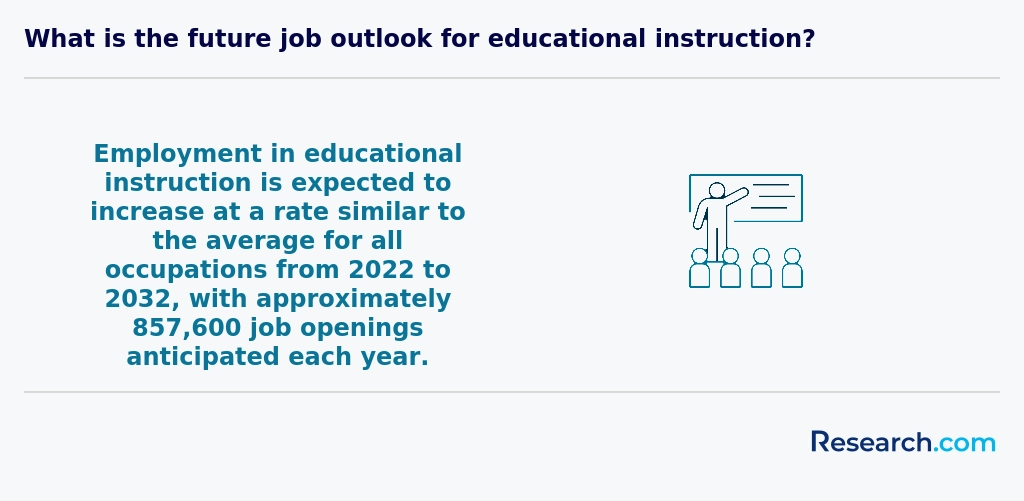
An online educational technology degree in Pennsylvania can significantly enhance career mobility and advancement. The state's growing emphasis on digital learning tools and e-learning infrastructure has created a demand for professionals skilled in educational technology. According to the Pennsylvania Department of Labor & Industry, roles related to instructional coordination and educational technology are projected to grow by 8% from 2022 to 2032, faster than the average for all occupations.
Graduates with this degree often qualify for positions in school districts, higher education institutions, and corporate training programs. Advanced skills in technology integration can lead to leadership roles such as curriculum designers, educational consultants, or technology coordinators. Many Pennsylvania employers recognize online degrees from accredited institutions, supporting upward career paths.
Further, the flexibility of online programs allows professionals to upskill without interrupting their careers, aiding continuous advancement in Pennsylvania's competitive education sector.
Studying for an educational technology degree in Pennsylvania offers students a strong foundation for interdisciplinary roles by integrating knowledge from education, technology, and design. Programs usually emphasize skills in instructional design, digital tools, and data analysis, preparing graduates to work across sectors like K-12 schools, corporate training, and higher education. According to the Pennsylvania Department of Education, there is growing demand for professionals who can bridge technology with pedagogy to improve learning outcomes.
Many Pennsylvania institutions collaborate with local industries, providing practical experience with real-world applications. This approach fosters adaptability and problem-solving abilities, essential for interdisciplinary teams.
National Center for Education Statistics data shows that educational technology jobs in Pennsylvania are expected to grow by over 10% through 2030, reflecting the need for versatile graduates.
Choosing between a thesis and a non-thesis educational technology degree in Pennsylvania depends on your career goals and learning preferences. Thesis programs require original research, making them ideal for students aiming for doctoral studies or research roles. Non-thesis options focus more on practical skills and project development, fitting for professionals seeking advancement in applied roles within schools or corporate training.
Data from the Pennsylvania Department of Education highlights a growing demand for educational technology specialists, with over 30% job growth projected by 2030. This trend supports both research-driven and practice-oriented pathways. Additionally, thesis programs often take longer to complete due to research requirements, while non-thesis tracks might offer faster graduation.
Consider program flexibility as well; many Pennsylvania universities offer fully online non-thesis options, providing convenience for working professionals. Reviewing program curricula and speaking with advisors can clarify which format aligns with your personal and professional objectives.
Students based in Pennsylvania looking to study educational technology abroad have several pathways, though these opportunities are often linked with U.S. institutions offering international partnerships. Many Pennsylvania universities provide online degree programs in educational technology, enabling students to participate remotely while engaging with global perspectives. According to the National Center for Education Statistics, Pennsylvania enrolls a growing number of graduate students in online education programs, reflecting increasing flexibility.
Some programs include study abroad components or international collaborations, allowing students to gain global experience without relocating. Additionally, Pennsylvania residents can explore accredited online programs from foreign universities recognized in the U.S., but should verify transferability and accreditation carefully.
Consulting the Pennsylvania Department of Education and specific universities' websites is recommended for up-to-date options and exchange opportunities.
Part-time job opportunities in Pennsylvania that complement educational technology degree education often include roles such as instructional designer assistants, e-learning content developers, and technology support specialists in school districts or universities. These positions allow students to apply skills in digital curriculum design and educational software management while gaining practical experience.
The Pennsylvania Department of Education highlights a growing demand for technology integration specialists, reflecting a 12% increase in tech-related education roles since 2020. Additionally, many higher education institutions in Pennsylvania offer on-campus remote learning support jobs, providing relevant work aligned with educational technology.
These roles enhance a student's resume and deepen their understanding of technology implementation in educational environments, which is vital for career advancement in this field.
Online educational technology students in Pennsylvania have multiple networking opportunities to support their professional growth. Many universities offering these degrees, such as Penn State World Campus, facilitate virtual networking events and online student groups specifically focused on educational technology. These platforms allow students to connect with peers and faculty statewide.
The Pennsylvania Educational Technology Expo and Conference (PETE&C) is a prominent annual event attracting thousands of educators and tech professionals. Online students can often attend virtually, gaining access to workshops and networking sessions. According to PETE&C statistics, over 3,500 participants engage each year, offering substantial networking potential.
Moreover, statewide organizations like the Pennsylvania Association for Educational Communications and Technology (PAECT) provide forums and webinars that online students can join. Membership in such organizations enhances access to industry contacts and job postings relevant to Pennsylvania's educational technology field.
Alumni networks play a vital role for students pursuing online educational technology degrees in Pennsylvania. They offer access to a community of graduates who share expertise and professional connections, helping new students navigate the evolving educational technology landscape. According to the Pennsylvania Department of Education, over 70% of working professionals find job opportunities through alumni referrals.
These networks often provide mentorship programs, webinars, and job boards tailored specifically to educational technology roles, increasing career readiness. Furthermore, Pennsylvania's strong presence of educational technology companies means alumni connections can lead to valuable internships and collaborative projects. Engaging with alumni enhances both learning and employment outcomes for online students.
Customizing an online educational technology degree program in Pennsylvania begins with selecting schools that offer flexible curricula. Many Pennsylvania institutions allow students to choose elective courses aligned with career goals, such as instructional design, learning analytics, or educational media development.
Students can also pursue certificates or specializations within their degree, enhancing skills in areas like K-12 technology integration or corporate training. According to the Pennsylvania Department of Education, tailoring skills to meet the growing demand for digital learning experts increases job prospects in both public education and private sectors.
Advisors at these universities often work with students to map out individualized plans that incorporate internships or practicum experiences relevant to specific career paths.
Students pursuing online educational technology degrees in Pennsylvania often face challenges balancing work, family, and coursework. According to the Pennsylvania Department of Education, many learners report time management as a primary difficulty, especially when courses require synchronous participation.
Technical issues are another common barrier. Reliable internet access and up-to-date devices are essential, yet rural areas in Pennsylvania still experience connectivity gaps, impacting students' ability to engage seamlessly.
Additionally, some students find it challenging to build connections and collaborate effectively in virtual environments. Limited face-to-face interaction can hinder networking and peer support, which are vital in educational technology fields.
Finally, navigating financial aid and understanding accreditation differences adds complexity to many students' decision-making processes.
With an online educational technology degree from Pennsylvania, students can pursue several professional certifications to advance their careers. Popular options include the Certified Educational Technology Leader (CELT) credential, which is recognized nationally and helps demonstrate leadership skills in integrating technology in education.
Additionally, graduates often seek the Google Certified Educator or Google Certified Trainer certifications, particularly valuable in Pennsylvania's schools where technology integration is growing rapidly. According to the Pennsylvania Department of Education, over 60% of school districts prioritize tech-savvy professionals.
Other certifications include the International Society for Technology in Education (ISTE) Certification, which offers a comprehensive approach to digital learning skills. Many Pennsylvania educators use these credentials to meet ongoing professional development requirements.
When applying to an online educational technology program in Pennsylvania, crafting a clear and focused application is essential. Start by highlighting your academic background, especially any experience related to education or technology. Programs often look for candidates with a solid foundation in both fields. Pennsylvania has seen a growing demand for educational technology professionals, with local schools investing more in digital tools, according to the Pennsylvania Department of Education.
Make sure to detail your career goals and explain how the program aligns with them. Emphasize any experience you have with online learning platforms or instructional design, as these skills are highly valued. Including letters of recommendation from educators or supervisors who can attest to your technical and teaching skills can strengthen your application. Finally, demonstrate your commitment to advancing learning through technology, supported by relevant examples or projects.
The global perspective on a career in educational technology highlights strong growth and evolving opportunities, especially in the U.S. Higher education institutions in Pennsylvania reflect this trend by offering online degrees that prepare students for a technology-driven learning environment. According to the Pennsylvania Department of Education, technology integration in schools has risen steadily, increasing demand for skilled professionals.
Experts note that educational technologists bridge gaps between teaching and technology, working internationally in diverse educational settings. The Bureau of Labor Statistics projects a 13% growth in instructional coordinators, including educational technologists, through 2032.
Online degrees in Pennsylvania provide flexibility and access to current global advancements, making them attractive to students aiming for worldwide career prospects.
Gaining practical experience while studying for an online educational technology degree in Pennsylvania is essential for career readiness. Many Pennsylvania universities offer virtual internships and practicum placements that allow students to apply theory in real-world educational settings. For instance, partnering with local school districts or educational nonprofits gives students hands-on experience with instructional design and technology integration.
Additionally, students can engage in project-based assignments that mimic challenges faced by educational technologists. Some programs encourage participation in webinars or workshops hosted by Pennsylvania's educational technology associations. According to Pennsylvania's Department of Education, about 70% of graduates who completed internships secured employment within six months.
Leveraging these opportunities enhances skills and builds a professional network crucial for future success in the field.
Choosing the right concentration in an online educational technology degree in Pennsylvania depends on your career goals and interests. Concentrations commonly include instructional design, learning analytics, and technology integration in classrooms. The Pennsylvania Department of Education emphasizes skills in digital literacy and pedagogical technology, which shapes available programs.
Look for concentrations aligned with Pennsylvania's growing need for educational technology experts, especially given the state's investment in digital learning tools. According to the Pennsylvania Higher Education Assistance Agency, enrollment in online graduate education programs increased by 12% between 2020 and 2023, highlighting demand.
Consider concentrations offering practical experience and certifications recognized in Pennsylvania schools to enhance employability. Research faculty expertise and how coursework matches current trends in education technology.
Related Educational Technology Rankings for Nearby States
- 2027 Best Online Master's in Educational Technology Degree Programs Ranking in Kentucky
- 2027 Best Online Master's in Educational Technology Degree Programs Ranking in South Carolina
- 2027 Best Online Master's in Educational Technology Degree Programs Ranking in Georgia
- 2027 Best Online Master's in Educational Technology Degree Programs Ranking in Missouri
- 2027 Best Online Master's in Educational Technology Degree Programs Ranking in Kansas
- 2027 Best Online Master's in Educational Technology Degree Programs Ranking in Texas
Top Trending Educational Technology Rankings
References
- Networking for Careers in Ed Tech https://www.highfivepartners.com/blog/networking-for-careers-in-ed-tech
- Educational Technology and the Future of Learning from a Global Perspective https://journal.iistr.org/index.php/BEI/article/view/807
- How to Choose a Concentration for Your Master of Education 3 Questions to Consider https://www.aiuniv.edu/degrees/education/articles/how-to-choose-an-education-specialization
- Submit your Application For PA Student Aid https://educationthatpays.com/financial-aid/
- Online Master’s Degrees in Educational Technology: Find Your School https://www.onlinemastersdegrees.org/best-programs/education/educational-technology/
- Educational Technology (M.Ed.) | York College of Pennsylvania https://www.ycp.edu/academics/programs/educational-technology-master-ed
- Teaching Job Roles | Teach For Life https://www.teachforlife.com/teachingjobs/global-perspectives-teacher
- Global Education Technology Market Overview https://edutech.global/education-technology-market/
- Remote Educational Technology Jobs https://www.virtualvocations.com/q-remote-educational-technology-jobs.html
- Instructional Technology (MEd) https://www.widener.edu/academics/graduate-studies/instructional-technology-med