
2027 Fastest Online Bachelor's in Education Degree Programs Ranking in South Dakota

Co-Founder and Chief Data Scientist
Choosing the right education degree program can shape your future and impact your career success. For students in South Dakota, finding a fast and reliable path to earning a bachelor's in education is essential.
This article introduces the 2027 Fastest Online Bachelor's in Education Degree Programs Ranking in South Dakota, created by the Research.com team of data scientists. It's designed to help you make an informed decision based on data and thorough analysis.
By exploring this ranking, you'll discover valuable options that balance speed and quality, making your goal of becoming an educator more achievable and rewarding.
Key benefits of getting online education degree in South Dakota
- Education degree graduates in South Dakota can expect competitive salaries, such as $70,740 annually for elementary school teachers and $76,000 for special education teachers, making these careers rewarding both personally and financially.
- Graduates often pursue diverse career paths, including classroom teaching, instructional design, or early childhood education, reflecting opportunities available from schools like the University of South Dakota.
- Online education degrees offer flexibility and convenience, allowing students to balance work and study, as seen with successful graduates of South Dakota State University's online programs who value the accessible learning environment.
What can I expect from online education degree in South Dakota?
The average cost of pursuing an online education degree in South Dakota typically ranges between $7,000 and $10,000 annually for in-state students. For many graduates from well-known institutions like Black Hills State University and South Dakota State University, these rates offer a financially accessible path compared to national averages. One graduate recalls balancing work and study while appreciating how scholarship options and federal aid helped ease the financial burden. This affordability makes it easier for nontraditional students or working adults to commit to their career goals without excessive debt.
However, cost alone doesn't capture the full experience. Students often highlight the hybrid nature of programs, where local practica require in-person attendance, adding both value and logistical considerations. The real-world application of teaching methods and state licensure alignment enhances the degree's worth beyond tuition fees, preparing students for South Dakota's specific educational landscape. This combination of manageable costs and practical training creates an encouraging environment for aspiring educators in the state.
Where can I work with online education degree in South Dakota?
Graduates with an online education degree in South Dakota often find diverse paths beyond the traditional classroom, reflecting the state's broad educational landscape. Many secure teaching roles in public and private schools, especially in rural areas facing notable shortages of licensed educators. For example, a graduate from South Dakota State University might step into a middle school math teacher role, enjoying the rewarding challenge of shaping young learners while experiencing close community ties.
Others leverage their degrees to enter educational administration, supporting curriculum development or leading staff training within districts like Sioux Falls. Graduates from the University of South Dakota frequently mention how their training prepared them for such roles, allowing them to influence whole school systems positively.
Some find fulfillment as school counselors or academic advisors, often requiring additional certification but rooted in their initial education degree foundation. Employment at higher education institutions offering online or hybrid formats further expands opportunities, with graduates feeling a sense of purpose helping students navigate complex academic journeys.
Finally, a number of alumni contribute to nonprofits or youth programs, developing curricula and leading community initiatives, reflecting steady sector growth in South Dakota. These varied career avenues illustrate how an online education degree can adapt to evolving educational needs while offering emotional satisfaction through meaningful impact.
How much can I make with online education degree in South Dakota?
Graduates with an online education degree in South Dakota often start their careers earning around $33,000, reflecting the state's minimum teacher salary. For example, a recent graduate from the University of South Dakota who began teaching at a rural elementary school found this starting point modest but encouraging, especially given South Dakota's loan forgiveness programs that ease financial pressure. Experienced teachers, particularly in mainstream elementary roles, may see their salaries rise closer to the state average range of $45,000 to $52,000, consistent with BLS data.
For those aiming higher, positions such as Instructional Designers can offer salaries averaging about $77,200 nationally, which aligns with opportunities in South Dakota's growing educational technology sector. Special Education Teachers in the state earn approximately $76,000, a figure that appealed to graduates pursuing passion-driven careers in inclusive classrooms at institutions like South Dakota State University.
Meanwhile, ESL Teachers earn an average of $65,430 nationwide, matching roles available in South Dakota's diverse school districts. These salary outcomes reflect both potential and the variability based on specialization, experience, and the specific school district, making an online education degree a flexible but carefully considered investment.
- Key benefits of getting online education degree in South Dakota
- What can I expect from online education degree in South Dakota?
- Where can I work with online education degree in South Dakota?
- How much can I make with online education degree in South Dakota?
- How do we rank schools?
- 2027 Fastest Online Bachelor's in Education Degree Programs Ranking in South Dakota
- What online education degree graduates have to say
- Key Findings
- How long does it take to complete online education degree in South Dakota?
- Accreditation and State Teacher Certification
- What's the difference between online and on-campus education degree?
- Teaching Certification and Licensure in South Dakota
- What is the average cost of online education degree in South Dakota?
- Teaching Licensure and Certification in South Dakota
- What financial aid is available to online education degree students in South Dakota?
- Tips for Success in Your Online Education Journey
- What are the prerequisites for enrolling in online education degree program in South Dakota?
- Financial Considerations for Online Education Degree Programs in South Dakota
- What courses are typically in online education degree programs in South Dakota?
- What types of specializations are available in online education degree programs in South Dakota?
- How do you choose the best online education degree in South Dakota?
- What career paths are available for online education degree students in South Dakota?
- What is the job market for online education degree in South Dakota?
- Frequently Asked Questions About education
- Related Education Rankings for Nearby States
- Top Trending Education Rankings
- See What Experts Have To Say About Studying Education
How do we rank schools?
Investing in your education is a significant decision that can shape your future, and the Research.com team understands the importance of making informed choices. To assist prospective students in South Dakota, we have meticulously developed the "2027 Fastest Online Bachelor's in Education Degree Programs Ranking." Our dedication to quality, credibility, and accuracy is demonstrated through the rigorous research and analysis applied to compile this ranking.
We utilized the following reputable data sources to ensure a comprehensive evaluation of online education degree programs:
By exploring this ranking, readers will gain valuable insights into the fastest online bachelor's programs in education available in South Dakota, enabling them to make well-informed decisions about their academic futures. For more information on our approach, please visit our Research.com methodology page.
2027 Fastest Online Bachelor's in Education Degree Programs Ranking in South Dakota
# 1 position
Dakota State University
Bachelor
Dakota State University offers a Bachelor's degree program in Education that spans 60 months. The program has an open admission policy with an acceptance rate of 88%, making it accessible to most applicants. About 97% of students receive financial aid, indicating a high level of support. The graduation rate is 51%, and the average total cost is approximately $66,015. The program serves 2,482 online students.
# 2 position
Black Hills State University
Bachelor
Black Hills State University offers a Bachelor's degree focused on Education with an open admission acceptance rate of 96%. The program has a graduation rate of 43%, reflecting challenges some students may face in completing their studies. Approximately 89% of students receive high levels of financial aid, easing the average total cost of USD 42,600. The university has a significant online student body, with 2,225 enrolled in distance learning.
What online education degree graduates have to say
- Emma: Studying my online education degree at South Dakota State University was a game-changer. The flexible schedule allowed me to balance work and family, while the supportive faculty made learning engaging and practical. I feel fully prepared to contribute to my community's schools with confidence and passion.
- Lucas: The University of South Dakota's online education program exceeded my expectations. The coursework was rigorous but rewarding, and the interactive discussions made me feel part of a real learning community. It gave me new skills and a newfound enthusiasm for teaching in rural areas.
- Sophia: Dakota State University's online education degree perfectly matched my busy lifestyle. The intuitive platform and highly qualified instructors made distance learning enjoyable and effective. I loved the real-world applications and the constant encouragement to innovate in education. It truly inspired me.
Key Findings
- Tuition for in-state online education degrees in South Dakota ranges from $7,000 to $11,000 per year, which is below the national average.
- Entry-level teachers in South Dakota earn about $42,000 annually, with experienced educators making around $55,000 per year.
- The state has steady hiring needs for elementary, secondary, and special education teachers, especially in rural and underserved areas.
- Online degrees often include student teaching placements within South Dakota and prepare students for state certification exams.
- Accreditation by bodies like CAEP is important to meet state licensing requirements and improve job prospects.
- Institutions provide online platforms, academic advising, and career counseling to support distance learners throughout their studies.
How long does it take to complete online education degree in South Dakota?
Completing an online education degree in South Dakota generally takes about four years for full-time students, mirroring on-campus timelines but adding valuable flexibility. For example, graduates from the University of South Dakota often share how the ability to study remotely helped them balance coursework with family and jobs, making the process feel manageable and empowering rather than overwhelming.
Some students opting for part-time enrollment or accelerated courses can finish faster, sometimes in as little as 2.5 to 3 years, though this demands strong time management and dedication. South Dakota State University offers such accelerated pathways, which appeal to motivated learners eager to enter the workforce sooner but aware of the intensity involved.
It's important to consider factors like transfer credits or student teaching placements, which can either shorten or extend the timeline. Graduates frequently mention that navigating these requirements with institutional support feels reassuring and helps maintain steady progress toward their degree.
Accreditation and State Teacher Certification
Choosing an online education program that holds the right accreditation is crucial for both academic credibility and eligibility for South Dakota’s teacher licensure. South Dakota requires candidates to graduate from a program accredited by agencies recognized by the U.S. Department of Education, such as the Council for the Accreditation of Educator Preparation (CAEP) or regional accreditors like the Higher Learning Commission (HLC). Accredited programs ensure that coursework meets state standards for curriculum, field experiences, and student-teaching requirements. To earn initial teacher certification in South Dakota, candidates must:
- Complete an accredited bachelor’s in education curriculum with a specified number of supervised practicum hours.
- Pass the Praxis Core Academic Skills for Educators tests and subject-specific Praxis exams.
- Submit a formal application, including official transcripts and background check clearance, through the South Dakota Department of Education portal. Many online programs integrate virtual student-teaching placements in partnership with local schools, ensuring candidates gain hands-on experience that aligns with licensure standards. It’s advisable to verify that your online institution has established agreements with South Dakota districts to facilitate clinical practice in the grade level or specialization you plan to teach. While this ranking highlights the fastest online bachelor’s in education programs in South Dakota, prospective students seeking additional cost-effective, accredited options may also explore our Most Affordable Online Education Degree Programs Ranking in New Jersey for insights into programs that balance quality and affordability.
What's the difference between online and on-campus education degree?
The main difference between online and on-campus education degrees in South Dakota is how coursework and interactions take place. For example, graduates from the University of South Dakota describe on-campus programs as offering immediate face-to-face engagement with instructors and peers, creating a lively atmosphere for discussions and group projects. In contrast, those who completed their degree online at Dakota State University appreciated the flexibility to manage assignments around work and family, enjoying asynchronous classes that fit their schedules.
Both formats are aligned with accreditation standards like CAEP, ensuring employers view these degrees equivalently across South Dakota. Graduates often note that while on-campus study fosters stronger social connections through clubs and study groups, online learners benefit from digital forums and video calls that have become more immersive over time, bridging distance barriers.
Cost and convenience also factor in decisions. Many online students highlight savings on commuting and housing, a notable advantage in rural South Dakota, where public transport options are limited. Despite requiring similar tuition, the remote setup helps ease financial strain for those balancing education with personal commitments.
Practicum experiences remain a constant expectation. South Dakota's online programs effectively arrange local school placements, ensuring hands-on learning is not sacrificed regardless of study mode-an important reassurance for any aspiring educator.
Teaching Certification and Licensure in South Dakota
Obtaining your South Dakota teaching certificate is a critical step after earning an online Bachelor’s in Education. To qualify, candidates must graduate from a program accredited by the Council for the Accreditation of Educator Preparation (CAEP) or an equivalent body, complete a supervised student-teaching practicum, and pass the Praxis examinations specific to their endorsement area. Most candidates take the Praxis Core Academic Skills tests in reading, writing, and mathematics, followed by Praxis II Subject Assessments. Upon successful completion, you apply through the South Dakota Department of Education (SD DOE), submit official transcripts, a criminal background check, and fee payment. Renewal requires ongoing professional development and may include additional in-service credits or advanced endorsements. Many online programs build in licensure support by offering Praxis prep workshops and virtual tutoring sessions. For those exploring cost-effective options, it’s worth comparing different program fees alongside outcomes; for example, our Most Affordable Online Education Degree Programs Ranking in New Jersey highlights how similar affordable models can support your certification journey. Understanding these requirements early helps ensure a seamless transition from graduation to the classroom, empowering you to meet South Dakota’s educational standards and make a lasting impact.
What is the average cost of online education degree in South Dakota?
The average cost of an online education degree in South Dakota largely depends on whether a student qualifies for in-state tuition and the choice between public and private institutions. Median in-state total costs hover around $46,487, which offers a clearer benchmark than simply tuition per credit hour. Graduates from public universities like South Dakota State University (SDSU) often recall balancing affordable tuition-approximately $350 per credit hour for online courses-with additional fees such as technology charges that range from $50 to $200 each semester.
Many students pursuing South Dakota online teaching degree tuition fees find these public institutions financially manageable, especially compared to private colleges, where annual costs can soar beyond $20,000. However, graduates emphasize the importance of considering program length; some accelerated courses substantially reduce overall expenses by allowing students to complete their degrees sooner.
Financial aid, scholarships, and grants specifically for education majors can significantly ease the financial burden, a reality that relieved many who were initially concerned about cost. When budgeting for an online program, it's vital to account not only for tuition but also mandatory fees and the total credit hours required, which vary by university.
For students evaluating options, exploring the cheapest education programs in south dakota can provide useful guidance toward cost-effective choices while still achieving quality education credentials.
Teaching Licensure and Certification in South Dakota
Understanding South Dakota’s teaching licensure requirements is essential for prospective online education students to ensure their degree translates into a valid credential. First, candidates must complete a state-approved bachelor’s program, which typically includes at least 120 credit hours of content and pedagogy coursework. Accreditation by the Council for the Accreditation of Educator Preparation (CAEP) or a regionally recognized agency is crucial; graduates should verify that their online program meets South Dakota Department of Education standards. Next, all applicants must pass the Praxis series exams relevant to their subject area and grade level. For elementary certification, Praxis Core Academic Skills for Educators (Reading, Writing, Mathematics) is required, while secondary candidates take Praxis Subject Assessments. Official score reports must be submitted electronically through the Praxis portal. Additionally, South Dakota mandates a fingerprint-based background check; once cleared, candidates apply online via the SD DOE eLicensing system and pay the licensing fee. Alternative pathways exist for career changers: the “Alternative Teacher Certification” program allows individuals with non-education degrees to complete a streamlined licensure track, combining online coursework with supervised teaching. Those comparing cost and speed across states may also find value in exploring the Most Affordable Online Education Degree Programs Ranking in New Jersey to gauge different tuition models and certification timelines. By aligning program selection with state requirements and exam preparation, future educators can confidently navigate the path from enrollment to classroom.
What financial aid is available to online education degree students in South Dakota?
Students pursuing online education degrees in South Dakota often rely on a mix of financial aid options to reduce the burden of tuition, which averages around $9,000 annually at public universities like the University of South Dakota. Federal aid, particularly Pell Grants up to $7,395 for eligible students, can cover a substantial portion of costs without requiring repayment. Graduates from these programs commonly describe the relief this aid provides, allowing them to focus more on their studies than finances.
Federal student loans such as Direct Subsidized and Unsubsidized Loans offer additional support, with manageable interest rates and repayment plans. However, some graduates caution that loans should be approached carefully to avoid long-term debt.
State-specific scholarships, like the South Dakota Opportunity Scholarship, reward residents maintaining strong GPAs and encourage timely completion of degrees. Graduates of South Dakota State University's online education program often highlight such scholarships as game-changers in their academic journey.
Institutional scholarships vary widely, and students are advised to engage with financial aid offices early to explore merit-based or need-based opportunities. Veteran students also benefit from federal military education programs such as the GI Bill, which recent graduates attest significantly eased their financial pressures.
Employers' tuition reimbursement can further offset costs, especially for educators advancing their careers. Across the board, completing the FAFSA promptly opens the door to most of these aids, making it an essential step for South Dakota online education students.
Tips for Success in Your Online Education Journey
Embarking on an online education degree in South Dakota is an exciting opportunity, and preparing for success can make all the difference in your academic and professional career. Start by setting clear, realistic goals and creating a structured study schedule, which helps balance coursework with personal responsibilities. Engage actively with instructors and peers through discussion boards and virtual meetups to build a supportive online community. Leverage available resources, such as digital libraries and tutoring services, to deepen your understanding of the material. Additionally, consider exploring complementary fields—for example, integrating research skills gained from enrolling in the best online library science program—to enhance your knowledge and career flexibility. Remember, staying motivated, organized, and connected is key to thriving in an online learning environment.
What are the prerequisites for enrolling in online education degree program in South Dakota?
To enroll in an online education degree program in South Dakota, students must first have a high school diploma or GED, a standard confirmed by graduates from well-known institutions like Black Hills State University and South Dakota State University. Many admit this requirement felt like a straightforward, reassuring checkpoint early in their academic journeys. While some schools may ask for SAT or ACT scores, most have adopted test-optional policies, which has eased stress for applicants balancing work or family commitments.
Residency status also plays a critical role, especially for those hoping to benefit from lower in-state tuition rates. Graduates recall navigating the residency proof process, often involving straightforward documentation but sometimes requiring patience with administrative procedures. Additionally, programs focused on licensure typically require background checks and letters of recommendation, ensuring candidates are ready for trusted roles in education. This requirement, though occasionally daunting, is seen by many as a meaningful step toward accountability and professionalism.
Technical readiness cannot be overlooked; students often mention appreciating clear guidance on necessary computer hardware and reliable internet, which kept their virtual classrooms running smoothly. These combined prerequisites, standard across South Dakota's accredited schools, aim to balance accessibility with preparedness for success.
Financial Considerations for Online Education Degree Programs in South Dakota
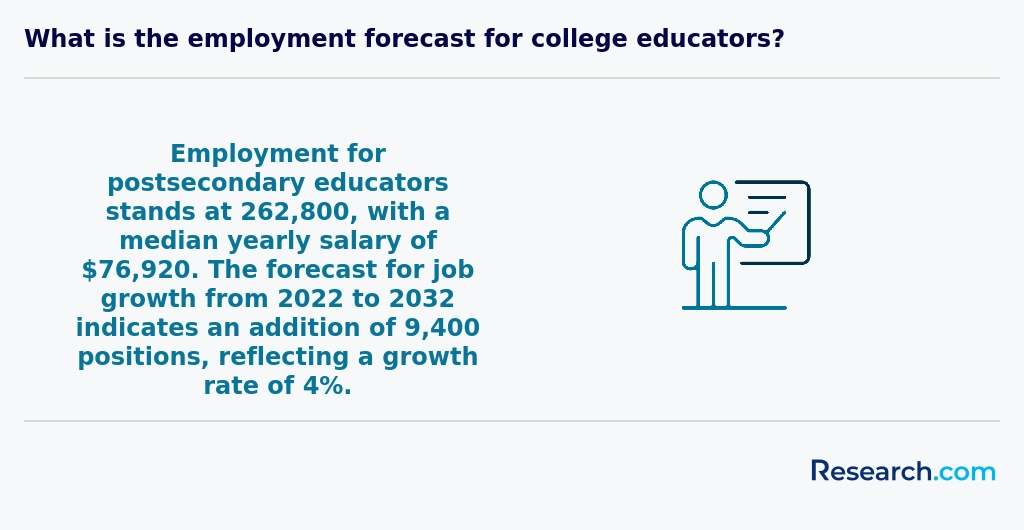
When considering an online education degree in South Dakota, one of the most critical factors to evaluate is the financial aspect. Understanding the costs associated with pursuing an online education degree can help prospective students make informed decisions. The cost of an online education degree in South Dakota can vary significantly depending on the institution and the program. For instance, the tuition fees for in-state students at public universities are generally lower compared to out-of-state students. On average, the total cost for in-state students can be around $27,493, including living expenses, while out-of-state students might face a total cost exceeding $55,840 per year. Many students graduate with an average federal student loan debt of about $37,850, underscoring the importance of exploring financial aid options. For those looking for affordable options, exploring cheapest education programs in south dakota can provide valuable insights and help in making a more financially viable decision. By considering these financial factors, prospective students can better navigate the process of selecting an online education degree program that fits their budget and aligns with their career goals.
What courses are typically in online education degree programs in South Dakota?
Online education degrees in South Dakota typically include core courses such as educational psychology, curriculum development, and classroom management, reflecting the needs of modern educators. Graduates from universities like South Dakota State University often emphasize how educational psychology helped them better understand student learning styles, improving their ability to support diverse classrooms.
Curriculum development courses teach students practical skills for designing lesson plans aligned with state standards, a benefit frequently noted by those pursuing certification through the University of South Dakota. Classroom management strategies, crucial for fostering positive learning environments, resonate with many graduates who recall managing real classroom challenges during their practicum experiences.
Specialized courses targeting different teaching levels-early childhood, elementary, middle, and secondary education-allow students to tailor their studies to their career goals. For example, some graduates pursuing elementary education at Black Hills State University report that literacy development classes prepared them for engaging young learners effectively.
Technology integration is another essential area. Given the rise of digital education platforms, students often find these courses valuable for adapting to contemporary instructional demands. Overall, South Dakota's online programs strive to balance theory and practice, helping students confidently prepare for certification and diverse teaching roles.
What types of specializations are available in online education degree programs in South Dakota?
Online education degree specializations in South Dakota typically include tracks such as Elementary Education, Early Childhood Education, Special Education, Secondary Education, and Educational Leadership. Graduates from institutions like South Dakota State University often share how the Elementary Education specialization prepared them for vibrant classrooms, while those pursuing Special Education express a strong sense of purpose supporting students with unique needs. However, students should carefully consider how well each specialization aligns with both their personal goals and the local job market, since certification requirements in South Dakota can vary and impact employability.
For those seeking South Dakota online teaching degree options, the Educational Leadership track is especially relevant given the upcoming wave of retiring school principals, creating leadership opportunities statewide. Another consideration is the affordability of programs; many residents appreciate tuition that mirrors public institution rates around $8,500 annually, supplemented by scholarships. Exploring program specifics at popular colleges, including the accessibility and support of their offerings, is essential. Prospective students might also review related fields, such as the best online library science program, when making education career choices.
How do you choose the best online education degree in South Dakota?
Choosing the best online education degree in South Dakota requires more than just comparing prices. Graduates from well-regarded universities in the state often emphasize the importance of attending a regionally accredited program, particularly one with CAEP accreditation, which aligns closely with South Dakota's teacher certification standards. This ensures your coursework prepares you effectively for the state's licensure requirements, including background checks and testing.
Many students appreciate programs offering accelerated online formats, allowing working adults to finish faster without sacrificing quality. However, affordability still matters; considering tuition and financial aid options is essential to avoid unnecessary debt. For those seeking affordable online education degrees South Dakota universities can offer competitive rates for in-state students, balancing cost with reputation.
Finally, support services like academic advising and online tutoring play a decisive role in student satisfaction and success. Graduates report feeling more confident and connected when such resources are robust and tailored to remote learners. For a wider comparison, you might explore the Most Affordable Online Education Degree Programs Ranking in New Jersey to benchmark options beyond South Dakota.
What career paths are available for online education degree students in South Dakota?
Graduates with an online education degree in South Dakota find various career paths, from classroom teaching to educational administration. Many choose teaching jobs with online education degree South Dakota options at public and private schools across the state. These roles often require certification, which graduates from universities like South Dakota State University or the University of South Dakota pursue through accredited programs and Praxis exams. One graduate described the fulfillment of teaching in a small rural district, highlighting strong community ties and the opportunity to make a direct impact despite a salary somewhat below the national average.
Beyond teaching, roles such as instructional coordinators and school counselors appeal to those seeking to influence education policy or support student mental health. Graduates recall hands-on experiences in early childhood education programs, emphasizing the growing investment South Dakota places on pre-K initiatives. While some careers need extra certification, the foundation provided by an education degree offers flexibility.
For students weighing affordability and career prospects, many South Dakota colleges provide financial aid. Those uncertain about commitment often consider the easiest master degree to obtain to advance without excessive strain, balancing cost with evolving education demands.
What is the job market for online education degree in South Dakota?
The online education degree job opportunities South Dakota offers are steady but competitive, reflecting a teaching workforce that remains stable with only moderate growth expected through 2031. Graduates from popular institutions, such as those attending well-regarded colleges in Sioux Falls or Vermillion, often find themselves navigating a market where openings arise mainly from retirements and turnover rather than swift expansion. These graduates frequently share how their programs' focus on technology and digital curriculum played a crucial role in landing roles within both traditional public schools and expanding online education platforms.
Those pursuing a South Dakota teaching career market outlook appreciate that certification standards align with national requirements, making accredited online degrees a valid and practical option. Graduates commonly note the importance of specialization areas, such as special education or ESL, which can enhance employability. Many have also found that the affordable tuition rates support their ambitions, especially when choosing the fastest online degree for working adults, allowing them to balance work, study, and job prospects effectively.
Frequently Asked Questions About education
Students pursuing online education degrees in South Dakota can maximize their learning by actively engaging with course materials and instructors. Research shows that 76% of South Dakota online learners report higher success when they participate in discussion forums and virtual study groups, according to the South Dakota Board of Regents.
Time management is essential; setting a consistent daily schedule helps maintain progress. Utilizing available campus resources, such as online tutoring and library databases, further supports academic achievement. Moreover, students should ensure programs are accredited and meet South Dakota's teacher certification standards, as noted by the South Dakota Department of Education.
Building professional networks within the state can also provide valuable career opportunities after graduation.
The education field is rapidly evolving, with several emerging niches attracting attention among online degree seekers in South Dakota. One significant area is educational technology, where professionals focus on integrating digital tools to enhance learning experiences. Given the increasing importance of remote instruction in the state, this niche is expected to grow.
Another promising niche is special education, which addresses the needs of diverse learners. South Dakota reports a steady rise in demand for qualified special education teachers, aligned with national trends.
Additionally, STEM education specialists, particularly in science and math, are increasingly sought after to support workforce development in the region.
After completing an online education degree in South Dakota, preparing for the job market involves several key steps to enhance employability. First, graduates should obtain state licensure through the South Dakota Department of Education, as certification is required to teach in public schools.
Networking is crucial; joining local education associations, such as the South Dakota Education Association (SDEA), provides valuable connections and job leads.
Internships and student teaching experiences, often integrated into degree programs, give practical skills highly valued by employers.
According to the South Dakota Department of Labor, education jobs are projected to grow by 4% over the next decade, highlighting steady demand for qualified teachers.
Continual professional development and staying updated on state education standards also improve job prospects.
Employers in South Dakota prioritize several key skills when hiring education degree graduates. Strong communication abilities are essential, as teachers must effectively convey information to diverse student groups. Additionally, South Dakota schools value classroom management skills to maintain a productive learning environment.
Data from the South Dakota Department of Education highlights the importance of adaptability and cultural competence, reflecting the state's diverse student population. Critical thinking and problem-solving skills are also in demand, equipping graduates to address various educational challenges.
Finally, proficiency in technology use is increasingly crucial, with 60% of schools in the state integrating digital tools into daily teaching practices.
Finding internships in South Dakota relevant to an education degree involves leveraging both university resources and local education networks. Many South Dakota universities, such as South Dakota State University and the University of South Dakota, offer career services that connect students with K-12 schools and educational organizations for practical experience. According to the South Dakota Department of Education, internships provide essential classroom exposure and are often required for teacher certification.
Students should also explore partnerships between colleges and nearby school districts, as these frequently host student teachers and interns. Websites like the South Dakota Educator Recruitment site can list available internship opportunities statewide.
Networking with education professionals through local education conferences or South Dakota's regional education cooperatives helps secure placements. Internships typically span a semester, allowing students to meet state licensure requirements while gaining valuable experience.
An online education degree can significantly enhance career mobility and advancement opportunities in South Dakota. The state's growing demand for qualified educators, driven by a rising student population, means that degree holders have a competitive edge when applying for teaching or administrative roles.
South Dakota's Department of Education notes that educators with advanced degrees often qualify for higher salaries and leadership positions, such as curriculum specialists or school principals. Online degrees allow flexibility for working professionals to upgrade their credentials without interrupting their current employment.
Moreover, regional accreditation and state licensure requirements are effectively met through recognized online programs, ensuring graduates are eligible for certification within South Dakota's school systems.
Studying for an education degree in South Dakota equips students with skills suitable for interdisciplinary roles by emphasizing collaboration across multiple subjects. South Dakota universities incorporate coursework in educational psychology, technology integration, and curriculum design, which builds a broad knowledge base. According to the South Dakota Board of Regents, teacher preparation programs often require future educators to engage in diverse practicum experiences, reinforcing their ability to work in varied academic environments.
Programs also emphasize critical thinking and communication skills, preparing graduates to address diverse student needs. This versatility is essential in roles that combine education with fields like social work, counseling, or administration. South Dakota's focus on rural education challenges further enhances problem-solving abilities across disciplines by addressing unique community contexts.
Choosing between a thesis and a non-thesis education degree in South Dakota depends on your career goals and learning preferences. Thesis programs typically require original research and a formal document, which suits students interested in academic or research careers. Non-thesis options often focus on coursework and practical skills, ideal for those aiming to enter or advance in teaching roles.
In South Dakota, online education programs conform to U.S. Department of Education standards, ensuring quality and transferability. According to the South Dakota Board of Regents, most public institutions offer both pathways, with thesis tracks generally requiring about 6 credit hours dedicated to research.
Consider your time availability: thesis programs can demand more time due to research components, while non-thesis programs often allow faster completion. Check with schools about matching these choices to your professional certification plans or licensure requirements.
Students in South Dakota seeking to study education abroad have several pathways accessible through U.S. higher education institutions offering online international education programs. While South Dakota itself does not have many direct partnerships for overseas education degrees, students can enroll in fully online education degrees from universities with global recognition and diverse coursework.
Many U.S. universities incorporate study abroad opportunities or international fieldwork components, which can be combined with online learning. Resources such as the Institute of International Education report that over 2,000 South Dakota students studied abroad during 2019-2020, mostly through exchange programs linked to their home institutions.
When considering options, prospective students should explore degree programs accredited by bodies like the Council for the Accreditation of Educator Preparation (CAEP), which ensures high standards relevant worldwide. South Dakota's own Board of Regents also supports online learning pathways, facilitating smoother credit transfers for those planning partial studies abroad.
Students pursuing online education degrees in South Dakota can benefit from part-time jobs that provide practical classroom experience. Positions such as teacher assistants, substitute teachers, and tutoring roles are common options. These jobs offer hands-on learning that complements academic studies and improve classroom management skills.
South Dakota's Department of Education highlights a growing demand for qualified educators, making substitute teaching a valuable opportunity for students to gain work experience. In 2023, average pay for substitute teachers ranged from $90 to $110 per day in the state, providing financial support alongside learning.
Tutoring, especially in math and reading, also fits well with flexible online study schedules. Many local schools and community centers seek part-time tutors.
Online education students in South Dakota have access to several networking opportunities that enhance their learning experience. Many universities, such as South Dakota State University and the University of South Dakota, offer virtual student organizations and professional groups tailored for education majors. These groups often host webinars, meetups, and discussion forums to connect students statewide.
Additionally, the South Dakota Department of Education collaborates with institutions to provide online workshops and networking events focused on current teaching trends and certification updates.
Participation in regional education conferences-often accessible virtually-also helps students build professional contacts within the state's education system.
Alumni networks offer significant benefits to online education degree students in South Dakota. These networks connect current students with graduates working in education, which can lead to valuable mentorship opportunities. According to the National Center for Education Statistics, South Dakota has over 170,000 education professionals, many of whom are accessible through alumni groups.
Online students gain access to job openings through exclusive alumni listings, helping them navigate South Dakota's education job market more effectively. For instance, the South Dakota Department of Education highlights that nearly 60% of educators find positions through professional connections. This network fosters professional growth and collaboration beyond graduation.
Additionally, alumni events and online forums create spaces for knowledge sharing and staying informed about regional educational trends. Engaging with alumni increases a student's chances of securing internships and gaining recommendations, which are crucial for a successful teaching career in South Dakota's competitive environment.
In South Dakota, many online education degree programs offer flexible options that let students tailor their studies to match career goals. Students can often select specializations such as early childhood education, special education, or educational leadership. This customization helps align coursework with specific job markets, including K-12 teaching or administrative roles.
Some universities provide elective choices and practicum placements that reflect local school district needs. According to the South Dakota Department of Education, graduates with focused credentials tend to have higher job placement rates.
Additionally, universities may allow transfer credits or professional experience to accelerate completion times, enhancing career advancement opportunities.
Online education students in South Dakota often face challenges related to internet accessibility. Rural areas in the state report lower broadband speeds and availability, which can hinder participation in live classes and timely submission of assignments, according to the Federal Communications Commission (FCC).
Additionally, students must manage their time effectively while balancing work, family, and studies. South Dakota's remote learners may feel isolated due to limited interaction with peers and instructors, which affects motivation and engagement.
Another challenge is ensuring that online programs meet state licensure and accreditation requirements, critical for education careers within South Dakota's K-12 system.
With an online education degree in South Dakota, you can pursue various professional certifications that enhance your career prospects in teaching and education administration. The most common certification is South Dakota's teaching license, required to teach in public schools. This involves passing the Praxis exams and completing a teacher preparation program.
Additionally, you can seek National Board Certification to demonstrate advanced teaching skills, recognized nationwide. Other certifications include endorsements in special education, ESL (English as a Second Language), and administration, expanding your employment opportunities.
Resources such as the South Dakota Department of Education provide up-to-date details on certification requirements and pathways.
Applying to an online education program in South Dakota requires careful preparation to stand out. First, clearly highlight your academic background and relevant experience in education or related fields. Many South Dakota institutions, like the University of South Dakota, value well-rounded applicants with strong communication skills.
Next, tailor your personal statement to reflect your commitment to education and how an online degree fits your career goals. Including specific reasons for choosing an online program in South Dakota demonstrates genuine interest.
Finally, submit all required documents promptly, such as transcripts and letters of recommendation. Following these steps helps create a compelling application that increases your chances of admission.
Globally, education careers are increasingly valued for their impact on society and economic growth. In the United States, including South Dakota, teaching remains a stable profession with growing demand. According to the South Dakota Department of Labor and Regulation, teaching jobs are expected to grow by 5% through 2030, reflecting steady opportunities for graduates with education degrees. Internationally, education careers are seen as essential to developing skilled workforces and promoting social equity. Many countries emphasize technology integration and inclusive teaching methods, trends also reflected in U.S. programs. This global focus supports diverse career options for education graduates in South Dakota and beyond.
Students pursuing an online education degree in South Dakota can gain practical experience primarily through student teaching placements. State regulations require teacher candidates to complete supervised internships in local K-12 schools, allowing them to apply theory in real classroom settings. These placements are coordinated by colleges in partnership with school districts across South Dakota, including both urban and rural communities. According to the South Dakota Department of Education, over 85% of teacher candidates complete their practical training within the state, benefiting from a diverse range of educational environments.
Additionally, many programs encourage participation in virtual classroom simulations and professional development workshops. These components supplement in-person experience, helping students develop classroom management and instructional skills online. South Dakota's growing network of online resources supports students' readiness to meet state licensing standards, which require a minimum number of practicum hours for certification.
Choosing the right concentration within an online education degree program in South Dakota involves aligning your career goals with the state's educational needs. South Dakota's Department of Education highlights high demand for special education and STEM-focused teachers, reflecting local job market trends. Research from the National Center for Education Statistics shows that graduates specializing in these areas often find more employment opportunities.
Consider concentrations such as curriculum development, educational leadership, or instructional technology, depending on your interests and skills. Many South Dakota institutions also offer licensure pathways aligned with state standards, which is crucial for public school teaching jobs.
Review program curricula carefully to ensure they meet South Dakota certification requirements, and consult South Dakota's teaching workforce reports for emerging priorities. Balancing your passion with local demand will help you make an informed decision.
Related Education Rankings for Nearby States
- 2027 Fastest Online Bachelor's in Education Degree Programs Ranking in North Dakota
- 2027 Fastest Online Bachelor's in Education Degree Programs Ranking in Kansas
- 2027 Fastest Online Bachelor's in Education Degree Programs Ranking in Wisconsin
- 2027 Fastest Online Bachelor's in Education Degree Programs Ranking in Missouri
- 2027 Fastest Online Bachelor's in Education Degree Programs Ranking in Illinois
- 2027 Fastest Online Bachelor's in Education Degree Programs Ranking in Indiana
- 2027 Fastest Online Bachelor's in Education Degree Programs Ranking in Michigan
- 2027 Fastest Online Bachelor's in Education Degree Programs Ranking in Kentucky
- 2027 Fastest Online Bachelor's in Education Degree Programs Ranking in Ohio
- 2027 Fastest Online Bachelor's in Education Degree Programs Ranking in Georgia
Top Trending Education Rankings
See What Experts Have To Say About Studying Education
Read our interview with Education experts

Nooshan Ashtari
Education Expert
Professor & Book Author
University of Southern California


References
- Training Opportunities for Individuals - Tuition Assistance https://dlr.sd.gov/workforce_services/individuals/training_opportunities/tuition_assistance.aspx
- Certification: Requirements https://doe.sd.gov/certification/requirements.aspx
- Average Cost of Online College [2026]: Yearly Tuition + Fees https://educationdata.org/average-cost-of-online-college
- Guide to Online Education Degrees https://www.oedb.org/rankings/online-education-programs/
- Teaching Education Degrees in South Dakota https://www.teachingdegrees.com/st/south-dakota
- The Best Online Colleges In South Dakota https://www.affordablecollegesonline.org/online-colleges/south-dakota/
- Online Learning and Continuing Education https://northern.edu/admissions/online
- Best Online Master's Programs in South Dakota in 2026 https://www.onlinemastersdegrees.org/best-programs/south-dakota-sd/
- Online Colleges in South Dakota https://www.onlineschools.org/guides/south-dakota/
- Online Degrees | Online Associates Programs | South Dakota https://www.southeasttech.edu/programs/online/index.php


