2027 What to Know Before Choosing a One-Year Online MBA Program

Co-Founder and Chief Data Scientist
Choosing a one-year online MBA program can seem daunting for professionals with unrelated undergraduate degrees seeking career shifts. The challenge lies in balancing accelerated coursework with flexibility, accreditation, and relevance to new industries. Many candidates worry about program quality, networking opportunities, and how quickly they will gain applicable skills.
Understanding key factors like curriculum design, faculty expertise, and career support services helps avoid costly mistakes. This article examines essential considerations for selecting an effective one-year online MBA program and aims to guide readers toward informed decisions that align with their professional goals and lifestyle demands.
Key Things You Should Know
- One-year online MBA programs offer accelerated completion, typically within 12 to 18 months, catering to professionals seeking swift career advancement without pausing work.
- Costs vary widely, with tuition ranging from $30,000 to $90,000; evaluating return on investment and program reputation is crucial amid rising education expenses.
- Accreditation by bodies like AACSB or ACBSP ensures program quality, while flexibility and networking opportunities remain key for maximizing the online learning experience.
What is a one-year online MBA program?
A one-year online MBA program offers an accelerated pathway to earn a degree by compressing core business knowledge, leadership training, and specialization courses into 12 months. This format caters to professionals balancing full-time work and studies through a blend of asynchronous and synchronous coursework. The structure often includes modular digital lectures, case studies, group projects, and live virtual discussions to foster real-time collaboration and flexibility.
Benefits of accelerated online MBA degrees include faster career advancement and the ability to pivot roles more quickly than traditional two-year programs. Many of these programs allow students to specialize in fields like finance, marketing, or data analytics, tailoring the experience to specific career goals. It is vital for applicants to choose programs accredited by recognized bodies such as AACSB, AMBA, or EQUIS to ensure educational quality and employer recognition.
Prospective students should also evaluate support services like career counseling and networking opportunities, essential for leveraging the degree's full potential. As online MBA programs grow in popularity-now enrolling more than half of all MBA students in the U.S.-there is an increasing range of options, including low cost MBA programs suitable for budget-conscious learners.
The flexibility, rigor, and accessibility of one-year online MBA programs explained demonstrate why they remain an attractive choice for today's busy professionals seeking efficiency without compromise.
Is a one-year online MBA accredited and legitimate?
Yes, a one-year online MBA can be accredited and legitimate, but verifying accreditation is critical to ensure program quality and employer recognition. Prospective students should confirm if the program is accredited by respected bodies such as AACSB, AMBA, or EQUIS, which uphold strict academic and professional standards. Accreditation affects both credit transferability and career opportunities.
Some reputable institutions offer expedited one-year online MBA programs that maintain academic rigor while fitting tight schedules. For example, many universities provide a fully online one-year MBA that is AACSB-accredited, meeting the expectations of quality and duration. However, some online MBA programs without proper accreditation may heavily market themselves yet fall short in academic value and career benefits.
To verify one-year online MBA accreditation, consult resources like the U.S. Department of Education's Database of Accredited Postsecondary Institutions and Programs (DAPIP) or the Council for Higher Education Accreditation (CHEA). It is also important to consider how an accredited online mba program aligns with your career goals, as some employers and industries require or prefer degrees from accredited schools.
Demand for online mba programs is growing, driven in part by students bypassing graduate admissions tests, with an expected enrollment increase of 3.2% annually through 2030 (Poets&Quants, 2025). This growth expands program choices and heightens the need for careful vetting of accreditation status to avoid unrecognized credentials. For cautious students, exploring online MBA programs accredited by AACSB is a recommended step.
What are admission requirements for one-year online MBAs?
Admission requirements for one-year online MBA programs in the US typically include a bachelor's degree from an accredited institution, a competitive GPA, and professional work experience, usually between two to five years. Some accelerated programs, designed for senior professionals, require more extensive managerial experience. While standardized tests like the GMAT or GRE are often requested, many programs waive these for applicants with strong academic records or significant work history.
Applicants generally need to submit a detailed resume, letters of recommendation, and a personal statement outlining career goals and reasons for pursuing an accelerated MBA. International students must provide proof of English proficiency, such as TOEFL or IELTS scores. Interviews may also be part of the evaluation to assess leadership potential and communication skills. These elements align with common eligibility criteria for accelerated online MBA programs.
Selective programs can be highly competitive; for instance, Jack Welch Management Institute's online MBA had a 27% acceptance rate, emphasizing the need for a focused application demonstrating leadership achievements and readiness for the rigorous, condensed curriculum. Prospective students are advised to research each school's specific requirements, deadlines, and optional materials, like additional certifications or leadership roles.
For those looking to manage costs while pursuing an accelerated degree, exploring options like an executive MBA with less fees can be valuable. Thorough preparation and understanding of one-year online MBA admission requirements in the US improve the chances of success in this competitive space.
Online MBAs differ significantly from traditional MBA formats in delivery, flexibility, and interaction. They offer asynchronous classes, allowing students to engage with lectures and coursework anytime, which suits professionals managing full-time jobs or different time zones. Traditional programs often require fixed schedules with in-person attendance, fostering face-to-face networking and immediate feedback, which affects each student's learning style and time management.
Admission standards for online MBAs have grown more competitive. For instance, the University of Southern California Marshall's online MBA acceptance rate fell from 64.9% to 47% over five years, showing increased program prestige and selectivity. This counters misconceptions that online MBAs are easier to obtain.
Engagement in online programs relies on digital communication tools such as discussion boards, video calls, and collaborative platforms, which benefits self-motivated learners but can challenge those preferring in-person mentoring. Curriculum-wise, content in online MBAs closely matches traditional programs, sometimes enhanced by AI-based simulations and virtual internships to support experiential learning remotely.
Cost considerations vary; online MBAs often reduce expenses like housing and commuting, though tuition may be comparable. Prospective students should also evaluate networking opportunities and career services, which can differ in accessibility. One notable advantage is the availability of online MBA programs no GMAT required, which can help streamline admission for some applicants seeking a one-year online MBA program advantages.
One-year online MBA programs intensively cover essential business disciplines such as finance, marketing, operations, management, and accounting. These programs often integrate courses in strategic management, leadership development, and business analytics to equip students with relevant skills for today's workplace. Applied learning is emphasized through case studies, group projects, and real-world problem solving, despite the compressed online format.
Electives may be limited due to the accelerated timeline, but some programs offer specializations in entrepreneurship, healthcare management, or technology management. Quantitative skills like data analysis and financial modeling are key components, preparing students for data-driven decision-making roles. Ethical business practices and global perspectives are increasingly woven into the curriculum to reflect modern corporate responsibilities.
The accelerated pace means a demanding workload, requiring prospective students to carefully consider their professional and personal commitments. Many programs include capstone projects or consulting practicums to enhance practical application, and emphasize leadership and communication skill development essential for career advancement.
Tuition costs vary widely; for example, Indiana University Bloomington Kelley charges $1,635 per credit for out-of-state students, impacting financial planning significantly. Students should calculate total credits and assess program features before enrolling to ensure the curriculum aligns with their career goals and readiness.
One-year online MBA programs typically range from $30,000 to $90,000 in total tuition, influenced by the institution's reputation, format, and included resources. Public universities generally offer more affordable options, with tuition between $30,000 and $50,000, whereas private and top-tier business schools often charge between $60,000 and $90,000 or more. Additional costs such as technology fees, course materials, and required residencies can increase the overall expense.
Financial aid, scholarships, and employer tuition assistance may help offset these costs but vary widely by school and eligibility. Part-time or hybrid programs sometimes have lower per-credit fees, but accelerated one-year formats concentrate payments over a shorter timeframe, which may affect budgeting.
- Opportunity cost due to less work time and lost income is an important factor.
- Rapid growth in online mba options-from 555 programs in 2018 to 732 in 2023.
- Average program enrollment has decreased to 182 students, driving competition among providers.
Prospective students should assess program length, curriculum relevance, career services, and alumni network strength along with tuition figures to maximize return on investment. Transparent comparisons and careful budgeting of direct and indirect expenses are key to making informed choices prioritizing affordability and a fast career path.
Graduates of a one-year online MBA often pursue diverse careers in management, consulting, finance, marketing, and entrepreneurship. This fast-paced program is designed for professionals seeking rapid advancement or a career shift without long study commitments. Typical management roles include project manager, operations director, and business development manager, where leadership and strategic thinking from the mba are crucial.
Consulting positions like management consultant or strategy analyst attract mba graduates because of the program's focus on problem-solving and analytical skills. In finance, roles such as financial analyst, investment manager, and corporate finance officer benefit from the financial expertise gained during the program.
Marketing careers-including brand manager and digital marketing strategist-leverage knowledge of consumer behavior, data analytics, and market research. Entrepreneurship is also popular among mba alumni, especially those aiming to start or grow businesses quickly.
Notably, 100% of students enrolled in Indiana University Bloomington Kelley School of Business's online mba were already employed at admission (U.S. News, 2026). This underscores the program's orientation toward working professionals looking to elevate current careers rather than enter entry-level roles.
Career progression post-mba typically involves mid-to-senior level positions requiring leadership, strategic planning, and cross-functional expertise. Employers appreciate the program's intensity and practical relevance, enhancing graduates' competitiveness for promotion and new opportunities.
The average salary after completing a one-year online MBA generally ranges from $90,000 to $120,000 annually, influenced by factors such as industry, location, and prior work experience. According to the Graduate Management Admission Council (GMAC), mba graduates report an average starting salary increase of around 50% compared to pre-mba earnings. Higher salaries are common in finance and consulting, while nonprofit and government roles tend to offer more modest gains.
Geographic location plays a critical role in salary outcomes. Texas leads the U.S. with 38 AACSB-accredited online mba programs, giving graduates strong regional hiring advantages. Metropolitan areas like Houston and Dallas offer better salary prospects than rural locations because of greater demand and corporate presence.
Work experience prior to pursuing an mba also affects earning potential. Professionals with five to ten years of experience tend to see sharper post-degree salary increases, as employers value the blend of practical experience and accelerated education for leadership positions.
Key considerations for prospective students include:
- Target industries and their average mba compensation.
- Geographic salary variations and network opportunities within program locations.
- Program reputation and AACSB accreditation.
- Career objectives and expected return on investment.
A strategic choice of online mba program and post-graduation sector significantly influences financial outcomes.
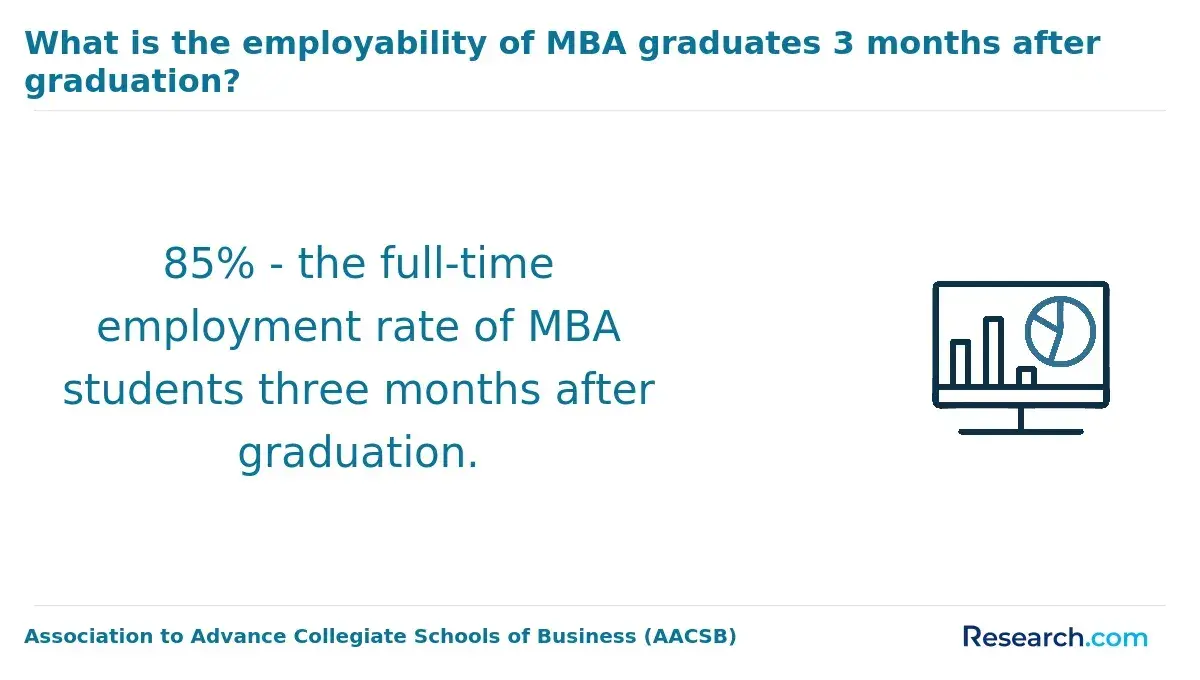
Employment prospects for graduates of one-year online MBA programs continue to be strong across multiple industries. Employers increasingly value the leadership, data analysis, and strategic decision-making skills that such accelerated programs develop. According to Poets&Quants, interest in online mba options doubled between 2018 and 2023, highlighting growing trust in these programs' quality and outcomes.
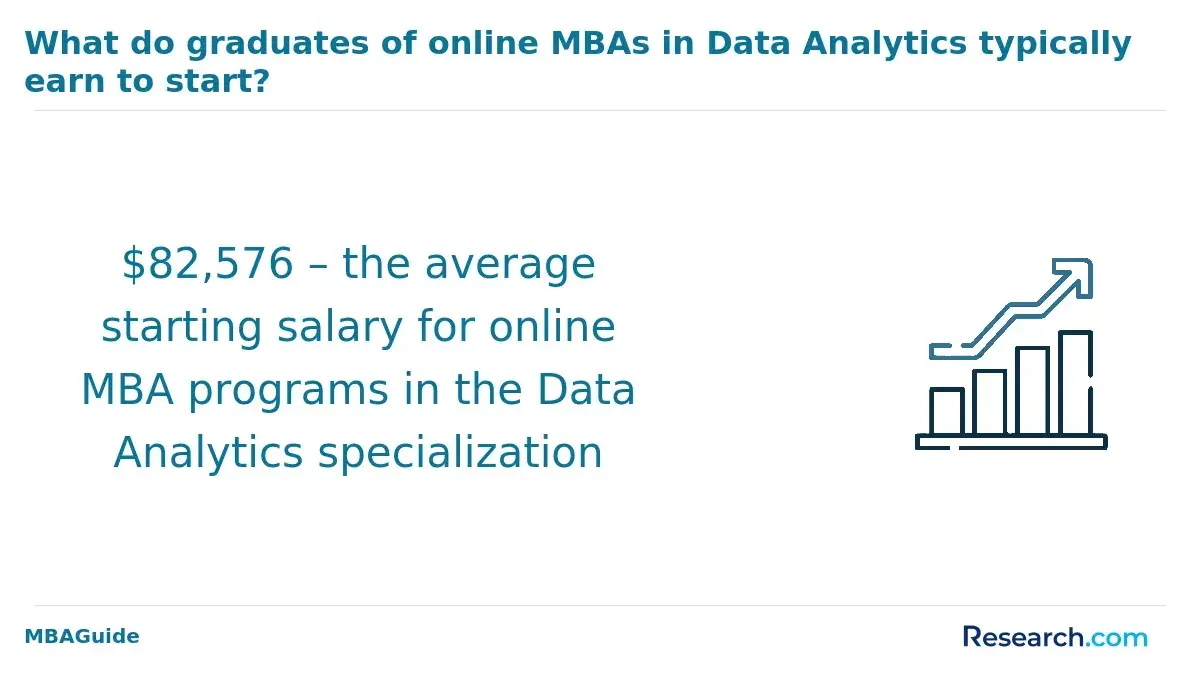
Many one-year online MBAs offer specializations in areas like finance, marketing, or supply chain management, improving job prospects in focused sectors. Graduates often secure roles in consulting, project management, and business development, with starting salaries typically ranging from $70,000 to $120,000 annually, depending on experience and location.
Challenges remain, such as skepticism from certain employers where in-person networking and school reputation still matter. Prospective students should carefully review program accreditation, alumni employment data, and recruiter connections to optimize job placement. Building a professional network during the program is critical for better employment outcomes.
- Increased employer recognition of online mba curricula rigor
- Availability of targeted specializations
- Competitive starting salaries comparable to traditional programs
- Importance of researching accreditation and alumni success
- Need to engage actively with professional networks
Overall, success in the job market is tied to choosing well-regarded programs and leveraging their resources to connect with employers and industry professionals.
How to choose the best one-year online MBA program?
Evaluating one-year online MBA programs involves several essential factors aligned with your career goals and learning preferences. Accreditation is vital-look for regional accreditation and reputable bodies like AACSB or EQUIS, ensuring academic quality and employer recognition.
Program curriculum varies greatly; some focus on general management, while others offer specialized tracks such as finance, healthcare, or technology, useful for career pivots or deepening expertise.
Consider technology and delivery format, including synchronous and asynchronous options, interactive platforms, and student support services that suit your schedule and learning style.
Graduate outcomes provide insight into program effectiveness. Metrics like graduation rates, salary increases, and employment figures beyond program websites give reliable return-on-investment data. Poets&Quants notes that average enrollment per online mba program peaked at 315 students in 2020 before declining, reflecting wider choices and variable student experiences.
Faculty qualifications are important-research their industry experience and relevant scholarship. Financial factors encompass tuition, fees, scholarships, and employer reimbursement plans, plus potential income interruptions due to the program's intensive nature.
Finally, an active peer network and alumni engagement enhance career opportunities through mentoring and job connections.
Other Things You Should Know About MBA
Balancing a full-time job with a one-year online MBA in 2027 can be challenging due to the program's accelerated pace. It requires solid time management skills and prioritization. Many students opt for flexible work schedules or part-time commitments to manage academic demands effectively.
While one-year online MBA programs often include virtual networking events, group projects, and alumni connections, they may not fully replicate the face-to-face interactions found in on-campus programs. Some schools offer residencies or in-person immersion experiences to enhance networking. Prospective students should assess how the program facilitates meaningful professional connections.
Yes, many institutions provide scholarships, grants, and financial aid options to students enrolled in one-year online MBA programs. Eligibility criteria and application processes can vary, so it is advisable to check with the program's financial aid office early. Some employers also offer tuition reimbursement for employees pursuing advanced degrees online.
One-year online MBA programs are typically more fast-paced and intensive than two-year programs due to their compressed timeline. Students must manage a heavier course load in a shorter period, which demands dedication and efficient study habits. This format suits individuals seeking to accelerate their education while minimizing time away from the workforce.
- Online MBA vs Traditional MBA – A Practical Comparison https://www.onlinesrm.in/blog/online-mba-vs-traditional-mba/
- Online vs. Blended MBA: Which Format Suits You Best? https://executiveacademy.at/en/knowledge/executive-education/online-vs-blended-mba-which-one-suits-my-needs-better
- Best 1-Year Online MBA Programs 2025 | Earn Your MBA Faster https://www.onlinemba.com/rankings/accelerated-online-mba/
- What career options are available with an online MBA? - University of Wolverhampton https://online.wlv.ac.uk/what-career-options-are-available-with-an-online-mba/
- The Difference Between an Online & Traditional MBA Degree https://regent.ac.za/blog/the-difference-between-an-online-traditional-mba-degree
- How to Choose the Best Online MBA Program for Your Career https://www.dypatilonline.com/blogs/how-to-choose-online-mba-program-for-career-growth
- Online MBA vs Traditional MBA: What are the differences? | StudyNext Australia https://studynext.com/au/resources/online-mba-vs-on-campus-mba
- Poetsandquants https://www.poetsandquants.com
- Online MBA Admissions Requirements by Program [Chart] https://www.bschools.org/blog/online-mba-admissions-requirements
- Your Degree https://www.yourdegree.com/blog/online-mba-roi-and-salary/