2027 Online Spanish Degrees With Interpretation Concentrations

Co-Founder and Chief Data Scientist
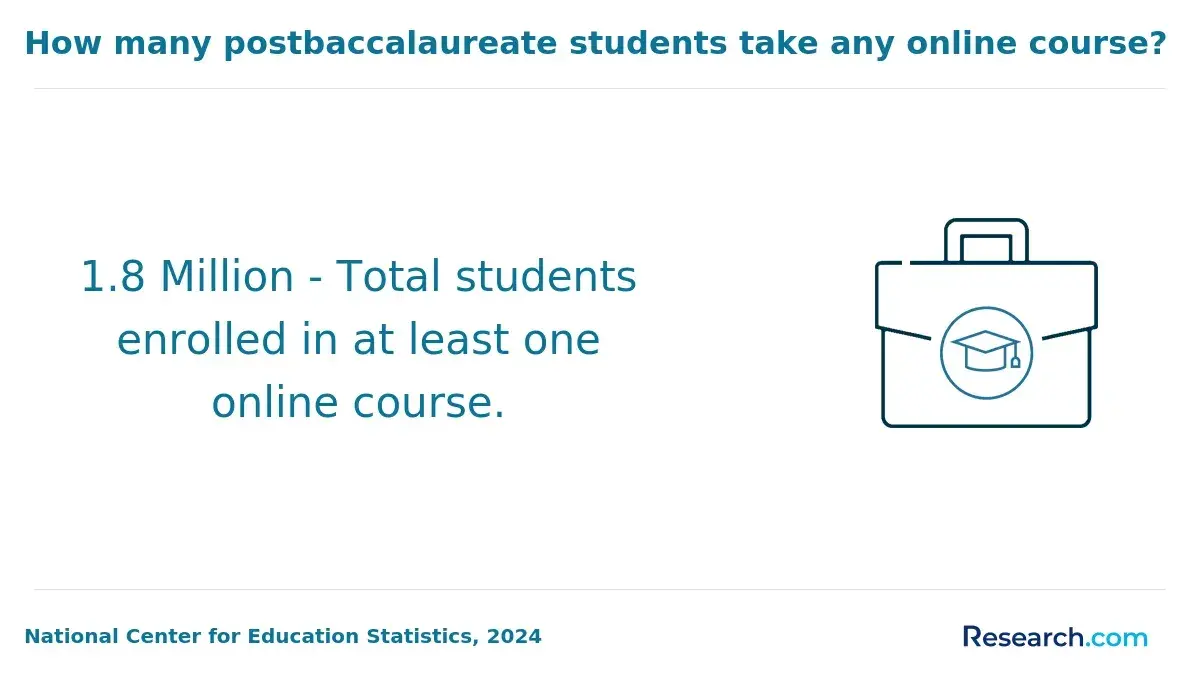
Professionals seeking specialized Spanish degrees with interpretation concentrations often face the barrier of inflexible, campus-based programs that clash with full-time jobs or family commitments. According to the National Center for Education Statistics, over 40% of recent online enrollees are adult learners balancing careers, emphasizing a shift toward accessible, asynchronous coursework that traditional programs rarely offer. This rise in adult participation signals growing demand for degree options that enable career mobility without geographic constraints, yet interpretation concentrations require hands-on skills rarely covered comprehensively online. This article analyzes available online Spanish degrees with interpretation tracks to clarify how prospective students can navigate practical program differences, accreditation, and employer expectations to secure optimal career outcomes.
Key Things You Should Know
- Only 38% of 2024 U.S. institutions offer online Spanish degrees with interpretation tracks, constraining options for learners targeting niche interpreter roles, forcing compromises between comprehensive language skills and specialized certification pathways.
- Employers in healthcare and legal sectors report 27% higher preference for candidates with interpretation-specific coursework versus general Spanish degrees, pressuring students to prioritize programs with embedded sector-relevant practica.
- Median total cost for accredited online Spanish degrees with interpretation concentrations reaches $28,500 in 2026, with delayed credentialing averaging 18 months longer due to practical exam scheduling bottlenecks, impacting workforce entry timing.
What is an online Spanish degree with an interpretation concentration, and who is it best for?
Professionals pursuing an online Spanish degree with interpretation concentration must weigh the challenge of mastering simultaneous and consecutive interpreting against demanding work environments that require swift, precise oral communication. These programs uniquely focus on real-time language mediation skills and cultural nuance essential for contexts like healthcare or legal advocacy, where errors carry significant consequences. Unlike broader language degrees, this pathway prioritizes interpreting techniques over literary or technical translation, reflecting its workforce-driven orientation.
The practical value of this specialization lies in how it prepares graduates to meet employer expectations for certified interpreters fluent in both linguistic accuracy and technology use for remote platforms. Candidates should anticipate additional rigor beyond coursework, including supervised internships or virtual practicum, often secured independently or through partnerships.
Market demand, underscored by a 6.6% rise in degrees awarded in Spanish Language & Literature, reaching 13,307 graduates, indicates growing bilingual workforce needs. Social service workers and business professionals negotiating international agreements particularly benefit from this concentration's strategic emphasis on cultural context and ethical standards.
Students considering the best online Spanish interpretation degree programs should also explore options within accelerated degree programs online to optimize time-to-employment and return on investment, balancing academic rigor with practical skill acquisition.
How do online Spanish interpretation degrees compare to campus programs in quality and outcomes?
Online Spanish interpretation degrees offer curricular quality comparable to campus programs but fall short in developing high-pressure practical skills and professional networks. Campus degrees embed live practicum sessions and immersive labs critical for real-time cognitive coordination, especially in fields like medical or legal interpreting. Online programs depend on virtual simulations and asynchronous tasks, limiting immediate feedback and exposure to urgent interpreting scenarios.
Employment outcomes for graduates vary, largely influenced by demonstrated skill proficiency and certification. The U.S. Bureau of Labor Statistics projects a 20% employment growth for interpreters and translators between 2021 and 2031, reflecting steady demand combined with rising employer expectations for job-ready abilities. Campus-trained students often secure internships and local placements through institutional ties, while online learners must actively pursue external opportunities, which may delay entry into the workforce.
Those weighing online Spanish interpretation degrees quality comparison should consider sector focus. Specialized fields, such as healthcare or federal agencies, benefit from campus access to subject experts and live networking that accelerates credential recognition. Online students must fully leverage virtual professional bodies and targeted certification to prove competence. Prospective students balancing remote locations or work may find online options flexible, but need to independently supplement practical training to achieve equivalent employment prospects as on-campus peers.
For a view on related college degrees that pay well, understanding these tradeoffs provides a clearer framework for choosing the most strategic educational pathway.
What accreditation should online Spanish interpretation programs have, and how can you verify it?
Choosing an online Spanish interpretation program without proper regional accreditation can limit job prospects, especially in sectors like healthcare and government where employers require verified credentials. Institutional accreditation recognized by the U.S. Department of Education or the Council for Higher Education Accreditation establishes baseline academic rigor, but specialized accreditation-such as from the Commission on Collegiate Interpreter Education (CCIE) or membership in the American Translators Association (ATA)-is often essential for demonstrating the practical skills and ethical standards expected by employers.
Verification should go beyond institutional claims. Prospective students need to consult formal databases like those of the U.S. Department of Education or the Council for Higher Education Accreditation and request explicit documentation confirming that interpreter education, not just general academics, is accredited. This due diligence is critical since the median annual wage for interpreters is $59,440, and accreditation frequently influences eligibility for state court licenses or certification through bodies like the National Board of Certification for Medical Interpreters.
Working professionals pivoting careers benefit from programs carrying dual accreditation to reduce time and financial risk. Programs lacking these credentials risk graduates facing additional testing or disregarded qualifications. Reflecting on the nuances involved, choosing a properly accredited program aligns educational investment with tangible employability in the Spanish interpretation labor market.
Those evaluating options might also consider parallel pathways, such as an online mental health counseling degree, which can complement language skills in specialized care environments.
What courses and language skills are typically included in a Spanish interpretation concentration curriculum?
Advanced language mastery in a Spanish interpretation concentration demands more than fluency; it requires comprehending nuanced curriculum components for Spanish interpretation programs that address cognitive load and sector-specific expertise. Core courses blend advanced grammar, syntax, pragmatics, semantics, and phonetics with simultaneous and consecutive interpretation techniques, essential for real-time accuracy under pressure. Employers prioritize candidates who can swiftly switch contexts and manage memory retention during complex legal, medical, or business interactions.
This practical training often involves oral proficiency labs, ethical and professional standards coursework, and integration of technology like computer-assisted translation, crucial for maintaining compliance and confidentiality in sensitive environments. Specific terminology skills-such as anatomy for medical interpreting-directly impact employability and necessitate ongoing professional development to adapt to dynamic jargon and regulations.
Students evaluating pathways must weigh such skill demands against affordability and delivery format. Liberty University's online tuition is noted for ranking well in cost-effectiveness with stable pricing trends, representing a viable option for working professionals prioritizing budget without sacrificing rigor. Those seeking a broader academic portfolio may also consider alternative fields; for instance, a sports management degree online offers different labor market interfaces and practical applications.
Robust note-taking and rapid cognitive switching remain critical skills that distinguish proficient interpreters in competitive job markets. Balancing discipline-specific knowledge with agile interpretation techniques is the practical crux for anyone pursuing Spanish interpretation concentration courses and skills aimed at meaningful career transitions.
What admission requirements and language proficiency levels do these online programs expect?
Applicants to online Spanish degree programs with interpretation tracks face a practical gatekeeping process centered on demonstrated language proficiency and academic readiness. Admission commonly requires a high school diploma or equivalent, a minimum GPA between 2.5 and 3.0, and often standardized test scores, though some schools waive these for mature students or transfers. Working professionals with prior credits or relevant experience may find accelerated options, but must still prove intermediate to advanced Spanish fluency, usually aligned with B2 or C1 CEFR levels, through exams like the DELE or program-specific assessments.
Beyond raw language skills, programs frequently demand proficiency in linguistics or foundational Spanish coursework. This prerequisite coursework ensures students can navigate interpretation's cognitive complexity, yet it also restricts access for those lacking formal academic language backgrounds, posing a barrier for career switchers without prior study.
Cost is a tangible factor in program selection. For example, the University of Arkansas charges $269.75 per credit hour for its fully online Bachelor of Arts in World Languages, Literatures, and Cultures (Spanish) as of fall 2025. This pricing contrasts with higher tuition at many private institutions, offering greater financial feasibility for working adults balancing education with employment.
How long do online Spanish interpretation degrees take, and what do they typically cost?
Choosing an online Spanish interpretation degree involves balancing program duration, cost, and practical workforce readiness. Full-time master's programs typically require two to three years, extending to three years or more for part-time learners juggling employment. Tuition ranges widely-from approximately $15,000 up to $40,000-reflecting factors like institutional prestige and the intensity of practicum components.
Employer demand goes beyond conversational fluency, prioritizing candidates skilled in specialized interpretation techniques and real-time cultural mediation. For example, legal interpreters often face additional certification hurdles and post-degree training, which extend time and financial commitments. Healthcare interpreters need programs that integrate specific medical terminology and ethics, underscoring the importance of curriculum relevance to intended professional roles.
European models, such as Spain's structured 2025 offering of five distinct interpretation degrees targeting conference interpreting and English-Spanish translation, demonstrate a trend toward formalizing specialized credentials. While U.S. programs strive to match these standards, prospective students must weigh whether accelerated or lower-cost alternatives adequately prepare them for interpreting environments that demand precision and immediacy.
What careers can you pursue with an online Spanish degree focused on interpretation?
Interpreter roles tied to an online Spanish degree demand certifications that extend beyond conversational fluency, especially in settings like courts and hospitals where accuracy and specialized terminology are non-negotiable. Positions such as certified court interpreters require an intimate grasp of legal jargon under high-pressure conditions, while healthcare interpreters must couple medical vocabulary with empathetic communication. These jobs often involve erratic hours, travel, and freelance contracts lacking benefits, contrasting sharply with the stability of teaching roles.
Secondary education positions for Spanish instructors provide steadier schedules and benefits but require state certification and distinct pedagogical training. Salaries for high school Spanish teachers typically exceed those of interpreters and translators, as reported by OnlineU using Bureau of Labor Statistics data, illustrating a tradeoff between income stability and variable interpreter earnings influenced by specialization and location.
Practical career paths tied to an online Spanish degree include:
- Certified court interpreter, versed in legal protocols and high-stakes environments.
- Healthcare interpreter, balancing medical terminology with emotional sensitivity.
- International business liaison, facilitating cross-cultural communication in corporate settings.
- Spanish instructor at secondary schools, emphasizing language and cultural literacy.
Obtaining credentials such as the National Board of Certification for Medical Interpreters expands prospects significantly. Without specialized certification, graduates risk limited roles with entry-level income and constrained advancement, making credentialing a critical strategic decision immediately post-degree completion.
What are the salary expectations and job outlook for Spanish interpreters and related roles?
Interpreters in the Spanish language domain face a complex balance between flexibility and stability shaped by job setting and certification status. Median salaries range broadly from $46,000 to $69,000 annually, with medical and legal interpreters often earning at the upper end due to specialized demands. For instance, a healthcare interpreter may start near $50,000 but surpass $70,000 when certified and experienced in compliance and technical terminology.
Demand is concentrated in metropolitan hubs like New York, Los Angeles, and Madison, where employers expect navigational proficiency across cultural contexts and industry-specific vocabularies. This geographical concentration impacts career trajectories and earning potential.
Tradeoffs are pronounced between freelance and institutional roles:
- Freelancers command higher hourly rates but encounter unpredictable work volume, lack of benefits, and constant self-promotion.
- Institutional positions offer steady income and benefits but require nationally recognized bilingual certification and adherence to ethical standards.
Investing in programs that combine interpretation training with industry-specific knowledge and pathways to certification, such as through the American Translators Association, is essential. Awareness of regional market nuances, certification expenses, and continuing education demands informs realistic expectations around salary and job security. This approach supports informed decisions responsive to workforce realities rather than superficial credential accumulation.
Are there certifications or licensing requirements for Spanish interpreters in the United States?
Certification significantly impacts employability and earning potential for Spanish interpreters in the United States, especially within specialized sectors. While no federal certification mandates exist, organizations such as the Certification Commission for Healthcare Interpreters (CCHI) establish essential benchmarks for medical interpretation, where legal accuracy and compliance are non-negotiable. Courts typically require state-specific credentials, which vary widely and influence the ability to work on legal proceedings.
Employers in government and healthcare prioritize candidates with certifications from reputable bodies like the National Board of Certification for Medical Interpreters, valuing demonstrated language proficiency and ethical standards over informal bilingual ability. Without such credentials, interpreters frequently encounter barriers including restricted access to long-term contracts and lower remuneration.
Consider a bilingual professional aiming to transition into healthcare interpretation: investment in exam preparation and cost is necessary but opens avenues to positions with higher compensation. This process involves proven proficiency, cultural competency, and specialized terminology mastery, distinguishing certified interpreters from casual speakers.
Compensation data illustrate these dynamics. The top 10% of interpreters and translators earned more than $97,760 annually as of May 2021, according to U.S. Bureau of Labor Statistics figures referenced by Oklahoma State University-Oklahoma City. This correlation underscores how certification and skill level directly affect income ceilings.
How can you choose the best online Spanish interpretation program for your goals and budget?
Employer demand in Spanish interpretation centers on demonstrated domain expertise integrated with real-world practice, not just language proficiency. For instance, healthcare interpreters must handle medical terminology and role-play scenarios reflecting patient interactions, while legal interpreters require knowledge of courtroom dynamics and procedural accuracy. Selecting a program without these specific skills risks graduating candidates unprepared for the nuanced demands of professional settings.
Program delivery flexibility significantly affects working professionals. Fully online options, such as the University of Texas Rio Grande Valley's Master of Arts in Spanish Translation and Interpreting, streamline access but may lack sufficient synchronous or practicum components essential for live interpreting experience. Without these, learners might struggle to translate theoretical knowledge into workplace competence.
Cost considerations go beyond tuition to include certification exam fees and technical resources. Public universities tend to offer more affordable tuition, balancing financial constraints with reasonable quality. Private institutions could offer stronger employer connections but at higher price points, which may or may not justify the investment depending on individual career goals and available financial aid.
Outcome transparency, through graduation rates, employment data, and alumni success, focuses the decision on measurable post-completion value. Programs producing interpreters placed in government agencies or corporate settings typically maintain rigorous curricula aligned with labor market needs. Requesting detailed syllabi to verify specialization instead of general Spanish language study is critical for aligning training with career objectives.
These factors collectively define how effectively a program prepares candidates to enter a market where Spanish interpretation roles with quantifiable demand reward industry-specific readiness over generic language study.
Other Things You Should Know About Spanish
Graduating from an online Spanish interpretation program alone rarely guarantees immediate employment as an interpreter. Employers expect substantial practical experience in addition to academic credentials, often requiring internships, volunteer work, or mentorship with certified interpreters. Prioritize programs offering built-in practicum or industry connections to build a portfolio and meet employer standards more efficiently.
Employers seeking interpreters prioritize candidates with specific interpretation training over general Spanish degrees due to the technical skill set involved. While a general Spanish degree offers broad language knowledge, it lacks the applied skills necessary for professional interpretation. Investing in a concentration with practical interpretation work significantly improves employability in healthcare, legal, and diplomatic settings where precision is non-negotiable.
Effective online interpretation training relies on specialized software for simultaneous or consecutive interpretation practice, which can differ widely by program. High-quality programs provide access to updated platforms that simulate real-world interpreting environments. Ensure you can meet hardware and bandwidth demands before enrolling, as inadequate technology can hamper skill acquisition and reduce the practical utility of your education.
References
- Language access https://www.ncsc.org/resources-courts/language-access
- Prerequisites - Spanish https://www.certifiedmedicalinterpreters.org/prerequisites-spanish
- Online Professional Translator from Estrella Mountain Community College https://careertraining.estrellamountain.edu/training-programs/professional-translator/
- Certification Commission for Healthcare Interpreters: National, Accredited, Inclusive https://cchicertification.org/
- What Can You Do With a Spanish Degree? https://willamette.edu/academics/college/spanish/career-options
- Medical Language Interpreters: Career Trajectory & Salary - Certificate Interpreter Training Programs® - Official Site https://interpretertrain.com/medical-language-interpreters-career-trajectory-and-salary/
- Top U.S. Translation Schools: Online Programs https://altalang.com/beyond-words/top-us-translation-schools-online-programs/
- Courses for interpretation in Salamanca, España https://www.tiatula.com/courses/translation-interpretation/interpretation/spanish.php
- Newsletter https://www.enpsit.org/training-accreditation/
- How to Become a Spanish Interpreter: A Step-by-Step Guide https://www.asaptranslate.com/blog/how-to-become-a-spanish-interpreter-a-step-by-step-guide