2027 Best Online Bachelor's in Spanish for Healthcare Communication Career Paths

Co-Founder and Chief Data Scientist
Healthcare professionals increasingly serve diverse populations where effective communication in Spanish is critical to patient outcomes. The pressing challenge is that many lack formal training that merges Spanish fluency with medical terminology and cultural competence, creating gaps that contribute to misdiagnoses and reduced care quality.
According to the National Center for Education Statistics, online bachelor's degree enrollment rose 9% from 2022 to 2023, reflecting adult learners' demand for flexible programs that accommodate work and family obligations. This trend shapes how prospective students must strategically select programs balancing accessibility, depth of language training, and healthcare communication skills.
This article evaluates the best online bachelor's in Spanish tailored for healthcare communication career paths, offering detailed guidance on program features that align with professional readiness and career mobility in the healthcare sector.
Key Things You Should Know
- Healthcare interpreters fluent in Spanish with bachelor's degrees command a 15% wage premium per U.S. Bureau of Labor Statistics data from 2024, but degree programs often lack required medical terminology depth, complicating credential alignment with employer expectations.
- Employers emphasize bilingual candidates' demonstrated cultural competency alongside language skills; programs integrating immersive clinical communication reduce onboarding time by up to 30%, according to National Healthcare Interpreter Association surveys.
- Cost and timeline disparities emerge as 4-year online Spanish degrees average $36,000 versus certificate programs below $10,000, affecting mid-career professionals balancing reskilling urgency with financial capacity and opportunity costs.
What is an online bachelor's in Spanish for healthcare communication, and who is it best for?
Employers hiring for roles that necessitate bilingual healthcare communication increasingly require credentials that demonstrate not just conversational fluency but also detailed knowledge of medical terminology and cultural nuances.
An online bachelor's in Spanish for healthcare communication specifically targets this gap by integrating language proficiency with practical healthcare ethics, terminology, and telehealth communication tools. Candidates without foundational Spanish skills face significant barriers entering such programs, as the coursework demands navigation through complex vocabulary and dialectal variants beyond standard language training.
The degree's practical value is highest for professionals with existing Spanish capability or healthcare experience who seek to formalize their specialization for positions like medical interpreters, patient advocates, or administrative roles in hospitals, clinics, and public health.
The 12% projected growth in healthcare interpreter roles from 2024 to 2034, as reported by the U.S. Bureau of Labor Statistics, reflects both rising demand and stricter qualification standards, emphasizing the importance of accredited programs with clinical practicum components.
Program curricula typically cover advanced language skills, healthcare ethics, and medical terminology, alongside real-world practicum or practicum-equivalent experiences to apply learning in patient-facing environments. Integrating ongoing professional development is critical due to evolving regulations and language use in healthcare settings. Prospective students comparing this pathway should also consider accelerated options.
Resources like 2 year accelerated bachelor degrees online can offer viable alternatives depending on prior preparation and career timelines.
How do online Spanish for healthcare communication programs work compared with on-campus options?
Choosing between online Spanish for healthcare communication programs benefits and on-campus equivalents involves critical evaluation of practical outcomes over convenience. Online formats offer flexibility for balancing work or family without fixed schedules, yet this autonomy demands stronger self-discipline and proactive initiative, especially when securing clinical practica, which are often limited or absent remotely.
These hands-on experiences remain central to employer evaluations and to meeting national credentialing standards that underpin median medical interpreter salaries near $53,940 annually (U.S. Bureau of Labor Statistics, May 2025).
Beyond language proficiency, verified clinical experience frequently shapes hiring decisions in healthcare settings. Online learners must often identify or negotiate local healthcare internships independently, risking delays if local institutions lack interpreter programs, whereas on-campus students access structured placements and in-person interpreting labs.
Programs that integrate hybrid options or remote simulations can partially address these challenges but may not fully replicate immersion or networking advantages found on campus.
Key differences between online and on-campus Spanish healthcare courses revolve around practical exposure and the ease of building professional networks. Online students should prioritize programs with robust healthcare placement partnerships or effective virtual patient interaction environments to offset logistical hurdles.
Understanding these operational distinctions is vital for prospective students aiming for feasible pathways to employment in healthcare interpreting. For students comparing broader educational options, insights into flexible learning formats are also available for related fields such as business through resources on business degree online.
What accreditation and program quality standards should these online Spanish degrees meet?
Employers in healthcare communication demand online bachelor's degrees in Spanish that are regionally accredited by recognized U.S. entities such as the Higher Learning Commission or WASC to ensure graduates meet rigorous academic and professional standards. Accreditation standards for online Spanish bachelor's degrees in healthcare communication extend beyond general approval.
They must reflect targeted language proficiency integrated with healthcare context and medical terminology development. Programs without this focused accreditation or measurable outcomes risk producing graduates whose skills fall short of practitioner needs.
Program quality criteria for accredited Spanish degrees in healthcare communication include demonstrable language fluency at advanced-intermediate or higher levels, validated through standardized assessments or embedded proficiency benchmarks. Essential curriculum components address medical ethics, HIPAA compliance, and culturally competent patient communication.
Incorporating experiential learning such as virtual simulations, internships, or practicums with healthcare providers is crucial to bridge language skills with immediate clinical application.
The labor market for bilingual community health workers projects 11.3% job growth with median wages around $51,850. Graduates without verified language skills or healthcare communication training face significant employability barriers, especially in credentialing and licensure, restricting upward mobility.
For example, bilingual outreach staff trained in accredited programs reduce costly communication errors and improve patient coordination, minimizing retraining demands and elevating workforce readiness.
Prospective students must weigh these factors carefully. Opting for a cheap online bachelor degree without accreditation or healthcare integration may seem cost-efficient but limits long-term career sustainability in this competitive field.
What courses and skills are typically covered in a Spanish for healthcare communication curriculum?
Programs specializing in Spanish medical terminology and communication skills for healthcare professionals must balance language mastery with clinical accuracy. Graduates entering healthcare teams face environments where imprecise translation can lead to diagnostic errors and treatment failures, increasing liability risks.
Indiana University Southeast's B.S. in Spanish for Medical Communication includes an 18-credit medical communication track tailored to these demands, emphasizing cross-cultural communication competencies to address regional dialects and health disparities common in Spanish-speaking regions.
Core curriculum components focus on medical terminology in Spanish contextualized by anatomy, physiology, and healthcare communication strategies that align with interpreting ethics and HIPAA compliance. Practical skill development includes translation of informed consent documents and patient education materials alongside technical writing for electronic health records. These capabilities are essential given employer expectations for bilingual professionals who can navigate the complexities of patient-provider interactions.
Effective skill sets include:
- Medical Spanish vocabulary emphasizing symptom description and treatment explanations
- Cross-cultural communication techniques to handle regional dialects and variations
- Technical writing for patient-facing materials and electronic health records
- Interpreting protocols for real-time clinical settings
- Understanding public health terminology and emergency response language in Spanish
Successful candidates must also engage in ongoing training to adapt to evolving healthcare policies and terminology. Furthermore, healthcare interpreter training and cultural competency in Spanish-speaking regions support reducing communication barriers that affect outcomes.
Real-world preparation often involves simulated scenarios replicating emergency room or telehealth settings, building resilience against the practical demands of clinical environments.
Students evaluating this pathway alongside other options may compare the integration of medical language specialization with broader degree choices such as an online cyber security degree for veterans, recognizing the distinct workforce needs each field addresses.
What are the admission requirements for an online bachelor's in Spanish for healthcare communication?
Admission for an online bachelor's in Spanish for healthcare communication hinges on more than just baseline academic credentials. Beyond the standard high school diploma or GED and official transcripts, practical barriers shape candidate selection. English proficiency, demonstrated typically via SAT or ACT scores, can be waived if prior college credit exists, introducing variability in applicant profile strength.
Transfer policies, such as Indiana University Southeast's allowance of up to 60 credit hours, materially affect completion time and costs, emphasizing the need for early, strategic credit evaluation.
Admission scrutiny includes letters of recommendation and a statement of purpose, which signal genuine aptitude in Spanish and healthcare communication rather than superficial interest. Programs often set GPA minimums near 2.5 to 3.0 to filter candidates able to handle interdisciplinary content involving both linguistic and medical terminology challenges.
From a workforce perspective, verified language competency is increasingly mandatory; employers prefer evidence beyond coursework, pushing programs to embed formal assessments or certifications in admissions. Transfer credits rejected late in the process can extend degree duration, presenting financial and time tradeoffs that require deliberate academic planning.
Additionally, students, especially working adults pivoting careers, must navigate digital literacy and uninterrupted access to virtual platforms, critical for engagement yet a frequent gatekeeper in fully online formats.
In sum, prospective students must align admission strategies with real-world demands: transferable credit management, demonstrable language proficiency, and technical readiness to mitigate extended timelines and enhance employability outcomes.
How long does it take to finish this degree online, and what does it cost?
Accelerated completion of an online bachelor's degree in Spanish for healthcare communication offers clear advantages but demands significant sacrifices in work-life balance, while extended timelines accommodate employment and family obligations at the cost of delaying career advancement.
The standard requirement of 120 credit hours generally maps to a four-year, full-time enrollment, yet part-time students, often working professionals, may extend study to five or six years, affecting entry timing into roles such as bilingual community health workers or social services directors.
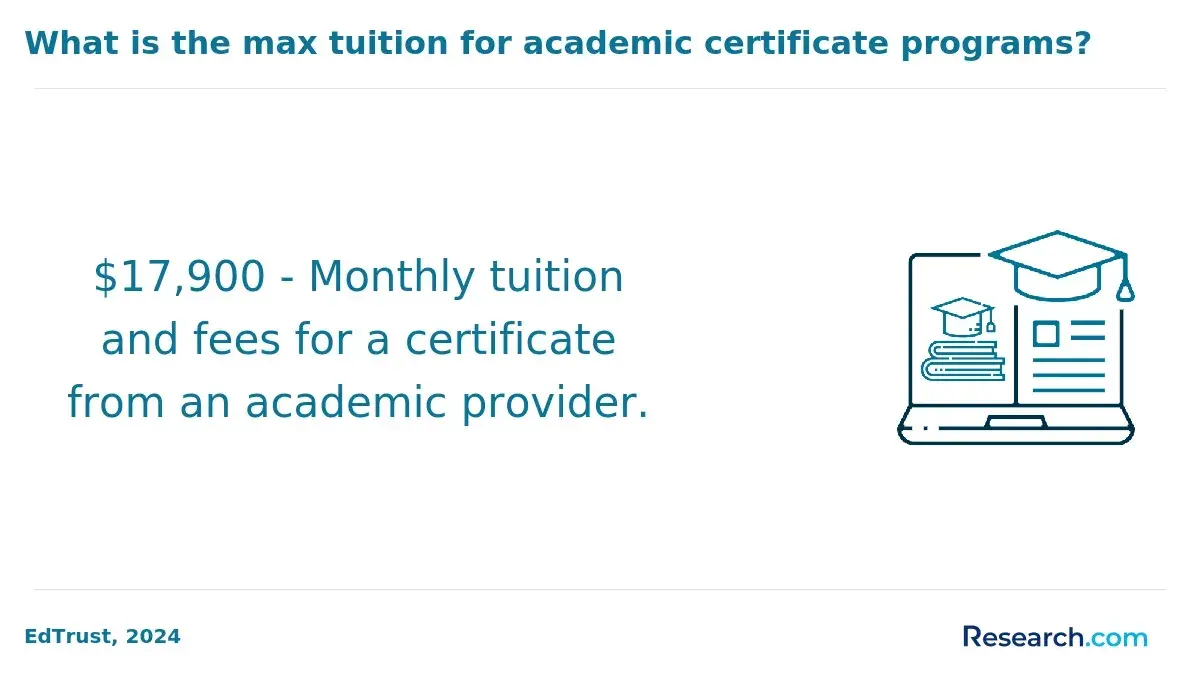
Public university tuition ranges broadly, typically from $7,000 to $15,000 annually for online undergraduates, accumulating to approximately $28,000-$60,000 for the full program. Beyond tuition, technology fees, textbooks, and specialized software inflate total expenses, with financial aid and employer tuition reimbursement necessitating early planning to optimize savings and reduce debt burden.
Consider a registered nurse aiming to leverage Spanish fluency for community health outreach. Opting for part-time enrollment allows stable income flow but postpones increased earnings potential. Conversely, compressing study into four years accelerates workforce reentry but compels reduced work hours and higher upfront costs.
Practical employer expectations now extend beyond the diploma, emphasizing demonstrated Spanish proficiency and cultural competence paired with relevant certifications or experience. Navigating credit transfer policies and program relevance to healthcare communication is critical when assessing how to balance costs and time.
What careers can you pursue with a bachelor's in Spanish for healthcare communication?
A bachelor's in Spanish for healthcare communication equips graduates for specialized roles requiring both language proficiency and industry-specific knowledge. In fast-paced hospital settings, medical interpreters bridge communication gaps between providers and Spanish-speaking patients, reducing risks like misdiagnosis and treatment non-adherence. This demands not only fluency but precise mastery of medical terminology, which these programs emphasize.
Beyond interpretation, bilingual health educators design community outreach targeting Spanish-speaking populations to address health disparities, often working with government agencies or nonprofits. Similarly, case management and social work roles benefit from Spanish fluency combined with understanding of complex healthcare and insurance systems.
However, language skills alone may not suffice for some clinical or administrative healthcare roles. Many employers favor additional certifications such as the Certified Medical Interpreter (CMI) to verify competency. Career changers should consider supplementing with clinical training or graduate healthcare credentials to improve marketability.
Graduates must weigh the tradeoffs between language expertise and clinical knowledge to match employer expectations effectively. The degree facilitates entry or advancement in fields requiring cultural competence plus targeted healthcare communication, but strategic decisions about certification and further education are critical for maximizing meaningful employment outcomes.
What salary ranges and job outlook can graduates expect in healthcare communication roles?
Salary outcomes for graduates holding a bachelor's in Spanish for healthcare communication vary significantly by role and region, reflecting tradeoffs between patient interaction and technical specialization. Entry-level positions such as medical interpreters or patient advocates generally start near $45,000 annually, with opportunities to reach $65,000 within five years.
More specialized roles, including bilingual healthcare coordinators in large urban centers or extensive healthcare networks, can command salaries exceeding $75,000. These distinctions often correlate with the extent of direct patient engagement versus behind-the-scenes translation tasks.
Employers prioritize oral proficiency defined through standards like the ACTFL Oral Proficiency Interview as a measurable skill critical for patient safety and communication accuracy. For example, a bilingual patient navigator within a community health center may accept a lower starting salary but gain more frequent, direct impact on patient outcomes compared to a pharmaceutical translation specialist, whose compensation might be higher but with less patient contact.
Regional labor market dynamics further influence compensation and demand. States with sizable Hispanic populations, California, Texas, and Florida, tend to offer higher wages and emphasize certified oral communication abilities. Employment growth projections for interpreters and translators outpace the general labor market substantially, driven by ongoing healthcare system expansions and compliance with language access mandates.
Are certifications or additional credentials useful after earning this Spanish healthcare degree?
Employers in healthcare sectors rarely consider an online bachelor's in Spanish focused on healthcare communication sufficient without recognized certifications. Positions like medical interpreter or health information specialist require credentials such as the Certified Healthcare Interpreter (CHI) or certification from the National Board of Certification for Medical Interpreters.
These credentials provide documented proof of both language proficiency and specialized medical terminology knowledge, critical in clinical environments where miscommunication has serious consequences.
Hiring managers expect candidates to combine formal education with credentialing that satisfies regulatory standards and institutional policies designed to protect patient safety. For instance, a bilingual healthcare administrator often depends on cultural competency certifications to effectively serve diverse populations, indicating the degree alone does not ensure operational readiness.
Career paths in translation or public health demand different supplemental credentials, translator certification or health education certificates, respectively, showing one-size-fits-all credentials are ineffective. Oregon State University's online Spanish degree covers broad linguistic and cultural education but requires further certification for specialized healthcare roles.
Prospective students should anticipate dedicating 300-500 hours post-degree to prepare for certification exams, a considerable time investment that correlates with a 15-25% increase in salary potential according to federal labor data. This tradeoff affects working professionals balancing study time with employment but meaningfully enhances job viability and career durability.
How can prospective students choose the best online Spanish for healthcare communication program?
Programs blending healthcare communication skills with advanced Spanish proficiency must go beyond basic conversation to meet employer demands for navigating specialized medical terminology, cultural nuances, and confidentiality requirements. Programs focusing solely on conversational Spanish fall short of preparing students for clinical or administrative roles requiring precise and compliant language use.
Verify that curricula cover medical terminology, healthcare ethics, compliance, and interpreter certification prep to align with employer expectations. For example, a registered nurse pursuing bilingual certification should choose instruction emphasizing Spanish medical lexicon and patient advocacy rather than just conversational skills.
Assess programs by measurable outcomes like graduate placement rates in healthcare settings, certification alignment, and access to practicum or internships with bilingual care. Flexibility through online formats benefits working professionals, but live instructor and peer interaction is essential for real-world communication skill development.
Cost must reflect program depth: prices exceeding $25,000 should be justified by employer networks, clinical partnerships, or specialized supports, while lower-cost options often limit long-term growth potential. Accreditation and federal aid eligibility are critical for affordability and credential recognition.
Health administrators targeting roles in policy and communication should prioritize programs addressing healthcare-specific Spanish protocols. Differentiating these pathways early helps prevent inefficient credentialing and market misalignment, which can cause prolonged job search friction.
Other Things You Should Know About the Best Online Bachelor's in Spanish
Employers in healthcare communication prioritize practical language proficiency over academic theory. Programs emphasizing immersive medical terminology, patient interaction simulations, and cultural competence better prepare graduates for immediate employment. Students should prefer curricula developed with input from healthcare organizations or that integrate real-world scenarios rather than those focusing heavily on literature or abstract linguistics. Aligning studies with employer expectations improves job readiness and decreases the need for additional on-the-job language training.
Online programs require disciplined time management because Spanish language acquisition and healthcare communication each demand intensive study. Students face dual challenges of mastering complex medical vocabulary and developing writing and oral skills simultaneously. Programs combining self-paced learning with scheduled live practice sessions reduce burnout by balancing flexibility with accountability. Prospective students should consider their current work and personal commitments carefully before enrolling to ensure they can maintain consistent study habits over multiple semesters.
Clinical or internship opportunities significantly enhance practical language application in healthcare settings, a critical factor for employability. While not all online programs provide this, those that do help students build direct experience communicating with Spanish-speaking patients, improving confidence and cultural sensitivity. Students should prioritize programs offering structured internships or partnerships with healthcare providers, especially if they lack prior healthcare work experience. This practical exposure often differentiates candidates in competitive job markets.
References
- How Learning Spanish Can Boost Your Career in Healthcare, Business, and Education — Journey Language Center https://www.journeylanguagecenter.com/blog/2025/5/2/how-learning-spanish-can-boost-your-career-in-healthcare-business-and-education
- UNEDasiss Accreditation Spain: Requirements, PCE Exams & Deadlines Guide https://spainstudyadvisors.com/en/unedasiss-accreditation-spain-guide/
- Why Taking a Spanish Course Online Is a Smart Choice for Students and Professionals https://www.sophia.org/blog/courses-development/spanish-course-online-for-students-professionals/
- Quality Standards and Accreditation of Distance Education Programs in a Pandemic - OJDLA https://ojdla.com/articles/quality-standards-and-accreditation-of-distance-education-programs-in-a-pandemic
- What Can You Do With a Spanish Degree? https://willamette.edu/academics/college/spanish/career-options
- Certificate in Spanish & Latinx Studies for Health Professions - SOU Academic Programs https://sou.edu/academics/spanish/programs/spanish-latinx-studies-for-health-professions-certificate/
- Medical Spanish https://www.medicalspanish.com/
- Your Guide to Higher Education Recognition: Official Degrees, Títulos Propios, and More https://www.global-business-school.org/content-type/blog/your-guide-to-higher-education-recognition-official-degrees-titulos-propios-and-more/
- Top Career Paths You Can Explore With a Spanish Degree | UT Permian Basin Online https://online.utpb.edu/about-us/articles/spanish/top-career-paths-you-can-explore-with-a-spanish-degree
- Starting Your Career in Healthcare Communications https://www.healthcomms.careers/Careers-Information/Starting-your-career