2027 Best Online Bachelor's in Spanish for Community Outreach Career Paths

Co-Founder and Chief Data Scientist
Facing the challenge of communicating effectively in underserved Latino communities, many professionals pursuing a community outreach career find traditional degree timelines incompatible with their work-life demands. Enrollment trends from the National Center for Education Statistics show a 12% surge in fully online bachelor's programs among adult learners since 2023, reflecting growing demand for flexible education models that balance career advancement with immediate income.
This shift underscores the need for programs tailored to Spanish language proficiency coupled with practical outreach skills. This article evaluates the best online bachelor's in Spanish designed specifically to bridge educational access and job readiness in community outreach roles.
Key Things You Should Know
- Community outreach employers require bilingual communication skills combined with practical cultural competence; a bachelor's in Spanish alone raises employability by only 12%, per 2024 Labor Department data, demanding supplemental applied experience.
- Programs emphasizing regional dialects and sociolinguistic training align better with employer expectations in healthcare and social services, where 67% of outreach roles demand nuanced cultural adaptability, creating a tradeoff against generic language curricula.
- Average total costs for online bachelor's in Spanish programs range $25K-$40K, impacting timeline feasibility for working adults balancing income loss against faster degree completion incentives identified by the National Center for Education Statistics.
What is an online bachelor's in Spanish for community outreach, and who is it best for?
Online bachelor's degree programs in Spanish for community outreach address a specific workforce gap where bilingual communication directly affects service delivery in sectors such as healthcare, social services, and government agencies. For a healthcare worker, for instance, lacking Spanish fluency can hinder patient education and advocacy efforts, reducing the quality of care and compliance.
This type of degree is particularly relevant for those pursuing a bachelor's in spanish language for community support careers that require advanced fluency combined with interpretive competence.
Beyond language mastery, employers prioritize candidates who understand specialized terminology and the sociocultural context of underserved communities. Graduates often need practical experience, making programs that incorporate internships or partnerships with community organizations more strategically valuable.
This experiential dimension is critical because interpretation and outreach roles demand real-time skills not fully developed through online coursework alone.
The U.S. Bureau of Labor Statistics projects a 13% growth rate for interpreters and translators from 2023 to 2033, anticipating roughly 8,700 annual openings. This signals growing demand but also heightened competition, where certification and verified skill application matter. Students juggling full-time work should plan for immersive language practice beyond academic credits to remain competitive.
Those assessing potential programs should consider the broader implications of language proficiency in authentic settings while exploring affordable online interdisciplinary studies degrees that might complement a specialized Spanish degree focused on outreach.
How can an online Spanish bachelor's prepare me for community outreach and advocacy careers?
The return on an online bachelor's in Spanish for community outreach careers depends heavily on program alignment with field realities and employer expectations. Graduates must navigate the challenges of emotional labor, fluctuating hours, and ongoing cultural literacy demands to function effectively as advocates or outreach workers in diverse settings.
Success in advocacy roles hinges not only on advanced language skills but also on deep cultural competence and situational awareness. For example, a community health worker translating complex health guidelines must do so with empathy and precision to reduce miscommunications that could undermine preventive care efforts.
These programs typically cover interpreting and translating-skills critical in legal aid and immigrant services-while integrating sociopolitical contexts affecting Hispanic populations. The median annual wage of $59,440 for interpreters and translators (U.S. Bureau of Labor Statistics, May 2024) signals solid demand but also intense competition. Practical field experience, such as internships with nonprofits, often separates qualified candidates.
Students should assess curricula that combine language mastery with training in digital communication platforms and community organizing strategies to manage multilingual campaigns or virtual support groups effectively. Choosing a program that emphasizes real-world application can mitigate transition friction and increase employability in advocacy settings focused on Hispanic communities.
Those weighing educational options might also compare this path's outcomes with related fields; pursuing an online mathematics degree can offer alternative analytical skills and labor market positioning for broader career pivots.
Which community outreach jobs can I pursue with an online Spanish degree, and what do they pay?
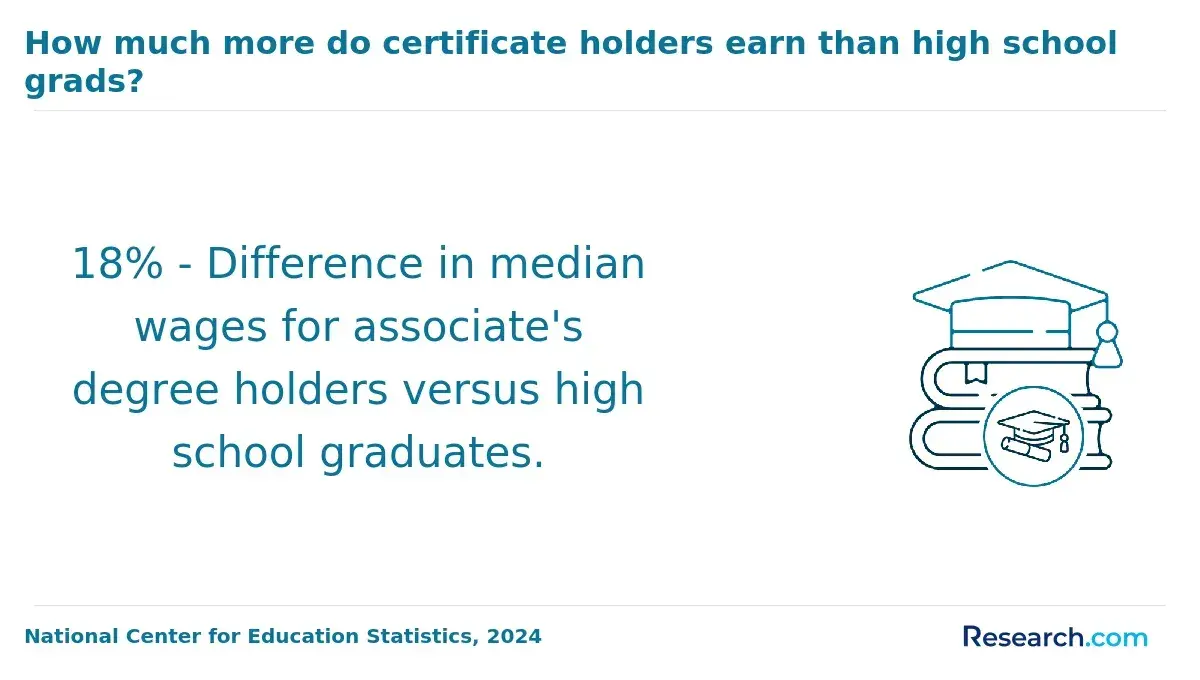
Choosing community outreach jobs with an online Spanish degree in the United States often means navigating roles that merge bilingual communication with targeted social services. Social work stands out as a principal option, with median annual earnings of $61,330 as of May 2024. These positions demand not just language fluency but cultural competency, especially in areas where Spanish-speaking populations face systemic barriers to healthcare and social support.
Bilingual case managers function as essential liaisons between clients and agencies, earning between $45,000 and $60,000 depending on location and employer. Community health outreach coordinators require additional expertise in public health or education, with salaries around $50,000 to $65,000, influenced by institutional funding.
Employers generally expect certifications and hands-on experience, presenting a tradeoff between pure language studies and specialized professional training.
Nonprofit program specialists design bilingual outreach campaigns to enhance service accessibility, earning roughly $40,000 to $55,000. These roles emphasize grant writing and community engagement skills alongside Spanish fluency, making interdisciplinary proficiency critical.
Given such practical demands, balancing social sciences coursework with maintaining strong Spanish skills is key to improving salary prospects and employability in community outreach.
For students comparing affordable options, investigating the cheapest online computer engineering degree programs can provide useful insights into cost-effective online education strategies, even when pivoting to social service fields.
What admission requirements and prior Spanish skills do online bachelor's programs typically expect?
Admission requirements for online bachelor's programs in Spanish tailored for community outreach are far from uniform, presenting a significant barrier for many candidates. The required Spanish language proficiency for online bachelor's programs in the US ranges from no prior skills to intermediate proficiency, often enforced through placement exams or transcript evaluations.
This becomes a critical factor because outreach professionals with insufficient Spanish fluency face limited effectiveness and engagement challenges-public health workers, for example, must communicate bilingual information accurately to avoid costly misunderstandings.
Applicants lacking intermediate skills should prioritize programs offering early remedial or foundational coursework to avoid premature placement in advanced classes, which can result in academic setbacks or extended completion times.
The insistence on measurable language ability reflects employer expectations driven by demographic data; a U.S. Census Bureau report shows 42 million Spanish speakers at home, underscoring language competence as non-negotiable for outreach roles.
Practical decision-making involves weighing existing language skills against program demands and job market realities. Applicants should verify admission criteria carefully and consider potential costs of language tutoring or delayed graduation.
As prospective students explore options, consulting best affordable online general studies degree programs can reveal viable pathways combining affordability with manageable language prerequisites.
How do online Spanish bachelor's programs for community outreach compare with on-campus options?
Choosing between online and on-campus Spanish bachelor's programs for community outreach hinges on balancing flexibility with immersive, practical engagement. The University of Arkansas Online charges $269.75 per credit hour for its fully online BA, showcasing digital pathways' cost advantages compared to many traditional in-state public options. This affordability often appeals to working professionals seeking lower barriers.
However, online students must actively secure local internships or fieldwork, as these experiences are less embedded in the curriculum than on-campus programs. For example, a student pursuing public health outreach needs to arrange hands-on internships independently to meet employer demands for verified community involvement.
Conversely, on-campus cohorts benefit from faculty-guided service projects and direct access to institutional partnerships that embed practical experience and cultural immersion within coursework.
Employers in nonprofit and government outreach prioritize real-time communication skills and regional linguistic nuances, which are more readily developed through face-to-face mentorship and community interaction. Graduates from both delivery modes achieve similar employability when practical experience supplements language proficiency, underscoring the necessity of targeted field engagement.
Decision-makers must weigh lower tuition and scheduling flexibility against the added responsibility online students face in cultivating local networks and hands-on learning opportunities, essential for workplace readiness in Spanish-language outreach roles.
What courses and concentrations are common in Spanish degrees focused on community outreach work?
Degrees centered on community outreach within the Spanish language field extend beyond basic fluency to equip graduates with applied linguistic skills and social service expertise. Employers in public health, education, and nonprofit sectors demand proficiency in medical or legal terminology combined with cultural competence-qualifications rarely met by standard language programs.
Core coursework frequently includes advanced grammar, sociolinguistics, and Hispanic cultural studies integrated with areas like:
- Spanish for Health Professionals designed for medical interpretation roles.
- Translation and Interpretation oriented toward legal and social service contexts.
- Ethnographic Methods that support community research and needs assessments.
- Latino/a Studies addressing demographic-specific institutional barriers.
- Grant Writing and Fundraising tailored to nonprofit outreach.
The tradeoff for students is significant: programs lacking community-focused interpretation or social service training limit eligibility for bilingual client interaction roles and certification. Choosing a curriculum that balances linguistic rigor with practical social frameworks is essential for viable employment in outreach settings.
Pricing disparities illustrate access challenges-for instance, FIU Online charges $235.57 per credit hour for in-state versus $690.19 for out-of-state students, often affecting working professionals' decision-making. Selecting programs with internships or active community partnerships provides field experience that employers prioritize over theoretical study alone.
How long does it take to earn an online Spanish bachelor's and what will it cost?
Completing a bachelor's degree in Spanish typically requires around 120 credit hours, equating to roughly four years of full-time study. For example, Arizona State University Online's B.A. in Spanish involves 38 classes totaling 120 credits, aligning with accredited standards.
The time-to-degree impacts employer perceptions, where finishing within four years often signals reliability, while prolonged timelines could raise concerns about consistency, especially in nonprofit or government sectors.
Cost variations are significant depending on residency, institution type, and delivery method. Public universities charge between $300 and $400 per credit for in-state students, leading to total tuition between $36,000 and $48,000. Out-of-state fees can exceed $500 per credit, pushing costs above $60,000, while private institutions often surpass $600 per credit, frequently costing over $70,000.
Accelerated programs condense requirements into two to three years but demand full-time commitment, often incompatible with ongoing employment. Conversely, part-time paths extend up to six years or more, delaying workforce reintegration and potentially affecting earning potential.
Strategically, students can reduce cost and time burdens via financial aid, employer tuition assistance, early credit transfers, CLEP exams, or advanced placement. These measures can ease the balance between financial constraint and career timing, crucial for professionals planning a career pivot toward Spanish-related roles.
How do I verify accreditation and program quality for online Spanish bachelor's degrees?
Accreditation status directly impacts the practical value of an online Spanish bachelor's degree, especially for roles in education or community outreach where employers require recognized credentials. Degrees lacking regional accreditation from bodies acknowledged by the U.S. Department of Education or the Council for Higher Education Accreditation often face credit transfer issues and skepticism in hiring.
Prospective students should verify current accreditation through official CHEA or Department of Education listings to avoid costly pitfalls.
Program quality is best assessed by how well curriculum and faculty credentials translate into applicable skills, particularly bilingual communication and cultural competence critical to workforce demand. For example, candidates completing programs with structured internships or community projects demonstrate language proficiency and contextual understanding valued in healthcare interpretation and social services.
Transfer credit policies significantly affect time to degree and affordability. Indiana University Online permits up to 60 transferred credits, which can shorten degree completion for working adults balancing job demands and education, providing a strategic pathway for professionals pivoting into Spanish-related community roles without redundant coursework.
Graduate outcomes-including job placement rates and employer feedback-offer transparent measures of program effectiveness. These data points clarify how well a program equips students for competitive roles intersecting Spanish skills with real-world community needs, informing more grounded decision-making for career-oriented learners.
What is the job outlook for bilingual Spanish community outreach professionals in the United States?
Bilingual Spanish community outreach roles in the U.S. demand more than language fluency; they require navigating sector-specific complexities and geographic labor market variations. Employment growth for social workers is projected at 7% through 2033, with bilingual skills favored particularly in urban centers serving large Hispanic populations.
This reflects a workforce preference for candidates who can bridge cultural and communication gaps in healthcare, education, and nonprofit settings.
Practical tasks often include assisting clients with health insurance enrollment, accessing social services, and conducting home visits to provide education and interpretation. For instance, a metropolitan community health program may task outreach workers with interpreting medical instructions for clients with limited English proficiency, which creates a significant advantage for bilingual professionals.
However, bilingual capability alone rarely guarantees job security-credentials like social work certification or community health training are typically needed to compete effectively. Wage growth in these roles tends to be moderate compared to STEM fields, so candidates must balance meaningful community impact against financial goals.
Key considerations for professionals exploring this path include:
- Choosing locations with higher demand for bilingual outreach roles.
- Pursuing targeted certifications to complement language abilities.
- Committing to ongoing professional development as sector policies evolve.
Maintaining both linguistic proficiency and sector knowledge is essential to sustain employability amid shifting community needs and institutional standards.
How can I choose the best online Spanish program aligned with my outreach career goals?
In healthcare outreach, social work, and nonprofit roles, fluency in Spanish requires more than conversational ability; employers demand culturally competent communication combined with specialized knowledge of public health and community engagement. Programs that incorporate coursework tailored to serving Spanish-speaking populations enhance relevance and prepare students for nuanced real-world interactions.
Cost efficiency is often a decisive factor for working professionals balancing education and career. Liberty University Online ranks in the top 35% for affordability in 2025 among peer institutions, illustrating the importance of comparing tuition relative to outcomes rather than raw prestige. Overinvesting in programs lacking practical alignment risks diminishing return on investment.
Hands-on practicums connected to community organizations or clinics provide critical exposure. For instance, healthcare outreach candidates benefit significantly from internships in public health settings that serve Spanish-speaking communities, accelerating job readiness and networking opportunities.
Flexibility and robust technical support matter for professionals managing irregular schedules typical of nonprofit sectors. Asynchronous formats with comprehensive student services correlate with higher completion rates and sustained progress.
Verification of accreditation and employment outcomes via bodies such as the U.S. Department of Education or National Center for Education Statistics underpins program credibility. Selecting programs that blend targeted curriculum, affordable tuition, practical internships, flexible delivery, and demonstrated job placement best aligns investment with long-term career utility.
Other Things You Should Know About Spanish
Most online bachelor's in Spanish programs do not require full fluency at admission, but they assume at least intermediate proficiency. Students without solid foundations may face a heavier workload early on, as foundational grammar and conversation skills are critical for advanced coursework tied to community outreach. Prioritizing programs that offer strong beginner to intermediate tracks or language support can reduce early attrition and improve practical communication skills essential for outreach roles.
Cultural studies are more important than basic language skills alone for effective community outreach. Employers expect graduates to navigate cultural nuances and social contexts when engaging Spanish-speaking populations. Programs forcing choice between advanced language proficiency and cultural competencies need careful evaluation; prioritizing those that integrate both yields graduates better prepared for real-world challenges and sensitive community engagement.
An online Bachelor's in Spanish for Community Outreach in 2027 equips students with language proficiency, cultural competency, and communication skills. These skills are crucial in bridging language gaps and effectively reaching Spanish-speaking communities, enhancing community engagement and advocacy efforts.
Time management is a major challenge, especially as advanced Spanish courses and outreach practicums require active participation and may involve synchronous sessions. Programs with flexible asynchronous options and clear support services for working adults improve completion rates. Students should prioritize programs that offer practical internships or community engagement components compatible with full-time work schedules to maximize both learning and career advancement opportunities.
References
- Community College vs Online Degrees: A Comparison https://www.sophia.org/blog/higher-education/community-college-vs-online-degree/
- (Top 7) Best Online Spanish Language Courses - 2024 https://www.thespanishexperiment.com/review
- 5 Highest Paying Jobs for Spanish Speakers in 2025 https://www.retorna.app/en/blog/top-5-los-trabajos-mejor-remunerados-para-hispanohablantes-en-el-extranjero
- How to get into University in Spain | Blog Expanish https://expanish.com/blog/how-to-get-into-university-in-spain/
- Recognition of Foreign Degrees in Spain - Lexmovea https://lexmovea.us/services/homologation-certificates/
- Launch a Global Career with a Spanish Degree | Houston Christian University https://hc.edu/articles/launch-a-global-career-with-a-spanish-degree/
- 12 Best Online Spanish Classes (2026 Review) - Learn languages with italki https://www.italki.com/en/blog/best-online-spanish-classes
- BLC Spain Accreditations and Partners https://blcspain.com/accreditations-and-partners/
- Booming Career Path for Spanish Bilinguals in Customer Service |Mexico https://www.ttecjobs.com/en/discover-spanish-bilingual-careers-customer-service-mexico