2027 Spanish Specializations for Government and Nonprofit Careers

Co-Founder and Chief Data Scientist
Facing a static or stalled career, many professionals seeking government or nonprofit roles tied to Spanish language expertise confront a critical dilemma: how to select a specialization that aligns with evolving sector demands and maximizes employability.
Recent data from the National Center for Education Statistics shows a 32% rise in undergraduate enrollment in language programs offering applied training since 2023, reflecting growing recognition that flexible pathways and skill-focused curricula better accommodate working adult learners. This shift alters timing and strategic choices around education, making traditional broad degrees less efficient for targeted public service roles.
This article examines current Spanish specialization options specifically tailored to government and nonprofit careers, outlining actionable insights to guide those navigating program selection amid shifting workforce requirements.
Key Things You Should Know
- Government demand for Spanish specialists in legal and health sectors grew 22% from 2022-2025 per the U.S. Bureau of Labor Statistics, pressuring candidates to prioritize certification over general language fluency.
- Employers in nonprofits show 67% preference for bilingual candidates with civic engagement experience, creating a hiring gap for graduates lacking sector-specific internships despite high language proficiency.
- Advanced Spanish degrees often require 2+ years and $25K-$40K investment, with federal programs favoring expedited certification paths; students must balance cost and timely workforce entry.
What Spanish specializations best prepare you for government and nonprofit careers?
Fluency in Spanish alone falls short when seeking government or nonprofit roles; specialized skills in public policy language, cultural competency, and sector-specific processes are paramount. This disparity is evident in workforce data showing Hispanics represented 18.9% of the U.S. civilian labor force but only 9.4% of federal civilian jobs, emphasizing the need for advanced training that addresses complex regulatory and advocacy frameworks.
Spanish language specializations for government sector jobs that include legal translation and interpretation prepare candidates for critical roles in immigration or public defense, where accuracy directly impacts justice outcomes.
For nonprofit and public service careers, proficiency often must extend to health communication, bilingual grant writing, and nonprofit management, enabling professionals to navigate funding challenges and design culturally relevant outreach.
Understanding regional dialects and social linguistics further refines effectiveness in diverse Spanish-speaking communities. Programs that integrate real-world internships aligned with policy, community engagement, and social justice significantly enhance employment prospects.
The tradeoff between broad Spanish proficiency and domain expertise is practical: general language skills may suffice for entry-level roles, but specialized knowledge boosts competitiveness and influence in mission-driven sectors.
Prospective students should consider programs offering experiential learning to meet employer demands documented by workforce analytics and the U.S. Equal Employment Opportunity Commission. Those exploring accelerated bachelor degree programs can find streamlined options that balance these needs through accelerated bachelor degree programs.
What degrees and educational pathways lead to Spanish-focused public service roles?
Success in Spanish-focused public service careers depends heavily on combining language fluency with specialized expertise in public administration, social work, or international relations. Degrees for Spanish bilingual public service careers that integrate advanced language skills alongside practical knowledge of nonprofit management or governmental policy offer stronger job prospects than broad language programs alone.
For instance, a bachelor's degree in public administration paired with certified Spanish credentials positions candidates competitively for municipal roles involving direct community interaction.
Employers increasingly expect candidates to demonstrate cultural competence and operational familiarity with public sector regulations, not just language proficiency. Educational pathways for Spanish language government jobs that embed experiential learning, such as internships in agencies serving Hispanic populations, provide critical workplace readiness and networking advantages.
Labor market data for Spain highlights sharp hiring demand in public administration, defense, and social security domains, reflecting a wider trend favoring bilingual professionals capable of navigating these complex sectors. However, prospective students should consider that applied specializations typically lead to faster employment outcomes than more general language degrees.
Additional certifications in translation, interpretation, or outreach further increase employability, balancing linguistic strengths with pragmatic skills. For a data-driven perspective on the competitive landscape, those exploring this path may benefit from the best bachelor's degrees rankings, which offer insight into degree value relative to labor market returns.
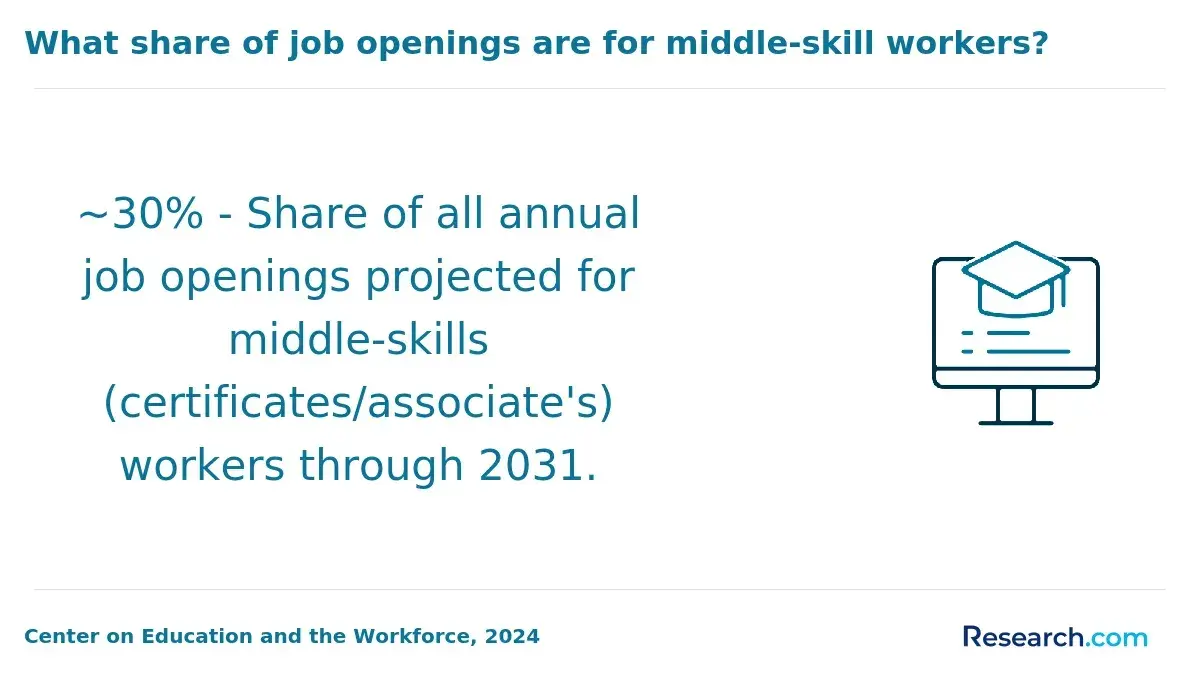
How do online and campus-based Spanish programs compare for public sector careers?
Choosing between online vs campus Spanish programs for public sector careers hinges on balancing immediate work demands with the intensity of skill development required.
Campus programs create immersive environments that enable direct instructor feedback and peer interaction, which often lead to deeper cultural competence and fluency critical for nuanced communication in government and nonprofit roles. However, relocation and rigid schedules may conflict with existing employment.
Online offerings provide unparalleled flexibility, allowing professionals to maintain full-time jobs while acquiring sector-specific language skills, including policy vocabulary and scenario-based simulations essential for public administration. These programs, however, may lack opportunities for real-time interpersonal practice, which is vital for community outreach or negotiation tasks.
Current labor data shows government employment in Spain is expanding, increasing demand for Spanish policy specialists fluent in regulatory terminology. For U.S. professionals, campus programs often enhance credentials recognized by European agencies, whereas online paths offer a more immediate, wage-compatible route.
Decision-makers should prioritize programs with robust, practical curricula and accreditation aligned with their career priorities. Those needing mentorship and networking to enter government should opt for campus, while those valuing sustained employment and remote study can explore online options.
For those comparing broader affordability in related fields, institutions offering the cheapest engineering degree online may provide useful cost models for distance education.
What coursework and skills are emphasized in Spanish specializations for government work?
Specializing in Spanish for government roles requires balancing deep linguistic fluency with sector-specific expertise such as public policy, legal terminology, and intercultural communication.
Employers expect professionals who can perform simultaneous interpretation, translate official documents, and navigate the often complex language of bureaucratic systems at federal, state, and local levels. This makes curriculum design for Spanish government job language skills and coursework uniquely operational, focusing on real-world applications rather than academic theory.
For nonprofit careers, the emphasis shifts toward cultural competence and community engagement, especially when working with immigrant populations or public assistance programs.
Social workers involved in health outreach must accurately assess needs while ensuring culturally sensitive delivery, an important factor given that human health and social work sectors showed high vacancy rates in Spain in 2024. This trend underscores persistent workforce gaps documented by EURES Labour Market Information.
Technical proficiencies such as bilingual data collection, digital case management, and adherence to privacy laws like HIPAA in U.S. public health contexts are often underrepresented but crucial. Programs that address these complexities foster critical thinking, crisis communication, and negotiation skills, preparing students for high-pressure scenarios involving diverse Spanish-speaking populations.
Decision-making around pursuing a Spanish specialization must weigh these operational demands and employer expectations carefully. Prospective students exploring an online masters degree in history may consider how such interdisciplinary training aligns with their goals and labor market realities.
What are the typical admission requirements for Spanish specializations in these fields?
Admission to Spanish programs tailored for government and nonprofit roles demands more than language fluency. Candidates must meet specific academic and experiential criteria that reflect sector realities. Employers prioritize proficiency validated by DELE or SIELE tests at B2 or above, but also require evidence of interdisciplinary knowledge, often demonstrated through transcripts with coursework in cultural studies, international relations, or public policy.
Real-world application weighs heavily: internships or volunteer roles with NGOs or government agencies focused on Latin America significantly strengthen candidacies, mirroring employer demand for Spanish-speaking professionals in international development and emergency response. Letters of recommendation and personal statements serve to confirm both language capability and commitment to public service environments.
Admission processes often include conversational fluency assessments and cultural competency interviews, ensuring candidates are prepared for nuanced policy implementation challenges. Some programs mandate supplemental language immersion or coursework to bridge skill gaps, which may extend timelines or costs.
Tradeoffs become clear for low-income or working adults who require flexible scheduling. Part-time or online options exist but risk diluting rigorous skill verification. Strategic selection should balance accessibility with the demonstrated ability to meet employer expectations, directly influencing career trajectory in bilingual governmental and nonprofit sectors.
How long do these Spanish programs take, and what do they typically cost?
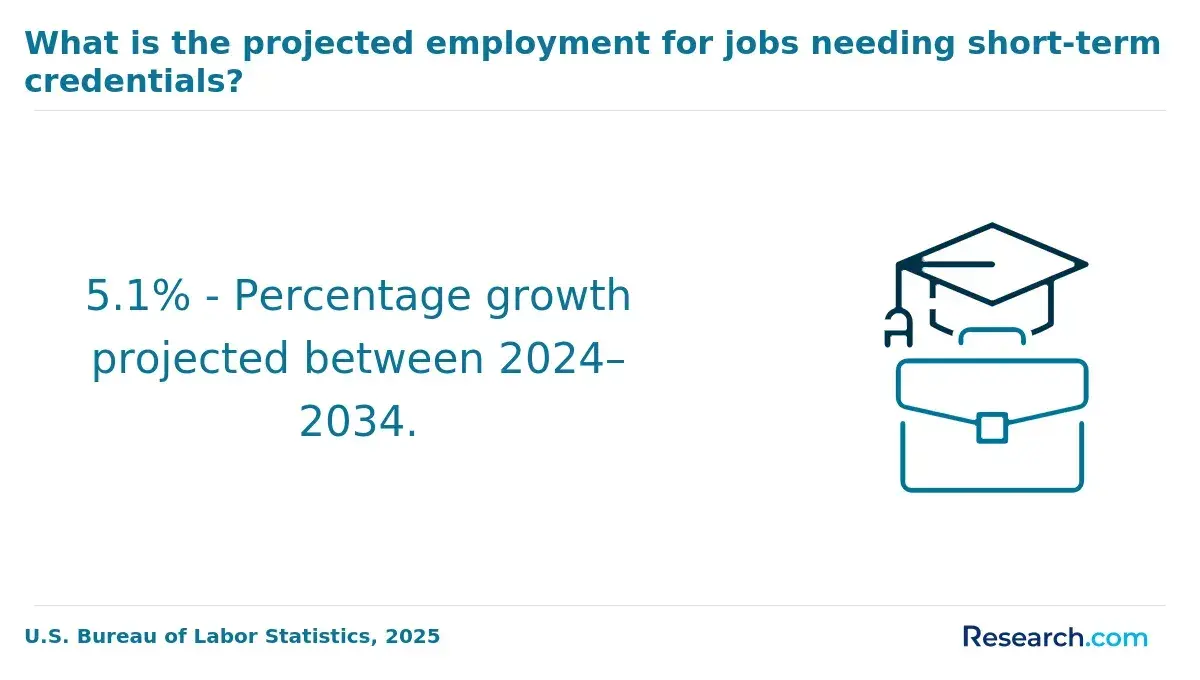
Choosing a Spanish specialization for government or nonprofit careers demands balancing program length, cost, and employer expectations tied to legal and immigration fields. Certificate programs under one year focus narrowly on practical language skills and sector terminology, enabling faster entry but limiting access to roles that require certified interpreting or procedural expertise.
In contrast, associate or bachelor's degrees extending two years or more provide advanced interpreting training and cultural competency often required by federal agencies or large nonprofits.
Costs vary significantly: certificates typically cost between $2,000 and $8,000, while degrees can exceed $15,000, especially when factoring in in-district tuition at community colleges or public universities. This expense-to-duration tradeoff impacts job readiness in environments like a nonprofit legal aid setting, where fluency must be coupled with deep understanding of court protocols, a competence gained primarily through longer programs.
The U.S. Bureau of Labor Statistics projects 20% job growth for interpreters and translators from 2019 to 2029, with the strongest demand in legal and immigration sectors.
Prospective students should verify that programs align with certified interpreting standards and deliver experiential training relevant to law and justice fields. Neglecting this alignment risks disconnecting language mastery from employer-required skills, reducing long-term career viability.
What accreditation and program quality factors matter for Spanish public service studies?
Accreditation for public service programs targeting Spanish bilingual roles must go beyond formal recognition to ensure practical workforce readiness. Programs accredited by bodies like the Council on Education for Public Health (CEPH) or the Council for the Accreditation of Educator Preparation (CAEP) confirm curriculum standards but do not guarantee job market success without applied bilingual proficiency and cultural competency.
For instance, a community health worker trained in a CEPH-accredited program that includes focused Spanish-language instruction and community internships is more likely to fill Spain's critical health and social service vacancies effectively. Data from EURES Labour Market Information identifies sectors such as human health and social work with some of the highest job openings, emphasizing that language fluency in conjunction with practical experience significantly impacts employability.
Employers in government and nonprofit sectors seek candidates who can navigate bureaucratic and cultural landscapes promptly, skills that formal accreditation alone does not provide. Programs without embedded internships or applied experiences often produce graduates who struggle to meet real-world demands despite holding accredited degrees.
Prospective students should weigh accreditation alongside graduate placement rates and experiential learning opportunities that demonstrate the program's relevance to workforce shortages. Aligning policy knowledge, cultural fluency, and bilingual communication directly with employer expectations remains essential for effective entry and long-term retention in these public service roles.
What government and nonprofit job titles can you pursue with a Spanish specialization?
Fluency in Spanish, combined with cultural competence, shapes key government and nonprofit roles such as bilingual policy analysts, community outreach coordinators, and program managers serving Hispanic or Latino populations. These positions require navigating complex intercultural communication while implementing programs that comply with regulatory frameworks.
For instance, a community outreach coordinator in a municipal health setting must tailor services to Spanish-speaking residents, balancing legal mandates with cultural sensitivity.
Advanced Spanish skills also prove essential in international development and immigration services, where professionals interpret bureaucratic language and coordinate across diverse cultural contexts. Employers prioritize candidates with formal language training and documented field experience, reflecting a preference for practical application over theoretical knowledge alone.
Labor market data from EURES in Spain highlights strong demand in sectors involving Spanish for education, cultural diplomacy, and exchange programs. Roles like bilingual educators and cultural exchange coordinators require specialized expertise that integrates language proficiency with intercultural dexterity.
Key tradeoffs include the need for continuous learning around dialectal differences and evolving language use, as well as acquiring credentials in public administration or nonprofit management to enhance employability. Geographic and institutional factors influence salary variability, with government jobs often offering stability and nonprofits providing broader cultural immersion but less financial predictability.
What salary ranges and advancement opportunities exist in Spanish-related public service careers?
Salary outcomes for Spanish-related public service roles in the U.S. vary notably based on experience, credentials, and geography, typically ranging from $40,000 to $75,000 annually. For example, bilingual probation officers earned an average of $57,910 nationally in 2024, pointing to a competitive wage tier for professionals combining Spanish fluency with specialized skills.
These roles include social workers, public health coordinators, and community outreach specialists, where effective communication with Spanish-speaking populations directly impacts service quality and program reach.
Advancement is strongly tied to additional qualifications beyond language ability. Entry-level bilingual positions often begin near the lower salary spectrum, but demonstrated expertise in case management, policy, or leadership can rapidly increase earning potential.
For instance, probation officers fluent in Spanish who acquire supervisory skills may surpass $70,000, while nonprofit professionals with grant writing or program development capabilities can negotiate higher compensation based on measurable results.
Employers expect integration of Spanish proficiency with certifications in public administration, social services, or law enforcement sectors. Geographic location also drives salary variation, with metropolitan areas generally offering higher pay that may require adjustment for local living costs.
Ultimately, candidates face a tradeoff between entering direct service roles early and investing in advanced education for administrative leadership. Sustained Spanish language maintenance and ongoing professional development remain essential for reaching upper salary tiers and leadership roles in government and nonprofit environments where bilingual communication continues to grow in strategic value.
How can internships, certifications, and bilingual credentials strengthen your Spanish career path?
Securing internships, certifications, and bilingual credentials creates a layered advantage in Spanish-language government and nonprofit sectors, where practical application often outweighs academic credentials alone. For instance, an intern embedded in an intelligence analysis team gains direct exposure to classified communication protocols and sector-specific terminology, which substantially enhances employability over candidates lacking this frontline experience.
Certifications from established authorities verify language proficiency and relevant expertise, streamlining candidate vetting in competitive roles such as government contracting and community outreach.
Given that bilingual Spanish speakers constitute one of the fastest-growing talent pools according to the 2025 Hispanic-Jobs.com report, obtaining certifications targeted to government translation or social impact roles directly correlates with elevated trust and promotion potential.
Bilingual credentials open access to specialized positions demanding official language certification, including federal interpreter roles and outreach functions serving Spanish-speaking populations. However, these credentials require regular renewal and represent a resource investment that candidates must weigh against anticipated career returns, emphasizing the importance of selecting credentials favored by target employers.
Practical career progression involves sequencing these elements: internships to build contextual skills, certifications aligned with employer requirements, and credentials that formalize language capability. Skipping steps risks stagnation at entry levels, while integrating all three addresses employer expectations and positions candidates for roles identified as strategically future-proof in public-sector studies.
Other Things You Should Know About Spanish Specializations
Starting a Spanish specialization without strong baseline fluency complicates timely program completion and practical skill acquisition. Employers in government and nonprofit sectors expect candidates to handle complex, real-world communication, so intensive language development early in the program is critical. Students with limited Spanish proficiency should prioritize programs offering immersive language practice and consistent spoken interaction to meet workforce readiness standards within typical timeframes.
Cultural competency is essential alongside language skills for effective government and nonprofit work involving Spanish-speaking communities. Programs that integrate cultural, historical, and social context help prepare students for nuanced communication and policy implementation challenges. However, cultural competency without strong language abilities limits practical impact, so students should choose programs balancing both elements rather than focusing heavily on one at the expense of the other.
Choosing a Spanish specialization tailored for government and nonprofit sectors in 2027 can better equip professionals with targeted language skills and cultural insights critical for effective communication and policy implementation, enhancing their competency in specific functional areas like immigration or international relations.
The combined workload of mastering Spanish while engaging with public service topics requires strong time management and prioritization. Language training often demands daily practice and immersion, which can strain time allocated to policy, administration, or nonprofit management courses. Candidates should evaluate program pacing and support structures-such as tutoring and experiential learning-to avoid burnout and ensure proficiency without undermining breadth of sector knowledge.
References
- Master’s Degree in Engineering in Spain for International Students: Most In-Demand Specializations and Admission - Homologation Student Services https://hostudents.com/en/2026/02/19/masters-degree-in-engineering-in-spain-for-international-students-most-in-demand-specializations-and-admission/
- Bilingual Training Can Lead to Equitable Economic Recovery https://www.jff.org/blog/bilingual-training-can-lead-equitable-economic-recovery/
- Top Career Paths You Can Explore With a Spanish Degree | UT Permian Basin Online https://online.utpb.edu/about-us/articles/spanish/top-career-paths-you-can-explore-with-a-spanish-degree
- How long does it take to master Spanish? - International House México https://ihmexico.mx/how-long-does-it-take-to-master-spanish/
- Spanish courses for foreigners – Barcelona, Madrid, Alicante, Granada https://proyectoespanol.com/en/
- Is 3 Months Enough to Learn Spanish in Spain? https://www.speakeasybcn.com/en/blog/can-i-learn-spanish-in-3-months-in-spain
- What Can You Do With a Spanish Degree? https://willamette.edu/academics/college/spanish/career-options
- 5 Reasons to Do an Internship in Spain: Unlock Career Opportunities and Culture - Spain Internship https://spain-internship.com/blog/5-reasons-to-do-an-internship-in-spain/