2027 Spanish Specializations With the Strongest Long-Term Momentum

Co-Founder and Chief Data Scientist
Choosing a Spanish specialization amid evolving workforce demands presents a high-stakes challenge for professionals and students aiming to pivot skillfully. With the U. S. Bureau of Labor Statistics projecting faster-than-average growth for roles requiring bilingual fluency, selecting a direction that aligns with future labor market needs and accessible program structures is critical.
Enrollment patterns increasingly favor flexible, online formats, yet not all specializations offer equal mobility or employer recognition, complicating decision-making. This article examines Spanish specializations exhibiting the strongest long-term momentum, equipping readers with actionable insights to balance career mobility, educational accessibility, and practical outcomes in their specialization choice.
Key Things You Should Know
- Spanish healthcare interpreting programs show 23% salary growth potential but require costly certification and 1,000+ supervised hours, creating a significant upfront time and financial barrier for career changers.
- Employers in U.S. metro hubs prioritize Spanish legal translators with dual JD or paralegal training, raising entry standards and limiting opportunities for single-discipline language graduates.
- Demand for Spanish digital localization specialists rose 45% since 2023, yet fragmented credentialing slows hiring; accelerated micro-credentials condense learning but risk market under-recognition.
Which Spanish specializations offer the strongest long-term career momentum in the United States?
Career momentum for Spanish language specializations in the United States depends heavily on meeting credentialing and domain-specific demands that differentiate casual speakers from market-ready professionals. Healthcare interpretation stands out due to demographic trends and regulatory mandates, requiring certified expertise in medical terminology and cultural competency.
For example, a healthcare interpreter who lacks formal certification typically faces limited opportunities despite competent language skills.
In bilingual education, the expanding Spanish-speaking student population drives demand for educators with state licensure and advanced knowledge of curriculum development tailored to English Learner and dual immersion programs. Practical employability hinges on pairing language proficiency with pedagogical and cultural literacy, as casual fluency does not meet these professional standards.
International business roles aimed at Spanish markets require fluency combined with deep business and legal knowledge. Sectors such as import-export and global finance expect analysts to navigate local regulations alongside language use. With Spanish-speaking economies projected to represent 19.9% of global GDP in 2050, up from 7.9% in 2000, this specialization involves ongoing skill refinement beyond language alone.
Candidates assessing Spanish language specializations with high career growth in the United States should consider these credentialing and skill tradeoffs carefully, recognizing that language ability is a baseline rather than a guarantee for employment or stability.
Those seeking strategic educational pathways may find value in exploring the best value online interdisciplinary studies degrees that integrate language skills with practical domain knowledge.
What degree levels and prerequisites are needed for in-demand Spanish specializations?
Entry requirements for top Spanish specializations in the US reveal a distinct divide between health-science and non-healthcare fields. Health-related degrees, such as medicine and nursing with Spanish language emphasis, require extensive undergraduate coursework plus clinical rotations before graduate study.
These programs demand rigorous preparation but yield employability rates above 90%, according to SEPE-based analyses cited by Growup Talent. Students must plan for licensing exams and credential recognition, which can delay workforce entry but guarantee greater job stability.
Conversely, non-healthcare Spanish specializations like translation, international relations, or education generally only require a bachelor's degree with demonstrated Spanish proficiency and language certifications such as DELE or SIELE. These pathways demand less upfront investment but face higher labor market variability and potential wage pressure.
Prospective students should weigh prerequisites for advanced Spanish degree programs carefully, including advanced language mastery and cultural competence tailored to target regions. For those balancing pragmatism and ambition, knowing the tradeoff between quicker degree completion and sustainable employment is key.
Those aiming to pivot into Spanish-oriented sectors may also explore options for pairing language skills with complementary fields, such as business, where research indicates a range of affordable degree programs suited for such strategic combinations that support practical career growth. Institutions offering a business degree provide relevant pathways to enhance employability when combined with Spanish specialization.
How do online Spanish specialization programs compare with campus-based options for quality and outcomes?
Comparing online Spanish specialization programs versus campus-based courses quality comparison reveals distinct tradeoffs. Campus-based courses integrate immersive cultural experiences vital for real-world fluency, fostering direct employer connections especially in sectors like tourism where Spain's industry accounts for 12.8% of national GDP.
Online programs deliver comparable linguistic instruction when aligned with accredited frameworks and interactive tools but generally lack the immediate cultural immersion that strengthens communication skills and employer confidence.
Outcomes of campus-based and online Spanish specialization programs hinge on learner priorities: flexibility and cost savings favor online pathways, while career-critical networking and cultural competence align more strongly with campus environments.
Online students often need to pursue supplementary immersion to achieve practical language skills employers seek, particularly evidenced in tourism management and international relations roles.
Effective decision-making factors include:
- Online programs offer schedule adaptability and accessibility but require rigorous self-discipline and supplemental cultural exposure to match campus-based cultural literacy.
- Campus programs provide structured immersion, face-to-face feedback, and stronger employer engagement at higher cost and with geographic constraints.
- Employers increasingly prefer candidates with verified linguistic skills coupled with documented real-world cultural interaction, often more demonstrable via traditional programs.
Prospective candidates should critically assess their learning style and career goals against these tradeoffs. Those balancing remote learning needs with professional advancement might explore hybrid strategies or gain external cultural experience alongside their coursework.
For U.S.-based professionals considering engineering and language integration, comparing options akin to online engineering degree programs offers a useful framework to gauge program value beyond classroom delivery mode.
What concentrations and courses define the main Spanish specialization tracks?
Focusing on Spanish language specialization tracks and course options requires strategic clarity regarding sector-specific skills and career viability. Translation and Interpretation emphasizes precise cross-cultural communication, critical for legal or diplomatic roles where error margins are minimal and cultural nuances materially affect outcomes.
Hispanic Literature and Linguistics centers on historical insight and regional dialects, supporting academic or content development careers but with limited corporate traction absent additional practical skills.
Business Spanish integrates industry-relevant terminology and negotiation tactics, preparing graduates for immediate participation in multinational firms or export-import operations. This track demands fluency not only in language but also in business customs, reflecting real-world negotiations with Latin American partners.
Spanish for International Relations targets geopolitical language use and legislative sensitivity, relevant for government or NGO positions but typically necessitates further specialization in political science or law.
Tradeoffs in these concentrations arise between pursuing pure linguistic mastery and acquiring market-applicable skills like digital communication or data analytics. Careers tied to Artificial Intelligence, Data Science, Big Data, and related ICT fields already exceed 85% employability in Spain, per SEPE Occupations Observatory data, illustrating that layering technical expertise onto Spanish studies significantly improves labor market outcomes.
A practical path for U.S. students balancing these options is considering dual degrees or supplemental technical courses alongside traditional tracks to enhance employability in a competitive landscape. For those evaluating costs and structures, programs related to an online animal science degree offer a comparable model in balancing specialized knowledge with market-driven considerations.
What are the typical admission requirements and application materials for Spanish specialization programs?
Admission into Spanish specialization graduate programs demands more than academic credentials; it requires strategic alignment with workforce needs, particularly in sectors linked to Spain's evolving green economy.
Candidates typically need a bachelor's degree in fields like linguistics, international relations, or education, with a minimum 3.0 GPA, alongside proof of Spanish proficiency via coursework or certifications such as DELE B2. Applicants must provide official transcripts, a statement of purpose directly connecting their skills to sector-specific demands, and recommendation letters confirming their academic or professional aptitude.
Practical experience in spanish-speaking environments, including internships, materially strengthens applications. This experience is especially relevant as industries tied to Spain's renewable energy sector-which CaixaBank Research forecasts will moderate growth from 2.8% GDP in 2025 to 1.8% by 2027-increasingly value technical and regulatory bilingual communication skills.
Some programs require writing samples demonstrating translation precision or cultural insight, and while GRE scores are still requested by a minority, their importance is waning for those with considerable professional background.
International students must also submit TOEFL or IELTS scores when prior education lacks English instruction. Deadlines, often six to nine months before classes begin, necessitate early preparation and coordination of materials. Weak or incomplete applications-such as vague career objectives or insufficient Spanish proficiency evidence-can significantly delay admission or reduce selection chances.
How long do Spanish specialization programs usually take, and what do they cost?
Choosing the right Spanish specialization program means balancing time investment with career impact. Shorter certificate or diploma options, typically lasting 6 to 12 months, cater to professionals needing quick, job-ready bilingual skills in fields like healthcare or legal services. These credentials can accelerate entry into roles requiring immediate language application but may offer limited depth or long-term advancement compared to degrees.
Associate degrees usually span 2 years and combine foundational Spanish proficiency with cultural insights. This format suits candidates targeting entry-level bilingual positions or translation jobs, providing a practical balance between commitment and employability.
Bachelor's degrees demand a 4-year commitment, delivering comprehensive language mastery alongside interdisciplinary competencies vital for international business, diplomacy, or advanced education careers.
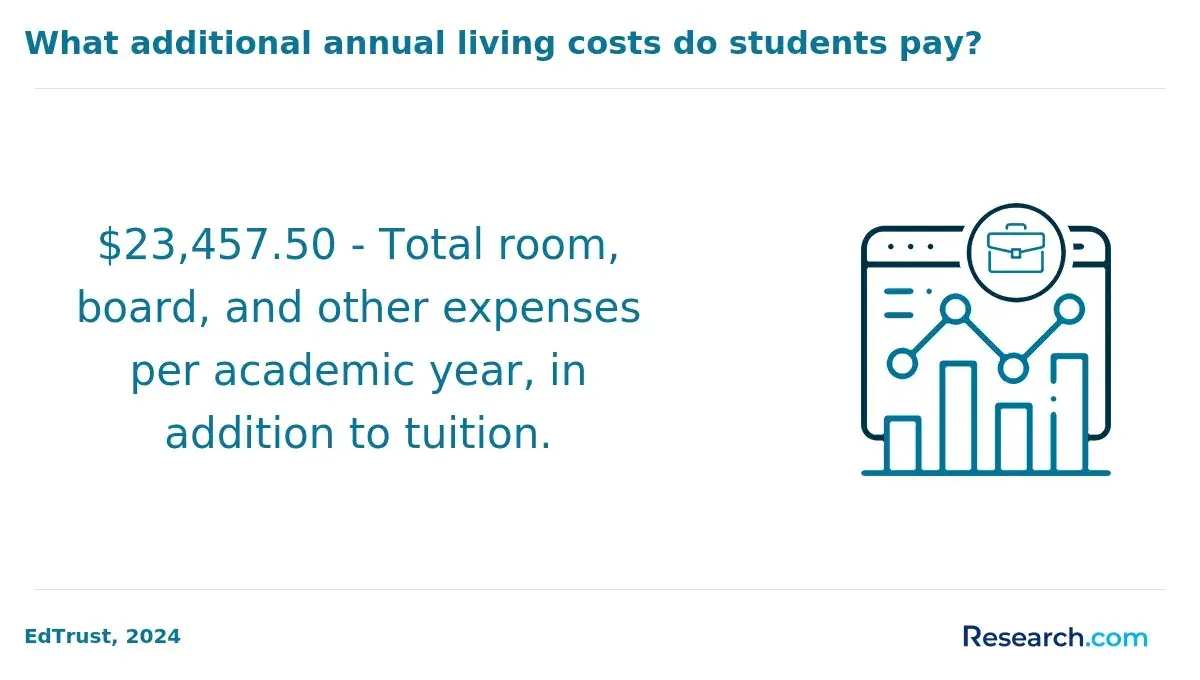
Cost differences reflect program scope and length: community college certificates or associate degrees often range from $4,000 to $15,000, accessible for career shifts or skill boosts, while four-year university degrees may exceed $60,000, reflecting deeper academic investment and broader market differentiation. Online options can reduce expenses and add flexibility but require stronger self-motivation, with some employers discounting fully online credits.
Employers prioritize verified language proficiency through credible academic credentials paired with relevant sector experience. Given that Spanish is the third most used language on the internet and spoken by an estimated 7.3% of the world's population, demonstrated expertise can decisively influence employability, especially in sectors demanding nuanced cultural competence.
What careers can you pursue with different Spanish specializations, and what do they involve daily?
Specializing in Spanish creates distinct career trajectories, each with practical demands and tradeoffs affecting employability and everyday responsibilities. Legal Spanish experts, for example, must master nuanced terminology and cultural contexts to handle immigration or civil rights cases effectively.
Their work balances precise communication and legal compliance, a critical need given the over 591 million potential Spanish users worldwide, almost 500 million native speakers, which sustains demand in legal and migration sectors as noted by the Instituto Cervantes.
Healthcare professionals using Spanish serve as vital mediators between clinicians and patients, requiring exact vocabulary related to anatomy and symptoms to improve treatment outcomes and patient safety. Meanwhile, educators juggle grammar, cultural content, and bilingual pedagogy to meet varied learner profiles and education standards.
International business specialists work under pressure managing contracts, negotiations, and cross-cultural dialogue, often adapting to varying time zones and industry-specific language like finance. Translation and interpretation practitioners face the challenge of real-time or asynchronous work that demands both linguistic precision and cultural nuance, whether in medical terminology or literary style.
Key tradeoffs exist between linguistic depth and contextual familiarity across paths. Pursuing certification and ongoing education is essential but can be a significant barrier.
Choosing a specialization depends on individual capacity for continuous adaptation and sector-specific demands shaping career longevity in a multilingual U.S. workforce environment.
What salary ranges and earning potential can graduates of Spanish specializations realistically expect?
Entry-level salaries for graduates specializing in Spanish typically range from $40,000 to $55,000 annually, heavily influenced by industry and location. For example, bilingual educators with TESOL certification in public schools in urban areas with large Spanish-speaking populations earn between $45,000 and $52,000, driven by demand from over 23 million students learning Spanish worldwide as reported by Instituto Cervantes.
Roles in international business or translation begin near $40,000 but offer faster salary growth with specialized terminology skills and certification.
Mid-career professionals with additional credentials or advanced degrees can expect $60,000 to $90,000, particularly in higher education or corporate sectors where cultural competency and language skills affect organizational performance.
For instance, bilingual marketing analysts targeting Hispanic markets earn around $70,000, with potential to surpass six figures through client expansion or leadership.
Long-term earning growth depends on combining Spanish with complementary skills such as data analysis, international law, or healthcare. Without such crossover skills, salary stagnation around $50,000 to $60,000 after 5-7 years is common. Regional variations matter: professionals in California, Texas, or Florida may earn 10-20% above national averages.
Tradeoffs include the time investment of 6-12 months for TESOL or translation certification, which can increase salaries by $10,000 to $15,000 but delay income growth. Public education roles offer stability with capped pay, whereas private sector positions are subject to market variability and often rely on contract work.
Are any Spanish-focused careers licensed or certified, and how do language skills factor in?
Licensing and certification act as gatekeepers in several Spanish-focused professions, setting non-negotiable standards employers rely on to ensure competence and liability protection.
For example, K-12 Spanish teachers in the U.S. must pass state-mandated teaching licenses, which include language proficiency and pedagogy exams, often extending time and cost commitments beyond basic language study. Court and medical interpreters also require national or state certifications validating their ability to handle sensitive communication ethically and accurately.
Outside these regulated roles, certifications like the DELE and SIELE serve as internationally recognized proof of Spanish language skills. These credentials matter particularly in international business, diplomacy, and digital localization, where verified fluency supports market engagement and mitigates risks in multilingual user experience.
The European Commission's Spain - Education and Training Monitor 2025 identifies a widening skills gap in STEM and ICT fields, making combined technical expertise and certified Spanish language skills strategically valuable for roles focused on content localization and culturally nuanced interface design.
Balancing the demands of certification with technical specialization often complicates workforce entry. Professionals must weigh the extended training timelines and costs against potential salary premiums and career ceilings. Employers typically prioritize candidates who can document both linguistic and domain-specific qualifications to meet compliance and communication standards in competitive environments.
How can you evaluate and choose an accredited, reputable Spanish specialization program in the U.S.?
Choosing a Spanish specialization program requires close attention to measurable workforce outcomes and alignment with industry demands rather than superficial language skills alone. Accreditation by recognized bodies and faculty expertise in linguistics and applied Spanish specific to sectors such as healthcare, technology, or international trade are foundational.
Programs offering quantifiable employability data-placement rates or partnerships with bilingual employers-signal real-world relevance.
Students must weigh program design factors like curriculum content, delivery format, and practical exposure. Programs grounded in advanced language technology, translation software, and intercultural communication better prepare graduates for roles in software localization or international legal services. Internship or practicum components embedded in authentic business or government settings substantially improve job readiness.
Consider a healthcare professional planning to become a certified medical interpreter: a general Spanish degree lacks the targeted medical terminology and certification pathways that hiring managers require. Documented competencies through rigorous academic and practical training outweigh vague proficiency claims.
Long-term alumni success data from industries prioritizing bilingual Spanish and technical skills reflects a program's adaptability to evolving labor market needs.
Spanish's expanding role in AI and language technologies positions it among the top three languages in AI training corpora and global publishing, increasing demand for professionals familiar with these intersections-as noted in the 2025 Instituto Cervantes report Spanish: A Language to the World. Deciding on a program without these elements risks obsolescence in fast-shifting bilingual labor markets.
Other Things You Should Know About Spanish
Choosing between Latin American and European Spanish specialization depends significantly on your target job market. U.S. employers, particularly in healthcare, social services, and government, often prioritize Latin American Spanish due to demographic and service demands. European Spanish specialization can be valuable for careers related to international law, European business, or academic research focused on Spain but usually offers narrower domestic applicability. Prioritize Latin American Spanish if your goal is broad U.S.-centered employment and consider European Spanish for specialized international roles.
Cultural competency courses become critical when the role involves community engagement, translation, or interpretation, as employers expect more than literal language skills. Programs that integrate Hispanic cultural, social, and historical content produce graduates who communicate with greater nuance and effectiveness. If your career depends on interpersonal interaction, prioritize programs with strong cultural components, as this can reduce errors and improve client trust. Without these courses, language proficiency alone may limit your real-world impact, especially in sensitive or complex environments.
Advanced Spanish specializations often demand balancing intensive language practice, complex literature or linguistics study, and applied projects like translation or interpreting. This workload differs from general language learning by requiring consistent high-level performance in multiple skill areas simultaneously. Students pursuing career options such as legal or medical interpreting must prepare for rigor and sustained effort well beyond basic coursework. Time management strategies are essential, and programs with flexible pacing or modular options best support working professionals.
References
- How much does it cost to learn Spanish in Barcelona? https://www.speakeasybcn.com/en/blog/how-much-does-it-cost-to-learn-spanish-in-barcelona
- How to Learn Spanish for Work in Spain: Language Skills for UK Job Seekers - Language Trainers UK Blog https://www.languagetrainers.co.uk/blog/how-to-learn-spanish-for-work-in-spain/
- 06 - Spain - Admission requirements - Tertiary education - University education in Europe, types of institution - v.EN, study - studentnews.eu https://tertiary-education.studentnews.eu/s/2328/57788-Tertiary-education/2913244-06-Spain-Admission-requirements.htm
- Online Degree vs. Traditional: Choosing the Right Path https://beal.edu/online-degree-vs-traditional/
- Most Accredited Spanish Language School in Mexico - Learn Spanish with Us https://www.learnspanish.com.mx/accreditations/
- Expanish | Spanish School in Argentina and Spain https://expanish.com/long-term-spanish-course/
- Best Spanish Language Schools in Spain: A 7-Step Guide https://gogoespana.com/en/blog/best-spanish-language-schools-spain/
- Spanish Major, Concentration in Spanish/Education https://catalog.worcester.edu/undergraduate/school-humanities-social-sciences/spanish/major-spanish-concentration-spanish-education/
- (Top 7) Best Online Spanish Classes In 2026 https://www.babbel.com/learn-spanish/newcomer/best-online-spanish-classes
- How to Choose the Right Spanish Course for Your Level and Goals https://conversaspanishinstitute.com/learning/how-to-choose-the-right-spanish-course/