2027 Online Spanish Degrees With Strong Spanish-for-Healthcare Training

Co-Founder and Chief Data Scientist
Healthcare professionals and aspiring interpreters often confront a bottleneck when seeking Spanish degrees that deliver specialized training directly applicable to medical environments. Traditional programs frequently overlook the nuanced language and cultural skills essential for high-stakes clinical communication, contributing to costly misunderstandings and compliance risks.
Amid shifting workforce demands, a 2024 report from the U.S. Bureau of Labor Statistics notes a 15% projected growth in healthcare interpreter roles, emphasizing the urgency for accessible, flexible education tailored to this niche.
This article evaluates online Spanish degrees offering robust healthcare language training, equipping students to make informed choices aligned with career advancement and real-world applicability.
Key Things You Should Know
- Only 27% of U.S. healthcare providers surveyed by the National Council on Interpreting in Health Care in 2024 require formal Spanish-for-healthcare training, forcing students to weigh costly certification against employer demand variance.
- Employers increasingly prioritize bilingual communication skills validated by practical patient interaction simulations; programs lacking clinical immersion see 15% lower job placement rates, per the Bureau of Labor Statistics.
- Median online Spanish degree costs rose 8.3% from 2023 to 2025, with accelerated paths cutting completion time by 25% but often at the expense of comprehensive medical terminology mastery, affecting long-term career flexibility.
What is an online Spanish degree with a Spanish-for-healthcare focus, and who is it best for?
The demand for bilingual healthcare professionals capable of navigating both linguistic and cultural complexities is acute, with 41% of U.S. physicians identifying language barriers as a hindrance to quality care. An online spanish degree with healthcare specialization addresses this by integrating specialized medical vocabulary and cultural competency directly applicable to clinical settings.
This focused training suits roles such as medical interpreters, nurses, and community health workers who engage directly with Spanish-speaking patients. For example, a registered nurse moving to a hospital serving a growing Hispanic community will find mastery of medical Spanish and culturally aware communication crucial for accurate assessment and patient trust.
Online programs offer flexibility but require balancing asynchronous Spanish language study with synchronous clinical practicum components. Employers typically prefer candidates with proven healthcare partnerships or practical experience, as purely theoretical programs can leave graduates underprepared for fast-paced or high-stakes environments like emergency rooms.
Decision-makers evaluating a spanish for healthcare professionals online program should scrutinize the depth of medical terminology, cultural training, accreditation status, and alignment with healthcare licensure where relevant. Ensuring that the degree produces measurable professional advantages is key, rather than settling for generic language certification.
For prospective students prioritizing cost-efficiency and duration in their search, resources outlining the cheapest online spanish degree options can inform practical planning and investment decisions.
How do online Spanish-for-healthcare degrees compare to campus programs in quality and outcomes?
Choosing between online and campus Spanish-for-healthcare degree programs entails significant tradeoffs that directly affect workforce readiness and employer confidence. Online Spanish-for-healthcare degree program quality comparison reveals that while virtual formats deliver solid language proficiency and healthcare-specific vocabulary flexibility, they often lack the immersive clinical practice and real-time interpersonal dynamics that are standard in campus programs.
This deficiency can limit the development of empathy-driven communication skills crucial for sensitive patient interactions.
Campus programs typically integrate internships and lab experiences enabling students to handle clinical pressures and cultivate interpersonal skills valued by employers. In contrast, online students must actively pursue parallel experiential opportunities, such as externships or volunteering, to offset limited supervised practice. This gap affects how candidates are evaluated, as employers prioritize documented proficiency combined with practical experience for bilingual healthcare roles.
From a workforce perspective, the growing but still insufficient share of U.S. physicians who speak Spanish points to ongoing demand for qualified bilingual staff. Online pathways offer accessibility for working professionals seeking a strategic pivot by accommodating schedules and locations, but students must prepare for stringent immersion and clinical exposure to reach parity with campus graduates.
Failure to do so risks underperformance in roles requiring cultural responsiveness and nuanced communication, directly impacting patient care and safety.
Those weighing outcomes of online versus campus Spanish-for-healthcare degrees should also consider the broader landscape of valuable educational investments. For context, reviewing the best bachelor's degrees can provide insights into economic returns and career alignment when planning such pivots.
Which accredited U.S. colleges offer strong online Spanish-for-healthcare bachelor's and master's degrees?
Choosing an online bachelor's degree in Spanish for healthcare requires balancing rigorous language acquisition with applied medical communication skills. Arizona State University and Oregon State University offer programs that integrate advanced Spanish proficiency with culturally relevant healthcare terminology and patient interaction methods, a combination critical for employment in bilingual medical settings.
At the graduate level, accredited U.S. universities offering master's degrees in Spanish for healthcare, like the University of Texas Rio Grande Valley, emphasize healthcare translation and community health. These programs reflect workforce demands where bilingual community health workers earn a median annual wage of $51,850 and benefit from 11.3% job growth, a rate that outpaces many sectors according to the U.S. Bureau of Labor Statistics.
Prospective students should assess programs on their incorporation of healthcare-specific content-patient interviewing, medical ethics, and public health outreach-as well as opportunities for internships or partnerships with healthcare providers. This focus enhances practical readiness and licensure alignment, particularly for students pivoting from unrelated fields. General Spanish degrees may require supplementary certification, delaying workforce entry.
Practical decision-making also involves considering affordability without sacrificing quality. Those exploring the cheapest online bachelor's degree options in this field must scrutinize curriculum depth and employer relevance to avoid underpreparedness in bilingual healthcare roles.
What accreditation and institutional approvals should online Spanish-for-healthcare programs have in the U.S.?
Accreditation is the primary filter for validating online Spanish-for-healthcare programs in the U.S. Regional accreditation recognized by the U.S. Department of Education or CHEA is foundational.
Top candidates also require healthcare-specific approvals from bodies like the Commission on Accreditation of Allied Health Education Programs (CAAHEP) or applicable state nursing and medical boards.
Without these targeted accreditations, employers and licensing authorities often discount the practical value of language training tailored for clinical use. For example, a registered nurse aiming to shift into community health roles needs courses that not only appear on academic records but also count for continuing education units recognized by licensing boards. Otherwise, time and tuition are at risk of delivering minimal career leverage.
Alignment with licensure-focused standards such as those from the National Board of Medical Examiners or the National Council of State Boards of Nursing ensures clinical Spanish skills integrate meaningfully within credentialing frameworks. This alignment benefits candidates navigating this credential space by furnishing measurable outcomes that satisfy stringent professional criteria.
Recent peer-reviewed research underscores these outcomes: participants in an online medical Spanish program improved standardized clinical Spanish scores by an average of 12.6 percentage points, demonstrating that accredited instruction can produce tangible workplace-ready language competencies.
Prospective learners must scrutinize institutional approvals for U.S. healthcare Spanish degrees and seek programs validated by rigorous oversight rather than nonaccredited platforms. For those also interested in educational pathways outside healthcare, exploring options such as a master's degree in marketing may offer viable alternative career pivots aligned with market demand.
What courses and clinical or community experiences are typical in Spanish-for-healthcare curricula?
Programs focused on Spanish-for-healthcare must extend beyond basic fluency to equip students with precise clinical communication skills applicable during real-world patient interactions. Employers expect graduates to confidently manage complex discussions-such as eliciting patient histories or explaining treatment plans-in culturally nuanced ways, particularly within Latino/a populations.
Without supervised clinical exposure, graduates often struggle to adapt to the fast-paced decision-making and sensitive conversations typical in emergency rooms or community clinics.
Clinical practicums or internships in healthcare environments serving large Spanish-speaking populations are non-negotiable for translating classroom vocabulary into effective practice. These settings allow for hands-on experience navigating informed consent, documenting cases, and employing empathy-all while reinforcing linguistic accuracy.
For example, telehealth shadowing with bilingual providers increasingly supplements traditional placements, providing contextual insight into remote care delivery.
Research shows a 24% reduction in adverse events when patients receive language-concordant care, emphasizing the tangible safety benefits of well-trained professionals. When evaluating programs, candidates should critically assess whether curricula prioritize specialized medical Spanish and include immersive, supervised clinical components, rather than general language instruction that may not adequately prepare them for workflow realities.
Key considerations when selecting coursework include:
- Availability of patient simulation or role-play emphasizing accuracy and empathy
- Direct clinical placements in settings with significant Spanish-speaking patient populations
- Integration of telehealth or bilingual provider shadowing opportunities
Overall, prospective students must weigh how well a program bridges linguistic competence with practical, outcome-driven experience to ensure immediate employability and capacity to reduce medical errors in professional settings.
What are the admission requirements and required Spanish proficiency for these online degrees?
Admission to online Spanish degrees with a healthcare specialization hinges on demonstrating both academic readiness and relevant language proficiency, targeting a level of competence that exceeds casual communication. Typically, candidates must hold a bachelor's degree or show equivalent standing, supported by transcripts, personal statements, and often healthcare experience documentation.
Foundational courses like anatomy, medical terminology, or introductory Spanish are frequently prerequisites, ensuring practical understanding before advancing.
Language proficiency demands are substantial-programs expect at least Intermediate-Mid to Intermediate-High proficiency per ACTFL standards, with emphasis on medical Spanish vocabulary and patient interaction skills. This can present significant hurdles for students such as registered nurses shifting into this specialization without strong prior Spanish skills, who often need extra courses and time, extending their program duration.
- Programs may impose conditional admission requiring completion of intensive language modules early in the curriculum.
- Healthcare employers prioritize certified language ability due to an average wage premium of roughly 39% above the general workforce median, which influences competitive hiring and salary potential.
- The intersection of language skill and clinical familiarity directly affects employability in multilingual care settings.
Deciding to pursue this pathway demands balancing realistic time and resource investment against tangible workforce benefits, particularly in sectors where effective bilingual communication correlates with improved patient outcomes and financial rewards for licensed healthcare workers.
How long do online Spanish-for-healthcare degrees take, and what do they cost?
Choosing a Spanish-for-healthcare credential involves weighing time, cost, and professional utility, with direct implications for roles in clinical, administrative, or community settings. Certificate programs, usually 6 to 12 months part-time, provide rapid vocabulary and cultural competency gains but seldom qualify holders for advanced clinical responsibilities.
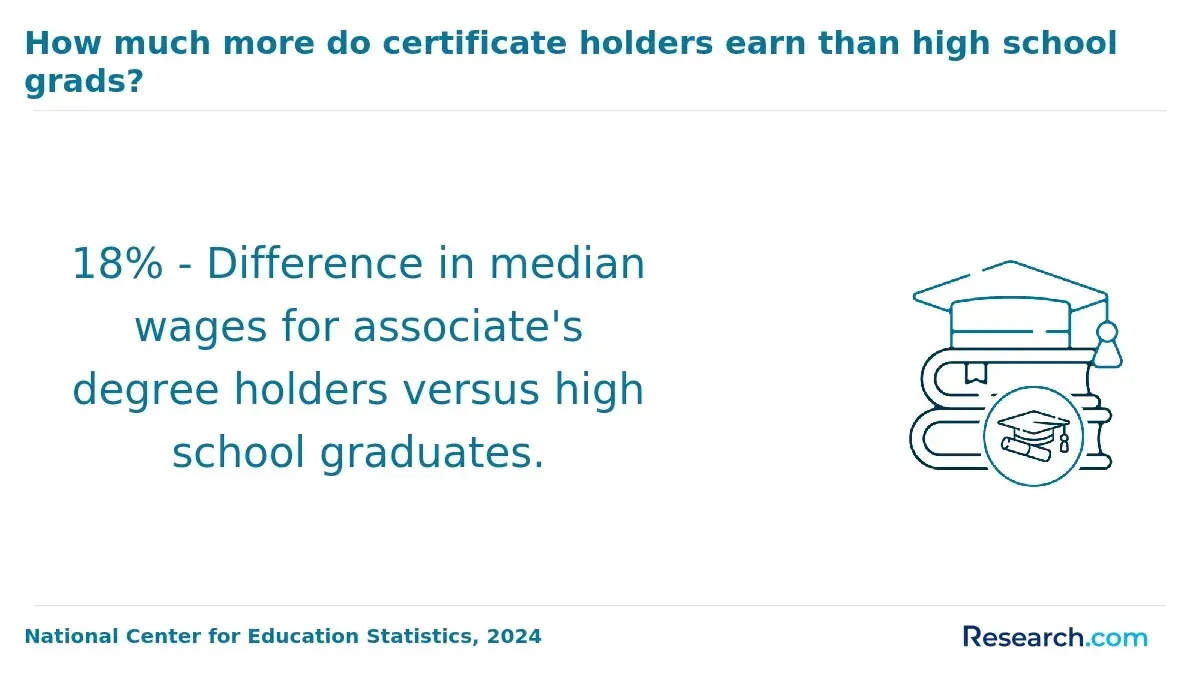
Associate degrees (around 2 years) integrate basic healthcare knowledge with language skills, offering a middle ground for broader employment options without the financial and temporal demands of bachelor's degrees.
Bachelor's programs typically take four years and incorporate clinical scenarios and internships that better align with employer expectations for integrated communication and patient care. However, the extended timeline and tuition-ranging from $20,000 to $60,000-require realistic planning concerning financing or employer support.
Pricing and access vary notably by institution type: public online universities may offer lower rates if residency requirements are met, while private schools charge more but may add practical clinical experiences valued by healthcare employers. Below is a summarized cost range:
- Certificate: $1,000-$5,000
- Associate: $6,000-$15,000
- Bachelor's: $20,000-$60,000
Demand growth in Spain's health-related undergraduate programs reflects the increasing necessity for language competency in patient communication. For U.S. students and professionals, selecting a program requires balancing rapid entry against depth of skills and career flexibility, considering employer recognition and credential portability. Those targeting frontline clinical roles should prioritize programs with integrated healthcare practice rather than quick certificates.
What careers can graduates pursue with an online Spanish-for-healthcare degree?
Proficiency in Spanish alone does not guarantee effectiveness in healthcare settings; graduates of online Spanish-for-healthcare programs must combine language skills with specific clinical knowledge to meet employer demands and improve patient outcomes. For instance, bilingual medical assistants in hospitals facilitate accurate communication during patient intake and follow-up, reducing errors that can arise from language gaps.
Telehealth services exemplify a critical area where Spanish fluency must also include healthcare-specific terminology and cultural competence, as Spanish speakers remain underrepresented in virtual care despite telehealth accounting for up to 17% of outpatient visits in recent years. This disparity points to a clear workforce need for providers who can engage Spanish-speaking patients remotely with both linguistic and medical proficiency.
Career paths extend beyond clinical roles to include health education and healthcare administration, where bilingual professionals support program delivery and policy enforcement aimed at improving access for limited-English-proficiency populations. Employers increasingly expect candidates to maintain certifications and continuous education to stay current with evolving healthcare standards.
Choosing this educational pathway involves weighing the benefit of specialized workforce alignment against the necessity for ongoing professional development. These programs provide a stronger bridge to healthcare employment than general Spanish degrees but require commitment to mastering both language and healthcare contexts.
What salaries and job outlook can Spanish-for-healthcare graduates expect in the U.S. labor market?
The economic and practical value of Spanish-for-healthcare skills in the U.S. workforce varies significantly depending on proficiency depth and role specificity. Entry-level bilingual healthcare workers typically earn between $35,000 and $50,000 yearly; however, those with specialized medical Spanish competence or certification can surpass $70,000, particularly in cities with dense Spanish-speaking populations.
Employers prioritize verified medical terminology fluency over conversational skills alone, as this reduces dependency on external interpreters and improves patient outcomes.
Real-world hiring often grants a salary premium of 5% to 15% for nurses or medical assistants fluent in Spanish medical terminology, reflecting the tangible cost savings and compliance benefits they provide. Key employers-hospitals, community clinics, and home health agencies-differ in certification emphasis versus practical conversational fluency when recruiting bilingual staff.
Online Spanish medical curricula demonstrate comparable spoken proficiency outcomes to in-person electives, with over 80% of students reaching intermediate clinical language levels. Still, without practical immersion or strong assessment frameworks, graduates risk employer skepticism regarding language readiness.
For careers outside direct clinical care-such as patient advocacy or health education-starting salaries range from $40,000 to $60,000 and are influenced by local demographics and organizational missions. Maintaining active language skills and certifications remains essential to withstand sector competition and support long-term job security.
How can students evaluate and choose a reputable online Spanish-for-healthcare program?
Prioritizing accreditation and measurable outcomes is essential when selecting online Spanish-for-healthcare programs because employers expect verifiable proficiency that aligns with industry demands. Accredited programs from recognized bodies ensure curriculum rigor and improve credibility in healthcare settings where Spanish fluency is not just conversational but clinically precise.
Transparency about graduate employment-particularly in roles requiring Spanish skills-offers the best indicator of program return on investment.
The growing Hispanic population, projected to represent nearly 24.4% of U.S. residents by 2050 (U.S. Census Bureau 2024), increases demand for healthcare professionals who can navigate both language and cultural nuances. Employers seek candidates fluent in Spanish healthcare terminology and familiar with patient communication protocols, making curriculum content critical to evaluate.
For instance, a bilingual nurse transitioning to healthcare administration needs clinical Spanish far beyond conversational use, while community health workers might require more extensive cultural competency integrated with language instruction. Programs must also accommodate various baseline proficiency levels and offer tutoring or peer support to prevent skill gaps during career pivots.
Finally, programs with employer partnerships that facilitate internships or job placements provide crucial real-world exposure, often making the difference in securing relevant positions.
Other Things You Should Know About Spanish
Online healthcare Spanish degrees often require consistent engagement with both language practice and healthcare content, making time management critical. Working professionals should expect to dedicate regular hours weekly to speaking practice, terminology memorization, and healthcare cultural competency.
Choosing programs with flexible pacing but structured deadlines helps maintain progress without overload, which is important since inconsistent study habits can reduce both proficiency gains and practical readiness.
Most healthcare employers value language proficiency demonstrated through recognized certifications like the Certified Medical Interpreter (CMI) or equivalent, in addition to a degree. Holding a degree alone may not guarantee job readiness if the program lacks interpreter training or certification exam preparation. Candidates focused on clinical interpreting roles should seek degrees that integrate or prepare for these certifications to meet employer standards and gain a competitive edge.
Specialization significantly improves employment prospects in healthcare settings by signaling relevant skills that general Spanish knowledge does not convey. However, general proficiency offers broader versatility across industries. Candidates targeting healthcare vocations should prioritize programs with clinical language and cultural training to align education with employer expectations, whereas general Spanish is better suited for roles without a healthcare emphasis.
References
- Spanish For Health Care | Briar Cliff University https://www.briarcliff.edu/current-chargers/academics/spanish-for-health-care
- Medical Spanish Courses for Healthcare Professionals | Online Classes & Certification – Common Ground International Language Services https://commongroundinternational.com/medical-spanish/
- Spanish for Healthcare Professionals Certificate https://www.ucmo.edu/academics/programs/undergraduate-certificates/cahss/modern-languages-and-interdisciplinary-studies/modern-languages/spanish-for-healthcare-professionals-certificate/
- Medical Spanish https://www.medicalspanish.com/
- Assessing the Impact of a Longitudinal Student-Run Medical Spanish Course in a California Doctor of Medicine (MD) Program https://www.cureus.com/articles/464796-assessing-the-impact-of-a-longitudinal-student-run-medical-spanish-course-in-a-california-doctor-of-medicine-md-program
- 2025 Most Affordable Online Master's in Spanish Degrees https://www.onlineu.com/most-affordable-colleges/spanish-masters-degrees
- Spanish certificate program helps USA Health providers connect with patients | USA Health https://www.usahealthsystem.com/news/spanish-certificate-program
- Spanish for Successful Communication in Healthcare Settings https://vamospanish.com/discover/learn-medical-spanish-online/
- Top Career Paths You Can Explore With a Spanish Degree | UT Permian Basin Online https://online.utpb.edu/about-us/articles/spanish/top-career-paths-you-can-explore-with-a-spanish-degree