2027 Interpreter Roles You Can Target With a Spanish Degree

Co-Founder and Chief Data Scientist
Facing a competitive job market, many learners with a Spanish degree struggle to align their language skills with interpreter roles that offer both stability and career growth. This challenge intensifies as the demand for professional interpreters in healthcare, legal, and governmental sectors rises, driven by a 15% workforce growth projected by the U. S. Bureau of Labor Statistics.
Yet, limited admissions flexibility and the need for specialized certification create barriers to entering these roles promptly. Understanding which interpreter positions best suit a Spanish degree holder's qualifications and ambitions is essential to navigate hiring criteria and maximize return on investment. This article identifies targeted interpreter roles aligned with Spanish degrees and clarifies realistic entry points for effective career planning.
Key Things You Should Know
- Healthcare interpreter roles for Spanish speakers grew 14% from 2022 to 2024 per the Bureau of Labor Statistics, but median salaries remain 10-15% below legal interpreting due to certification barriers, impacting income potential.
- Federal agencies employing Spanish interpreters prioritize NAATI or federal certifications, limiting access for graduates without these credentials and elevating competition in government roles leveraging bilingual degrees.
- Programs requiring costly certification exams plus 6-12 month supervised practica create a median $7,000 upfront expense, extending time-to-employment and disproportionately affecting mid-career professionals pivoting to Spanish interpreting careers.
What Spanish degree roles involve interpreting?
Interpreting roles accessible with a Spanish degree vary substantially in employer expectations, certifications, and real-world demands, directly affecting job viability and compensation. Court interpreters, for example, must navigate legal jargon with exact precision, often needing certification from bodies like the National Center for State Courts to meet regulatory and ethical benchmarks.
Medical interpreters face distinct challenges, translating sensitive health information under HIPAA regulations, which requires specialized medical terminology fluency and confidentiality expertise.
Conference interpreters operate in fast-paced, high-stakes environments such as multinational business meetings or diplomatic gatherings, demanding rapid cognitive processing and sector-specific language mastery. Community interpreters work in more diverse social service or law enforcement contexts, requiring cultural adaptability and a broad vocabulary to handle everything from housing assistance programs to police interviews.
Spanish interpreter job opportunities in the US reflect these nuanced roles, where median salaries around $59,440 highlight a moderate wage benchmark tempered by experience and credentials. Candidates often confront the tradeoff between committing to additional certifications or specialized training-especially critical for medical interpreting-and the time or financial cost of such education.
Practical skill development through live practice and shadowing often proves more beneficial to prospective employers than degree titles alone. Thus, selecting credential pathways aligned with targeted interpreting sectors becomes essential for accessing higher-paying roles and advancing sustainably.
For those weighing educational options, exploring accelerated degree programs may ease transition timelines, balancing workforce entry and skill acquisition. Careers involving interpreting with a Spanish degree demand careful alignment between training investment and long-term employment outcomes to avoid mismatches between qualification and job market realities.
Which interpreter jobs hire Spanish degree holders?
Spanish degree holders seeking interpreter positions should address the distinct demands of medical, legal, community, and conference interpreting sectors. Each sector has unique operational complexities and credential requirements.
Medical interpreters, in particular, dominate demand due to healthcare's need for accuracy and confidentiality under HIPAA. A hospital-based interpreter, for example, must master specialized medical terminology while maintaining patient privacy, often requiring certifications beyond a degree.
Legal interpreters face pressure in courtrooms and law enforcement settings, where understanding legal jargon and protocols can directly influence judicial outcomes. Community interpreters work with social services and schools, facilitating critical communication for immigrants and non-English speakers, thereby influencing social equity. Conference interpreting, although less frequent, requires advanced fluency and simultaneous interpretation skills in business or government environments.
Zippia's 2024 data identifies 4,043 active Spanish interpreter openings nationwide, illustrating steady demand growth. Employers often prefer candidates who supplement degrees with certifications like the Certified Healthcare Interpreter or state-specific legal credentials. Practical experience from internships or volunteer work substantially improves employability, especially given the varied contract arrangements from permanent to freelance.
Those considering a strategic pivot should weigh the credentialing workload and sector-specific training essential for competitive positioning. Aligning coursework with sector terminology is crucial, as is exploring related fields such as online business degrees, which may offer complementary skills or career flexibility.
Top interpreter careers for Spanish graduates demand more than language proficiency; they require navigating real-world pressures and credential standards not always addressed by the degree alone.
Do interpreter careers require certification or licensure?
Interpreting careers in the United States face a complex landscape where certification and licensure requirements vary significantly by sector and location, especially impacting Spanish interpreters. While not universally mandatory, credentials are often essential for federal court work, healthcare settings, and legal environments.
For example, federal interpreters must pass the U.S. Department of Justice certification, whereas healthcare interpreters frequently seek credentials from bodies like the National Board of Certification for Medical Interpreters to comply with strict licensure and certification for Spanish interpreter careers.
Many private agencies and freelance opportunities prioritize demonstrated experience or bilingual fluency over formal certification, yet absence of credentials may limit access to higher-paying roles or regulated jobs, particularly in states enforcing licensure mandates. California illustrates this variability, where Spanish interpreters average $71,702 annually but credential requirements differ by field, with health and legal sectors demanding more rigorous standards.
Practical decision-making involves weighing benefits against costs-time, effort, and financial investment-in certification against actual career goals. Professionals targeting government roles must navigate specialized proficiency exams and background checks, while independent contractors benefit from portfolios that balance both certification and proven experience.
Aligning educational choices with these realities, including pursuing a cheap online engineering degree if considering interdisciplinary skills, can impact employability and long-term earnings.
Strategic assessment of local regulations, industry expectations, and sector-specific credential demands will better position prospective interpreters within the marketplace.
What coursework prepares Spanish majors for interpreting?
Programs tailored for Spanish majors pursuing interpreter roles demand more than just language skills; they require rigorous training in consecutive and simultaneous interpreting under realistic conditions.
Critical employer expectations emphasize accuracy and speed, especially in high-stakes environments like healthcare or legal settings where misinterpretation can have serious consequences. For instance, rapid retrieval of precise medical terminology during hospital emergencies often separates competent interpreters from merely bilingual individuals.
Courses for Spanish language interpreters integrate sector-specific vocabulary development alongside practical exercises that mimic these pressures. Beyond linguistic competence, ethical standards and confidentiality are embedded into the curriculum due to the sensitive nature of interpreting assignments. Additionally, proficiency with digital interpretation platforms is increasingly essential as remote interpreting expands.
Cognitive stamina is a vital but often overlooked component; simulated stress scenarios prepare students to maintain performance without degradation in real-time. This combination of skills aligns with workforce demand projections showing approximately 6,900 annual openings in interpreting roles through 2034, suggesting steady need but also significant pressure to meet professional standards.
Prospective students evaluating Spanish interpreting degree coursework should weigh these operational realities against their career goals. Limited programs emphasize these hands-on, applied skills, so careful selection matters. For alternatives in affordable educational pathways, consider exploring cheapest online general studies degree programs as a flexible foundation before specialization.
Are online Spanish programs strong for interpreting careers?
For interpreters targeting careers in high-stakes sectors like healthcare, legal, or government, online Spanish programs often fall short unless they extend beyond basic language acquisition. The critical gap is in applied training-realistic practice in consecutive and simultaneous interpreting, cultural nuance, and domain-specific terminology-that many online curricula omit.
Employers prioritize candidates who demonstrate fluency under pressure and who have certification preparation aligned with professional standards such as the CHI or Federal Court interpreter exams.
Zippia employment data confirms a substantial U.S. market with over 19,000 Spanish interpreters currently employed, yet this demand strongly favors practitioners with proven hands-on experience. For instance, court interpreters must swiftly and accurately interpret rapid exchanges, a skill rarely honed through online lectures alone. Without integrated internships or simulations, graduates risk failing to meet these rigorous expectations.
Prospective interpreters should evaluate online programs with a sharp eye toward opportunities for supervised internships and direct exposure to interpreting scenarios. The absence of live practice and professional networking within many online models introduces delays to credential acquisition and workplace readiness.
Ultimately, the tradeoff lies between the convenience of digital access and the necessity for immersive, applied instruction that directly influences employability and career longevity in interpreting professions.
What accreditation should a Spanish degree program have?
Accreditation for Spanish degree programs targeting interpreter roles is a critical determinant of employability, especially in legal, medical, and government sectors. Employers overwhelmingly prefer candidates from programs recognized by regional or national bodies sanctioned by the U.S. Department of Education or the Council for Higher Education Accreditation, as these ensure academic rigor and comprehensive training.
Specialized endorsements like those from the American Translators Association (ATA) offer added credibility but do not replace institutional accreditation's fundamental role.
For instance, courts and healthcare systems often mandate certification from interpreters who have graduated from accredited programs paired with professional exams. Skipping accredited pathways typically limits access to these secure, often better-compensated roles due to a lack of practical experience components such as supervised interpretation or practicum requirements.
With the Bureau of Labor Statistics projecting a modest 2% growth for interpreters and translators over the next decade, competition will rely heavily on credential quality rather than volume. Candidates from non-accredited programs face hurdles securing relevant work experience, reducing their readiness for immediate deployment in complex interpretation settings like hospital emergency rooms or judicial testimony.
Students shifting toward interpretation should verify accreditation early, ensuring their Spanish degree supports necessary industry certifications and practice-based learning. This proactive alignment mitigates risks of investing time and resources in programs that lack market recognition or omit critical skill-building elements.
What admissions requirements do Spanish degree programs have?
Admission requirements for Spanish degree programs directly influence both candidate readiness and workforce outcomes. Most undergraduate programs mandate a high school diploma with a GPA near 2.5 to 3.0, alongside proof of proficiency in core subjects—particularly prior Spanish coursework in competitive cases.
Standardized test submissions like the SAT or ACT vary due to growing test-optional policies, but strong preparatory transcripts remain essential. Letters of recommendation and personal statements add evaluative depth in selective contexts.
Transfer or working professionals pursuing advanced degrees must demonstrate college-level Spanish competence, often via placement exams or prior credits. Graduate programs in linguistics or interpretation expect robust academic records, GRE scores, and relevant language-related experience, which directly affects employability.
Program rigor diverges widely, with practical consequences for careers in interpretation or specialized Spanish roles. Candidates targeting legal or medical interpreter positions benefit from programs offering immersive language experiences and practicum-based training.
Failing to meet these foundational admissions benchmarks limits access to higher-paying, certified roles in the U.S. Spanish-speaking workforce, where interpreters can earn up to $87,218 annually according to the American Association of Teachers of Spanish and Portuguese.
How long and costly are Spanish degree programs?
Choosing a Spanish degree program requires balancing time-to-completion, cost, and workforce requirements, particularly when targeting interpreter roles demanding certification. Public universities typically charge $10,000 to $25,000 annually for in-state students, whereas private institutions can exceed $40,000. These figures cover tuition and materials but not living expenses, which add roughly $12,000 per year depending on location.
The standard bachelor's path spans four years full-time, but part-time or online formats extend to five or six years, accommodating working adults at the expense of delayed labor market entry.
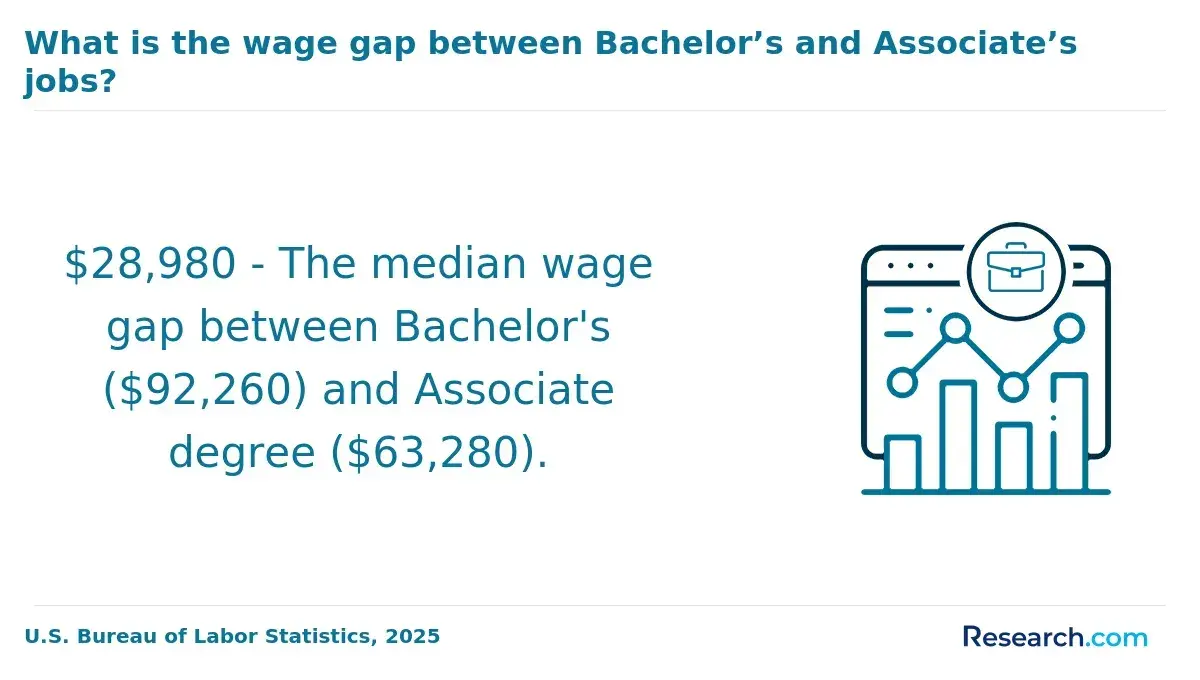
Associate degrees offer a cheaper, two-year option costing $3,500 to $10,000 annually but restrict access to many certified interpreter positions that require a bachelor's credential. For professionals switching careers, the extended timeframe and additional certification-such as for medical interpreting-raise total investment and complicate budgeting.
Practical tradeoffs include:
- Choosing accelerated or integrated certification programs to reduce education-to-employment latency
- Leveraging employer tuition assistance or flexible scheduling to offset financial strain
- Forecasting local salary growth and demand, given a reported 13% wage increase over five years in interpreting fields
Strategically aligning credential outcomes with specific interpreter roles and sector needs determines the overall value and return on educational investment.
What salaries do Spanish interpreters earn?
The annual earnings of Spanish interpreters vary notably based on credentials, experience, and work context, with a median salary near $52,000 in 2026. Interpreters holding at least a bachelor's degree and bilingual proficiency tend to access higher-paying roles, particularly freelancers able to negotiate independently with clients.
Entry-level positions in healthcare or legal fields typically range from $40,000 to $48,000. Certified court interpreters in legal environments command hourly rates between $35 and $75 due to demanding accuracy and workflow pace. Federal government roles set salary floors near $55,000, increasing above $75,000 for clearances or technical specialization.
Freelance interpreters face fluctuating workloads and must invest in client acquisition and credential maintenance. Successful contractors report effective annual earnings between $50,000 and $90,000, emphasizing a tradeoff between freelance flexibility and the stability of salaried jobs.
Employers consistently prioritize formal degrees as minimum qualifications, limiting those without credentials to roughly $30,000-$40,000, usually in ad hoc or entry-level contexts.
When weighing educational investment, candidates should consider specialized certifications and experience that yield the highest salary returns, particularly when targeting industries demanding rigorous language precision and cultural competency.
What is the job outlook for Spanish interpreters?
Demand for Spanish interpreters persists strongly across healthcare, legal, and government sectors, where precision and cultural context exceed what automated tools provide. Healthcare interpreters navigate patient communications under regulatory pressures, while legal interpreters manage nuanced court proceedings requiring specific certification.
Entry-level wages often start below the median annual $59,440 reported by the U.S. Bureau of Labor Statistics, reflecting the tradeoff between experience acquisition and income stability. Contract and freelance roles offer flexibility but lack consistent benefits, posing financial variability.
Practical employment considerations include irregular schedules and high-pressure interactions demanding real-time accuracy. Public-sector and hospital positions often require mastery of specialized terminology and compliance standards, directly influencing job accessibility and wage potential.
Effective interpreters typically combine linguistic skill with credentials such as those from the National Association of Judiciary Interpreters and Translators or state court certifications to secure higher-paying roles. Corporate and educational settings offer alternative opportunities but frequently demand travel and schedule adaptability, factors that may not suit all candidates.
The decision to pursue a Spanish degree with interpreter training should weigh these operational realities against personal circumstances, including tolerance for uncertainty, willingness to pursue costly certification, and readiness to navigate fluctuating income early in one's career.
Other Things You Should Know About Spanish
Yes, fluency across multiple Spanish dialects significantly enhances employability and effectiveness in interpreter roles. Employers often expect interpreters to navigate regional vocabulary and pronunciation variations specific to Mexican, Caribbean, Andean, or Castilian Spanish.
Candidates who only master one dialect may face challenges in legal, medical, or community interpreting where diverse speaker backgrounds occur. Prioritizing diversified dialect training within your Spanish degree can be a decisive factor for competitive job placement.
Interpreter positions usually involve irregular hours and high stress due to real-time translation demands, unlike typical office-based Spanish roles such as teaching or translation. This workload can include evenings, weekends, or emergency calls, impacting work-life balance. Candidates should assess their readiness for unpredictable schedules and pressure before targeting these roles or consider interpreter-adjacent positions with more stable hours.
Advanced cultural competency should be prioritized alongside linguistic accuracy for interpreter careers involving Spanish. Employers value interpreters who understand cultural nuances, idiomatic expressions, and context to avoid miscommunication that can have serious consequences. While grammar and vocabulary remain foundational, ignoring cultural skills reduces effectiveness and limits access to high-stakes interpreting assignments.
In 2027, those with a Spanish degree can target interpreter roles in sectors like healthcare, legal, educational, and community services. These roles often require additional certifications, such as medical or court interpreter certifications, to enhance career longevity and specialization.
References
- 10 Reasons to Attend an Accredited Spanish School in Spain https://www.speakeasybcn.com/en/blog/why-attend-accredited-spanish-school-in-spain
- Admission. Degree in Spanish language and literature. School of Philosophy and Letters. University of Navarra. - Degree in Spanish language and literature - Universidad de Navarra https://en.unav.edu/web/degree-in-language-and-literature/admission
- Education Programs in/around the Carolinas - Carolina Association of Translators and Interpreters https://catiweb.org/become-a-member/education-programs-in-around-the-carolinas/
- Interpreter Job Prospects - Certificate Interpreter Training Programs® - Official SiteCertificate Interpreter Training Programs® – Official Site https://interpretertrain.com/course-schedule/interpreter-and-translator-job-prospects/
- Spanish Language Interpreter Guide: Your Essential Handbook 2025 https://www.convey911.com/blog/spanish-language-interpreter
- Spanish Translator Jobs » Find Remote Translation Jobs | useme.com https://useme.com/en/jobs/category/translation,39/spanish,126/
- UNEDasiss Accreditation Spain: Requirements, PCE Exams & Deadlines Guide https://spainstudyadvisors.com/en/unedasiss-accreditation-spain-guide/
- Guide to Applying to Spanish University in 2025 | Bachelor's Degree https://libertylingvo.com/en/blog/bachelors-degree-spain
- Spanish Interpreter Job Description (Updated 2026 With Examples) | AATG https://jobs.aatg.org/career/spanish-interpreter/job-descriptions
- Top Career Paths You Can Explore With a Spanish Degree | UT Permian Basin Online https://online.utpb.edu/about-us/articles/spanish/top-career-paths-you-can-explore-with-a-spanish-degree