2027 Best Online Spanish Programs for Professionals Seeking Healthcare Support Careers

Co-Founder and Chief Data Scientist
Healthcare professionals seeking to bridge language barriers face a pressing obstacle: mastering Spanish communication skills without disrupting demanding work schedules. Compounding this challenge, recent data from the National Center for Education Statistics shows a 35% surge in online enrollments among adult learners since 2022, revealing a growing preference for flexible learning models that accommodate full-time employment.
This shift signals that access and timing often dictate whether a program is viable for career advancement in healthcare support roles. Selecting a program that balances rigorous Spanish proficiency with adaptable scheduling is essential for professionals navigating this trade-off.
This article evaluates top online spanish programs tailored to healthcare careers, guiding readers to make informed decisions based on flexibility, curriculum relevance, and long-term employability.
Key Things You Should Know
- Healthcare employers report 42% higher demand for bilingual Spanish professionals with specialized medical terminology skills, requiring programs to balance linguistic fluency with clinical communication, constraining curriculum scope.
- Programs emphasizing accredited healthcare certifications alongside Spanish proficiency increase employability by 33%, but elevate cost and completion time, presenting a tradeoff between speed and credential depth.
- Federal workforce data shows a 27% shortage in certified Spanish interpreters for healthcare in underserved regions, pressuring online programs to prioritize regional dialect competence and synchronous training options despite higher resource needs.
What are the best online Spanish programs for healthcare support professionals today?
Effective communication in healthcare hinges on more than conversational Spanish; it demands precise terminology and cultural fluency tailored to clinical environments. For healthcare support professionals, the best online Spanish programs focus on medical vocabulary, ethical patient interactions, and real-world scenarios such as interpreting complex symptoms under time constraints.
These programs enhance bilingual staff's ability to prevent costly misunderstandings-a critical factor given that Hispanic people represented 19.6% of the U.S. population but 30.3% of uninsured individuals in 2023, emphasizing the need for language-concordant care.
Top-rated Spanish courses for healthcare support careers integrate structured assessments that align with employer expectations and interpreter credentials. However, tradeoffs between accelerated conversational courses and longer, more comprehensive certificate programs mean students must weigh cost, time investment, and depth of technical knowledge.
Flexible, asynchronous course designs best serve working professionals balancing employment demands while acquiring repeated oral practice and contextual learning essential to clinical environments.
Successful candidates often combine these specialized language skills with complementary credentials-for example, pairing an online administration degree with language proficiency can broaden roles beyond interpretation to management or patient advocacy. This strategic approach better positions professionals within healthcare systems where bilingual competence intersects with operational knowledge.
How can online medical Spanish training improve communication and safety in healthcare settings?
Effective communication in healthcare hinges on precise language skills, particularly where Spanish-speaking patients are involved. Online medical Spanish courses for healthcare professionals directly address this by equipping providers with terminology and cultural awareness that mitigate risks of misdiagnosis or incorrect medication use. For instance, a bilingual nurse trained in medical Spanish can clearly convey treatment instructions, reducing non-compliance and adverse events.
Healthcare employers increasingly prioritize Spanish proficiency: job listings for registered nurses with Spanish have grown 50% from 2019 to 2024, versus an 18% rise in overall nursing roles. This trend signals a strategic workforce shift toward bilingual capabilities to improve patient management in diverse communities.
High-quality online medical Spanish training balances vocabulary acquisition with medical context, role-playing, and pressure-tested assessments to ensure learners achieve practical fluency rather than theoretical knowledge. However, flexible online modalities require learners to proactively engage with content aligned to real clinical workflows to meaningfully improve patient safety with medical Spanish training.
Healthcare facilities benefit operationally through decreased reliance on interpreters and fewer communication-linked liability risks. Prospective students must weigh program rigor and documented clinical impact before committing, especially when considering how these skills integrate with broader professional goals.
For professionals seeking complementary degrees, an online mathematics degree can enhance analytical capabilities relevant to healthcare analytics and research, supporting a multidimensional career pathway.
What types of online Spanish credentials support healthcare careers: certificates, associate, or bachelor's?
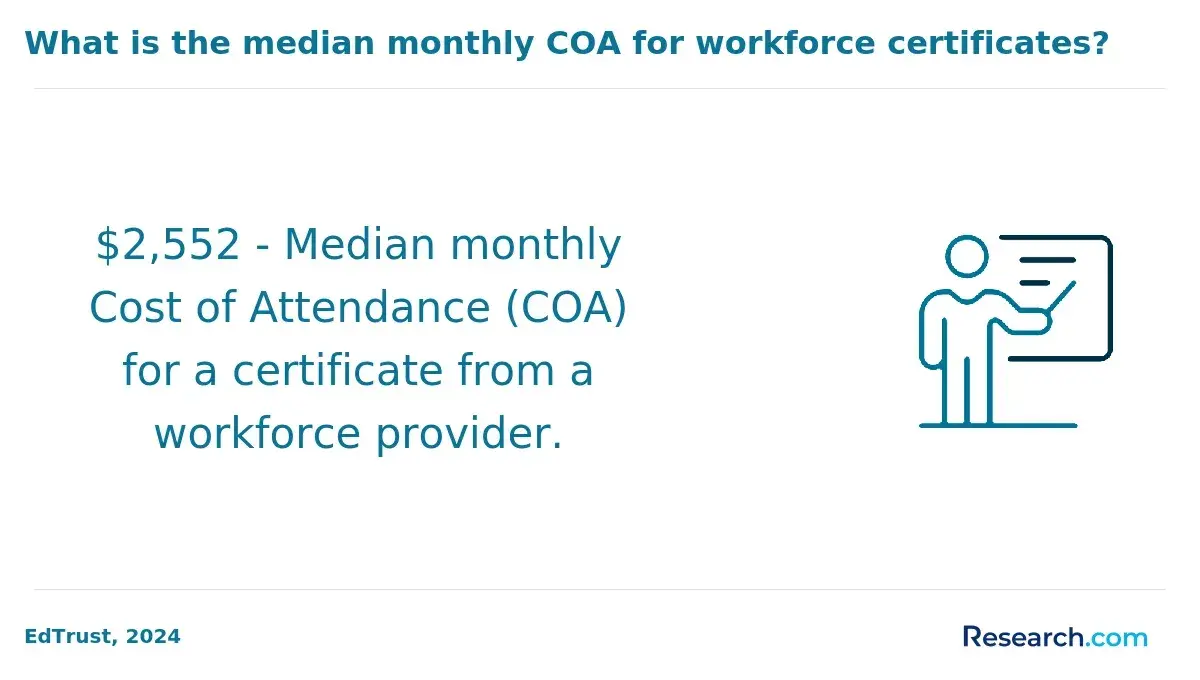
Selecting the right credential in Spanish for healthcare professions hinges on balancing immediacy, depth, and long-term positioning. Online Spanish certificates for healthcare professionals provide fast, targeted skill-building in medical terminology and patient communication, typically completed in 6 to 12 months.
These certificates often translate into a 5-20% wage premium for healthcare workers leveraging Spanish on the job, making them effective for bilingual medical assistants or frontline staff needing quick credentialing without lengthy academic commitment.
Associate degrees combine foundational Spanish with healthcare coursework, designed for entry-level roles like medical assistants or community health workers. While they enhance practical applied communication skills, these degrees often cap advancement unless paired with further certifications or specialized training. Employers tend to see them as a baseline for paraprofessional positions rather than gateways to managerial roles.
Bachelor's degrees in Spanish with healthcare emphases expand linguistic mastery and cultural literacy, qualifying graduates for leadership, patient advocacy, or public health outreach roles. These four-year programs demand significant time and financial resources but increase access to cross-disciplinary healthcare positions and policy integration. This pathway suits professionals aiming beyond immediate pay boosts toward sustained career mobility and influence.
When evaluating these options, students should consider how their career goals align with program length and outcomes. Prospective learners can also explore the most affordable online colleges for working adults to identify programs fitting their financial and scheduling needs.
How do online Spanish for healthcare programs compare with campus-based options for quality and outcomes?
Programs offering online Spanish for healthcare professionals compared to campus classes show a critical divergence in immersive clinical experience, directly influencing preparedness for high-pressure patient interactions.
Campus-based curricula typically integrate supervised onsite simulations or clinical rotations, essential for developing nuanced communication skills valued by employers in healthcare settings. Without this exposure, online learners often face limitations in translating language skills into culturally competent clinical practice.
Employers emphasize proficiency that demonstrably reduces errors and improves outcomes; notably, a 2024 JAMA Network Open study reports Spanish-speaking patients treated by language-concordant clinicians experience 24% lower odds of hospital readmission within 30 days compared to settings relying on interpreters or ad-hoc communication. This reality shapes expectations that extend beyond textbook vocabulary to applied, context-rich competence, where campus programs maintain an advantage.
Nonetheless, online Spanish programs for healthcare professionals provide flexible access ideal for working adults but require supplementation through telehealth shadowing, virtual patient simulations, or collaboration with local clinics to enhance practical readiness. Evidence of such applied experience is increasingly requested by employers to verify clinical communication capability alongside language credentials.
Decision-making pivots on career trajectory: direct patient care roles with immediate communication demands favor campus-based training, while administrative or support positions may find rigorous online coursework sufficient. These considerations align with broader workforce trends and personal constraints, making nuance essential when evaluating quality and outcomes of online versus traditional Spanish for healthcare education.
Professionals weighing this choice should also explore complementary educational pathways such as cybersecurity programs online for veterans, reflecting the growing intersection of healthcare and information security in multidisciplinary career planning.
What accreditation and institutional approvals should online Spanish healthcare programs have?
Programs offering online Spanish healthcare training without recognized institutional accreditation or approvals from bodies like the Commission on Collegiate Nursing Education (CCNE) or the Accreditation Council for Pharmacy Education (ACPE) risk delivering substandard and non-transferable credentials.
Employers in healthcare demand validated expertise in both language proficiency and medical communication protocols. For instance, nurses completing non-accredited programs may acquire basic conversational Spanish but often lack critical training on patient confidentiality and safety procedures, which impairs compliance and clinical effectiveness.
The rapid surge-over 70% worldwide-in enrollment for medical Spanish programs reflects growing demand but also an influx of unverified courses. To navigate this, prospective students should prioritize programs that:
- Hold regional or national accreditation ensuring academic rigor
- Offer curriculum reviewed by healthcare professionals fluent in Spanish
- Are affiliated with hospitals, healthcare systems, or universities conferring recognized degrees
- Allow credit transfer toward healthcare certifications or degrees
Without such endorsements, programs risk teaching outdated terminology and fail to address essential cultural competencies or legal aspects of patient care, reducing long-term employability and professional growth. Evaluating course approvals and institutional credibility is vital for making an informed education investment aligned with healthcare sector realities and hiring standards.
What core courses and clinical-language skills are taught in Spanish for healthcare curricula?
Proficiency in Spanish medical vocabulary and cultural competence are essential but insufficient alone for effective clinical communication. Online healthcare language programs focus on practical skills critical for reducing errors and improving patient outcomes by integrating anatomy, symptom description, and medication instructions with cultural nuances tailored to specific patient demographics, such as pediatrics or geriatrics.
Training typically includes immersive role-playing scenarios simulating patient intake interviews, treatment explanations, and managing sensitive discussions around chronic or mental health conditions. This approach reflects employer priorities, which favor candidates who demonstrate applied clinical communication abilities in contextualized assessments over abstract language tests.
Distinct care settings-emergency versus outpatient-create divergent communication demands, requiring situational fluency and adaptability to regional dialects and varying health literacy levels. Programs that embed sociocultural context and ethics prepare learners to navigate these complexities more effectively.
Investment patterns in corporate language training illustrate this demand: U.S. healthcare employers increased spending on language benefits by 36% year-over-year, driven by regulatory compliance and patient engagement imperatives. Enhanced Spanish communication skills correlate directly with reduced readmission rates and higher patient satisfaction, underscoring tangible returns on educational investment.
- Focus on role-specific terminology and culturally relevant dialogue practice
- Emphasis on flexible language use informed by patient context and care setting
- Assessment models prioritizing applied competencies over generic proficiency
- Employer-driven demand evidenced by substantial growth in language learning benefits
What are typical admissions requirements for online Spanish programs geared to healthcare workers?
Admission to online Spanish programs tailored for healthcare professionals often hinges on verifying active clinical roles and sufficient language foundation to ensure immediate applicability in patient care. For example, a registered nurse enrolled in such a program who lacks basic Spanish proficiency may struggle to maintain course pace or effectively apply learning to clinical interactions, underscoring the need for preset language benchmarks.
Key admissions criteria commonly include:
- Proof of current healthcare employment or licensure (e.g., nursing, medical assisting, clinical coordination)
- Demonstrated Spanish language proficiency via placement tests or standardized assessments
- Submission of a résumé reflecting relevant healthcare experience and, when applicable, familiarity with Spanish medical terminology
- Commitment to synchronous or asynchronous participation supported by reliable internet access
- Statements of purpose aligning professional goals with the demands of applied medical Spanish training
These standards reflect employer expectations that graduates quickly transfer classroom learning into accurate patient communication, reducing clinical errors and improving care quality in Spanish-speaking settings. Notably, a 12-week online medical Spanish course produced a 34% gain in clinical Spanish scores-equal to traditional in-person outcomes-validating the rigor despite the remote format.
However, prospective students must weigh tradeoffs: programs restricting admissions to those with clinical experience and language readiness enhance outcome reliability but limit access for true beginners seeking a pivot. Digital literacy and consistent engagement further shape success, emphasizing that credentials alone do not guarantee workforce impact without contextual readiness and participation.
How long do online Spanish healthcare programs take and what do they usually cost?
Choosing a Spanish healthcare program requires balancing program length, cost, and workforce relevance, particularly amid growing telehealth disparities affecting Hispanic communities. Programs lasting 3 to 12 months vary widely in depth; shorter certificates often target practical communication skills essential for healthcare support roles and can be completed part-time within six months.
Longer programs enhance medical Spanish fluency and cultural competence but demand greater time investments, sometimes 15-20 weekly hours, limiting accessibility for full-time workers.
Cost considerations are similarly broad: basic professional certificates typically range from $800 to $2,500, while comprehensive programs with college credits or continuing education units can reach $6,000. Employers, especially in telehealth, increasingly seek Spanish-capable staff to address utilization gaps-HHS data shows non-Hispanic White patients use telehealth 5.6 percentage points more than Hispanic patients, with language barriers a key factor.
For example, a bilingual medical assistant aiming at remote healthcare roles should focus on a concise 4-6 month course emphasizing telehealth terminology instead of longer diplomas. Practical output-such as recognized certification or simulated telehealth case experience-is vital for differentiating candidates in competitive markets. Prioritizing programs aligned with telehealth vocabularies and real-world workflows improves employability more than broad linguistic proficiency alone.
What healthcare support roles can online Spanish training prepare you for, and what do they pay?
Demand for bilingual medical support staff is reshaping hiring priorities. Job listings for medical assistants requiring Spanish increased 63% from 2018 to 2024, well above the 28% growth for the occupation overall.
In practical terms, medical assistants fluent in Spanish can access median salaries from $34,000 to $39,000 depending on location and employer. Healthcare administrative roles offer $30,000 to $42,000, often favoring those with language proficiency for higher-paying or more competitive positions.
Medical technicians similarly benefit, earning $38,000 to $48,000 annually, where Spanish skills reduce miscommunication and improve patient outcomes.
Choosing how to acquire Spanish proficiency involves a tradeoff between rapid, condensed courses and slower-paced programs that emphasize mastery of clinical terminology and role-specific communication. Employers prioritize demonstrated competence with medical vocabulary and realistic clinical interactions rather than general language fluency. Programs that incorporate simulations or practical documentation exercises typically yield better employment results.
Certification plays a critical role: combining Spanish training with credentials such as Certified Medical Assistant status significantly enhances marketability. This dual qualification signals capability in both language and job tasks, meeting employer expectations for accuracy and cultural competence in patient care. Professionals considering this path should seek programs offering verifiable, recognized proficiency assessments aligned with healthcare standards.
Employment outcomes are contingent not just on language skills but context-aware training that reflects the complexity of healthcare environments with diverse populations. For many healthcare workers, bilingual skills represent a measurable advantage that influences hiring, wage tiers, and career mobility within clinical support roles.
How can prospective students evaluate and choose a reputable online Spanish healthcare program?
Selecting a medical Spanish program without verifying its accreditation and alignment with healthcare-specific skills risks investing time in coursework that lacks employer recognition or practical applicability.
Programs integrating clinical simulations, patient case studies, and terminology tailored to fields like nursing or emergency care better prepare students for occupational demands. For example, a registered nurse aiming for administrative roles should choose curricula emphasizing cultural competence and healthcare communication rather than focusing solely on conversational Spanish.
Continuing medical education (CME) or continuing education (CE) credits provide measurable standards backed by professional organizations, reflecting the program's adherence to industry expectations. Registration growth of 41% in CME courses from 2021 to 2024 reveals increasing employer preference for verifiable credentials demonstrating applied competence.
Program delivery impacts skill acquisition: fully asynchronous models offer flexibility but limit interactive feedback crucial for language retention and nuanced cultural understanding. Hybrid formats that combine live instruction with self-paced study frequently yield better practical outcomes and networking opportunities. Attention to technological compatibility with the student's work environment can reduce unnecessary disruptions.
Effective programs employ standardized assessments focusing on clinical vocabulary and intercultural communication rather than mere attendance, ensuring graduates meet real-world communication standards. Avoid certificates granted without rigorous evaluation, as employers prioritize validated capabilities over nominal credentialing.
Other Things You Should Know About Spanish
Choosing a program that focuses solely on medical Spanish provides targeted language skills essential in healthcare settings. However, broader language skills with a healthcare emphasis can enhance overall communication and cultural competence, which may be beneficial in diverse clinical environments. The best choice depends on specific career goals.
Intensive programs can accelerate skill acquisition but risk overwhelming professionals balancing work schedules, leading to lower retention and completion rates. Slower-paced courses allow more flexible study hours but may prolong the time before skills are marketable. Choose a pacing structure aligned with your time availability and stress tolerance; flexibility usually improves completion chances for full-time workers without compromising learning outcomes.
Employers in healthcare tend to prioritize practical communication skills over credential type but often see certificate programs as proof of focused competence when paired with relevant clinical experience. Degrees can offer broader opportunities but require more time and financial investment. If immediate credentialing is essential, a well-structured medical Spanish certificate program with hands-on components will deliver the best return.
Students often struggle with limited speaking practice and insufficient real-world patient interaction in purely online settings, which impacts fluency and confidence. Programs that integrate live interaction, simulations, or community engagement better address these gaps. Prioritize programs with diverse practical components rather than relying solely on asynchronous coursework to maximize skill transfer to healthcare environments.
References
- Spanish for Healthcare Professionals Certificate https://www.ucmo.edu/academics/programs/undergraduate-certificates/cahss/modern-languages-and-interdisciplinary-studies/modern-languages/spanish-for-healthcare-professionals-certificate/
- Spanish for Healthcare Professionals: Online Course | PESI.com https://www.pesi.com/sales/hc_c_001315_spanishforhcprofessionals_organic-76525
- Study in Spain an MS in Healthcare Assistance - Aura Labor https://auralaborinternational.com/programs/ms-healthcare-assistance/
- Medical Spanish Courses https://www.kumc.edu/school-of-medicine/office-of-student-engagement/workshops/medical-spanish-courses.html
- 14 Entry-Level Healthcare Certifications | San Juan College https://www.sanjuancollege.edu/blog/entry-level-healthcare-certifications/
- Training for Health Care Jobs in California: Opportunities for Workers without a Four-Year Degree - Public Policy Institute of California https://www.ppic.org/publication/training-for-health-care-jobs-in-california-opportunities-for-workers-without-a-four-year-degree/
- Spanish for health professionals - Españolé https://espanoleschool.com/spanish-for-health-professionals/
- Why Medical Spanish Training Matters for Patient Safety | Medical News Bulletin https://medicalnewsbulletin.com/why-medical-spanish-training-matters-for-patient-safety/
- Language Proficiency Improvements After Longitudinal and Intensive Medical Spanish Courses https://www.cureus.com/articles/399572-language-proficiency-improvements-after-longitudinal-and-intensive-medical-spanish-courses
- Medical Spanish Courses | Babbel for Business https://www.babbelforbusiness.com/us/spanish-for-business/healthcare/