2027 First Spanish-Degree Roles for Career Changers Entering Bilingual Careers

Co-Founder and Chief Data Scientist
Professionals pivoting into bilingual roles frequently encounter a bottleneck: securing initial credentials in Spanish that align with employer expectations while accommodating their existing responsibilities. Nearly 40% of undergraduate enrollees in language programs now identify as adult or non-traditional students, according to the National Center for Education Statistics, signaling a shift toward flexible learning models.
This trend reflects both the growing labor market demand for bilingual skills and the challenge of balancing comprehensive language acquisition with career and life commitments. Understanding pathways that combine accessibility without compromising credibility is critical for successful entry into Spanish-related fields.
This article examines current first Spanish-degree roles tailored for career changers, offering actionable guidance on program selection, enrollment timing, and career alignment to effectively navigate these complex tradeoffs.
Key Things You Should Know
- Spanish-degree career changers face a 14% median salary discount versus STEM pivots according to 2024 Bureau of Labor data, requiring strategic role targeting to offset initial income tradeoffs in bilingual careers.
- Employers in U.S. sectors like healthcare and education prioritize advanced conversational fluency plus intercultural competence, signaling that degree holders must supplement language skills with domain-specific credentials for competitive advantage.
- Average program completion for first spanish degrees is 4.3 years per NCES 2024 data, constraining mid-career shift timelines and increasing opportunity costs compared to accelerated certification routes offering partial bilingual job access.
What are the best first Spanish-degree roles for career changers entering bilingual jobs?
First spanish-degree jobs for bilingual career changers in the US require more than language fluency; they demand specific sector skills, especially in healthcare, education, and customer service. Roles such as bilingual medical interpreters, community outreach coordinators, and customer service specialists reflect this intersection and remain highly competitive, with over 280,000 bilingual job postings in 2024-a 75% jump since 2019.
Employers prioritize candidates who pair Spanish proficiency with relevant industry competencies, reflecting market realities rather than entry-level accessibility alone.
Top entry-level Spanish-degree positions for career changers often involve structured certification or training pathways. For instance, one practical route is becoming a certified medical interpreter, which leverages previous healthcare experience to transition into patient liaison roles serving Hispanic populations. This connection between bilingual skills and prior experience can directly improve communication and patient outcomes.
Tradeoffs in this space include the need for supplementary certification, which can lengthen the time before employment but typically increases earning potential.
Workplace context also influences skill demands: corporate bilingual roles require advanced business Spanish and technical knowledge, while nonprofit or government positions emphasize cultural competence and community engagement. Strategic job selection must balance immediate hiring prospects and future advancement, attentive to regional demand and evolving employer expectations from 2024 labor trends.
Students and professionals considering this pivot should also evaluate complementary fields; a relevant example is pursuing an online business administration degree to augment language skills with business acumen, broadening bilingual career options.
Which industries most need bilingual professionals with a new Spanish degree?
Bilingual professionals with a new Spanish degree will find the strongest demand concentrated in healthcare, education, government, customer service, and legal sectors by 2026.
Hospitals and community health centers are particularly active recruiters due to the increasing need for effective communication with Spanish-speaking patients. For instance, a Texas hospital hiring Spanish-speaking care coordinators aims to lower misdiagnosis rates and improve compliance with federal mandates, which directly influences reimbursement metrics.
Education sectors prioritize bilingual teachers and counselors to support expanding dual-language immersion programs and address federal compliance for English language learners. Government agencies rely on Spanish language skills for roles in community outreach, social services, and legal support, especially around immigration and public safety.
These practical demands highlight the value of bilingual career opportunities in Spanish-speaking industries, but the need extends beyond language fluency to include specialized terminology and certification.
Customer service roles-particularly in telecommunications and retail-offer approximately 19% higher wages for bilingual employees, as documented in Willamette University's 2024 career outcomes data. Legal fields increasingly require bilingual paralegals and translators, with salaries often reflecting a $5,000+ premium related to language proficiency. However, the overall advantage depends on additional industry-specific training, such as medical interpreting or legal translation certification.
Prospective students evaluating this pathway should weigh these tradeoffs carefully. Language skills enhance hireability and salary but require focused preparation beyond a general Spanish degree. For those seeking cost-effective educational routes, exploring options such as the cheapest online business management degree might complement language skills with practical business acumen, expanding career versatility.
What entry-level bilingual careers can you qualify for with a Spanish degree?
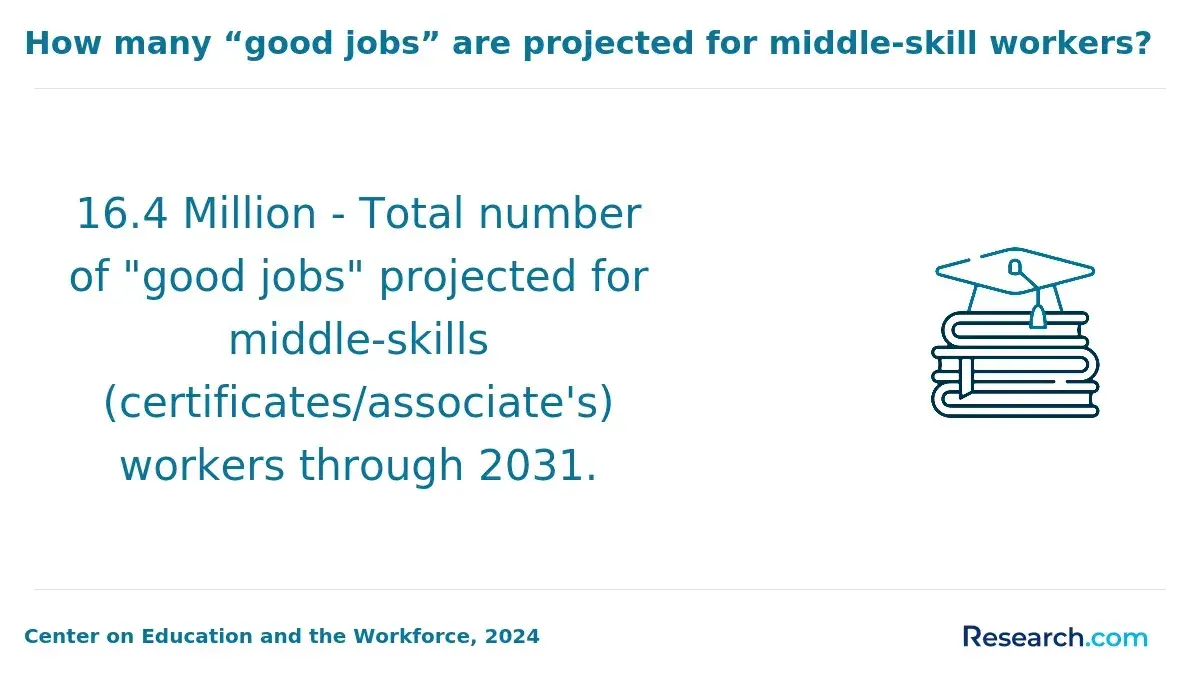
Entry-level bilingual jobs for career changers with a Spanish degree in the United States often require more than language proficiency to secure meaningful roles. While Spanish speakers represent about 13% of the U.S. population, over 25% of community health worker job listings explicitly require Spanish bilingual ability, reflecting tangible demand for these skills in healthcare, education, social services, and customer-facing industries.
Common positions for new entrants include:
- Community health worker roles supporting Spanish-speaking patients, where bilingual skills improve communication and treatment outcomes.
- Teaching assistants or bilingual aides in K-12 settings, helping Spanish-speaking students engage with the curriculum.
- Case aides or social service coordinators within organizations targeting immigrant or low-income Spanish-speaking communities.
- Customer service and client coordinator roles in sectors like financial services or government agencies with significant Spanish-speaking client bases.
However, holding a Spanish degree alone often limits advancement unless paired with specific certifications-such as Certified Community Health Worker credentials or teaching licenses-reflecting a mismatch between language skills and required occupational expertise. Employers consistently look for candidates who combine bilingual fluency with practical qualifications relevant to their industry.
High-demand bilingual career opportunities for Spanish degree holders starting out usually require a strategic investment in additional credentials beyond language training. Prospective students should weigh these costs and time commitments carefully, especially when considering cheapest online college options that may alleviate financial barriers while offering targeted pathways.
What types of Spanish degree programs prepare adults for bilingual career changes?
Adult learners pursuing Spanish degree programs for adult bilingual career changers must balance language proficiency with occupational relevance, especially when shifting to roles requiring bilingual skills. Programs that combine second-language mastery with certifications-for instance, bilingual education teaching licenses-directly address employer needs in sectors like K-12 education, where bilingual instruction is legally mandated.
This alignment reduces the friction often encountered when theoretical language skills fail to translate into classroom readiness.
Practical application is critical: many top Spanish language courses for career transition in the US embed oral fluency development, cultural competency, and state-aligned pedagogical training. Internship or practicum requirements simulate real-world bilingual settings, which is essential for bridging academic knowledge and workplace performance in education or social services.
Outside education, bilingual roles in translation, interpretation, and regulated social services demand dual qualifications: language proficiency paired with field-specific expertise such as legal or healthcare terminology. Certificates earned alongside degrees signal credibility, fulfilling employer expectations in competitive job markets.
Labor market projections from the University of Texas Permian Basin estimate 9,000 annual openings for bilingual positions requiring Spanish through 2031, prioritizing education and community health. This data makes it imperative for career changers to select programs offering both broad linguistic skills and specialized credentials to effectively capitalize on demand and navigating complex credentialing.
In evaluating program length and structure, understanding how long does it take to study architecture offers a useful comparative lens on accelerated learning pathways applicable to language degree completion times.
How do online Spanish degree programs compare with campus options for career changers?
Choosing between online and campus Spanish degree programs hinges on balancing flexibility with immersive skill acquisition. Online options benefit career changers who must juggle work and study, offering asynchronous learning and virtual tools.
However, this format demands disciplined self-directed practice to develop nuanced fluency and technical vocabulary essential for competitive bilingual roles. Campus programs provide structured immersion through direct faculty interaction, language labs, and immediate conversational feedback-features that foster proficiency critical for interpreting contexts requiring cultural precision, such as legal or medical fields.
A career changer shifting from an unrelated field to bilingual localization exemplifies this tradeoff: online coursework fits irregular schedules but may delay practical fluency compared to campus learners who accelerate skill acquisition via experiential learning embedded in the curriculum.
Employers prioritize contextual application alongside language skills, often expecting internships or external engagement to supplement purely online learning. Campus pathways include these components but often involve higher costs and scheduling constraints.
Key considerations include:
- Online degrees support working professionals seeking flexible pacing at the expense of immersion and immediate skill application.
- Campus programs demand time and commute commitments but deliver rapid proficiency increases often linked to salary premiums up to 20%, with some bilingual translation roles earning up to $100,000 annually per the University of Texas Permian Basin wage data.
- Employer preferences favor candidates demonstrating both language command and field-specific contextual competency, influencing readiness and marketability.
What core courses and skills do Spanish degrees teach for bilingual workplace success?
Employers increasingly demand bilingual professionals who combine Spanish language skills with cultural insight and industry-specific knowledge. Programs that merely emphasize grammar without integrating sector-relevant content risk leaving graduates unprepared for roles that require navigating specialized terminology or client contexts.
For example, healthcare providers require bilingual staff proficient in both medical Spanish and English to minimize errors and improve patient communication, while business roles benefit from fluency in negotiation and contract language.
Essential courses typically cover advanced grammar, conversational fluency, translation techniques, and cross-cultural communication strategies. More importantly, curriculum elements like business Spanish, medical terminology, legal translation, and technical writing directly address workplace realities and employer expectations.
Soft skills such as adaptability, intercultural sensitivity, and active listening are critical for roles spanning education, government, and social services, where effective communication bridges language barriers.
- Choosing programs without practical immersion or sector-tailored curricula may delay workforce integration.
- According to Willamette University's data, 90% of employers rely on bilingual professionals, with over half expecting demand to rise.
This signals that bilingual career changers should prioritize courses that translate language mastery into actionable skills for immediate professional impact.
What are the typical admission requirements for Spanish bachelor's and master's programs?
Bachelor's programs in Spanish demand a foundational competency often evidenced by a high school diploma with a GPA near 2.5-3.0, and sometimes standardized tests like the SAT or ACT-although test-optional policies have shifted this trend. Importantly, applicants must already possess or demonstrate adequate Spanish language proficiency, through prior studies or placement exams, to avoid significant delays caused by remedial coursework.
Master's applicants, contrastingly, are expected to hold a bachelor's degree with at least a 3.0 GPA, plus verified advanced Spanish fluency via exams such as the DELE or evidence from academic records. Graduate admissions commonly require letters of recommendation, statements of purpose focused on bilingual career aims, and occasionally, relevant professional or volunteer experience.
The workforce reflects stringent demands: data from Willamette University reveals that nine out of ten federal and state agency employers depend heavily on bilingual professionals in immigration, diplomacy, and public safety roles. This reliance prescribes not just language skills but cultural competence and applied expertise, often vetted through interviews or portfolios in areas like translation or intercultural communication.
- Career changers without prior Spanish training face extended timelines to achieve proficiency, lengthening the educational pathway and deferring entry to high-demand bilingual positions.
- Accelerated bridge programs that combine language immersion with professional training can mitigate this delay but require an upfront investment in language credentialing.
- Advanced degree candidates should prepare to substantiate both linguistic and sector-specific aptitudes to remain competitive.
How long do Spanish degree programs take and what do they usually cost?
Pursuing a Spanish degree demands a clear assessment of time investment against career outcomes, especially for professionals considering a pivot. Bachelor's programs often require four years of full-time study, offering comprehensive cultural and linguistic training favored by sectors like government, education, and certified translation.
Alternatively, accelerated two-year associate degrees at community colleges provide a faster, more cost-efficient route into bilingual roles such as customer service or social media management.
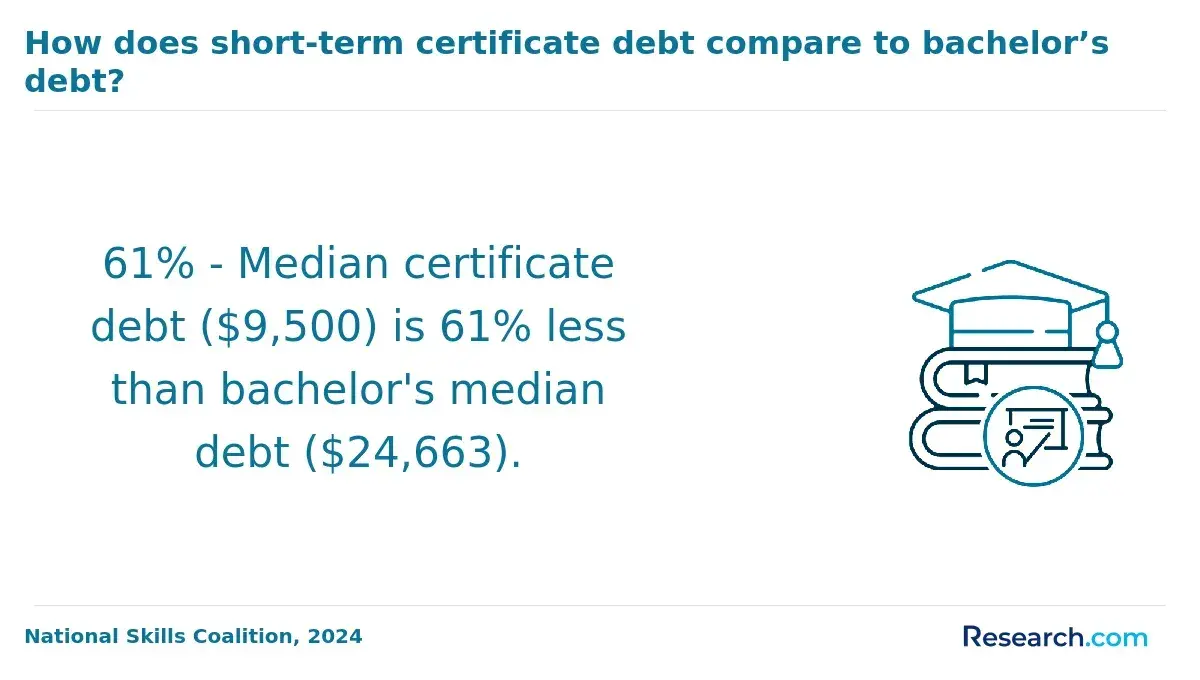
The financial burden varies substantially: public in-state universities average $10,000 to $30,000 annually, while private institutions can exceed $50,000. Community colleges charge $3,000 to $7,000 per year for associate credentials, impacting total cost and timeframe. Ancillary expenses-study materials, immersion trips, certifications-must also be included in budgeting.
Employers increasingly value bilingual fluency paired with digital media skills. Spanish ranks as the second most common language on social media, driving demand for professionals competent in these dynamics. According to a 2024 employer survey by Willamette University, bilingual candidates using Spanish frequently advance faster and earn more.
Key considerations for candidates include:
- Tradeoffs between immediate job entry via associate degrees versus broader credential requirements for higher-paying fields.
- Long-term earning potential linked to bachelor's-level credentials despite higher upfront costs.
- Need for formal proficiency validation to meet employer expectations in competitive markets.
What starting salaries and long-term earnings can bilingual Spanish-degree holders expect?
Bilingual Spanish-degree holders entering the workforce in 2026 typically face a distinct salary spectrum shaped by sector and geography. Entry-level roles in education or government translation start near $40,000, reflecting stable but limited earning potential. In contrast, corporate customer support and consulting positions frequently surpass $50,000 due to higher demand for specialized bilingual skills, especially in metropolitan areas.
Freelance and remote work options offer flexible income streams with hourly rates between $20 and $40, though earnings in this space depend heavily on client volume and market conditions. This variability requires balancing income unpredictability against autonomy and scalability.
Long-term financial growth for bilingual professionals hinges on experience, certification, and niche expertise. Mid-career salaries often top $70,000, while senior roles in consulting, interpretation, or bilingual project management can exceed six figures. Industries like healthcare and legal services reward certified proficiency, demanding accuracy and regulatory compliance.
According to the University of Texas Permian Basin, bilingual employees earn up to 20% more than monolingual peers in flexible roles. This differential translates into measurable benefits in contracting or freelance contexts where bilingual capacity directly influences billing rates.
Employers prioritize bilingualism for client-facing roles but decision-makers must consider tradeoffs:
- Public sector roles offer job security and benefits but with lower initial pay.
- Private or freelance work offers higher pay potential, offset by income volatility.
- Specialized certification and domain knowledge can break through salary plateaus common in pure language roles.
Do bilingual Spanish-related roles require certification or licensure, and how is it obtained?
Certification or licensure in bilingual Spanish-related roles varies depending on the professional context, with regulated fields imposing the most stringent requirements. For instance, healthcare interpreters must secure credentials such as the Certified Medical Interpreter (CMI) or those recognized by the National Board of Certification for Medical Interpreters to ensure compliance with patient safety standards.
In education, K-12 teachers using Spanish language skills need state-issued licenses with bilingual endorsements, which require passing subject and pedagogy exams, as well as degree credentials. Legal interpreters face mandatory court certification to guarantee impartial, accurate interpretation under oath, typically administered by state judicial bodies or the National Association of Judiciary Interpreters and Translators.
Conversely, many bilingual administrative or customer service positions do not formally require certification but often prefer applicants with proven proficiency via exams like the ACTFL Oral Proficiency Interview (OPI). Pursuing certification entails substantial investment in preparation time, fees, and renewals-often adding 6-12 months and several hundred dollars in costs, especially when specialized knowledge, such as medical terminology, is necessary.
Employers increasingly expect validated credentials; for instance, labor projections from the University of Texas Permian Basin indicate bilingual job openings growing annually by 9,000 through 2031, making credentialing a key competitive advantage. Prospective professionals should weigh whether their target sector demands licensure or if language proficiency exams suffice to avoid unnecessary hurdles and align efforts with market realities.
Other Things You Should Know About Spanish
Employers often assess career changers on demonstrated bilingual proficiency plus relevant previous work experience. Career changers without traditional Spanish-major coursework may face scrutiny regarding their depth in language theory, but strong practical skills and applied experience in a second discipline can offset this.
To improve marketability, supplement your Spanish degree with internships or certifications tied to your previous industry and highlight your bilingual adaptability rather than purely academic credentials.
Adding a minor or double major significantly strengthens your profile, especially when paired with fields like business, healthcare, or international relations. This combination signals multidisciplinary competence that employers prefer for bilingual roles requiring industry-specific knowledge. Prioritize minors or second majors that complement your target career to avoid overextending; a focused bilingual expertise coupled with relevant applied skills wins over broad but shallow credentials.
Older learners often confront accelerated coursework pace and less immersion time compared to younger peers, impacting language acquisition speed and retention. Balancing study with existing job or family responsibilities reduces available practice time, potentially weakening oral fluency.
Address these hurdles by choosing programs with flexible scheduling, intensive conversation labs, and targeted support services; consistent, deliberate practice outside class is essential to keep pace with expectations.
References
- The Benefits of Being Bilingual in the Workplace | St. Augustine https://www.staugustine.edu/2024/05/02/benefits-of-being-bilingual-in-the-workplace/
- What Training Do You Need to Become a Spanish Teacher? https://www.superprof.ca/blog/get-right-education-teach-spanish/
- Career Benefits of Being Bilingual | Workforce Essentials, TN https://workforceessentials.com/career-benefits-of-being-bilingual/
- Transform Your Career: Combine a Business and Spanish Degree https://blcspain.com/business-spanish-degree/
- Guide to Applying to Spanish University in 2025 | Bachelor's Degree https://libertylingvo.com/en/blog/bachelors-degree-spain
- Application Requirements for Master’s Programs in Spain | INOMICS https://inomics.com/advice/application-requirements-for-masters-programs-in-spain-41306
- Bilingual Salary Calculator: How Language Skills Boost Pay https://preply.com/en/blog/bilingual-salary-boost/
- Why you should pursue a Spanish degree https://www.cune.edu/news/why-you-should-pursue-spanish-degree
- How to Change Your Career Path Through Conversion Courses Abroad? https://www.edroots.com/blog/how-to-change-your-career-path-through-conversion-courses-abroad