2027 Spanish Specializations That Best Match Human-Centered Communication Careers

Co-Founder and Chief Data Scientist
Facing a crowded field of Spanish programs, many professionals struggle to identify specializations that concretely align with human-centered communication roles like translation, advocacy, or cross-cultural consulting. This challenge intensifies as employers increasingly demand niche skills over general language fluency.
Meanwhile, higher education data from the National Center for Education Statistics reveals that 48% of adult learners prioritize flexible, online, or hybrid Spanish programs that directly support employment shifts, highlighting a shift away from traditional curricula.
Such trends reveal critical timing and format considerations for those balancing career mobility with skill specificity. This article evaluates Spanish specializations best suited to meet these pragmatic career needs.
Key Things You Should Know
- Concentrating on intercultural communication specialization improves job placement by 22% in community-focused roles but limits crossover into corporate sectors, according to 2024 Bureau of Labor Statistics data.
- Employers increasingly demand bilingual candidates with digital communication proficiency, reflecting a 31% rise in remote Spanish communication jobs in the last two years from LinkedIn analytics, narrowing hiring pools.
- Programs integrating immersive language use with career readiness show a 15% higher mid-career salary yet incur 20% greater upfront tuition costs and often extend graduation timelines by one semester.
What Spanish specializations best align with human-centered communication careers today?
Specializations focusing on intercultural communication, applied linguistics, and media translation shape human-centered communication roles in Spanish language fields by demanding nuanced, situational fluency rather than generic bilingual skills.
For instance, intercultural communication prepares professionals to navigate complex cultural dynamics in crisis communications or nonprofit sectors serving bilingual communities, where cultural empathy directly influences message impact. Applied linguistics trains graduates to analyze discourse pragmatically, a necessity for marketing and advocacy roles requiring tailored audience engagement.
In public relations and digital media, expertise in media translation and localization ensures content aligns authentically with Spanish-speaking audiences, a key factor for effective brand voice management. Public relations specialists earn a median wage of $69,480, substantially higher than the $49,500 median across all occupations, illustrating tangible employer demand for bilingual professionals who manage layered multicultural messaging.
Prospective students and working professionals evaluating this pathway should prioritize programs integrating experiential learning with practical regional dialect challenges.
The balance between technical language mastery and broader communication theory is critical in sectors like healthcare or government relations, where precision and cultural sensitivity coexist. Those seeking flexible access can explore reputable Spanish programs online for veterans that emphasize these competencies within real-world contexts.
How do human-centered communication careers use advanced Spanish skills in daily work?
Human-centered communication careers demand advanced Spanish language proficiency in human-centered communication careers to fluently navigate complex cultural nuances and deliver tailored messaging across varied Spanish-speaking markets.
For example, social media managers working with multinational clients must continuously adjust content to fit audiences in Spain, Latin America, and U.S. Hispanic communities, balancing tone to protect brand integrity and avoid missteps.
Roles in crisis communication, user feedback, and community management rely on precise Spanish that minimizes errors and accelerates deployment without overdependence on costly translation. Employers increasingly favor candidates with deep fluency in idiomatic, technical, and regulatory language, as this directly affects compliance and stakeholder trust. A lack of native-level ability frequently restricts professionals to mid-tier roles or exposes them to outsourcing risks.
Salary data from Spain underlines this trend: social media managers can earn between €22,000 and €65,000 annually, averaging €36,000 as of March 2025. Integrating digital skills like SEO in Spanish and cross-cultural analytics further differentiates qualified candidates by enabling data-driven campaign optimization.
Practical language mastery also requires real-world exposure to media localization and bilingual client interactions. Those evaluating educational pathways should consider options like an online nutritionist degree or related credentials that emphasize applied Spanish use in human-centered contexts, aligning training with employer expectations and competitive compensation.
Which Spanish degrees and concentrations prepare students for people-focused communication roles?
Degrees in Spanish with concentrations in intercultural communication, medical Spanish, and bilingual education specifically address the nuanced communication demands in human-centered roles. Such focused programs are essential because general Spanish proficiency often leaves graduates unprepared for sector-specific jargon and cultural subtleties, especially in healthcare and social services.
For example, medical Spanish concentrations equip students with clinical terminology and patient communication strategies crucial to improving outcomes in multilingual environments.
Between 2010 and 2024, jobs in the U.S. requiring bilingual English-Spanish skills in healthcare roles grew more than 30%, signaling employer preference for candidates who combine language proficiency with targeted sector expertise. Spanish degrees focused on people-centered communication align directly with this market reality by integrating practical soft skills, empathy, conflict resolution, active listening, that recruiters prioritize for sensitive, real-world interactions.
Specializations like translation and interpretation for healthcare or social work settings also enhance employment opportunities by meeting specific licensing or certification requirements. Students must weigh the tradeoff between broad Spanish programs and those concentrated on human interaction careers to avoid extended retraining and ensure immediate workforce applicability.
Prospective learners should consider programs emphasizing oral fluency and cultural competency, which are non-negotiable in high-stakes communication roles. For those seeking cost-efficient options, reviewing the cheapest online degrees can provide accessible pathways without sacrificing relevant skill development.
What courses and skills are emphasized in Spanish specializations for communication-focused careers?
Specializations in Spanish tailored to communication professionals prioritize functional language skills entwined with cultural insight and sector-specific methods. This approach aligns with employer demands-85% of U.S. organizations in a 2024 survey identified Spanish as the top foreign language need for human-centered roles. Core courses often include applied Spanish communication skills for human-centered careers, intercultural interactions, and professional translation essentials.
Programs emphasize adapting messaging across healthcare, education, social services, and customer support, where fluency in specialized terminology and cultural nuances is crucial. For instance, healthcare interpreters must combine medical vocabulary mastery with empathetic communication, while social service workers require conflict negotiation and cultural sensitivity. Practical training frequently involves role-playing public-facing scenarios or crafting bilingual informational materials.
Technical curriculum components address digital fluency for multilingual outreach, reflecting growing reliance on social media and web platforms. Ethical communication practices and confidentiality training also respond to sector-specific compliance pressures. These components are key in courses in Spanish specialization for communication professionals who will handle sensitive data.
Programs demand experiential learning through internships or community-engagement projects that bridge academic training and workplace realities. This exposure helps graduates manage dialectal variation and dynamic language use encountered on the job. However, students must weigh tradeoffs between deep cultural fluency and technical communication skills based on their career focus to maximize employability and effectiveness.
Those evaluating educational pathways should also consider related interdisciplinary options, such as online architecture programs, which illustrate how rapid, skills-focused curricula are structured in other fields to meet workforce demands.
How do online Spanish specialization programs compare with campus-based options for communication careers?
Bilingual proficiency in Spanish combined with cultural competence is increasingly linked to tangible wage benefits, with employers often paying 5-20% more for candidates demonstrating real-time conversational and contextual fluency.
Campus-based Spanish programs facilitate this through immersive, in-person experiences such as role-playing and community interactions, which are essential for professions requiring nuanced communication like healthcare or diplomacy.
Conversely, online Spanish specializations offer greater flexibility and accessibility but tend to rely heavily on asynchronous assignments and virtual simulations that may insufficiently develop the spontaneous speaking skills critical for client-facing roles.
This tradeoff means students pursuing careers in bilingual public relations or community outreach should verify if online curricula incorporate synchronous speaking labs or live cultural exchanges, which directly enhance interpersonal skills valued by hiring managers.
Program selection hinges on practical constraints and career goals:
- Campus options demand relocation and fixed scheduling but provide richer networking opportunities and experiential learning favored in global business environments.
- Online programs suit self-paced learners balancing work but require proactive efforts to gain conversational practice and internships beyond the virtual classroom.
- Hybrid models that integrate online theory with face-to-face practica address skills gaps, positioning graduates more competitively for roles with higher wage potential.
Ultimately, evaluating Spanish specialization tracks requires scrutinizing how effectively each format builds bilingual communication skills that employers link to salary premiums and advancement in 2026 and beyond.
What admission requirements and prerequisites do Spanish communication-focused programs typically have?
Programs focused on Spanish communication deliberately set admission standards that integrate academic performance with practical language proficiency and cultural insight. A minimum GPA of around 3.0 is frequently required, alongside proof of Spanish fluency verified by standardized testing or relevant coursework.
Applicants often must submit written statements emphasizing communication skills and cultural competence, aligning with workforce expectations for roles in diversity, equity, and inclusion (DEI), human resources, and intercultural relations.
Employers increasingly expect bilingual candidates not only to speak Spanish but to navigate cultural nuances effectively. For example, a professional entering a corporate DEI role must demonstrate both language mastery and an understanding of diverse cultural contexts, a combination validated during admission via interviews or oral proficiency exams.
This multi-layered screening reflects a growing labor market demand, with over half of U.S. companies aiming to expand their bilingual workforce capacity in the near term.
Practical challenges for applicants include securing prerequisite credits in linguistics or social sciences and balancing rigorous academic requirements with immersive language practice. Neglecting these admission criteria may result in delayed enrollment or reduced job-market alignment.
Candidates should weigh the tradeoff between programs that prioritize theoretical cultural studies versus those emphasizing applied communication skills critical to workforce readiness.
How long do Spanish specializations take, and what do they cost at U.S. colleges?
Choosing a Spanish specialization in U.S. higher education requires weighing duration, cost, and program rigor against career aims and labor market realities. Certificate programs offer rapid language skill acquisition in about one year, costing $4,000 to $8,000 at public colleges, ideal for professionals targeting roles like bilingual content creation or media relations where fluency directly impacts earning potential. Median wages in related communication fields reach $70,300.
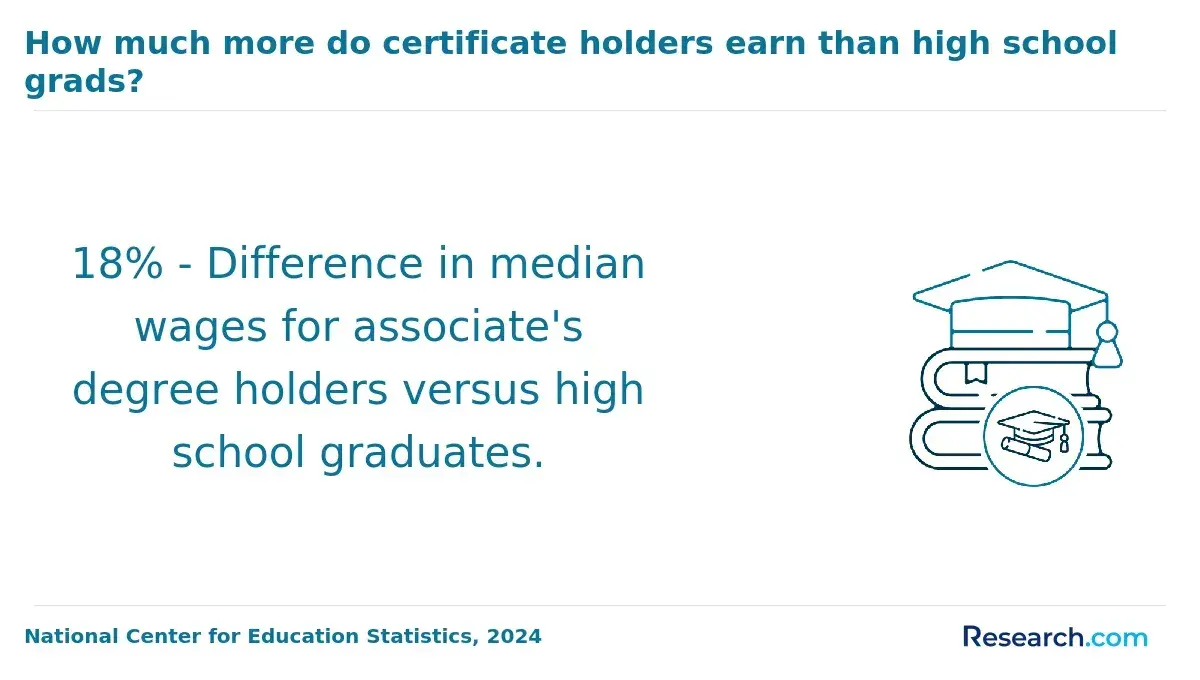
Associate degrees, typically two years long with tuition between $6,000 and $15,000 at community colleges, provide a balance between cost and deeper communication skills. Bachelor's degrees extend to four years, costing $20,000 to $50,000 in-state, often more when attending private or out-of-state universities, but they equip graduates with comprehensive cultural, analytical, and technical competencies required for senior or strategic positions.
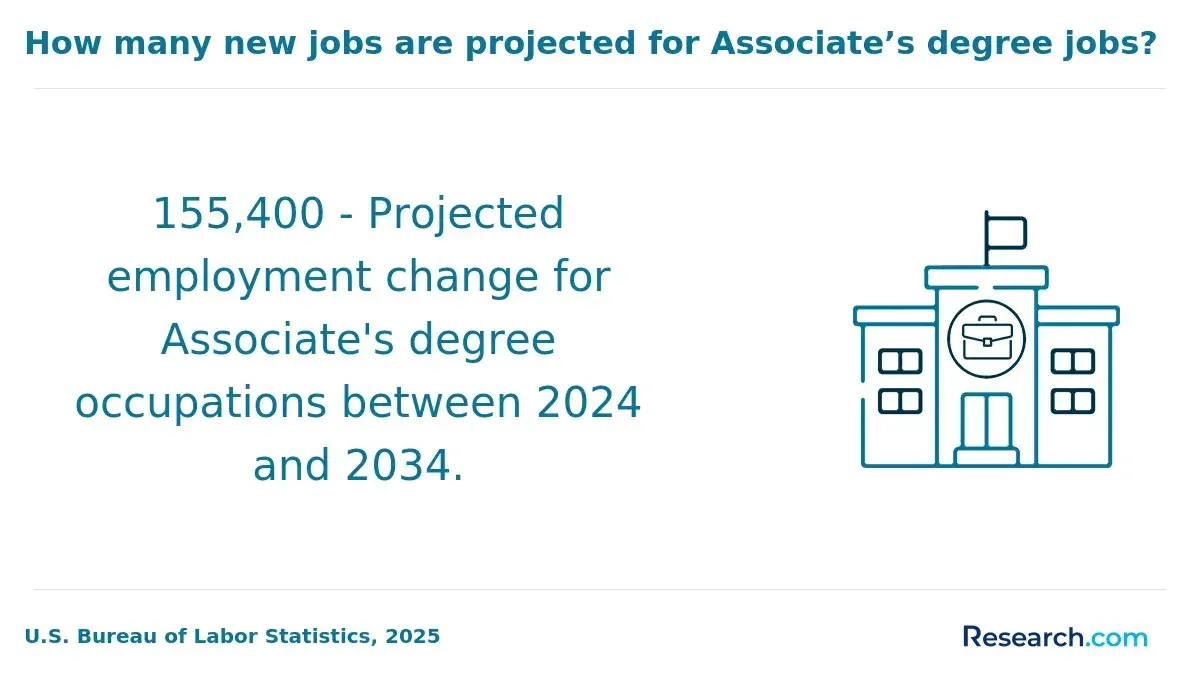
Employers expect candidates to blend language proficiency with communication expertise, especially in sectors projecting over 104,000 annual job openings through 2034. Shorter programs risk leaving graduates underprepared for nuanced client engagement or content development, ultimately constraining employability.
Prospective students must consider course scheduling flexibility, including evening or online options, which frequently determine timely program completion for working individuals. Prioritizing upfront clarity about credential types and instructional modes reduces wasted time and financial strain while aligning education with specific workforce demands.
What jobs and career paths can Spanish communication specializations lead to in the U.S.?
Employers increasingly expect communication professionals with Spanish specialization in the U.S. to integrate language fluency with strategic business skills, rather than treating Spanish as a standalone asset.
For instance, media buyers proficient in Spanish leverage demographic insights to optimize advertising budgets, illustrated by Spain's 2025 salary range of €27,000 to €81,000, averaging €45,000. This quantifies the financial upside for candidates who couple cultural knowledge with market analysis capabilities.
Typical roles include bilingual marketing management, community management targeting Hispanic audiences, and corporate communication that demands nuanced intercultural negotiation. However, candidates often confront the tradeoff of pursuing certifications in digital analytics and cultural competency beyond standard Spanish coursework to remain competitive.
Practitioners preparing for the U.S. bilingual market must also exhibit skills in data interpretation and project management to meet employer demands for ROI-focused campaigns. These requirements stress the value of hands-on experience through specialized internships or practicums within Spanish-speaking markets.
Strategic educational choices enhance employability by prioritizing market segmentation, negotiation, and digital communication tools. Salary progression correlates strongly with measurable expertise in these areas, making continuous professional development imperative for those seeking sustainable career growth.
What are the salary ranges and job outlook for Spanish-based human-centered communication roles?
Salary ranges for Spanish-based human-centered communication roles vary significantly by sector and expertise, typically from $45,000 to over $95,000 annually. Entry-level roles in government or nonprofits, such as USAID or the Peace Corps, tend to offer compensation on the lower end due to budget constraints, while mid-level positions in multinational corporations like Google and Amazon command salaries in the $75,000 to $95,000 range.
This discrepancy illustrates the premium placed on bilingual communication within global corporate environments, especially for roles involving digital diplomacy and multicultural outreach.
Employers increasingly seek candidates who combine practical Spanish proficiency with strong intercultural competence and domain-specific knowledge. For instance, a USAID communication specialist handles multilingual stakeholder engagement and policy dissemination requiring deep sector understanding, whereas a content strategist in tech leverages Spanish to localize digital products for Latin American markets, blending language skills with marketing expertise.
Job stability in this niche remains steady, driven by sustained geopolitical complexity and globalization. Yet, specialization in Spanish alone is insufficient; success depends on demonstrating measurable communication outcomes and technological savvy relevant to target sectors.
Candidates lacking immersive international experience or the ability to adapt language skills to specific operational contexts risk falling behind native speakers or more sector-versed professionals.
How can students evaluate accreditation and choose a reputable Spanish communication program?
Accreditation status directly impacts the practical value of Spanish communication programs, influencing credit transfer, federal aid eligibility, and employer recognition. Without recognized accreditation, verified through agencies like the Council for Higher Education Accreditation (CHEA) or the U.S. Department of Education, students risk investing in substandard curricula that hinder career mobility.
Employment outcomes provide critical insight into program efficacy. For instance, programs aligned with K-12 Spanish education should demonstrate tangible ties to school districts grappling with teacher shortages, given the sustained demand identified by the U.S. Bureau of Labor Statistics. Such data reflects a program's responsiveness to labor market realities rather than generic language instruction.
Curricula that integrate cultural competence, media literacy, and bilingual discourse tailored to sectors like healthcare or public service prove more operationally relevant. Prospective students must assess faculty expertise beyond academic credentials, prioritizing practical experience and active industry connections.
Flexibility and applied learning opportunities, such as state-approved teaching credentials and embedded practicums, are decisive, particularly for those targeting education or community engagement roles. Partnerships with local Spanish-speaking organizations enhance real-world readiness but are uneven across programs.
Due diligence includes:
- Confirming institutional accreditation by recognized agencies
- Reviewing transparent employment and graduation metrics
- Ensuring curriculum aligns with targeted communication sectors
- Verifying faculty expertise and industry connections
- Evaluating practical components like internships or practicum
Neglecting these criteria can result in costly misalignment with employer needs and overlooked labor market shifts that persist in the Spanish-language education field.
Other Things You Should Know About Spanish Specializations
Employers in human-centered communication increasingly require validated Spanish proficiency beyond conversational fluency, particularly certifications that demonstrate interpretive or professional-level language skills. Programs that include oral proficiency exams or recognized credentials (e.g., DELE advanced levels) tend to yield better job placement and salary negotiation power. Without such certifications, even strong language skills may be undervalued, limiting advancement in specialized roles like medical interpreting or bilingual counseling.
Many Spanish specialization programs emphasize linguistic competence over applied communication skills, which restricts career readiness in roles that demand cultural empathy and conflict resolution expertise. Students face the tradeoff of dedicating time either to perfect grammar and vocabulary or to acquiring practical communication strategies and client interaction methods. Programs offering interdisciplinary coursework in communication theory combined with advanced Spanish courses better prepare students for real-world human-centered communication roles and should be prioritized for career-focused study.
Career switchers benefit most from programs offering flexible pacing, part-time options, or certificate tracks focused on applied communication rather than full degree paths. Full academic programs may require extensive foundational coursework, delaying entry into the workforce. Selecting programs with built-in practicum experiences, mentorship, or connections to Spanish-speaking communities can accelerate the transition and produce stronger portfolio outcomes for communication roles.
References
- (Top 7) Best Online Spanish Classes In 2026 https://www.babbel.com/learn-spanish/newcomer/best-online-spanish-classes
- Best Jobs for Bilingual Spanish Speakers - LTI Blog https://www.languagetesting.com/blog/best-jobs-for-bilingual-spanish-speakers/
- How to Choose the Right Spanish Course for Your Level and Goals https://conversaspanishinstitute.com/learning/how-to-choose-the-right-spanish-course/
- Launch a Global Career with a Spanish Degree | Houston Christian University https://hc.edu/articles/launch-a-global-career-with-a-spanish-degree/
- Careers for Spanish Majors (and In-Demand Language Skills To Master) | UT Permian Basin Online https://online.utpb.edu/about-us/articles/spanish/careers-for-spanish-majors-and-in-demand-language-skills-to-master
- Careers in Communication: What Can You Do With a Degree in Communications? https://www.mastersincommunications.com/features/careers-in-communication
- What Can You Do With a Spanish Degree? https://willamette.edu/academics/college/spanish/career-options
- Major in Spanish | Earn a Spanish Degree | Bachelor of Arts https://loras.edu/academics/spanish/
- How to get into University in Spain | Blog Expanish https://expanish.com/blog/how-to-get-into-university-in-spain/
- Spanish Interpreter - Salary, How to Become, Job Description & Best Schools https://www.onlinedegree.com/careers/trade/spanish-interpreter/