2027 Best Online Spanish Degrees for Language Operations Careers

Co-Founder and Chief Data Scientist
For professionals aiming to transition into language operations roles focused on Spanish, finding a program that balances advanced linguistic skills with real-world business applications is challenging. Many degrees prioritize theory over practice, leaving graduates underprepared for demands like localization, intercultural communication, and bilingual project management.
Recent data from the National Center for Education Statistics shows a 35% increase in online enrollment among adult learners pursuing language degrees since 2023, signaling growing demand for flexible, career-oriented programs. This article evaluates the best online Spanish degrees tailored to language operations careers, helping readers identify programs that deliver both practical skills and market-relevant credentials.
Key Things You Should Know
- Online Spanish degrees with specialized curricular tracks in translation or localization average 25% higher graduate employment rates, per 2024 NACE data, but often require 6+ months of unpaid internships, creating access barriers for working adults.
- Employers in multinational corporations demand bilingual graduates with regional dialect proficiency, emphasizing targeted language operations skills over general Spanish fluency, pushing candidates to prioritize programs with applied cultural modules.
- Tuition inflation averaging 8% annually in public online language programs, reported by NCES, impacts total cost-of-ownership and delays degree completion timelines, crucial for mid-career professionals balancing reskilling urgency with budget constraints.
What is an online Spanish degree for language operations and who is it best for?
Proficiency in Spanish alone is no longer sufficient for roles requiring operational fluency; employers seek graduates who can manage nuanced, compliance-driven communication within multilingual workplaces.
An online Spanish degree for language operations is tailored to meet these expectations by combining language skills with practical expertise in cultural negotiation, documentation accuracy, and process coordination. This focus on real-world application contrasts with traditional programs emphasizing literary or conversational skills.
Between 2010 and 2021, U.S. job postings explicitly requesting bilingual candidates more than doubled, driven primarily by demand for Spanish speakers. Hiring managers expect graduates to support complex workflows with consistency and precision.
For example, healthcare administrators serving large Spanish-speaking populations rely on professionals who can accurately interpret medical terminology and manage patient data, reducing errors and improving outcomes. Those without focused operational training often face difficulties that increase organizational costs.
Prospective students evaluating the best online Spanish programs for language professionals should scrutinize curricula for robust training in interpretation technology, bilingual project management, and legal or medical vocabulary. Online formats offer flexibility, particularly for workforce reentry, but rigor in language assessment and operational case studies is essential to meet employer standards.
For those exploring educational paths, reviewing options like a Spanish degree online for veterans may provide targeted support for specific career transitions while aligning study demands with labor market realities.
Which accredited online Spanish degrees best prepare you for language operations careers?
Programs offering accredited online Spanish degree programs for language operations careers must merge advanced linguistic expertise with practical skills in translation technology and project management to meet pressing labor market demands. The U.S. Bureau of Labor Statistics projects a 20% growth in interpreters and translators from 2021 to 2031, underscoring sustained demand driven largely by Spanish-English language services.
Graduates with experience in simultaneous interpretation, terminology management, and use of computer-assisted translation tools are more likely to fulfill employer expectations in healthcare, legal, and corporate settings. However, not all programs deliver this applied training equally, forcing students to weigh tradeoffs such as program flexibility versus depth of specialization.
For example, healthcare interpreters seeking swift transition benefit from focused certificates around 30 credits, emphasizing medical terminology and ethics, while corporate communicators aiming for management roles require comprehensive 120-credit bachelor's curricula covering process optimization and vendor relations. Programs neglecting current translation management systems risk leaving students underprepared for operational realities.
Employment readiness depends heavily on hands-on assignments mimicking real-world language operations workflows, including remote consecutive interpretation and multilingual database management. Evaluating graduate job placement rates is critical given that program completion alone rarely substitutes for practical proficiency.
Individuals exploring the best online Spanish degrees for careers in language operations management may also consider complementary fields such as mathematics to strengthen analytical skills. Additional pathways include online math degrees that can enhance quantitative competencies needed in translation data analysis and process optimization roles: online math degrees.
How do online Spanish degrees compare with campus programs for language operations roles?
Choosing between online Spanish degree programs versus traditional campus degrees for language operations requires careful consideration of how each delivers practical skills demanded by employers. Online Spanish degree programs offer flexibility crucial for working professionals balancing ongoing employment, but they often lack immersive language environments that campus programs provide through in-person interaction and cultural immersion.
These real-world experiences are particularly valued in healthcare, legal, and international business settings where employers seek candidates with proven communicative competence attained via practicum placements or live client encounters.
Graduates who pursue an online Spanish degree for language operations careers frequently need to bridge the gap between theoretical knowledge and practical proficiency by securing certifications, internships, or relevant volunteer roles to build a portfolio of applied skills. For example, a bilingual professional in medical interpreting combining an online bachelor's degree with nationally recognized interpreter certifications is better positioned to meet industry-specific language demands.
Salary data illustrates tangible workforce implications: interpreters and translators earned a median annual wage of $63,580 in the U.S., with top earners surpassing $108,800.
Campus-trained graduates with hands-on experience typically access a higher salary bracket than those relying solely on online credentials. Candidates should therefore strategically merge educational paths and practical experience to enhance employability in competitive markets.
For those exploring educational options, comparing fields such as engineering degrees online provides additional perspective on balancing flexibility with workforce readiness, as seen in resources covering engineering degrees online.
What courses and skills are taught in online Spanish programs focused on language operations?
Online spanish degree programs for language operations demand more than fluency; they require a strategic skill set tuned to managing multilingual workflows and technical language use in high-stakes environments. Programs focus heavily on applied grammar, interpretation techniques, and critical tools such as localization and quality assurance that meet operational needs in global business, healthcare, and government sectors.
For instance, a healthcare operations manager handling patient communication must master specialized vocabulary and compliance documentation, underscoring how skills and courses in spanish language operations degrees differ from generic language studies.
Graduates emerge equipped for tasks like evaluating translation software, streamlining multilingual team coordination, and leading intercultural negotiations to reduce turnaround times and lower costs-core employer priorities.
The practical nature of these programs integrates case studies involving automation tools and remote interpreter management, reflecting real market demands where adaptability and digital communication are non-negotiable.
However, given that as of 2025 there are 33 accredited online spanish degree programs worldwide, program quality can vary sharply, requiring students to critically assess course content against specific career outcomes.
Students exploring this field should also evaluate tuition and fees compared to other disciplines. For context, reviewing costs associated with online animal science programs may provide useful benchmarks when budgeting for comprehensive language-focused operations degrees.
What admission requirements and application materials do online Spanish programs typically expect?
Admission to online Spanish programs hinges on a rigorous verification of academic readiness and language proficiency, reflecting employer demands for precise bilingual skill sets applied within technologically driven environments.
Most programs mandate official transcripts with a 2.5 to 3.0 GPA baseline, complemented by standardized test scores or waived alternatives post-pandemic. However, the critical differentiator remains demonstrated Spanish proficiency through recognized exams like DELE or equivalent college-level assessments.
For candidates targeting careers at the intersection of Spanish and technology-such as localization, natural language processing, or translation technology-portfolios showcasing practical experience often weigh heavily.
Admissions committees also require personal statements that clarify career objectives, a necessity given the localization and translation technology market's projected 10-12% annual growth, reaching roughly $1.5 billion, where interdisciplinary fluency is essential.
Letters of recommendation function not just as academic endorsements but as indicators of professional reliability, particularly for applicants transitioning from unrelated fields.
Prospective students face pragmatic challenges including coordinating transcripts from multiple institutions, scheduling proficiency exams, and crafting targeted admissions essays. Delays or gaps in these steps risk deferring entry into a rapidly expanding sector that demands both language and technical competence.
How long do online Spanish degrees take and what do they typically cost?
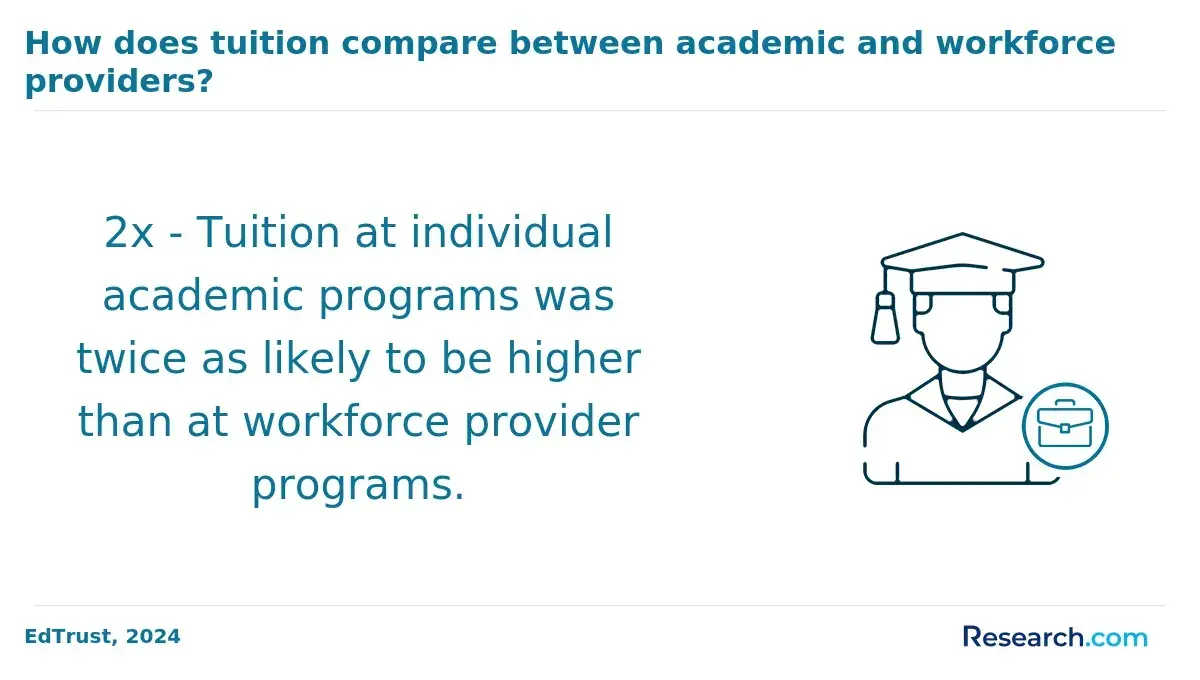
Choosing between an associate and a bachelor's degree in Spanish hinges on clear career objectives and the practical realities of time and expense. Associate degrees typically require about two years and can cost approximately $2,760 for in-state tuition, offering a cost-effective pathway to roles such as bilingual customer service or medical interpretation where rapid workforce entry is key.
Bachelor's degrees demand roughly four years and accumulate $28,320 to $40,800 in tuition alone, based on average per-credit costs ranging from $236 to $340. This investment supports access to advanced roles in translation, localization, or linguistic project management, which often require broader competencies and offer higher earning potential.
Important tradeoffs include:
- Associate degrees enable quicker credentialing with lower debt but limit upward mobility in specialized language services.
- Bachelor's degrees provide stronger market credentials and salary growth opportunities but require greater upfront commitment and financial resources.
For example, a healthcare interpreter prioritizing fast credentialing might find an associate degree aligns best with workforce needs, whereas those targeting managerial roles in global language services should consider the bachelor's degree's longer timeline and cost as investments in career advancement.
What language operations jobs can you get with an online Spanish degree?
Online Spanish degrees primarily prepare graduates for roles that extend beyond conversational fluency into complex operational tasks in healthcare, corporate, nonprofit, and technology sectors. For instance, certified medical interpreters must manage sensitive patient interactions where accuracy and cultural nuance affect outcomes, especially as approximately 70% of online learners maintain employment while studying.
In global corporate environments, localization specialists modify marketing content tailored to Spanish-speaking markets, requiring proficiency with digital tools and cross-team collaboration, often in remote settings.
Nonprofit organizations and government agencies depend on Spanish graduates for program coordination and community outreach, roles demanding advanced bilingual communication skills including formal reporting and negotiation. For career changers, degrees often facilitate entry into language technology fields such as training machine learning datasets focused on Spanish voice recognition or chatbot functions, which require detailed regional dialect knowledge and linguistic precision.
Given that nearly 60% of fully online undergraduates are 25 or older balancing careers, employment options with flexible schedules or telework compatibility matter significantly. Part-time or contract roles like transcription, subtitling, or quality assurance can supplement income and language experience but rarely replace full-time positions.
Prospective students should critically assess if programs incorporate practical internships or certifications; these credentials often dictate eligibility for competitive positions that require verified industry-specific language skills or passing recognized proficiency exams.
What salary ranges and career advancement paths exist in language operations for Spanish graduates?
Salary progression in language operations for Spanish graduates reflects a shift from entry-level roles focused on coordination or analysis, typically starting near $50,000, to mid-career positions managing multilingual projects and vendor networks where compensation rises to $80,000-$95,000. Navigating this jump requires more than language proficiency; it demands operational strategy, technical fluency with tools like TMS and CAT systems, and advanced negotiation and data analysis capabilities.
Consider a Spanish graduate entering a global marketing firm in a translation role. To move beyond linguistics and reach manager-level salaries, they must acquire skills in cross-functional communication, budget oversight, and project management methodologies such as PMP or Agile. Without these, wage growth tends to stagnate, as employers prioritize candidates who integrate linguistic expertise with systematic process management.
Employers increasingly reward professionals who handle the complexity of language operations, balancing cost efficiency with delivery speed. Practical experience in coordinating diverse stakeholder interests is often the gatekeeper for advancement to senior roles. Certifications supplement this but cannot replace hands-on project leadership.
How can you verify accreditation and quality for online Spanish degree programs?
Accreditation status decisively shapes the utility of online Spanish degree programs in the U.S. Employers and graduate schools often dismiss credentials lacking regional accreditation, complicating credit transfers or job entry, especially in government or corporate language roles.
National or specialized accreditations from bodies like the Modern Language Association add layers of rigor that translate into better practical training. For prospective students, this translates to evaluating if the program's credentials can genuinely open doors-or if they impede mobility across institutions or sectors.
Graduation and employment outcomes offer critical insights about a program's market relevance. For example, accredited online bachelor's degrees in related fields have been shown to provide a 22% median first-year earnings premium compared to high school graduates and decrease unemployment risk by nearly half. These figures stress the financial and employment implications of choosing a rigorously accredited program.
Faculty composition directly impacts the quality of mentorship and networking. Programs relying heavily on adjunct or part-time instructors may reduce access to career advancement resources or immersive language experiences like virtual labs or study abroad, which are vital for conversational proficiency and sector-specific competencies.
Consider these practical verification steps before committing:
- Check accreditation on official U.S. Department of Education or CHEA sites.
- Confirm the degree's focus aligns with your career aims-translation, cultural communication, or language operations.
- Request graduate employment statistics either from the institution or third-party databases.
- Analyze course content for applied language skills versus purely theoretical linguistics.
How do you choose the right online Spanish program for your language operations career goals?
Choosing an online Spanish program for language operations means navigating a complex market where linguistic skills intersect with evolving technology demands. The language services and technology sector is rapidly growing, with market value expected to surpass $80 billion by 2026, driven largely by AI and machine translation advancements.
Students must weigh program content carefully: for example, supporting AI-driven translation workflows in healthcare requires specialized terminology training and hands-on experience with CAT tools or MT post-editing rather than a purely cultural focus.
Programs emphasizing intercultural communication and project management align better with roles in international business. Accreditation and program flexibility are not just formalities; reputable credentials affect employer recognition and the relevance of curriculum to workplace needs. Practical exposure through virtual internships or industry partnerships is critical to bridge theory and real-world application.
Assessing graduate outcomes tied to language operations fields like localization and multilingual customer support is essential for evaluating return on investment.
Programs that fail to integrate data privacy, AI literacy, and quality assurance risk leaving students unprepared for workforce realities. Prospective students should prioritize curricula responsive to these trends to maintain long-term employability in a shifting labor market.
Other Things You Should Know About Spanish
For language operations careers, prioritizing cultural competence alongside advanced grammar is essential. Employers expect professionals to navigate regional dialects, cultural nuances, and communication styles beyond mere grammatical accuracy. Programs that balance linguistic rigor with applied cultural training better prepare graduates for real-world tasks such as localization, client communication, and cross-cultural negotiation.
Choosing between live interaction and self-paced modules depends on your learning style and career timeline, but for language operations, live sessions tend to yield stronger practical communication skills. Real-time practice with instructors and peers improves conversational fluency and immediate feedback on language use, which aligns with employer expectations for dynamic language roles. Self-paced modules provide flexibility but may limit opportunities to develop adaptive speaking and listening skills critical for operational tasks.
Not all online Spanish programs integrate current language technology tools, which creates a gap in readiness. Effective language operations roles require familiarity with translation management software, CAT tools, and localization platforms. Prospective students should seek programs that embed practical tech training to improve employability and ease transition into tech-driven language environments.
In 2027, top online Spanish degrees have integrated advanced technology into their curricula, such as AI language tools and digital communication platforms, ensuring students are well-prepared to meet the technological demands of language operations careers.
References
- The best spanish courses to improve your fluency - International House México https://ihmexico.mx/the-best-spanish-courses-to-improve-your-fluency/
- How to Choose the Right Online Spanish Course | Learn en el Patio https://www.learnenelpatio.com/post/how-to-choose-the-right-online-spanish-course-for-you
- Survival Spanish Course Online: Your Essential Travel Toolkit | Maximo Nivel https://maximonivel.com/survival-spanish-course-online/
- How to get into University in Spain | Blog Expanish https://expanish.com/blog/how-to-get-into-university-in-spain/
- 2025 Most Affordable Online Master's in Spanish Degrees https://www.onlineu.com/most-affordable-colleges/spanish-masters-degrees
- Best Online Spanish Courses for Adults in 2026 https://www.berlitz.com/blog/spanish/best-ways-to-learn-spanish-for-adults-in-2025
- Top Career Paths You Can Explore With a Spanish Degree | UT Permian Basin Online https://online.utpb.edu/about-us/articles/spanish/top-career-paths-you-can-explore-with-a-spanish-degree
- Best Jobs for Bilingual Spanish Speakers - LTI Blog https://www.languagetesting.com/blog/best-jobs-for-bilingual-spanish-speakers/