2027 Best Online Spanish Programs for Service-Oriented Professionals

Co-Founder and Chief Data Scientist
For professionals balancing client demands and irregular schedules, finding an online Spanish program that aligns with career advancement goals can be a defining challenge. Nearly 45% of adult learners delay enrollment due to rigid class times and limited program flexibility, according to a 2024 report by the National Center for Education Statistics.
This delay often translates into missed opportunities in service sectors where bilingual skills are increasingly pivotal for upward mobility. The struggle intensifies when programs lack nuanced curricula catering to specific service-oriented roles or fail to provide robust employer recognition, complicating strategic skill acquisition.
This article evaluates the best online Spanish programs designed to navigate these practical constraints, helping prospective students identify options that optimize flexibility, relevance, and measurable career impact.
Key Things You Should Know
- Programs emphasizing language immersion boost proficiency 40% faster, but often require 18+ months and higher tuition, challenging working professionals balancing cost and time constraints, per 2024 Modern Language Association data.
- Employer surveys from the National Association of Colleges and Employers in 2024 show bilingual candidates in Spanish-related service roles command 15% salary premiums but demand verified certifications beyond general fluency.
- Access disparities persist: 28% of U.S. service workers from lower-income brackets lack affordable online Spanish options with career-aligned curricula, raising significant equity and advancement barriers.
What are the best online Spanish programs for service-oriented professionals in the United States?
Professionals aiming for frontline roles in the United States must consider how the best online Spanish courses for service professionals in the United States integrate language skills with sector-specific competencies. For example, health workers need medical Spanish focused on patient communication and health literacy to prevent costly errors, while social service staff require legal and resource terminology to effectively assist diverse clients.
Successful programs balance flexibility and accreditation, offering asynchronous, fully online formats that accommodate shift workers. Credentials linked to recognized exams like the ACTFL Oral Proficiency Interview enhance credibility with employers.
However, choosing between intensive and extended courses involves tradeoffs. Accelerated paths deliver quick results but may underprepare learners in cultural nuance vital for trust. On the other hand, longer programs deepen competence but demand sustained time investment, challenging those juggling employment.
To bridge classroom learning and real-world fluency, linguistic immersion elements like conversation labs or native speaker partnerships are essential. Without them, graduates risk stalling in practical communication, undermining performance where responsive, accurate interaction is critical. These considerations shape the value of top online Spanish language programs for US service-oriented workers.
For those seeking structured yet expedient credentials, exploring the best accelerated bachelor's degree online pathways can complement language acquisition with broader professional skills.
How can online Spanish study strengthen communication skills in healthcare, social work, and public service roles?
Proficiency in Spanish through targeted online Spanish courses for healthcare communication offers tangible workforce advantages by directly mitigating language barriers that compromise patient safety and treatment adherence. Healthcare providers fluent in Spanish improve critical interactions such as patient histories and informed consent, a skill set increasingly demanded given a 36% rise in Spanish language requirements in healthcare support roles since 2019, according to labor data.
Parallel needs apply in social work, where Spanish language training for social work and public service enables precise client assessments and improves coordination of housing or counseling services, reducing risks of miscommunication that can delay support.
Effective language acquisition in these sectors demands focused curricula prioritizing conversational fluency combined with profession-specific terminology. Candidates must weigh the tradeoff between language study and maintaining core professional competencies to avoid gaps that could limit career flexibility.
- Choose programs integrating cultural competency, legal, and ethical communication specific to U.S. service environments.
- Engage in live practice with native speakers to enhance real-time comprehension and response under pressure.
Employers increasingly treat bilingualism as a quantifiable asset influencing patient outcomes and public trust, making targeted Spanish language skills a key competitive differentiator. Professionals balancing this with relevant credentials, such as a mathematics online degree or other fields, can strategically position themselves in interdisciplinary roles bridging language and technical expertise.
What types of online Spanish credentials exist for service professionals (certificates, degrees, microcredentials)?
Employers increasingly demand verified Spanish language skills, with wages for bilingual positions often 5-20% higher than those for comparable non-Spanish roles.
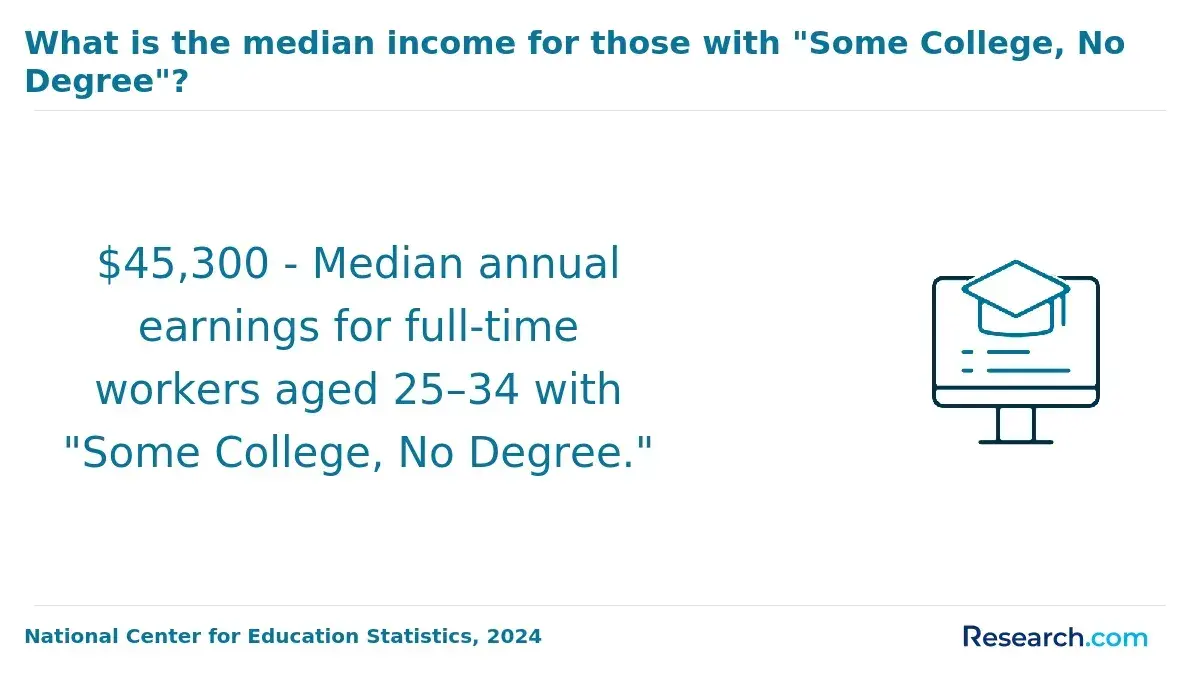
Choosing the right credential type depends on balancing time investment against practical outcomes and job market value. Certificates focus on rapid skill development in language proficiency and cultural competence, ideal for service professionals like healthcare or social workers aiming to directly enhance client communication without committing to a full degree.
Degrees-such as associate or bachelor's programs-combine Spanish studies with broader curricula over 2 to 4 years, cultivating deeper linguistic ability alongside cultural literacy. This path suits those targeting roles needing formal credentials and comprehensive preparation, illustrated by community health workers who benefit from sociocultural insights critical to effective outreach.
Those evaluating degrees should also consider how affordable online degree programs can reduce financial barriers while expanding long-term career flexibility.
Microcredentials offer modular, employer-recognized validation of specific skills, helpful for busy professionals seeking focused expertise like a legal assistant acquiring Spanish medical terminology. This targeted approach increases job performance and salary potential without the time required for traditional degrees.
Evaluations of online Spanish degrees and microcredentials for service industry careers must weigh tradeoffs between formal recognition and immediacy of skills application, with industry relevance and personal availability guiding optimal credential choices.
How do you evaluate accreditation and academic quality in online Spanish programs?
Accreditation standards for online Spanish programs in North America serve as a critical filter for evaluating true academic quality, directly influencing degree validity in professional settings. Students aiming to leverage language skills in roles like healthcare or social services must prioritize programs accredited by recognized bodies to ensure alignment with industry benchmarks, such as licensing or employer expectations.
For example, healthcare workers using Spanish for patient interaction require programs reflecting standardized proficiency frameworks to comply with regulatory demands.
Evaluating academic quality of accredited online Spanish courses involves examining measurable language outcomes beyond traditional coursework. Key factors include proficiency assessments aligned with ACTFL standards and integration of sector-specific language skills, whether medical terminology or legal vocabulary, enhancing practical workforce readiness.
Faculty expertise also shapes program value-advanced credentials and use of synchronous online activities contribute to deeper cultural competence and real-world communication practice.
Labor market signals reinforce the urgency of these criteria: data from Duolingo's Global Language Report shows Spanish leads new learners by 26%, driven by clear career-focused motives. Yet program transparency on graduation rates and job placement metrics remains essential for gauging return on investment.
Prospective students should carefully weigh these factors alongside broader educational pathways, similar to decisions faced by those pursuing an online sports management bachelor's degree, where immediate career impact outweighs generic academic credit acquisition.
What admission requirements and prior Spanish proficiency levels do online programs typically expect?
Service-oriented professionals pursuing online Spanish programs encounter distinct proficiency requirements that directly impact their readiness for workplace communication. Entry-level courses often allow beginners, but intermediate and advanced tracks impose thresholds aligned with the Common European Framework of Reference for Languages (CEFR), typically expecting A2 or B1 mastery.
This calibration is critical in settings like healthcare or customer service, where language precision minimizes costly misunderstandings and optimizes operational efficiency.
Admission processes verify language background through placement tests or prior coursework and may demand documentation of relevant professional experience, particularly in business or technical contexts. This cross-validation of language and domain expertise improves both learner outcomes and employer return on investment (ROI).
For example, firms adopting structured business-Spanish training report a 20% reduction in customer-service handling time and a 15% boost in satisfaction within Spanish-speaking markets, indicating measurable workforce gains.
Fields requiring high-stakes communication, such as law enforcement or social services, often enforce stricter fluency benchmarks, underscoring the necessity for rigorous evaluation and diagnostic assessments before enrollment. Prospective students should carefully weigh these entry barriers and seek programs that provide clear screening mechanisms, which prevent misaligned training and wasted resources while aligning skills cultivation with employer expectations for bilingual client engagement.
How do online Spanish programs compare with campus-based options for working professionals?
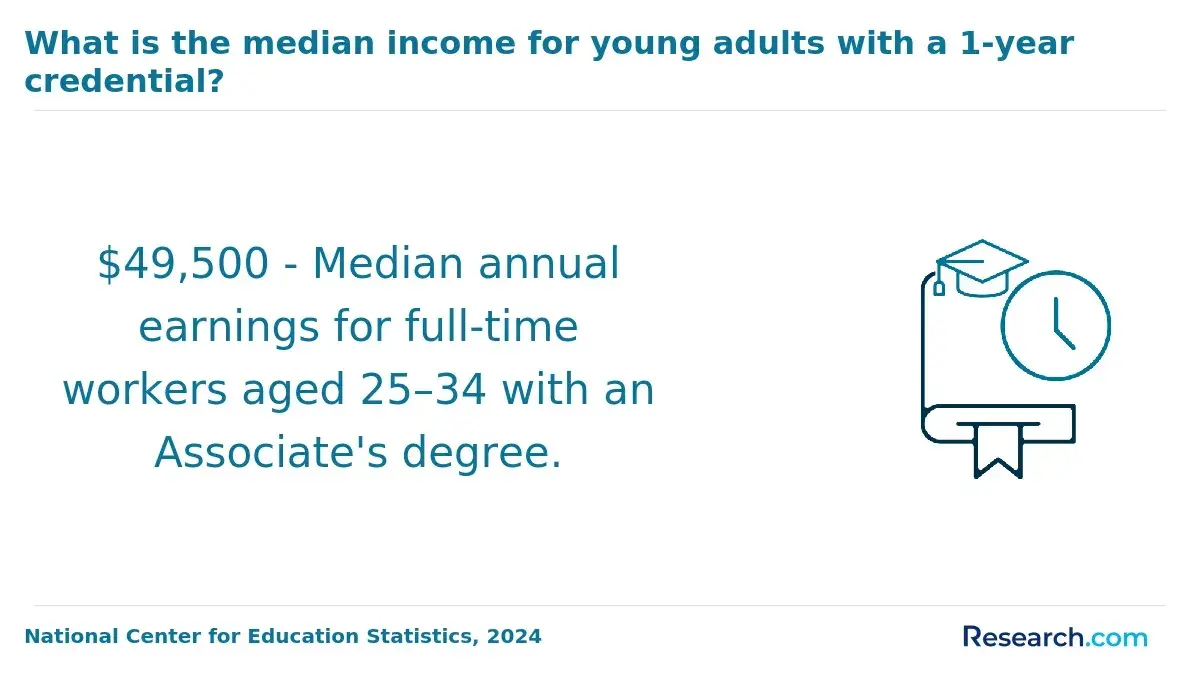
Choosing between online and campus-based Spanish programs hinges on balancing flexibility with immersion quality. For working professionals in healthcare and social services, online formats offer asynchronous lessons and live sessions adaptable to demanding schedules, which suits roles requiring urgent skill acquisition, such as healthcare providers serving Hispanic populations. Nearly 30% of U.S. Medicaid and CHIP enrollees are Hispanic according to a Kaiser Family Foundation analysis.
However, this convenience can trade off with less direct interpersonal practice and cultural immersion.
The quality of immersion is a crucial factor in language learning, and campus-based programs may provide a more immersive experience due to in-person interactions and cultural exposure. However, online programs can offer flexible scheduling and access to resources that campus-based programs may not provide. The choice between the two depends on the individual's learning style, schedule, and career goals.
Campus programs enhance language acquisition through immediate feedback and richer face-to-face interactions, which can be critical for hospital interpreters who must rapidly navigate professional jargon and real-time conversations. Conversely, a social worker using telehealth might rely effectively on online modules integrated with simulations tailored to remote case management.
Employers increasingly expect validated language proficiency through standardized testing or programs emphasizing applied skills. Online courses often struggle to replicate practical scenarios, which can affect confidence in high-stakes client communication. Prospective students should assess learning style, program structure, and credential recognition relative to job requirements.
What core courses and specializations focus on Spanish for healthcare, education, and community services?
Specialized Spanish courses tailored to healthcare, education, and community service sectors directly enhance practical workplace communication by focusing on profession-specific terminology and scenarios.
Healthcare modules center on medical vocabulary, patient interviewing, informed consent, and emergency exchanges-critical for accurate, empathetic patient interactions. An example is training professionals to handle sensitive consultations with limited Spanish proficiency patients, reducing errors and improving care quality.
Educational tracks incorporate classroom management language and family engagement strategies, preparing educators to navigate cultural and linguistic dynamics with Spanish-speaking students and their families. Community services curricula address legal language, social service protocols, and culturally attuned outreach, enabling caseworkers or counselors to explain client benefits and conduct intake interviews effectively.
A meta-analysis in Computer Assisted Language Learning identified a 0.35 standard deviation improvement in job-related communicative competence from these targeted programs compared to general Spanish courses, underscoring employer preference for applied language skills over broad proficiency. However, these benefits come with tradeoffs:
- Healthcare students face scheduling challenges due to inflexible clinical hours despite the need for intensive medical terminology.
- Educators must balance language training with understanding key educational policies and psychology.
- Community service professionals require modular course options to cover complex legal and resource navigation topics without overextending program load.
Prospective learners should assess alignment between program specialization and occupational demands to maximize hiring potential and workplace effectiveness. Choosing a flexible curriculum that integrates immersive role-play or simulation situates learners for tangible gains in situational fluency and professional communication. This focus on applied competence mitigates friction encountered when transitioning careers or adapting to new workforce environments.
How long do online Spanish programs take, and what tuition, fees, and financial aid should you expect?
Professionals entering service-oriented roles must weigh program duration against immediate workforce needs. Accelerated Spanish courses lasting 8 to 12 weeks fit scenarios such as healthcare support or customer service positions where swift conversational proficiency enables functional communication but may lack depth in grammar or cultural nuance.
In contrast, 6 to 12-month certificate or diploma programs offer expanded scope, covering professional terminology and intercultural understanding vital for legal interpreting, education, or social work settings.
Tuition varies from roughly $300-$1,000 for basic courses to $2,500-$8,000 for extended programs, typically excluding materials and certification fees that add $100-$500. Public colleges often differentiate in-state rates, which can substantially reduce costs for resident professionals balancing budgets.
Importantly, employers increasingly subsidize language training; the 2024 SHRM survey finds 41% of U.S. companies offer online language instruction, with 82% including Spanish, making tuition reimbursement a strategic consideration, especially in bilingual-dependent sectors.
Effective pacing supports learning retention without compromising job performance-6 to 12 months paced study aligns with full-time work demands better than accelerated formats, which require disciplined scheduling due to asynchronous delivery. When comparing costs, factoring potential employer financial support often reduces out-of-pocket expenses by up to half, materially influencing program affordability and career-return calculus.
What careers, job settings, and advancement opportunities can online Spanish training open for service professionals?
Service professionals aiming to leverage Spanish language skills must evaluate training programs beyond basic vocabulary acquisition, focusing instead on measurable fluency and industry-aligned certification. For instance, healthcare roles such as medical interpreters operate in high-stakes environments where miscommunication risks patient safety and regulatory compliance.
In social work and government settings, bilingual proficiency is typically validated through credentialing or assessments, influencing both employability and compensation.
Operational demand for Spanish spans hospitals, schools, nonprofits, and corporate call centers, where language competence links directly to job performance and advancement potential. Employees demonstrating verified skills often receive 10% to 20% salary premiums or accelerated promotion paths, reflecting employer emphasis on practical application rather than theoretical knowledge.
Cost efficiency is a critical factor in training program selection. Organizations adopting online or blended Spanish instruction report approximately 37% cost reductions per learner compared to traditional in-person models, facilitating scalable, ongoing skill development relevant to dynamic workplace requirements.
Maximizing return on investment requires programs with industry-specific terminology, interactive practice-ideally with native speakers-and standardized testing aligned with ACTFL or DELE frameworks. Real-world scenarios like emergency room intake or social services casework highlight the necessity of contextual proficiency, prioritizing practical communication skills over academic study.
What salaries, job outlook, and employer demand exist for bilingual service-oriented professionals in the U.S.?
Fluency in Spanish among service-oriented professionals commands a wide salary range in the U.S., reflecting how sector specialization impacts earning potential-from roughly $40,000 for entry roles to $65,000-plus for positions like customer service managers or healthcare navigators. Employers prioritize this skill across healthcare, social services, education, and global customer support, where clear bilingual communication mitigates costly errors and ensures regulatory compliance.
The labor market trajectory favors bilingual talent, particularly in roles such as interpreters, social workers, and healthcare aides, where demographic changes demand cultural competence alongside language proficiency. For example, a bilingual customer service representative managing Spanish-speaking clients in an international call center often improves retention rates by bridging communication gaps.
Practical challenges persist, including handling regional dialects and sustaining language skills amid hectic service environments.
Technical expertise beyond language mastery is often necessary, especially in healthcare, to unlock higher wages and advancement opportunities. Investing in targeted Spanish coursework that emphasizes industry-specific terminology can yield measurable returns, balancing language ability with sector demands. Ultimately, the bilingual skill set not only elevates individual income potential but also addresses critical workforce needs in linguistically diverse populations.
Other Things You Should Know About Spanish
While formal grammar builds a solid foundation, service-oriented roles demand practical communication skills that prioritize conversational fluency and cultural context. Programs emphasizing immersive speaking exercises and real-world scenarios better prepare students for client interactions and workplace dialogues.
Candidates aiming for quick effectiveness should prioritize programs with balanced grammar instruction and frequent speaking practice over purely academic or literature-focused courses.
Programs with flexible pacing accommodate professionals juggling full-time jobs, but self-paced structures can reduce consistent skill retention without scheduled deadlines. Higher workload courses with frequent assessments improve language mastery but increase time demands, which may be impractical for some. Working professionals should select programs offering manageable weekly commitments and clear milestones to ensure steady progress without burnout.
Employers often prioritize demonstrated language proficiency over program credentials alone, especially in healthcare and social service sectors where communication accuracy drives outcomes. Completion of recognized certificates or degrees improves credibility but must be paired with practical language usage and cultural competence. Job candidates should focus on programs incorporating applied language skills and client interaction simulations to enhance employer confidence.
References
- Learn Spanish: 10 Free Online Spanish Courses https://www.livelingua.com/courses
- Spanish courses for foreigners – Barcelona, Madrid, Alicante, Granada https://proyectoespanol.com/en/
- Microcredentials to update your professional profile | Esade https://www.esade.edu/beyond/en/microcredentials/
- Language Requirements for Master’s Programs in Spain | INOMICS - The Site for Economists https://inomics.com/terms/language-requirements-for-masters-programs-in-spain-41307
- Cost of Studying in Spain for International Students | BSBI https://www.berlinsbi.com/blog/how-much-does-it-cost-to-study-in-spain-for-international-students
- 8 Best Business Spanish Classes and Online Courses - Preply Business https://preply.com/en/blog/b2b-best-business-spanish-courses/
- (Top 7) Best Online Spanish Language Courses - 2024 https://www.thespanishexperiment.com/review
- How Fast Can You Learn with an Intensive Online Spanish Course? https://www.learnenelpatio.com/post/how-fast-can-you-learn-with-an-intensive-online-spanish-course
- The Advantages of Learning Spanish That Will Boost Your Career https://www.htlinternationalschool.com/2025/11/21/the-advantages-of-learning-spanish-that-will-boost-your-career/