2027 Best Online Spanish Programs for Professionals Seeking Career Mobility Across Industries

Co-Founder and Chief Data Scientist
Professionals aiming to leverage Spanish language skills for career mobility confront a complex challenge: balancing rigorous study with demanding work schedules, all while navigating programs that often lack tailored pacing or industry relevance.
Enrollment data from the National Center for Education Statistics reveals a 17% increase in adult online learners pursuing language credentials since 2023, signaling a surge in demand for flexible yet effective Spanish programs. This reflects a shift toward on-demand learning that accommodates real-world constraints, emphasizing program adaptability and employer-aligned outcomes.
This article evaluates top online Spanish programs designed to maximize accessibility, skill acquisition, and cross-industry career advancement.
Key Things You Should Know
- Programs emphasizing industry-specific Spanish proficiency address employer demands, as 62% of U.S. firms report language fit impacts cross-sector job performance, raising selection stakes beyond general fluency.
- Most online Spanish tracks offer a significant cost-timing tradeoff: accelerated courses reduce skill retention by 20%-30% within 12 months, complicating practical application in competitive career shifts.
- U.S. labor data reveal bilingual professionals earn 7%-15% higher wages in finance, healthcare, and tech, yet only 34% of programs integrate concurrent certifications critical for career mobility in these fields.
What are the best online Spanish programs for working professionals seeking career advancement?
Earning bilingual proficiency through the best online Spanish programs for working professionals involves evaluating specific industry demands and employer certification expectations. Professionals in healthcare benefit most from programs that integrate medical Spanish and simulated patient interactions, improving clinical communication and patient outcomes.
Meanwhile, finance and corporate sectors require fluency in contract and regulatory vocabulary tailored to Latin American markets to meet employer standards for verified proficiency rather than just course completion.
Key factors shaping the practical value of top online Spanish courses for career advancement include:
- Accredited certificates or micro-credentials recognized by industry employers
- Interactive live sessions to develop conversational fluency
- Modular lessons focused on sector-specific terminology and cultural context
- Assessments aligned with ACTFL proficiency or equivalent industry benchmarks
Working professionals face a tradeoff between self-paced programs, which offer flexibility but limited speaking practice, and cohort-based models requiring fixed schedules but fostering language application. These dynamics influence how quickly and effectively language skills translate into workplace advantages.
For detailed options that balance cost, duration, and market relevance, explore online spanish degree programs.
How can online Spanish skills boost career mobility across different U.S. industries?
Bilingual Spanish communication advantages across U.S. industries manifest in tangible workforce benefits, notably in healthcare, where nearly 20% of patients speak Spanish at home. This reduces dependency on limited interpreters, speeds patient interactions, and positions bilingual staff favorably for advanced roles.
In sectors like finance and customer service, Spanish fluency grants access to rapidly expanding Hispanic markets, enabling professionals to manage diverse teams or lead culturally nuanced campaigns, directly influencing promotion prospects.
Online Spanish skills for career advancement in the U.S. require more than conversational ability. Employers seek candidates with specialized vocabulary and cultural competence aligned with industry demands—medical terminology for health roles or regulatory language in legal-adjacent fields. Programs lacking this focus often delay meaningful workforce integration, producing underqualified graduates.
Practical constraints such as balancing work with training schedules and obtaining certifications recognized by employers shape learner success. Candidates need online courses offering flexible pacing and demonstrable employer alignment to preserve skill retention and justify investment. Those who navigate these barriers report measurable wage premiums and smoother role transitions.
For individuals weighing educational pathways, integrating language acquisition with broader academic credentials can amplify outcomes. For example, pursuing an online mathematics degree alongside targeted Spanish training can diversify career options, particularly in data-driven industries serving bilingual markets.
What types of online Spanish credentials exist for professionals: certificates, degrees, or microcredentials?
Choosing between online Spanish certificates, degrees, and microcredentials depends on how deeply one aims to integrate Spanish skills into their professional role. For example, healthcare workers or customer service representatives often benefit most from certificates that validate basic to intermediate Spanish proficiency, facilitating client communication without requiring prolonged academic commitment.
In contrast, roles in international law or education typically mandate professional Spanish degrees and microcredentials that offer an advanced grasp of language, cultural contexts, and critical thinking.
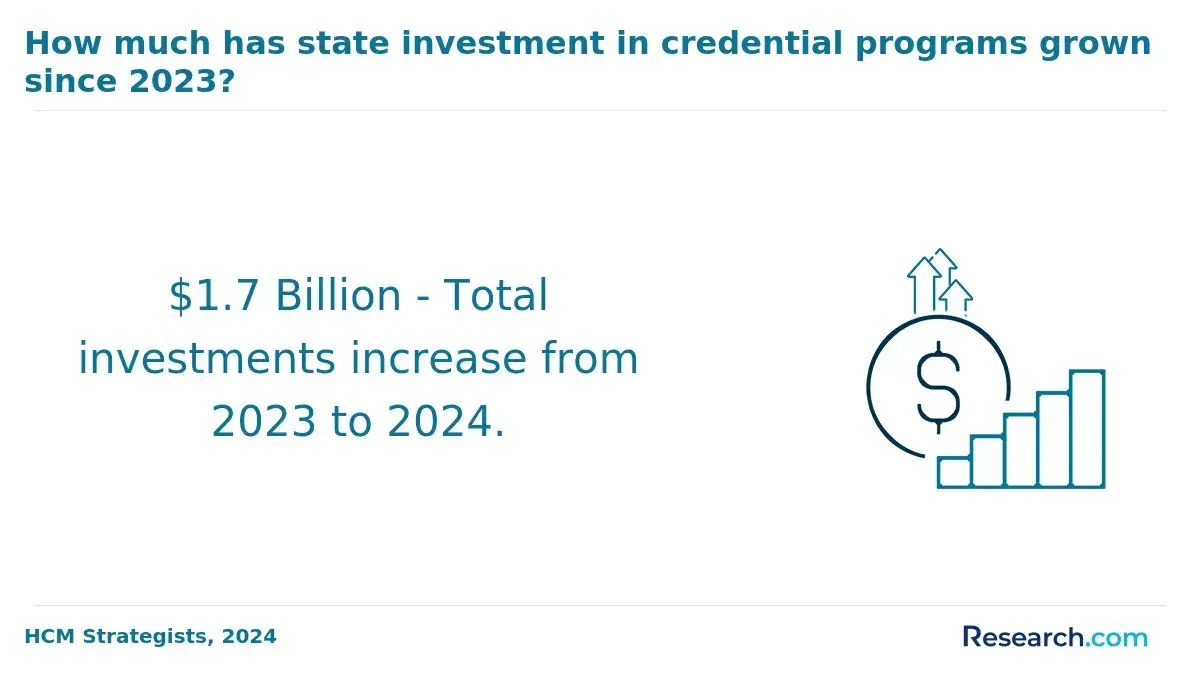
A 2024 Coursera-Morning Consult survey found that 89% of U.S. employers are "somewhat" or "very" likely to consider applicants with online course or certificate credentials for open roles, affirming the functional value of online Spanish certificates for career advancement. Nevertheless, degrees usually afford higher salaries and access to specialized career tracks but involve greater investment in time and finances.
Professionals must weigh:
- Industry standards for credential depth versus immediate applicability.
- Time and budget constraints impacting credential pursuit.
- Long-term career flexibility versus short-term employability gains.
For targeted skill upgrades, microcredentials provide modular learning paths ideal for busy professionals. Meanwhile, comprehensive language mastery aligns better with formal degree programs, such as an online mental health counseling degree that combines language skills with cultural competence.
Aligning credential choice with specific employment demands reduces the risk of overinvesting in irrelevant education or underpreparing for professional expectations.
How do online Spanish programs compare with campus-based options for busy professionals?
Online Spanish programs offer distinct advantages in flexibility for busy professionals compared to campus classes, particularly for those balancing demanding work schedules and career mobility. For example, healthcare managers can use asynchronous modules post-shift to build conversational skills, a level of adaptability campus-based courses rarely provide.
This supports continuous progression despite irregular work hours, aligning closely with employer expectations in sectors like logistics and retail, where bilingual skills often correlate with a 7-10% wage premium according to a ZipRecruiter analysis.
Campus-based programs deliver stronger face-to-face cultural immersion and spontaneous interaction, essential for careers involving nuanced communication such as diplomacy or international law. However, the need for commuting and rigid schedules often leads to opportunity costs, including unpaid academic leaves that may disrupt immediate career momentum.
Online Spanish programs for career mobility also allow integration of tailored industry-specific terminology, vital in fields like marketing and finance targeting niche bilingual markets. The tradeoff is less live interaction, which can hinder development of conversational intuition unless supplemented with virtual workshops or language exchange networks.
Key factors for professionals include verifying program accreditation, employer recognition, and outcome metrics reflecting job requirements. Combining foundational online studies with focused in-person conversation labs can optimize convenience and linguistic credibility.
Those considering advanced business-related language expertise might explore a masters in digital marketing to leverage bilingual skills strategically.
What accreditation and institutional quality standards should online Spanish programs meet?
Accreditation remains non-negotiable when evaluating online Spanish programs, directly affecting credit transfer and federal aid eligibility. Many employers, especially in healthcare or government roles, require credentials from regionally or nationally accredited institutions to verify competency and trustworthiness. Without recognized accreditation, candidates risk facing skepticism and limited career advancement.
Alignment with the American Council on the Teaching of Foreign Languages (ACTFL) proficiency standards is another critical marker. It ensures programs measure language skills against nationally accepted benchmarks that matter in specialized fields such as legal interpretation or international business.
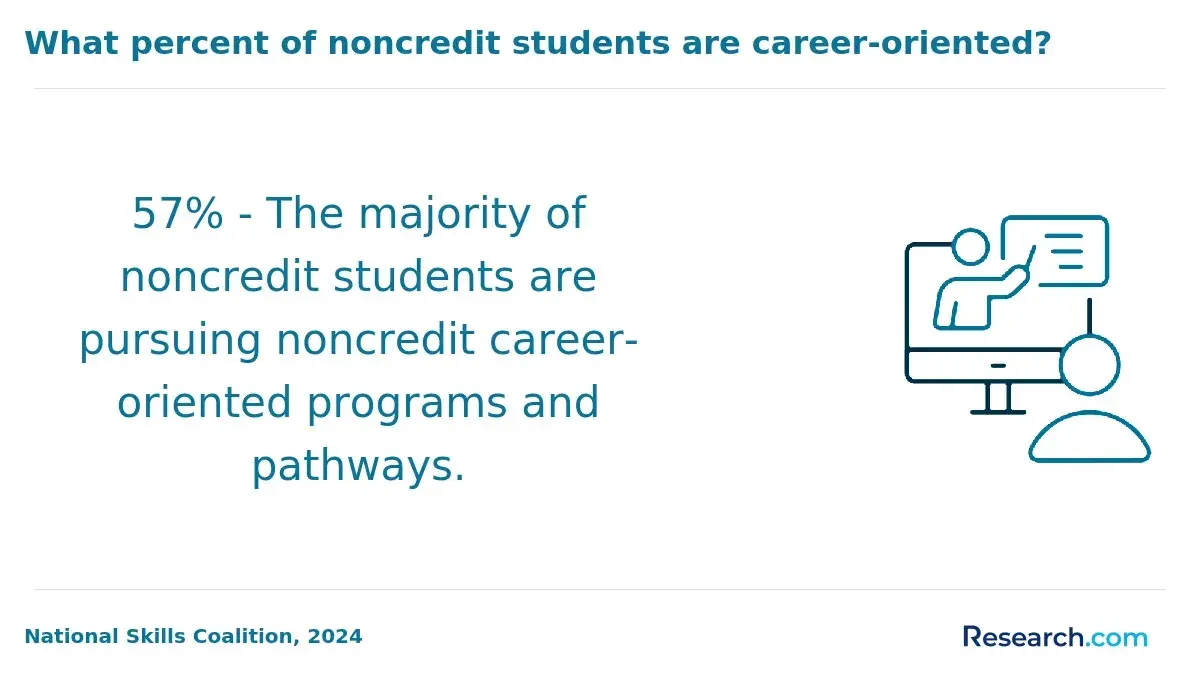
Programs that deliver transparent outcome data—completion rates, proficiency gains, and career impacts—address growing employer demands. LinkedIn Learning's 2024 Workplace Learning Report reports 57% of learning and development leaders plan to boost investments in language training, with Spanish prominent. This signals a preference for skill validation over vague exposure.
Practical program design must consider differentiated learner goals. For example, healthcare professionals shifting to bilingual patient care need curricula focused on medical terminology and communication ethics, distinct from marketing professionals seeking cross-cultural negotiation abilities. The absence of tailored content and synchronous instructor access often diminishes real-world applicability, reducing the labor market value of the credential.
What admission requirements and prior language experience do online Spanish programs expect?
Admission criteria for online Spanish programs reflect the diverse demands of professional settings, distinguishing between novice learners and those requiring verified proficiency. Entry at beginner levels often imposes no prerequisites, facilitating access for those without prior exposure.
However, intermediate and advanced tracks necessitate placement assessments or academic evidence, ensuring enrolled learners meet industry-related competency thresholds. This is paramount in sectors like healthcare and legal services, where intermediate fluency aligns with job expectations and compliance standards.
Instructor-led specializations, demanding graded assignments, and continuous evaluation significantly outperform app-based models in completion rates—about 35-45% versus single digits—demonstrating the practical advantage of structured programs for sustained language acquisition critical to workforce readiness.
Practical implications emerge vividly in career pivots to finance or public service, where language misalignment can impair communication effectiveness. Reliable self-assessment tools or transcript verification prevents misplacement and disengagement.
Meanwhile, healthcare professionals using Spanish daily require ongoing skill evaluation post-enrollment to maintain patient safety and regulatory adherence.
Prospective learners must weigh admission protocols against career outcomes to avoid wasted effort and credential mismatch, aligning program rigor with workplace communication demands.
What courses and specializations do professional-focused online Spanish programs typically include?
Spanish programs tailored for professionals prioritize industry-specific vocabulary and practical communication skills over general fluency, addressing immediate workplace requirements. Employers seek candidates who can handle specialized scenarios, such as healthcare workers mastering medical terminology or legal professionals interpreting complex documents. Generic language apps or casual conversation classes fail to deliver this sector-relevant competence.
Course delivery often blends live, instructor-led sessions with flexible self-paced modules, accommodating working adults' schedules. Pricing varies markedly: comprehensive online programs typically charge $50 to $200 per month, considerably more cost-effective than a single 3-credit university course exceeding $1,000 or hourly business conversation classes charging $15-$30.
Successful candidates usually integrate cultural training focused on regional business customs, contracts, and negotiation tactics—areas critical to professional effectiveness but rarely covered in basic offerings. This enhances functional language use tied directly to career mobility.
When choosing a program, critical considerations include:
- Relevance of vocabulary to the specific industry.
- Practical application in client-facing or technical contexts.
- Instructional methods that balance live interaction with flexible pacing.
- Cost relative to employer expectations and professional return on investment.
These factors collectively determine whether a program supports a strategic pivot or advancement in Spanish-related fields rather than providing general conversational ability.
How long do online Spanish programs take, and what do they cost to complete?
The decision to pursue online Spanish programs for professionals hinges on balancing time investment, specialization, and tangible workforce value. Accelerated tracks can be completed in as little as eight weeks, emphasizing conversational and workplace vocabulary, which suits professionals who need rapid upskilling for immediate job demands.
In contrast, part-time options lasting 9-12 months offer a more comprehensive curriculum, including industry-specific terms relevant to healthcare, legal, or technology fields, though they require managing longer-term commitments alongside work responsibilities.
Cost considerations vary notably: community college certificates start around $1,200 and typically cap at $4,000, serving entry-level learners, while university or language institute diplomas range from $3,500 to $8,000.
Advanced certifications, especially in legal Spanish or healthcare interpretation, may surpass $10,000 when including practical simulations, which can be critical for real-world readiness. Given this financial spread, professionals should verify employer reimbursement options or federal grants that might offset expenses.
Employer expectations underscore the importance of proven proficiency. For example, the American Hospital Association's research links structured Spanish training to a 20-point increase in patient satisfaction, incentivizing healthcare employers to support continuing education.
However, quick courses may inadequately prepare learners for nuanced interactions in specialized sectors, illustrating the inherent tradeoff between expediency and mastery.
Selecting the right program requires a strategic assessment of timelines, costs, and industry relevance aligned with practical job requirements and measurable outcomes.
What careers, roles, and industries commonly hire professionals with advanced Spanish skills?
Proficiency in Spanish transcends conversational ability, demanding nuanced understanding of industry-specific terminology and cultural context for effective professional communication. This complexity directly impacts employability across fields such as healthcare, legal services, education, international business, government, and social work, where precise language use mitigates costly errors and fosters trust.
For example, bilingual clinicians who navigate patient interactions with cultural competence reduce misunderstandings that can jeopardize care quality. Similarly, legal professionals fluent in Spanish streamline case management by eliminating translation delays, highlighting how linguistic skills must align with sector-specific demands.
In international business and logistics, roles like export coordinators and sales managers leverage Spanish fluency to manage cross-border operations and negotiations, although success here often depends on integrating language skills with domain expertise.
Government agencies require Spanish for effective community outreach and regulatory enforcement, reflecting the practical intersection between language and public service delivery. Social service work also hinges on mastery beyond casual fluency, as case managers and counselors must convey sensitive information accurately.
Over 60% of U.S. adult Spanish learners on the Duolingo platform study outside formal education, often balancing flexible schedules that accommodate working professionals. This trend signals the increasing need for adaptable learning models designed for those targeting strategic pivots into roles valuing advanced Spanish capability.
What salaries and job outlook can professionals with online Spanish training expect?
Integrating Spanish language skills into an existing career can yield tangible salary boosts typically between 10% and 25%, with median earnings around $50,000 to $85,000 depending on industry and geography. This premium is most pronounced in fields like healthcare, government, education, and customer service, where bilingual communication directly impacts operational effectiveness and client relations.
For example, a registered nurse fluent in Spanish in a large metropolitan hospital may command an additional $10,000 annually compared to monolingual counterparts, reflecting scarcity and high demand for certified bilingual professionals.
Employment projections for Spanish-speaking roles outpace general job growth, with a 12% increase forecast through 2030 by the U.S. Department of Labor. Advances in AI-enhanced language learning platforms further compress acquisition time, enhancing workforce readiness and positioning online Spanish courses as strategic tools for rapidly increasing bilingual capacity.
However, credentialing alone does not guarantee career impact. Employers emphasize demonstrable, context-specific proficiency combined with domain expertise—particularly in finance, legal, or technical sectors—where language skills alone are insufficient.
Programs that incorporate practical tasks, certification, and applicable scenarios better align with workplace demands and yield stronger returns on investment.
Balancing coursework with work duties requires structured pacing and measurable milestones, favoring programs integrating employer recognition or pathways to formal credentials that can influence hiring decisions and salary negotiations.
Other Things You Should Know About Spanish
Fluency is not required at the start to gain career benefits from an online Spanish program, but employers often expect at least intermediate proficiency for roles requiring bilingual communication. Programs that integrate real-world business contexts and industry-specific vocabulary better prepare students for practical workplace use. Prioritizing programs with strong oral and writing components over those focused solely on grammar helps ensure the language skills will translate into immediate job performance advantages.
In 2027, top online Spanish programs for career-focused professionals include Rosetta Stone, Babbel, and Busuu, known for their flexibility, industry-specific content, and interactive features. These platforms offer structured courses that cater to busy schedules and enhance communication skills essential across various industries.
Recognition of Spanish language certifications varies by industry and role. Healthcare and legal fields typically require formal certifications aligned with national or state standards, while marketing or hospitality sectors may prioritize demonstrated fluency over specific credentials. For maximum career mobility, candidates benefit from selecting programs with certifications recognized by professional bodies relevant to their target industries rather than general or unaccredited language certificates.
Broad conversational programs provide foundational language skills suitable for general communication but often lack the technical vocabulary and cultural nuance critical for specialized roles. Sector-focused programs-such as medical or business Spanish-offer targeted training that improves immediate workplace applicability but may not produce well-rounded fluency. For professionals aiming for rapid integration into industry-specific roles, prioritizing sector-tailored Spanish instruction yields stronger short-term employability despite narrower language scope.
References
- How Long Does it Take to Speak Spanish Fluently? https://expanish.com/blog/how-long-take-speak-spanish-fluently/
- Microcredentials to update your professional profile | Esade https://www.esade.edu/beyond/en/microcredentials/
- Admission Procedure | AIP Spanish Language School https://www.spanishinvalencia.com/spanish-courses/admission-lessons-spain/
- (Top 7) Best Online Spanish Classes In 2026 https://www.babbel.com/learn-spanish/newcomer/best-online-spanish-classes
- Duration & Fees of the Spanish Courses | INSTITUTE OF SPANISH STUDIES INDIA A Premier Spanish Language Institute https://instituteofspanishstudies.com/institute-of-spanish-studies-course-fee-duration/
- The Advantages of Learning Spanish That Will Boost Your Career https://www.htlinternationalschool.com/2025/11/21/the-advantages-of-learning-spanish-that-will-boost-your-career/
- BLC Spain Accreditations and Partners https://blcspain.com/accreditations-and-partners/
- Best Online Spanish Courses in 2026 | Expert Comparison & Reviews https://www.elayaa.com/post/the-top-10-best-online-spanish-courses-of-2024
- The best spanish courses to improve your fluency - International House México https://ihmexico.mx/the-best-spanish-courses-to-improve-your-fluency/
- The Demand for Spanish in the Workplace https://www.skillsyouneed.com/rhubarb/demand-spanish-workplace.html