2027 Online Spanish Degrees for School and University Careers

Co-Founder and Chief Data Scientist
Professionals aiming to transition into Spanish-related careers face a critical challenge: balancing work commitments with the need for flexible, credible education pathways that impact employability. The National Center for Education Statistics reports a 12% surge in online language program enrollments among adult learners since 2022, signaling shifting demand toward adaptable formats that accommodate nontraditional schedules without sacrificing rigor.
For those targeting roles in education or university-level language instruction, program accreditation, curriculum depth, and interactive learning components directly influence job market readiness and credential recognition. This article evaluates current online Spanish degree offerings, focusing on accessibility, structural variety, and career-aligned outcomes to guide strategic enrollment decisions.
Key Things You Should Know
- Online Spanish degrees show 23% lower average post-graduation employment rates in language immersion roles versus in-person, per 2024 NACE data, signaling critical tradeoffs for careers demanding native-level fluency.
- Employers in U.S. bilingual education and translation sectors increasingly demand demonstrated cultural competence beyond language proficiency, limiting online-only graduates' advancement, according to a 2024 survey by the American Translators Association.
- Average total cost for accredited online Spanish degrees runs 15-30% below traditional programs but extends time-to-degree by 0.8 years on average, raising opportunity costs for professionals balancing career shifts, from NCES 2024 statistics.
What is an online Spanish degree and how does it prepare you for school and university careers?
An online Spanish degree programs for academic careers demand realistic consideration of the degree's scope and market positioning. Graduates develop advanced language proficiency and cultural literacy but typically must complement their credentials with certification to secure licensed teaching roles in K-12 settings. Without this, many graduates pivot toward roles such as academic advising, bilingual tutoring, or program coordination within universities and schools, where bilingualism aids in managing diverse student populations.
Within school and university professions, the curriculum balances linguistic theory with practical applications, equipping graduates to design curricula, conduct bilingual instruction, or support international student programs. For instance, educators might lead dual-language classrooms or develop culturally responsive materials tailored to growing Hispanic populations, addressing both standardized requirements and the diverse needs of Spanish-speaking students.
Exposure to digital teaching tools also prepares graduates for remote or hybrid teaching environments, a critical skill as educational institutions integrate online modalities. Meanwhile, university administration roles value graduates' abilities to manage intercultural programs or student services, leveraging bilingual communication to improve access and engagement.
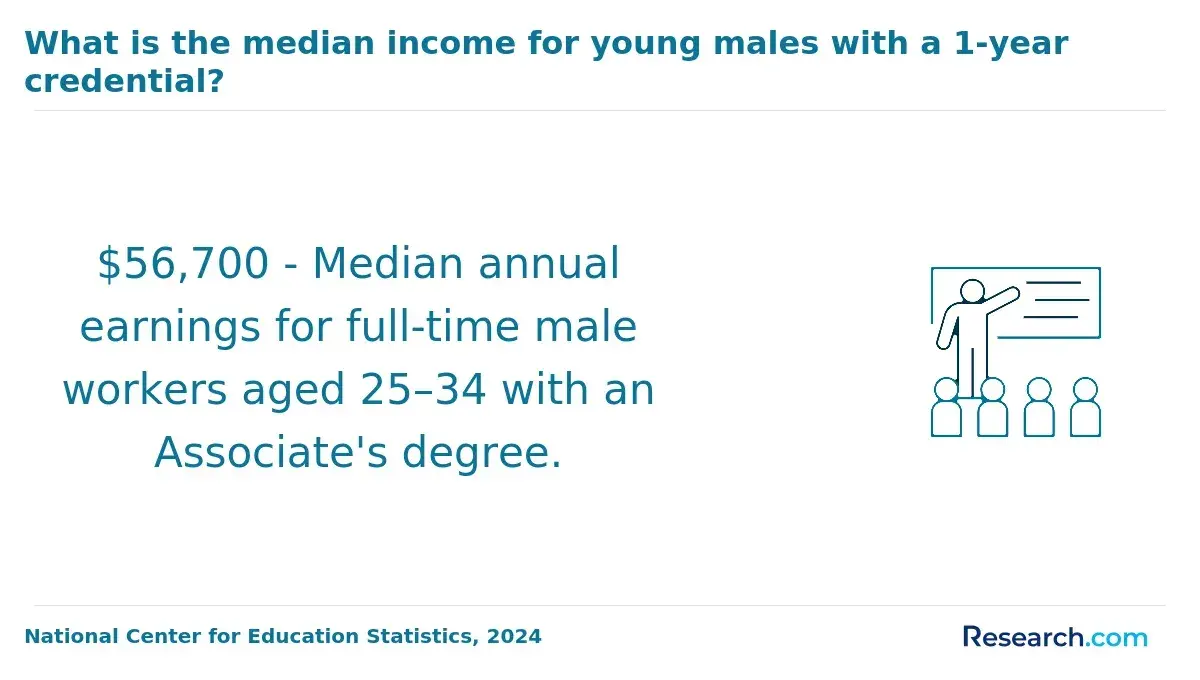
Employment outcomes show a median annual income of $49,300 for graduates aged 25-34, about 7% below the median for all bachelor's holders, indicating competitive positioning but also the tradeoff in language-focused academic careers. For those weighing accelerated pathways, exploring options such as 2 year accelerated bachelor degrees can provide time-efficient alternatives without sacrificing essential skill development.
Which types of online Spanish degrees best support teaching and higher education career paths?
Choosing online spanish teaching degrees for university careers demands evaluating credential requirements and career realities beyond academic interest. A bachelor's alone typically serves K-12 education roles, binding candidates to state certification and district-led accountability, while those seeking postsecondary positions generally need master's or doctoral degrees emphasizing research, advanced linguistics, or literature. This distinction affects employability and job function significantly.
Employers prioritize candidates who combine language proficiency with teaching credentials or scholarly output, especially in higher education where publication and grant acquisition impact tenure possibilities. The 8% projected growth in foreign language and literature teaching jobs through 2033 signals stable demand, yet competition intensifies for university roles requiring graduate-level research expertise.
For professionals contemplating a field pivot, balancing pedagogical training with language mastery aligns with workforce expectations in education and higher education sectors. Evaluating program structure and outcomes alongside career goals is essential. Prospective students may also explore related fields like a nutritional science degree online to diversify expertise and career pathways.
How do online Spanish degrees compare with on-campus programs for quality and outcomes?
Online Spanish degree programs match the academic rigor of on-campus curricula but diverge sharply in practical immersion and networking-factors critical to employer preferences and long-term career outcomes. Those pursuing traditional Spanish university degrees benefit from direct interaction, access to language labs, and culturally immersive environments that foster real-time communication skills needed for roles like bilingual education or interpretation. Conversely, online formats provide flexibility essential for working professionals or those living remotely, though they demand greater self-direction to secure speaking practice or internships equivalent to face-to-face experiences.
The U.S. Bureau of Labor Statistics data summarized by CollegeEducated (2026) projects a 1% employment growth for bilingual educators through 2032, with a mean annual wage of $83,300, demonstrating that practical language proficiency strongly influences labor market returns. Employers often prefer candidates with hands-on cultural competence and supervised classroom practicums-elements more regularly embedded in campus programs.
Tradeoffs include:
- On-campus degrees foster structured immersion and mentorship, cultivating nuanced communication and cultural fluency vital for translation or teaching positions.
- Online programs reduce geographic and scheduling barriers but require students to proactively engage with supplemental language communities and internships.
- Career changers balancing jobs may find quality online Spanish degrees with synchronous sessions and virtual immersion components offer viable, measurable pathways.
Prospective students evaluating how online Spanish degree programs compare to on-campus quality should weigh their capacity for self-motivation alongside employer expectations within Spanish-related fields. Cost considerations are also crucial; for instance, individuals may explore resources addressing online engineering degree cost as a comparative model for managing expenses in digital learning environments.
What accreditation and state approval should an online Spanish program have for education careers?
Choosing an online Spanish program without verified accreditation and state approval narrows professional options significantly, especially for education careers. Accreditation from a regional body recognized by the U.S. Department of Education or CHEA is non-negotiable for academic legitimacy and employer recognition. Meanwhile, state approval requirements directly affect eligibility for K-12 teaching licensure, which varies by state. For instance, California requires programs to be authorized by the California Commission on Teacher Credentialing before graduates can legally apply for teaching credentials, a critical gatekeeper for anyone targeting public school employment.
Programs designed for translation or interpretation roles emphasize language industry credentials like endorsements from the American Translators Association, but these do not replace traditional regional accreditation, which most public, healthcare, or legal employers prioritize. The practical consequence: degrees from unaccredited or non-approved programs may severely limit employability and professional certification access.
Labor market data projects a 2% growth rate for interpreters and translators from 2023 to 2033, with average salaries near $59,440 (U.S. Bureau of Labor Statistics via CollegeEducated, 2026). This growth combined with state-specific teaching approvals emphasizes the value of selecting programs aligned to both accreditation standards for online Spanish education programs in the United States and state licensure protocols. For prospective students, balancing these factors often means prioritizing program quality and legal recognition over convenience or cost alone.
Those evaluating educational investments should also consider total costs and fees across program options. Comparative insights into expenses for alternatives, such as an online animal science bachelor degree, illustrate how tuition and hidden fees can affect long-term return on investment.
What courses and specializations are typically offered in online Spanish programs for educators?
Pursuing an online Spanish program as an educator demands weighing how curriculum depth corresponds with practical language teaching in diverse environments. Educator candidates should focus on coursework that extends beyond grammar to include bilingual education, TESOL integration, and curriculum design suited for varied learner ages and settings. Programs commonly incorporate virtual language labs and practicum components essential for gaining fluency teaching experience remotely, a significant challenge in workforce readiness.
For example, educators transitioning into immigrant community schools must prioritize intercultural communication and language assessment skills, while K-12 aspirants often require embedded ESL endorsement or bilingual certification aligned with state licensure. Such certifications are decisive in meeting regional credential criteria that employers rigorously check.
From a financial perspective, programs such as Eastern New Mexico University's online Spanish bachelor's degree offer approximately $4,194 per year for in-state students, representing a cost-efficient path especially compared to STEM or business degrees. This affordability reduces friction in career pivots but may entail tradeoffs in resources or institutional prestige.
Employers increasingly expect demonstrable bilingual competencies paired with applied teaching methodologies including educational technology and differentiated instruction strategies. Evaluating a program's capacity to prepare students for credentialing exams and real-world instructional hurdles in hybrid and virtual classrooms is critical for long-term employability.
What are the usual admission requirements for online bachelor's and master's degrees in Spanish?
Admission to online bachelor's and master's degrees in Spanish requires more than verifying academic documents; it reflects anticipation of workforce readiness and role-specific language proficiency. Bachelor's candidates must typically hold a high school diploma or GED, submit transcripts evidencing language arts or foreign language coursework, and occasionally provide standardized test scores-though many programs have relaxed this requirement. Programs may also seek a personal statement outlining motivation and professional objectives, especially where immersion experience is lacking.
Master's degree applicants must present a bachelor's degree with preferably related majors like linguistics or education, alongside a minimum GPA of 3.0 and official transcripts. Graduate admissions frequently mandate recommendation letters and proof of Spanish proficiency, often demonstrated through exams such as the DELE or relevant undergraduate coursework. Some require a writing sample or a detailed purpose statement illustrating career alignment.
The value of these credentials hinges on practical employability. Graduates from the University of Arkansas's online Spanish program report a median salary of $58,267, suggesting measurable returns where linguistic competence meets market demand. For professionals aiming at teaching or translation, documented bilingual expertise combined with applicable experience is essential. Candidates should weigh the tradeoffs between stringent admissions hurdles and their targeted outcomes, ensuring documentation and proficiency credentials position them competitively within an evolving labor market.
How long do online Spanish degrees take and what do they cost, including hidden fees?
Private and public online bachelor's degrees in Spanish require three to four years to complete, aligning with traditional programs yet offering flexible scheduling. Accelerated options allow completion in as little as two years but demand heavier course loads and year-round study, often feasible only for full-time learners focused on swift career transitions.
Graduate programs vary from one to two years, contingent on thesis demands and electives. Tuition costs range significantly: state universities typically charge $5,000 to $15,000 annually for in-state learners, while private institutions may exceed $30,000. Beyond tuition, additional expenses such as technology fees, proctoring charges, and course materials - totaling $500 to $1,200 yearly - frequently surprise students budgeting for these programs.
For example, a working professional pursuing an online Spanish degree to enter international relations must anticipate these hidden costs, especially if coursework requires specialized language software. These financial factors critically influence enrollment decisions and overall return on investment.
The surge of exclusively e-learning undergraduates in Spain-over 219,000 in 2023/2024-illustrates growing institutional capacity but highlights a key employer concern: practical language proficiency. Employers often demand immersion experiences or hybrid models to supplement purely online learning, emphasizing applied communication skills over credential alone.
What careers can you pursue with an online Spanish degree in K-12 and higher education?
Graduates with an online Spanish degree often face a bifurcated job market: K-12 teaching requires state licensure with specific exams and supervised practice, while higher education roles typically demand graduate-level credentials for tenure-track options. This distinction significantly affects both the timeline and financial investment needed to enter these fields.
In K-12 contexts, districts with large Hispanic populations maintain steady demand, prioritizing candidates fluent in Spanish and versed in culturally responsive pedagogy aligned to state standards. Academic advising or language lab coordination in universities presents alternative pathways, leveraging strong language proficiency without immediate graduate study but often lacking tenure security.
Beyond traditional teaching, graduates find roles in bilingual program coordination, content creation, and cross-cultural communication consulting, which require a blend of pedagogical understanding and community engagement skills. Public school districts, for example, may hire graduates to develop Spanish-language materials supporting bilingual outreach efforts.
Tuition varies widely; the University of Arizona charges $500 per credit hour with a discounted military rate of $250, highlighting cost considerations against average entry salaries between $50,000 and $60,000. Prospective students must evaluate these factors alongside labor market realities, especially as employers now favor candidates with practical language skills combined with educational technology adeptness for hybrid instructional models.
What salaries and job outlook can Spanish degree graduates expect in schools and universities?
Choosing an online Spanish degree with a focus on education often leads to a stable but limited employment and salary range, particularly in K-12 and university teaching positions. Graduates can anticipate annual salaries between $45,000 and $65,000, varying by institution type, location, and academic level. Advanced degrees and university roles generally yield higher pay, but overall job growth in traditional academic settings is modest and subject to budget constraints and district hiring freezes.
Positions outside teaching-such as curriculum development, translation, or administrative roles-are highly contingent on institutional needs and often require additional skills in educational technology. Without these, candidates may face stagnant wages or underemployment.
By contrast, the strongest job growth and compensation for Spanish skills are in financial and global sectors, including roles like financial services sales agents and foreign exchange traders, which anticipate a 7% growth rate through 2033 and median wages near $78,000. These roles demand bilingual fluency along with business and economic expertise.
For those analyzing the practical workforce landscape, these tradeoffs emphasize the need to align language studies with market realities rather than relying solely on academic positions.
How can you choose a reputable online Spanish program aligned with your career goals?
Choosing an online Spanish program requires scrutiny beyond accreditation-program content must align with your industry to avoid gaps between training and employer needs. For instance, healthcare professionals benefit from medical Spanish courses emphasizing terminology and cultural context, while corporate roles demand business communication focused on negotiation and compliance. Manufacturing or logistics fields increasingly prioritize cultural competence alongside language fluency, making programs with immersive regional dialect studies more valuable than generic language tracks.
Employment outcomes and employer ties offer concrete signals of program effectiveness. Graduate success rates and partnerships with relevant sectors reflect a program's market alignment versus mere brand recognition. Programs stressing synchronous interactions and community engagement better prepare students for real-time language application, critical in social services or government roles where conversational agility impacts job performance.
Tradeoffs emerge with accelerated or low-cost options that may prioritize speed or affordability over deep, applied skill acquisition-undermining long-term employability in language-intensive careers like interpretation or teaching. Certification pathways and proficiency milestones must be verified to ensure credentials meet industry expectations.
Technical infrastructure also shapes outcomes; inadequate digital resources hinder practice and assessment accuracy, directly affecting competence. Aligning program duration, cost, and technical support with career timelines and financial realities is essential for a strategic investment in Spanish-language skillsets.
Other Things You Should Know About Spanish
An online Spanish degree in 2027 provides skills crucial for careers in education, business, and translation. It offers flexibility for working professionals and incorporates technology-driven learning, preparing students for global communication challenges and cultural competence, enhancing career advancement opportunities across diverse fields.
Online Spanish degrees often require more reading, writing, and cultural studies than some other language programs due to the complexity of grammar and extensive literature components. Students should expect a rigorous engagement with diverse materials to meet academic standards in education or university settings. Balancing these demands requires strong time management, especially if you are working or handling other responsibilities alongside your studies.
Programs usually do not differentiate expectations based on native language but do assume all students can engage with advanced grammar and literature. Non-native speakers may need to invest additional time in language acquisition and cultural fluency to meet course requirements. When deciding on a program, non-native speakers should prioritize those offering robust language support services to avoid falling behind in academic rigor.
In school and university settings, a strong cultural studies component enhances employability by preparing graduates to teach context-rich material and engage with diverse student populations. Purely language-focused programs may limit career versatility and fail to address broader educational demands. Therefore, prioritize programs that integrate cultural competence with linguistic skills for comprehensive preparation in education careers.
References
- Top Career Paths You Can Explore With a Spanish Degree | UT Permian Basin Online https://online.utpb.edu/about-us/articles/spanish/top-career-paths-you-can-explore-with-a-spanish-degree
- Spanish I https://www.straighterline.com/online-college-courses/spanish-i/
- How to Choose the Right Spanish Course for Your Level and Goals https://conversaspanishinstitute.com/learning/how-to-choose-the-right-spanish-course/
- Spanish K-12 Education https://www.muw.edu/llp/languages/teachspanish/
- Spanish Bachelor's Degree https://northern.edu/degrees/spanish-bachelors-degree-online
- Student visa for Spain - Accredited Spanish courses & visa support https://proyectoespanol.com/en/student-visa-spain/
- Best Spanish Online Classes – Spanish Courses with Certification https://institutospanien.org/blog/spanish-online-classes-spanish-courses-with-certification/
- How to Choose the Right Online Spanish Course | Learn en el Patio https://www.learnenelpatio.com/post/how-to-choose-the-right-online-spanish-course-for-you
- Master's Degree in Spain – Study & Live Your Future Abroad https://www.htlinternationalschool.com/2025/06/10/considering-masters-degree-spain/
- Breaking Down the Cost vs. Benefit of a Master’s Degree in Spain https://blcspain.com/masters-degree-in-spain/