2027 Best Online Spanish Degrees for Cross-Cultural Communication Careers

Co-Founder and Chief Data Scientist
Professionals pursuing careers in cross-cultural communication often confront a stark dilemma: how to acquire a rigorous Spanish degree that accommodates demanding work schedules and geographic constraints. The National Center for Education Statistics recently reported a 15% surge in online enrollment among adult learners, signaling a pronounced shift toward flexible learning amid persistent barriers to traditional campus attendance.
This trend reflects widening demand for accessible programs that blend language proficiency with cultural competency, essential in fields like diplomacy, international business, and healthcare interpretation. This article evaluates top online Spanish degree options designed to meet these practical needs and help individuals strategically advance in cross-cultural communication careers.
Key Things You Should Know
- Only 38% of graduates from online Spanish degrees targeting cross-cultural roles report salary growth above 12% within three years, indicating that program depth and regional focus significantly impact return on investment per NCES 2024 data.
- Employers increasingly demand integrated cultural competency certifications alongside language proficiency; 47% of surveyed HR managers in bilingual sectors value targeted intercultural training over standalone language degrees, reported by the Modern Language Association 2024.
- Online Spanish programs with embedded immersive components cost 25% more but shorten time-to-competency by an average of 6 months, a critical tradeoff for professionals balancing career pivots amid rising opportunity costs per EDUCAUSE 2024 analysis.
What are the best online Spanish degrees for cross-cultural communication careers?
Fluency alone no longer suffices in cross-cultural communication roles; employers increasingly demand graduates of the best online Spanish degree programs for cross-cultural careers who demonstrate deep cultural competence and applied communication skills.
For example, healthcare employers value professionals trained in culturally specific communication methods that improve patient outcomes and ensure regulatory compliance. In international business, candidates adept at negotiation and bilingual documentation-not just translation-command a measurable advantage.
Programs integrating rigorous language instruction with intercultural communication, translation, and sector-specific applications better prepare students for real-world challenges. Experiential learning components such as virtual internships or community engagement are critical for workforce readiness.
A Master's with a focus on Spanish Applied Linguistics or Intercultural Communication often proves essential for career paths in consultancy or education demanding advanced nuance.
Prospective students should scrutinize accreditation status and program flexibility, prioritizing asynchronous schedules that accommodate working professionals without sacrificing rigor. The 2024 ZipRecruiter analysis confirms an average 11% earnings premium for bilingual Spanish speakers in the U.S., affirming the economic edge these competencies confer.
Those evaluating top Spanish online degrees for intercultural communication roles must assess curricula for applied content, practical outcomes, and alignment with precise industry needs over generic language credits. Finding the right balance among linguistic mastery, cultural insight, and communicative functionality maximizes return on investment.
Cost-conscious learners may also explore the most affordable online interdisciplinary studies programs as alternative or complementary pathways to enhance intercultural proficiency.
How do online Spanish degrees compare with campus programs?
Online spanish degree programs vs traditional campus degrees reveal important trade-offs related to immersive language practice and cultural engagement. Campus programs integrate live conversation labs, spontaneous peer interaction, and multicultural events that enhance cross-cultural nuances crucial for professional fluency.
In contrast, online formats often rely on recorded or text-based exercises, which can diminish the development of spontaneous speaking skills employers demand in high-stakes fields like healthcare interpretation or diplomatic communication.
Students must balance the accessibility benefits of earning a Spanish degree online compared to on-campus options against gaps in real-time interaction. Online degrees serve working professionals or remote learners by removing geographic constraints but risk limiting experiential learning unless they incorporate native speaker interaction and applied cultural projects.
The U.S. Bureau of Labor Statistics projects interpreter and translator jobs to increase 20% from 2024 to 2034, primarily driven by Spanish-English services. Sectors such as legal services, social work, and international business prioritize candidates with demonstrated conversational agility and practical cross-cultural experience, which immersive or hybrid programs develop more effectively.
When comparing programs, prospective students should examine factors such as live interaction quality, internship availability, technology-mediated language labs, and faculty expertise in cross-cultural pedagogy. Employers prefer portfolios evidencing real client or community engagement, often limited in fully online setups lacking structured experiential components.
Individuals exploring career pivots should also consider market outcomes and cost-benefit analyses of different educational pathways. For insights on financial returns across disciplines, see highest paying degrees.
Is the program properly accredited and recognized?
Programs with robust regional accreditation recognized by the U.S. Department of Education or the Council for Higher Education Accreditation remain the benchmark for accredited online Spanish degrees in the US.
Employers and credentialing bodies depend on this validation to ensure graduates' qualifications meet established standards. Without such accreditation, pursuing certifications, licensure, or advanced study becomes significantly more difficult, limiting professional opportunities.
For instance, professionals targeting roles in government agencies or international NGOs that require recognized cross-cultural communication programs find hiring highly competitive and favor candidates from properly accredited schools. This preference impacts not only entry but also salary potential and career sustainability.
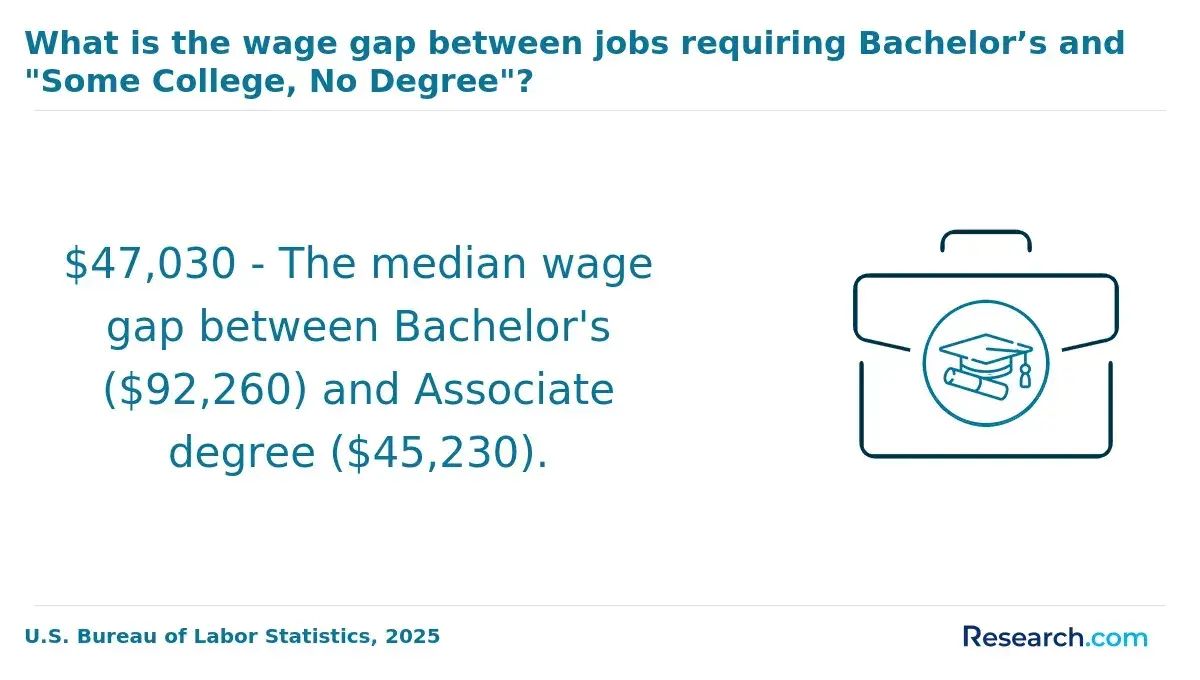
Labor market data show a median annual wage of $66,000 for workers with foreign language degrees as of May 2024, illustrating the tangible income gap tied to program legitimacy. Choosing a substandard online program can restrict access to these higher-paying roles.
Evaluating programs means verifying accreditation through official databases and ensuring curricula align with language proficiency frameworks such as ACTFL or DELE, which employers frequently require to confirm real-world communication skills.
Prospective students comparing pathways should also consider related fields carefully; for example, those open to technical disciplines might explore options like an engineering online degree that may offer different job market dynamics and credential recognition.
What courses are included in an online Spanish degree?
Online Spanish degree curriculum for cross-cultural communication prioritizes practical language skills embedded in cultural context, essential for roles where nuance drives effective outcomes.
Employers in healthcare, international business, and government increasingly demand fluency not only in grammar but also in region-specific dialects and idiomatic usage. This reality shapes core courses in online Spanish programs for cultural careers, where students engage deeply with Hispanic literature, history, and contemporary social issues to move beyond vocabulary toward cultural literacy.
Specialized tracks-such as translation, interpretation, business Spanish, and medical Spanish-address the sector-specific vocabulary and professional protocols necessary for precise and compliant communication. These targeted electives boost employability by preparing graduates for certification exams and workplace challenges where errors can have legal or medical repercussions.
The curriculum also includes linguistics and phonetics to correct common pronunciation and comprehension obstacles. Capstone projects or internships with Spanish-speaking communities provide applied experience employers prioritize over academic credentials alone. This practical exposure is a key differentiator for students planning to cross professional boundaries with language skills.
Deciding to pursue these courses aligns with a broader strategic choice about workforce readiness and real-world utility of linguistic training. For those assessing transferability or seeking a focused shift in skillsets, understanding how online Spanish degrees equip for varied environments is critical. For guidance on accelerated online degrees as an alternative pathway, see can you become an architect online.
What admissions requirements do online Spanish programs usually ask for?
Admission to online Spanish degree programs commonly hinges on verifying prior academic credentials, with most institutions demanding a high school diploma plus official transcripts. Minimum GPA requirements typically range between 2.5 and 3.0 on a 4.0 scale, ensuring students are prepared for rigorous language studies. Non-native English speakers may need to provide standardized test scores like TOEFL or IELTS, particularly if aiming for roles involving cross-cultural communication.
Applicants often handle a multi-step process that includes submitting applications, fees, and occasionally personal statements that articulate their motivation for studying Spanish. Letters of recommendation tend to be infrequent but can enter the equation for highly selective or graduate-level programs.
From a practical standpoint, working professionals may face delays securing official transcripts, creating enrollment bottlenecks unless they begin preparatory steps well in advance. Some programs mitigate this with rolling admissions and digital document submission options.
Cost predictability is a significant factor when planning educational timelines. For example, data from Liberty University shows its online undergraduate tuition rose less than 5% over a decade, placing it within the more affordable 35% of online language programs in 2025. Such price stability matters for students balancing education against financial commitments.
Switching careers into Spanish-related fields may introduce prerequisite coursework in basic language or culture, potentially extending time to degree. This tradeoff is key when choosing between programs with flexible entry points versus those requiring upfront language proficiency, as it affects total cost and time investment.
How long does an online Spanish degree usually take?
A full-time online Spanish bachelor's degree generally spans four years and about 120 credit hours, but completion times fluctuate significantly due to factors like part-time enrollment, transfer credits, and program format. Working professionals often extend their studies to five or six years, balancing jobs and coursework, while those transferring from community colleges or with prior language experience may finish in as little as two or three years.
Accelerated paths compress terms but increase semester workloads, posing challenges for students managing internships or remote jobs involving cross-cultural communication.
Employers prioritize candidates demonstrating both Spanish fluency and cultural literacy, especially in international business, education, and social services. Prolonged degree timelines can delay labor market entry, impacting starting wages and early salary growth.
Data from OnlineU's 2024 analysis shows median alumni salaries around $40,000 three years after graduation for top-ranked online Spanish programs, suggesting reasonable returns for those who finish within traditional timelines.
Students must calibrate their program pace to reflect career priorities and personal constraints. For example, a professional transitioning into diplomatic roles benefits from completing a degree within four years or less to align with entry-level hiring cycles.
Conversely, a healthcare translator working full-time might opt for a slower pace. The level of synchronous versus asynchronous coursework also influences how swiftly assignments and exams can be completed, affecting overall time to degree.
How much do online Spanish degrees cost?
Tuition for online Spanish degrees ranges widely, from about $4,700 to over $53,000 per year, a disparity that directly affects the return on investment and career trajectory. Programs priced under $10,000 annually often serve mid-career professionals seeking basic competency and career pivots into international relations but tend to provide fewer employer connections and limited networking opportunities.
Conversely, programs closer to $50,000 are usually housed in research-focused universities, where the higher tuition supports access to expert faculty, extensive resources, and partnerships valuable in diplomacy, global marketing, or cross-cultural consulting roles.
Employers in these sectors frequently weigh affordability against practical experience components like internships and project-based work rather than the sticker price alone.
Key considerations for prospective students include:
- Tuition charged per credit hour, making program length and retaken courses significant cost factors
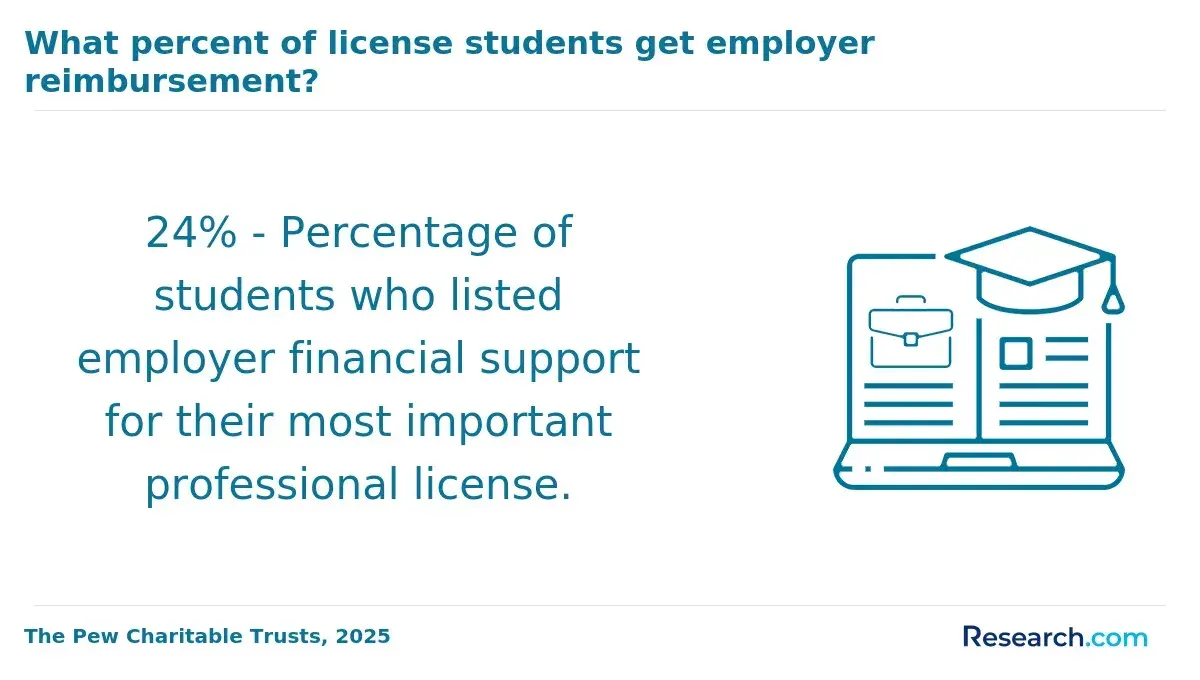
- Availability of financial aid and employer tuition assistance, which may substantially offset expenses if identified early
- Additional costs often excluded from tuition estimates, such as textbooks, language lab software, and exam fees
Careful analysis aligned with specific career goals and market demands is essential. Choosing a high-cost program might delay workforce entry and increase debt burden, whereas affordable programs might sacrifice strong employer connections and specialized training-both of which influence long-term employability in Spanish-related fields.
What jobs can you get with a Spanish degree?
A bachelor's degree in Spanish substantially enhances employability only when combined with targeted industry expertise and cultural fluency. Fluency in Spanish is critical but insufficient alone; successful candidates in sectors like healthcare, international consulting, or diplomacy must master specialized terminology, regional dialects, and cross-cultural negotiation skills.
For example, a healthcare liaison requires not just language proficiency but also familiarity with medical jargon and Hispanic patient communication nuances, directly impacting care quality and workplace effectiveness.
Employers increasingly seek bilingual professionals due to the 62.5 million Spanish speakers in the U.S., especially in marketing, international trade, and social services. ASU Online data reflects a roughly 15% wage boost in business roles for Spanish-speaking employees, highlighting measurable economic value but contingent on appropriate contextual skills.
Job market success depends on integrating language acquisition with certification or accredited competencies in translation, interpretation, or relevant compliance areas. Experience in immersive settings-internships or remote roles within Spanish-speaking environments-is often a practical necessity to bridge academic study with professional demands. Without such applied learning, graduates risk stagnation despite language skills.
Specialized tracks that align Spanish proficiency with health communication, business diplomacy, or legal frameworks can increase relevance and salary negotiation power. Prospective students should weigh these demands against the program's capacity to provide functional skills over broad linguistic knowledge.
How much do cross-cultural communication jobs pay?
Spanish-English bilingual skills alone rarely guarantee top-tier salaries in cross-cultural communication roles; employers increasingly expect nuanced intercultural competence integrated with language fluency. Salaries typically range from $50,000 to $75,000 annually but can surpass $80,000 in metropolitan areas with significant Hispanic populations for specialized roles like healthcare interpreters or cultural training coordinators.
These premium positions demand both linguistic precision and contextual awareness, particularly where miscommunication risks impact patient care or legal compliance.
For example, health services interpreters who complete intercultural competence training often earn 15-20% more than peers with only bilingual skills due to the critical nature of accurate communication in clinical settings.
Conversely, entry-level bilingual roles in business sectors such as sales or customer service usually start near $40,000 but allow for salary growth linked to demonstrable intercultural communication success that drives client engagement and market expansion.
Geographic location is a decisive factor: regions with smaller Spanish-speaking populations tend to offer lower wages, reflecting less immediate demand. Candidates must weigh the time and cost of intercultural certification or degree programs against potential salary premiums.
Employers value credentials aligning with practical, employer-defined intercultural skills far more than generalized language fluency. This requires strategic educational choices focused on combining language instruction with intercultural frameworks tailored to specific labor markets.
What certifications or language credentials improve career prospects?
In cross-cultural communication roles, holding recognized language certifications significantly affects employability and earning potential. For example, the DELE (Diplomas de Español como Lengua Extranjera), issued by the Spanish Ministry of Education, certifies proficiency at levels from A1 to C2 and is often a prerequisite in education, translation, and international business sectors.
Professionals targeting interpreting or legal translation positions benefit from certifications like the ATA (American Translators Association), as employers frequently link these credentials with specialized expertise and higher compensation.
In fields such as healthcare and social services, certifications exemplified by the CCHI (Certification Commission for Healthcare Interpreters) combine linguistic ability with sector-specific cultural knowledge, shaping client outcomes and career trajectories.
Job seekers with bachelor's or master's degrees in Spanish should carefully choose supplementary credentials aligned with their target roles, since hiring managers increasingly demand official test scores and transcripts as evidence of readiness.
When evaluating the 33 accredited online Spanish degree programs worldwide, it is critical to assess not just accreditation but also program integration of certification preparation. Programs that embed DELE exam prep or immersion opportunities can reduce time and cost burdens, a practical distinction from programs lacking these pathways.
Other Things You Should Know About Spanish
Accelerated online Spanish degrees in 2027 provide an intensive curriculum that condenses coursework into a shorter timeframe, allowing students to master advanced communication skills quickly. These programs are designed for those looking to rapidly enhance their abilities for cross-cultural communication careers, offering flexibility and a focused learning path.
Cultural immersion remains critical even in online programs because cross-cultural careers demand nuanced understanding beyond language mechanics. Programs incorporating virtual exchanges, real-world case studies, or short-term study abroad options provide stronger preparation for professional settings. Students must seek degrees that balance language proficiency with culture-focused modules, as pure linguistic ability without practical cultural context can limit effectiveness in diplomacy, education, or international business roles. Prioritizing programs with integrated immersion experiences improves readiness and employer confidence.
Accelerated programs can be practical for career changers needing rapid credentialing but often reduce in-depth engagement with complex cultural and linguistic topics. This format may limit opportunities for extensive practice and reflective learning, which are essential to sophistication in cross-cultural communication. Students should evaluate whether an accelerated timeline aligns with their current workload and learning style, as inadequate time can undermine skill acquisition valued by employers. For advanced competency, a standard-paced program typically provides stronger outcomes.
Specializations such as translation, education, or business communication customize skill sets but narrow the scope of employability in broader cross-cultural roles. Selecting a niche track may enhance opportunities in targeted fields but reduce flexibility if career goals shift. Employers often expect a balance of linguistic expertise and intercultural adaptability, so overly narrow specializations can limit lateral mobility. Students should weigh immediate career focus against long-term versatility when choosing specializations to best position themselves.
References
- 2025 Most Affordable Online Spanish Degrees https://www.onlineu.com/most-affordable-colleges/spanish-degrees
- Admission. Degree in Spanish language and literature. School of Philosophy and Letters. University of Navarra. - Degree in Spanish language and literature - Universidad de Navarra https://en.unav.edu/web/degree-in-language-and-literature/admission
- College Accreditation: What It Is and Why It’s Important https://www.columbiasouthern.edu/blog/blog-articles/2022/november/what-is-accreditation-and-why-is-it-important/
- Launch a Global Career with a Spanish Degree | Houston Christian University https://hc.edu/articles/launch-a-global-career-with-a-spanish-degree/
- Skills: "cross cultural communication" | UNjobs https://unjobs.org/skills/cross-cultural-communication
- Low-cost Online Spanish Courses in Spain https://www.institutohemingway.com/news/1105/low-cost-online-spanish-courses-in-spain.html
- What is the Cost of Spanish Tuition? https://www.superprof.ie/blog/spanish-classes-prices/
- How to apply to a university in Spain for international students? [2025] https://www.linguaschools.com/blog/2025/01/25/how-to-apply-to-a-university-in-spain-for-international-students/
- The Role of English Certification in Securing a Better Career Path https://ilcentres.com/post/the-role-of-english-certification-in-securing-a-better-career-path