2027 Online Spanish Degrees With Government Career Alignment

Co-Founder and Chief Data Scientist
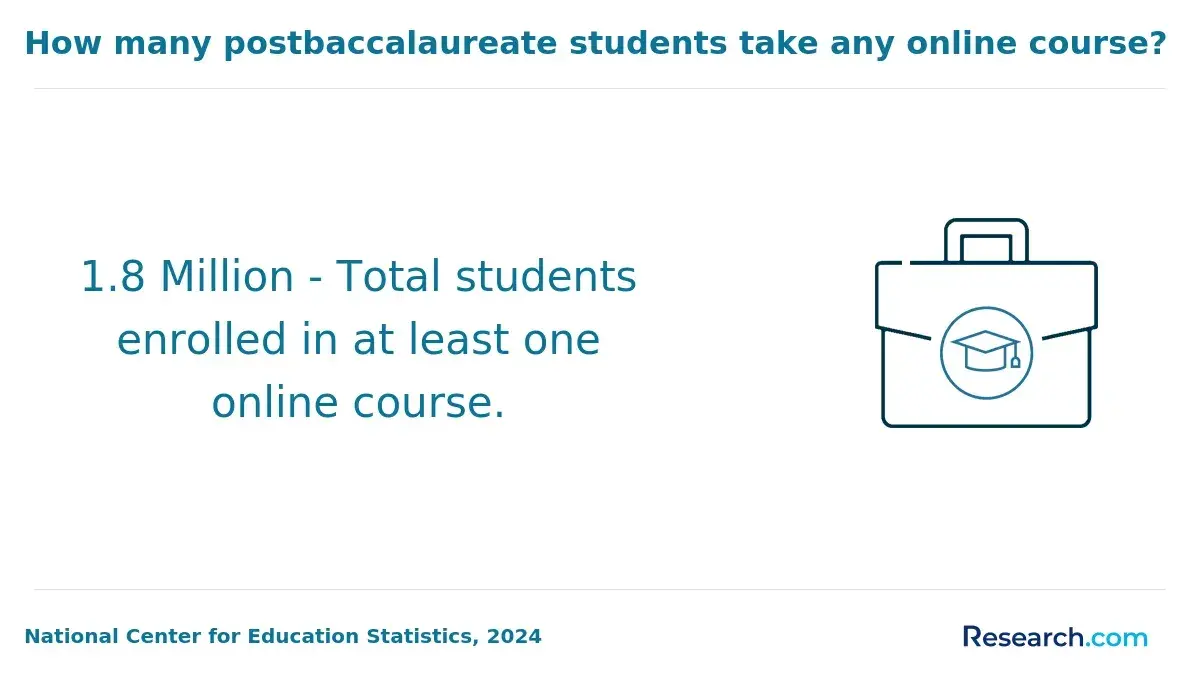
Professionals aiming to enter government roles requiring strong Spanish language skills face a unique bottleneck: balancing flexible, accredited education with the nuanced workforce demands of agencies prioritizing bilingual communication. Recent data from the National Center for Education Statistics shows a 15% surge in online degree enrollment since 2022, driven largely by adult learners juggling careers and family responsibilities.
This shift reflects growing demand for accessible, career-aligned programs that can be completed remotely without delaying entry into roles such as federal translators, policy analysts, or community outreach coordinators.
This article maps out online spanish degree options tailored to government career pathways, equipping readers with the tools to select programs that optimize timing, credentials, and job readiness.
Key Things You Should Know
- Government data from 2024 reveals that only 18% of online spanish degree graduates secure federal language-related employment within two years, emphasizing a mismatch between degree focus and agency hiring needs.
- Employer surveys indicate 62% of government bilingual roles prioritize professional Spanish interpretation certifications over degree credentials, signaling a strategic credentialing tradeoff for career advancement.
- Cost analysis shows that accelerated online spanish programs reduce average tuition by 22% but often omit region-specific dialect training critical for local government roles, influencing program selection based on geographic deployment plans.
What is an online Spanish degree with government career alignment and who is it best for?
An online Spanish degree tailored for government career pathways must go beyond language fluency to include specialized knowledge in public administration, legal terminology, and government policy.
Candidates targeting federal, state, or local government roles face increasing demand-bilingual positions are projected to grow by approximately 9,000 jobs annually through 2031-making this pathway highly pragmatic for professionals working with Spanish-speaking populations.
However, the degree's true value hinges on its alignment with government-specific content and practical opportunities such as internships or practicums in relevant agencies.
Key considerations for prospective students include rigorous curriculum design that equips them to handle technical vocabulary and cultural nuances unique to legal and administrative settings.
Without this specialized focus, graduates risk being underprepared for roles like policy analysts, legal interpreters, or public affairs specialists, where precision and sector knowledge weigh heavily in hiring decisions.
For example, a mid-career social services worker aiming to transition into federal immigration case management needs courses emphasizing legal Spanish and public administration. A general Spanish degree, even completed online, may fail to provide the competitive competencies required for these government career pathways with online Spanish degrees.
Additional workforce implications include salary premiums-bilingual government employees typically earn up to 20% more than monolingual peers-and enhanced job security within public service roles.
Students exploring options may also benefit from examining the best accelerated bachelor's degree online programs to identify pathways that combine expedited study with relevant government career alignment.
How do online Spanish degree programs compare with campus-based options for government careers?
Online Spanish degree programs offer distinct advantages for government careers, particularly by accommodating working professionals in roles such as law enforcement and immigration services. Their flexibility allows candidates to integrate coursework with irregular shifts, accelerating proficiency without pausing employment.
By contrast, campus-based programs may provide richer in-person networking and direct access to credentialing workshops, yet often require relocation or full-time presence, limiting immediate workforce engagement. This tradeoff is critical when evaluating options aligned with public sector demands.
The U.S. Bureau of Labor Statistics forecasts a 20% rise in employment for interpreters and translators by 2031, underscoring sustained demand across courts, immigration, and public services. Both online and campus programs emphasize language mastery, cultural literacy, and legal terminology essential for government roles.
However, online formats increasingly incorporate virtual simulations and remote practicums tailored to federal agency scenarios, which enhance readiness for dispersed or field work.
Employers prioritize proven communication skills and certification over whether a degree was earned online or on campus. Campus students often have streamlined access to local internships through established partnerships, while online students must often secure placements independently or through digital platforms, introducing variability in availability and quality.
For example, a law enforcement officer can pursue an online degree while working and subsequently obtain certification required for court interpreting-something less feasible for full-time campus students balancing fixed schedules.
Choosing between online and campus Spanish degrees for government careers requires weighing immediate employment needs, geographic flexibility, internship accessibility, and certification support.
Informed decisions should consider these practical dynamics alongside labor market trends detailed in highest paying degrees research to maximize alignment with public sector opportunities.
Which types of online Spanish degrees best prepare students for federal, state, and local government roles?
Obtaining an online Spanish degree for government careers entails more than language proficiency; it demands specialized skills in applied linguistics, legal terminology, and cultural competency tailored to public service environments.
Degrees aligned with federal and state government jobs often integrate coursework in translation, interpretation, and public administration to prepare graduates for practical challenges such as immigration services or bilingual community outreach.
PayScale data highlights that bachelor's degree holders in Spanish earn an average salary near $62,000 annually, reflecting competitive positioning in government roles requiring linguistic expertise.
Yet, employers prioritize candidates who demonstrate both oral and written Spanish proficiency verified through advanced classes or certifications embedded in the curriculum. Internships or practicum experiences with government agencies can make a decisive difference by providing immersive exposure to bureaucratic workflows and interagency communication.
Key considerations for students include program accreditation, access to targeted electives like legal Spanish and cross-cultural communication, and readiness to pursue federally recognized interpreter certifications post-graduation.
Programs lacking these elements risk producing graduates less equipped for nuanced government demands. For those comparing pathways, the value of a Spanish degree combined with policy or administration coursework is significant for navigating public sector complexities.
Professionals evaluating their education options might also consider related fields such as an online masters of counseling to complement Spanish language skills with counseling competencies relevant to community and social services.
What accreditation and institutional approvals should an online Spanish program have for U.S. government employment?
Choosing an online Spanish degree without proper accreditation creates a fundamental barrier to federal employment, where credential legitimacy is non-negotiable. Accreditation from bodies recognized by the U.S. Department of Education or the Council for Higher Education Accreditation (CHEA) ensures an institution's academic standards meet stringent federal benchmarks.
Federal agencies such as the Department of State or Department of Defense require verified degrees from regionally accredited institutions like those approved by the Southern Association of Colleges and Schools Commission on Colleges (SACSCOC) or Middle States Commission on Higher Education (MSCHE).
Institutional approvals by state higher education authorities add another layer of compliance, especially important for roles demanding language certification or licensing linked to government contracts. Without these, students risk their degrees being dismissed during federal vetting, leading to costly delays or outright disqualification for positions in interpreting, translation, or cultural liaison work.
The practical tradeoff investors in education must weigh includes affordability and access alongside accreditation. For example, Sam Houston State University offers undergraduate Spanish courses with tuition as low as $244 per credit, a measurable factor in return on investment when shifting into government service roles constrained by budget and credential scrutiny.
Prospective students pursuing online Spanish degrees aligned with U.S. government careers should prioritize programs demonstrating both regional accreditation and state institutional approval to safeguard employability.
Understanding these accreditation requirements for online Spanish degrees aligned with U.S. government careers minimizes risk and enhances federal workforce eligibility. For data on how cost-efficient degrees compare in market payoff, master's degree in marketing programs provide a useful benchmark in evaluating educational ROI across disciplines.
What core courses and specializations in an online Spanish degree support careers in diplomacy, security, and public service?
Online Spanish degrees focused on government-related careers prioritize more than just language proficiency; they embed advanced intercultural communication and geopolitical awareness essential for diplomacy, security, and public service roles.
This creates graduates capable of precise interpretation and negotiation under intense pressure, especially in contexts such as intelligence or consular work. Specializations like translation and interpretation reflect direct employer demand for accuracy in high-stakes environments.
The curriculum often integrates region-specific content-Latin American studies, U.S.-Latin relations, and international law-to meet the nuanced requirements of diplomatic services. Security tracks address operational skills like ethical decision-making and conflict resolution relevant to agencies like the Department of Homeland Security. Here, familiarity with coded communication and cultural context is non-negotiable.
Real-world application dictates supplementary training beyond language basics, including scenario-based exercises and institutional partnerships. These enhance readiness but require substantial commitment, balancing language acquisition with policy and ethics education.
The Bureau of Labor Statistics confirms that approximately 30% of workers holding foreign-language degrees engage in government or social services, underscoring these programs' targeted workforce alignment.
For prospective students, evaluating programs demands attention to how well curricula integrate practical government engagement versus purely linguistic study-an essential distinction shaping employability in federal or local public sectors.
What are the typical admission requirements and application materials for online Spanish bachelor's and master's programs?
Admission to online Spanish bachelor's and master's programs requires a strategic balance between academic credentials and practical language proficiency aimed at workforce readiness.
For bachelor's candidates, a high school diploma and, increasingly optional, standardized test scores form the baseline, with admissions committees prioritizing transcripts that reflect focused study in Spanish or related humanities. GPA expectations typically hover around 2.5 to 3.0 on a 4.0 scale, but demonstrated academic consistency and relevant coursework hold greater weight.
Graduate applicants face stricter evaluation, demanding a bachelor's degree with a minimum 3.0 GPA, official transcripts evidencing prior Spanish or humanities study, and often proof of language proficiency through exam results such as DELE or ACTFL. The statement of purpose is scrutinized for alignment with career trajectories in legal interpretation, immigration services, or governmental roles, reflecting occupational realities.
Supplemental materials including recommendation letters and writing samples are not mere formalities; they attest to communication clarity and professional reliability vital in public sector positions. Candidates must also navigate the operational reality of online study by ensuring technical readiness and self-discipline.
Employers, particularly in courts and immigration agencies, expect graduates to possess both language mastery and a firm grasp of sector-specific terminology to minimize on-the-job training. According to the BLS, interpreters and translators earned a median wage of $59,440 in 2023, underscoring the sector's demand for specialists who can function confidently in high-stakes settings.
How long do online Spanish degrees take to complete, and what do they cost compared with similar programs?
Choosing a Spanish degree program requires weighing time, cost, and workforce relevance carefully. Full-time online programs typically span 3 to 4 years, but accelerated tracks, while shorter, often demand intensive commitments that may be impractical for working professionals. Part-time pathways extend beyond four years, accommodating employment schedules but increasing overall costs.
Annual tuition varies significantly: in-state rates at public universities average between $7,000 and $10,000, whereas out-of-state and private institutions often exceed $20,000. This creates a financial range from roughly $21,000 at public in-state schools to upwards of $80,000 for private programs, exclusive of ancillary expenses like technology fees or language immersion experiences.
Healthcare professionals form a notable student demographic, driven by the need to engage effectively with Hispanic patient populations, which comprise a considerable segment of foreign-language degree holders according to Bureau of Labor Statistics data. However, employers in healthcare and social services increasingly value not only linguistic proficiency but also cultural competence, often requiring supplemental certifications or practical experience.
Deciding between accelerated and paced study requires evaluating personal capacity to manage workload intensity against longer-term financial impact and knowledge retention. Programs hosted by in-district public universities with accredited online formats often strike a balance between affordability and accessibility, maximizing return on investment.
Employers prioritize completed degrees paired with regional language proficiency testing. Spanish degrees serve diverse sectors, especially government and community services, where over 15% of foreign-language graduates find employment. Students targeting these roles should select programs integrating career-contextualized curriculum and practical language application.
What government and public-sector careers can you pursue with an online Spanish degree?
Fluency in Spanish combined with specialized knowledge in areas like legal translation, public health, or immigration policy remains a practical necessity for securing roles within federal agencies and local governments.
Positions such as court interpreters demand precise handling of complex terminology, while diplomatic service and intelligence roles require security clearances beyond language proficiency. For example, language professionals working in judicial settings not only translate but must interpret nuanced legal contexts, a skill set that distinguishes candidates in a crowded labor market.
Advanced degrees correlate with tangible economic benefits in public-sector pathways-a University of Texas Permian Basin analysis of BLS data reveals that in 2025, Spanish degree holders with master's credentials earned a median weekly wage approximately $300 higher than those with just bachelor's degrees, reflecting stronger job stability and lower unemployment rates.
This gap emphasizes the value of graduate education when seeking roles in government communication, policy advising, or program coordination.
Public health and social service entities increasingly expect Spanish speakers to contribute to culturally tailored outreach within Hispanic/Latino communities. However, success depends on blending language skills with knowledge of administrative procedures and relevant certifications.
Key considerations for prospective students include:
- Specializing in a policy or sector-focused discipline alongside Spanish to boost employability.
- Anticipating additional credentialing or clearance requirements for federal positions.
- Recognizing that linguistic ability alone may limit advancement in highly competitive public-sector jobs.
What salary ranges and job outlook can Spanish-proficient graduates expect in government and related fields?
Government roles requiring Spanish proficiency begin at approximately $52,000 annually for positions like interpreters and translators, with salaries increasing alongside experience, certification, and specialization. Job growth in this niche is about 20%, driven by expanding multilingual demands across federal, state, and local agencies-outpacing many broader labor markets.
Positions in diplomatic services, immigration enforcement, public health policy, and veteran affairs often pay between $50,000 and $80,000, varying by agency rank and budget.
Certified bilingual professionals, such as case managers in public health, may earn 10-15% more than monolingual peers. However, these roles frequently require accreditation from bodies recognized by programs like the research.com portal related to interpretation or public administration credentials.
Geography impacts opportunity and compensation: metropolitan centers with sizable Spanish-speaking populations offer more jobs but come with higher living costs and competitive entry requirements. Security clearances can unlock federal salaries from $70,000 to $90,000 but extend hiring timelines.
Graduates should weigh practical tradeoffs when selecting educational pathways, often prioritizing accredited online Spanish degree programs to limit debt while building credentials aligned to agencies like the U.S. Department of State or Federal Court Interpreter Program. Targeted internships and federal fellowships provide experience that meaningfully improves job prospects and long-term wage growth.
How can you evaluate and choose a reputable online Spanish program aligned with government hiring needs?
Selecting an online Spanish program for government employment requires a rigorous focus on curriculum alignment with evolving agency competencies beyond language fluency.
Approximately 24% of foreign-language graduates occupy management, business, or financial operations roles, highlighting employers' preference for bilingual candidates combining advanced language skills with analytical or technical expertise.
Prospective students should prioritize accredited programs integrating Spanish with policy analysis, cybersecurity communication, or intelligence tasks relevant to federal work. Programs that offer practical components such as internships in government settings or certifications tied to compliance and regulatory affairs present a stronger pathway to employment.
For example, candidates targeting federal regulatory roles must seek coursework emphasizing legal Spanish, data interpretation, and compliance communication rather than general linguistics or translation training.
Key considerations include program flexibility accommodating working professionals, transparent graduate outcomes reporting employment within government agencies, and syllabi that incorporate emergent areas like AI-assisted language technologies and remote collaboration skills. Evaluating tuition in relation to projected salary premiums for dual-skilled professionals is essential to avoid costly misalignments.
Other Things You Should Know About Spanish
Online Spanish degrees often offer flexible scheduling but expect a workload comparable to on-campus programs, especially in upper-level or specialized government-aligned courses that require extensive reading, translation projects, and oral presentations. Prospective students balancing current jobs should prioritize programs with asynchronous options and clear progress milestones to manage workload without compromising learning outcomes or government career timelines.
Government employers typically prioritize practical language skills combined with cultural and regional knowledge to effectively engage with Spanish-speaking communities or counterparts. Graduates who emphasize regional dialects, policy-related language, and cross-cultural negotiation tend to have a stronger advantage than those with purely academic or literary Spanish backgrounds. Programs offering applied cultural training alongside language courses are better aligned with employer expectations.
A bachelor's degree with targeted specializations and internships often suffices for many entry and mid-level government positions requiring Spanish proficiency. However, a master's degree can provide advanced language skills, policy analysis, or translation expertise that open doors to specialized roles such as diplomatic services or federal agencies with higher language demands. Candidates should weigh their existing experience, desired position, and the degree's focus to decide which credential offers the most direct employability advantage.
References
- Student Visa Spain: Master’s vs Spanish Course | Speakeasy BCN https://www.speakeasybcn.com/en/blog/student-visa-in-spain-masters-vs-long-term-spanish-course-which-is-the-smarter-and-cheaper-way-to-move-to-barcelona
- Best Jobs for Bilingual Spanish Speakers - LTI Blog https://www.languagetesting.com/blog/best-jobs-for-bilingual-spanish-speakers/
- (Top 7) Best Online Spanish Classes In 2026 https://www.babbel.com/learn-spanish/newcomer/best-online-spanish-classes
- How to Apply to Universities in Spain: A Comprehensive Guide - Student Houses Segovia https://studenthouses.es/how-to-apply-to-universities-in-spain-a-comprehensive-guide/
- Majoring in Spanish? Here’s 12 Career Fields to Consider | UT Permian Basin Online https://online.utpb.edu/about-us/articles/spanish/majoring-in-spanish-heres-12-career-fields-to-consider
- 12 Best Online Spanish Classes (2026 Review) - Learn languages with italki https://www.italki.com/en/blog/best-online-spanish-classes
- Breaking Down the Cost vs. Benefit of a Master’s Degree in Spain https://blcspain.com/masters-degree-in-spain/
- What Can You Do With a Spanish Degree? https://willamette.edu/academics/college/spanish/career-options
- How to apply to a university in Spain for international students? [2025] https://www.linguaschools.com/blog/2025/01/25/how-to-apply-to-a-university-in-spain-for-international-students/