2027 Online Spanish Degrees for Interpreter Roles

Co-Founder and Chief Data Scientist
Balancing a full-time job with the urgent need to meet growing demands for certified Spanish interpreters presents a stiff challenge. Despite projections from the U.S. Bureau of Labor Statistics estimating a 24% growth in interpreter positions by 2032, traditional degree schedules rarely accommodate working adults or career changers.
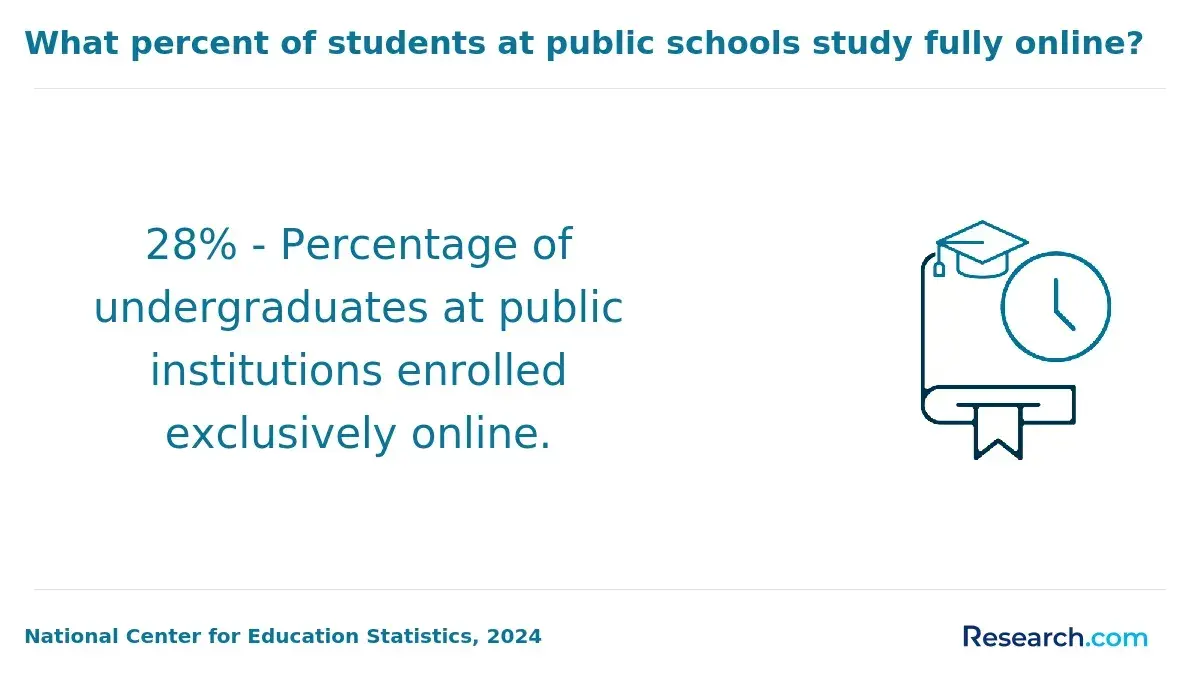
A National Center for Education Statistics report shows that over 40% of postsecondary enrollees seek fully online programs for flexibility and access, signaling a market shift few on-campus Spanish programs currently meet.
This article analyzes available online Spanish degree options designed for interpreter roles, focusing on how their structures address these time-sensitive career transitions and workforce realities.
Key Things You Should Know
- BA and BS online Spanish interpreter programs often omit immersive cultural components critical to fluency; this gap challenges graduates competing against bilingual natives, slowing employer confidence per insights from the Modern Language Association's 2024 employment report.
- Employer demand for certified Spanish interpreters is 22% higher in healthcare and legal sectors, yet 58% of online programs lack formal accreditation aligned with the National Board of Certification for Medical Interpreters, risking credential recognition.
- Average tuition for accredited online Spanish interpreter degrees rose 9% in 2025, outpacing wage growth for entry-level interpreters; prospective students must factor extended study timelines impacting opportunity costs and ROI.
What is an online Spanish degree for interpreter careers and how does it work?
Selecting an online Spanish degree program for interpreter careers requires balancing rigorous language instruction with practical skill-building tailored to workplace demands. Programs that combine advanced grammar, sector-specific terminology, and ethics prepare candidates for real-time interpreting assignments across fields such as healthcare, legal, and business.
For instance, healthcare interpreters must navigate complex medical vocabulary while adhering to patient confidentiality, a skill embedded in effective curricula.
Students will face the challenge of disciplined self-management, especially since remote formats demand synchronous speaking and listening competence supported by reliable technology. This modality suits professionals needing flexibility but may not replicate the intensity of live practice environments.
Beyond linguistic proficiency, these degrees address credentialing prep and market realities, such as wage differentials between court versus conference interpreting jobs. According to the U.S. Bureau of Labor Statistics, interpreters earned a median annual wage of $59,440 in May 2024, notably higher than the $48,060 median for all occupations, reflecting the premium on professional skill.
Evaluating online Spanish degree programs for interpreter jobs requires scrutiny of accreditation and opportunities for internships or immersive interaction with native speakers to boost employability. Students should also note institutional alignment with industry standards and assess if fully remote learning fits their capacity to perform under the high pressure typical of live interpretation.
When comparing language-focused pathways to broader options, those considering a business administration online degree should weigh the specialized demands and rewards of interpreter roles against general management careers.
Which accredited online Spanish degrees best prepare you to become an interpreter?
Interpreter roles require more than language proficiency; accredited online Spanish degree programs for interpreter certification must center on applied skill-building under realistic conditions. Degree curricula incorporating simultaneous and consecutive interpreting modules reflect actual workflow demands in sectors like healthcare and law, where interpreting accuracy and ethical standards differ markedly.
For instance, legal interpreters must master exact terminology and procedural compliance, whereas community health interpreters emphasize cultural fluency and patient communication.
Job outlooks from the U.S. Bureau of Labor Statistics anticipates approximately 6,900 interpreter and translator openings annually from 2024 to 2034, primarily driven by replacement rather than sector expansion. This creates a competitive environment where employers prioritize candidates with verifiable practical skills and recognized certifications over those holding only degrees.
Programs blending advanced linguistics with practicum or capstone projects involving live or remote interpreting simulations prove critical for graduate readiness. Candidates pursuing bachelor's degrees in Spanish for interpreter careers should weigh these experiential components against program flexibility, as asynchronous formats limit opportunities to develop real-time interpretation proficiency.
Cost and time considerations are vital, especially for working professionals seeking a career pivot. Fully online degrees enabling part-time schedules must still maintain robust interpreter training to ensure employer credibility. Those also exploring broader educational pathways might compare costs with available online business degrees for contextual financial planning.
Selection decisions significantly affect long-term employability because accredited Spanish programs that emphasize interpreter certification serve as critical gateways to nationally recognized credentials and practical expertise in high-stakes settings.
What qualifications and skills do you need to work as a Spanish interpreter?
Advanced bilingual proficiency is the non-negotiable foundation for a Spanish interpreter career, validated by rigorous exams or academic credentials. Hiring organizations typically require at least an associate or bachelor's degree emphasizing interpretation, translation, or applied linguistics, reflecting the essential qualifications for Spanish interpreter careers.
Specialized training in consecutive and simultaneous interpreting is critical, as the skills needed vary significantly across legal, medical, and business contexts. Certification—especially from entities like the American Translators Association or state programs—is often mandatory for courts and healthcare roles, directly impacting employability and earning potential.
Interpreters face real-world pressures demanding cultural competency, ethical rigor, confidentiality, and stress resilience, with background checks and ongoing professional development frequently required. For example, healthcare interpreters must master medical terminology, while legal interpreters need a firm grasp of courtroom protocol and jargon. Without formal certification or relevant experience, opportunities become constrained despite fluency.
Online degree programs can support career changes, offering access to accredited coursework and simulation-based training; however, prospective students must critically assess whether these programs provide recognized credentials aligned with industry standards. Those evaluating options should consider reputable and cost-effective paths such as cheap bachelor degree online programs to balance education investment against job market realities.
Key skills required for Spanish interpreter jobs in online programs include practical interpreting techniques and cultural literacy, both essential to meet employer expectations and handle high-stakes communication accurately.
How do online Spanish degrees for interpreters compare with on-campus programs?
Online Spanish interpreter degree program comparisons reveal that purely remote formats struggle to replicate critical practicum components found in on-campus alternatives. Interpretation roles, especially in medical or legal settings, demand real-time interpersonal skills and cultural nuance that online curricula seldom provide directly. For example, healthcare interpreters require face-to-face interactions under pressure, a competency best cultivated through supervised, immersive labs and internships often embedded in traditional programs.
Students pursuing online degrees must independently secure local internships or volunteer roles to build practical expertise, which extends timelines and introduces variability in skill readiness. In contrast, on-campus programs integrate consistent, faculty-led training environments, reducing the gap between learning and workforce demands.
Employers prioritize demonstrated interpretive competence over credential origin, with salary data reflecting this: U.S. Spanish interpreters average $48,360 annually, with top earnings around $78,520.
Professionals juggling work and study commonly choose online degrees for flexibility but face extended preparation periods to match the hands-on skills that on-campus graduates acquire more rapidly. New entrants seeking immediate immersion benefit from the structured supervision and network opportunities that on-campus settings provide, critical for quick employability in high-stakes interpretation roles.
Those evaluating these pathways should weigh the tradeoffs between convenience and practical experience, particularly given workforce expectations. For insight into another remote learning option with accelerated completion, learn the answers to "Can you become an architect online?"
What courses and specializations are included in Spanish interpreter-focused degree programs?
Degree programs focused on Spanish interpreting demand a balance of advanced language skills and applied sector knowledge to meet employer expectations. Specialized tracks in legal, medical, or business interpreting significantly reduce on-the-job retraining by aligning graduates with specific industry requirements. For example, healthcare settings prioritize professionals trained in medical terminology and simultaneous interpreting under pressure, where accuracy and speed are non-negotiable.
Curricula center on refining linguistic competence through courses in Spanish grammar, phonetics, and dialectical variation, paired with practical training in consecutive and simultaneous interpreting methods.
Cross-cultural communication and ethics coursework address the interpreter's vital role in maintaining confidentiality and neutrality—critical in legal and medical environments. Integrating translation theory and technology tools such as CAT software and remote platforms responds to evolving workplace demands that increasingly favor virtual and hybrid interpreting services.
Cost considerations are equally important. Liberty University's fully online BS in Spanish Communication offers $390 per credit hour in tuition, markedly below many private institutions exceeding $1,000 per credit hour for on-campus instruction. This cost gap is a practical factor for career switchers seeking rigor alongside affordability and flexibility but should be weighed against program specialization and industry recognition.
What are the admission requirements for online Spanish interpreter degree programs?
Admission to online Spanish interpreter degree programs typically demands more than a high school diploma and basic language proficiency. Candidates must provide verifiable evidence of intermediate to advanced Spanish skills, often through standardized tests, transcripts, or certified coursework.
The requirement of a minimum GPA—usually between 2.5 and 3.0—is common, alongside personal statements that articulate career objectives aligned with niche fields like legal or medical interpretation.
Beyond academic records, programs frequently require letters of recommendation from instructors or language professionals. Some institutions administer placement exams designed to assess readiness for the challenging cognitive and linguistic workload that interpreter training entails, which correlates strongly with successful program completion and certification outcomes.
Specialization significantly affects admission criteria and program value. For instance, medical and legal interpreting positions demand credentials that exceed basic fluency, such as the University of Arizona's specialized Spanish/English Interpretation Certificate. Applicants targeting healthcare or legal sectors need to prioritize programs offering these focused credentials to meet employer expectations and regulatory standards.
Practical considerations for applicants include assembling documented language proficiency before application to prevent delays and aligning program choice with career sector demands. Since accelerated pathways are rare and admission standards are strict, especially for professionals balancing work with study, early planning and realistic assessment of baseline skills are essential to avoid wasted time and resources.
How long do online Spanish interpreter degrees take and what do they cost?
Employers in healthcare and legal fields typically require bachelor's degrees in Spanish interpretation combined with certification, rather than accelerated associate degrees or certificates. This reflects the need for deep language proficiency and cultural competence that shorter programs struggle to provide. Students pursuing a bachelor's degree online usually spend 3-4 years full-time, with part-time enrollment extending up to 5-6 years—an important consideration for working professionals balancing income and study.
Tuition for online bachelor's programs varies significantly: public universities commonly range from $15,000 to $40,000 total, while private institutions can exceed $60,000. Beyond tuition, costs include technology fees, textbooks, and certification exams like those from the National Board of Certification for Medical Interpreters. Budgeting must also account for professional memberships necessary to validate interpreter qualifications in competitive job markets.
Choosing an accelerated or part-time program involves tradeoffs. Accelerated paths may reduce duration but increase cost per credit hour, affecting total investment. Part-time enrollment maintains income flow but prolongs program length, potentially delaying entry into specialized interpreter roles.
In sectors where precise communication underpins legal or medical outcomes, employers prioritize comprehensive education and certification over speed or cost savings, demanding careful evaluation of program fit relative to career goals.
What jobs can you get with an online Spanish degree focused on interpreting?
Specialized interpreting roles—such as medical, legal, or conference interpreting—demand more than bilingual fluency. Employers require candidates to navigate technical jargon, ensure confidentiality, and apply cultural competence within high-pressure environments. For example, medical interpreters must handle complex terminology accurately to avoid patient risks, while legal interpreters operate under strict procedural constraints. These roles contrast sharply with general bilingual positions where basic language skills suffice.
The employment outlook for interpreters and translators shows a significant increase in demand, particularly in healthcare and legal sectors serving Spanish-speaking populations. Yet, obtaining a bachelor's degree online in Spanish interpreting rarely guarantees immediate entry into fields like international conference interpreting, which often necessitates professional certification and substantial real-time practice.
Many entrants begin with freelance or contract work, balancing inconsistent hours and client acquisition challenges without benefits.
Salary ranges differ substantially by sector and employment status. Full-time medical or legal interpreters report median wages between $45,000 and $60,000, while freelance conference interpreters may earn over $75 per hour but face unstable workloads. Costs for online interpreting training should be weighed against these realities.
For comparison, programs like Universidad Pontificia Comillas in Spain charge approximately €10,130 annually, emphasizing the need for strategic investment in credentialing, internships, and tech skills tailored to remote platforms.
How much do Spanish interpreters earn and what is the job outlook?
Spanish interpreters command a median wage of $59,440, roughly 24% above the national median, due to the specialized skills required in fluency, cultural nuance, and interpreting accuracy. For instance, court interpreters generally earn more than freelance translators, as certified credentials and legal precision create a higher barrier to entry and pay scale. This illustrates the tradeoff between flexible freelance roles and stable institutional jobs, which offer benefits but less scheduling freedom.
Employment growth for Spanish interpreters is projected at about 20% through the next decade, driven largely by expanding needs in healthcare, education, and public agencies. However, growth varies by setting; community health centers and schools are likely to increase interpreter staffing, whereas freelance positions often face pressure from advances in machine translation technology.
Prospective students must therefore weigh the long-term viability of freelance work against institutional roles that require certification but offer greater job security.
Certification through recognized bodies like the American Translators Association remains a practical prerequisite for higher wages and reliable placements. Balancing certification costs with earning potential and market demand is essential for a prudent career pivot.
Pursuing online Spanish degrees tailored to interpreter training makes most sense when combined with specific domain expertise and verified credentials to meet employer expectations in complex, fast-paced environments.
How can you evaluate and choose a reputable online Spanish interpreter program?
Selecting an online Spanish interpreter program requires scrutinizing tangible outcomes over surface credentials. Accreditation is foundational but not sufficient; prospective students must also assess whether curricula include specialized training in fields like medical or legal interpretation, which directly impact employability.
Graduates entering the labor market face a modest 2% growth forecast according to U.S. Bureau of Labor Statistics projections through 2034. This reality stresses the importance of programs that provide practical experience, including simulations, client interactions, or internships, to develop workplace-ready skills rather than purely theoretical knowledge.
Technology competence is increasingly non-negotiable. Programs embedding digital tools for remote interpretation and AI augmentation better position candidates for evolving employer demands. Without such training, interpreters risk skill gaps as telehealth and remote legal proceedings expand.
For example, a health interpreter must prioritize programs offering telehealth terminology integration and real-time remote interpreting practice. Conversely, legal interpreters should seek curricula focused on courtroom procedures and simultaneous interpretation, ensuring alignment with their targeted work environment and reducing costly retraining.
Logistical factors also affect completion and applicability: flexible scheduling and robust technical support are essential for working professionals pivoting careers. Employability metrics such as graduate placement rates and employment within interpretation roles 6 to 12 months post-completion serve as practical indicators of a program's market relevance.
Other Things You Should Know About Spanish
In 2027, prioritizing simultaneous interpretation skills in an online Spanish degree is beneficial if you aim for high-pressure roles like conference interpreting. However, consecutive interpretation skills provide versatility in varied settings such as legal or medical fields. Choice depends on your specific career aspirations.
Employers in interpretation typically value specialized training in interpreting techniques alongside cultural competence. Broad Spanish degrees without focused interpreter training often lack practical application for professional interpreting tasks. Select programs that integrate interpreter-specific curricula, including ethics, technology, and terminology, as this directly impacts job readiness and employer trust. General language proficiency alone rarely meets professional interpreting standards.
Interpreter-focused online degrees require managing a dense workload that includes language mastery, technical interpreting skills, and cultural studies, which can be more demanding than general language programs. The intensive practice of interpretation, typically involving live or recorded simulations, demands consistent time commitments beyond coursework. Students should anticipate a structured schedule and seek programs offering robust mentor feedback and peer interaction to maintain quality skill development.
An online Spanish degree focused on interpreting expands career options within specialized interpretation fields but can limit opportunities in broader language-related roles that value diverse linguistic or cultural studies. Interpretation credentials signal specific practical skills favored in legal, medical, and community settings, which boosts employability in those niches. If career flexibility across translation, teaching, or literature is important, adding complementary qualifications or training beyond interpreter programs is advisable.
References
- Spanish Interpreter Job Description (Updated 2026 With Examples) | AATG https://jobs.aatg.org/career/spanish-interpreter/job-descriptions
- Top Career Paths You Can Explore With a Spanish Degree | UT Permian Basin Online https://online.utpb.edu/about-us/articles/spanish/top-career-paths-you-can-explore-with-a-spanish-degree
- How to Become a Spanish Interpreter: A Step-by-Step Guide https://www.asaptranslate.com/blog/how-to-become-a-spanish-interpreter-a-step-by-step-guide
- How To Become A Translator | Institute of Translation and Interpreting https://www.iti.org.uk/starting-out/how-to-become-a-translator.html
- 40-Hour Medical Interpreter Training Online https://learn.altalang.com/online-medical-interpreter-training/
- Where Can You Use a Spanish Interpreter Certification? - Certificate Interpreter Training Programs® - Official Site https://interpretertrain.com/where-can-you-use-a-spanish-interpreter-certification/
- 40-hour Program for Spanish Medical Interpreters • MITS https://medicalinterpretingtrainingschool.com/40-hour-program-spanish-medical-interpreters/
- How Much Money Do Interpreters Make? https://altalang.com/beyond-words/how-much-money-do-interpreters-make/
- Master's Degree in Interpreting and Translation - Translation Major https://www.unint.eu/en/didactics/Master%27s-Degree-in-Interpreting-and-Translation%2C-Translation-Major/
- Translation and Interpretation Specialization https://www.barry.edu/en/academics/arts-and-sciences/spanish-ba/translation-and-interpretation-specialization