2027 Online Spanish Degrees With Strong Cross-Cultural Communication Training

Co-Founder and Chief Data Scientist
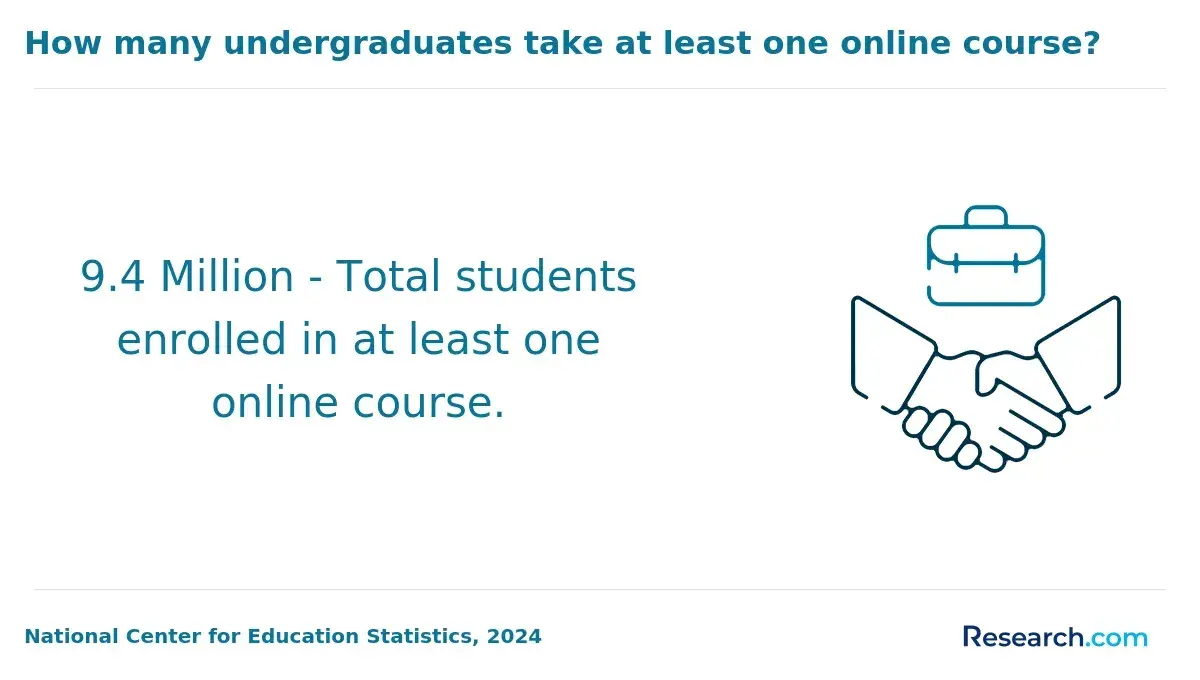
Professionals pursuing online Spanish degrees often confront a mismatch between linguistic proficiency and cultural competence that employers increasingly demand. According to the National Center for Education Statistics, 40% of online learners are adult students balancing work and family, underscoring the necessity for flexible yet comprehensive programs.
This reveals a critical tension: how to acquire deep cross-cultural communication skills remotely while navigating asynchronous coursework and limited immersive interaction. Such gaps can hinder career mobility in education, healthcare, or international business sectors reliant on nuanced Spanish fluency beyond grammar.
This article evaluates online Spanish degree offerings with robust cross-cultural communication training, guiding learners to select programs aligned with practical career advancement and authentic cultural engagement.
Key Things You Should Know
What are online Spanish degrees with cross-cultural training?
Choosing online Spanish degree programs with cross-cultural communication prepares graduates for roles demanding more than language fluency. Employers increasingly seek bilingual professionals who can navigate cultural nuances in complex environments such as international business, healthcare, and education.
For example, a healthcare administrator applying cross-cultural training in online Spanish language studies can reduce costly medical errors by improving communication and patient adherence to treatment among Spanish speakers.
Programs typically include case studies, simulations, and intercultural theory to develop practical skills for real-world scenarios like negotiating contracts with Latin American clients or tailoring marketing to Hispanic audiences. Prospective students must carefully assess whether programs incorporate live cultural immersion or virtual exchanges to ensure practical application rather than solely theoretical knowledge.
Balancing asynchronous coursework with collaborative, culturally interactive projects can be challenging for working professionals but is essential for genuine cross-cultural competence. According to the Bureau of Labor Statistics, bilingual employees with intercultural skills earn a 10-15% wage premium over monolingual peers, highlighting the tangible market value.
However, language-only degrees without intercultural components often restrict graduates to basic translation roles rather than strategic positions requiring nuanced cultural understanding.
Those evaluating educational pathways should consider these tradeoffs and explore practical, accredited options. For a detailed comparison of cost-effective options, see online Spanish degree programs designed to align with workforce realities.
How do you choose an accredited online Spanish program?
Selecting accredited online Spanish degree programs is essential for ensuring that the credential holds weight with employers and licensing bodies. Without regional or national accreditation recognized by the U.S. Department of Education or the Council for Higher Education Accreditation, graduates risk investing time and money in courses that lack transferability and professional credibility.
For example, healthcare professionals needing Spanish proficiency for patient communication must avoid unaccredited programs that could nullify their qualifications in practical settings.
In evaluating options, emphasis on cross-cultural training is often overlooked yet critical. Programs that align with choosing top-rated online Spanish courses with cross-cultural training provide measurable gains in cultural competence, a skillset employers increasingly demand in diverse workplaces. Only about 30% of online language programs integrate these components, limiting their real-world applicability.
Practical application in workforce contexts—such as education, social services, or international business—must be prioritized over rote grammar exercises. Employers look for candidates capable of nuanced communication; diplomatic roles, for instance, require a grasp of cultural protocols rarely addressed in generic programs.
Flexibility in course delivery also matters; asynchronous formats help working professionals maintain progress without sacrificing income or family time. Programs lacking such options often result in longer completion times and higher opportunity costs.
Finally, consider graduate employment outcomes critically. Programs with strong industry links report roughly 15% higher placement within a year. Given the competitive landscape shaped by the highest paying jobs, aligning study choices with real market demand protects both time and financial investment.
Are online Spanish degrees respected by employers and graduate schools?
Employers prioritize online Spanish degrees that combine language proficiency with immersive cultural training, recognizing their stronger alignment with workplace demands. Graduates from programs integrating practical language use and cultural competence improve employability by about 27%, especially in sectors like healthcare and international business where misunderstandings carry significant risk.
For instance, healthcare employers in areas with large Spanish-speaking populations assess candidates 30% higher in language proficiency when their education includes real-world interaction components such as virtual exchanges or service learning.
Conversely, fields like translation and localization demand additional industry certifications beyond an online Spanish degree due to the exacting standards for accuracy and cultural nuance. This distinction affects workforce outcomes, indicating a clear tradeoff between general language education and specialized credentialing.
Graduate schools generally accept accredited online Spanish degrees but often require advanced proof of competency through standardized tests or extra coursework. Candidates lacking demonstrated cross-cultural communication skills may find limited access to competitive research assistantships and internships, narrowing paths in linguistics or international relations.
Prospective students evaluating online Spanish degree value for employers must rigorously verify program accreditation and curriculum depth with particular attention to cultural communication. Supplementing degrees with certification and portfolio development enhances career prospects.
Those navigating educational choices alongside other fields might consider resources on online counseling degrees for comparative planning.
What courses are in an online Spanish degree?
Online Spanish degree courses with a cross-cultural communication focus build proficiency that extends beyond language mechanics to practical intercultural negotiation and conflict resolution skills. Employers prioritize graduates who demonstrate not only linguistic accuracy but also cultural fluency, essential for roles spanning healthcare, social services, and international business.
For example, healthcare professionals must master both terminology and cultural norms to improve patient outcomes, while corporate managers benefit from understanding negotiation styles across Latin American markets to mitigate miscommunication risks.
Core coursework generally integrates advanced grammar, conversational practice, and specialized vocabulary tailored to professional settings. Programs emphasizing intercultural skills also include linguistic studies of phonetics and semantics to handle diverse Spanish dialects adeptly. Translation and interpretation techniques form another practical pillar, reflecting workforce demand highlighted by a 27% increase in bilingual professional roles since 2024.
Operational demands such as synchronous speaking labs and writing workshops require reliable technology and scheduling flexibility, adding complexity for remote learners. Programs often incorporate live interactions with native speakers and real-world case studies, preparing students to apply skills contextually.
Data from the American Council on the Teaching of Foreign Languages in 2024 show bilingual hires with formal cross-cultural training boost retention and workplace integration by over 35%, evidence that this curricular emphasis aligns with employer expectations.
Students weighing this path should consider how to complement language skills with intercultural competence to meet practical job requirements. For more on flexible learning pathways in related fields, look into the answers to "Can you become an architect online?"
How does cross-cultural communication fit into Spanish curricula?
Programs integrating cross-cultural communication with Spanish language study address employer demands beyond grammar proficiency by fostering sociolinguistic competence crucial in global industries. A 2024 report from the National Association of Colleges and Employers finds 83% of international business employers prioritize cultural fluency for negotiation and collaboration, emphasizing soft skills intertwined with language mastery.
For instance, bilingual healthcare professionals must navigate diverse health beliefs among Latinx communities; a nurse working with Caribbean and South American patients, for example, must apply cultural insights to establish trust and effective care.
Similarly, legal advocates require nuanced understanding of client backgrounds to minimize costly miscommunication risks. These realities illustrate that language programs need to embed applied intercultural experiences, such as case studies and community engagement, not merely language drills.
Program challenges include securing instructors competent in intercultural methodologies and maintaining a balance between language and cultural content without sacrificing depth in either. Prospective students should seek evidence of measurable intercultural competence outcomes, such as those aligned with the Intercultural Development Continuum, as graduates without this focus often struggle in roles necessitating diplomacy or transnational teamwork despite bilingualism.
Ultimately, pursuing a Spanish degree with explicit cross-cultural communication training provides learners with distinct operational advantages in workplaces valuing nuanced international interaction and can mitigate employability limitations tied to superficial language instruction.
What admission requirements do online Spanish programs ask for?
Admission to online Spanish degree programs in 2026 generally requires a completed high school diploma or GED, often with official transcripts confirming academic history. While minimum GPA requirements usually hover between 2.5 and 3.0, many institutions are moving away from mandating standardized test scores such as the SAT or ACT, a shift consistent with national trends documented by the National Center for Education Statistics in 2024.
For non-native English speakers, verified proficiency through TOEFL or IELTS remains a practical necessity, reinforcing the expectation that students can navigate complex bilingual environments—an essential skill in sectors such as international business, education, or translation.
Although bachelor's programs rarely demand prior Spanish study or placement exams, graduate admissions frequently do, requiring evidence of writing ability and subject fluency to meet workforce readiness standards.
Applicants should anticipate submitting a personal statement that goes beyond simple motivation, offering detailed articulation of career objectives and relevant language experience. This essay helps admissions committees assess alignment with labor market needs.
Furthermore, letters of recommendation often play an instrumental role for graduate candidates, providing insight into interpersonal skills indispensable for cross-cultural engagement roles.
Timing and accuracy in submitting digital documents remain critical: missing deadlines set 30 to 60 days before term start dates can delay enrollment and limit access to financial aid, a dynamic supported by U.S. Department of Education data linking punctual applications to timely graduation.
How long does an online Spanish degree take and cost?
Completing a bachelor's degree in Spanish generally requires three to four years at a full-time pace, but accelerated tracks can reduce this to around two years by increasing course loads. Part-time options suited for working professionals, however, often extend the timeline to five years or more, highlighting a significant tradeoff between speed and manageability.
Cost differences are substantial: public universities charge approximately $5,000 to $15,000 annually for in-state students, with out-of-state tuition often doubling that figure; private institutions typically range from $20,000 to $40,000 per year.
The integration of cross-cultural communication within most Spanish programs adds complexity, requiring additional credits that increase both program length and expense but enhance employability in globalized sectors. Employers in international business and government expect candidates to deliver not just language fluency but also cultural adaptability—an element critical for roles like translation focused on Latin American markets, where dialects and customs vary widely.
Additional practical costs such as digital platform fees, language lab access, and travel for immersive learning should be anticipated. Balancing work while studying or pursuing certifications can cause delays, underscoring the importance of selecting programs aligned with career timelines and financial planning.
According to National Center for Education Statistics data in 2024, average total expenses over four years reach about $45,000 for in-state and $75,000 for out-of-state students at public universities.
What jobs can you get with an online Spanish degree?
Graduates with an online Spanish degree face a competitive market where language skills alone are insufficient without cultural competency and relevant certifications. For example, the healthcare and legal sectors demand interpreters who not only translate accurately but also understand nuanced cultural contexts. The U.S. Bureau of Labor Statistics projects a 23% growth in interpreter and translator employment through 2034, driven by this sophisticated demand.
Bilingual professionals also find roles in international business and marketing, where adapting messaging for Latin American markets requires expertise in both language and cultural strategy. Missteps in this area can translate into significant financial losses, making cultural fluency as important as language proficiency.
Positions in education, such as bilingual teaching or tutoring, provide steady opportunities but often require additional pedagogical training and sensitivity to demographic shifts noted by the National Center for Education Statistics. Similarly, government and nonprofit roles focused on immigrant and refugee services hinge on culturally informed communication to deliver effective advocacy and social work.
Practical considerations include obtaining translator certifications like ATA and pursuing internships or practicum experiences to bridge the gap between academic knowledge and workplace demands. Without these, graduates risk being outperformed by native speakers or credentialed professionals.
What salaries do Spanish degree careers pay?
Salary outcomes for careers involving Spanish degrees integrated with cross-cultural communication vary widely by sector and role, directly tied to the practical application of both language and intercultural skills. For instance, bilingual educators and language specialists tend to earn about $52,000 annually, whereas translators and interpreters earn closer to $64,000.
Corporate jobs in international business or marketing typically offer salaries exceeding $70,000, demonstrating a premium for blending language skills with cultural fluency.
Healthcare and legal employers emphasize Spanish proficiency coupled with cultural competence, offering between $50,000 and $80,000 depending on expertise and specialization. Conversely, roles focused solely on translation without cross-cultural abilities usually fall at the lower end of salary scales. Government and nonprofit positions serving immigrant or community outreach needs start near $45,000 but can grow with advanced qualifications.
Key workforce considerations include:
- Merely speaking Spanish is insufficient; measurable cross-cultural communication skills substantially enhance earning potential, especially in healthcare administration and client-facing roles.
- Geographic location matters—urban areas with larger Hispanic populations provide higher salaries than rural regions.
- Long-term stability requires combining language proficiency with sector-specific credentials or applied experience rather than relying on general Spanish studies.
Failure to cultivate practical cultural communication skills restricts salary growth and job security, underscoring the necessity for students and professionals to prioritize integrated training frameworks focused on real-world employer expectations.
Do Spanish careers require certification or licensure?
Certification in Spanish-related careers is often optional but can be decisive in regulated roles that demand verified expertise. For instance, professional interpreters and translators who secure credentials like those from the American Translators Association signal reliable proficiency and access higher-value contracts.
Educators teaching Spanish at secondary or postsecondary levels face licensure requirements varying by state, making credentials indispensable for classroom employment.
In healthcare, certification such as the Certified Medical Interpreter credential is frequently mandated to comply with regulatory standards and support culturally competent care, a workplace expectation rather than a casual advantage.
Conversely, fields like international business or diplomacy lack formal Spanish licensing but emphasize advanced degrees that combine language and intercultural competencies to demonstrate readiness for global roles.
Prospective candidates should weigh these practical realities before committing to certification pathways:
- Confirm if target positions explicitly require credentials such as teacher licensure or certified interpreter status.
- Anticipate additional costs and time for preparation, including coursework and exams.
- Understand that uncertified fluency may restrict advancement, especially in regulated sectors.
- Factor in potential salary increases, as specialized certification can raise earnings by 10-20% according to the 2024 National Language Service Corps study.
Other Things You Should Know About Spanish
Online Spanish programs can deliver comparable language proficiency but often fall short in immersive cross-cultural interaction compared to in-person settings. Without direct access to native speakers or cultural immersion activities, students must seek supplemental experiences to develop practical cross-cultural communication skills. Prioritizing programs that integrate live virtual exchanges, cultural simulations, or partner with international institutions can help bridge this gap and improve real-world readiness.
The balance between fluency and cultural competency depends on your career goals. If you aim for roles heavily reliant on nuanced interpersonal skills, like diplomacy or social work, prioritize programs with strong cultural training. For translation, interpretation, or technical language jobs, language mastery is often more critical. Ideally, choose a program offering foundational fluency and targeted cultural competency to maintain flexibility across different Spanish-speaking work environments.
Most online Spanish programs teach standardized or Castilian Spanish, which may limit exposure to regional dialects common in Latin America. This can create challenges in workplaces requiring interaction across diverse Spanish-speaking populations. Students targeting roles in specific regions should seek programs offering specialized courses or electives focused on relevant dialects and local communication norms to ensure practical adaptability in the field.
References
- Top Career Paths You Can Explore With a Spanish Degree | UT Permian Basin Online https://online.utpb.edu/about-us/articles/spanish/top-career-paths-you-can-explore-with-a-spanish-degree
- Online Spanish Classes https://interculturacostarica.com/online-spanish-classes/
- Best Online Spanish Degrees https://www.onlineu.com/degrees/spanish
- Spanish Bachelor's Degree https://northern.edu/degrees/spanish-bachelors-degree-online
- Online High School Courses Offered in Español and English https://citizenshighschool.com/course-pathways/online-high-school-espanol-courses/
- (Top 7) Best Online Spanish Language Courses - 2024 https://www.thespanishexperiment.com/review
- What Training Do You Need to Become a Spanish Teacher? https://www.superprof.ca/blog/get-right-education-teach-spanish/
- Cross Cultural Communications - Interpreter Training https://cultureandlanguage.net/
- What does license and certification mean on a job application? https://quillbot.com/blog/frequently-asked-questions/what-does-license-and-certification-mean-on-a-job-application/
- Spanish online higher education: a growing product - Finenza https://www.finenza.com/spanish-online-higher-education-a-growing-product/