2027 Best States for Spanish-Degree Career Growth

Co-Founder and Chief Data Scientist
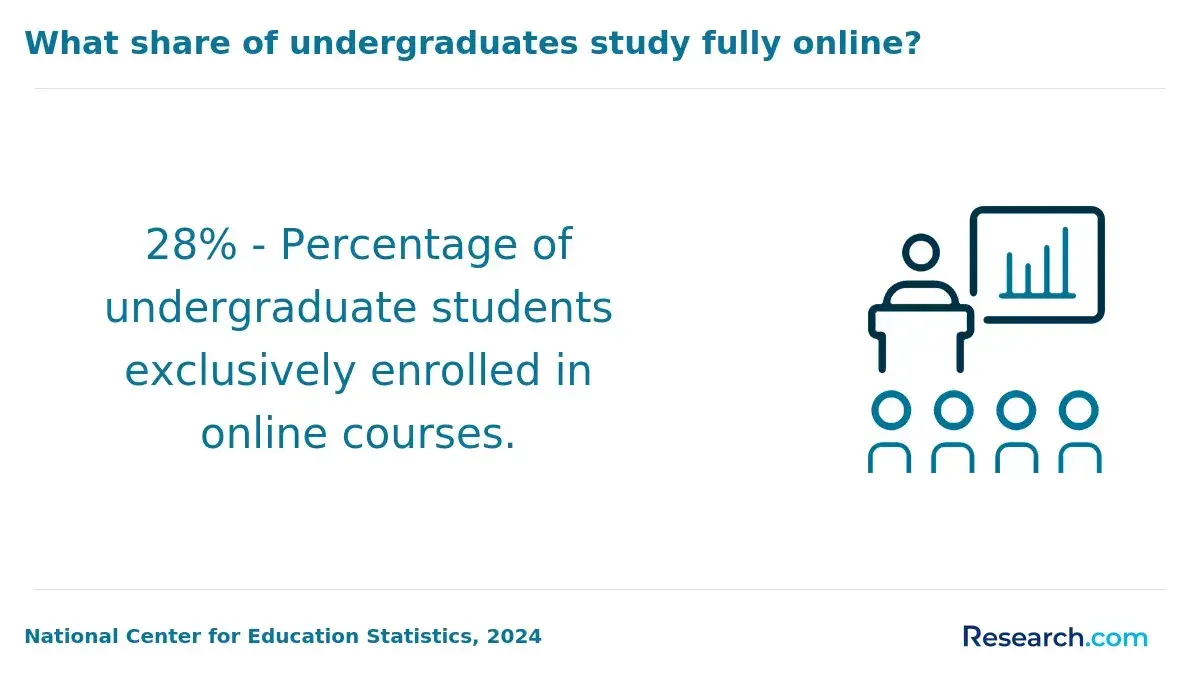
Facing the challenge of effectively launching or advancing a career in Spanish studies often hinges on selecting a state that balances program availability, regional demand, and workforce integration. With over 65% growth in remote or hybrid learning options for language degrees reported by the National Center for Education Statistics in 2024, accessibility has shifted dramatically, but this flexibility can complicate decisions about where to live and work post-graduation.
Geographic differences in employer demand and graduate outcomes mean that simply earning a degree isn't enough; strategic location choice deeply influences career trajectory. This article identifies the states offering the strongest opportunities for Spanish-degree holders, helping readers optimize their educational investments for tangible career growth.
Key Things You Should Know
- States with higher demand for Spanish-speaking professionals, like California and Florida, show 15%-20% wage premiums in healthcare and education, but require verified bilingual certification, limiting late-career entrants, per U.S. Bureau of Labor Statistics 2024 data.
- Employers increasingly link Spanish fluency to cross-cultural competency; regions with diverse Hispanic populations report 25% faster promotion rates for language-skilled workers, creating strategic advantages but variable by sector.
- Cost disparities in Spanish degree programs across states affect time-to-degree; Texas offers affordable public options enabling faster workforce entry, whereas Northeastern states' higher tuition delays career transitions, influencing ROI calculations.
Which U.S. states currently offer the strongest career growth for Spanish degree graduates?
California, Texas, Florida, and New York represent distinct strategic choices for those targeting strong growth in the Spanish degree job market. These states, noted among the top states for Spanish degree career advancement, capitalize on large Hispanic populations and industry demands that require bilingual fluency.
Between 2010 and 2024, job postings requesting bilingual workers rose 31%, with Spanish-English bilinguals experiencing the steepest demand, per the New American Economy research fund.
California's healthcare and education sectors prioritize Spanish fluency, especially in urban centers like Los Angeles and San Francisco, where communication gaps critically impact service quality. Texas offers a contrasting but complementary advantage: a lower cost of living with sustained demand in government, social work, and customer-facing roles in cities such as Houston. Choosing between these requires balancing salary potential against living expenses and sector stability.
Florida's hospitality-driven roles value Spanish skills but pose cyclical employment challenges tied to tourism patterns. New York's emphasis on translation, legal interpretation, and international business presents specialized opportunities, though high living costs can undermine relative salary growth. Graduates should weigh local industry strength and cost implications carefully, matching Spanish fluency with specialized certifications or relevant experience to maximize outcomes.
The leading U.S. regions for Spanish degree job growth reflect diverse economic profiles and workforce needs, underscoring the necessity of nuanced decision-making for sustainable career paths. Prospective students exploring practical education options may find value in exploring 2-year accelerated bachelor degrees online as a way to quickly position themselves for these competitive markets.
How do salary ranges for Spanish-related careers compare by state and metropolitan area?
Salary differences in spanish-related careers are closely tied to geographic location, demanding careful consideration of both regional market conditions and cost of living. Metropolitan areas in Texas, California, and Florida dominate bilingual job postings, making up over 40% of the demand for Spanish-English talents, which directly influences earning potential and role availability.
Entry-level bilingual customer service positions in Miami typically start between $35,000 and $45,000 annually, contrasting with $28,000 to $36,000 in smaller metros like Tucson or Albuquerque.
Specialized roles, such as healthcare navigators or legal interpreters fluent in Spanish, command $55,000 to $80,000 in California's urban centers but often pay 15-25% less in less populated regions due to funding and market constraints. This regional disparity is a key factor when evaluating a Spanish degree salary differences by state and metro area.
In Texas, diverse sectors including education, healthcare, and government actively seek bilingual professionals, offering median salaries between $50,000 and $70,000 in cities like Dallas and San Antonio. However, smaller metro areas with limited Spanish-speaking populations provide fewer positions and slower advancement, complicating long-term earnings growth and career sustainability.
Prospective students analyzing earnings comparison for spanish-related careers across regions must weigh higher salaries and competition in primary markets against the flexibility and multi-skill requirements in secondary markets. Combining a Spanish-related credential with additional qualifications can be crucial for maintaining competitive compensation.
For those considering options, exploring business degrees online may offer flexible pathways to supplement language skills with complementary fields, enhancing employability in diverse regional markets.
What is the job outlook for Spanish majors in high-demand industries and regions?
Proficiency in Spanish significantly enhances employability in states with growing Hispanic populations, yet language skills alone rarely guarantee career progress. Spanish degree career opportunities in top states such as California, Texas, Florida, New Mexico, and Arizona depend heavily on combining bilingualism with industry-specific certifications or expertise within healthcare, education, and public sectors.
For example, healthcare roles demanding Spanish fluency-patient advocates or medical interpreters-also require specialized healthcare knowledge to reach mid-to-senior levels.
Beyond language, practical tradeoffs include geographic mobility toward high-demand urban hubs like Miami, Houston, and Chicago, and supplementing skills in management or technical domains for advancement in customer service or government jobs. Spanish majors benefit from structured pathways integrating internships and community networking to capitalize on job growth for Spanish majors in high-demand U.S. regions.
Employers value bilingual candidates who can bridge cultural and communication gaps while navigating distinct sector requirements.
Salary premiums up to 20% over monolingual peers reflect the competitive advantage bilingual employees hold. However, aspiring professionals should evaluate how regional demographics and sector growth align with their professional objectives and willingness to acquire complementary credentials.
Students and professionals considering a pivot toward Spanish-related careers may also explore interdisciplinary options like an engineering online degree to diversify skills applicable in bilingual technical environments.
Which types of Spanish degrees best align with state-specific workforce needs?
Aligning Spanish degrees with state-specific workforce demands is critical for maximizing employability, particularly in sectors where nuanced language skills intersect with specialized industry knowledge. For example, states such as California and Texas prioritize graduates with Spanish medical interpretation credentials embedded in their degrees to meet healthcare sector compliance and overcome patient communication barriers.
Conversely, New York and Florida emphasize legal and court interpretation programs, requiring fluency in specialized terminology and certification readiness to fulfill government needs.
Degrees centered solely on literature or general linguistics provide solid language foundations but often miss alignment with high-demand employment sectors. The projected 20% growth in interpreters and translators from 2023 to 2033 by the U.S. Bureau of Labor Statistics favors programs that integrate practical certifications, especially those recognized by state agencies.
Combining Spanish fluency with relevant credentials is a practical strategy for capitalizing on the best Spanish degree programs for state workforce demands.
Employer expectations illustrate variability reflective of regional economies: healthcare institutions require cultural competency and medical vocabulary, while Illinois corporate sectors seek translation skills applicable to business communication, marketing, and regulatory compliance. This landscape discourages broad degree choices in favor of targeted, sector-aligned curricula.
When evaluating top Spanish degrees aligned with regional career opportunities, students must consider certification transferability and degree applicability to local industry legislation-such as bilingual education mandates in New Mexico that emphasize pedagogy. These disparities underscore the necessity of strategic educational decisions focused on sustained certification maintenance and detailed market alignment.
Prospective candidates should also review cost and duration factors carefully; for insight into related fields, the MS in digital marketing degree cost tuition fees may offer a comparative framework for evaluating investment versus career outcomes.
How do online and campus-based Spanish programs differ for career advancement?
Choosing between online and campus-based Spanish programs hinges on the specific professional goals and the nature of employer expectations in language-related careers. Online programs offer flexibility and speed, suitable for working professionals seeking credentials without disrupting employment.
They emphasize asynchronous learning and digital tools to build language skills, yet often lack immersive cultural experiences and frequent faculty interactions essential for roles demanding nuanced cultural competence.
Campus programs, by contrast, integrate immersive elements such as study abroad, live language labs, and face-to-face seminars. These experiences matter significantly in fields like academia, diplomacy, or translation, where interpersonal skills and networking influence hiring decisions. Postsecondary employers routinely prefer candidates with demonstrated classroom leadership or cultural immersion facilitated by physical campus resources.
For example, foreign language and literature instructors often require terminal degrees involving research and teaching practicums. Campus routes are better equipped to provide mentorship and access to research tools integral to meeting these standards. According to College Raptor's 2025 outcomes data and UTPB's 2024 salary summary, these positions offer median salaries near $88,000, underscoring the premium on advanced qualifications.
Tradeoffs persist: online pathways can reduce costs and accelerate timelines but may require supplemental internships or workshops to remain competitive. Campus programs generally require more time and money upfront but typically yield stronger career support aligned with workforce demands.
What should students look for in accredited Spanish programs in top-growth states?
Accredited Spanish programs that emphasize applied interpretation and practical language services more effectively align with employer needs than those focused solely on academic linguistics. Government and public service sectors, experiencing nearly double demand for Spanish-English bilingual workers since 2010, prioritize candidates who demonstrate legal, medical, and cultural fluency combined with real-world readiness.
Programs offering hybrid or asynchronous formats cater to working adults balancing multiple commitments, especially in states with high labor market demand. Partnerships with healthcare providers, nonprofits, or municipal agencies facilitating internships or practica provide crucial hands-on experience. For example, a student working in a nonprofit's outreach department develops bilingual communication skills that significantly increase employability over classroom-only credentials.
Prospective students should closely evaluate program outcomes focused on employment rates within Spanish-related fields rather than generic graduation statistics. Credentials lacking applied language services training often constrain access to roles in education, healthcare, and social work.
Institutions updating curricula with digital translation tools and multilingual customer support prepare graduates for evolving job markets; failure to do so results in outdated skills and limited career mobility.
Key considerations include:
- Practical curriculum integrating legal and medical terminology
- Flexible modalities for working professionals
- Internship opportunities with relevant local agencies
- Demonstrable graduate employment in Spanish-related roles
- Inclusion of current digital translation and bilingual data management skills
These factors collectively impact long-term career stability in sectors demanding bilingual expertise.
How do tuition, financial aid, and return on investment vary by state for Spanish majors?
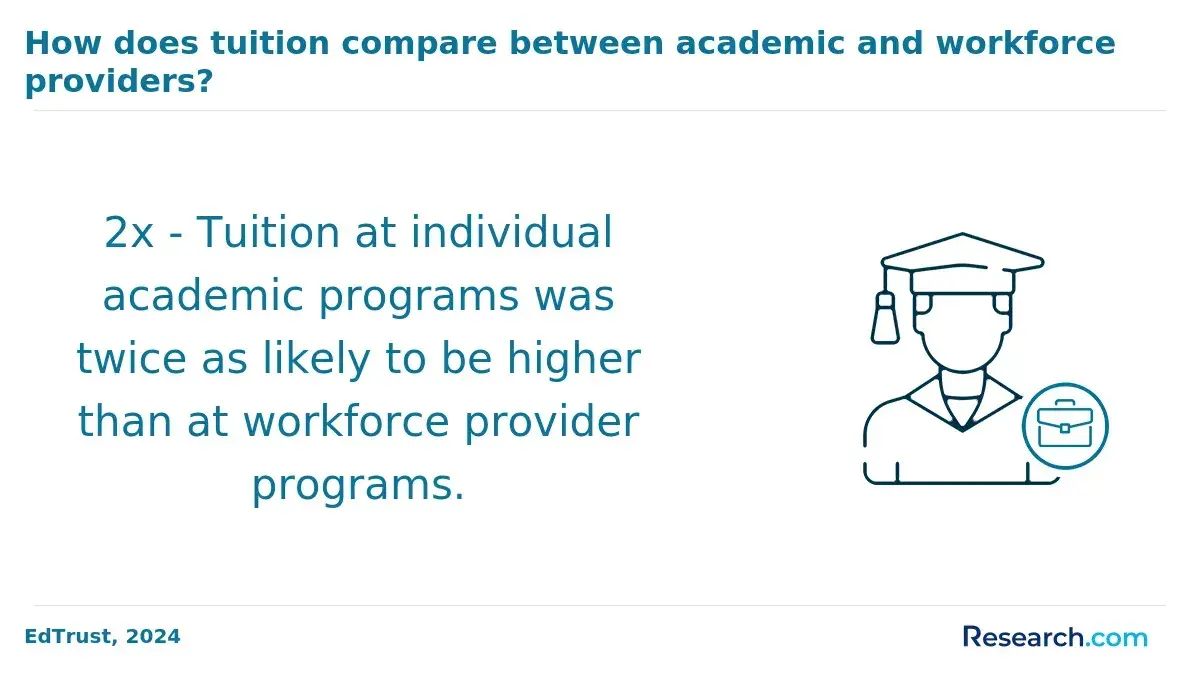
Tuition and financial aid landscapes for Spanish majors reveal a complex balance between upfront costs and long-term return on investment shaped by regional economic dynamics. Public universities in states like Texas and Florida typically charge between $7,000 and $12,000 annually for in-state students, while private colleges often exceed $30,000 in tuition.
However, states with substantial Hispanic populations and robust trade ties to Latin America, such as Texas, provide targeted scholarships and grants that reduce net expenses for bilingual students.
Where students study significantly affects their early career earnings. In Texas, with U.S. trade with Latin America exceeding $1.2 trillion in 2024, Spanish majors frequently enter international business and logistics roles paying $55,000 to $80,000, leveraging local employer demand. Conversely, graduates from states with limited cross-border commerce often face starting salaries below $45,000, forcing relocation or acceptance of lower-paying jobs.
Key considerations for prospective students include:
- Comparing net costs after financial aid rather than just tuition sticker prices
- Assessing regional job markets for bilingual professionals within sectors like trade, sales, and logistics
- Recognizing the tradeoff between slightly higher tuition in states with strong Latin American commerce versus weaker salary prospects elsewhere
A realistic evaluation of these factors is crucial for those aiming to optimize their educational investment against career outcomes when pursuing a Spanish degree.
What core courses and concentrations support the strongest Spanish-related career outcomes?
Programs centered on Spanish language proficiency paired with specialized sector knowledge produce the most direct career advantages, especially in healthcare, where demand has surged by over 40% in a decade, according to Language Testing International's 2024 report. Students focusing on healthcare Spanish and patient communication gain an operational edge in environments that require exact understanding to minimize errors and improve outcomes.
Decisions between broad cultural studies and pragmatic skill-building are pivotal. For instance, prioritizing medical terminology and interpretation practicums over general literature better aligns with employer expectations for immediate workplace readiness in hospitals and clinics. Similarly, targeted legal Spanish and intercultural negotiation skills offer higher value in law enforcement and social services sectors.
Certification tracks, such as medical interpretation credentials, enhance employability by validating applied skills critical to public and private sector roles. However, these paths often require balancing additional certification efforts outside traditional academic programs. Purely academic concentrations may restrict access to higher-wage roles where recognized proficiency exams are a hiring prerequisite.
Effective course design integrates applied linguistics with professional certification pathways to address evolving workforce demands. Students and professionals must weigh depth of knowledge against certification readiness, ensuring strategic selections maximize both practical fluency and sector-specific competence for sustainable positioning in 2026 job markets.
Which Spanish careers require additional licensing or certification, and how do requirements differ by state?
Licensing and credentialing fundamentally shape career options for those working in Spanish with direct client interaction, such as medical or legal interpreting and teaching. These roles require navigating complex, state-specific certification systems that impact hiring criteria and long-term employability.
For example, a medical interpreter in California must secure credentials from the Certification Commission for Healthcare Interpreters plus continuing education, while legal interpreters face differing requirements-California demands Judicial Council certification specific to Spanish, whereas Texas utilizes an oral and written exam through its Court Interpreters Program.
Teaching Spanish in K-12 public schools invariably involves state-issued licenses with language endorsements, though the necessary exams vary, as illustrated by Florida's Spanish Subject Area Examination compared to Illinois's combined ESL and Spanish certification. These regulatory layers impose significant upfront time and cost barriers but offer more structured, stable career trajectories.
Conversely, roles such as business process outsourcing (BPO), customer support, and freelance translation operate largely outside formal licensing, allowing quicker entry and geographic flexibility but introducing income variability and competitive market challenges. Glassdoor India data reflects that Spanish-skilled workers in remote sectors earn an average ₹4-5.2 lakh annually, with top specialists earning beyond ₹15 lakh, underscoring income potential without credentialing hurdles.
Choosing a pathway requires weighing tradeoffs: regulated positions promise stability but demand certification investment, whereas remote, less regulated opportunities enable immediacy with less predictability. Candidates should align decisions with their tolerance for credentialing effort, income security preferences, and professional goals.
How can students compare and choose between Spanish programs in multiple high-growth states?
Selecting a Spanish degree program requires assessing local labor markets and graduate outcomes rather than relying solely on rankings or brand name. For instance, graduates starting at an average of $40,300 with mid-career salaries near $62,000 reflect a practical baseline for ROI against tuition costs. Programs aligned with regional demand-such as healthcare translation prevalent in California or bilingual education roles dominant in Texas-offer clearer pathways to employment.
Students should analyze curricula for certifications in cultural competency or specialized fields to meet employer expectations in high-immigrant states. States expanding public service or international business roles provide more structured internship and networking opportunities, critical for breaking into the workforce.
Consider these operational factors when deciding:
- Residency-based tuition advantages and scholarship availability that reduce financial barriers
- The tradeoff between distance learning convenience and the reduced access to local employer connections
- Program relationships with employers demonstrated through graduate employment rates
For example, a student focused on government interpretation roles in Florida should prioritize programs offering legal and community interpreting skills rather than broad literary studies. Incorporating labor market data into program selection ensures students align their education with realistic career trajectories and regional employer demand.
Other Things You Should Know About Spanish
A Spanish degree offers skills beyond teaching and translation, including cultural competency, critical thinking, and communication abilities valued in business, healthcare, social services, and government roles.
However, employers in non-language-specific sectors often expect additional qualifications or experience related to industry-specific skills. To maximize career options outside traditional Spanish roles, prioritize programs with interdisciplinary coursework or internships connected to sectors like international business or healthcare.
Employers typically value advanced language proficiency for roles in interpretation and translation, whereas cultural studies strengthen competencies needed in diplomacy, education, or social work. Students focused on immediate job placement in language-dependent roles should prioritize programs with rigorous speaking, listening, and writing requirements.
Those targeting broader career paths may benefit from integrated cultural, historical, and political studies to demonstrate contextual understanding alongside language skills.
Programs with a balanced workload that includes practical language use, research, and applied projects produce graduates better prepared for real-world demands. Extremely heavy theoretical or literature-focused courses without communicative practice can limit readiness for professional roles requiring fluent interaction.
Evaluate programs for those incorporating internships, interactive labs, or community engagement to build applicable skills and reduce the gap between academic theory and workforce expectations.
In 2027, states such as California, Texas, and Florida offer robust career opportunities for Spanish degree holders. These states have diverse populations and high demand for bilingual professionals in sectors like education, healthcare, and international business, providing ample career growth potential.
References
- Most Accredited Spanish Language School in Mexico - Learn Spanish with Us https://www.learnspanish.com.mx/accreditations/
- The Best Spanish Language Schools in the United States | Go Overseas https://www.gooverseas.com/language-schools/spanish/united-states-america
- Accredited Online High School Spanish Courses | Sterling Academy https://www.sterling.academy/accredited-virtual-high-school-spanish-curriculum/
- Careers That Require a Certification or License https://www.columbiasouthern.edu/blog/blog-articles/2025/february/jobs-careers-require-license-certification/
- Amazing career paths and jobs for Spanish majors - Learn languages with italki https://www.italki.com/en/blog/jobs-for-spanish-majors
- 10 Reasons to Attend an Accredited Spanish School in Spain https://www.speakeasybcn.com/en/blog/why-attend-accredited-spanish-school-in-spain