2027 Online Spanish Degrees With Strong Global Communication Training

Co-Founder and Chief Data Scientist
Professionals aiming to excel in global markets quickly realize that mastering Spanish alone no longer suffices; they must demonstrate advanced communication skills tailored to multicultural contexts. A recent National Center for Education Statistics report showed a 30% surge in online degree enrollment among adult learners from 2022 to 2024, signaling growing demand for accessible, flexible programs that accommodate working professionals' schedules.
Yet, many find degree programs lack integrated training in intercultural communication, limiting post-graduation workplace impact and career mobility. This article identifies online Spanish degree options emphasizing global communication strategies, guiding learners to programs that align with evolving employer expectations and real-world professional demands.
Key Things You Should Know
- Data from the Bureau of Labor Statistics shows limited direct employer demand for online Spanish degrees with global communication focus, favoring bilingual technical or healthcare skills-candidates must weigh this against longer time-to-employment due to niche specialization.
- Employers increasingly require digital intercultural competence alongside language proficiency, yet many programs underdeliver on applied communication training, creating a skills gap between graduates and industry needs in multinational contexts.
- Cost analyses indicate that accelerated online Spanish degrees with integrated communication modules average 15-20% higher tuition, challenging candidates to balance upfront investment against long-term career gain amid evolving workforce globalization trends.
What should students look for in an online Spanish degree with strong global communication training?
Programs delivering value beyond basic fluency integrate language proficiency with cross-cultural communication and applied global contexts. A marketing manager fluent in Spanish for Latin America but lacking intercultural communication skills risks costly misunderstandings. Conversely, professionals trained in both areas generate measurable business impact through effective negotiation and messaging adaptation. This distinction highlights why students must evaluate Spanish degree programs with global communication focus rather than those centered solely on grammar or literature.
Robust online Spanish courses emphasizing intercultural communication skills incorporate studies on cultural norms, international business communication, and regional digital media. Equally important are opportunities for live interaction and simulation exercises, which build practical skills needed in real-world multinational settings. While asynchronous modules benefit working professionals, they must be paired with immersive, synchronous practice to maintain competency.
Data from Forbes via Sophia Learning shows multilingual global communicators earn 19% more than monolingual peers, and 40% of respondents considered language skills decisive in hiring. Such statistics reinforce employer demand for graduates proficient not only in Spanish but also in intercultural communication. Students should verify program accreditation, alumni outcomes, and alignment with career goals when reviewing options. For those assessing program length and cost, see online Spanish degree resources for practical comparisons.
How do online Spanish degrees compare with campus programs for language and cultural immersion?
Online Spanish degrees can match campus programs in linguistic proficiency but do not fully replicate the cultural immersion essential for global communication roles. Campus-based study offers direct interaction with native speakers, study abroad options, and cultural events that embed language use within real-world contexts-critical for developing cultural agility that employers in diplomacy and international business prioritize.
For workers pivoting into fields like international relations, where Spanish ranks as the second most used language according to LinkedIn's 2024 language-in-the-workplace analysis, campus immersion accelerates idiomatic fluency and pragmatic communication. The effectiveness of online Spanish language immersion in global communication is limited because virtual environments rarely provide spontaneous conversational exposure or community networking, slowing the development of nuanced interaction skills.
That said, online programs offer flexibility, often incorporating virtual exchanges or synchronous conversation labs, which help professionals balance education with ongoing careers. Yet this convenience trades off critical cultural exposure, which can curb job readiness in sectors demanding immersive understanding. To compensate, online students should actively pursue internships with Spanish-speaking organizations, travel, or local meetups to close immersion gaps.
Students evaluating academic options should weigh these tradeoffs, especially when considering degrees in fields that lean on cultural competence rather than language alone. For those also interested in broader quantitative skills, exploring a mathematics online degree may complement language expertise with analytical capabilities crucial in many global roles.
Which types of accreditation matter most for U.S. online Spanish degree programs?
The defining factor for U.S. online Spanish degree programs is whether the institution holds regional accreditation, which influences acceptance by employers and graduate schools. Regional accreditation is critical for students seeking certifications in specialized fields such as healthcare interpreting or corporate communications, where credential legitimacy directly affects federal certification eligibility and workforce mobility. Programs with solely national or program-specific accreditation might limit credit transferability and impede future interdisciplinary career shifts.
Regional and national accreditation in online Spanish degree courses serve different purposes: regional accreditation sets the foundational institutional credibility, while national or specialized language accreditations may supplement but not replace this baseline, especially in hiring scenarios dominated by interpreting and translation employers.
Employer preference heavily favors degrees from regionally accredited institutions, particularly in sectors where practical Spanish communication and translation skills align with job demands. Key considerations for students include whether programs incorporate applied training like simulated interpreting, which markedly influences job readiness versus purely theoretical curricula.
According to data cited by OnlineU, interpreters and translators with Spanish skills earned a median annual wage of $59,440, well above the national occupational median, reaffirming that accreditation and curriculum quality bear directly on earning potential and employability. For those balancing affordability and quality in selecting a program, reviewing the best affordable online colleges can highlight options that meet rigorous accreditation standards without sacrificing practical outcomes.
What courses and specializations focus on global communication in online Spanish degrees?
Proficiency in global communication within online spanish degree programs with communication skills training requires more than fluency; programs must address diverse dialects, intercultural negotiation, and sector-specific communication challenges. Graduates targeting roles in multinational corporations or government agencies benefit from curricula integrating practical language use with digital platforms common to Spain and Latin America.
Key workforce implications include employer demand for bilingual professionals adept in cross-border dialogue and media analysis. Notably, programs emphasizing real-world applications, such as internships or project-based assignments in global contexts, distinctly improve readiness for competitive positions in diplomacy, marketing, or international advocacy. Without these components, theoretical learning alone rarely suffices.
Specializations enhance this by focusing on translation tools and cultural nuances critical to transnational communication management. However, students should weigh trade-offs in program design, including the depth of cultural specialization versus broad linguistic proficiency, when planning career pivots.
Cost considerations are equally important. For instance, Liberty University reports that in the last 10 years its online tuition has increased by less than 5%, positioning it in the top 35% for affordability among peers in 2025. This stability can impact long-term ROI for students balancing quality global communication training with financial constraints.
For those comparing educational investments in specialized fields, referencing the cost and structure of animal science degrees online may offer valuable parallel insights into managing tuition expenses versus career outcomes.
What are the typical admission requirements for online bachelor's and master's Spanish programs?
Admissions criteria for Spanish bachelor's and master's programs reveal tradeoffs impacting both access and long-term employability. Bachelor's applicants commonly face minimum GPA thresholds near 2.5 to 3.0, combined with proof of English proficiency and sometimes standardized tests like the SAT or ACT, though some institutions now waive these in line with test-optional trends. The requirement to demonstrate language aptitude via placement exams directly influences academic pacing and readiness for advanced coursework, often complicating timelines, especially for international students needing credential evaluations.
Master's admissions are more stringent, prioritizing a related bachelor's degree, a GPA above 3.0, and relevant preparatory coursework in areas such as Spanish grammar or communication theory. Submitting a targeted statement of purpose plus academic or professional recommendations is essential, alongside GRE scores, although waivers exist based on experience or prior performance. These layers filter candidates toward roles demanding intercultural competence and research ability rather than mere language proficiency.
Practical considerations extend beyond admissions. International credential processing delays and language assessments can disrupt application timing, emphasizing the value of programs offering asynchronous or part-time formats for working professionals. A rising number of online options-33 distance-learning Spanish degrees worldwide and 21 online master's communication programs in Spain-introduce intensified competition and elevate admission standards.
Ensuring accreditation and articulation agreements is critical to securing credit transferability and labor market value, particularly for professionals integrating Spanish language skills with global communication demands.
How long do online Spanish degrees take and what do they typically cost?
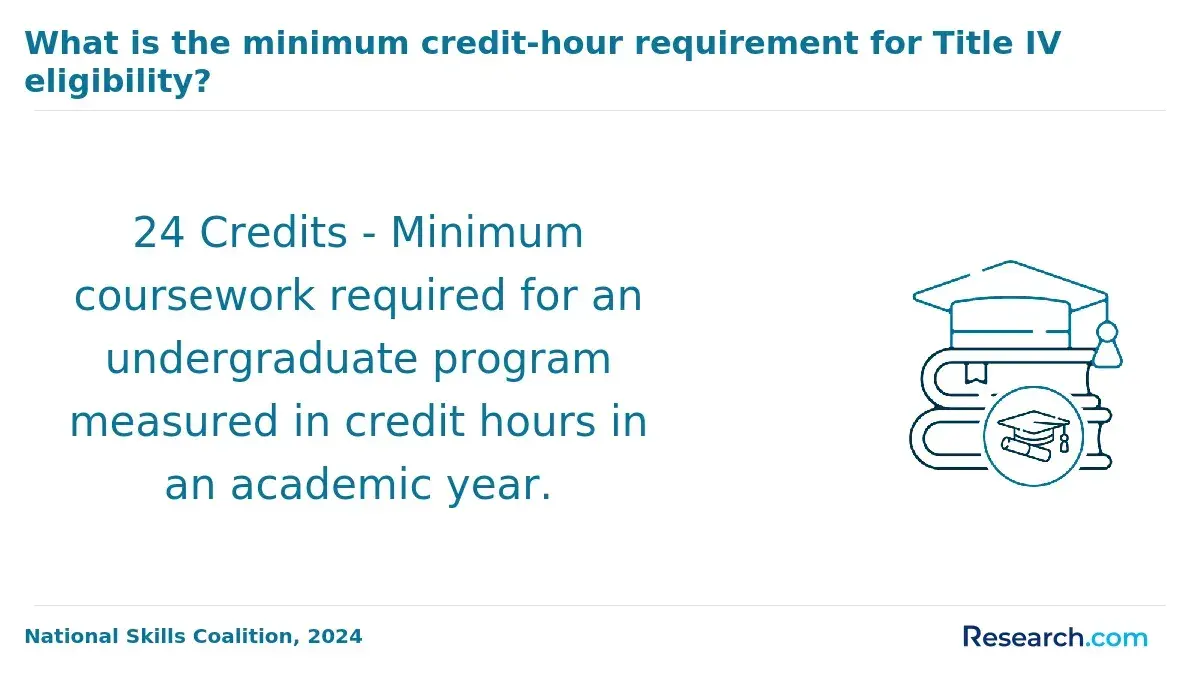
Choosing between associate, bachelor's, and accelerated online Spanish degrees requires weighing distinct tradeoffs in depth, duration, and workforce relevance. Associate degrees typically span two years with about 60 credit hours, offering a quick foundation suitable for immediate skill application but limited cultural or linguistic breadth. Bachelor's degrees demand closer to 120 credit hours and four years full-time, though this can shorten to three with continuous study or transfer credits, furnishing a more comprehensive understanding essential for roles requiring strategic language use and cross-cultural competencies.
Accelerated bachelor's options promise completion within 18 to 24 months, yet their intensity challenges working professionals balancing other responsibilities. Cost differences also affect decision-making:
- Public schools charge $150-$400 per credit hour for residents, totaling roughly $18,000-$48,000 for a bachelor's degree.
- Private institutions exceed $400 per credit hour, with totals reaching $120,000.
- Associate degrees at community colleges may start near $6,000 overall.
Employers emphasize language proficiency aligned with global communication demands: 61% of multilingual employees recognize Spanish speaking as career-enhancing, while 79% would learn additional languages for employment opportunities. For example, a marketing professional targeting international growth must balance the associate's quicker completion against the bachelor's richer curriculum, which better supports roles involving nuanced cultural insights and international client engagement.
What career paths can an online Spanish degree with global communication skills support?
Proficiency in Spanish combined with global communication skills shapes a distinct profile valued by multinational employers and international agencies. For instance, a business development manager fluent in Spanish and English can effectively extend a U.S. company's market presence in Latin America by adapting messaging to cultural and regulatory specifics-an ability that goes beyond basic language proficiency and is actively sought in candidates.
Such degrees integrate linguistic mastery with cultural competence and communication theory, addressing employer demands for professionals capable of nuanced message crafting across diverse media and contexts. Graduates often enter sectors like international business, diplomacy, nonprofit coordination, and global marketing, where bilingualism is a baseline and practical intercultural skills determine effectiveness.
The cost disparity in programs-for example, Blanquerna's €13,500 annual tuition for international students versus €9,000 locally-signals a premium on these competencies but also requires careful consideration of return on investment, given the specialized focus and market positioning.
Students should recognize that bilingual ability alone rarely secures roles without supplementary credentials or industry experience to demonstrate cultural insight and professional readiness. Pay premiums in areas such as international trade hover around 10-15%, but these gains depend heavily on combining language skills with immersive experiences, internships, or hybrid learning models.
What salary ranges and job outlook can graduates with advanced Spanish communication expect?
Graduates proficient in advanced Spanish communication face a broad salary range, from approximately $45,000 to over $85,000 annually, heavily influenced by job specialization and sector. Roles such as translators, interpreters, and bilingual communication specialists see a modest projected growth of 2.4% through 2026, driven by globalization and multilingual digital demands.
Positions paying above $80,000 typically require specialized skills found in federal agencies, legal translation, and multinational corporations. For example, a Spanish-English legal interpreter working in immigration courts must combine precise linguistic ability with deep legal knowledge, positioning them for premium compensation compared to general interpreting roles in education or retail.
Emerging AI translation tools can efficiently handle straightforward tasks but lack the cultural nuance and judgment essential in sensitive environments like diplomacy, healthcare, and technical fields. Employers increasingly favor candidates who pair human expertise with technology to navigate these complexities.
Certification, particularly federally recognized credentials, remains critical for accessing higher-income roles and often serves as a barrier to entry. Employment stability can be challenging, as many professionals rely on contract or freelance work, requiring strong business management and client relationship skills beyond language proficiency.
Strategically investing in specialized dialects, industry terminology, and translation technology is vital to surpassing entry-level salaries and securing steady roles within this competitive, tech-influenced labor market.
How can students assess language proficiency support, immersion tools, and tech in online Spanish programs?
Effective language proficiency programs integrate immersive components like live conversation labs and AI-driven tutors that offer real-time pronunciation feedback and culturally nuanced simulations. Such elements accelerate speaking fluency, critical for roles involving direct client interaction in sectors like international business or healthcare interpretation. For instance, an online Spanish degree that schedules weekly synchronous speaking sessions with native speakers better equips graduates for multinational corporate environments than programs relying solely on asynchronous forums.
Technology platforms supporting adaptive learning and mobile apps provide flexible, personalized study options essential for working professionals balancing education and employment. Access to current electronic resources also reduces financial strain; Liberty University estimates that free electronic textbooks save students between $800 and $2,000 annually, freeing funds for immersive experiences such as virtual exchanges or study abroad opportunities. Employers increasingly expect candidates to demonstrate technical fluency with language tools common in global communication.
Prospective students should insist on detailed performance metrics from language proficiency assessments like ACTFL or DELE preparatory scores, rather than broad CEFR claims, to validate measurable progress. The availability of immersive cultural modules-covering region-specific idioms, business etiquette, and authentic media-is vital for employability in fields such as diplomacy, education, and digital content creation, where practical cultural competence surpasses textbook knowledge.
How should prospective students compare and choose reputable online Spanish programs in the U.S.?
U.S. students evaluating online Spanish programs often overlook how essential tangible skill outcomes and transparent costs are to long-term career viability. Employers increasingly expect more than basic language fluency-they prioritize applied global communication skills, such as cross-border negotiation and digital collaboration. For instance, a candidate targeting a government or multinational role must demonstrate intercultural competence alongside language proficiency to meet complex workplace demands.
Cost stability is a practical concern, especially when planning finances while balancing work commitments. The University of Westminster's fixed UK tuition model-£9,250 for domestic and £15,400 for international students-offers a clear budgeting advantage by eliminating surprise fee hikes. Many U.S. programs lack similar tuition guarantees, introducing financial risk that can disrupt student persistence and completion.
Program rigor hinges on curriculum depth and faculty expertise. Effective programs integrate advanced spanish language instruction with industry-aligned global communication frameworks. Opportunities like internships or access to professional networks contribute measurable employability benefits, as validated by accreditation and government data.
Prospective students should also assess accreditation linked to standards such as ACTFL, as well as learner support infrastructure and technology usability. Flexible asynchronous delivery options often correlate with higher completion rates for working professionals pivoting into spanish-related roles.
Other Things You Should Know About Spanish
Choosing between conversational fluency and advanced grammar depends on your career goals. Programs emphasizing conversational skills suit roles in customer service, sales, or cultural liaison work where practical communication is key. If your target is translation, interpretation, or academia, prioritize degrees with rigorous grammar and linguistic theory. Assess program curricula carefully to match the skill balance with employer expectations in your intended field.
Online Spanish degrees with a global communication focus often demand consistent practice in language labs, group projects, and cultural case studies alongside traditional coursework. For working professionals, this workload can be intensive, making part-time or flexible scheduling options critical. Selecting programs with asynchronous content and clear deadlines helps balance work, study, and immersion activities without compromising skill acquisition.
2027 online Spanish degrees emphasize skills like conversational fluency, cultural competence, and multilingual negotiation. Programs often integrate digital tools and global communication strategies, preparing students for diverse professional environments where Spanish language proficiency combines with effective international communication.
Global communication training in Spanish degrees is more valued in industries such as international relations, education, and multinational corporate sectors where cross-cultural competence impacts outcomes. In sectors like healthcare or law enforcement, practical language skills may outweigh global communication nuances. Analyze your industry's emphasis on cultural sensitivity and tailor your program choice to enhance relevant competencies.
References
- Online Spanish Master's Degrees - Study in Spain https://studying-in-spain.com/plan-your-studies/online-spanish-masters-degrees/
- Breaking Down the Cost vs. Benefit of a Master’s Degree in Spain https://blcspain.com/masters-degree-in-spain/
- How to Choose the Right Spanish Course for Your Level and Goals https://conversaspanishinstitute.com/learning/how-to-choose-the-right-spanish-course/
- Best Practices for an Online Spanish Course - The FLTMAG https://fltmag.com/best-practices-for-an-online-spanish-course-2/
- The Language SKOOL https://www.thelanguageskool.com/blogs/spanish-language-salary-in-india
- The Best Programs to Learn Spanish are Accredited https://www.learnspanish.com.mx/blog/the-best-programs-to-learn-spanish-are-accredited/
- Business Spanish Opens Career Opportunities: Hiring, Salary & Career Growth Insights https://www.spanishexpress.co.uk/business-spanish-opens-career-opportunities/
- Seven handy tips to spot a good online language course - CLIC IH https://clic.es/handy-tips-to-spot-a-good-online-language-courses/
- 10 Career options after a Spanish language course in India. https://eduwatts.com/blog/career-options-after-a-spanish-language-course-in-india/
- Launch a Global Career with a Spanish Degree | Houston Christian University https://hc.edu/articles/launch-a-global-career-with-a-spanish-degree/