2027 Best Online Spanish Programs for Professionals Seeking Community Outreach Careers

Co-Founder and Chief Data Scientist
Professionals pursuing community outreach careers face a dual challenge: mastering Spanish fluency while acquiring culturally competent skills critical for effective engagement. With 65% of adult learners prioritizing flexible schedules, according to the National Center for Education Statistics 2024 report, rigid program formats often force promising candidates to choose between education and ongoing work commitments.
This friction delays workforce entry or advancement in roles requiring bilingual communication, especially in public health, education, and social services sectors. Selecting an online program that balances rigorous language acquisition with practical community application and scheduling adaptability directly shapes career trajectory and employer readiness.
This article evaluates top online Spanish programs tailored to these professional realities, guiding informed decisions for strategic career advancement in community-focused fields.
Key Things You Should Know
- Spanish language programs emphasizing community outreach competencies average 30% longer completion times due to integrated practicum requirements, affecting mid-career professionals' opportunity costs more than tuition price variations, per National Center for Education Statistics 2025 data.
- Employers in public health and social services report 42% higher preference for candidates with in-field Spanish proficiency paired with cultural mediation skills, heightening credential complexity beyond basic language certificates, according to 2024 Workforce Intelligence Network surveys.
- Programs tied to region-specific dialect training show 25% increased job placement rates in Hispanic-majority markets but introduce higher curriculum design costs, forcing candidates to balance geographic labor demand precision against broader program affordability.
What are the best online Spanish programs for professionals focused on community outreach careers?
Programs that effectively prepare professionals for community outreach careers demand more than basic language skills. Top candidates must navigate cultural competency, legal terminology, and sector-specific contexts such as healthcare or social services.
For example, workers in nonprofit settings tackling poverty need fluency in terms related to housing assistance and public benefits to communicate with Hispanic communities, who disproportionately represent 27.5% of individuals living in poverty despite comprising 19.5% of the U.S. population. This gap accentuates the necessity for targeted language training.
The best online Spanish language programs for community outreach professionals integrate interdisciplinary content and prioritize synchronous interaction through live practice or simulations, which outperform purely asynchronous coursework in real-world skill retention.
Employers in urban health clinics and legal aid emphasize demonstrated expertise in dialectical variations and professional ethics, making accreditation and career support key decision factors. Certification requirements often introduce additional testing burdens, complicating a working professional's balance between ongoing caseloads and coursework.
Choosing programs tailored explicitly to outreach roles, rather than generic Spanish degrees, significantly improves workforce alignment. Those seeking military friendly online Spanish degree programs or the top online Spanish courses for professionals in community engagement careers should assess how program structure mitigates barriers like internet access and verifies practical competencies.
How do online Spanish programs prepare graduates for community outreach and public service roles?
Demand for bilingual professionals versed in both language and sector-specific expertise is shifting training priorities toward practical fluency rather than basic grammar.
Online Spanish programs for community outreach careers now integrate specialized communication skills tailored to public service contexts such as social services, healthcare, and education. This combined linguistic and operational focus prepares students to navigate complex regulatory environments while delivering culturally competent services.
Indeed Hiring Lab data reports a 57% increase in U.S. job postings requiring Spanish language skills, particularly in public service sectors. To match this growth, programs emphasize real-world applications, including legal and medical terminology training and scenario-based exercises like patient communication simulations, which reduce errors critical in clinical settings.
Challenges include ensuring sufficient synchronous practice with native speakers and deploying technology like telehealth platforms for training in remote service delivery. Partnerships with nonprofits often address these gaps. Employers expect candidates who can interpret social policies in Spanish, coordinate resources effectively, and manage cases within bureaucratic constraints, skills that elevate graduates beyond basic bilingualism.
Prospective students evaluating bilingual training for public service professionals should assess program alignment with their target outreach field, as competencies vary widely between healthcare and education roles. Such alignment directly impacts employability in functional bilingual roles amid rising industry demand validated by recent labor market trends.
For an informed comparison of career pathways, see the best bachelors degrees analysis for broader context on degree outcomes.
What types of online Spanish degrees and certificates support community outreach work?
Proficiency in Spanish combined with contextual skills has clear wage and employability advantages, particularly for professionals engaged in community outreach roles. Online Spanish degree programs for community outreach professionals typically balance language mastery with sector-specific knowledge, addressing employer expectations for both communication fluency and cultural competence.
Such programs often include bachelor's degrees that integrate language acquisition with practical skills for healthcare, social work, and public policy environments.
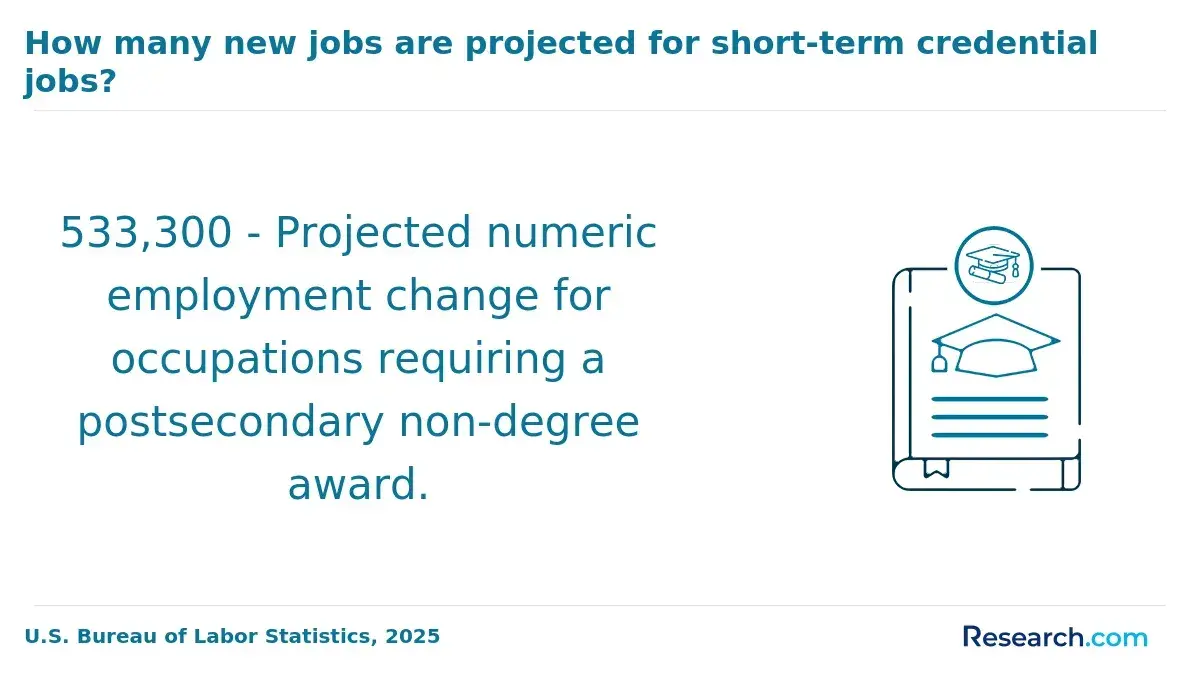
Certificates in Spanish for social work and community service serve as targeted credentials allowing career changers or incumbent workers to quickly validate applied language skills without the extended commitment of a full degree.
These certificates focus on immersive language practice, sector-specific terminology, and ethical frameworks directly relevant to client interactions and program delivery. For example, a bilingual social worker with a cultural competency certificate can significantly reduce reliance on interpreters, improving efficiency and client trust.
From a workforce perspective, employers prefer certifications aligned with standards such as ACTFL for clear benchmarks of proficiency. While degree pathways offer broader development, they demand longer time investments and higher tuition, tradeoffs that must be weighed by working adults balancing immediate job requirements and career ambitions.
Economic data show Spanish speakers earn 2-3% higher wages annually, reflecting strong market demand in U.S. community outreach sectors. Prospective students should also consider program affordability and flexibility, as these factors impact persistence and completion.
For those comparing options in related fields, exploring courses like an engineering degree online highlights the value of specialized versus generalized credentials in the labor market.
How does an online Spanish program compare with on-campus study for outreach professionals?
Choosing between online Spanish programs versus on-campus study for outreach professionals involves weighing access against depth of interaction. Employers in community outreach prioritize conversational fluency and cultural competency, which on-campus programs better facilitate through immersive environments and direct interpersonal practice.
Online classes offer flexibility indispensable for professionals balancing irregular hours, particularly in rural settings where in-person access is limited, but often fall short in providing real-time speaking practice critical for client communication.
Enrollment in online language platforms has surged significantly, reflecting the broad acceptance of digital learning modalities. However, lower retention and speaking proficiency remain challenges without supplemental speaking labs or community engagement. For roles like health education, on-campus training frequently integrates field placements and cultural immersion, enabling immediate application of skills to diverse populations.
Successful navigation of Spanish learning in community outreach careers requires assessing whether online certifications hold equivalent employer recognition and if programs include interactive components such as live tutoring or peer conversation groups. Hybrid models that combine asynchronous study with local or virtual conversation sessions help bridge inherent gaps.
Decision-making factors to consider include available time, geographic barriers, and the necessity for credential legitimacy. For working veterans or professionals pivoting careers, exploring cybersecurity programs online for veterans provides a parallel example of how online education can expand access while demanding critical evaluation of practical outcomes.
What accreditation and institutional quality standards should online Spanish programs meet?
Accreditation remains a non-negotiable criterion when selecting online Spanish programs, particularly for roles requiring validated credentials in public sector or community outreach settings. Without recognized accreditation from bodies acknowledged by the U.S. Department of Education or the Council for Higher Education Accreditation, certificates risk limited acceptance by employers who expect verified academic rigor and credible skill demonstration.
Programs that incorporate measurable outcomes, such as graduate employment rates and proficiency validated via recognized language assessments like the ACTFL Oral Proficiency Interview, offer tangible evidence of workforce readiness. For example, a healthcare outreach worker with certified bilingual communication skills backed by standardized assessment scores will navigate employer scrutiny more effectively than one presenting only completion certificates.
Cost-wise, public four-year institutions average $11,560 annually, while many online professional Spanish certificates on MOOC platforms fall below $1,000. However, affordability often correlates with reduced institutional quality and accreditation status, which can undermine long-term employability in regulated fields.
Strong programs embed practical training components to complement virtual lessons. This blend bridges theoretical learning and applied skills, aligning with employer expectations and licensure requirements in community outreach careers. Accreditation alone does not guarantee job market alignment; prospective students must evaluate program relevance to specific occupational standards and regulatory frameworks.
What core courses and specializations in online Spanish programs benefit community outreach careers most?
Advanced Spanish programs targeting community outreach careers must prioritize sector-specific language proficiency over broad fluency.
Medical and social service vocabularies combined with cultural competency address challenges faced by the 19.2 million U.S. residents with limited English proficiency, 62% of whom speak Spanish at home, according to the U.S. Census Bureau American Community Survey 2024. Outreach workers equipped with health-focused conversational Spanish improve clarity in explaining treatment plans, consent, and social resources.
Specializations in areas like legal Spanish or social work terminology are essential for roles that require navigating government aid applications or immigration processes, where precise communication directly mitigates risks of misunderstanding and legal complications.
Programs embedding applied skills in interpreting, translation, and bilingual communication strategies better align with employer expectations in health and social sectors. For instance, conducting needs assessments or crisis interventions with Spanish-speaking clients demands training in ethical interpretation and confidentiality, which many curricula overlook.
Tradeoffs exist between general coursework and niche specializations, and students should select pathways that maximize direct employability in their target fields, rather than a diffuse language skillset. Integrating immersive cultural studies with community-based projects enhances practical cultural fluency but requires careful balancing of limited time and resources.
What are typical admission requirements for online Spanish programs serving working professionals?
Admission for online Spanish programs aimed at working professionals often hinges on verified prior learning coupled with practical language proficiency, not just general academic credentials.
For instance, accelerated certificate tracks designed for healthcare roles require demonstrable Spanish skills through standardized tests or placement exams. This ensures candidates possess communication abilities aligned with career-specific demands rather than casual fluency.
Beyond language, programs scrutinize applicants' professional experience, emphasizing resumes or statements that show relevant involvement in community outreach, social services, or similar sectors. This reflects employer expectations that professionals, whether medical interpreters, social workers, or outreach coordinators, master role-specific communication nuances critical for effective client interaction.
Working students must submit official transcripts, proof of English proficiency if needed, and often letters of recommendation showcasing cultural competency and interpersonal skills. While flexible or part-time scheduling exists, commitments to synchronous sessions can limit candidates managing full-time jobs. These factors influence admissions decisions and subsequently affect program feasibility.
Given evidence from JAMA Network Open indicating patients under language-concordant clinicians report significantly better communication and likelihood to recommend, programs prioritize rigorous evaluation of language proficiency and cultural understanding. Applicants without formal Spanish credentials might face additional bridge courses or proficiency tests, extending timelines and costs, potentially delaying workforce reintegration.
How long do online Spanish programs take, and what tuition, fees, and funding options exist?
Choosing an online Spanish program requires weighing the tension between time investment and language proficiency gains, especially when balancing employment obligations. Shorter certificate courses of 3 to 6 months suit professionals seeking functional conversational skills for community outreach or entry-level roles. These programs minimize disruption but offer limited depth, which can restrict advancement in client-facing or managerial positions.
Programs extending 12 to 18 months encompass more comprehensive language and cultural training aligned with professional certificates or associate degrees. While these enhance communication capabilities for complex interactions, they demand significant upfront commitment and potentially higher tuition costs, often ranging from $1,000 to $6,000, excluding additional fees like materials or proctoring that can add $200 to $500.
Funding channels significantly influence these tradeoffs. Approximately 43% of U.S. employers, particularly in healthcare and social services, offer tuition support for Spanish training, mitigating out-of-pocket expenses and enabling pursuit of longer, more in-depth programs.
Those without employer funding may prefer accelerated formats or seek federal financial aid, though many shorter certificates lack eligibility, requiring scrutiny of accreditation and scholarship opportunities through nonprofits or workforce grants.
Aligning program length and financing with career demands and sector-specific expectations directly impacts the return on educational investment and competitive standing in job markets where Spanish fluency is increasingly strategic.
What jobs, employers, and career paths can fluent Spanish speakers pursue in community outreach?
Bilingual Spanish fluency in community outreach jobs is not merely a language asset but a workforce necessity shaped by persistent staffing shortages. Despite 58% of U.S. nonprofits serving significant Spanish-speaking populations, only about 37% have sufficient bilingual personnel, creating direct hiring preferences for roles such as case managers, community health workers, and client advocates.
Success in these positions demands more than conversational proficiency. Candidates must navigate complex cultural nuances, confidentiality protocols, and the translation of intricate social services to varied legal and educational backgrounds.
For instance, a bilingual case manager working with immigrant health programs balances sensitive data handling with tailoring communication to different literacy levels. Meanwhile, a community liaison might add administrative skills like grant-writing to expand their scope and job security.
Employers frequently expect formal education in fields like social work or public health, not just language skill. This often means pursuing training that combines Spanish fluency with community outreach application. Potential learners should evaluate programs for integrated practical scenarios and industry-aligned certification to avoid gaps between language ability and service delivery effectiveness.
What salary ranges and job outlook can Spanish-speaking outreach professionals expect in the U.S.?
Positions in Spanish-speaking outreach within the U.S. public health and social service sectors typically offer salaries from $40,000 to $65,000 annually, with community health coordinators and bilingual case managers generally earning between $45,000 and $55,000. Urban roles or those within nonprofit organizations emphasizing cultural and linguistic competency may command salaries exceeding $60,000 due to employer demand for bilingual communication.
Credentialing and bilingual skills substantially influence employability and wage potential. Workers fluent in Spanish and holding certifications like Community Health Worker or public health degrees stand to benefit from faster wage growth, especially in metro areas with large Latinx populations. However, meeting employer expectations also increasingly involves technological proficiency in data tracking and telehealth systems.
Job growth for Spanish-speaking outreach professionals aligns with a 13% projected increase in community health outreach positions through 2032, outperforming many other occupations. In rural areas, fewer openings exist but wage premiums sometimes apply due to scarcity of skilled workers.
Employers prioritize outreach workers fluent in Spanish because linguistically tailored services reduce costly emergency and hospital visits, yielding a reported $2.30 return per dollar invested. This economic dynamic shapes funding flows and professional demand across public health departments and community clinics.
Other Things You Should Know About the Best Online Spanish Programs
While prior language experience can be beneficial, the 2027 top online Spanish programs are designed to accommodate learners of all levels, from beginners to advanced speakers. They often include tailored learning tracks that help professionals build essential skills for community outreach without needing prior knowledge.
Programs that integrate synchronous sessions, live practice, and community interaction generally produce stronger communicative competence than purely asynchronous models. Community outreach demands not only language proficiency but also the ability to navigate cultural nuances in real time, which rigid self-paced formats may not adequately develop. Prioritize programs with interactive elements and opportunities for speaking practice to meet employer expectations for effective, empathetic communication.
Employers in community outreach sectors prioritize demonstrable language proficiency and practical application over the credential alone. Certificates can signal focused skill acquisition when they include oral proficiency testing and cultural training, making them suitable for rapid skill upgrades. Degrees offer broader academic depth but require greater time investment and may include content less immediately relevant to outreach tasks. Choose based on whether the goal is quick workforce entry with validated skills or longer-term professional development with academic credentials.
Programs designed for working professionals often balance flexibility with intensity, but this comes with tradeoffs. More flexible schedules tend to extend program duration and can dilute immersive language experiences, reducing skill retention. Intensive programs demand more time upfront but lead to faster proficiency gains and quicker career impact. Professionals must prioritize either manageable pacing aligned with current job demands or accelerated learning to reposition quickly within community outreach roles.
References
- What Can You Do With a Spanish Degree? https://willamette.edu/academics/college/spanish/career-options
- The Language SKOOL https://www.thelanguageskool.com/blogs/spanish-language-salary-in-india
- Quality in Higher Education Institutions as a Transversal Tool in Institutional Accreditation: A Bibliometric Review https://www.eu-jer.com/quality-in-higher-education-institutions-as-a-transversal-tool-in-institutional-accreditation-a-bibliometric-review
- Best Online Spanish Courses for Adults in 2026 https://www.berlitz.com/blog/spanish/best-ways-to-learn-spanish-for-adults-in-2025
- (Top 7) Best Online Spanish Classes In 2026 https://www.babbel.com/learn-spanish/newcomer/best-online-spanish-classes
- BLC Spain Accreditations and Partners https://blcspain.com/accreditations-and-partners/
- 5 Highest Paying Jobs for Spanish Speakers in 2025 https://www.retorna.app/en/blog/top-5-los-trabajos-mejor-remunerados-para-hispanohablantes-en-el-extranjero
- Long-term courses for Spanish student visa | Get discounts https://libertylingvo.com/en/longterm