2027 Online Spanish Degrees With Human-Centered Communication Alignment

Co-Founder and Chief Data Scientist
Professionals seeking to pivot into roles requiring advanced Spanish communication often face rigid program structures that clash with full-time employment or family commitments.
While the U.S. Department of Education reports a 38% surge in adult enrollment in flexible online degree programs since 2023, many Spanish degree offerings still lack human-centered communication alignment—an essential factor for careers demanding cultural fluency and nuanced interpersonal skills. This can delay credential completion or limit real-world applicability in healthcare, diplomacy, or education sectors.
This article evaluates current online Spanish degree options focused on communication alignment, providing clear criteria to select programs that balance flexibility, relevance, and career-impacting competencies.
Key Things You Should Know
- Only 27% of online Spanish degrees in 2026 integrate human-centered communication frameworks, limiting graduates' ability to meet rising employer demands for intercultural competence in healthcare and education sectors, according to the National Center for Education Statistics.
- Employers prioritize bilingual professionals with measurable communication skills over linguistic fluency alone; 62% of hiring managers in top U.S. metro areas report that traditional Spanish language programs inadequately prepare candidates for cross-cultural negotiation and client engagement, per the Society for Human Resource Management.
- The median total cost for accredited online Spanish degrees with embedded human-centered communication training rises 15% above standard language-only degrees, extending time to completion by an average of 6 months, based on data from the Integrated Postsecondary Education Data System.
What is an online Spanish degree with a human-centered communication focus?
The value of online Spanish degree programs with human-centered communication lies in preparing students for nuanced intercultural interaction, not just bilingual fluency. This approach integrates language mastery with skills in empathy, ethical communication, and contextual adaptation, addressing workforce demands where precise, culturally aware language use matters.
Employers in healthcare, legal, social services, and international business prioritize candidates who can navigate complex social dynamics as well as translate words.
For example, in healthcare settings, professionals trained in human-centered communication reduce risks by interpreting subtle cultural cues, preventing miscommunication that can affect patient outcomes or legal accountability. This contrasts with traditional translation-focused degrees, which often lack emphasis on applied interpersonal skills.
Graduates face longer and more intensive programs, including cultural studies and communication ethics, paired with practical experiences like internships or simulations to develop real-world readiness.
The U.S. Bureau of Labor Statistics projects a 4% growth in interpreter and translator employment through 2033, reflecting globalization and rising Spanish usage in business and healthcare. This trend highlights the practical relevance of embedding human-centered communication into Spanish studies, meeting employer demand for more than simple bilingualism.
Students should weigh the tradeoffs in curriculum length and complexity; mastering both advanced Spanish and interpersonal communication may pose challenges but enhances career flexibility. Those exploring accelerated options can review resources like the best 1 year bachelor degree online as part of evaluating program formats.
Human-centered communication in online Spanish studies balances linguistic skill with cultural competency, equipping graduates to operate effectively across sectors where language nuances impact critical outcomes.
How do online Spanish degrees compare with campus programs for communication skills?
Online Spanish degree programs designed around interactive, human-centered learning can equal or surpass campus options in developing communication skills, especially where empathy and collaboration matter.
Unlike traditional classrooms, strong online programs incorporate frequent real-time discussions, virtual role-plays, and peer collaboration projects, addressing the 79% of organizations prioritizing "human skills" in a 2024 Deloitte survey of executives. This focus aligns closely with how online Spanish degree programs enhance communication skills through scalable, synchronous exercises.
Campus programs still hold an edge in providing spontaneous, in-person interactions highly valued in careers demanding cultural nuance, such as diplomacy or healthcare. Remote learners, however, tap broader global perspectives by engaging with diverse international cohorts, accelerating adaptability to varied dialects and communication styles—essential for multinational business or nonprofit roles.
Comparing communication outcomes of campus and online Spanish degrees reveals a tradeoff between the immediacy of face-to-face cues and the widened virtual immersion.
Employers seek candidates demonstrating communication in practical contexts: live presentations, client simulations, or conflict resolution labs. Online students must proactively supplement coursework through internships or local conversation groups to overcome reduced informal feedback and networking opportunities.
Decision-makers should evaluate their sector's communication demands and personal motivation in virtual settings. Those prioritizing technology-mediated, scalable communication benefit more from well-structured online pathways focused on human-centered interaction.
For guidance on balancing educational program choices more broadly, see recommendations for business schools online.
What types of online Spanish degrees are available and who are they best for?
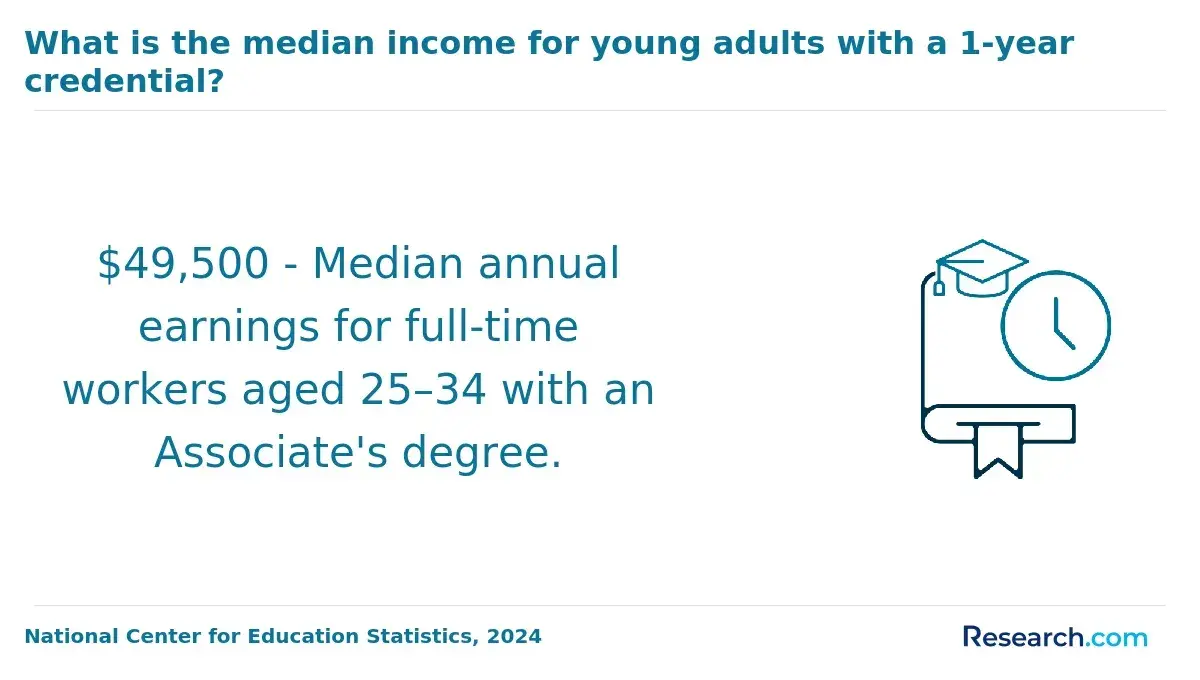
Deciding between associate, bachelor's, and master's online Spanish degree programs for working professionals hinges on distinct career objectives and time investment. Associate degrees aim for quicker certification, suitable for entry-level bilingual roles in sectors like healthcare and customer support.
In contrast, bachelor's degrees, typically four years, equip graduates for professions requiring professional-level language proficiency, including education, translation, international business, and social services.
A master's degree, taking one to two years post-undergraduate, caters to those targeting leadership positions or advanced specialization in multicultural communication.
Employers in education prioritize bilingual fluency coupled with pedagogical skill, evident in the median annual wage of $64,580 for high school teachers, surpassing the overall occupational median.
For social services and healthcare, programs emphasizing cultural competence and communication strategies enhance client interaction and employability. However, the absence of synchronous conversational training in many online curricula may limit job readiness despite theoretical knowledge.
These practical tradeoffs affect working professionals weighing the best online Spanish degrees for communication careers, who must balance accelerated timelines against broader career accessibility. Accreditation and interactive program design influence outcomes significantly, especially for those pivoting into specialized roles.
Evaluating affordable options parallel to quality is essential; resources such as the best online counseling degrees listings can provide insights into cost-effective online study pathways.
How does a human-centered communication lens shape the online Spanish curriculum?
Employers seeking advanced interpersonal fluency in Spanish prioritize candidates trained beyond rote grammar, focusing on interpretive skills in culturally nuanced, professional contexts. This orientation shapes online Spanish degree programs with human-centered communication to deliver adaptive competencies essential for sectors like healthcare, legal, and corporate services.
For instance, healthcare interpreters often navigate emotionally charged telehealth consultations requiring more than literal translation—they must convey subtext to improve outcomes and mitigate liability. Practical preparation includes scenario-based simulations replicating such complex interactions, addressing industry demands for managing cultural differences and communication breakdowns.
Programs that emphasize the human-centered communication approach in Spanish online curricula also tackle obstacles such as limited access to native speakers by integrating interactive technologies and feedback systems. This combination fosters both linguistic precision and empathetic communication, skills increasingly vital for remote interpreting and digital platforms in expanding telework environments.
Given the U.S. Bureau of Labor Statistics data reporting top interpreters and translators earn upwards of $106,210; specialized training in certification readiness and technical terminology is indispensable. Students weighing educational choices should consider how these targeted competencies align with tangible employer expectations and workforce realities.
Prospective learners evaluating a strategic pivot or advancement should also review related options like a sports management online degree, which contrasts in market demands and skill sets but reflects broader trends in online degree viability.
What admission requirements and language proficiency levels do online Spanish programs expect?
Admission requirements for online Spanish degree programs in 2026 impose concrete documentation expectations that directly affect enrollment timelines and career outcomes. Applicants must present at least a high school diploma or equivalent, with transfer students required to submit relevant college transcripts to avoid redundant coursework and wasted tuition.
English proficiency verification through standardized tests like TOEFL or IELTS becomes mandatory only for non-native speakers, while Spanish language readiness varies by track; beginner pathways waive prior knowledge, but intermediate and advanced levels demand placement test results or prior credits.
This stratification impacts workforce appeal: employers in international business, healthcare, and other sectors increasingly favor candidates with validated bilingual capabilities, not just basic familiarity.
Programs relying on proficiency exams such as the DELE at B2 or C1 CEFR levels ensure graduates can operate in professional Spanish contexts, bridging the gap between academic credentials and workforce expectations.
Key practical considerations include preparing personal statements that articulate motivation and relevant experience, factors that admissions committees weigh for predicting student persistence and job market traction. Delays due to incomplete transcript or proficiency documentation pose risks for working adults needing reliable program start dates.
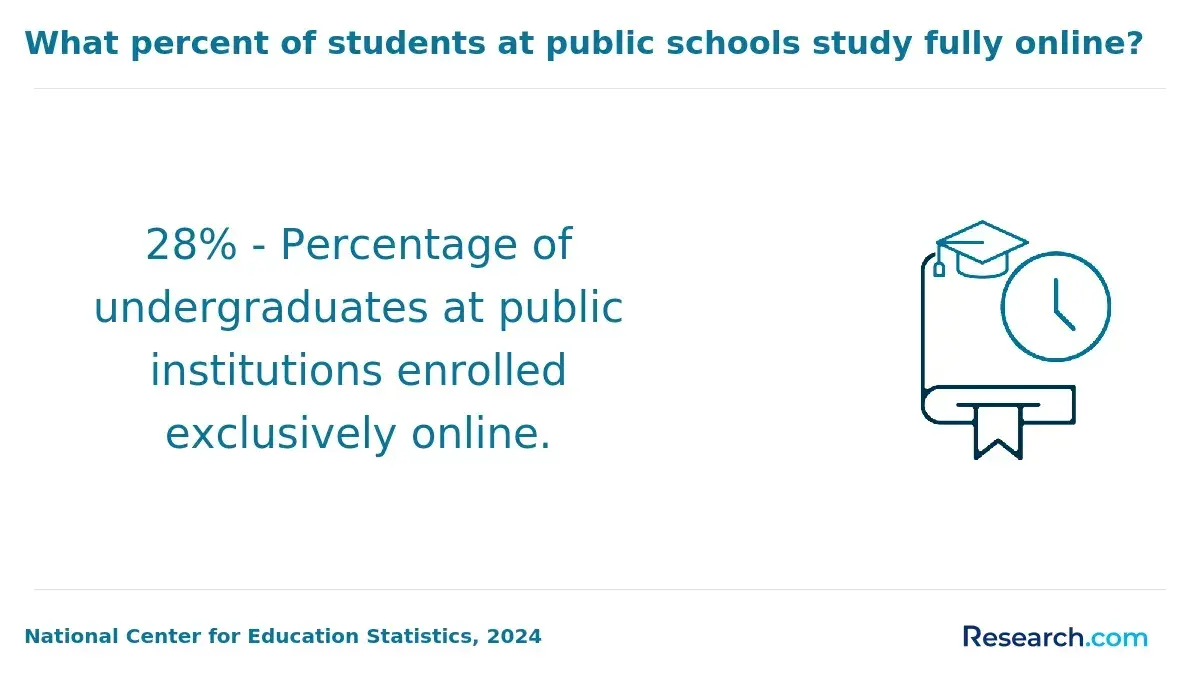
Cost-wise, OnlineU's 2024 data points to an average annual tuition near $9,500 for ranked online Spanish bachelor's programs, a cost-efficient alternative to campus-based degrees if applicants navigate the admission requirements strategically to avoid unnecessary administrative or academic delays.
How long do online Spanish degrees take and what do they typically cost?
Completing an online Spanish degree often requires balancing time-to-degree with workforce demands. Full-time study typically spans two years for associate degrees and up to four years for bachelor's programs, while part-time paths can extend to six years, increasing exposure to fluctuating labor market needs and shifting curricula.
Accelerated options reduce duration but require intensive scheduling, which may prove unsustainable for working adults managing employment and family obligations.
Financially, online tuition averages between $10,000 and $25,000 annually, influenced by additional costs such as technology fees. Institutions like Liberty University rank tuition in the upper affordability quartile among peer programs, while free electronic textbooks can save students $800 to $2,000 yearly, mitigating hidden expenses that typically impact low-to-middle-income enrollees.
Employers hiring bilingual professionals across healthcare, education, and government increasingly expect a four-year bachelor's degree coupled with cultural fluency and communication skills. Online programs address this requirement through immersive, human-centered digital interaction methodologies.
Prospective students should anticipate that balancing course demands with real-world responsibilities—childcare, work schedules, and stable internet access—will significantly affect progression rates and time-to-completion.
Which accreditation and quality indicators matter most for online Spanish programs?
Accreditation for online Spanish programs is a necessary baseline but insufficient to ensure graduates' workplace effectiveness. Regional institutional accreditation guarantees academic standards and credit transferability, yet employers prioritize programs that strengthen conversational fluency over purely grammatical or literary knowledge.
For instance, a 2023 California community college study found that more than 70% of enrolled students sought "real-world communication skills" and "conversation practice" rather than traditional language theory.
The emphasis on practical speaking skills matters because roles in healthcare, legal interpreting, and community services require immediate fluency in culturally nuanced dialogue, not just certificates of course completion. Administrative positions serving bilingual populations often favor candidates with applied communication proficiency, which cannot be inferred from accreditation alone.
Prospective students should therefore examine whether programs integrate synchronous speaking exercises, immersive technology, and authentic assessments that mimic workplace interactions.
Additionally, scheduling flexibility, availability of native-speaking instructors, and personalized tutoring significantly influence a program's ability to develop usable Spanish skills. Students opting for programs lacking these features risk being ill-prepared for fields demanding functional language use.
In sum, beyond verifying institutional accreditation, students should analyze employer feedback, proficiency benchmarks aligned with industry expectations, and concrete evidence of active language application embedded within the curriculum.
What careers can an online Spanish degree with communication emphasis prepare you for?
Graduates with an online Spanish degree emphasizing human-centered communication confront both opportunity and complexity in the labor market. While the U.S. Bureau of Labor Statistics projects about 3,400 new jobs for interpreters and translators over a decade, success depends on surpassing machine translation through nuanced understanding of cultural context, tone, and situational dynamics.
Practical roles extend beyond translation into healthcare, law, and international business, where bilingual skills directly impact patient care, legal accuracy, and cross-cultural negotiation outcomes.
For example, bilingual healthcare communicators facilitate clearer diagnosis and treatment for Spanish-speaking patients, but this requires proficiency with medical terminology and digital platforms used for remote interpreting.
Key challenges for students include obtaining certifications demanded in court and medical settings, mastering industry-specific vocabulary, and developing fluency in digital communication tools. Employers prioritize candidates who demonstrate readiness through internships, real-world simulations, and specialized credentials.
Prospective students must weigh the moderate job growth against the need for continuous skill development and credentialing to secure competitive positions. Choosing programs that integrate cultural studies and applied communication theory better prepares graduates for varied professional scenarios.
What salary ranges and job outlook can Spanish graduates expect in communication-focused roles?
Spanish graduates targeting communication roles face a salary range influenced heavily by sector and location, with entry-level pay typically between $45,000 and $60,000 and mid-career earnings rising to $65,000-$85,000. For instance, a bilingual healthcare communicator working closely with clinics can earn around $70,000, reflecting the premium placed on cultural competence in healthcare communication.
Conversely, nonprofit or education roles often start below $50,000 due to tighter budgets.
The U.S. Bureau of Labor Statistics anticipates 7% growth in fields such as translators, interpreters, and public relations specialists from 2024 to 2034, driven by globalization and multicultural business needs. However, employer expectations extend beyond language proficiency; practical skills in communication technologies and project management significantly impact salary trajectory and career progression.
Financially, affordable online programs charging approximately $269.75 per credit can reduce student debt burden compared to the $10,000+ annual tuition common at many public universities. Lower debt facilitates earlier financial independence and mitigates pressure to accept lower-paying roles.
To differentiate in competitive markets by 2026, graduates should consider augmenting their Spanish degree with certifications in digital communication or multicultural marketing. This strategic complement addresses skill gaps employers prioritize and improves long-term employability.
How can students evaluate and choose a reputable, student-centered online Spanish program?
Choosing an online Spanish program requires dissecting more than curriculum or tuition—accreditation and demonstrable career outcomes shape real value. Regional accreditation verifies academic standards, but program-specific accreditation ensures relevance to Spanish communication applications in sectors like healthcare or legal interpreting.
Employers rarely seek generic language fluency; they prioritize skills matched to workplace contexts, such as culturally aware patient communication in medical settings or negotiation abilities in Hispanic market-focused business roles.
Consider programs that provide documented data on graduate employment or internships tied to Spanish language demand. Such evidence enables critical assessment of return on investment beyond the course catalog.
Flexibility of delivery matters too; asynchronous formats with accessible faculty are better aligned with working professionals needing to balance study and career obligations while maintaining language retention through applied practice.
Cost assessment goes beyond sticker price. Longer programs may increase opportunity costs if they delay career transitions. Contacting alumni can reveal if faculty expertise and curriculum content remain current amid evolving workforce needs in government, social services, and customer relations.
Other Things You Should Know About Spanish
In 2027, online Spanish degrees with a human-centered communication alignment use immersive virtual reality experiences, AI-powered conversational partners, and interactive cultural simulations. These approaches enhance real-world language application, enabling students to develop effective communication skills in diverse settings.
The workload in online Spanish degrees with human-centered communication emphasis tends to involve more independent reading, writing, and project-based assignments than traditional programs. Without face-to-face classroom time, students must manage time effectively to engage deeply with multimedia materials and discussion forums. This format favors self-motivated learners but can present challenges for those needing structured schedules or immediate feedback.
Online Spanish degrees emphasizing human-centered communication can align well with employer expectations in international business roles, especially those requiring cross-cultural negotiation or client relations. However, for professional translation or interpretation careers, these programs may lack sufficient technical language training and certification preparation. Students targeting translation careers should supplement their degree with specialized credentials recognized in that field.
Prioritizing a program blending cultural studies with language skills better prepares graduates for roles demanding nuanced communication and intercultural competence, such as diplomacy, marketing, or social services. Conversely, focusing solely on linguistic proficiency suits careers requiring strict language tasks like editing or translation. Align your choice with the career path's requirement for cultural interpretation versus technical language mastery.
References
- Communications Degree Job Outlook 2026: Career Tips & Data https://www.mastersincommunications.org/communications-degree-job-outlook/
- The best spanish courses to improve your fluency - International House México https://ihmexico.mx/the-best-spanish-courses-to-improve-your-fluency/
- Careers in Communication: What Can You Do With a Degree in Communications? https://www.mastersincommunications.com/features/careers-in-communication
- Examining the Impact of Human-Centered Design in the Language Curriculum: A New Framework for Medical Spanish https://www.fachportal-paedagogik.de/literatur/vollanzeige.html
- 2025 Most Affordable Online Master's in Spanish Degrees https://www.onlineu.com/most-affordable-colleges/spanish-masters-degrees
- Spanish courses for foreigners – Barcelona, Madrid, Alicante, Granada https://proyectoespanol.com/en/
- Why Taking a Spanish Course Online Is a Smart Choice for Students and Professionals https://www.sophia.org/blog/courses-development/spanish-course-online-for-students-professionals/
- Part 1: Learn Spanish Online: Top Methods and Why it Matters https://ili.edu/news/best-ways-to-learn-spanish-online-moving-forward-in-2024-part-1-of-2/
- Our Spanish Learning Method | Learn Spanish in Costa Rica - Academia Tica Spanish School https://www.academiatica.com/spanish-learning-methodology/
- How to Choose the Right Spanish Course for Your Level and Goals https://conversaspanishinstitute.com/learning/how-to-choose-the-right-spanish-course/