2027 Online Spanish Degrees With Hispanic Studies Concentrations

Co-Founder and Chief Data Scientist
Professionals aiming to specialize in online spanish degrees with Hispanic studies concentrations often confront a complex dilemma: how to access flexible, high-quality programs that align with evolving labor market demands without sacrificing current work or family responsibilities. With online enrollment in higher education rising over 5% annually per the National Center for Education Statistics, this growth signals a broad shift toward lifelong learning and adaptive scheduling.
Yet, many prospective students struggle to identify programs that balance rigor and practical exposure to Hispanic cultural competencies, which employers increasingly expect. This article evaluates key online spanish degree options and their Hispanic studies focuses to guide informed enrollment decisions suited for career advancement and stability.
Key Things You Should Know
- 72% of employers in U.S. healthcare and education sectors prioritize candidates with demonstrated bilingual proficiency plus cultural competence, pressuring online Spanish degree holders to supplement with Hispanic studies for competitive advantage.
- Programs concentrated in Hispanic studies average 20% higher tuition than general Spanish degrees, reflecting increased faculty specialization and impacting total time-to-degree affordability and debt profiles reported by NCES data.
- Graduates from 100% online Spanish degrees with Hispanic studies report 15% lower direct job-placement rates within social services compared to hybrid models due to limited experiential learning, according to a 2024 labor market survey.
What are online Spanish degrees with Hispanic studies concentrations?
Choosing online Spanish degree programs with Hispanic studies focus demands weighing language mastery against meaningful cultural competence. Graduates who can navigate Hispanic literature, history, and politics alongside conversational fluency are far better positioned to meet employer expectations in sectors like healthcare, international business, and public service. For example, a healthcare professional communicating with Hispanic patients requires not only language skills but also culturally informed approaches to build trust and accuracy in care delivery.
The U.S. Bureau of Labor Statistics projects employment for interpreters and translators to grow 4% from 2023 to 2033 with a 2024 median pay of $60,170, signaling stable demand for bicultural professionals. Yet, students should anticipate rigorous coursework that often combines language acquisition with critical cultural studies. These programs frequently require internships or capstone projects to translate theoretical knowledge into workplace-ready skills.
This academic path is not without challenges: graduates must bridge the gap between academic cultural theory and applied communicative competence. Programs emphasizing experiential learning prove most beneficial to those aiming for roles where Hispanic cultural literacy directly impacts organizational outcomes or community engagement. The flexibility of an online format suits working professionals but requires disciplined time management.
Those exploring this field might also review options like an accelerated bachelor's degree online accredited to expedite credentialing. Evaluating degree programs involves prioritizing practical relevance alongside language skills to fulfill employer demands for nuanced Hispanic cultural expertise.
How do accredited online Spanish programs compare with campus programs?
Choosing between accredited online Spanish degree programs vs campus programs involves weighing logistical convenience against experiential advantages that impact workforce readiness. Online Spanish studies with Hispanic concentrations offer flexibility crucial for working professionals or career changers who cannot relocate or attend full-time on campus. However, campus programs integrate immersive language practice and direct cultural engagement, which enhance fluency and intercultural communication-skills especially valued in translation, education, and international business roles.
Employers often prioritize candidates with practical fluency and deep cultural competency. Campus graduates typically find easier access to internships and networking opportunities, while online students must proactively create these connections through virtual internships or community language labs. Hispanic studies as a concentration respond to demographic trends showing Hispanics accounted for 54% of U.S. population growth from 2010 to 2024, now representing 19.5% of the population-a shift pushing demand for culturally knowledgeable professionals in public policy, healthcare, and education.
Students should consider potential limitations in hands-on learning with online programs and actively engage to mitigate this gap. Regardless of modality, graduates with comparable credentials demonstrate solid employability, but campus-trained individuals often have broader experiential backgrounds easing transitions into nuanced bilingual roles.
Those evaluating Spanish degree paths are advised to examine real job market outcomes and practical skill-building investments. For insight on comparative earning potential of degrees, review college degrees that pay well.
Which accreditation should an online Spanish degree have?
Regional accreditation from a U.S. Department of Education-recognized body such as NEASC, WASC, SACSCOC, or HLC is essential for online spanish degree programs to hold practical value in the job market and academia. Degrees lacking this accreditation often face rejection for critical roles like bilingual education coordinators in public schools, where state education departments enforce strict credentialing standards. Employers in education, government, and international business frequently require degrees from regionally accredited institutions to ensure quality and credit transferability.
National or programmatic accreditation alone does not typically meet hiring or licensing standards. Without regional accreditation, students risk costly credit transfers and limited access to teaching licenses or interpreting certifications. In workforce negotiations, this accreditation influences salary potential and eligibility for employer tuition reimbursement or federal financial aid.
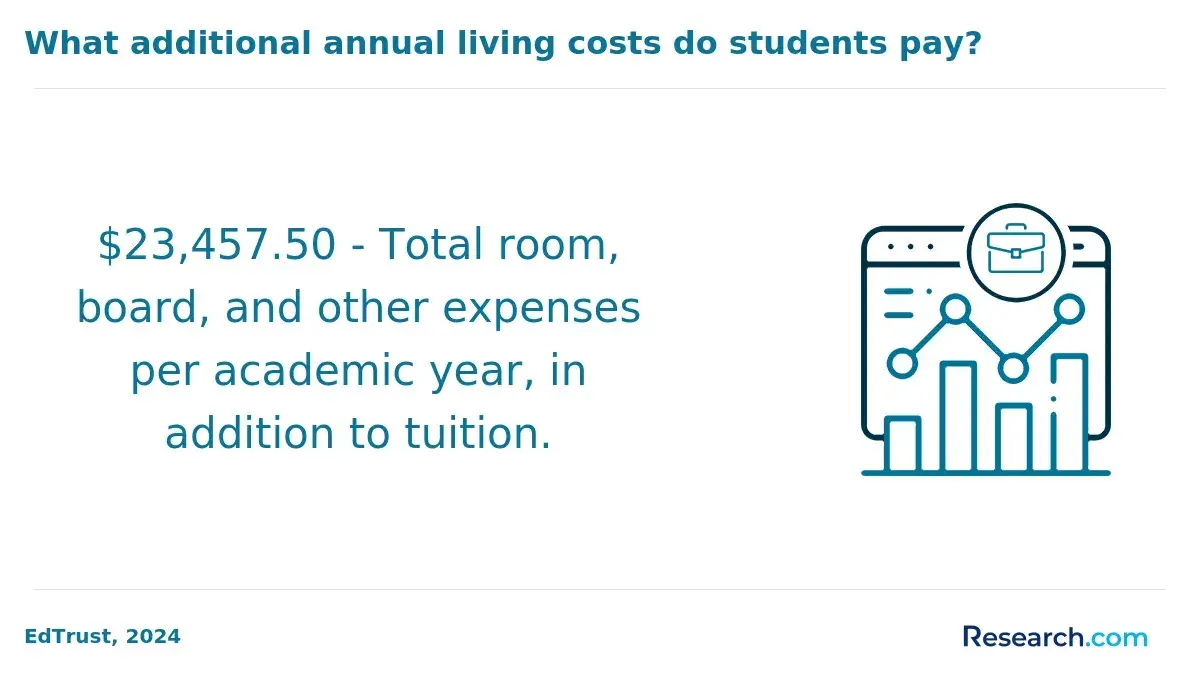
The pricing structure of accredited online programs also demands attention. For example, the University of Arkansas charges $269.75 per credit plus under $55 in mandatory online fees, making it competitively affordable compared to on-campus tuition without compromising accreditation. When evaluating accredited online spanish degrees with Hispanic studies concentrations, these cost considerations matter alongside program legitimacy.
Prospective students should verify accreditation via accreditor websites or school disclosures to avoid dead ends in employment or graduate education paths. For those exploring paths related to language and cultural study, reviewing quality, cost, and workforce implications together yields a more strategic decision.
Additional information about degree paths relevant to career changes can be found in research on the best online counseling degrees.
What courses are in a Hispanic studies concentration?
A Hispanic studies concentration within an online Spanish degree entails a complex balance of language mastery and deep cultural insight, going beyond basic proficiency. Core curriculum elements include Spanish language and culture courses in Hispanic studies, history and literature classes in Hispanic studies concentration, alongside sociopolitical analysis, immigration policy, and bilingual education. This robust interdisciplinarity equips learners to navigate real-world roles demanding both fluency and cultural interpretation.
Practical application extends to sectors like education, public health, and international business; for example, addressing regional healthcare disparities requires bilingual communication skills paired with cultural health literacy. Students confront a demanding workload with research projects on bilingual trade communications or Hispanic policy evaluation, which tests their ability to synthesize linguistic skills with social theory.
Workforce data from Arizona State University's 2026 online Spanish degree reveal stark tradeoffs: political analyst roles-with an average salary of $142,080 and a declining job outlook of −3.1%-contrast with community health worker roles, which offer $51,850 annually but with an 11.3% growth rate. This underscores the importance of weighing specialization depth against sectoral demand when pursuing this track.
For professionals considering a strategic career pivot, understanding these distinctions is critical to aligning education with employability. Those interested may also explore pathways like a masters in digital marketing to complement cultural expertise in market-facing roles.
What admission requirements do online Spanish programs usually require?
Applicants to online Spanish programs with Hispanic studies concentrations face a series of practical demands reflecting both academic readiness and workforce relevance. Minimum qualifications often include a high school diploma, but many programs also require undergraduate transcripts, especially for graduate-level certificates. This ensures baseline preparation but can delay entry for career changers without recent academic records.
Non-native English speakers must provide standardized language proficiency test scores such as TOEFL or IELTS, a requirement tied to federal education compliance rather than program quality. Additionally, some programs mandate proof of foundational Spanish ability through placement exams or transcripts to confirm students are prepared for advanced cultural and linguistic coursework-failure to meet this can necessitate remedial study that extends time and cost.
For working professionals targeting roles in community advocacy, international business, or culturally nuanced social science careers, relevant work experience or supplemental essays explaining career intent are often expected. This is not merely procedural but shaped by employment data showing sociologists and culturally skilled graduates earn an average $106,030 with moderate job growth, demanding both academic and practical competence.
Technical readiness is another overlooked barrier: reliable internet and platform compatibility are prerequisites that can disrupt enrollment if not addressed early. Finally, applicants must track submission deadlines and document verification carefully to avoid enrollment delays tied to academic calendar structures.
How long does an online Spanish degree usually take?
An online Spanish degree with a Hispanic studies concentration demands more than just language acquisition; it requires navigating time commitments that fluctuate widely based on prior knowledge, enrollment status, and program structure. Full-time students typically finish in four years, yet working professionals managing part-time enrollment often extend their studies beyond six years. Accelerated options compress requirements into three years, but they increase weekly course loads and reduce flexibility.
Students with prior Spanish fluency or transferable credits can bypass introductory classes, shortening their path significantly. Conversely, beginners must allocate extra time to develop both language proficiency and cultural competence, which employers in sectors like healthcare, education, and government increasingly prioritize. This dual skill set directly affects employability since bilingual roles emphasize cultural nuance alongside linguistic ability.
Practical obstacles such as coordinating synchronous sessions across time zones or securing targeted practicums add complexity. Online formats vary: asynchronous classes offer scheduling freedom, essential for shift workers, whereas hybrid models facilitate real-time interaction but restrict scheduling flexibility. Programs that offer tailored career services may ease the transition into bilingual roles by connecting students with internships and professional networks within Hispanic communities.
The duration of online programs ranges from three to six years, strongly influenced by individual pacing strategies, work-life balance, and career objectives tied to serving a growing Hispanic population in the U.S.
How much do online Spanish degree programs cost?
Online Spanish degree programs, costing between $179 and $256 per credit hour according to BestDegreePrograms.org's 2026 affordability rankings, present a strategic option for working professionals balancing education with ongoing employment. The tuition range, roughly translating to $10,700 to $15,360 for a 60-credit junior-senior segment, is significantly lower than many on-campus private or flagship alternatives, which impacts upfront financial commitment.
Additional costs-technology fees, textbooks, and proctoring-must be factored in. Uniform pricing across states is common among online programs, though some public institutions still offer lower in-state rates. Federal aid or employer tuition assistance can offset expenses but vary widely in availability and amount, necessitating early verification.
Decision-making involves tradeoffs: online programs offer affordability and flexibility, while classroom settings provide networking and immersive cultural experiences. For roles prioritizing communication skills and cultural fluency-such as diplomatic service or legal interpretation-the experiential learning in-person programs afford may justify greater expense. Conversely, purely technical roles like translation or localization often rely more on accredited credentials obtainable online.
In workforce terms, employers typically prioritize degree completion, language proficiency, and applied cultural knowledge over institutional prestige. Thus, accredited online Spanish degrees serve as a cost-effective pathway for professionals targeting language-focused careers, including bilingual education, translation, and international business.
What jobs can you get with a Spanish degree and Hispanic studies concentration?
Graduates with a Spanish degree and a Hispanic studies concentration encounter a fragmented job market where linguistic skill alone does not guarantee employment. Successful candidates typically combine language proficiency with cultural expertise and, critically, additional certifications tailored to specific sectors. For instance, public school districts actively recruit bilingual teachers equipped to navigate multilingual mandates and support growing Hispanic student populations, but these roles demand state teaching credentials.
Healthcare and social service employers prioritize candidates who can manage cultural nuances to reduce access barriers for Spanish-speaking clients, making medical interpreting or social work viable careers-though often requiring specialized licenses beyond the degree. In international business, understanding Latin American markets enables roles in marketing, customer relations, and diplomacy, but these are better accessed when paired with business or communication minors aligned to employer expectations.
Consider that 55 specialized Hispanic studies programs worldwide vary widely in focus; narrowly tailored curricula better address market needs than broad, generalized coursework. Real-world immersion or study abroad experience is often a prerequisite for cultural literacy employers demand, adding practical barriers.
What salary can Spanish degree graduates expect in the U.S.?
Starting salaries for Spanish degree holders in the U.S. typically range from $40,000 to $55,000 annually, but these figures shift significantly based on sector and location. For instance, bilingual educators, translators, and international business associates in metropolitan areas frequently earn between $45,000 and $60,000, with specialized roles in healthcare interpretation or government advising reaching $65,000 or more with experience.
The value of combining language proficiency with Hispanic studies lies in addressing gaps in cultural competency-a skill prioritized in education, marketing, and legal sectors. A bilingual marketing analyst in Miami might see salaries 10-15% higher than monolingual counterparts because they enhance access to Hispanic markets. However, entry-level teaching positions in rural areas typically cap near $40,000, reflecting budget constraints despite demand.
Tuition costs remain a critical factor in evaluating return on investment. Public universities offering fully online Spanish programs often charge under $400 per credit, making them accessible options for career pivots while maintaining salary prospects over $50,000. However, advancing beyond mid-level salaries usually requires additional certifications or sector-specific experience, especially in healthcare, legal interpretation, or international trade.
Professionals should weigh the financial and practical tradeoffs of program format and credentials against their targeted career outcomes to navigate salary ceilings that can approach $70,000 to $80,000 in competitive arenas.
How do you choose a reputable online Spanish degree program?
Choosing an online Spanish degree program demands scrutiny beyond accreditation; the emphasis must be on workforce relevance and verified outcomes. Take, for example, programs like Arizona State University's 2026 model that ties Hispanic studies directly to community health worker roles-projected to expand 11.3% with an average salary near $51,850-demonstrating concrete labor market alignment.
Critical evaluation includes faculty expertise linked to contemporary Hispanic cultural and professional contexts and immersive elements such as virtual internships or service learning that extend language skills into practical community settings. Programs solely focused on linguistic proficiency without integrating cultural competence or socioeconomic factors tied to demand risk limiting graduate employability.
Practical student considerations often determine program suitability:
- Flexible scheduling and asynchronous options benefit working professionals, such as healthcare interpreters balancing job duties and coursework.
- Academic advising and career services tailored to bilingual roles in education or social services enhance post-graduate transition.
- Cross-referencing graduation and job placement rates from credible data sources is necessary to assess real-world program effectiveness.
Ultimately, selecting a program grounded in current labor market dynamics rather than generic language instruction sharpens a graduate's strategic positioning for sustainable employment in expanding Hispanic-focused fields.
Other Things You Should Know About Spanish
Online programs often allocate less synchronous speaking practice, which can limit real-time conversational skill development compared to on-campus options. To compensate, they tend to increase emphasis on cultural, historical, and literary content in Hispanic studies to create a richer contextual framework. This means students gain strong interpretive and analytical abilities but may need external practice opportunities to reach advanced fluency in spoken Spanish.
Employer recognition depends heavily on program reputation and accreditation rather than delivery format. Graduates from well-regarded online programs with comprehensive Hispanic studies curricula are often viewed equivalently to traditional degrees. However, some employers in education or government may prefer candidates with demonstrated immersion or field experience beyond online instruction, creating an advantage for students who supplement their degree with internships or study-abroad experiences.
Flexibility enables degree completion alongside job or family commitments but may come with reduced interaction with instructors and peers, which can impact deeper learning and networking. Academic rigor ensures thorough preparation but requires more time and effort, potentially extending graduation timelines. Working professionals aiming for leadership or specialized roles should prioritize programs that maintain rigorous standards even if less flexible, to ensure competitive expertise upon graduation.
References
- Spanish Studies undergraduate courses https://universitycompare.com/courses/degrees/undergraduate/spanish-studies
- 10 Reasons to Attend an Accredited Spanish School in Spain https://www.speakeasybcn.com/en/blog/why-attend-accredited-spanish-school-in-spain
- Spanish courses https://www.estudiohispanico.com/spanish-courses/
- Best Online Spanish Degrees https://www.onlineu.com/degrees/spanish
- What Can You Do With a Master’s in Spanish? More Than You Think | UT Permian Basin Online https://online.utpb.edu/about-us/articles/spanish/what-can-you-do-with-a-masters-in-spanish
- Admission Procedure | AIP Spanish Language School https://www.spanishinvalencia.com/spanish-courses/admission-lessons-spain/
- What Can You Do With a Spanish Degree? https://willamette.edu/academics/college/spanish/career-options
- Accredited Online High School Spanish Courses | Sterling Academy https://www.sterling.academy/accredited-virtual-high-school-spanish-curriculum/
- Student visa for Spain - Accredited Spanish courses & visa support https://proyectoespanol.com/en/student-visa-spain/
- Low-cost Online Spanish Courses in Spain https://www.institutohemingway.com/news/1105/low-cost-online-spanish-courses-in-spain.html