2027 Spanish Major Careers Most Resilient to Automation

Co-Founder and Chief Data Scientist
Professionals who invest in a Spanish major face a critical dilemma as automation increasingly encroaches on language translation, customer service, and administrative roles traditionally held by bilingual speakers. Even as the U. S. Census Bureau reports Hispanic populations reaching nearly 20% of the national demographic, automated tools threaten to replace entry-level communication jobs, pressuring students to seek career resilience beyond basic language proficiency. Concurrently, a 2024 National Center for Education Statistics report notes a 35% rise in adult learners enrolling in flexible, online programs, revealing shifting student priorities toward adaptable education that accommodates career pivots.
Understanding which Spanish major careers demonstrate genuine resistance to automation is vital for strategic enrollment and long-term employability. This article evaluates the sectors where Spanish expertise remains indispensable and identifies paths that maximize career durability and advancement.
Key Things You Should Know
- Demand for bilingual professionals in healthcare and legal sectors grew 18% since 2023, per the U.S. Bureau of Labor Statistics, prioritizing advanced Spanish fluency over automation-prone tasks, limiting outsourcing potential.
- Employers consistently rank cultural competence with native or near-native Spanish speakers as critical, raising barriers to entry for graduates relying solely on machine translation, intensifying skill-based hiring filters.
- Longer degree timelines and higher certification expenses for specialized Spanish-accredited programs reduce immediate workforce entry, triggering opportunity costs that disproportionately affect nontraditional students.
What Spanish careers are most resistant to automation?
Automation's limits in the United States sharply delineate which spanish language careers remain durable. Positions involving nuanced cultural interpretation, human empathy, and real-time judgment-such as professional translators and localizers-retain critical value because they demand subjective decisions that current AI cannot replicate. For instance, complex legal or medical translation requires precisely calibrated tone, idiomatic adaptation, and regulatory accuracy that automated systems fail to deliver reliably.
Interpretation roles in healthcare or courtrooms exemplify resilience through necessary emotional intelligence and ethical sensitivity. A medical interpreter must adjust to patient emotions and clarify ambiguity instantly, capabilities beyond machine algorithms. These domains illustrate how automation reshapes but does not eliminate job responsibilities.
The spanish language careers least affected by automation in the US benefit from growth in global language services, projected to rise from $67.9 billion in 2022 to $98.6 billion by 2028 according to Nimdzi's 2024 market insights. But to gain traction, spanish majors must integrate domain expertise and project management to differentiate from automated tools and lower-cost general language workers. Careers in education, cultural consultancy, and bilingual community advocacy thrive on building trust and navigating complex communication that automation cannot replicate.
Prospective spanish majors should seriously consider combined interdisciplinary training for a strategic position in the evolving language services labor market. Students evaluating educational options may also explore online business degree programs accredited to complement language proficiency with operational and management skills.
Which Spanish degree skills transfer best to human-centered jobs?
Spanish degree skills that hold practical value in human-centered careers extend well beyond basic language proficiency. Employers prioritize nuanced cultural competence, contextual understanding, and emotional intelligence-capabilities essential in areas like healthcare, legal interpreting, and international customer service. This focus aligns with the U.S. Bureau of Labor Statistics forecast of 23% growth for interpreters and translators through 2032, underscoring how Spanish degree skills for human-centered careers in the US emphasize a combination of fluency and interpersonal adaptability to meet demanding, real-world communication needs.
Routine translation roles face increasing automation risk, so cultivating expertise in areas machines currently cannot replicate is critical. Transferable Spanish major skills for customer service roles include:
- Mastering specialized terminology and procedural protocols within healthcare, law, or tech sectors
- Developing cross-cultural mediation techniques to manage sensitive interpersonal dynamics
- Enhancing advanced listening and memory for effective oral interpretation without written prompts
Consider a hospital interpreter working in emergency triage: they must rapidly decode cultural cues and manage emotional tension where automated tools frequently fail. Consequently, programs offering immersive internships and professional certification best prepare students for these high-pressure environments. For students evaluating educational options with cost-efficiency in mind, reviewing online business schools may provide complementary pathways towards customer relations roles leveraging linguistic expertise.
What jobs can you get with a Spanish major?
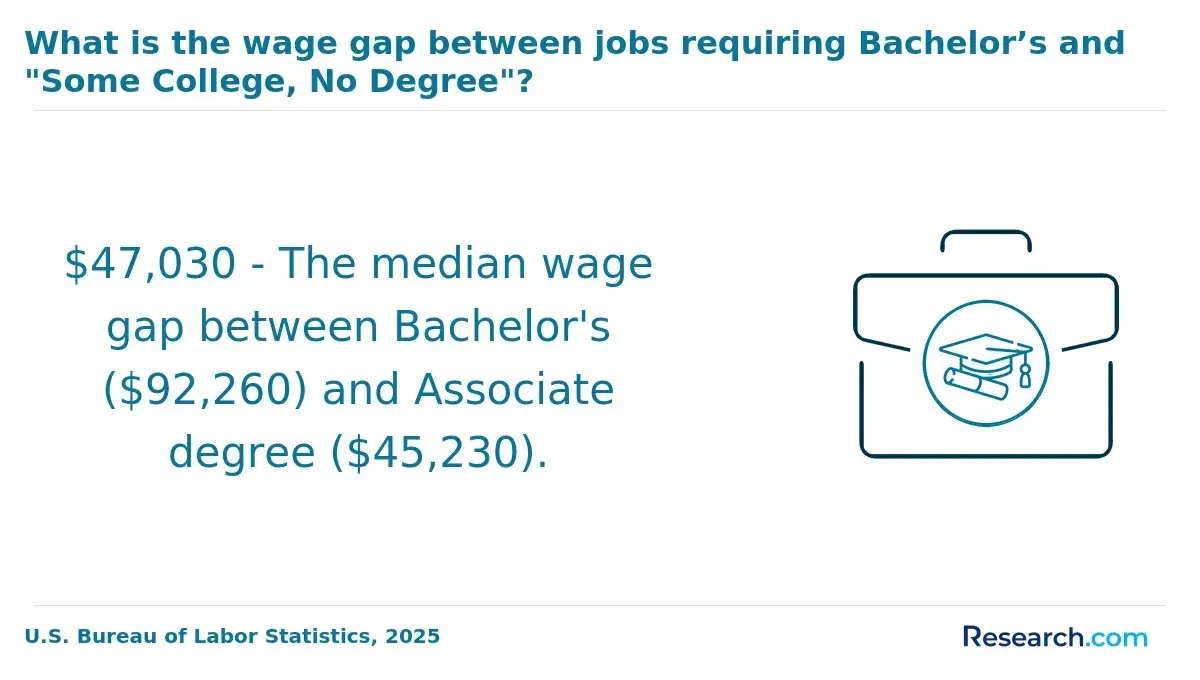
Pursuing a Spanish major opens access to specific career sectors that value bilingual expertise combined with cultural literacy. Spanish major career opportunities in the United States often require supplemental qualifications beyond language proficiency alone, as employers expect interdisciplinary skills to meet complex job demands. For instance, graduates aiming for teaching roles at K-12 and postsecondary levels frequently need state certification or advanced degrees to secure stable employment.
High-demand jobs for Spanish majors resistant to automation tend to involve nuanced human interaction and cultural context, such as legal and medical translation where specialized certifications command higher wages. Similarly, federal and state government positions in immigration and intelligence typically require security clearances and specialized training, underscoring the value of targeted skillsets.
Students should consider practical experience such as internships or study abroad programs to differentiate themselves in a competitive labor market. Without such enhancements, graduates risk underemployment or plateauing in low-tier service positions despite their language skills. Pairing Spanish with data analytics or pedagogy adds strategic value, enabling graduates to access broader professional domains.
Those weighing educational pathways might also explore whether can you get an engineering degree online options align better with their career goals and market demands, especially if aiming to move into highly technical or quantitative roles.
Which Spanish-related careers pay the most?
Positions commanding the highest salaries for Spanish majors increasingly require targeted expertise in international law, technology, or specialized translation. For example, Spanish interpreter jobs with the highest salaries typically involve senior roles in multinational corporations or international courts, offering annual pay between $70,000 and over $100,000 when certification in legal or technical interpretation is attained. Without such credentials, many language professionals remain confined to support roles with salaries nearer to $40,000-$50,000.
Demand also rises in international NGOs where Spanish fluency pairs with geopolitical knowledge; salaries here range from $60,000 to $85,000. These organizations have grown 45% in consultative status at the United Nations over the last decade, underscoring the growing need for skilled bilingual staff to navigate compliance and communication challenges.
Best paid Spanish-speaking careers in the United States also include bilingual education administration and technology-focused roles like localization project managers and UX writers, with compensation between $65,000 and $90,000. However, these pathways often require additional certifications or cross-disciplinary skills beyond language proficiency.
Prospective students must weigh these practical tradeoffs and credential requirements carefully. Entry-level roles often deliver limited financial mobility despite language skills alone. Those exploring a Spanish degree online for veteran should likewise assess career outcomes, credential value, and flexibility alongside other educational pathways. For those evaluating how long does it take to study architecture or similar fields, understanding market-driven certification timelines and role expectations is critical when considering a strategic career pivot.
How do online and campus Spanish programs compare?
Employer demand in fields like localization and international business favors candidates with in-person cultural immersion over solely online Spanish education. For instance, a localization manager values campus-trained graduates for their verified capability to navigate nuanced cultural contexts that directly affect adapting marketing content. Localization efforts yield a 1.5× revenue increase from new markets, and 76% of consumers prefer product information in their native language, according to CSA Research's 2024 "Can't Read, Won't Buy" study. This places a premium on Spanish majors who transcend literal translation to deliver culturally competent adaptations.
Online programs provide flexible access but often lack the spontaneous conversational depth and extracurricular reinforcement-such as language clubs and study-abroad experiences-that campus students gain. Employers report graduates from online-only tracks sometimes show weaker practical fluency and cultural awareness, limiting competitiveness for roles in government, education, and high-stakes translation.
Students must balance scheduling and personal constraints against the employability impact of their program choice. Those aiming for careers requiring direct cultural engagement-diplomacy or community outreach, for example-benefit significantly from campus immersion. Conversely, learners focused on scalable, remote language tasks may find online programs adequate if they actively seek internships or fieldwork to supplement applied skills.
What should a Spanish degree program include?
Advanced proficiency in Spanish paired with specialized intercultural communication skills is essential for meeting growing workforce demands, particularly in sectors requiring precise domain knowledge. The National Center for State Courts' 2024 Language Access Data Trends report notes a 200% increase in cases needing language access from 2010 to 2023, with Spanish topping requests-signaling substantial demand for legal translators and interpreters skilled in legal terminology and cultural nuance.
Effective Spanish degree curricula must incorporate targeted vocabularies like legal Spanish, medical terminology, and technical language to align graduates with employment realities in law, healthcare, and government contexts. Employers expect candidates to navigate fast-paced, high-stakes environments immediately, so capstone projects simulating courtroom or medical emergency interpretation are crucial for experience without prolonged on-the-job training.
Technology fluency is increasingly non-negotiable: graduates must competently use machine-assisted translation software and digital tools such as electronic health records and telehealth platforms, reflecting how human expertise now complements automation rather than competes with it.
Programs balancing linguistic mastery with cultural competency classes focused on Latin American and U.S.-based Spanish-speaking populations address socio-regional dialect diversity and prepare students to deliver nuanced communication impossible for algorithms to replicate, enhancing employability across social services and multinational sectors.
How do you verify a Spanish program's accreditation?
Program accreditation significantly influences the value of a Spanish degree in competitive job markets. Employers increasingly prefer candidates whose credentials are backed by nationally or regionally recognized accrediting bodies approved by the U.S. Department of Education or the Council for Higher Education Accreditation, ensuring that coursework meets essential academic and administrative standards. Specialized language accreditations can offer additional assurance but are not a substitute for foundational institutional accreditation.
For instance, bilingual positions in healthcare or government sectors often require federally recognized certifications that mandate degrees from accredited programs. Graduates from unaccredited schools risk facing obstacles in credential recognition, hindering employment or professional certification despite demand. The 2024 LinkedIn Workforce Report confirms that jobs specifying Spanish proficiency fill faster and attract significantly more applicants, amplifying the competitive edge of verified credentials.
To effectively evaluate accreditation, consider these steps:
- Check the institution in the U.S. Department of Education's Database of Accredited Postsecondary Institutions and Programs.
- Confirm that the Spanish program or department is covered by the institution's accreditation status.
- Request official accreditation documentation from admissions before committing to enrollment.
- Assess how accreditation influences credit transfers, certification eligibility, and employer recognition.
Thorough accreditation verification guards against investments yielding degrees with limited practical value. For example, healthcare interpreters pursuing federal credentials must hold degrees from accredited programs to avoid delayed or denied certification. Prioritizing this due diligence aligns educational choices with workforce realities, ensuring a strategic and credible pathway in Spanish language professions.
What admission requirements do Spanish programs usually have?
Admission standards for Spanish majors reflect a balance between foundational academic readiness and workforce alignment, particularly for roles demanding bilingual competence paired with digital skills. Applicants typically need a verified high school diploma and completion of key coursework in English and foreign languages, often maintaining a GPA between 2.5 and 3.0. Beyond grades, selective programs require essays that demonstrate cultural insight and clear motivation, differentiating candidates who merely meet proficiency from those prepared for real-world challenges.
Universities often expect prior Spanish study-usually two to three years-or success in placement exams to ensure students can handle intermediate or advanced content from the start. For working professionals switching into Hispanic market-focused careers, relevant professional experience can substitute for traditional prerequisites, aligning education with practical business needs.
The rapid growth of the U.S. Hispanic digital advertising market-projected to reach $18.5 billion by 2025 from $12.9 billion in 2022-illustrates emerging workforce demands. Employers increasingly seek professionals skilled in content localization and cross-cultural marketing, which influences admission criteria and curriculum design. Prospective students targeting these roles should anticipate expectations for digital literacy integrated with Spanish proficiency.
Logistical factors such as access to immersion programs or internships with Hispanic-focused organizations also impact admission viability, serving as practical filters for candidates ready to engage in specialized tracks. These tradeoffs highlight the need for strategic planning when pursuing advanced study paths that resist automation and retain economic relevance.
How long does a Spanish degree take and what does it cost?
Completing a bachelor's degree in Spanish involves a four-year full-time commitment, requiring roughly 120 to 130 credit hours. Despite similar academic structures, cost dispersion across institution types significantly impacts affordability: public in-state tuition averages near $10,000 annually, while out-of-state or private institutions may charge upwards of $35,000. This translates to total tuition fees ranging from $40,000 to $140,000, not including living expenses or supplementary costs such as study abroad programs, which play an integral role in developing practical language proficiency valued in sectors like international law and healthcare compliance.
For professionals pivoting into Spanish-related fields, accelerated programs or associate degrees might reduce time investment, but they often sacrifice depth and competitive standing, especially given employer expectations for nuanced cultural and linguistic fluency. A 2024 Economist Intelligence Unit survey revealed that 59% of multinational executives had encountered language-driven compliance issues within three years, prompting 44% to hire multilingual staff. This data signals employers' growing preference for candidates with strong Spanish capabilities to navigate regulatory complexities and global operations.
Community colleges offer a cost-effective entry point with transferable courses at around $3,500 per year, lowering overall expenses while maintaining academic rigor. However, pursuing a robust four-year degree remains essential for those targeting roles resistant to automation and demanding advanced expertise.
Which certifications help Spanish majors advance careers?
Attaining Certified Translator credentials through the American Translators Association (ATA) significantly improves prospects for Spanish majors targeting the competitive Spanish-English translation sector. Given the 41% increase in related translation and localization jobs, according to Upwork, ATA certification establishes verifiable competence essential for standing out in a rapidly expanding market. Yet, for those pursuing localization project roles within tech or media firms, PMP certification materially strengthens candidacy by demonstrating ability to lead diverse, multilingual teams.
Healthcare and legal interpreting represent specialized niches where certifications like the Certification Commission for Healthcare Interpreters (CCHI) or state-level court interpreter credentials offer distinct entry points. The rising demand for qualified interpreters in medical and judicial settings means these credentials translate directly to enhanced job stability and credibility.
Language proficiency diplomas such as DELE or SIELE confirm advanced Spanish skills but have limited standalone value for competitive translation or interpretation work without industry-specific certifications. Employers prioritize multidimensional qualifications that combine language mastery with domain expertise or technical credentials.
Spanish majors targeting software localization, for example, benefit substantially from integrating additional certifications in software testing or Agile methodologies; lacking these practical competencies risks displacement by automation or less credentialed contenders. This career strategy balances linguistic skill with operational and technical fluency, aligning with employer expectations in fast-evolving professional environments.
Other Things You Should Know About Spanish
Cultural competency often outweighs raw language fluency in real-world job performance for Spanish majors. Employers expect graduates to navigate cultural nuances, social contexts, and nonverbal communication effectively, especially in healthcare, education, or diplomacy. Prioritizing immersive cultural experiences or coursework improves outcomes more than reaching perfect grammar alone.
Employers increasingly favor candidates who pair a Spanish degree with expertise in business, health sciences, or technology over strictly language-focused graduates. This combination addresses practical workplace demands, such as bilingual customer support or multicultural marketing. Spanish majors should consider interdisciplinary minors or certificates to enhance career resilience and marketability.
Many Spanish majors struggle with demonstrating direct career pathways without additional certifications or professional experience. Translation or interpretation jobs require specialized credentials beyond a degree, creating a barrier. Additionally, balancing language skills with relevant industry knowledge is essential for passing competitive hiring processes. Early internship or volunteer experiences addressing these gaps significantly improve employability.
References
- Student visa for Spain - Accredited Spanish courses & visa support https://proyectoespanol.com/en/student-visa-spain/
- Top AI-resistant jobs and their employment outlook | edX https://www.edx.org/resources/top-ai-resistant-jobs
- Best Jobs for Bilingual Spanish Speakers - LTI Blog https://www.languagetesting.com/blog/best-jobs-for-bilingual-spanish-speakers/
- The 65 Jobs With the Lowest Risk of Automation by Artificial Intelligence and Robots - USCI https://www.uscareerinstitute.edu/blog/65-jobs-with-the-lowest-risk-of-automation-by-ai-and-robots
- SPANISH https://www.muw.edu/major/spanish/
- 9 jobs resilient to AI & automation https://www.processexcellencenetwork.com/ai/news/9-jobs-resilient-to-ai-automation
- Requirements to Study in Spain for Students | MIUC https://miuc.org/requirements-to-study-in-spain-for-international-students/
- Educational institutions and study programmes https://www.nuffic.nl/en/education-systems/spain/educational-institutions-and-study-programmes
- Language Requirements for Master’s Programs in Spain | INOMICS https://inomics.com/advice/language-requirements-for-masters-programs-in-spain-41307
- Which Jobs Will Survive AI Automation? https://www.myperfectcv.co.uk/blog/jobs-safe-from-ai