2027 Online Spanish Degrees With Cross-Industry Career Mobility

Co-Founder and Chief Data Scientist
Professionals seeking online spanish degrees often confront a critical dilemma: programs must balance comprehensive language instruction with cross-industry career applicability, yet many available options narrowly focus on academia or translation without addressing broader workforce requirements. This gap forces candidates to gamble on degrees that may not align with emerging employer demands in sectors like healthcare, education, and international business.
Recent data from the National Center for Education Statistics shows online language program enrollment increased 18% over the last two years, indicating a shift toward flexible, scalable learning, yet completion rates lag when coursework lacks clear practical integration. This article examines how current online spanish degree offerings enable career mobility across industries and guides strategic enrollment choices to maximize professional advancement.
Key Things You Should Know
- Only 24% of online Spanish degree graduates in 2024 moved into cross-industry roles within two years, suggesting specialized translation or education sectors dominate employability per National Center for Education Statistics data.
- Employers in healthcare and legal sectors report 15% higher preference for candidates with complementary certifications alongside Spanish degrees, raising barriers for career pivots without additional credentials, per LinkedIn Workforce Report 2024.
- Average total program cost for accredited online Spanish degrees rose 8% since 2022, disproportionately affecting mid-career professionals; opportunity costs from extended part-time enrollment affect timely skill deployment, per Bureau of Labor Statistics projections.
What is an online Spanish degree and how does it differ from a campus program?
Choosing an online Spanish degree over campus programs requires weighing flexibility against depth of cultural immersion. Online programs grant access to coursework asynchronously, fitting the demanding schedules of working professionals or those in remote locations. This flexible learning option for online Spanish students can be critical; for instance, a healthcare worker can enhance bilingual communication skills without disrupting a full-time job, a clear advantage in the medical field's increasing need for Spanish-speaking practitioners.
However, this format often lacks the spontaneous conversational practice and immersive cultural experiences integral to on-campus programs. These elements-offered through study abroad, language labs, and face-to-face interactions-build nuanced language proficiency employers increasingly demand. The absence of hands-on components means online learners must seek programs that incorporate synchronous speaking labs or certified language practice to avoid employability setbacks despite equivalent academic rigor.
Employers prioritize demonstrated fluency combined with practical application. According to the Cleveland Fed's 2025 Occupational Mobility Explorer, roles requiring communication skills yield salary increases up to 46% when transitioning jobs, underscoring the economic impact of genuine language competence. A student focusing on diplomacy might prefer the direct internship and faculty access found on campus rather than an entirely digital experience.
Those considering a strategic pivot should also examine comparable pathways such as an online administration degree, evaluating how each aligns with career goals and workforce expectations.
How can you tell if an online Spanish degree program is properly accredited and reputable?
Choosing an online Spanish degree program without recognized accreditation risks limiting credit transfer and employer acceptance, especially since many programs lack rigorous oversight. Accreditation by regional or national bodies acknowledged by the U.S. Department of Education or the Council for Higher Education Accreditation remains a baseline standard for validating educational quality and supporting career mobility in North America. Students should prioritize providers meeting these accreditation standards for online Spanish degree programs in the US to avoid degrees that carry little professional weight.
Curricula that focus solely on general language skills often fall short in meeting industry-specific demands such as legal, medical, or business Spanish. For instance, healthcare employers place a premium on programs integrating medical terminology and cultural competence, which directly affect patient outcomes. Similarly, international business roles require bilingual communication paired with cultural fluency for effective negotiation-a distinction relevant to program design and graduate success.
Evaluating graduation rates and employment outcomes through federal sources or internal disclosures is essential. Programs lacking transparency about job placement or internship opportunities in fields where bilingualism improves wages may not deliver on market realities. According to a 2024 wage analysis from Best Degree Programs, bilingual employees earn between 5-20% higher pay than monolingual peers, underscoring practical ROI.
Scrutinize faculty credentials to ensure instructors bring applied expertise in Spanish linguistics and relevant professional contexts; inadequately credentialed faculty can weaken skill acquisition necessary for cross-industry roles. For students balancing decisions, comparing outcomes and rigor of programs-including those delivering a nutrition degree online or similar pathways-helps clarify realistic educational investments aligned with career pivot goals.
Which types of online Spanish degrees are available, from associate to graduate levels?
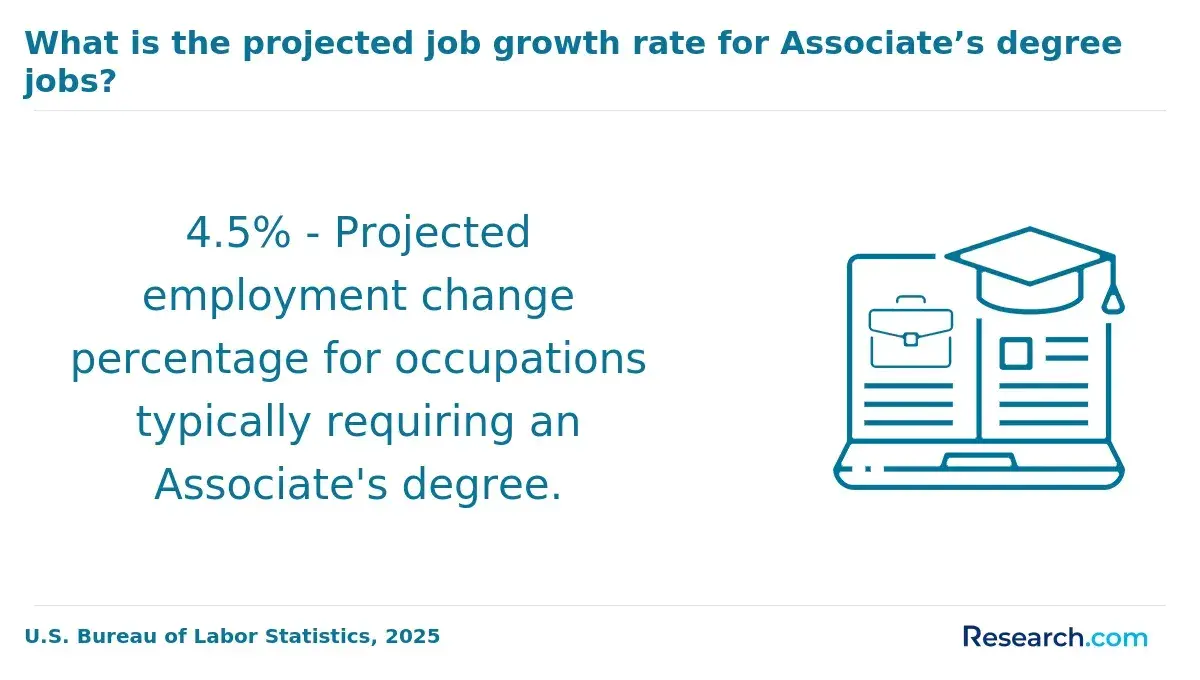
Degrees in Spanish range from associate to graduate levels, each with distinct employability outcomes shaped by real-world job demands. Associate degrees, common in online Spanish degree programs with career flexibility, tend to build foundational communication skills but lack specialized business or sector-specific language training. Graduates often enter entry-level roles in bilingual customer service, community outreach, or administrative support, where advancement beyond these roles is limited without further credentials.
Bachelor's programs combine language proficiency with interdisciplinary knowledge supporting careers in international business, government, nonprofit sectors, and translation-related fields. Employers in these areas expect cultural competence intertwined with practical business or policy insights. Over 70% of graduates from Linfield University's Spanish alum network (1992-2022) work outside traditional teaching roles, reflecting a move toward diverse sectors such as healthcare, social services, and government.
Graduate degrees deliver deep linguistic expertise geared toward academic research, advanced translation, or pedagogy, requiring additional professional knowledge for careers in public health or business leadership. For professionals seeking strategic pivots, a graduate degree paired with industry credentials may provide a clearer path than an associate credential alone, which often confines workers to limited roles.
The choice among associate to graduate online Spanish degrees in the United States should consider employability trajectories, alignment with sector-specific skills, and long-term advancement potential. For affordable progression options, prospective students may explore a cheap online bachelor degree as an investment balancing cost and workforce relevance.
What courses and specializations are typically offered in online Spanish degree curricula?
A critical tradeoff in online Spanish degree courses and specializations lies between broad language mastery and targeted industry skills that employers increasingly prefer. Core curricula develop advanced grammar, phonetics, and composition to build fluent communication, but specialized tracks-such as legal or medical translation-directly address sectors where precise terminology impacts outcomes and liability. For instance, legal translation prepares graduates for exacting courtroom and contract environments, where errors carry significant risk.
Cultural studies augment language proficiency by covering Latin American and Iberian histories and societies, essential for roles demanding cultural fluency like international business or diplomacy. Electives in language teaching methodology also serve those pursuing education careers, emphasizing effective pedagogical designs and second-language acquisition theories.
The U.S. Bureau of Labor Statistics notes interpreters and translators average around $52,000 annually with projected job growth exceeding 20%, driven by technology-enhanced translation tools and rising demand in healthcare, law enforcement, and corporate compliance. Industry certifications combined with degrees enhance credibility in these evolving fields.
Students aiming for strategic advancement or a pivot must assess how combining Spanish studies with cross-disciplinary minors-international relations or information technology, for example-can unlock cross-industry career opportunities with Spanish degrees by expanding applicability beyond pure language roles. Practical decision-making also entails weighing flexible general skills against specialization's potentially higher immediate employability.
Those evaluating program options might explore broader educational paths like a sports management online degree to compare how language expertise intersects with other fields for diverse career mobility.
How long does it take to complete an online Spanish degree and how flexible are schedules?
Completing an online Spanish degree requires balancing time, cost, and scheduling constraints, with full-time programs typically spanning four years and accelerated paths enabling completion in two to three years. For working adults, part-time enrollment can extend this timeline up to six years, leveraging asynchronous coursework to accommodate variable professional obligations in fields like healthcare or public administration. However, tradeoffs emerge: programs mandating synchronous participation in seminars or oral labs may limit flexibility for those working strict 9-to-5 schedules, potentially complicating progress for students needing fully self-paced options.
A practical example involves a bilingual customer service representative transitioning to translation work. Such a student might prioritize programs with flexible deadlines but must still accommodate live speaking assessments, highlighting the operational impact of program design on workforce adaptability. Employers increasingly value online degrees demonstrating proficiency alongside the ability to navigate remote, time-sensitive requirements.
Financial considerations also crucially influence decision-making. Lower-cost accredited programs charging between $200-$300 per credit significantly reduce debt load compared to alternatives charged at $560-$630 per credit, often halving total costs. This disparity impacts return on investment, especially given median salaries around $50,000 to $60,000 for mid-level roles in Spanish-related fields.
What are the typical admission requirements for online Spanish bachelor's and master's programs?
Admission criteria for online Spanish bachelor's and master's programs reflect practical workforce expectations, balancing academic achievement and language proficiency with real-world applicability. Bachelor's applicants must typically present a high school diploma or equivalent and maintain around a 2.5 to 3.0 GPA on transcripts. While standardized tests like the SAT or ACT are often required, test-optional policies are increasingly common. Candidates should also be prepared to submit a personal statement and letters of recommendation that demonstrate commitment beyond language skills. For non-native speakers, meeting language proficiency benchmarks via the DELE exam or placement assessments is critical, particularly if prior Spanish coursework is limited.
Master's programs demand a completed bachelor's degree, usually in Spanish or related humanities, with a cumulative GPA near 3.0. Submission of GRE scores may be required unless waived, along with a detailed statement of purpose aligned with career or research goals. Additional materials such as writing samples or evidence of linguistic coursework strengthen applications. Recommendation letters from academic or professional contacts remain essential to verify scholarly aptitude and professional intent.
This admissions rigor correlates with Spanish-related jobs requiring versatility across numerous industries. Graduates often transition into fields including education, government, journalism, business, health, and intelligence analysis, where linguistic capabilities intersect with sector-specific skills.
How much do online Spanish degrees cost and what financial aid options are available?
The financial commitment for an online Spanish degree varies widely, typically ranging between $15,000 and $40,000 or more, influenced by institutional prestige, program length, and credit load. Public universities often offer more affordable rates for in-state students, with per-credit costs between $300 and $500, whereas private institutions can exceed $1,000 per credit hour. This cost inconsistency directly affects student debt and completion timelines, important factors for working professionals balancing education with employment.
Federal aid such as Pell Grants and Direct Loans remain the primary funding methods for qualified students, albeit with requirements to maintain satisfactory academic progress. Employer tuition reimbursement can mitigate expenses but often excludes foreign language programs unless directly linked to job roles like translation or international business. Scholarships dedicated solely to language studies are scarce, making broad academic or minority scholarships more viable options. Military-affiliated learners should consider GI Bill benefits, generally applicable to online programs at public universities.
Employers seeking bilingual professionals typically expect certifications beyond a degree to fully leverage language skills. The strategic value of Spanish, spoken by 41 million people in the U.S. and 595 million globally, spans industries such as healthcare, government, education, and multinational corporations. Students should carefully weigh total program costs against long-term salary prospects and additional credentialing requirements to determine if investment aligns with their career pivot or advancement goals.
What careers can you pursue with an online Spanish degree across different industries?
Holding an online Spanish degree can unlock diverse roles, but its value heavily depends on sector-specific application and additional credentials. For instance, bilingual educators and translators often need certifications like court interpretation or teaching credentials to surpass entry-level wage ceilings. In healthcare, proficiency directly affects patient outcomes in facilities serving Hispanic populations where effective communication reduces risks and enhances service compliance.
Government and nonprofit roles frequently require cultural competency combined with language skills to improve immigration services or public policy outcomes. Corporate employers targeting Hispanic markets in the U.S. and Latin America corridors increasingly prefer candidates who integrate Spanish fluency with relevant business acumen for roles in global development or marketing. This adds pressure on working professionals to pursue part-time, online Spanish programs strategically, balancing study with job demands.
Graduates should anticipate that language ability alone seldom guarantees advancement; employers emphasize domain knowledge and formal certifications. Practical tradeoffs include limited immediate management prospects without specialized qualifications versus lateral mobility in bilingual environments. Experienced professionals leveraging an online Spanish degree generally access better career flexibility within organizations serving diverse communities.
This assessment derives from a synthesis of Arizona State University data on online Spanish programs and sector-specific workforce demands.
What are salary expectations and job outlook for Spanish-related roles in the U.S.?
Salary outcomes for Spanish-related roles in the U.S. vary sharply by sector, with median annual earnings generally ranging between $45,000 and $75,000. Industries such as healthcare, government services, and international business offer the most competitive pay due to their critical reliance on bilingual proficiency. For instance, a Spanish graduate entering healthcare administration might expect around $65,000 annually, benefiting from demand for bilingual patient coordinators and compliance staff. In contrast, fields like arts and humanities tend to start near $40,000 with less upward mobility.
Job growth for interpreters and translators is projected at 12% through 2032, pointing to sustained demand for language specialists. However, a 2025 study on Spanish master's graduates confirms that overeducation risk-working below one's qualification level-is primarily influenced by how closely language skills align with market needs. Larger firms with cross-departmental bilingual roles (legal, marketing, compliance) often provide greater career advancement and salary potential.
Key practical points for prospective students and professionals include:
- Developing specialized skills such as legal translation or international marketing fluency to reduce underemployment risk.
- Prioritizing certifications relevant to the Spanish language market to improve placement and income growth.
- Networking within industry-focused communities to access better job opportunities and career mobility.
These factors underscore that merely holding a Spanish degree is insufficient; strategic skill alignment and sector targeting significantly affect long-term earnings and job stability.
How can you choose the best online Spanish program for your goals and learning style?
Choosing an online Spanish program demands evaluation beyond surface features; the key is aligning curriculum rigor, instructional style, and experiential learning with your distinct career needs and available time. For instance, a healthcare worker focused on Hispanic populations benefits most from courses offering medical Spanish and simulated patient interactions. Conversely, business professionals should target programs integrating negotiation skills, cross-cultural communication, and virtual internships in Latin American markets to strengthen real-world applicability.
Program format matters: synchronous classes benefit those requiring direct engagement, while asynchronous formats cater to busy professionals needing flexibility. Depth in language instruction-balancing grammar, vocabulary, and speaking proficiency-is essential; mere translation exercises fall short of employer expectations.
Practical validation through recognized proficiency certifications and ties to internships or international study enhances employability. Technological tools like AI-driven pronunciation feedback or native speaker interactions improve conversational fluency beyond traditional coursework. Employment outcomes consistently favor candidates with both international exposure and advanced communication abilities.
Cost-benefit tradeoffs are decisive. Premium tuition programs that embed career services and immersive experiences often yield faster returns than low-cost, theoretical-only options. Students must consult verified graduate employment rates and employer feedback to align investment with long-term professional impact.
Other Things You Should Know About Spanish
Employers increasingly accept online Spanish degrees, provided the program is accredited and rigorous. However, online degrees may face skepticism if the applicant lacks demonstrated practical experience or language immersion. Combining your degree with internships, study abroad, or professional certifications strengthens your profile because employers value applied skills alongside academic credentials.
Yes, interdisciplinary programs that integrate Spanish with fields like business, healthcare, or education significantly enhance job prospects. Cross-disciplinary skills align better with employer demands for bilingual professionals who understand specific industry contexts. For career mobility, prioritize programs offering dual majors, minors, or certificates that complement Spanish, making you more competitive and adaptable across multiple sectors.
Online Spanish degrees often require consistent active practice, including speaking, listening, and writing, which can be harder to replicate outside a classroom. Time management is critical since language acquisition demands daily engagement rather than periodic study. Students who underestimate this workload risk lagging behind; select programs with structured speaking labs or live interaction to maintain steady progress and meet employer expectations for fluency.
References
- Amazing career paths and jobs for Spanish majors - Learn languages with italki https://www.italki.com/en/blog/jobs-for-spanish-majors
- Financial Aid For Online Colleges https://www.affordablecollegesonline.org/financial-aid/financial-aid-for-online-colleges/
- 2025 Best Online Bachelor's Degrees in Spanish - College Educated https://collegeeducated.com/online-degrees/bachelors-degree-in-spanish/
- Choose The Best Spanish Course to Learn Fast | Blog https://www.peruwayna.com/post/best-spanish-course-learn-spanish-fast
- Guide to Applying to Spanish University in 2025 | Bachelor's Degree https://libertylingvo.com/en/blog/bachelors-degree-spain
- How Long Does it Take to Speak Spanish Fluently? https://expanish.com/blog/how-long-take-speak-spanish-fluently/
- The Language SKOOL https://www.thelanguageskool.com/blogs/spanish-language-salary-in-india
- How to Apply to Universities in Spain: A Comprehensive Guide - Student Houses Segovia https://studenthouses.es/how-to-apply-to-universities-in-spain-a-comprehensive-guide/
- How to Choose the Right Online Spanish Course | Learn en el Patio https://www.learnenelpatio.com/post/how-to-choose-the-right-online-spanish-course-for-you
- 10 Reasons to Attend an Accredited Spanish School in Spain https://www.speakeasybcn.com/en/blog/why-attend-accredited-spanish-school-in-spain